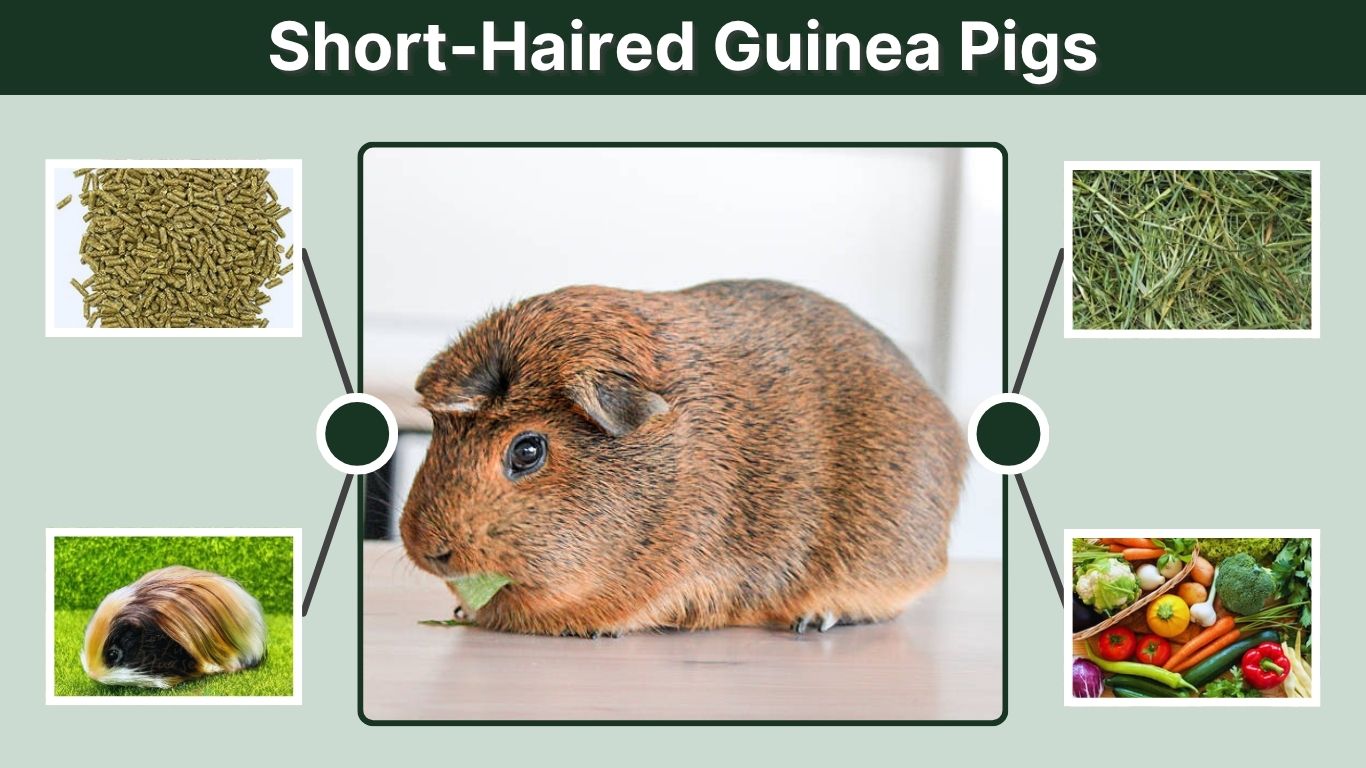
Short-haired guinea pigs are popular pets because their compact coats are attractive and relatively easy to maintain. The term usually describes guinea pigs with smooth, rosetted, crested, or plush fur that remains close to the body. Although they require less coat maintenance than long-haired varieties, they still need regular health checks, proper nutrition, companionship, and a clean living environment. This guide covers the common short-haired guinea pig breeds, their appearance, personality, grooming requirements, lifespan, colors, and basic coat genetics.
What Is a Short-Haired Guinea Pig?
A short-haired guinea pig is any domestic guinea pig whose coat stays relatively short rather than growing into the long locks seen in breeds such as the Peruvian or Silkie. The American guinea pig—also called the English or short-haired guinea pig—is the best-known smooth-coated variety.
Short coats can have different textures and growth patterns. Some lie flat and smooth, while others form rosettes, crowns, or a dense plush covering.
Short-Haired Guinea Pig Characteristics
Common characteristics include:
- Short fur that does not require trimming
- A compact, rounded body
- Small folded ears and bright eyes
- Numerous colors and coat patterns
- Lower grooming demands than long-haired breeds
- An adult weight commonly ranging from about 700 to 1,200 grams, depending partly on sex and individual build
Hair length does not determine personality. Temperament is more strongly influenced by socialization, handling, health, environment, and the individual guinea pig.
Types of Short-Haired Guinea Pigs
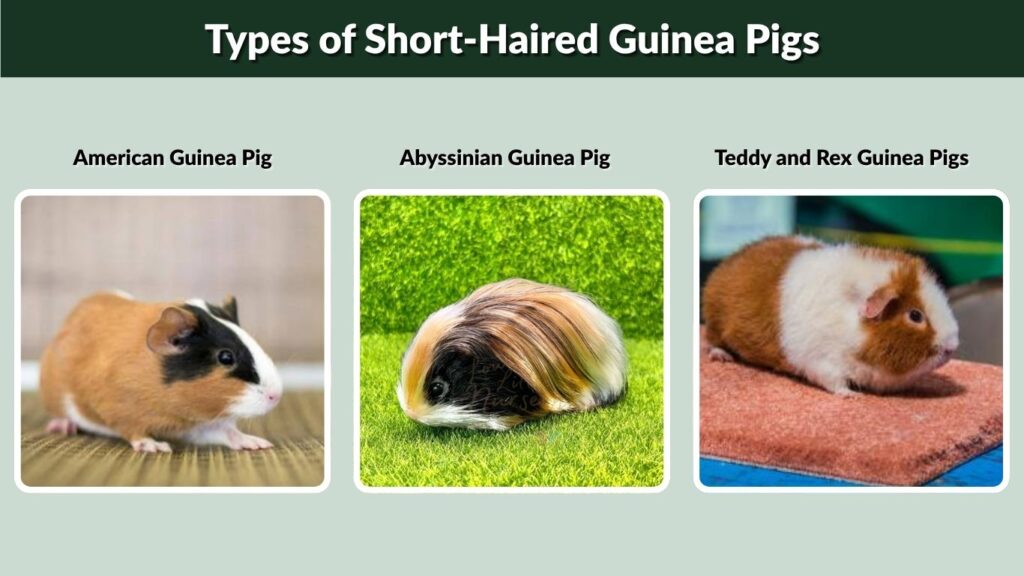
Several guinea pig breeds and coat types have short fur. Breed names and show standards may vary between countries, but the following are among the most familiar short-coated varieties.
| Type | Coat appearance | Grooming level |
| American | Smooth, straight and close to the body | Low |
| White Crested | Smooth coat with one white forehead crown | Low |
| Abyssinian | Short, rough coat arranged in rosettes | Moderate |
| Teddy | Dense, springy and plush | Low to moderate |
| Rex | Short, coarse, upright coat | Low to moderate |
| American Satin | Smooth short coat with noticeable sheen | Low |
American Guinea Pig
The American is the classic short-haired guinea pig. Its coat is smooth, even and close-lying, without long furnishings or body rosettes. It occurs in many colors, including black, white, cream, red, chocolate, agouti and mixed patterns.
American guinea pigs are especially popular with first-time owners because their coats are simple to inspect and maintain. However, an easy-care coat does not make the animal itself a low-maintenance pet.
Abyssinian Guinea Pig
Abyssinians have short hair arranged in multiple rosettes or circular whorls. Ridges form where neighboring rosettes meet, creating the breed’s distinctive untidy appearance. The rosette pattern is controlled by coat genes that differ from those producing a smooth American coat.
Their fur may trap slightly more loose bedding and debris than a smooth coat, so regular inspection is helpful.
Teddy and Rex Guinea Pigs
Teddy and Rex guinea pigs have short, dense coats that stand away from the body. Their fur feels noticeably different from the smooth coat of an American guinea pig. Rex coats are commonly described as short, springy and coarse.
Despite their similar appearance, Teddy and Rex coat traits have different genetic backgrounds and should not be considered the same breed.
Short-Haired Guinea Pig Colors
Short-haired guinea pigs are available in a wide variety of colors and markings. Color alone usually does not identify the breed because the same color may appear in several coat types.
Frequently seen colors and patterns include:
- Black
- White
- Cream
- Brown or chocolate
- Red and orange
- Grey or lilac
- Agouti
- Tortoiseshell
- Brindle
- Roan
- Dalmatian
- Dutch markings
- Black and white
- Brown and white
- Tricolor or “calico”
Terms such as “black short-haired guinea pig” or “brown-and-white short-haired guinea pig” generally describe the animal’s color rather than a separate breed.
Short-Haired Guinea Pig Care
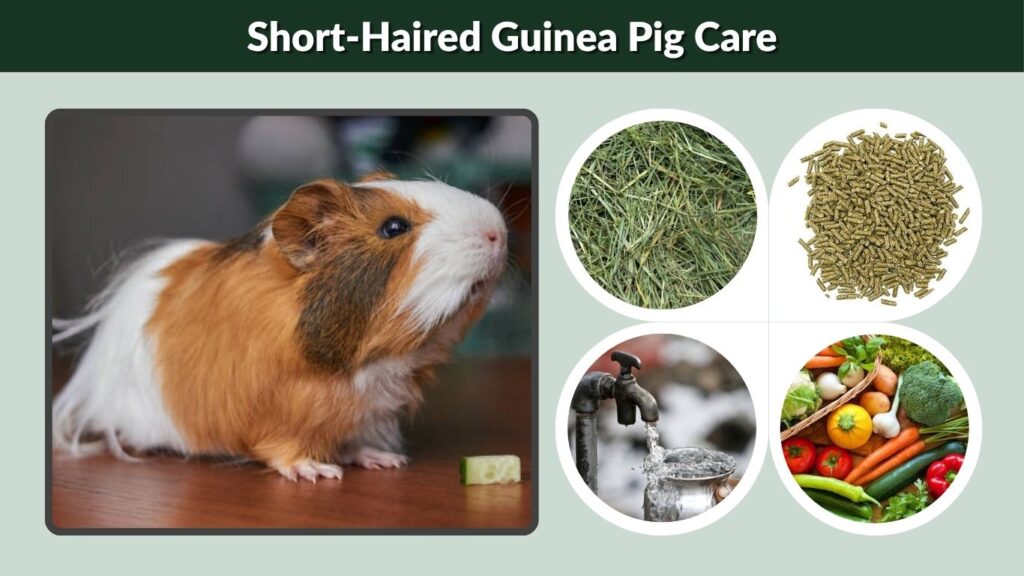
Short-haired guinea pigs need the same fundamental care as long-haired animals. Their enclosure should provide room to exercise, secure hiding areas, dry bedding, good ventilation and protection from extreme temperatures.
Guinea pigs are social animals and generally benefit from living with a compatible guinea pig rather than being housed alone. They also require daily observation because they may hide early signs of illness.
Diet and Vitamin C
A guinea pig’s diet should be based mainly on grass hay, which supports normal digestion and helps wear down continuously growing teeth. Guinea pigs must also receive dietary vitamin C because they cannot manufacture it in their bodies.
A suitable daily diet normally includes:
- Unlimited grass hay
- Fresh drinking water
- Measured guinea pig pellets containing stabilized vitamin C
- Appropriate fresh vegetables
- Limited sugary fruit as an occasional treat
Sudden dietary changes should be avoided because guinea pigs have sensitive digestive systems.
Housing and Cleaning
Remove wet bedding, uneaten fresh food and heavily soiled areas every day. Complete enclosure cleaning should be performed regularly according to the enclosure size and number of animals.
Provide solid flooring rather than an uncovered wire floor. Include tunnels, shelters and safe opportunities to explore, but avoid exercise wheels and balls because a guinea pig’s body is not designed to use them safely.
How to Groom a Short-Haired Guinea Pig
Short-haired guinea pigs do not usually require daily brushing, but regular grooming makes it easier to detect skin problems, lumps, wounds and parasites. The RSPCA recommends maintaining guinea pig coats regularly, with long-haired breeds needing more frequent grooming than short-haired animals.
Simple Grooming Routine
- Brush the coat gently once a week or when shedding increases.
- Check behind the ears and around the hindquarters.
- Examine the skin for dandruff, crusts or bald patches.
- Check and trim the nails regularly.
- Monitor the feet for redness or sores.
- Weigh the guinea pig weekly to identify unexplained weight loss.
- Seek veterinary advice for persistent itching or hair loss.
Guinea pigs generally keep themselves clean, so frequent bathing is unnecessary. Bathe one only when genuinely needed, using lukewarm water and a product considered safe for guinea pigs. Dry the animal completely and protect it from drafts.
Can Short-Haired Guinea Pigs Get Lice?
Yes. Short-haired guinea pigs can develop lice or mites just as long-haired animals can. Parasites may cause itching, dandruff, discomfort, crusting or hair loss, although some affected guinea pigs initially show few symptoms. Veterinary diagnosis is important because the correct treatment depends on the parasite involved.
Do not use dog, cat or livestock parasite treatments unless an experienced veterinarian specifically recommends them.
Short-Haired vs. Long-Haired Guinea Pigs
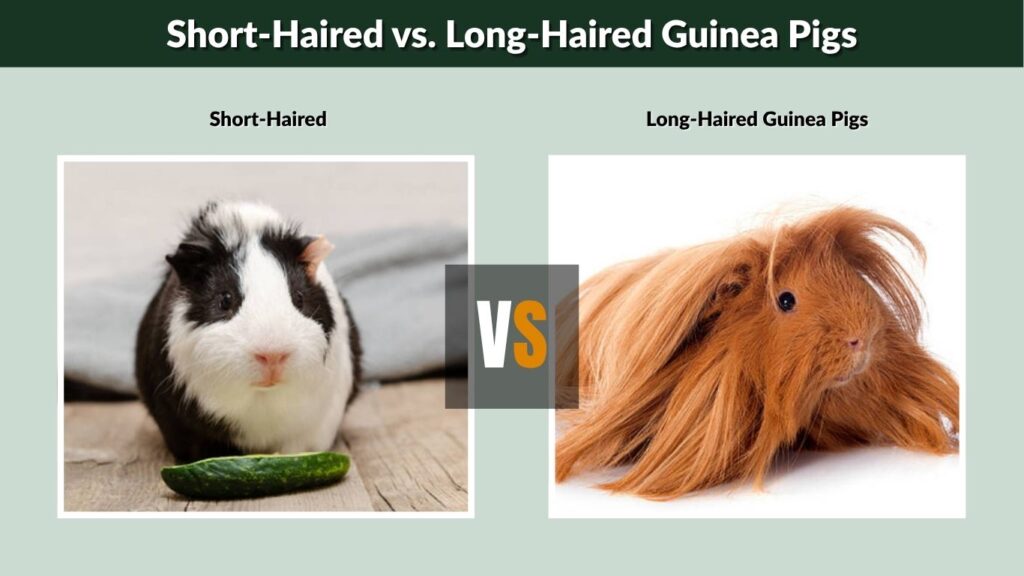
Both coat types have similar dietary, housing and social requirements. The primary difference is the amount of coat maintenance required.
| Feature | Short-haired guinea pig | Long-haired guinea pig |
| Brushing | Usually occasional | Often daily |
| Hair trimming | Usually unnecessary | Commonly required |
| Tangling | Uncommon | More likely |
| Bedding caught in coat | Less common | More common |
| Skin inspection | Relatively easy | Hair must be separated |
| General care commitment | High | High, with added grooming |
A short-haired guinea pig may suit an owner who cannot manage daily coat brushing. However, it still requires daily feeding, cleaning, social interaction and health monitoring.
Is Short Hair Dominant in Guinea Pigs?
In many classroom genetics problems, the short-hair allele is represented as dominant and the long-hair allele as recessive. A short-haired guinea pig may therefore be homozygous dominant or heterozygous, while a long-haired guinea pig carries two recessive alleles. Educational and laboratory references describe long hair as an autosomal recessive trait.
When two heterozygous short-haired guinea pigs are crossed:
| Parent cross | Expected genotype | Expected appearance |
| SS × Ss combinations | 25% SS | Short hair |
| Ss | 50% Ss | Short hair, carrying long hair |
| ss | 25% ss | Long hair |
The expected phenotype ratio is therefore approximately three short-haired offspring to one long-haired offspring. Real breeding outcomes may be affected by additional genes controlling rosettes, texture, curls, satin sheen and other coat characteristics.
Short-Haired Guinea Pig Lifespan
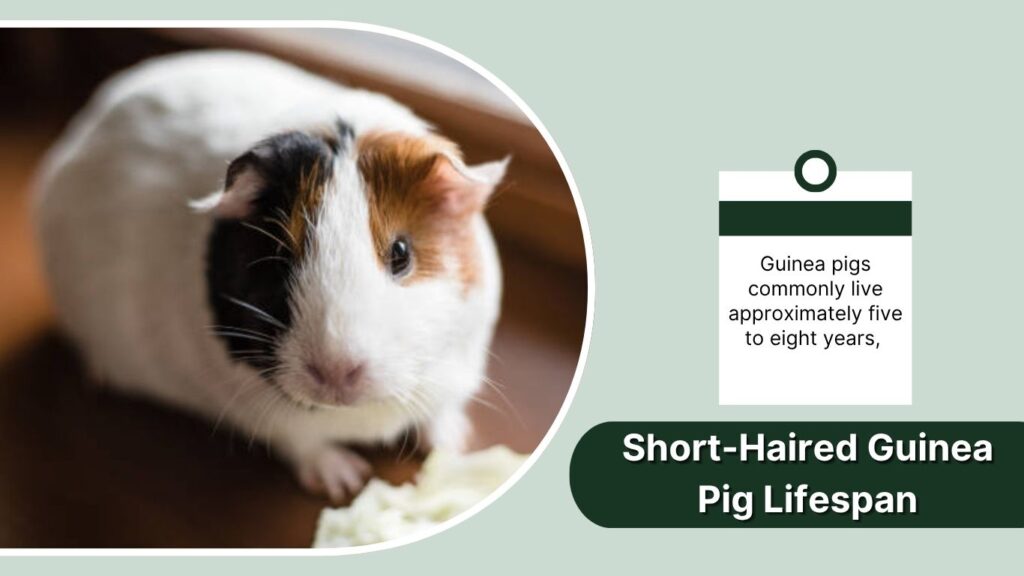
Guinea pigs commonly live approximately five to eight years, although some live longer with appropriate care. Hair length itself does not provide a clear lifespan advantage. Diet, genetics, dental health, housing, veterinary attention and overall care are much more important.
Regular weight checks are particularly valuable because weight loss, reduced eating, breathing changes or altered grooming may indicate illness requiring prompt veterinary attention.
FAQs
Do short-haired guinea pigs grow long hair?
A genetically short-haired guinea pig will normally retain a short coat throughout its life. A baby’s coat may become denser or change slightly in texture as it matures, but it will not develop the continuously growing coat of a true long-haired breed.
Are short-haired guinea pigs good pets for beginners?
Their simpler grooming requirements can make them more manageable for beginners. Nevertheless, they require spacious housing, another compatible guinea pig, unlimited hay, fresh vegetables, vitamin C, regular cleaning and access to an experienced exotic-animal veterinarian.
How often should a short-haired guinea pig be brushed?
Weekly brushing is generally sufficient for a healthy smooth-coated guinea pig. More frequent grooming may be useful during shedding or for textured breeds such as the Abyssinian, Teddy and Rex. Use grooming time to inspect the skin and body.
Do short-haired guinea pigs need baths?
Routine bathing is usually unnecessary. A bath may be appropriate when the coat becomes heavily soiled or when recommended for a medical reason. Use a guinea-pig-safe product, rinse thoroughly and dry the animal completely in a warm, draft-free location.
Where can I find a short-haired guinea pig?
Short-haired guinea pigs may be available through rescues, shelters, reputable breeders and occasionally pet stores. Adoption gives homeless animals another opportunity for suitable care. Before choosing one, confirm its health, sex, living arrangements and need for a compatible companion.