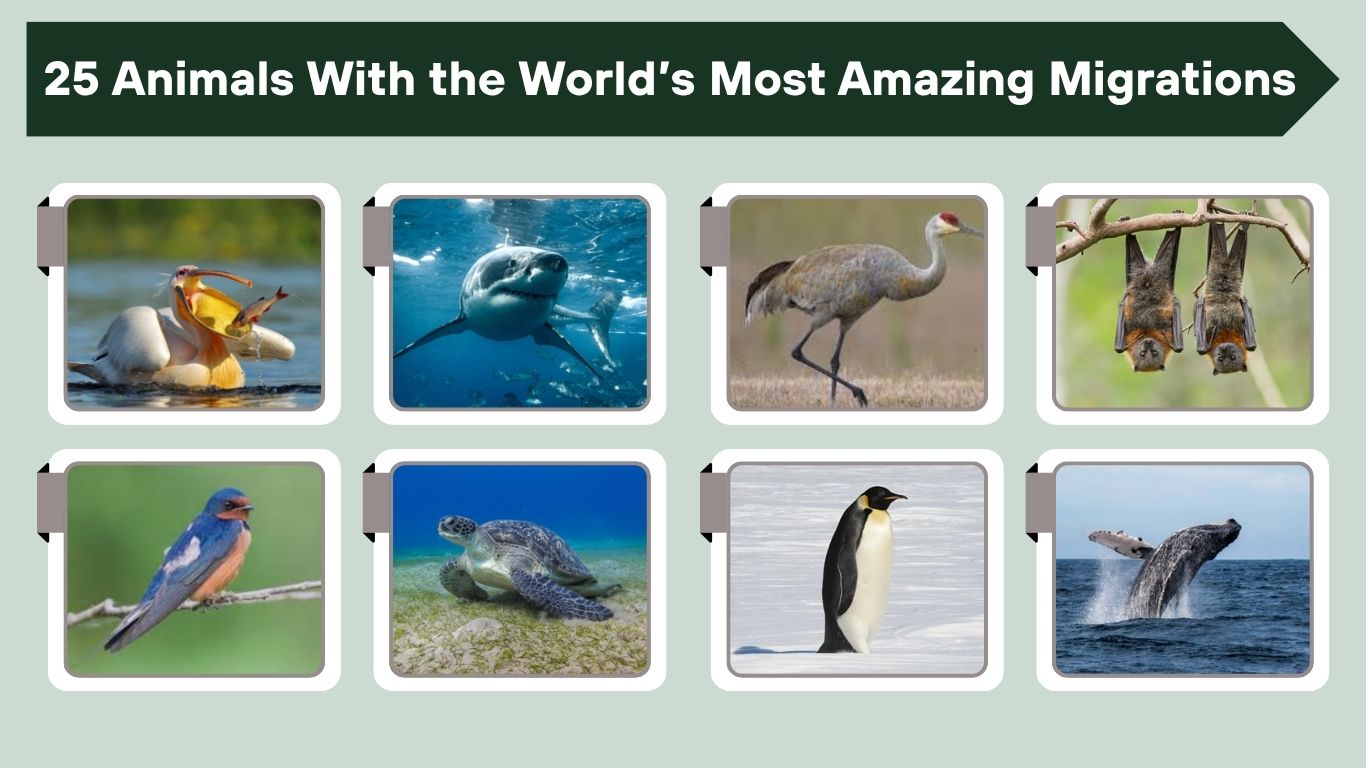
Animal migration is one of nature’s most fascinating survival strategies. Every year, millions of animals travel across land, oceans, and skies in search of food, warmer climates, breeding grounds, and safer habitats. From tiny monarch butterflies to giant humpback whales, migratory species complete incredible journeys that often span thousands of miles. These seasonal movements help animals survive changing environmental conditions and maintain healthy ecosystems. In this article, you will discover 25 common types of migratory animals, their migration patterns, habitats, diets, and the reasons behind their remarkable long-distance travels around the world.
1. Arctic Tern
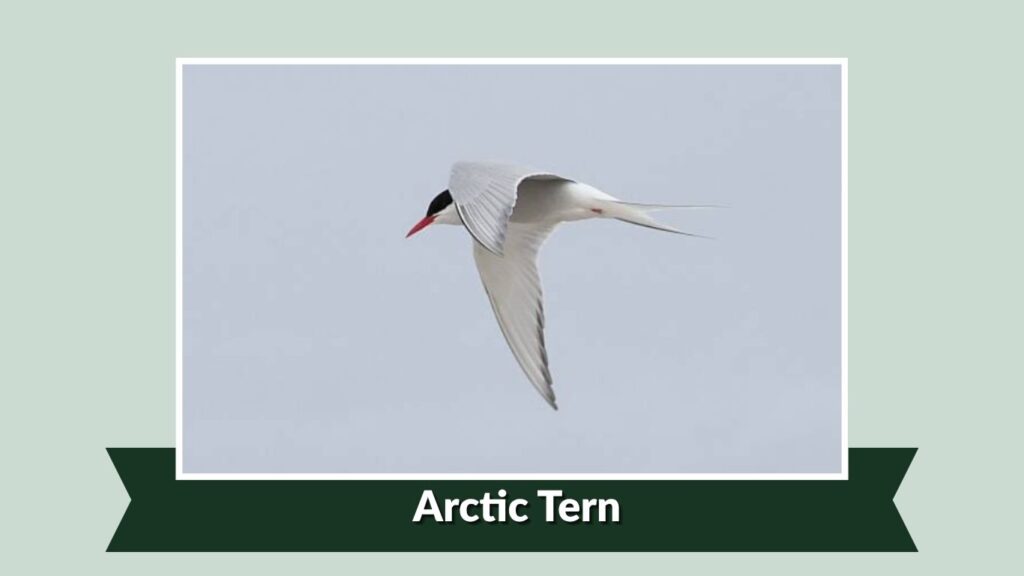
Arctic terns are remarkable migratory birds known for traveling longer distances than almost any other animal in the world. These elegant seabirds migrate annually between the Arctic and Antarctica, covering enormous distances in search of food, warmer conditions, and ideal breeding environments. Their migration allows them to experience two summers each year, giving them access to extended daylight and abundant feeding opportunities.
Identification
- Medium-sized seabird with long, pointed wings
- White and light gray feathers
- Black cap covering the top of the head
- Bright red beak and legs
- Deeply forked tail
- Slim and graceful body shape
Migration Pattern
Arctic terns travel from Arctic breeding grounds to Antarctic waters during the colder months. Their migration route crosses oceans and continents, often stretching over 40,000 miles each year. They typically follow seasonal weather patterns and ocean currents that support rich food supplies. These birds spend much of their lives flying and resting over open water during their journey.
Why Arctic Terns Migrate
The main reason Arctic terns migrate is to find food and favorable climates throughout the year. By moving between the northern and southern hemispheres, they avoid harsh winters and gain access to areas filled with fish and marine life. Migration also helps them breed successfully in safer Arctic nesting areas during summer.
Habitat
Arctic terns are commonly found near coastal waters, islands, beaches, and tundra regions during breeding season. During migration, they spend most of their time above open oceans. They prefer environments with easy access to marine food sources and safe nesting grounds away from predators.
Diet
These birds mainly feed on small fish, shrimp, plankton, and other marine creatures. Arctic terns hunt by hovering above water and diving quickly to catch prey. Their sharp eyesight and agile flying skills make them effective hunters in ocean environments.
Interesting Facts
Arctic terns are believed to see more daylight than any other animal because they migrate between Arctic and Antarctic summers. They can live for several decades and travel millions of miles during their lifetime. Their incredible endurance and navigation abilities make them one of nature’s most impressive migratory species.
2. Monarch Butterfly

Monarch butterflies are among the most famous migratory insects in the world. These delicate orange-and-black butterflies travel thousands of miles across North America each year. Their migration is unique because multiple generations complete the journey, with different butterflies continuing the route started by earlier generations. They migrate mainly to escape cold weather and reach warmer regions during winter.
Identification
- Bright orange wings with black veins
- White spots along black wing borders
- Medium-sized butterfly with broad wings
- Thin black body with tiny white markings
- Slow and graceful flying pattern
- Wingspan usually between 3 and 4 inches
Migration Pattern
Monarch butterflies migrate from Canada and the northern United States to warmer areas in Mexico and coastal California during autumn. Their journey can span up to 3,000 miles. Millions of monarchs gather together in forests during winter before returning north in spring to reproduce and continue the migration cycle.
Why Monarch Butterflies Migrate
Monarch butterflies migrate mainly to avoid freezing temperatures and food shortages during winter. Cold climates make survival difficult because nectar-producing flowers disappear. Warmer southern regions provide safer conditions and better access to food sources needed for survival and reproduction.
Habitat
Monarch butterflies live in meadows, grasslands, gardens, farmlands, and open fields. They prefer habitats rich in milkweed plants because monarch caterpillars feed exclusively on milkweed leaves. During migration, they rest in forests, trees, and sheltered natural areas.
Diet
Adult monarch butterflies feed mainly on nectar from flowers. Caterpillars eat milkweed leaves, which contain chemicals that make the butterflies toxic to many predators. This natural defense helps protect them throughout their life cycle.
Interesting Facts
Monarch butterflies are one of the few insects capable of long-distance migration. They use environmental cues such as sunlight and Earth’s magnetic field for navigation. Large groups of monarchs clustering together in trees during winter create one of the most spectacular natural migration events in the world.
3. Wildebeest

Wildebeests are large grazing mammals best known for their massive seasonal migration across the African savannas. Their migration is considered one of the greatest wildlife spectacles on Earth, involving millions of animals moving together in search of fresh grass and water. These migrations are closely linked to rainfall patterns and changing seasons in East Africa.
Identification
- Large antelope-like mammal with a muscular body
- Dark gray or brown coat
- Curved horns on both males and females
- Long face with a broad muzzle
- Beard-like hair hanging from the neck
- Thin legs built for long-distance travel
Migration Pattern
Wildebeests migrate mainly between Tanzania’s Serengeti and Kenya’s Maasai Mara. They travel in enormous herds that can include millions of animals along with zebras and gazelles. Their movement follows seasonal rainfall, which helps them locate fresh grasslands and water sources throughout the year.
Why Wildebeests Migrate
The primary reason wildebeests migrate is to find food and water. Seasonal rains create new grazing areas, while dry conditions force herds to move continuously. Migration also helps them access healthier feeding grounds that support breeding and survival.
Habitat
Wildebeests live mainly in grasslands, open plains, and savanna regions. They prefer wide, open habitats where they can graze easily and detect predators from a distance. During migration, they cross rivers, dry plains, and woodland areas.
Diet
Wildebeests are herbivores that feed mainly on short grasses. They rely heavily on fresh green grass produced after rainfall. Water is also essential for their survival, so they stay close to reliable water sources whenever possible.
Interesting Facts
The wildebeest migration includes dangerous river crossings filled with crocodiles and strong currents. Despite these dangers, the migration continues every year as part of their natural survival cycle. Their movement also supports entire ecosystems by providing food for predators and helping maintain grassland balance.
4. Humpback Whale
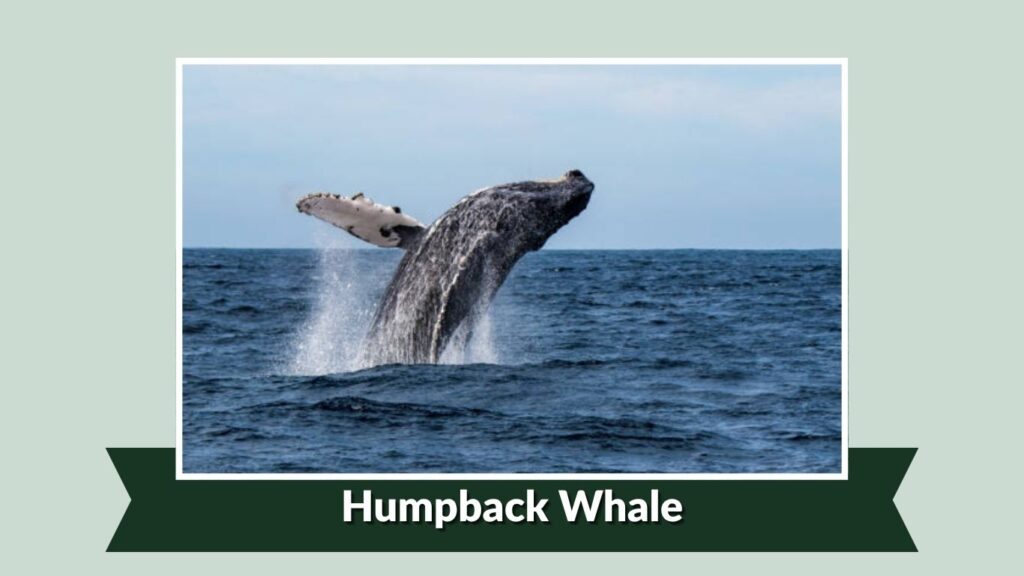
Humpback whales are massive marine mammals famous for their long seasonal migrations between feeding and breeding areas. These whales travel thousands of miles through the world’s oceans every year. Their migration is driven mainly by the need to find food in cold waters and reproduce in warmer tropical regions. Humpback whales are also well known for their songs, acrobatic jumps, and social behavior.
Identification
- Large whale with a long, heavy body
- Dark gray or black coloration
- Very long pectoral fins
- Knobby head covered with small bumps
- Broad tail with unique black-and-white patterns
- Can grow up to 60 feet long
Migration Pattern
Humpback whales migrate annually between cold polar feeding grounds and warm tropical breeding waters. During summer, they feed in nutrient-rich regions near the poles. In winter, they travel to warmer oceans to mate and give birth. Some humpback whales migrate over 5,000 miles each year.
Why Humpback Whales Migrate
These whales migrate mainly for feeding and reproduction. Cold waters contain large amounts of krill and small fish that provide abundant nutrition. Warm tropical waters are safer for newborn calves because the temperatures help young whales survive during early development.
Habitat
Humpback whales are found in oceans around the world. They live in deep offshore waters, coastal regions, and tropical breeding grounds. Their habitat changes seasonally depending on migration patterns and food availability.
Diet
Humpback whales mainly eat krill, plankton, and small schooling fish. They often use a feeding method called bubble-net feeding, where groups of whales create bubbles underwater to trap fish before swallowing them.
Interesting Facts
Humpback whales are famous for their complex songs, which can travel long distances underwater. Each whale’s tail pattern is unique, allowing researchers to identify individuals. Despite their enormous size, humpbacks are highly agile and often leap dramatically out of the water.
5. Caribou
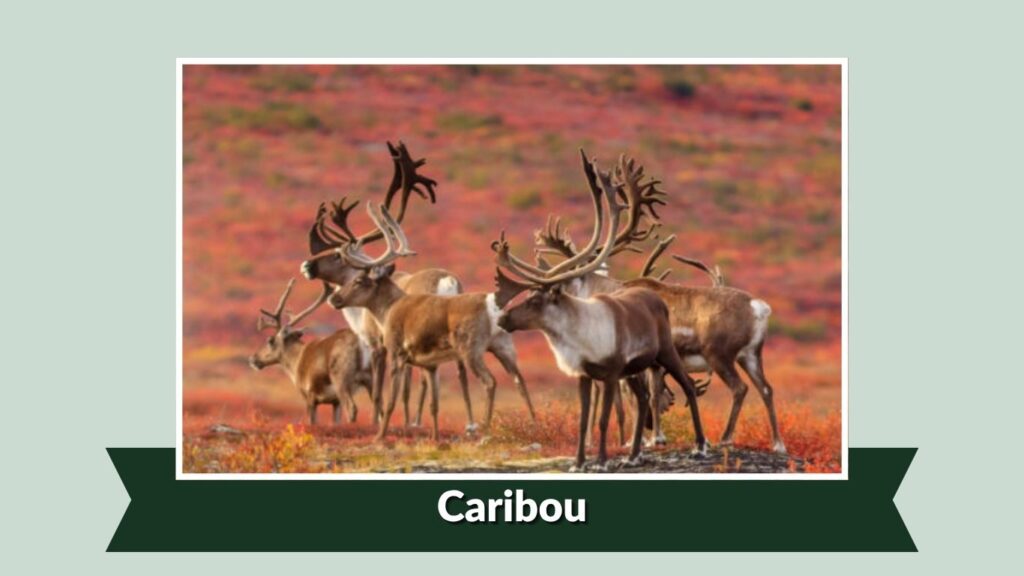
Caribou, also known as reindeer in some regions, are large migratory mammals that travel across Arctic and subarctic landscapes in massive herds. They are famous for their long seasonal journeys through tundra and forest environments. Caribou migrate mainly to find food, safer breeding grounds, and better weather conditions throughout the year.
Identification
- Large deer-like mammal with thick fur
- Brown, gray, or whitish coat depending on season
- Large branching antlers on both males and females
- Wide hooves adapted for snow and soft ground
- Strong legs built for long-distance movement
- Thick neck and compact body shape
Migration Pattern
Caribou migrate between winter forests and summer tundra regions across northern North America, Europe, and Asia. Some herds travel more than 3,000 miles annually. During spring and summer, they move north to cooler breeding areas with fewer predators and abundant vegetation. In winter, they return to forested regions for shelter and food.
Why Caribou Migrate
Caribou migrate mainly to access seasonal food sources and improve survival. Summer tundra provides fresh plants and safer calving grounds, while winter forests offer protection from harsh Arctic winds. Migration also helps reduce exposure to insects and predators during sensitive breeding periods.
Habitat
Caribou live in tundra, boreal forests, mountain regions, and Arctic plains. Their habitats often experience extreme seasonal weather changes, requiring constant movement to locate favorable conditions and feeding grounds.
Diet
Caribou are herbivores that feed on grasses, mosses, shrubs, leaves, and lichens. During winter, lichens become a major food source because they remain available beneath snow-covered ground.
Interesting Facts
Caribou are excellent swimmers and can cross rivers and lakes during migration. Their hooves change seasonally, becoming softer in summer for better grip on wet ground and harder in winter for walking on ice and snow. These animals are highly important to Arctic ecosystems and Indigenous cultures.
6. Salmon
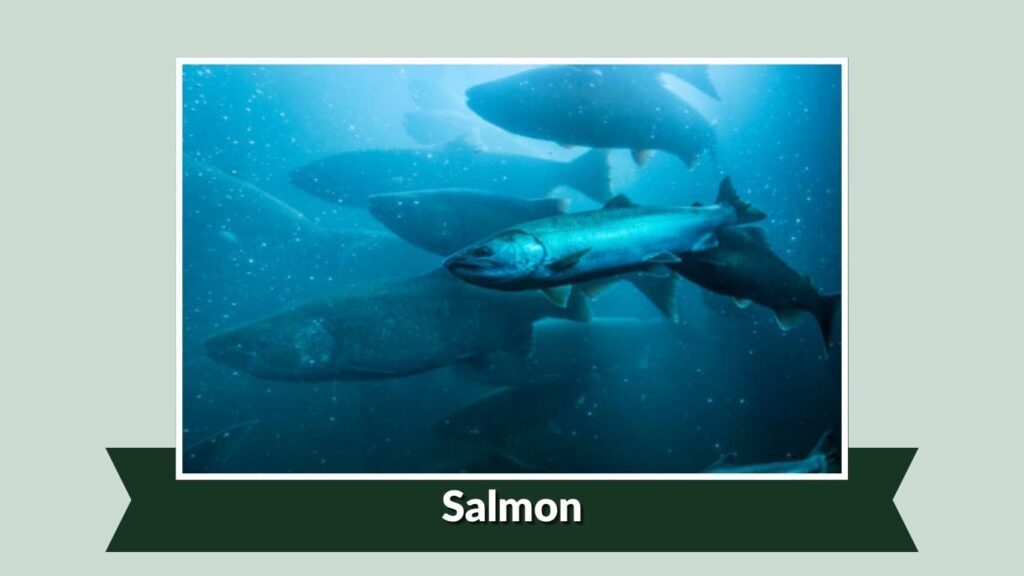
Salmon are migratory fish known for their incredible journey between freshwater rivers and the ocean. These fish hatch in rivers, travel to the sea to grow and mature, and later return to their birthplace to reproduce. Their migration is one of the most remarkable survival cycles in the animal kingdom and plays a major role in both aquatic ecosystems and human food resources.
Identification
- Streamlined body built for swimming
- Silver-colored scales in ocean phase
- Pink, red, or green coloration during breeding season
- Strong tail for powerful movement
- Small fins along the back and belly
- Sharp sense of smell for navigation
Migration Pattern
Salmon begin life in freshwater streams and rivers before migrating to the ocean. After spending several years growing in saltwater environments, they return to the exact rivers where they were born to spawn. Their migration may cover hundreds or even thousands of miles depending on the species and location.
Why Salmon Migrate
Salmon migrate to take advantage of different environments during various life stages. Oceans provide abundant food for growth, while freshwater rivers offer safer breeding areas for laying eggs. Returning to their birthplace increases the survival chances of future generations.
Habitat
Salmon live in both freshwater and saltwater habitats. They are commonly found in rivers, streams, lakes, and coastal ocean regions across North America, Europe, and Asia. Clean, cold water is essential for their survival and reproduction.
Diet
Young salmon feed on insects and small aquatic organisms in freshwater. Adult salmon mainly eat fish, squid, crustaceans, and plankton while living in the ocean. Their diet helps them build energy reserves for migration.
Interesting Facts
Salmon can navigate back to their birthplace using Earth’s magnetic field and their powerful sense of smell. During migration, many salmon leap over waterfalls and strong river currents to reach spawning grounds. After spawning, many species die, providing nutrients that support river ecosystems.
7. Gray Whale
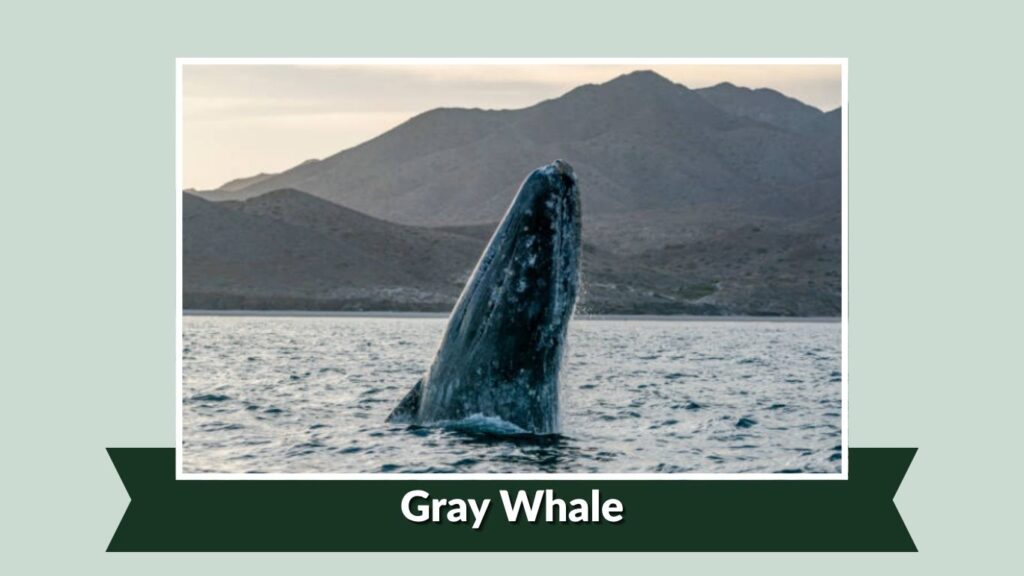
Gray whales are large migratory marine mammals known for making one of the longest migrations of any mammal on Earth. These whales travel annually between cold Arctic feeding areas and warm breeding lagoons along the Pacific coast. Their migration is essential for feeding, reproduction, and the survival of their calves.
Identification
- Large, heavy-bodied whale with gray skin
- Skin covered with white patches and barnacles
- Small dorsal hump instead of a large fin
- Broad tail used for powerful swimming
- Baleen plates instead of teeth
- Can grow up to 50 feet long
Migration Pattern
Gray whales migrate between Arctic waters and the warm coastal lagoons of Mexico. During summer, they feed in nutrient-rich northern seas. In winter, they travel thousands of miles south to breed and give birth. Their round-trip migration can exceed 10,000 miles annually.
Why Gray Whales Migrate
Gray whales migrate mainly to find food and provide safer conditions for newborn calves. Cold northern waters contain abundant small marine organisms for feeding, while warmer southern lagoons protect young whales from predators and harsh temperatures during early life stages.
Habitat
Gray whales live in coastal and open ocean waters along the Pacific Ocean. They are commonly found near shallow coastal feeding grounds, migration routes, and warm breeding lagoons during winter.
Diet
Gray whales mainly feed on tiny crustaceans, worms, and other bottom-dwelling marine organisms. They scoop up mud and sediment from the ocean floor and filter food through their baleen plates.
Interesting Facts
Gray whales often migrate close to shore, making them easier to observe than many other whale species. They are known for their curiosity around boats and sometimes approach humans closely. Their migration is considered one of the longest and most impressive journeys in the marine world.
8. Zebra
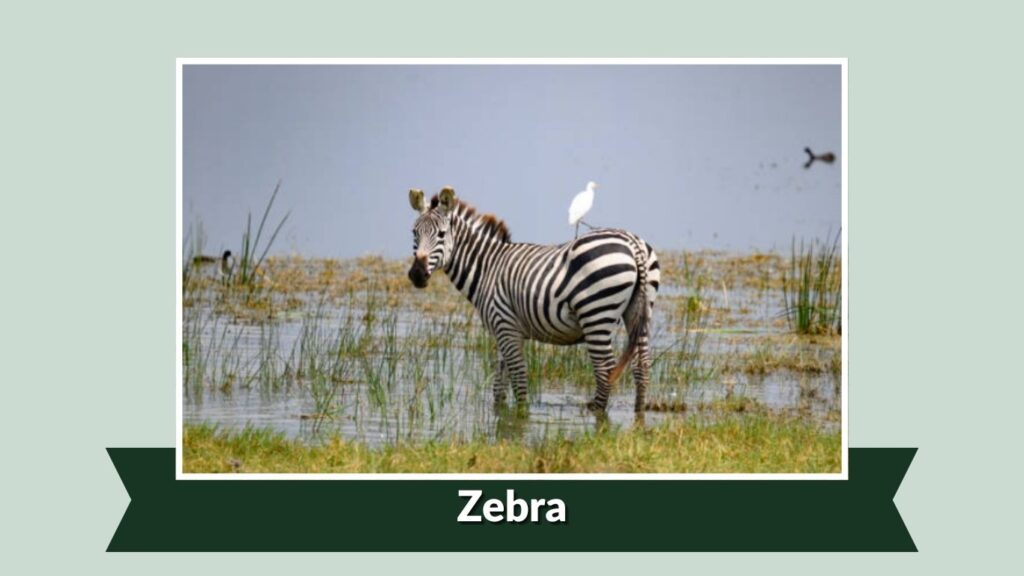
Zebras are migratory animals that travel across African grasslands in large herds alongside wildebeests and other grazing animals. Their migration is mainly influenced by seasonal rainfall, which affects the availability of fresh grass and water. Zebra migrations are important for maintaining healthy ecosystems and supporting predator-prey relationships in the wild.
Identification
- Horse-like body with black-and-white stripes
- Upright mane running along the neck
- Strong legs designed for running long distances
- Rounded ears and elongated face
- Each zebra has a unique stripe pattern
- Social animal usually found in herds
Migration Pattern
Zebras migrate across savannas and grasslands in search of fresh grazing areas and water sources. In East Africa, many zebras move between the Serengeti and Maasai Mara ecosystems alongside wildebeest herds. Their migration routes depend heavily on seasonal rains and changing environmental conditions.
Why Zebras Migrate
The main reason zebras migrate is to find fresh grass and reliable water supplies. Dry seasons reduce food availability, forcing herds to move to greener regions. Migration also helps zebras avoid overcrowded grazing areas and improves their chances of survival.
Habitat
Zebras are commonly found in grasslands, savannas, open woodlands, and plains throughout Africa. They prefer habitats with wide open spaces where they can easily detect predators and access grazing areas.
Diet
Zebras are herbivores that mainly feed on grasses. They can eat tougher and drier grasses than many other grazing animals, allowing them to survive in areas with limited vegetation. They also occasionally eat leaves and shrubs.
Interesting Facts
A zebra’s stripe pattern is completely unique, much like a human fingerprint. Zebras are highly social animals that rely on group protection during migration. Their strong sense of hearing and excellent eyesight help them detect predators such as lions and hyenas while traveling.
9. Emperor Penguin
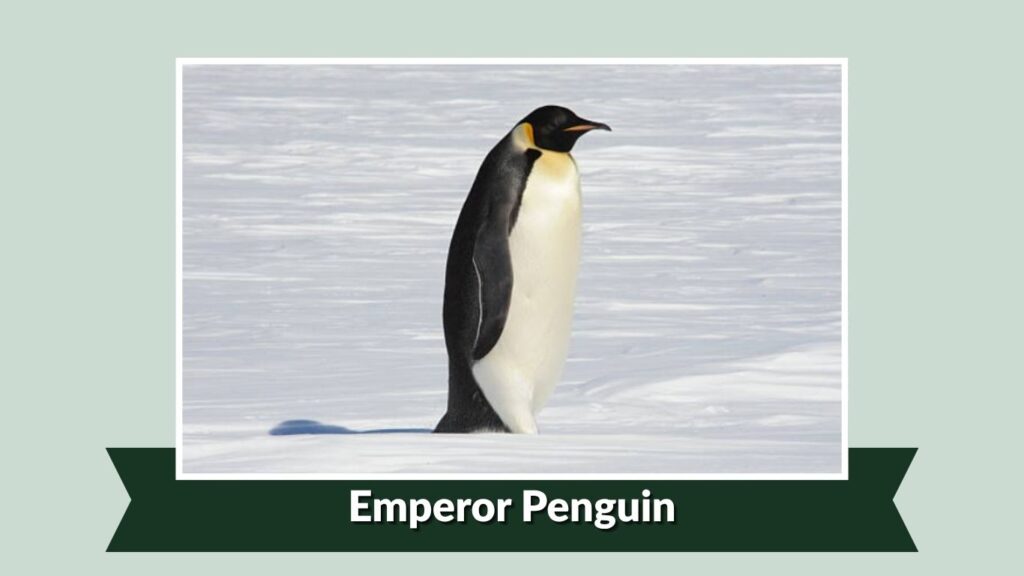
Emperor penguins are the largest penguin species and are famous for their seasonal migration across Antarctica’s icy environment. These birds migrate mainly to reach safe breeding grounds and access food-rich ocean waters. Their migration takes place under some of the harshest weather conditions on Earth, including freezing temperatures and powerful Antarctic winds.
Identification
- Tall penguin with black and white body coloring
- Yellow or orange patches near the ears and neck
- Thick layer of feathers for insulation
- Short tail and flipper-like wings
- Strong body adapted for swimming
- Can grow over 3 feet tall
Migration Pattern
Emperor penguins migrate between ocean feeding areas and inland breeding colonies on Antarctic ice. During breeding season, they travel long distances across frozen landscapes to reach stable ice platforms where they raise their chicks. After breeding, they return to the sea for feeding.
Why Emperor Penguins Migrate
These penguins migrate mainly for breeding and food access. Stable ice areas provide safer locations for egg incubation and chick development, while nearby ocean waters supply fish, squid, and krill needed for survival. Migration helps balance reproduction and feeding needs throughout the year.
Habitat
Emperor penguins live exclusively in Antarctica. They inhabit sea ice regions, coastal waters, and frozen breeding grounds. Their environment experiences extreme cold, darkness during winter, and strong blizzards.
Diet
Emperor penguins mainly feed on fish, squid, and krill. They are excellent divers and can swim deep underwater to catch prey. Their streamlined bodies help them move efficiently through icy waters.
Interesting Facts
Male emperor penguins protect and incubate eggs during the Antarctic winter while females travel to feed. They survive freezing temperatures by huddling closely together in large groups. Emperor penguins can also dive deeper than most other bird species in search of food.
10. Snow Goose
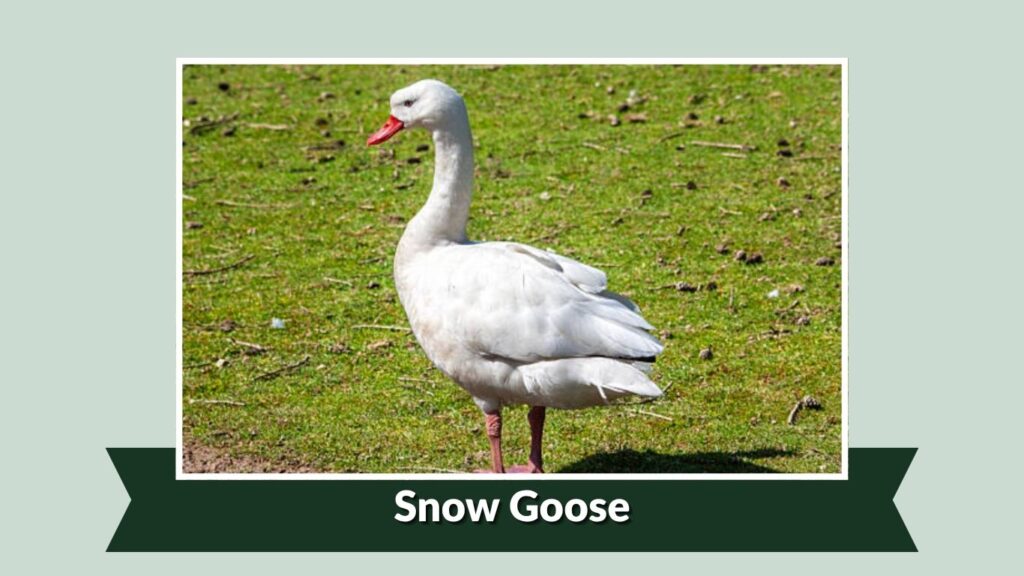
Snow geese are highly migratory birds known for their long seasonal journeys across North America. These birds travel in massive flocks between Arctic breeding grounds and warmer southern wintering areas. Their migration is closely linked to seasonal weather changes, food availability, and breeding needs. Large groups of snow geese flying in V-shaped formations create one of the most impressive migration sights in nature.
Identification
- Medium-sized white goose with black wingtips
- Some individuals have bluish-gray coloration
- Long neck and broad wings
- Pink beak with a dark marking near the mouth
- Pink legs and feet
- Loud, high-pitched calls during flight
Migration Pattern
Snow geese migrate between northern Arctic regions and southern parts of the United States and Mexico. During autumn, they fly south to escape freezing temperatures, then return north in spring for breeding. Their migration routes often follow major flyways across wetlands, lakes, and agricultural fields.
Why Snow Geese Migrate
The main reason snow geese migrate is to find suitable breeding and feeding environments throughout the year. Arctic summers provide long daylight hours and safer nesting grounds, while southern winter habitats offer milder temperatures and abundant food supplies.
Habitat
Snow geese live in wetlands, marshes, coastal regions, lakes, tundra areas, and agricultural fields. They depend heavily on water-rich environments for resting, feeding, and breeding during migration.
Diet
Snow geese mainly feed on grasses, grains, roots, aquatic plants, and small crops. They often forage in large groups and can consume significant amounts of vegetation during migration periods.
Interesting Facts
Snow geese often migrate in enormous flocks containing thousands of birds. Their V-shaped flying formation helps conserve energy during long-distance travel. These geese are highly social and communicate constantly through loud calls while flying and feeding together.
11. Leatherback Sea Turtle

Leatherback sea turtles are the largest sea turtles in the world and are famous for their long-distance ocean migrations. These powerful marine reptiles travel across entire oceans between feeding and nesting areas. Their migration is mainly driven by food availability, water temperature, and reproductive needs. Leatherbacks are highly adapted to life in the ocean and can survive in both tropical and cold waters.
Identification
- Largest species of sea turtle
- Dark shell with a leathery texture instead of hard plates
- Long front flippers designed for swimming
- White or pale spots scattered across the body
- Streamlined shape for ocean travel
- Can grow over 6 feet long
Migration Pattern
Leatherback sea turtles migrate across the Atlantic, Pacific, and Indian Oceans. They travel between tropical nesting beaches and cooler feeding grounds rich in jellyfish. Some individuals migrate thousands of miles each year, making them one of the most widely traveled reptiles on Earth.
Why Leatherback Sea Turtles Migrate
These turtles migrate mainly to find food and suitable nesting sites. Cooler waters contain large populations of jellyfish, while warm sandy beaches provide ideal conditions for laying eggs. Migration helps them balance feeding and reproduction throughout their life cycle.
Habitat
Leatherback sea turtles live in open oceans, coastal waters, tropical beaches, and deep marine environments. Unlike many reptiles, they can tolerate colder water temperatures because of their unique body adaptations.
Diet
Leatherback sea turtles mainly feed on jellyfish and other soft-bodied marine animals. Their sharp mouth structures help them grip slippery prey while swimming through ocean waters.
Interesting Facts
Leatherback sea turtles can dive deeper than most other turtles and stay underwater for long periods. Their leathery shell helps reduce drag during swimming. They also play an important role in controlling jellyfish populations within marine ecosystems.
12. Flamingo

Flamingos are elegant migratory birds known for their bright pink feathers, long legs, and social behavior. Many flamingo species migrate seasonally to find better feeding areas, suitable nesting conditions, and favorable water levels. Their migration often depends on rainfall patterns, food availability, and environmental changes in wetlands and lakes.
Identification
- Tall bird with long legs and neck
- Pink, white, or reddish feathers
- Curved downward beak adapted for filter feeding
- Thin body with broad wings
- Webbed feet for walking in shallow water
- Often stands on one leg
Migration Pattern
Flamingos migrate between wetlands, salt lakes, lagoons, and coastal regions. Some populations travel short distances, while others migrate hundreds of miles depending on climate and water conditions. Their movement is often irregular and influenced by seasonal rainfall and changing water levels.
Why Flamingos Migrate
Flamingos migrate mainly to locate feeding grounds and safe breeding areas. Dry conditions or shrinking wetlands can reduce food availability, forcing flocks to move elsewhere. Migration helps them access nutrient-rich waters filled with algae and small aquatic organisms.
Habitat
Flamingos live in shallow lakes, mudflats, salt lagoons, marshes, and coastal wetlands. They prefer habitats with warm temperatures and large open water areas that support abundant microscopic food sources.
Diet
Flamingos mainly feed on algae, tiny crustaceans, plankton, and small aquatic organisms. Their specialized beaks filter food from water and mud. The pigments in their diet help produce their famous pink coloration.
Interesting Facts
Flamingos are highly social birds that often live in colonies containing thousands of individuals. Their pink color becomes brighter depending on their diet. They are also strong fliers and can travel long distances during migration while maintaining group formations.
13. Elephant Seal
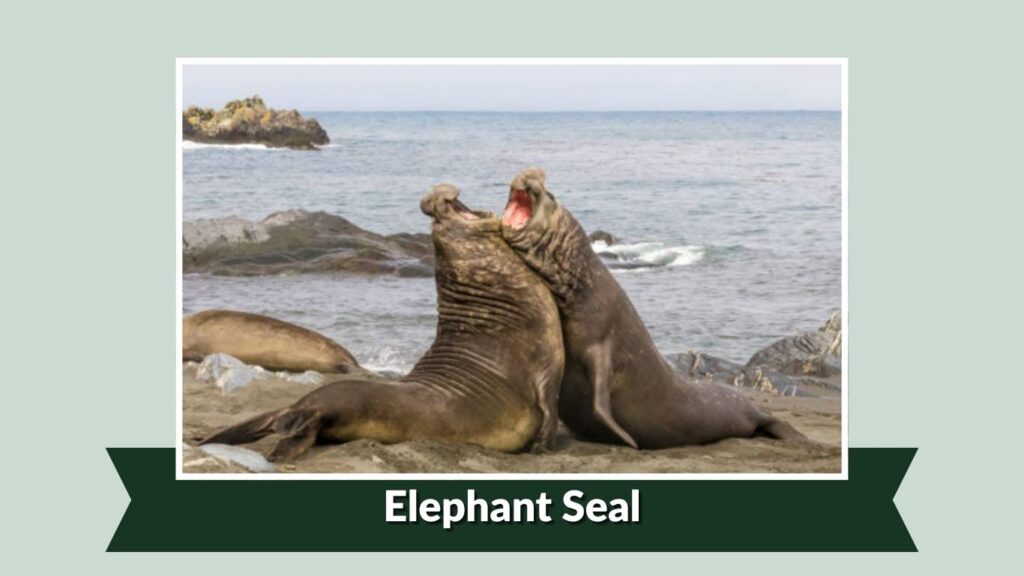
Elephant seals are large marine mammals known for their extraordinary long-distance migrations across the ocean. These seals spend much of their lives at sea, traveling thousands of miles between feeding areas and breeding beaches. Their migration is closely connected to food availability, reproduction, and seasonal environmental conditions in the Pacific Ocean.
Identification
- Very large body covered with smooth gray or brown skin
- Males have a large inflatable nose resembling an elephant’s trunk
- Thick layer of blubber for insulation
- Short front flippers and strong rear flippers
- Large dark eyes adapted for deep diving
- Adult males are much larger than females
Migration Pattern
Elephant seals migrate between coastal breeding beaches and distant ocean feeding grounds. After breeding and molting, they travel far into the Pacific Ocean to hunt for food. Some elephant seals migrate thousands of miles annually and spend months continuously swimming and diving.
Why Elephant Seals Migrate
Elephant seals migrate mainly to find food and reproduce safely. Deep ocean waters provide rich feeding opportunities, while isolated beaches offer secure locations for breeding and raising pups. Migration also helps them avoid overcrowding and seasonal environmental changes.
Habitat
Elephant seals live in coastal beaches, islands, and deep ocean waters. They spend breeding and molting seasons on land but remain at sea for most of the year. Their habitat ranges from cold northern waters to open Pacific feeding zones.
Diet
Elephant seals mainly eat squid, fish, rays, and other deep-sea creatures. They are skilled divers capable of reaching great depths while searching for prey in dark ocean environments.
Interesting Facts
Elephant seals are among the deepest-diving mammals in the world and can stay underwater for over an hour. Males use loud vocalizations and physical displays to compete for mates during breeding season. Despite their huge size, they are excellent swimmers and spend most of their lives in the ocean.
14. Swallow
Swallows are small migratory birds famous for their speed, agility, and long seasonal journeys. These birds migrate between breeding grounds in cooler regions and warmer winter habitats where food is more abundant. Their migration is closely linked to insect availability, weather conditions, and breeding cycles.
Identification
- Small bird with slender body
- Long pointed wings built for fast flight
- Forked tail in many species
- Dark blue, black, or brown upper feathers
- Light-colored chest and belly
- Short beak adapted for catching insects
Migration Pattern
Swallows migrate across continents between northern breeding areas and southern wintering regions. Many species travel from Europe and North America to Africa, South America, or southern Asia during colder months. They often migrate in flocks and cover thousands of miles annually.
Why Swallows Migrate
Swallows migrate mainly because their insect-based food supply decreases during winter. Warm climates provide abundant flying insects, allowing them to survive and maintain energy levels. Migration also helps them reach suitable nesting areas during breeding season.
Habitat
Swallows are commonly found in grasslands, wetlands, farmlands, villages, and open countryside. They prefer habitats with open flying spaces and easy access to insects near water sources.
Diet
Swallows mainly feed on flying insects such as flies, mosquitoes, beetles, and moths. They catch prey while flying using their fast reflexes and sharp aerial hunting skills.
Interesting Facts
Swallows are excellent fliers and can spend long periods in the air without resting. Some species even drink water and feed while flying. Their migration routes have been observed and admired by humans for centuries as a sign of changing seasons.
15. Bat
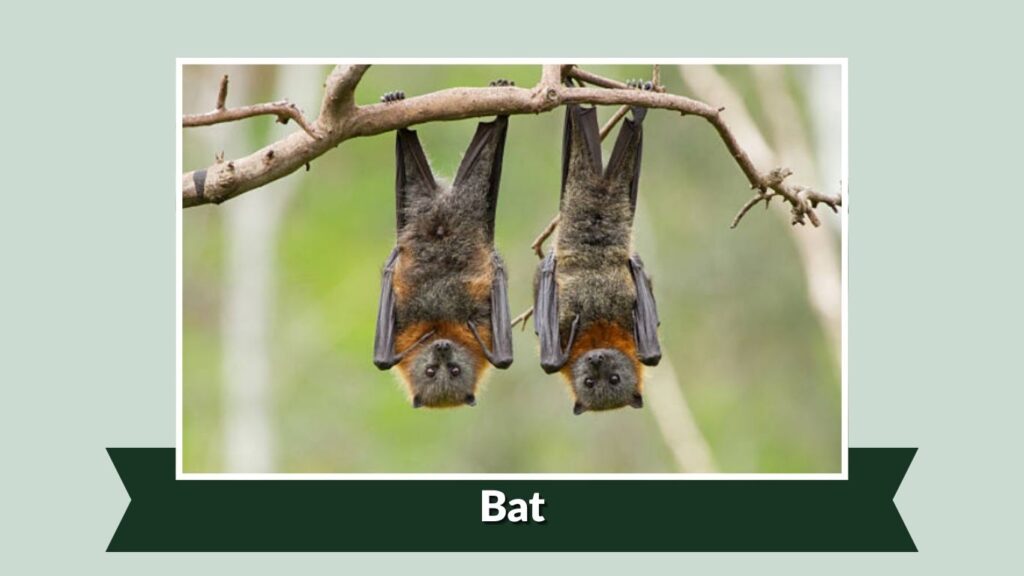
Bats are fascinating flying mammals that migrate seasonally in search of food, warmer temperatures, and suitable breeding or hibernation sites. While not all bat species migrate, many travel long distances between summer and winter habitats. Their migration plays an important role in ecosystems by supporting pollination, seed dispersal, and insect control.
Identification
- Only mammals capable of true flight
- Thin wings made of skin stretched between long fingers
- Small body covered with fur
- Large ears for detecting sounds
- Sharp teeth adapted to different diets
- Mostly active during nighttime
Migration Pattern
Migratory bats travel between summer breeding areas and warmer winter habitats or caves used for hibernation. Some species migrate hundreds or even thousands of miles across regions and countries. Their movement usually occurs during spring and autumn when seasonal weather changes affect food availability.
Why Bats Migrate
Bats migrate mainly to find insects, warmer temperatures, and safe shelter during colder months. In winter, insect populations decrease in many areas, making survival difficult. Migration helps bats locate environments with enough food and suitable conditions for reproduction or hibernation.
Habitat
Bats live in forests, caves, mountains, wetlands, deserts, and urban areas. They commonly rest in caves, tree hollows, buildings, and rocky shelters during the day. Migratory species often rely on multiple habitats throughout the year.
Diet
Most migratory bats feed mainly on insects such as moths, beetles, mosquitoes, and flies. Some bat species also consume fruit, nectar, pollen, or small animals depending on their environment and species type.
Interesting Facts
Bats use echolocation to navigate and hunt in darkness by producing high-frequency sounds. They are extremely important for controlling insect populations and supporting healthy ecosystems. Some migratory bats can fly long distances in a single night while searching for food or traveling between seasonal habitats.
16. Lobster
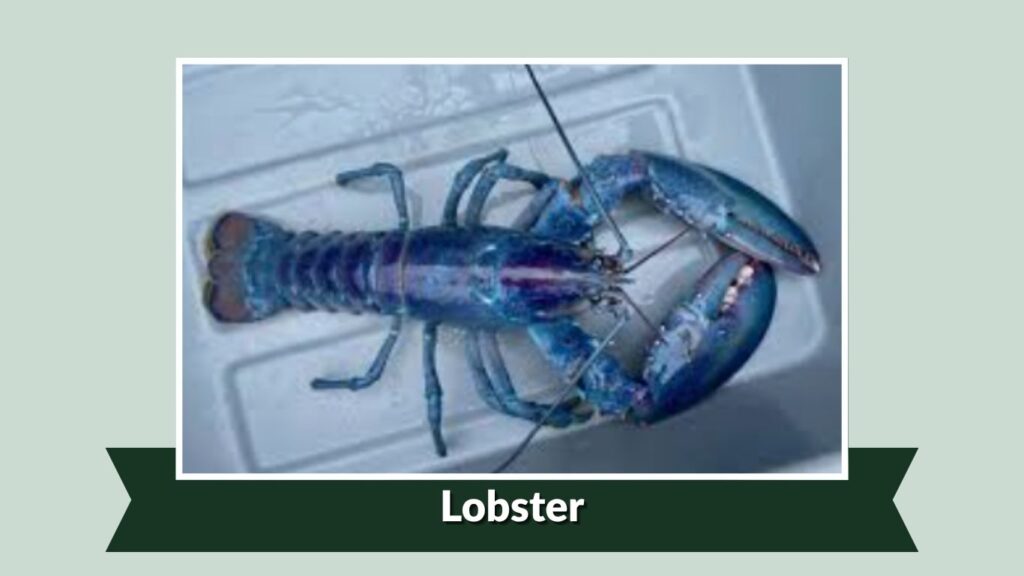
Lobsters are marine crustaceans that migrate seasonally through coastal and ocean waters in search of food, warmer temperatures, and suitable breeding environments. Their migration often occurs along the ocean floor and is influenced by water temperature, storms, and seasonal environmental changes. Some lobster species travel in large groups, forming long underwater migration lines.
Identification
- Hard outer shell called an exoskeleton
- Large claws used for defense and feeding
- Long antennae for sensing surroundings
- Segmented body with multiple walking legs
- Dark green, brown, or bluish coloration
- Strong tail used for rapid backward swimming
Migration Pattern
Lobsters migrate between shallow coastal waters and deeper ocean environments depending on the season. During colder months, many move into deeper and warmer waters, while warmer seasons often bring them closer to shore. Some migrations occur in long single-file groups along the sea floor.
Why Lobsters Migrate
Lobsters migrate mainly to avoid extreme temperature changes, locate food, and reproduce successfully. Seasonal movement helps them survive harsh ocean conditions and reach environments with suitable shelter and feeding opportunities.
Habitat
Lobsters are commonly found in rocky coastal waters, coral reefs, seabeds, and deep ocean environments. They prefer areas with hiding places such as rocks, crevices, and underwater caves for protection from predators.
Diet
Lobsters are omnivores that feed on fish, mollusks, worms, algae, and other small marine organisms. They also scavenge for dead animals on the ocean floor when food is available.
Interesting Facts
Lobsters can regenerate lost claws and limbs over time. Some species migrate in large groups that resemble underwater marching lines. Although they usually walk along the seabed, lobsters can swim quickly backward by flexing their powerful tails when escaping danger.
17. Dragonfly
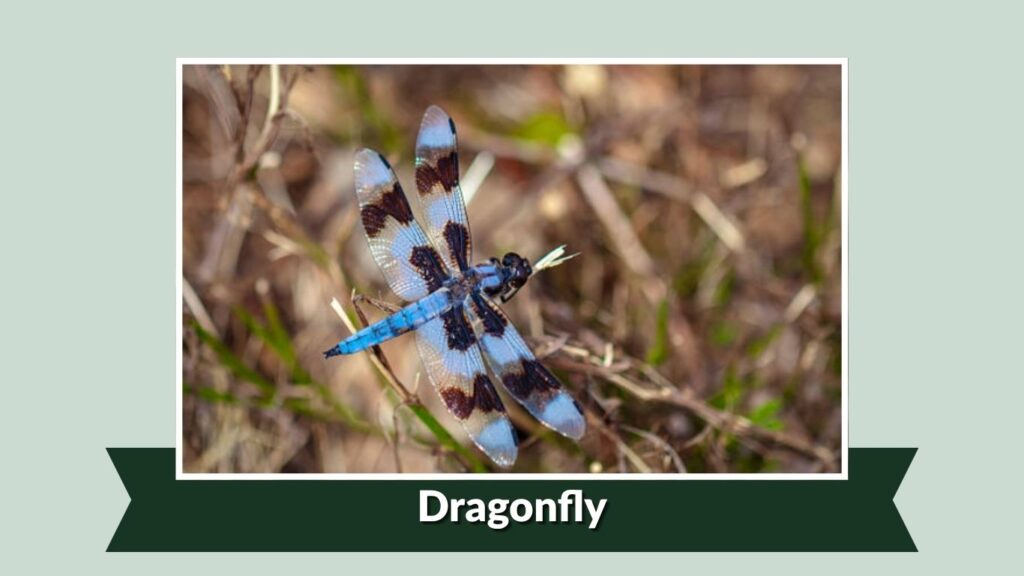
Dragonflies are fast-flying insects known for their impressive migratory journeys across continents and oceans. Although small in size, some dragonfly species travel thousands of miles during seasonal migration. Their movement is mainly influenced by weather patterns, breeding cycles, and food availability. Dragonfly migrations are especially common in regions with changing rainfall and seasonal winds.
Identification
- Long, slender body
- Two pairs of transparent wings
- Large compound eyes covering most of the head
- Thin abdomen with bright colors
- Strong and fast flying ability
- Legs positioned near the front of the body
Migration Pattern
Migratory dragonflies travel between breeding and feeding areas across Asia, Africa, Europe, and North America. Some species cross oceans and large land areas using seasonal winds to support their journey. Their migration may involve multiple generations completing different stages of the route.
Why Dragonflies Migrate
Dragonflies migrate mainly to follow warm temperatures, rainfall patterns, and abundant insect populations. Seasonal changes can reduce water availability needed for breeding, forcing them to move to better environments with suitable conditions for survival and reproduction.
Habitat
Dragonflies are commonly found near ponds, lakes, rivers, wetlands, marshes, and other freshwater habitats. They depend heavily on water because their young develop underwater before becoming flying adults.
Diet
Dragonflies are carnivorous insects that feed mainly on mosquitoes, flies, moths, and other small insects. They are highly skilled aerial hunters and can catch prey while flying at high speeds.
Interesting Facts
Dragonflies are among the oldest insect groups on Earth, with ancestors dating back millions of years. Some migratory species can travel thousands of miles despite their delicate appearance. Their excellent vision and flying ability make them one of the most effective insect predators in nature.
18. Tuna
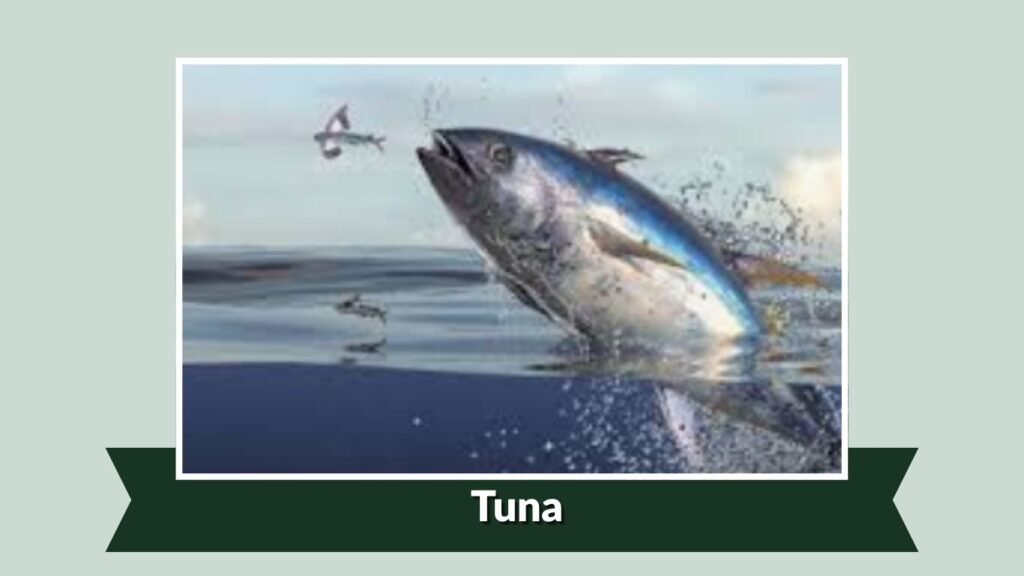
Tuna are powerful migratory fish that travel across vast ocean regions in search of food, breeding areas, and favorable water temperatures. These fast-swimming fish are highly adapted for long-distance travel and are among the most important species in marine ecosystems and commercial fishing industries. Their migration patterns are influenced by ocean currents, seasonal temperature changes, and prey movement.
Identification
- Streamlined, torpedo-shaped body
- Metallic blue or silver coloration
- Strong crescent-shaped tail
- Sharp fins designed for fast swimming
- Muscular body built for endurance
- Large eyes and smooth scales
Migration Pattern
Tuna migrate through the Atlantic, Pacific, and Indian Oceans. Some species travel thousands of miles between feeding and spawning areas. They often follow warm ocean currents and move in large schools while searching for food-rich waters.
Why Tuna Migrate
Tuna migrate mainly to locate food, reproduce, and maintain suitable body temperatures. Seasonal changes affect the movement of smaller fish and marine organisms that tuna feed on, forcing them to travel long distances across the ocean.
Habitat
Tuna live in open ocean waters, coastal seas, and deep marine environments. They are commonly found in warm and temperate waters where prey is abundant and ocean currents support migration routes.
Diet
Tuna are carnivorous fish that mainly eat smaller fish, squid, crustaceans, and plankton. Their speed and strong hunting abilities make them highly effective ocean predators.
Interesting Facts
Tuna are among the fastest fish in the ocean and can swim continuously for long periods without stopping. Some species maintain body temperatures warmer than surrounding water, helping them remain active in cooler environments. Their migrations are essential for maintaining balance within marine food chains.
19. Crane
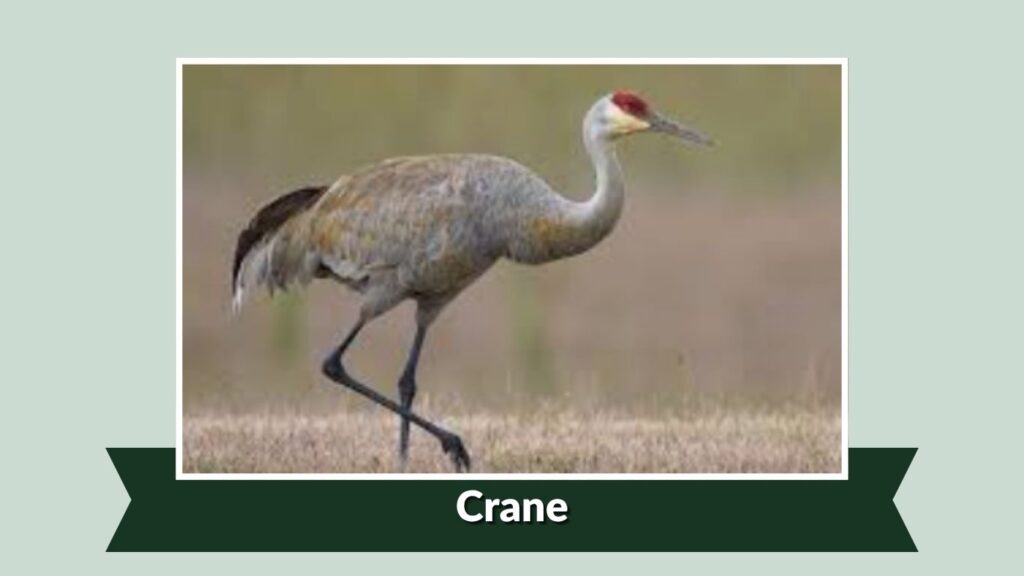
Cranes are large migratory birds admired for their graceful appearance, long legs, and spectacular seasonal journeys. Many crane species migrate between breeding and wintering grounds across continents. Their migration is strongly connected to seasonal weather changes, food availability, and nesting requirements. Large flocks of cranes flying in formation are considered one of the most beautiful sights in the natural world.
Identification
- Tall bird with long legs and neck
- Broad wings designed for soaring flight
- Gray, white, or black feathers depending on species
- Long pointed beak
- Elegant walking posture
- Loud, trumpet-like calls
Migration Pattern
Cranes migrate between northern breeding regions and warmer southern wintering areas. Their migration routes often cross wetlands, grasslands, rivers, and agricultural fields. Some crane species travel thousands of miles annually in large flocks that follow traditional migration pathways.
Why Cranes Migrate
Cranes migrate mainly to escape cold weather and locate reliable food sources. Northern breeding areas provide safer nesting conditions during summer, while warmer southern regions offer better feeding opportunities during winter months.
Habitat
Cranes are commonly found in wetlands, marshes, grasslands, river valleys, and shallow lakes. They prefer open habitats with access to water and enough space for feeding and nesting activities.
Diet
Cranes are omnivores that feed on seeds, grains, insects, small fish, frogs, and aquatic plants. Their diet changes depending on the season and the availability of food in their habitat.
Interesting Facts
Cranes are known for their complex courtship dances that involve jumping, wing spreading, and calling. Many crane species form long-term pair bonds and migrate together year after year. Their loud calls can travel long distances and help maintain communication within migrating flocks.
20. Sardine
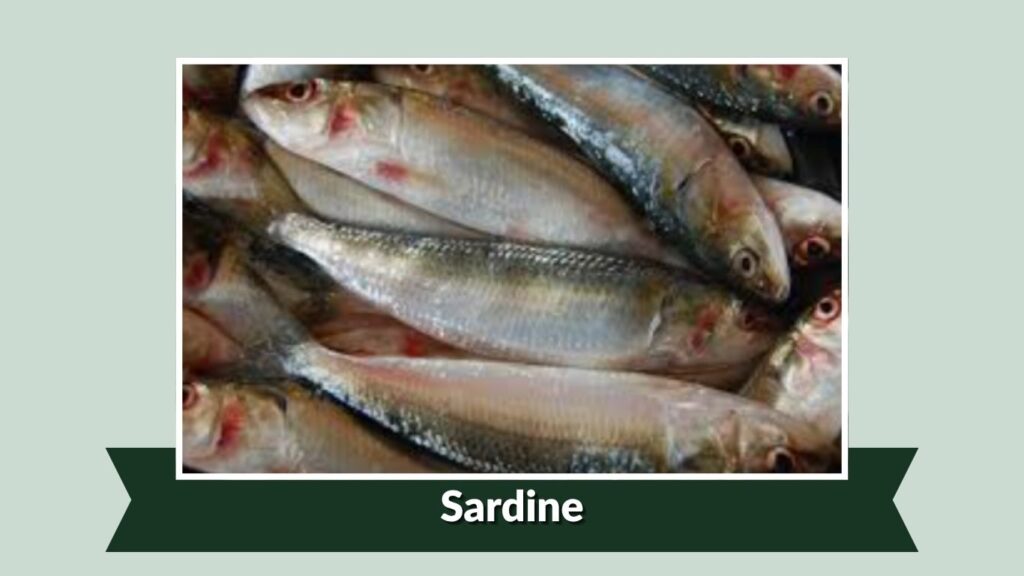
Sardines are small migratory fish that move in enormous schools across oceans and coastal waters. Their migration is mainly driven by water temperature, food availability, and breeding needs. Sardines are an important part of marine ecosystems because they serve as food for many larger animals, including whales, dolphins, seabirds, and larger fish.
Identification
- Small, slender silver-colored fish
- Streamlined body with smooth scales
- Single dorsal fin along the back
- Forked tail for fast swimming
- Large eyes compared to body size
- Usually found swimming in dense schools
Migration Pattern
Sardines migrate along coastlines and open ocean regions in large groups called schools. Some migrations involve millions of fish moving together over long distances. Their movement often follows ocean currents and seasonal changes that influence plankton growth and water temperature.
Why Sardines Migrate
Sardines migrate mainly to find food and suitable spawning conditions. Cooler nutrient-rich waters contain large amounts of plankton, which is their primary food source. Migration also helps them reproduce in safer environments with favorable ocean conditions.
Habitat
Sardines are commonly found in coastal waters, open seas, and temperate ocean regions around the world. They prefer areas with nutrient-rich currents that support high plankton populations.
Diet
Sardines mainly feed on plankton, tiny crustaceans, and microscopic marine organisms. They filter food directly from seawater while swimming in large groups.
Interesting Facts
Sardines are famous for forming huge schools that move in synchronized patterns to confuse predators. Their migrations can attract large numbers of marine animals, creating dramatic feeding events in the ocean. Despite their small size, sardines play a major role in maintaining healthy marine ecosystems.
21. Penguin
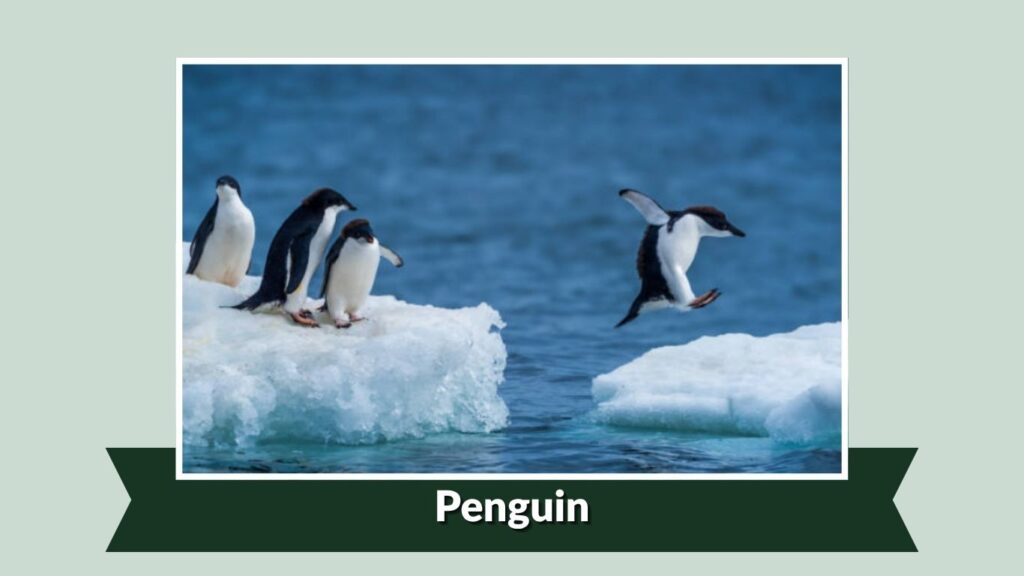
Penguins are flightless seabirds that migrate seasonally through ocean waters and icy coastal regions. Different penguin species migrate for feeding, breeding, and survival in changing environmental conditions. Their migration patterns are closely connected to ocean currents, food supply, and seasonal ice movement. Despite being unable to fly, penguins are excellent swimmers capable of traveling long distances in the water.
Identification
- Black and white body coloration
- Upright standing posture
- Flipper-like wings adapted for swimming
- Short legs with webbed feet
- Streamlined body for underwater movement
- Thick feathers for insulation in cold climates
Migration Pattern
Penguin migration varies by species and habitat. Many penguins travel between breeding colonies and feeding grounds across oceans and coastal waters. Some species migrate hundreds or even thousands of miles depending on food availability and seasonal ice conditions.
Why Penguins Migrate
Penguins migrate mainly to find food and suitable breeding areas. Seasonal changes in ocean temperatures and sea ice affect fish and krill populations, forcing penguins to move to richer feeding zones. Migration also helps them access safer nesting sites during breeding seasons.
Habitat
Penguins are commonly found in Antarctica, subantarctic islands, coastal regions, and cold southern oceans. Some species also live in temperate climates near South America, Africa, Australia, and New Zealand.
Diet
Penguins mainly feed on fish, krill, squid, and other small marine animals. They are skilled underwater hunters and can dive deep to catch prey in cold ocean environments.
Interesting Facts
Penguins spend much of their lives in the water and can swim at impressive speeds. Many species form large breeding colonies containing thousands of individuals. Their thick feathers and body fat help them survive freezing temperatures during migration and breeding periods.
22. Shark
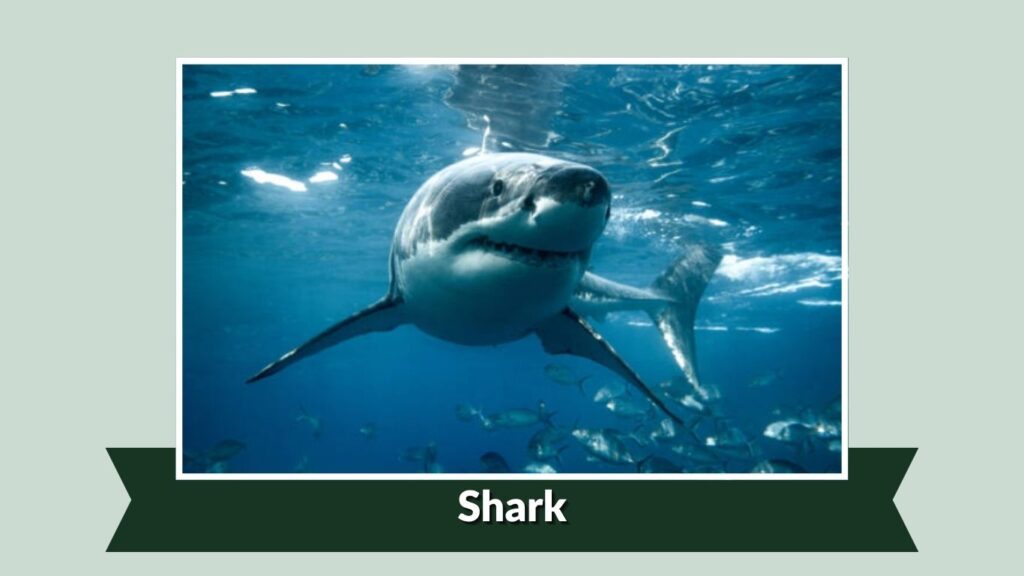
Sharks are powerful migratory predators that travel through oceans around the world in search of food, breeding grounds, and suitable water temperatures. Many shark species undertake long-distance migrations that can span entire ocean basins. Their movement is influenced by seasonal changes, prey availability, and reproductive cycles.
Identification
- Streamlined body built for fast swimming
- Sharp teeth arranged in multiple rows
- Rough skin covered with tiny scales
- Strong tail fin for propulsion
- Large dorsal fin on the back
- Excellent sense of smell and hearing
Migration Pattern
Sharks migrate across coastal waters, deep oceans, and open seas. Some species travel thousands of miles between feeding and breeding areas. Their migration routes often follow warm ocean currents and regions with abundant prey populations.
Why Sharks Migrate
Sharks migrate mainly to find food, reproduce, and maintain favorable water temperatures. Seasonal changes affect fish populations and ocean conditions, encouraging sharks to move toward areas with better hunting and breeding opportunities.
Habitat
Sharks live in oceans worldwide, from shallow coastal waters to deep sea environments. Different species prefer different habitats, including coral reefs, open oceans, polar waters, and tropical seas.
Diet
Sharks are carnivores that feed on fish, squid, seals, crustaceans, and other marine animals. Larger shark species may hunt bigger prey, while smaller sharks often eat plankton and small fish.
Interesting Facts
Some shark species can detect tiny electrical signals produced by other animals in the water. Whale sharks, the largest fish in the world, are gentle filter feeders despite their enormous size. Sharks have existed for hundreds of millions of years, making them one of the oldest surviving animal groups on Earth.
23. Reindeer
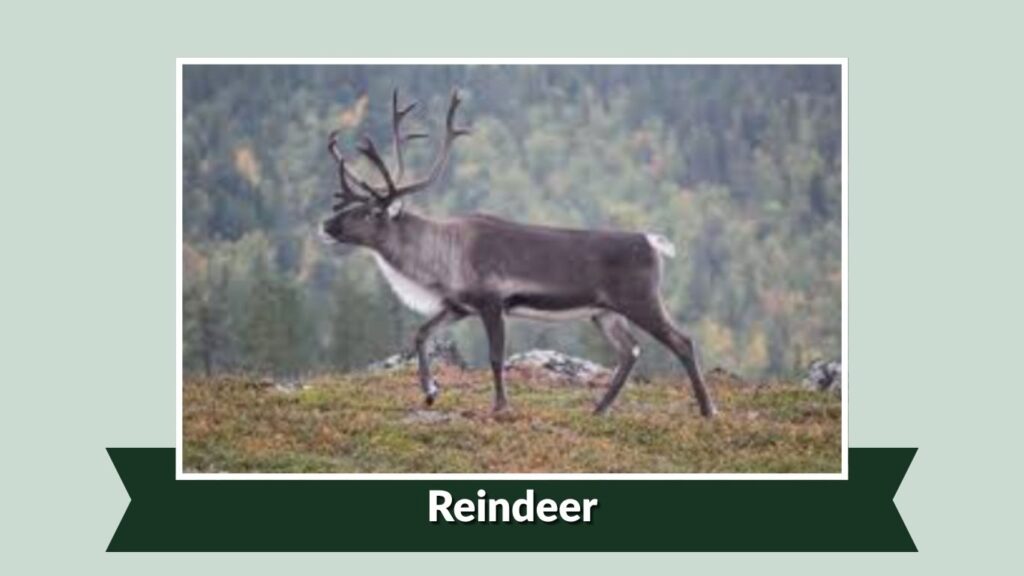
Reindeer are migratory mammals closely related to caribou and are well adapted to cold Arctic and subarctic environments. They travel in large herds across snowy landscapes in search of food, breeding areas, and safer seasonal habitats. Their migration is one of the most important survival strategies for coping with extreme northern climates.
Identification
- Medium to large deer-like mammal
- Thick brown, gray, or white fur
- Large branching antlers on both males and females
- Wide hooves adapted for snow and soft ground
- Compact body with short tail
- Strong legs built for long-distance movement
Migration Pattern
Reindeer migrate between tundra regions and forested winter habitats across northern Europe, Asia, and parts of North America. Some herds travel hundreds or even thousands of miles annually. Their migration routes are influenced by snow conditions, food availability, and seasonal weather patterns.
Why Reindeer Migrate
Reindeer migrate mainly to find food and avoid harsh environmental conditions. During summer, they move to cooler tundra areas with fresh vegetation and fewer insects. In winter, they travel to forests where snow is easier to dig through for food and shelter is more available.
Habitat
Reindeer live in Arctic tundra, boreal forests, mountain regions, and snowy plains. Their habitats experience long winters, freezing temperatures, and short growing seasons, making migration essential for survival.
Diet
Reindeer are herbivores that feed on grasses, mosses, leaves, shrubs, and lichens. Lichens are especially important during winter because they remain available beneath snow-covered ground.
Interesting Facts
Reindeer are excellent swimmers and can travel long distances across rivers and icy terrain. Their hooves change with the seasons, becoming softer in summer and harder in winter for better grip. Reindeer are also culturally significant in many Arctic communities and traditions around the world.
24. Eel
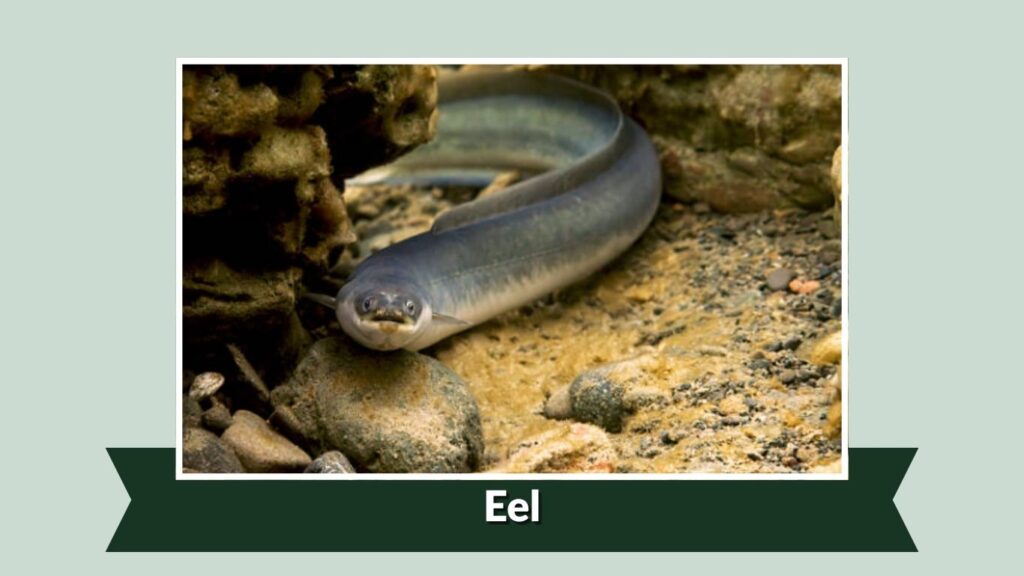
Eels are long, snake-like fish known for their mysterious and impressive migrations between freshwater and ocean environments. Many eel species spend most of their lives in rivers and lakes before migrating thousands of miles to the ocean to reproduce. Their migration remains one of the most fascinating and least understood journeys in the animal kingdom.
Identification
- Long, slender body resembling a snake
- Smooth, slippery skin
- Small fins running along the body
- Dark green, brown, or gray coloration
- Small eyes and strong jaws
- Flexible body adapted for swimming through narrow spaces
Migration Pattern
Many eels migrate between freshwater habitats and distant ocean spawning grounds. For example, European and American eels travel thousands of miles to the Sargasso Sea in the Atlantic Ocean to reproduce. Young eels later return to rivers, lakes, and streams where they grow into adults.
Why Eels Migrate
Eels migrate mainly for reproduction and survival. Freshwater environments provide safe areas for growth and feeding, while specific ocean regions offer suitable conditions for spawning. Migration helps complete their complex life cycle.
Habitat
Eels are commonly found in rivers, lakes, wetlands, estuaries, and coastal oceans. They often hide in mud, rocks, and underwater vegetation during the day and become more active at night.
Diet
Eels are carnivorous and feed on fish, insects, crustaceans, worms, and other small aquatic animals. They are skilled hunters and scavengers that rely on their sharp sense of smell to locate food.
Interesting Facts
Eels can travel incredible distances during migration despite their unusual body shape. Some species are capable of surviving short periods outside water by absorbing oxygen through their skin. Scientists still do not fully understand every detail of eel migration and reproduction behavior.
25. Pelican
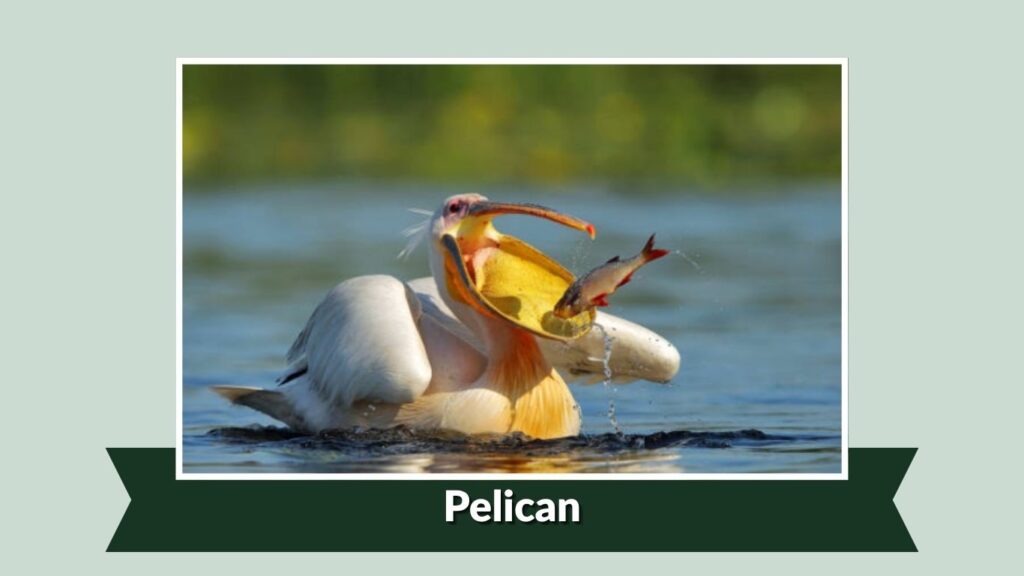
Pelicans are large water birds known for their long bills, expandable throat pouches, and seasonal migrations. Many pelican species migrate between breeding and wintering areas in response to changing weather, food availability, and water conditions. Their migration often occurs in large flocks that travel along coastlines, rivers, and wetlands.
Identification
- Large bird with broad wings
- Long bill with expandable throat pouch
- White, gray, or brown feathers depending on species
- Short legs with webbed feet
- Long neck and heavy body
- Excellent gliding and soaring ability
Migration Pattern
Pelicans migrate between northern breeding grounds and warmer southern habitats during colder months. Some species travel thousands of miles across continents, following rivers, coastlines, and wetland systems. They often migrate in groups using warm air currents to conserve energy during flight.
Why Pelicans Migrate
Pelicans migrate mainly to find warmer climates and reliable food sources. Seasonal changes can reduce fish populations and freeze water bodies, making feeding difficult. Migration allows pelicans to survive in areas with open water and abundant fish throughout the year.
Habitat
Pelicans are commonly found near lakes, rivers, wetlands, estuaries, and coastal regions. They prefer habitats with shallow water where fish are easy to catch and where safe nesting sites are available.
Diet
Pelicans mainly feed on fish, which they catch using their large throat pouch. Some species may also eat amphibians and small aquatic animals. They often hunt cooperatively in groups to trap schools of fish.
Interesting Facts
Pelicans are strong fliers that can soar for long distances with minimal wing movement. Their throat pouch can hold several gallons of water while catching fish. Some pelican species breed in massive colonies containing thousands of birds.
FAQs
What is animal migration?
Animal migration is the regular seasonal movement of animals from one region to another. Animals migrate mainly to find food, suitable breeding areas, warmer climates, or safer living conditions. Migration can occur on land, in the ocean, or through the air.
Which animal has the longest migration route?
The Arctic tern is known for having the longest migration route of any animal. It travels between the Arctic and Antarctica every year, covering tens of thousands of miles annually in search of food and favorable weather conditions.
Why do animals migrate during winter?
Many animals migrate during winter because cold temperatures reduce food availability and create harsh living conditions. Moving to warmer regions helps them survive, find food, reproduce, and avoid extreme weather that could threaten their survival.
How do migratory animals find their way?
Migratory animals use different natural navigation methods, including the position of the sun, stars, Earth’s magnetic field, ocean currents, landmarks, and even their sense of smell. These abilities help them travel long distances accurately each year.
Are migratory animals endangered?
Some migratory animals are endangered because of habitat loss, climate change, pollution, hunting, and human activities. Protecting migration routes, breeding grounds, and natural habitats is important for ensuring the survival of many migratory species.