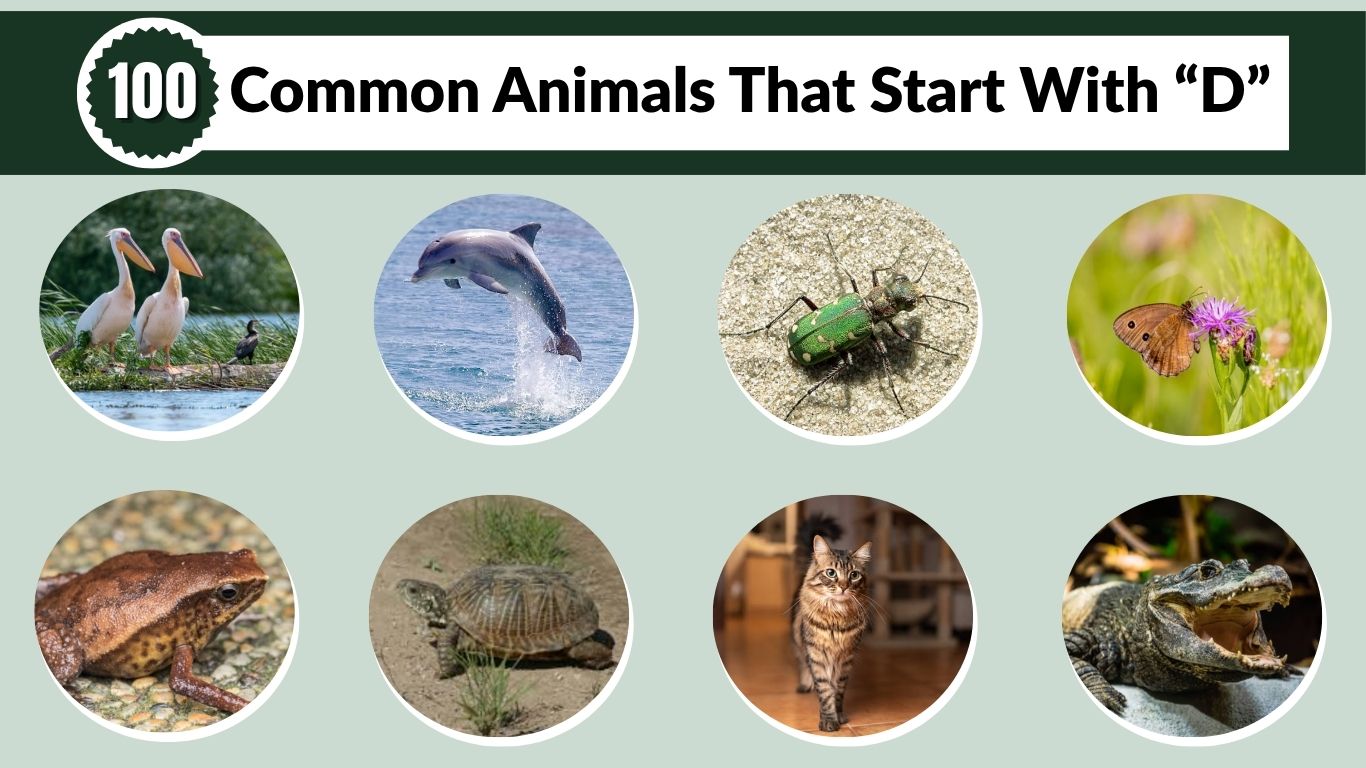
Animals that start with the letter “D” include a fascinating variety of mammals, birds, fish, reptiles, amphibians, and insects found across the world. From domestic animals like dogs and donkeys to wild species such as dingoes and dugongs, these animals live in many different habitats including forests, oceans, deserts, wetlands, and grasslands. This guide features 100 common animals beginning with “D,” organized into 20 easy-to-follow groups. Each section includes short identification details to help readers learn about the appearance, behavior, and habitats of these interesting animals.
1. Mammals
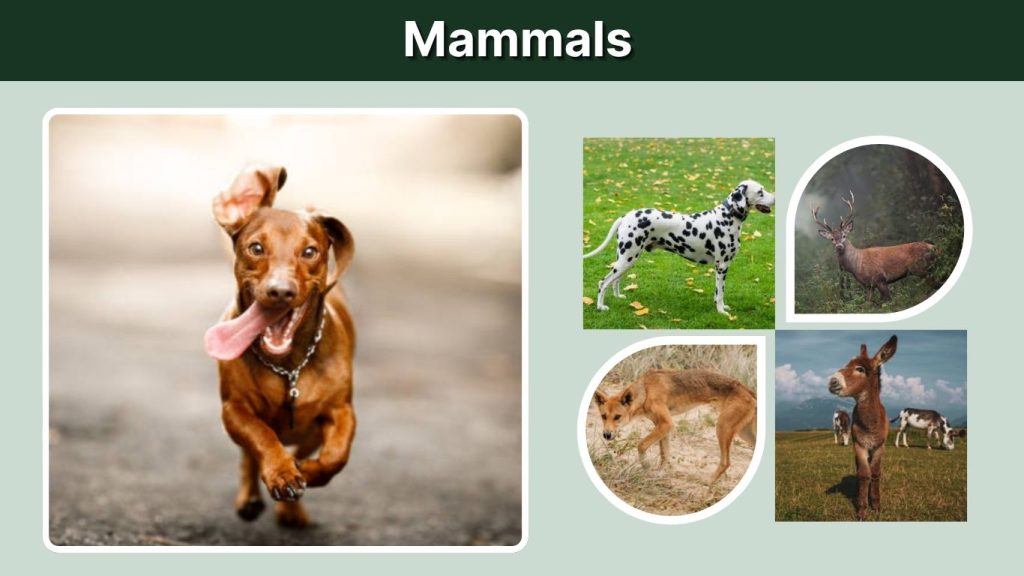
These mammals start with “D” and are found in different habitats around the world, including forests, grasslands, mountains, and domestic environments. Mammals are warm-blooded animals that usually have fur or hair and give birth to live young. Many mammals are known for their intelligence, adaptability, and close relationships with humans.
1. Dachshund
The dachshund is a small dog breed famous for its long body and short legs. Originally bred in Germany for hunting badgers, this dog is brave, energetic, and intelligent. Dachshunds come in different coat types, including smooth, long-haired, and wire-haired varieties. They are popular family pets due to their loyal and playful nature.
2. Dalmatian
The dalmatian is a well-known dog breed recognized for its white coat covered with black or liver-colored spots. It is active, strong, and highly energetic. Historically, dalmatians were used as carriage dogs and guard dogs. Today, they are commonly kept as companions and are known for their friendly and outgoing personality.
3. Deer
Deer are graceful wild mammals found in forests, grasslands, and mountainous areas across the world. They have slender bodies, long legs, and males usually grow antlers. Deer are herbivores and feed on leaves, grass, fruits, and plants. They are known for their speed, alertness, and ability to escape predators quickly.
4. Dingo
The dingo is a wild dog native to Australia. It has a lean body, pointed ears, and a bushy tail. Dingoes are skilled hunters and usually live in packs. They feed on small mammals, birds, and reptiles. This animal is highly adaptable and can survive in deserts, forests, and grasslands.
5. Donkey
The donkey is a domesticated mammal closely related to the horse. It is known for its strength, endurance, and calm behavior. Donkeys have been used by humans for thousands of years to carry loads and assist with farming activities. They are intelligent animals with strong memories and can adapt to harsh environments.
2. Birds
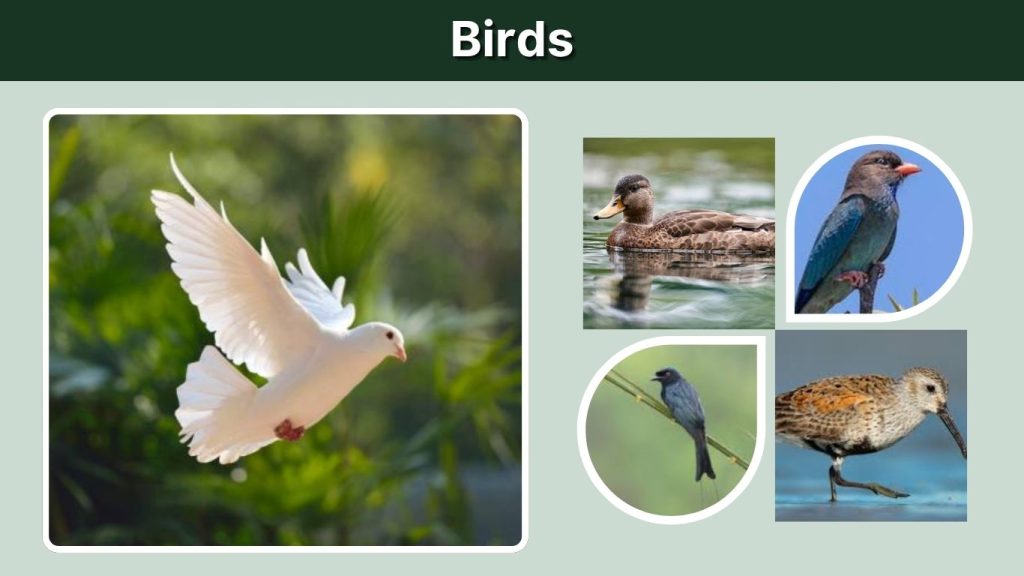
These birds start with “D” and are found in a variety of habitats such as forests, wetlands, coastlines, and urban areas. Birds are warm-blooded animals covered with feathers and are known for their ability to fly, although some species spend much of their time on land or water. They play important roles in ecosystems through seed dispersal, pollination, and insect control.
1. Dove
The dove is a gentle and peaceful bird commonly associated with love and harmony. It has a small head, soft feathers, and a calm nature. Doves are found in many parts of the world and usually feed on seeds and grains. They are also known for their soft cooing sounds.
2. Duck
The duck is a water bird commonly found in ponds, lakes, rivers, and wetlands. Ducks have webbed feet that help them swim efficiently. They feed on aquatic plants, insects, and small fish. Many duck species migrate long distances during seasonal changes.
3. Drongo
The drongo is a small to medium-sized bird known for its glossy black feathers and forked tail. It is highly intelligent and can mimic the calls of other birds and animals. Drongos are skilled insect hunters and are often seen perched on branches in forests and open areas.
4. Dollarbird
The dollarbird is a colorful bird named after the round, silver-blue patches on its wings that resemble coins. It is commonly found in Australia and nearby regions. This bird feeds mainly on insects, catching them while flying through the air.
5. Dunlin
The dunlin is a small migratory shorebird often seen near coastal wetlands and mudflats. It has a slender bill and long legs adapted for wading in shallow water. Dunlins feed on insects, worms, and small aquatic creatures found in muddy environments.
3. Fish
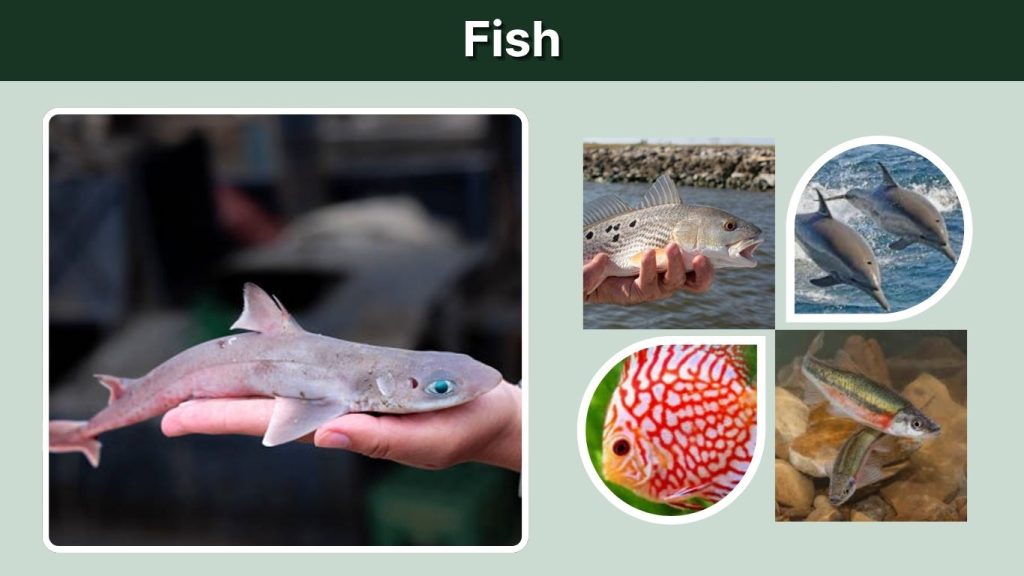
These fish start with “D” and are found in oceans, rivers, lakes, and freshwater streams around the world. Fish are aquatic animals that breathe through gills and use fins for movement. They are important parts of aquatic ecosystems and vary greatly in size, shape, and behavior.
1. Dogfish
The dogfish is a small species of shark commonly found in oceans around the world. It has a slender body, sharp teeth, and strong swimming ability. Dogfish are predators that feed on smaller fish and marine creatures. Despite being sharks, most dogfish species are not dangerous to humans.
2. Drum Fish
The drum fish gets its name from the drumming or croaking sound it can produce using special muscles near its swim bladder. It is commonly found in both freshwater and saltwater habitats. Drum fish feed on insects, crustaceans, and smaller fish.
3. Dolphin Fish
The dolphin fish, also known as mahi-mahi, is a colorful ocean fish famous for its bright blue, green, and yellow shades. It is fast-swimming and commonly found in tropical and subtropical waters. This fish is popular in commercial and recreational fishing.
4. Dace
The dace is a small freshwater fish found in rivers and streams. It has a slim body with silver-colored scales and usually travels in schools. Dace feed on insects, larvae, and plant material and are often used as bait fish in fishing activities.
5. Discus
The discus is a popular freshwater aquarium fish known for its round, flat body and vibrant colors. Native to the Amazon River basin, discus fish are peaceful and often live in groups. They require warm, clean water and are admired for their graceful swimming movements.
4. Reptiles
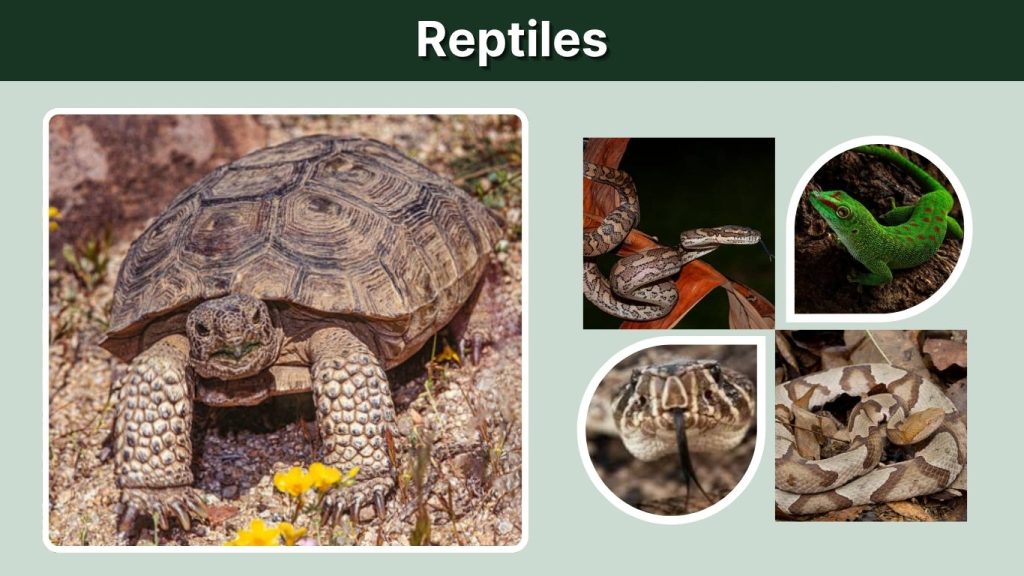
These reptiles start with “D” and are found in deserts, forests, grasslands, and tropical regions around the world. Reptiles are cold-blooded animals with scaly skin and usually lay eggs. They include snakes, lizards, turtles, and crocodilians, each adapted to survive in different environments.
1. Desert Tortoise
The desert tortoise is a slow-moving reptile that lives in dry desert regions. It has a strong, domed shell that protects it from predators and harsh weather. This tortoise spends much of its time in underground burrows to escape extreme heat. It feeds mainly on grasses, flowers, and desert plants.
2. Diamond Python
The diamond python is a non-venomous snake native to Australia. It has beautiful black scales with cream or yellow diamond-shaped markings across its body. This snake is an excellent climber and feeds on birds, rodents, and small mammals. Despite its size, it is generally calm and not dangerous to humans.
3. Death Adder
The death adder is a highly venomous snake found in Australia and nearby islands. It has a thick body and a triangular head, allowing it to blend into leaves and soil. This snake is an ambush predator and waits patiently for prey to approach before striking quickly.
4. Diamondback Rattlesnake
The diamondback rattlesnake is one of the largest venomous snakes in North America. It is recognized by the diamond-shaped patterns on its body and the rattle at the end of its tail. When threatened, it shakes its tail to produce a warning sound. This snake feeds mainly on rodents and birds.
5. Day Gecko
The day gecko is a brightly colored lizard commonly found in tropical regions. Unlike many geckos, it is active during the daytime. Day geckos have sticky toe pads that help them climb walls and trees easily. They feed on insects, fruit, and nectar.
5. Amphibians
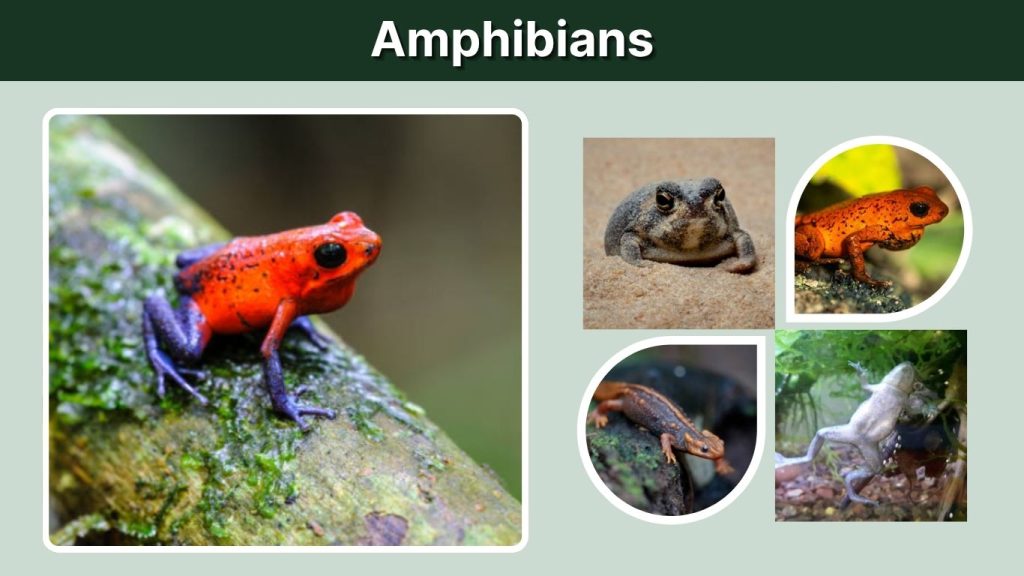
These amphibians start with “D” and are commonly found in wetlands, forests, riversides, and humid environments. Amphibians are cold-blooded animals that usually begin life in water before developing into adults that can live on land. They are known for their moist skin and unique life cycles.
1. Dart Frog
The dart frog is a small but brightly colored amphibian found mainly in Central and South American rainforests. Many species are known for their toxic skin, which protects them from predators. These frogs feed on ants, termites, and other tiny insects. Their bright colors act as a warning signal in nature.
2. Darwin’s Frog
Darwin’s frog is a unique amphibian native to South America. It is famous for its unusual reproduction method, where the male carries developing tadpoles inside its vocal sac until they mature. This small frog has a pointed nose and excellent camouflage among leaves on the forest floor.
3. Desert Rain Frog
The desert rain frog is a tiny, round-bodied amphibian found in sandy coastal deserts. It has short limbs, bulging eyes, and a squeaky call that has made it popular online. Unlike many frogs, it spends most of its life burrowed underground to stay moist and protected.
4. Dusky Salamander
The dusky salamander is a small amphibian commonly found near streams and moist forest areas. It has a slender body and smooth skin that helps it absorb moisture. This salamander feeds on insects, worms, and other tiny invertebrates found in damp habitats.
5. Dwarf Clawed Frog
The dwarf clawed frog is a fully aquatic amphibian often kept in aquariums. It has webbed feet and small claws that help it swim and search for food underwater. This frog feeds on tiny aquatic organisms and is known for its peaceful nature and active swimming behavior.
6. Insects
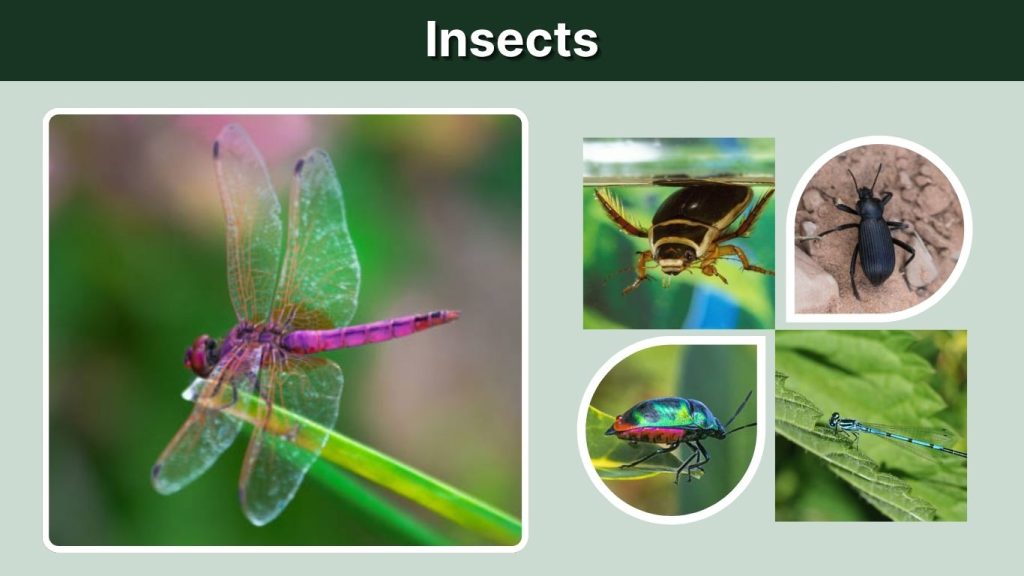
These insects start with “D” and are found in gardens, forests, wetlands, deserts, and many other habitats around the world. Insects are small animals with six legs and segmented bodies, and many species also have wings. They play essential roles in ecosystems through pollination, decomposition, and natural pest control.
1. Dragonfly
The dragonfly is a fast-flying insect known for its long body, large eyes, and transparent wings. It is commonly found near ponds, lakes, and rivers. Dragonflies are skilled hunters that feed on mosquitoes and other small insects while flying. Their ability to move quickly in different directions makes them excellent aerial predators.
2. Damselfly
The damselfly is closely related to the dragonfly but has a slimmer body and folds its wings over its back when resting. It is usually found near freshwater habitats. Damselflies feed on tiny insects and larvae and are important in controlling insect populations in wetland ecosystems.
3. Dung Beetle
The dung beetle is an insect famous for feeding on animal waste. It rolls dung into balls, which are used as food or breeding chambers. These beetles help recycle nutrients back into the soil and improve soil quality. They are found in grasslands, forests, and agricultural areas.
4. Darkling Beetle
The darkling beetle is a crawling insect commonly found in dry and desert environments. It has a dark-colored hard shell and feeds on decaying plant material and organic matter. These beetles are important decomposers in nature and help break down dead plants and waste.
5. Diving Beetle
The diving beetle is an aquatic insect adapted for life underwater. It has a smooth, oval-shaped body and powerful hind legs used for swimming. This beetle is a predator that feeds on small aquatic animals, insects, and tadpoles. It stores air under its wings to breathe while underwater.
7. Wild Mammals
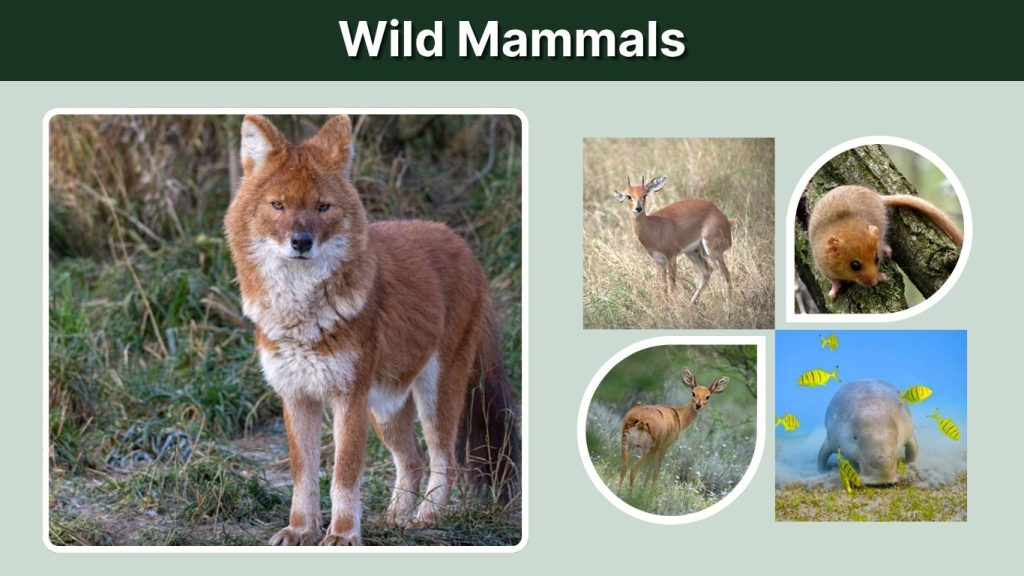
These wild mammals start with “D” and are found in forests, grasslands, deserts, and coastal regions around the world. Wild mammals are important for maintaining ecological balance and often have unique adaptations that help them survive in their natural habitats.
1. Dhole
The dhole is a wild dog species found in Asia. It has a reddish-brown coat, pointed ears, and a bushy tail. Dholes are highly social animals that live and hunt in packs. They are skilled predators and mainly feed on deer and other medium-sized mammals.
2. Dik-Dik
The dik-dik is a small antelope native to eastern and southern Africa. It has a slender body, long nose, and large eyes. Dik-diks are shy animals that usually live in pairs and feed on leaves, fruits, and shoots. Their small size helps them hide from predators in dense vegetation.
3. Dugong
The dugong is a large marine mammal closely related to the manatee. It lives in warm coastal waters and feeds mainly on seagrass. Dugongs have a rounded body and paddle-like flippers, making them excellent swimmers. They are gentle animals often called “sea cows.”
4. Dormouse
The dormouse is a small rodent known for its large eyes and long periods of hibernation. It usually lives in forests and shrublands and feeds on fruits, nuts, insects, and flowers. Dormice are excellent climbers and spend much of their time in trees and bushes.
5. Duiker
The duiker is a small to medium-sized antelope found in African forests. It has a compact body and short horns. Duikers are mostly solitary and feed on leaves, fruits, seeds, and sometimes insects. They are known for their quick movements and ability to escape predators in dense vegetation.
8. Water Birds
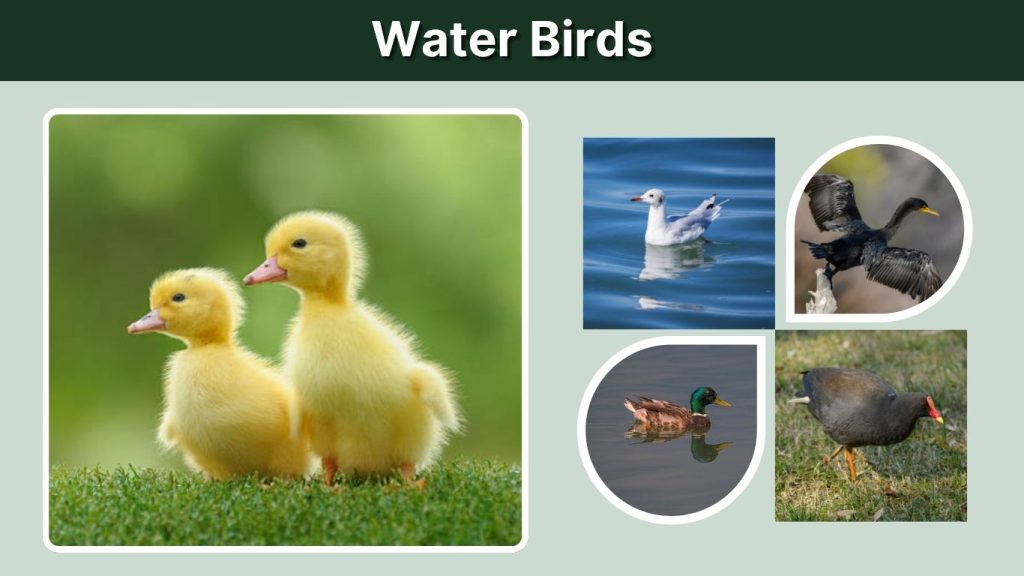
These water birds start with “D” and are commonly found near lakes, rivers, wetlands, marshes, and coastal regions. Water birds are adapted for swimming, wading, or diving and often feed on fish, insects, and aquatic plants. Their body structures, such as webbed feet and long bills, help them survive in aquatic environments.
1. Duckling
A duckling is a young duck known for its soft feathers and small size. Ducklings usually stay close to their mother for protection and guidance. They learn to swim at an early age and feed on insects, small aquatic plants, and tiny organisms found in water.
2. Diving Petrel
The diving petrel is a small seabird that spends much of its life over the ocean. It has short wings and a compact body adapted for diving underwater to catch fish and plankton. This bird is an excellent swimmer and is commonly found in southern ocean regions.
3. Double-Crested Cormorant
The double-crested cormorant is a dark-colored water bird known for its excellent diving skills. It catches fish underwater using its hooked bill. After swimming, it is often seen spreading its wings to dry because its feathers absorb water more than many other birds.
4. Drake
A drake is the name given to a male duck. Drakes are often more colorful than female ducks, especially during breeding seasons. They are commonly found in ponds, rivers, and wetlands and feed on aquatic plants, insects, and small fish.
5. Dusky Moorhen
The dusky moorhen is a medium-sized water bird with dark feathers, long legs, and a red facial shield. It is commonly found around marshes, lakes, and ponds. This bird feeds on aquatic vegetation, seeds, insects, and small aquatic animals.
9. Freshwater Fish
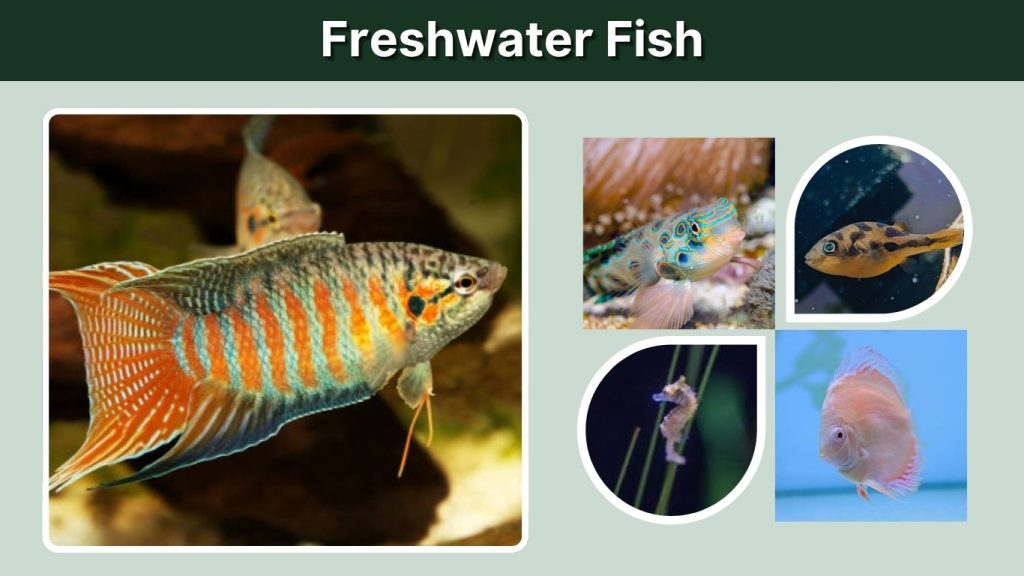
These freshwater fish start with “D” and are commonly found in rivers, lakes, ponds, and streams. Freshwater fish are adapted to low-salt environments and display a wide range of colors, shapes, and behaviors. Many of these species are also popular in aquariums and recreational fishing.
1. Dwarf Gourami
The dwarf gourami is a small, colorful fish popular in home aquariums. It has bright blue and red patterns on its body and is known for its peaceful nature. Native to South Asia, this fish prefers calm freshwater habitats with plenty of plants.
2. Dwarf Pufferfish
The dwarf pufferfish is one of the smallest pufferfish species in the world. Despite its tiny size, it has a bold personality and can inflate its body when threatened. This freshwater fish feeds mainly on small insects, snails, and tiny aquatic creatures.
3. Dragonet
The dragonet is a small fish with vibrant colors and unique fin patterns. It is commonly found in shallow freshwater and coastal waters. Dragonets move slowly along the bottom while searching for tiny organisms and crustaceans to eat.
4. Diskus Fish
The diskus fish, also known as discus, is famous for its round, flat body and striking colors. It is native to the Amazon River basin and is highly valued in the aquarium trade. This fish thrives in warm, clean water and usually lives in groups.
5. Dwarf Seahorse
The dwarf seahorse is a tiny aquatic species known for its curled tail and upright swimming position. It uses its tail to hold onto plants and underwater objects. This fish feeds on microscopic organisms and is commonly found in shallow freshwater and coastal habitats.
10. Snakes & Lizards
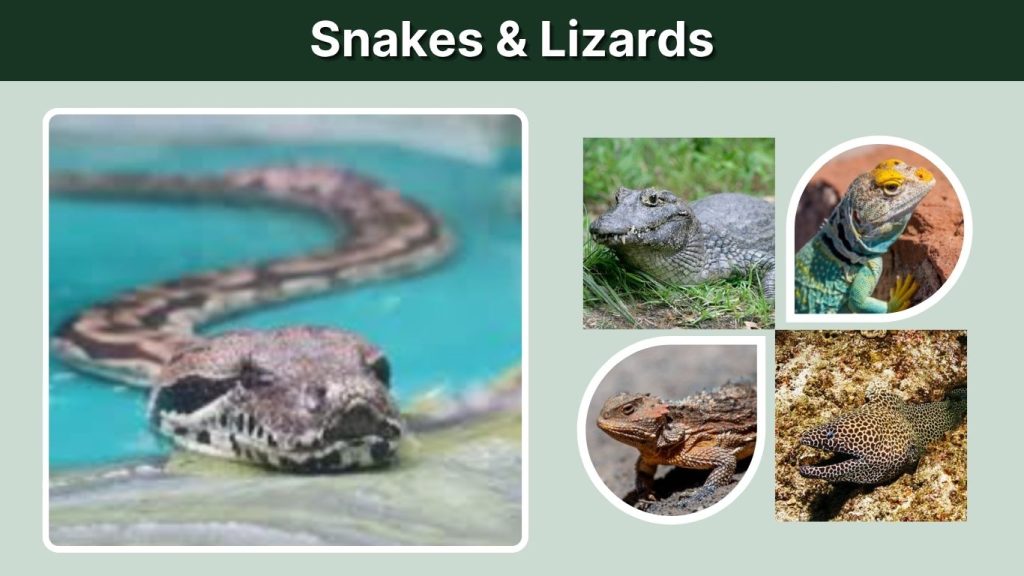
These reptiles start with “D” and include different species of snakes and lizards found in deserts, forests, wetlands, and tropical regions. Snakes and lizards are cold-blooded animals with scales and unique survival adaptations that help them hunt, hide, and protect themselves from predators.
1. Dumeril’s Boa
Dumeril’s boa is a non-venomous snake native to Madagascar. It has a thick body with brown and tan patterns that help it blend into forest floors. This snake kills prey through constriction and mainly feeds on small mammals and birds. It is known for its calm behavior compared to many other snakes.
2. Desert Iguana
The desert iguana is a lizard adapted to hot desert environments. It has a light-colored body that reflects sunlight and helps it survive extreme heat. This reptile feeds mainly on leaves, flowers, and insects and is commonly found in sandy and rocky desert regions.
3. Dragon Moray
The dragon moray is a striking eel-like reptile-looking fish known for its long body and fierce appearance. It has sharp teeth and colorful patterns that make it stand out in coral reef habitats. This species is a predator that feeds on fish and crustaceans in marine environments.
4. Dwarf Caiman
The dwarf caiman is one of the smallest members of the crocodilian family. It has a heavily armored body and strong jaws. Found in South American rivers and swamps, it feeds on fish, amphibians, and small animals. Despite its smaller size, it is an effective predator.
5. Desert Horned Lizard
The desert horned lizard is known for the horn-like spikes on its head and body. This reptile uses camouflage to blend into desert environments and avoid predators. It feeds mainly on ants and other small insects and can remain motionless for long periods while hunting.
11. Frogs & Toads
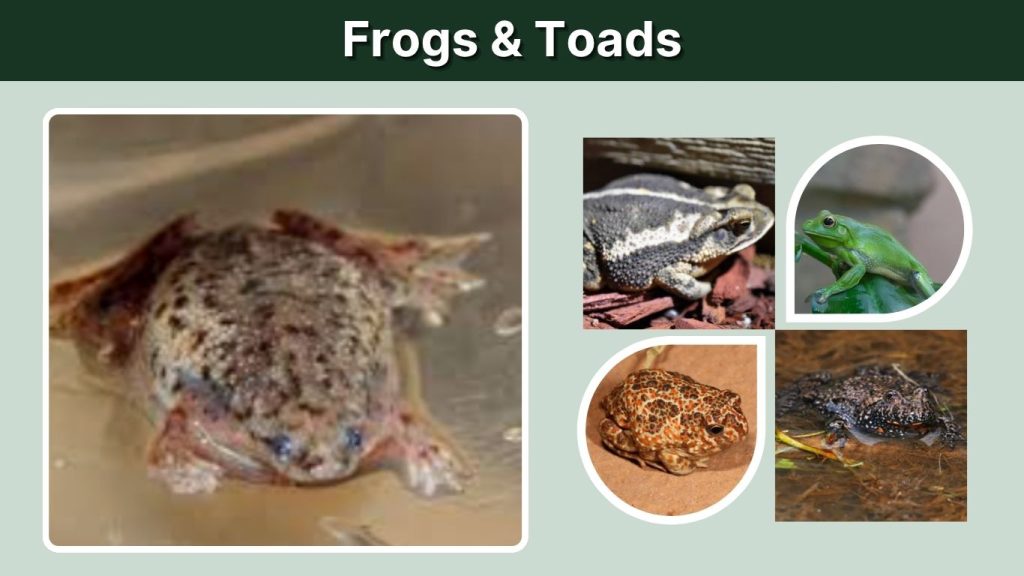
These frogs and toads start with “D” and are commonly found in forests, wetlands, grasslands, and tropical environments. Frogs and toads are amphibians known for their moist skin, jumping ability, and unique life cycles that usually begin in water. They are important in ecosystems because they help control insect populations.
1. Dwarf Frog
The dwarf frog is a small aquatic amphibian often kept in aquariums. It has webbed feet and spends most of its life underwater. This frog feeds on tiny insects, worms, and aquatic organisms. Its peaceful behavior and active swimming make it popular among aquarium enthusiasts.
2. Darwin’s Toad
Darwin’s toad is a rare amphibian native to South America. It is known for its unusual parenting behavior, where the male protects developing young in its vocal sac. This small toad has a pointed snout and excellent camouflage that helps it blend with leaves and forest floors.
3. Dusky Gopher Frog
The dusky gopher frog is a critically endangered amphibian found in parts of the United States. It has a dark-colored body with rough skin and spends much of its time underground. This frog depends on temporary ponds and wetlands for breeding and survival.
4. Desert Spadefoot Toad
The desert spadefoot toad is specially adapted for life in dry desert regions. It has hard, spade-like structures on its hind feet that help it dig underground burrows. This toad becomes active mainly during rainy periods and feeds on insects and small invertebrates.
5. Dotted Tree Frog
The dotted tree frog is a small climbing amphibian known for the spotted patterns on its skin. It lives in moist forests and near water sources. Sticky toe pads help this frog climb trees and leaves easily while searching for insects and shelter.
12. Flying Insects
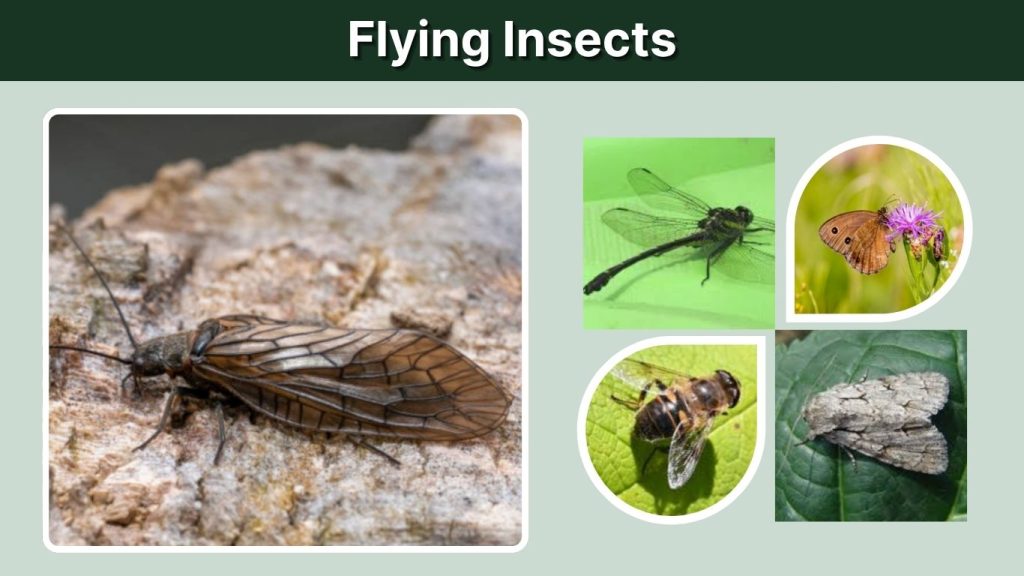
These flying insects start with “D” and are commonly found in forests, gardens, wetlands, and grasslands. Flying insects are important for pollination, decomposition, and maintaining ecological balance. Many of them have wings specially adapted for fast movement, hunting, or long-distance travel.
1. Dobsonfly
The dobsonfly is a large flying insect known for its long wings and impressive jaws, especially in males. It is usually found near rivers and streams because its larvae develop in water. Adult dobsonflies are mostly active at night and are attracted to lights.
2. Dryad Butterfly
The dryad butterfly is a colorful insect commonly found in grasslands and open forests. It has brown wings with eye-like markings that help protect it from predators. This butterfly feeds on flower nectar and plays a role in pollination.
3. Drone Fly
The drone fly is a harmless insect that resembles a bee. It is actually a type of hoverfly and is often seen around flowers collecting nectar and pollen. Its bee-like appearance helps protect it from predators through mimicry.
4. Dagger Moth
The dagger moth is a medium-sized moth known for the dark, dagger-shaped markings on its wings. It is usually active at night and is attracted to lights. The caterpillars of this moth are hairy and feed on leaves from various trees and plants.
5. Dragonhunter
The dragonhunter is a large species of dragonfly known for hunting other dragonflies and flying insects. It has a long body, strong wings, and excellent vision. This insect is commonly found near lakes, ponds, and slow-moving rivers where prey is abundant.
13. Domestic Animals
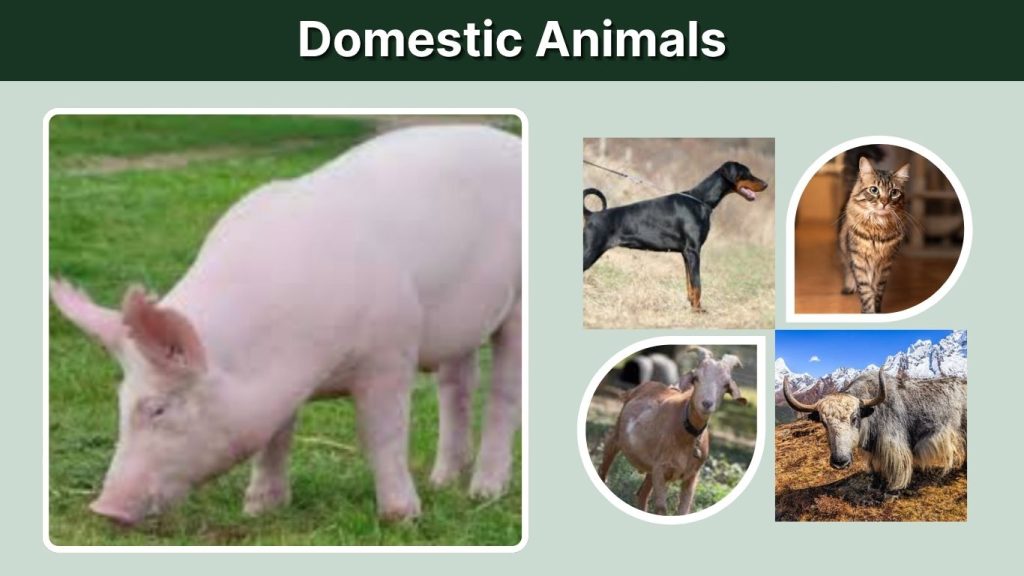
These domestic animals start with “D” and are commonly raised or kept by humans for companionship, farming, transportation, or other practical purposes. Domestic animals have adapted to living alongside people and often play important roles in daily life and agriculture.
1. Doberman
The Doberman is a strong and intelligent dog breed known for its loyalty and protective instincts. It has a sleek body, short coat, and alert posture. Dobermans are often used as guard dogs, police dogs, and family companions because of their courage and trainability.
2. Domestic Cat
The domestic cat is one of the most popular pets in the world. It is known for its agility, curiosity, and independent nature. Domestic cats come in many colors and breeds and are often kept for companionship as well as for controlling rodents around homes and farms.
3. Domestic Goat
The domestic goat is a farm animal raised for milk, meat, and fiber. Goats are intelligent, social, and highly adaptable animals that can survive in various climates. They are also known for their climbing ability and playful behavior.
4. Domestic Pig
The domestic pig is a highly intelligent farm animal commonly raised for meat production. Pigs have strong senses of smell and are capable of learning complex tasks. They are social animals that often live in groups and can adapt well to different environments.
5. Domestic Yak
The domestic yak is a large, long-haired mammal commonly found in mountainous regions of Central Asia. It is used for carrying loads, producing milk, meat, and wool. Yaks are well adapted to cold climates and high altitudes due to their thick fur and strong build.
14. Small & Colorful Birds
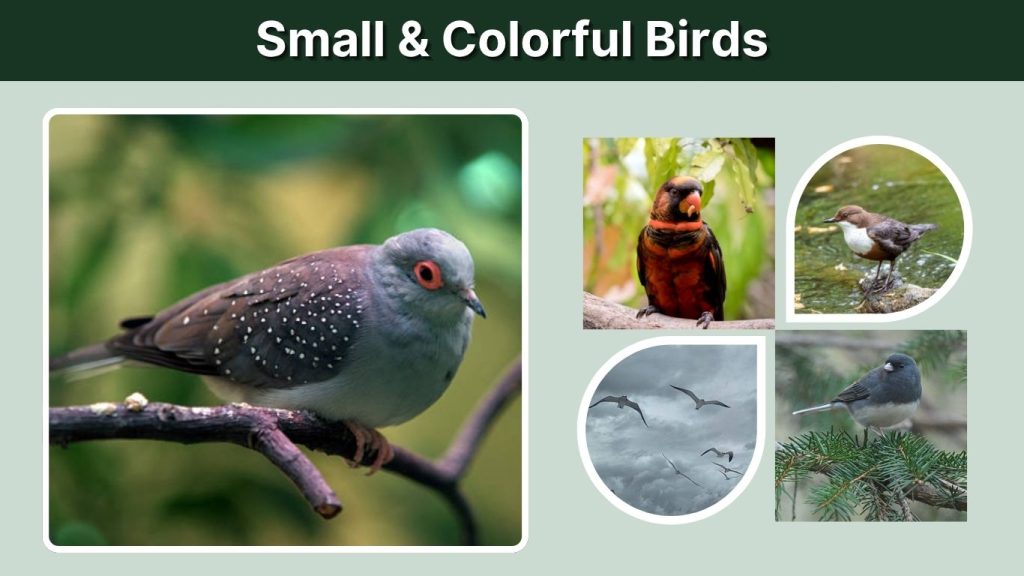
These birds start with “D” and are known for their small size, colorful feathers, and attractive appearances. They are commonly found in forests, gardens, wetlands, and open woodlands. Many of these birds feed on seeds, fruits, insects, and nectar, making them important for pollination and seed dispersal.
1. Diamond Dove
The diamond dove is a small bird native to Australia. It has soft gray feathers covered with tiny white spots that resemble diamonds. This bird is peaceful and often found in grasslands and open forests. It feeds mainly on seeds and small insects.
2. Dusky Lory
The dusky lory is a colorful parrot species with bright orange and dark feathers. It is commonly found in tropical forests and feeds on nectar, fruits, and flowers. This bird is highly active and known for its playful behavior and loud calls.
3. Dark-Eyed Junco
The dark-eyed junco is a small songbird commonly found in North America. It has dark-colored feathers with a lighter belly and is often seen hopping on the ground searching for seeds and insects. This bird is especially common during winter months.
4. Dipper
The dipper is a small bird famous for its ability to dive and walk underwater in fast-flowing streams. It has a compact body and strong legs that help it move against water currents. Dippers feed on aquatic insects and larvae found beneath rocks.
5. Dominican Gull
The Dominican gull is a large coastal bird with black, white, and gray feathers. It is commonly found near beaches, harbors, and coastal waters. This bird feeds on fish, small marine animals, and scraps of food found near shorelines.
15. Saltwater Fish
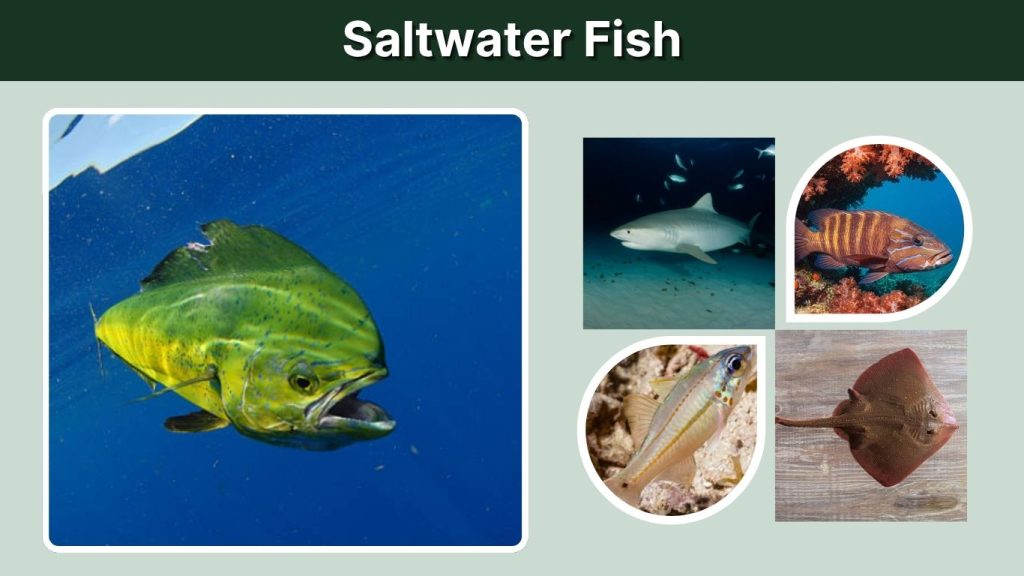
These saltwater fish start with “D” and are commonly found in oceans, coral reefs, and coastal waters around the world. Saltwater fish are adapted to marine environments and display a wide range of sizes, colors, and behaviors. Many of them are important for marine ecosystems and commercial fishing.
1. Dolphin Fish
The dolphin fish, also known as mahi-mahi, is a fast-swimming ocean fish known for its bright blue, green, and yellow colors. It is commonly found in tropical and subtropical waters. This fish feeds on smaller fish and squid and is popular in commercial fishing because of its flavorful meat.
2. Dusky Shark
The dusky shark is a large predatory shark found in warm ocean waters. It has a streamlined body, sharp teeth, and strong swimming abilities. This shark feeds on fish, squid, and smaller marine animals. It is known for traveling long distances across the ocean.
3. Devil Ray
The devil ray is a large marine fish related to manta rays. It has wide, wing-like fins that help it glide gracefully through the water. Devil rays feed mainly on plankton and small fish and are often seen near the ocean surface.
4. Dog Snapper
The dog snapper is a saltwater fish recognized by its strong jaws and sharp canine-like teeth. It is commonly found near coral reefs and rocky underwater habitats. This fish feeds on smaller fish, crustaceans, and marine invertebrates.
5. Deepwater Cardinalfish
The deepwater cardinalfish is a small marine species found in deeper parts of the ocean. It often has bright colors and large eyes adapted for low-light conditions. This fish feeds on tiny crustaceans and plankton in deep marine environments.
16. Turtles & Crocodiles
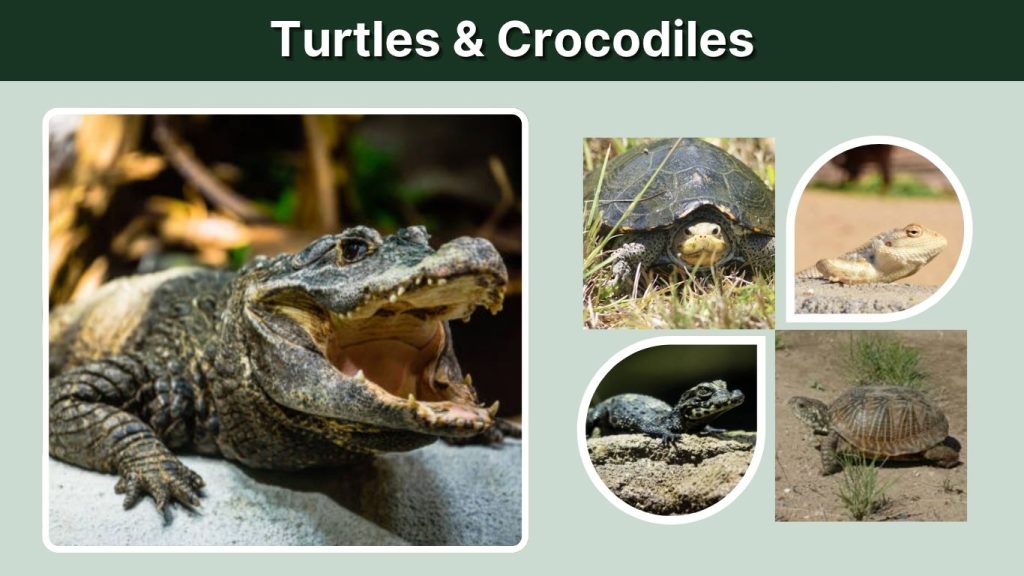
These reptiles start with “D” and include turtles, terrapins, caimans, and crocodiles found in rivers, swamps, wetlands, and coastal regions. They are known for their tough skin, protective shells, and powerful jaws. Many of these species are excellent swimmers and important predators in aquatic ecosystems.
1. Dwarf Crocodile
The dwarf crocodile is the smallest crocodile species in the world. It has a dark, heavily armored body and is commonly found in the forests and swamps of Africa. This reptile feeds on fish, insects, frogs, and small animals. It is mostly active at night and spends much of its time hidden in water.
2. Dwarf Caiman
The dwarf caiman is a small crocodilian native to South America. It has a strong body covered with bony plates that provide protection from predators. This reptile lives in rivers, streams, and flooded forests and feeds on fish, crustaceans, and amphibians.
3. Diamond Terrapin
The diamond terrapin is a turtle known for the diamond-shaped patterns on its shell. It is commonly found in coastal marshes and brackish water habitats. This turtle feeds on snails, insects, and small aquatic animals and is well adapted to both freshwater and saltwater conditions.
4. Desert Box Turtle
The desert box turtle is a land-dwelling turtle adapted to dry environments. It has a dome-shaped shell that can close tightly for protection. This turtle feeds on plants, fruits, insects, and small invertebrates. It often hides during the hottest parts of the day to avoid dehydration.
5. Dune Crocodile
The dune crocodile is a crocodilian species associated with sandy riverbanks and wetland areas. It has a long, muscular body and strong jaws used for catching fish and small mammals. Its coloration helps it blend into muddy and sandy environments near water sources.
17. Rare Amphibians
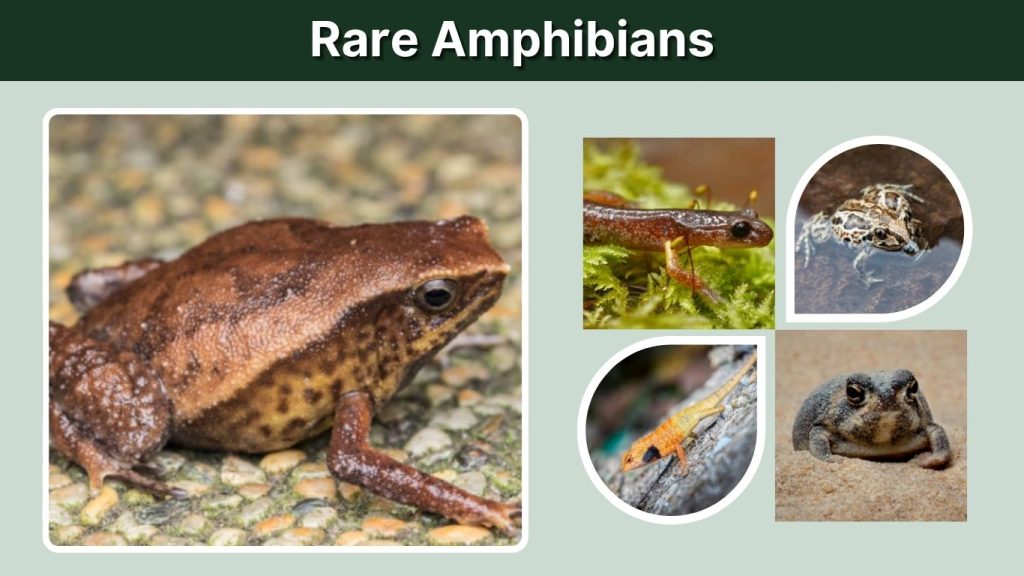
These rare amphibians start with “D” and are found in specialized habitats such as rainforests, mountain streams, wetlands, and desert regions. Many of these species are uncommon or endangered due to habitat loss, climate change, and environmental pollution. Amphibians are important indicators of ecosystem health because of their sensitive skin and dependence on clean environments.
1. Darwin’s Frog
Darwin’s frog is a rare amphibian native to the forests of Chile and Argentina. It is well known for its unusual breeding behavior, where the male carries developing tadpoles inside its vocal sac until they mature. This small frog has a pointed snout and excellent camouflage among leaves.
2. Dwarf Salamander
The dwarf salamander is one of the smallest salamander species in North America. It has a slender body with brown or reddish coloring and often lives in moist forests near streams and wetlands. This amphibian feeds on tiny insects and other small invertebrates.
3. Dusky Salamander
The dusky salamander is a secretive amphibian commonly found near springs, creeks, and damp forest floors. It has smooth skin and a long tail that helps with movement in wet environments. This salamander feeds on worms, insects, and other tiny creatures.
4. Desert Rain Frog
The desert rain frog is a tiny amphibian adapted to dry coastal deserts. It spends much of its life buried in sand to conserve moisture. This frog has a round body, short limbs, and a squeaky sound that makes it easy to recognize.
5. Dappled Mountain Frog
The dappled mountain frog is a rare amphibian found in cool mountain streams and forest habitats. It has patterned skin that helps it blend into rocks and wet surfaces. This frog feeds mainly on insects and depends on clean freshwater environments for survival.
18. Crawling Insects
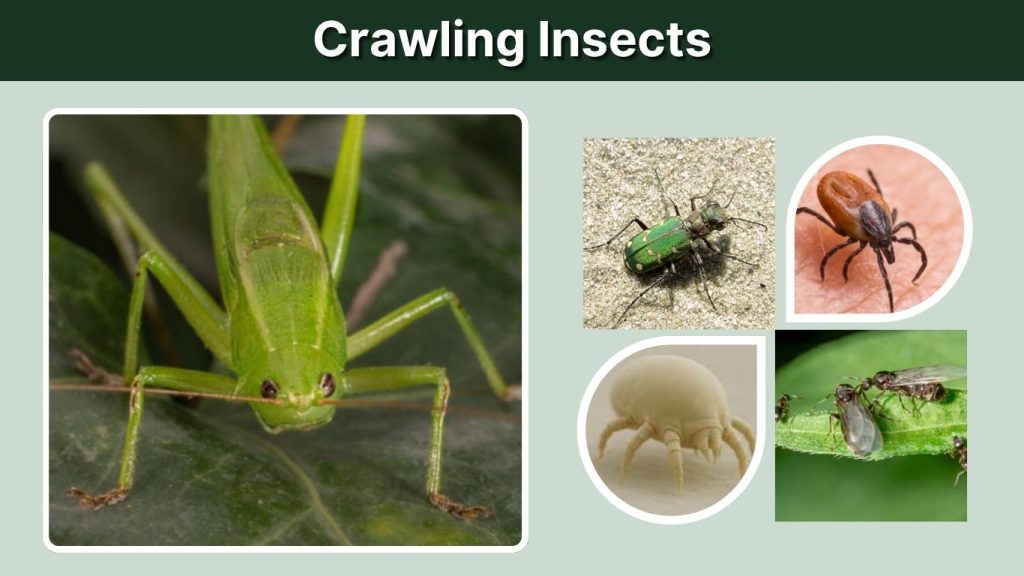
These crawling insects start with “D” and are commonly found in deserts, forests, homes, gardens, and grasslands. Crawling insects play important roles in ecosystems through decomposition, soil improvement, and pest control. Many of them are highly adaptable and can survive in a wide range of environments.
1. Desert Locust
The desert locust is a powerful migratory insect known for forming massive swarms. It is commonly found in dry regions of Africa, the Middle East, and Asia. These insects feed on plants and crops and can travel long distances in search of food, sometimes causing serious agricultural damage.
2. Deer Tick
The deer tick is a small parasitic insect commonly found in forests and grassy areas. It feeds on the blood of mammals, birds, and reptiles. Deer ticks are important to study because they can carry diseases that affect humans and animals.
3. Dune Beetle
The dune beetle is an insect adapted to sandy desert and coastal environments. It has a hard outer shell that helps protect it from heat and predators. This beetle feeds on decaying plant material and helps recycle nutrients back into the soil.
4. Dust Mite
The dust mite is a microscopic insect-like creature commonly found in homes. It lives in bedding, carpets, and furniture where it feeds on dead skin cells. Although tiny and invisible to the naked eye, dust mites can trigger allergies in some people.
5. Drone Ant
The drone ant is the male member of an ant colony. Its primary role is reproduction with the queen during mating flights. Unlike worker ants, drone ants usually have wings and do not participate in gathering food or defending the colony.
19. Aquatic Mammals
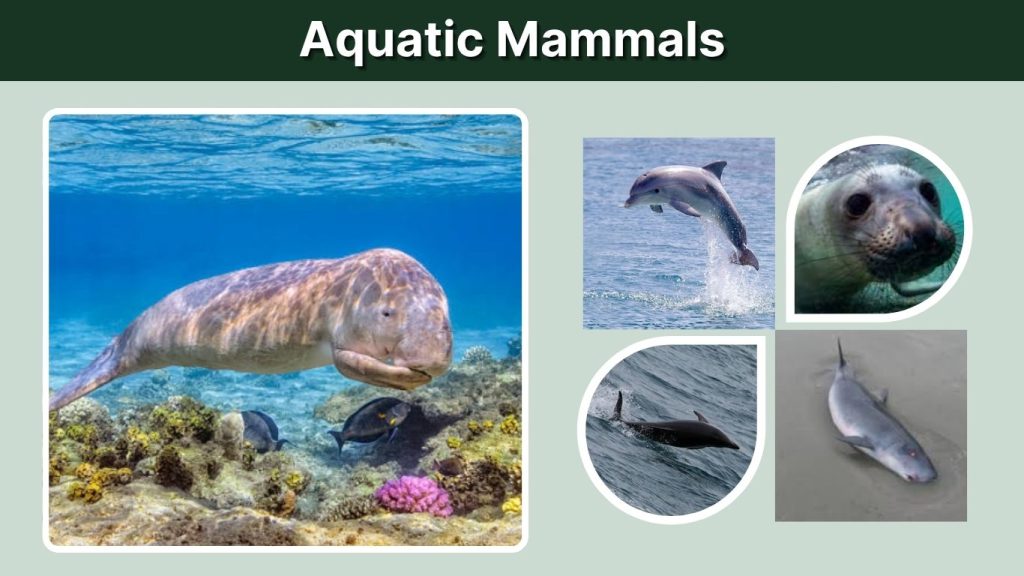
These aquatic mammals start with “D” and are adapted to life in oceans, rivers, and coastal waters. Aquatic mammals are warm-blooded animals that rely on water for most of their daily activities, including feeding, swimming, and social interaction. Many of them are highly intelligent and excellent swimmers.
1. Dolphin
The dolphin is one of the most intelligent marine mammals in the world. It has a streamlined body, curved dorsal fin, and strong tail used for fast swimming. Dolphins live in social groups called pods and communicate using clicks and whistles. They mainly feed on fish and squid.
2. Dugong
The dugong is a large marine mammal often called a “sea cow” because it feeds mainly on seagrass. It has a rounded body, paddle-like flippers, and a tail similar to a dolphin’s. Dugongs are gentle animals commonly found in warm coastal waters.
3. Dwarf Sperm Whale
The dwarf sperm whale is a small whale species found in deep ocean waters. It has a compact body and a square-shaped head similar to larger sperm whales. This mammal feeds on squid, fish, and crustaceans and is rarely seen because it spends much of its time underwater.
4. Dusky Dolphin
The dusky dolphin is a playful marine mammal known for its acrobatic jumps and energetic behavior. It has a sleek body with dark and light color patterns. Dusky dolphins often travel in groups and feed on fish and small marine creatures.
5. Deepwater Seal
The deepwater seal is a marine mammal adapted to cold ocean environments. It has thick layers of fat and streamlined features that help it survive in deep and icy waters. This seal feeds on fish, squid, and other marine organisms while spending much of its time swimming underwater.
20. Coastal & Wetland Birds
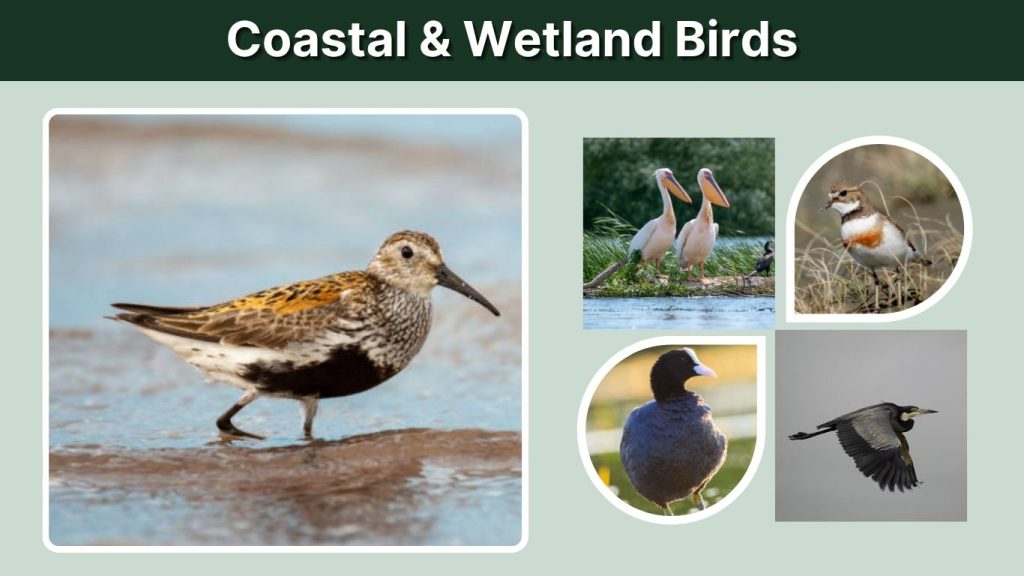
These birds start with “D” and are commonly found near coastlines, wetlands, marshes, rivers, and lagoons. Coastal and wetland birds are adapted to living around water and often feed on fish, insects, crustaceans, and aquatic plants. Many of them have long legs, strong beaks, or webbed feet that help them survive in watery environments.
1. Dunlin
The dunlin is a small migratory shorebird often seen in coastal mudflats and wetlands. It has a slender bill and long legs that help it search for insects, worms, and tiny crustaceans in wet sand and shallow water. During migration, large flocks of dunlins can be seen flying together in coordinated patterns.
2. Double-Banded Plover
The double-banded plover is a small coastal bird recognized by the two dark bands across its chest. It is commonly found near beaches, estuaries, and wetlands. This bird feeds on insects, worms, and small aquatic creatures found along shorelines.
3. Dark Heron
The dark heron is a wading bird with dark-colored feathers and long legs adapted for shallow water hunting. It moves slowly through wetlands and riverbanks while searching for fish, frogs, and insects. Its sharp beak allows it to catch prey quickly.
4. Dusky Crake
The dusky crake is a secretive wetland bird commonly found in marshes and grassy swamps. It has a compact body, dark plumage, and strong legs that help it move through dense vegetation. This bird feeds on insects, seeds, and small aquatic organisms.
5. Delta Pelican
The delta pelican is a large water bird known for its long bill and expandable throat pouch used for catching fish. It is commonly found in river deltas, lakes, and coastal lagoons. This bird is an excellent swimmer and often hunts in groups.
FAQs
What types of animals are included in this list?
This list includes many types of animals such as mammals, birds, fish, reptiles, amphibians, and insects. The animals are grouped into categories to make identification easier and more organized for readers.
Are all the animals in this guide real species?
Yes, all the animals mentioned in this guide are real. Some are very common and well known, while others are rare or region-specific species found in particular habitats around the world.
Why are the animals divided into groups?
The animals are divided into groups based on their type and habitat. This structure helps readers quickly understand similarities between species and makes the content easier to read and learn from.
Can this guide help students learn about animals?
Yes, this guide is useful for students, teachers, and animal enthusiasts. It provides simple identification details about each animal, making it helpful for educational activities, research, and general knowledge.
Where can these animals be found?
These animals can be found in many environments across the world, including forests, deserts, oceans, rivers, wetlands, mountains, and grasslands. Each species is adapted to survive in its own natural habitat.