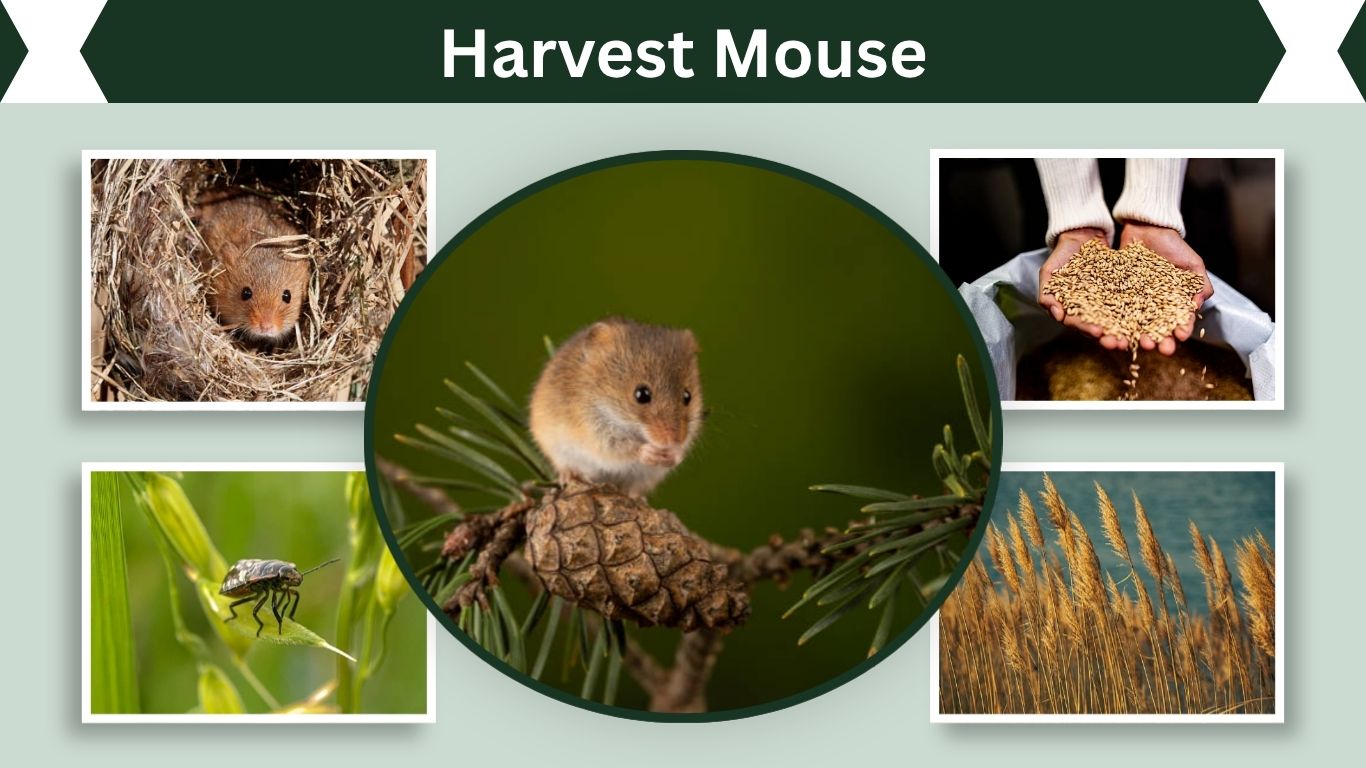
The harvest mouse is one of the smallest rodents in the world, often admired for its delicate appearance and remarkable agility. Known for its climbing abilities, it is a common sight in tall grasslands, crop fields, and reedbeds. Harvest mice are frequently photographed in flowers or on plant stems due to their endearing size and behavior. While the term “harvest mouse” can refer to several species, the most commonly known are the Eurasian harvest mouse and salt marsh harvest mouse. In this article, we’ll explore these mice’s size, habitat, diet, nest, lifespan, and more.
What Is a Harvest Mouse?
The harvest mouse is a small rodent belonging to the genus Micromys (Eurasian harvest mouse) and Reithrodontomys (American harvest mice). It is famous for its ability to climb grass stems, spin intricate nests, and live in a variety of habitats such as grasslands, crop fields, and marshes.
Basic Meaning of Harvest Mouse
The term “harvest mouse” refers to a variety of small, climbing rodents found mainly in Europe, Asia, and North America. These mice are often associated with wildflower fields, marshes, and agricultural areas where they thrive in tall grasses and vegetation. Their small size and ability to live in diverse environments make them an essential part of the ecosystem.
Is Every Harvest Mouse the Same Species?
While the term “harvest mouse” is often used to describe several species, the most well-known are the Eurasian harvest mouse (Micromys minutus) and the salt marsh harvest mouse (Reithrodontomys raviventris). The Eurasian harvest mouse is the smallest, while the salt marsh harvest mouse is found mainly in the marshes around San Francisco Bay. Other species include the western harvest mouse (Reithrodontomys megalotis) and eastern harvest mouse (Reithrodontomys humulis).
Harvest Mouse Scientific Name
- Eurasian harvest mouse: Micromys minutus
- Salt marsh harvest mouse: Reithrodontomys raviventris
- Western harvest mouse: Reithrodontomys megalotis
- Eastern harvest mouse: Reithrodontomys humulis
Harvest Mouse Size and Weight
Harvest mice are notably tiny, making them incredibly nimble and well-suited for climbing through tall grasses. Their small size is one of their most defining characteristics.
How Big Is a Harvest Mouse?
The Eurasian harvest mouse is one of the smallest rodents in Europe, measuring only 55–75 mm in body length, with a tail length of 50–75 mm. Its small size allows it to easily navigate through grass stems and other delicate environments. While there are slight variations in size between species, harvest mice generally have compact bodies that aid in climbing and nest-building.
How Much Does a Harvest Mouse Weigh?
Harvest mice are incredibly lightweight, weighing between 6–13 grams on average. Their tiny frame helps them move easily through tall grass, allowing them to evade predators and build their intricate nests. This lightness is also why they can easily climb plants and hold onto the stalks.
What Does a Harvest Mouse Look Like?
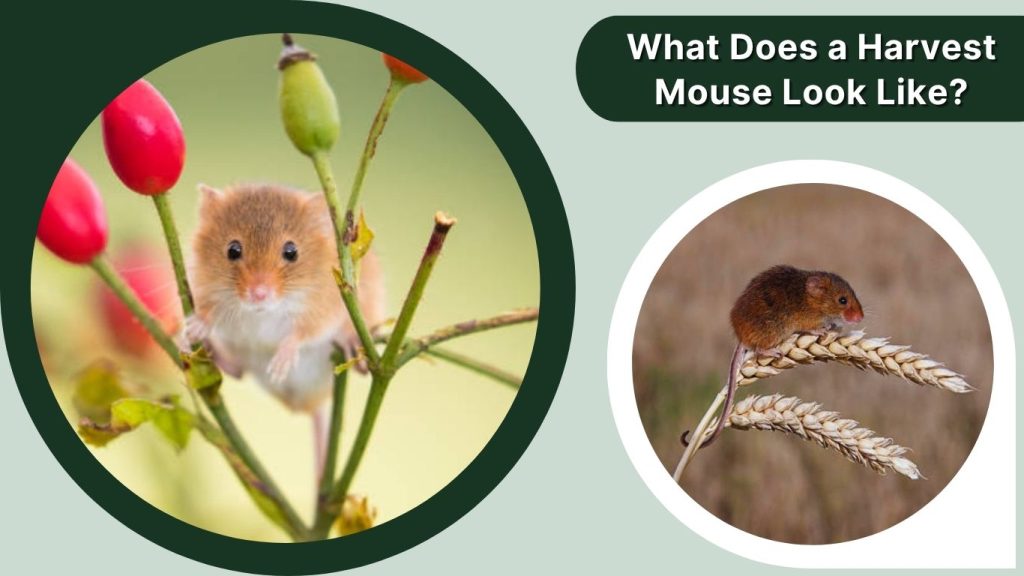
Harvest mice are instantly recognizable due to their small size, large eyes, and long prehensile tails. These mice have a delicate yet sturdy appearance that helps them thrive in their environment.
Body Color and Shape
Harvest mice have a small, rounded body with brown or golden upper fur, often with a paler underside. Their fur is soft and serves as camouflage among the grasses and plants in their natural habitats. The shape of the body allows them to weave through plants and climb easily.
Harvest Mouse Tail
One of the most remarkable features of the harvest mouse is its prehensile tail. The tail, which can be about the same length as its body, is used as a tool for climbing and balancing. This tail helps the mouse hold onto plant stems or grasses, giving it the ability to navigate difficult environments like tall grasses or reed beds.
Cute Harvest Mouse Features
Harvest mice are often seen as incredibly cute, with their large, dark eyes, small rounded ears, and delicate paws. These adorable features have made harvest mice a favorite subject in wildlife photography. Their small size and agility make them excellent at hiding in dense vegetation, and their appearance is frequently featured in nature photography, where they are seen balancing on flowers or other delicate stems.
Harvest Mouse Habitat

Harvest mice are found in a variety of habitats, including grasslands, reeds, and crop fields. They are especially attracted to areas where dense vegetation provides them with both food and shelter.
Where Do Harvest Mice Live?
Harvest mice are native to Europe, Asia, and North America. The Eurasian harvest mouse is typically found in tall grasslands, reedbeds, and marshes. It thrives in environments with dense vegetation that provides both food and protection. On the other hand, the salt marsh harvest mouse is found in salt marshes, particularly in the San Francisco Bay Area. These marshes offer a unique habitat with a mix of brackish and salty water, making the salt marsh harvest mouse well adapted to this environment.
Do Harvest Mice Live in Houses?
Harvest mice are primarily wild animals and are not commonly found in homes, unlike house mice. While house mice thrive in indoor environments, harvest mice prefer living in wild habitats, such as fields, grasslands, and marshes. If you find a small mouse inside a house, it is more likely to be a house mouse or another common indoor rodent.
Harvest Mouse in Grasslands and Crop Fields
In areas like cereal crop fields, harvest mice are commonly found. These fields provide a consistent food supply of seeds and grains, as well as shelter from predators. The tall vegetation in these areas also serves as a perfect environment for nest building, which is why harvest mice are often associated with agricultural landscapes.
Harvest Mouse Diet
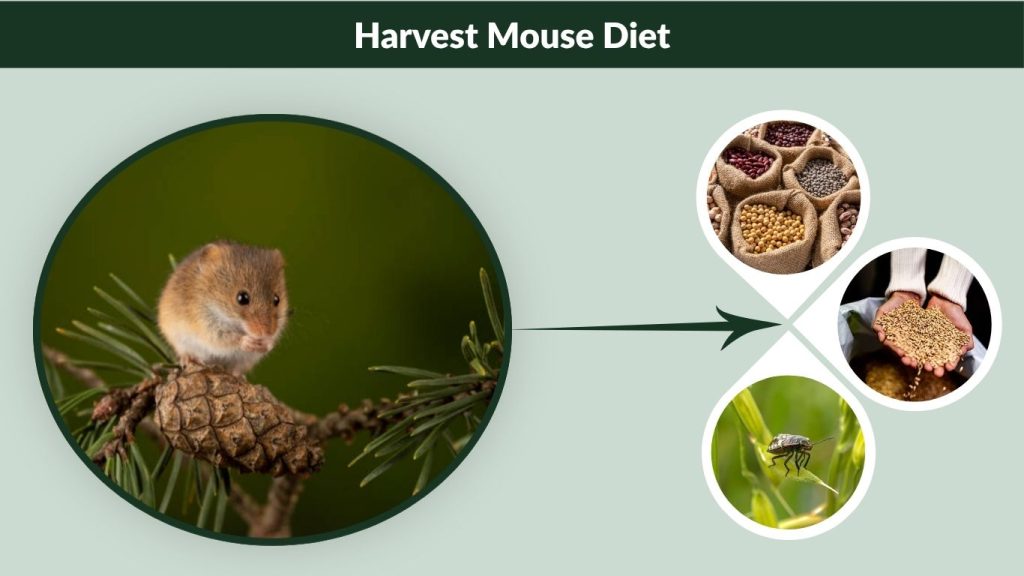
Harvest mice are herbivores and their diet primarily consists of seeds, grains, plant material, and occasionally insects. Their diet is highly dependent on the environment they inhabit.
What Do Harvest Mice Eat?
Harvest mice mainly consume seeds and grains from grasses, weeds, and other plants in their habitats. They are especially active during the harvest season, when crops like wheat and barley provide a steady food source. Their diet is essential for maintaining their energy and health, especially during the colder months.
Do Harvest Mice Eat Insects?
While primarily herbivorous, harvest mice will occasionally consume small insects like grasshoppers or moths, especially when plant material is scarce. Insects help provide additional protein and nutrients to their diet, especially during the breeding season or when other food sources are not as abundant.
Do Harvest Mice Eat Crops?
Harvest mice do feed on crops, especially in agricultural fields, where they can access seeds and grains. However, they are not considered pests in most cases, as they do not cause widespread damage to crops compared to other rodents. Their role in ecosystems is more focused on seed dispersal and maintaining a balance in the food chain.
Harvest Mouse Nest
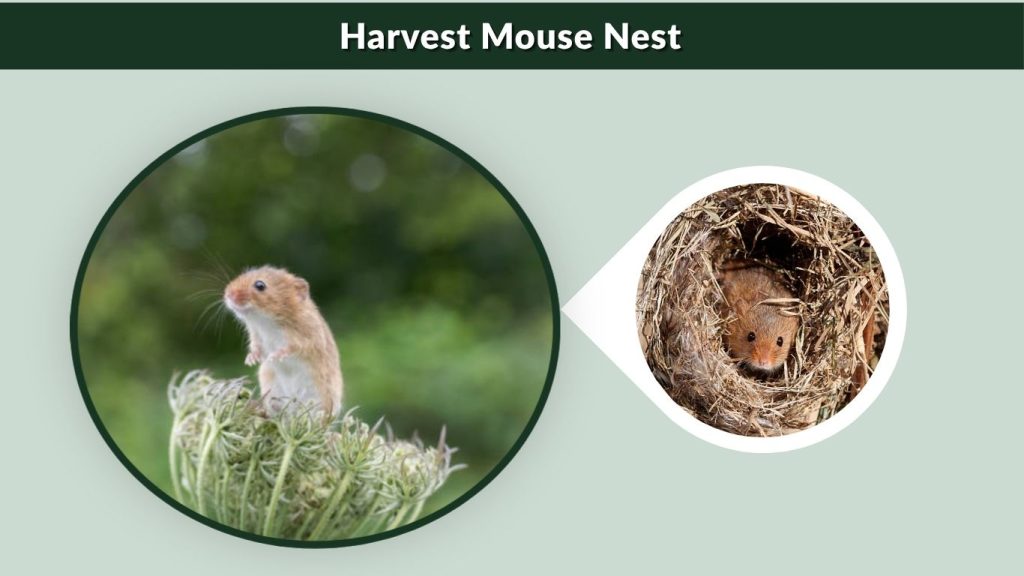
Harvest mice are excellent nest builders, weaving intricate homes made from grass and plant material. These nests are not only used for sleeping but also serve as safe places for raising young.
What Does a Harvest Mouse Nest Look Like?
A harvest mouse nest is usually a small, spherical structure made from dry grass and plant material. These nests are typically built at the base of grass stems or in dense vegetation. The nests are often positioned above the ground, offering protection from predators and moisture. The ability to create such intricate nests is a key survival skill for harvest mice, as it provides shelter and security.
Why Do Harvest Mice Build Nests Above the Ground?
Building nests above the ground helps harvest mice avoid predators like snakes and larger mammals. Additionally, elevated nests are less likely to be affected by moisture, which can be especially important during the wet months. By placing their nests in tall grasses or other vegetation, harvest mice ensure they remain hidden and secure.
Harvest Mouse Lifespan
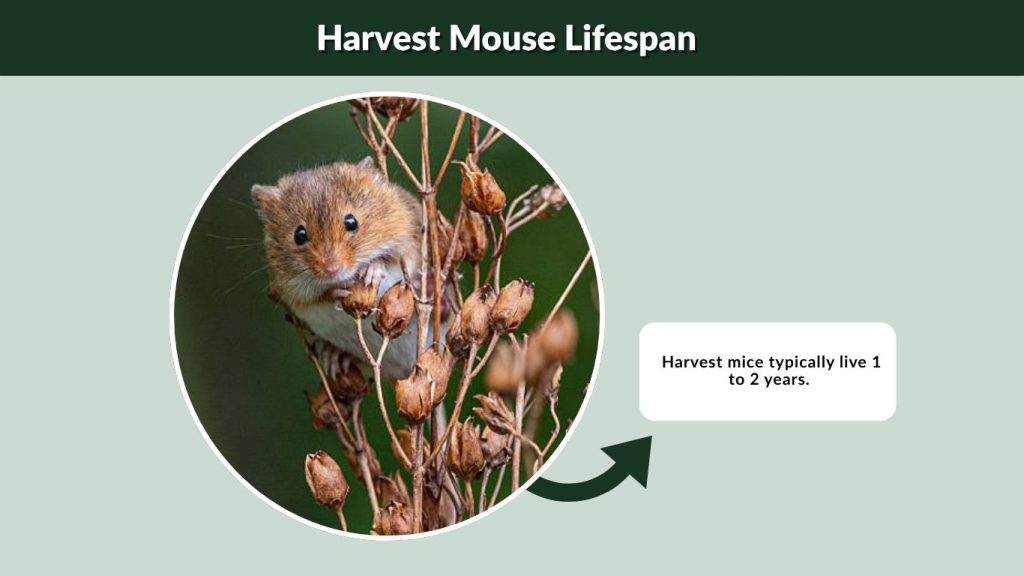
Harvest mice have a relatively short lifespan due to the many threats they face in the wild. Their small size and position in the food chain make them vulnerable to predation.
How Long Does a Harvest Mouse Live?
In the wild, harvest mice typically live 1 to 2 years. However, their life expectancy can be shorter depending on environmental conditions and predation pressures. Some harvest mice may survive longer in protected habitats or areas with fewer predators.
What Affects Harvest Mouse Lifespan?
The lifespan of a harvest mouse is influenced by several factors:
- Predation: Owls, foxes, and hawks are some of the primary predators of harvest mice.
- Weather: Harsh weather, particularly cold winters, can reduce survival rates.
- Food availability: A lack of food can lead to malnutrition, shortening their lifespan.
- Habitat quality: A stable habitat with adequate vegetation and shelter allows harvest mice to live longer and breed more successfully.
Harvest Mouse Predators
What Animals Eat Harvest Mice?
Harvest mice, being small and delicate, have a variety of predators in the wild. Some of their main predators include:
- Owls: Especially barn owls and other nocturnal birds of prey, who hunt harvest mice during the night.
- Hawks: Certain species of hawks may prey on harvest mice when they venture out during the day.
- Foxes: These small mammals are opportunistic hunters and will occasionally catch a harvest mouse.
- Weasels: Known for their agility, weasels may hunt and eat harvest mice if they come across their nests.
- Domestic cats: Cats, particularly outdoor or feral cats, may hunt small rodents like the harvest mouse.
- Snakes: Certain snake species that dwell in grasslands or marshes may also pose a threat to harvest mice.
How Harvest Mice Avoid Predators
Harvest mice have developed several strategies to avoid predators:
- Small size: Their tiny size helps them hide easily in dense vegetation or undergrowth.
- Climbing ability: Harvest mice are excellent climbers, using their prehensile tails to grip plant stems, giving them an advantage in escaping predators that are unable to climb.
- Camouflage: Their brown or golden fur helps them blend in with grasses and plants, making it harder for predators to spot them.
- Night activity: Many harvest mice are nocturnal, which reduces their exposure to daytime predators.
Types of Harvest Mice
Eurasian Harvest Mouse
The Eurasian harvest mouse (Micromys minutus) is one of the smallest mice in the world, known for its climbing ability and prehensile tail. This species is native to Europe and Asia and typically lives in grasslands, reedbeds, and crop fields. Its small size and agility make it adept at navigating through tall grasses and weaving intricate nests in vegetation.
Salt Marsh Harvest Mouse
The salt marsh harvest mouse (Reithrodontomys raviventris) is a unique and endangered species found only in the salt marshes around San Francisco Bay. This species is highly adapted to life in brackish marsh habitats, where it feeds on seeds and vegetation. The salt marsh harvest mouse faces serious threats due to habitat loss and rising sea levels, which have led to its endangered status.
Western Harvest Mouse
The western harvest mouse (Reithrodontomys megalotis) is found in North America, particularly in the western United States. This species is typically found in grasslands, sagebrush, and cropland. Its diet is primarily made up of seeds, grains, and some insects, similar to other harvest mouse species.
Eastern Harvest Mouse
The eastern harvest mouse (Reithrodontomys humulis) is found in the eastern United States, where it inhabits fields, grasslands, and brushy areas. Like other harvest mice, it builds nests in dense vegetation and feeds on seeds and plant material.
Plains, Fulvous, and Cozumel Harvest Mice
Other lesser-known species include the plains harvest mouse, fulvous harvest mouse, and cozumel harvest mouse. These species are generally found in specific regions of North America, each with unique adaptations to their local environments.
Salt Marsh Harvest Mouse: Why Is It Endangered?
Main Threats
The salt marsh harvest mouse is critically endangered due to several factors, the most significant being:
- Habitat loss: Human development and land reclamation have led to the destruction of the marshes that this species relies on.
- Sea-level rise: Rising sea levels, caused by climate change, threaten the salt marshes, further reducing the mouse’s habitat.
- Pollution: Pollutants such as pesticides and heavy metals in marsh areas also affect the health of the species.
- Predation: As a small species, the salt marsh harvest mouse is vulnerable to predation by birds and other predators, especially as it becomes more isolated due to habitat fragmentation.
Salt Marsh Harvest Mouse Recovery Plan
Conservation efforts for the salt marsh harvest mouse focus on:
- Habitat restoration: Protecting and restoring salt marsh habitats to ensure the species has a suitable environment for survival.
- Population monitoring: Conducting surveys to track the population size and health of the species.
- Legal protection: Efforts to enforce conservation laws that limit development in critical areas of the marsh and protect the species from harm.
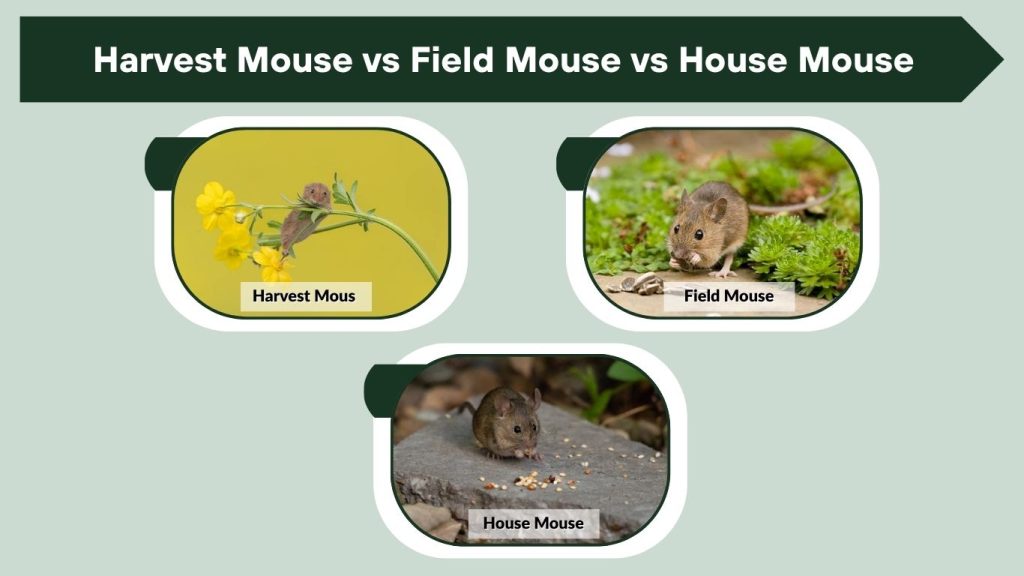
Harvest Mouse vs Field Mouse vs House Mouse
Harvest Mouse vs Field Mouse
Harvest mice and field mice (also known as meadow voles) may seem similar, but they differ in several ways:
- Size: Harvest mice are smaller, measuring about 5–7 cm in body length, while field mice are generally larger.
- Behavior: Harvest mice are excellent climbers and live in tall vegetation, whereas field mice are more likely to burrow in the ground.
- Habitat: Harvest mice are often found in crop fields, grasslands, and reedbeds, while field mice are more common in meadows and forests.
Harvest Mouse vs House Mouse
House mice are commonly found inside homes, whereas harvest mice are wild rodents that live in outdoor environments:
- Size: Harvest mice are smaller than house mice, with a body length of about 5–7 cm versus the 7–10 cm length of house mice.
- Habitat: House mice thrive in indoor environments, especially in homes and buildings, while harvest mice prefer grassy fields, reedbeds, and other dense vegetation.
- Behavior: House mice are more adapted to living in human dwellings, whereas harvest mice are adapted to a wild, outdoor lifestyle.
Harvest Mouse in Flowers: Why Are They So Popular in Photos?
Harvest Mouse in Flower
Harvest mice are often depicted in wildflower photography because they are naturally drawn to flowers and plants for food, shelter, and nesting. Their small size and agility make them perfect for climbing plant stems, and their appearance on flowers captures their delicate beauty. Wildlife photographers love to capture these tiny creatures as they interact with nature, providing stunning images.
Harvest Mouse Sleeping in Flower
Images of harvest mice sleeping in flowers are particularly captivating. The mice curl up in the center of a flower or between petals, creating peaceful and serene imagery. These images often appear in nature photography and are popular due to the contrast between the mouse’s small size and the larger, vibrant flower.
Harvest Mouse on Dandelion
Harvest mice are frequently photographed on dandelions due to the flower’s sturdy stems and large, fluffy petals. The mouse can be seen perched delicately on a dandelion, creating an iconic image that highlights both the fragility of the mouse and the beauty of the natural world.
Can You Keep a Harvest Mouse as a Pet?
Is a Harvest Mouse a Good Pet?
While harvest mice are small, cute, and highly photogenic, they are wild animals and not typically kept as pets. They are best suited to their natural habitat, where they can climb and build nests in tall grasses. Harvest mice are not domesticated and may not adapt well to life in captivity. Additionally, keeping wild rodents as pets may be illegal depending on the region.
Harvest Mouse for Sale
Though harvest mice are not typically sold as pets, there may be occasional instances where captive-bred specimens are offered for sale. However, potential owners should be aware that owning a wild animal comes with specific legal requirements and ethical considerations. Instead, interested individuals should consider adopting domesticated small animals, such as hamsters or gerbils, that are better suited to life as pets.
Harvest Mouse Drawing and Photography
How to Draw a Harvest Mouse
If you’re an artist, drawing a harvest mouse can be a fun and rewarding challenge. Start by sketching a small, oval body shape, then add round ears, large dark eyes, and a long prehensile tail. Position the mouse on a flower stem or grass stalk to reflect its natural behavior of climbing plants. Pay attention to the details of the fur texture, ears, and paws, which contribute to the mouse’s cute and delicate appearance.
Harvest Mouse Photography Ideas
For wildlife photographers, capturing a harvest mouse in action can create beautiful and stunning images. Some popular photography ideas include:
- Harvest mouse on a wheat stalk or grass stem
- Harvest mouse climbing a flower
- Harvest mouse resting or sleeping in a flower
- Harvest mouse on a dandelion head
- Close-up shots of harvest mice in their natural habitat, interacting with vegetation
Keywords to Avoid in This Article
Some keywords related to “harvest mouse” are not relevant for a wildlife-focused article. These should be avoided or reserved for separate articles:
- harvest mouse perfume
- harvest mouse fragrance
- harvest mouse cologne
- zoologist harvest mouse
- harvest mouse organ harvest protocol
- iron harvest ps5 mouse and keyboard
These terms are better suited for different types of content, like perfume reviews or gaming articles, rather than an informational article about the rodent species.
FAQs About Harvest Mice
What is a harvest mouse?
A harvest mouse is a small rodent typically found in grasslands, reedbeds, and agricultural fields. They are known for their ability to climb and build intricate nests in vegetation.
What is the scientific name of the harvest mouse?
The scientific name of the Eurasian harvest mouse is Micromys minutus, while other species like the salt marsh harvest mouse are known by different names.
How big is a harvest mouse?
Harvest mice are small, with body lengths around 55–75 mm and tail lengths that can be just as long. Their size allows them to navigate through tall grasses and vegetation.
What does a harvest mouse eat?
Harvest mice primarily eat seeds, grains, and some plant material. Occasionally, they will consume small insects when available.