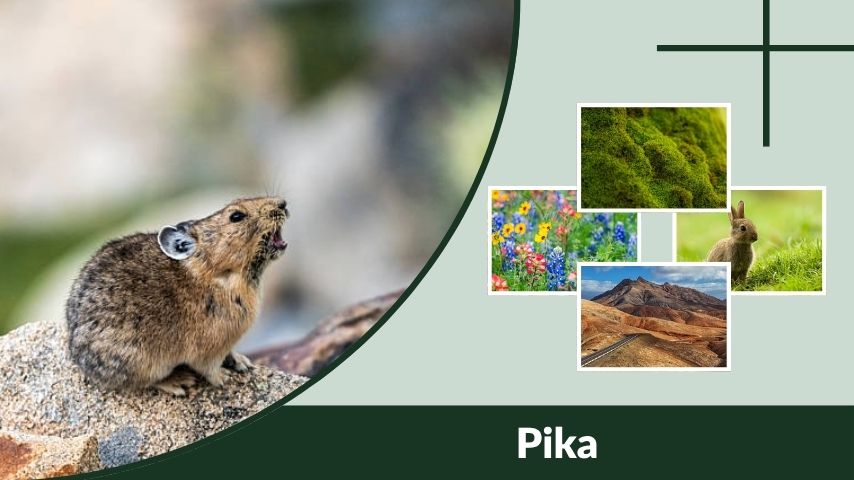
The pika is a small mountain-dwelling mammal closely related to rabbits and hares. Known for its round body, short ears, and soft fur, this tiny animal lives mainly in cold alpine regions across North America and Asia. Pikas are famous for their loud warning calls and unique habit of collecting plants to store for winter.
Although they look cute and harmless, pikas are highly active animals that spend much of their time gathering food and defending territory. Scientists also study pika populations because these animals are very sensitive to rising temperatures and environmental changes in mountain ecosystems.
What Is a Pika?
The pika is a small herbivorous mammal belonging to the Ochotonidae family. It is related to rabbits but has a much smaller and rounder body. Pikas are adapted for life in rocky mountain habitats where cold temperatures and limited food create challenging survival conditions throughout the year.
Scientific Name and Classification
Pikas belong to the genus Ochotona. There are several pika species found across Asia and North America, with the American pika being one of the best-known species.
Physical Appearance
- Round compact body
- Short rounded ears
- Thick soft fur
- Tiny legs and feet
- No visible tail
- Dark eyes with sensitive whiskers
Pika Characteristics
Pikas are energetic animals that move quickly between rocks and vegetation. They are known for producing sharp high-pitched calls used to warn nearby pikas about predators or territorial intruders.
Pika Size and Physical Features

Pikas are much smaller than rabbits but share several similar physical traits. Their compact body shape helps conserve heat in cold mountain environments. Thick fur and short ears also reduce heat loss during freezing weather conditions at high elevations.
Average Size and Weight
Adult pikas usually measure between 6 and 9 inches long and weigh less than one pound. Males and females often appear similar in size and coloration.
Fur and Color Variations
Pikas commonly have gray, brown, or reddish fur that blends well with rocky environments. Their thick coat provides insulation against cold temperatures and harsh mountain winds.
Teeth and Digestive Adaptations
- Constantly growing front teeth
- Strong jaws for chewing plants
- Specialized digestive system for vegetation
- Ability to process tough grasses
- Efficient nutrient absorption
Pika Habitat and Distribution
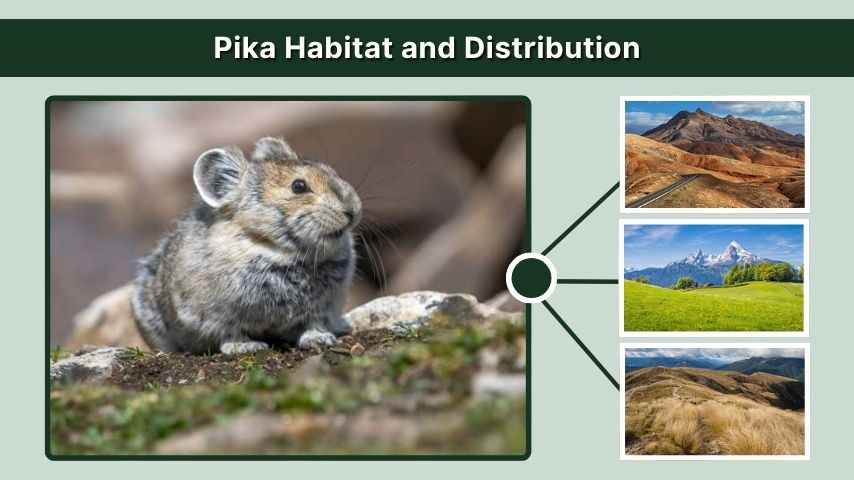
Pikas live mainly in rocky mountain habitats with cool temperatures and abundant vegetation. They prefer areas with rock piles and alpine meadows because these environments provide shelter and food throughout the year.
Mountain Habitats
- Rocky slopes and cliffs
- Alpine meadows
- Talus fields
- Cold mountain valleys
- High-elevation grasslands
Geographic Range
Pikas are found across North America and Asia. In North America, the American pika mainly occurs in western mountain ranges, while many other species live in Asian mountain systems.
Climate Preferences
Pikas are highly adapted to cold climates and struggle in extreme heat. They usually live at high elevations where temperatures remain cool even during summer months.
What Do Pikas Eat?

Pikas are herbivores that feed mostly on grasses, flowers, and other mountain plants. They spend much of the warmer months collecting food and storing it for winter survival. This food storage behavior is one of the most interesting parts of pika ecology.
Main Foods in the Wild
- Grasses
- Wildflowers
- Mosses
- Leaves
- Small plant stems
Haypile Behavior
Pikas gather vegetation during summer and create small piles called haypiles. These plant collections dry naturally in the sun and become stored food supplies used during winter when fresh plants are unavailable.
Seasonal Feeding Habits
During warmer months, pikas spend hours collecting and drying plants near their rocky shelters. In winter, they remain close to their stored food and continue feeding beneath snow-covered rock formations.
Pika Behavior and Communication
Pikas are highly active animals that spend most of their time gathering food, protecting territory, and avoiding predators. They communicate through loud calls and body movements while living among rocks and mountain vegetation. Their alert behavior helps them survive in open alpine habitats where predators can appear quickly.
Territorial Behavior
Pikas strongly defend their rocky territories from other pikas. They often chase intruders away and use vocal calls to warn nearby animals that an area is already occupied.
Pika Sounds and Calls
Pikas produce sharp whistles and squeaking sounds that can be heard across mountain slopes. These vocalizations help alert nearby pikas about predators such as hawks, foxes, or weasels approaching the area.
Daily Activity Patterns
- Most active during daytime hours
- Frequently gathers plants in summer
- Uses rocks as hiding places
- Avoids extreme midday heat
- Stays active near food storage sites
Pika Predators and Survival Adaptations
Pikas face many natural predators in mountain environments, but they have several adaptations that improve survival. Their camouflage, quick movement, and rock shelters help protect them from danger. However, climate change has become one of the biggest modern threats to pika populations.
Common Predators
Pikas are hunted by hawks, owls, foxes, snakes, and weasels. Young or exposed pikas are especially vulnerable while feeding away from rocky hiding areas.
Cold Weather Adaptations
- Thick insulating fur
- Compact body shape for heat conservation
- Rock shelters that block wind
- Winter food storage behavior
- Ability to survive under snow cover
Climate Change Threats
Rising temperatures threaten pika habitats because these animals are highly sensitive to heat. Warmer climates may force pika populations to move higher into mountain regions where suitable habitat becomes limited.
Pika Reproduction and Lifespan
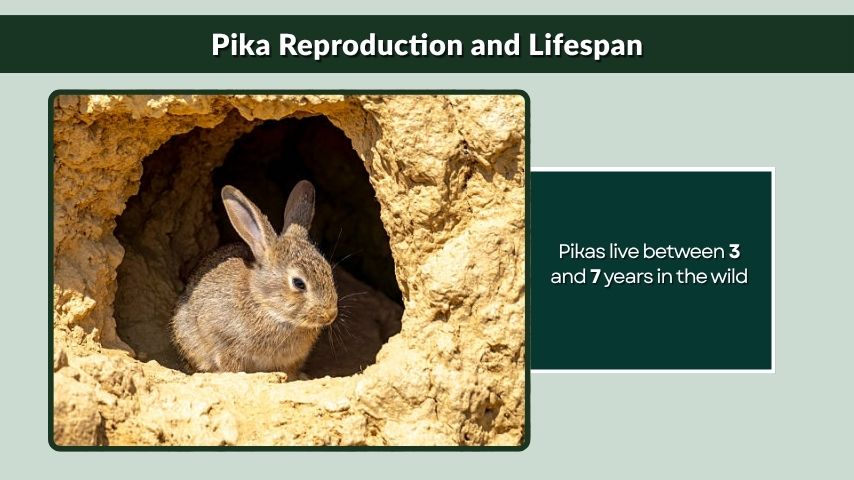
Pikas reproduce during warmer seasons when food is plentiful and weather conditions are more favorable. Their short lifespan means rapid reproduction is important for maintaining stable populations in harsh mountain ecosystems.
Mating and Breeding Season
Breeding usually takes place during spring and early summer. Female pikas create hidden nests among rocks and vegetation where young can remain protected from predators and cold weather.
Baby Pikas
Baby pikas are born blind and helpless inside sheltered nests. They grow quickly and begin exploring rocky surroundings after several weeks under parental care.
Pika Lifespan
Most pikas live between three and seven years in the wild depending on habitat quality, predators, and climate conditions. Harsh winters and food shortages can reduce survival rates.
Pika vs Rabbit Comparison
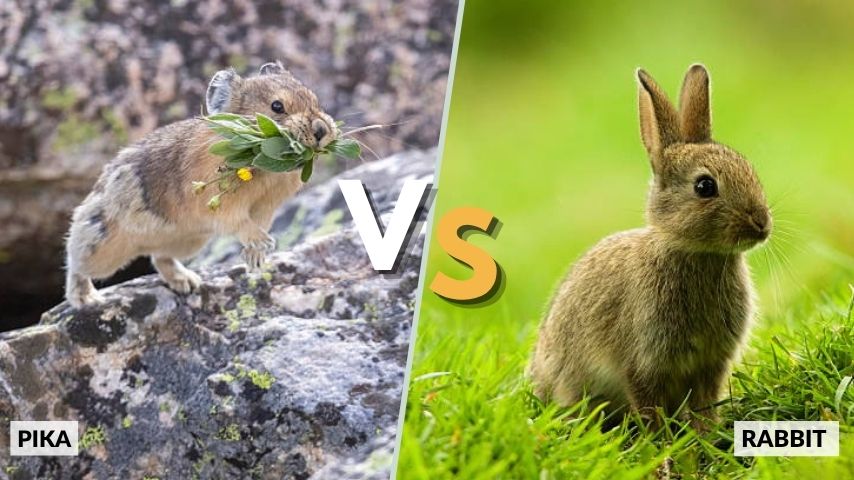
Although pikas are related to rabbits and hares, they have several important differences in appearance and behavior. Pikas are much smaller, live in mountain habitats, and lack the long ears and visible tails commonly associated with rabbits.
Pika vs Rabbit
| Feature | Pika | Rabbit |
| Size | Smaller | Larger |
| Tail | Nearly invisible | Visible fluffy tail |
| Habitat | Rocky mountains | Forests and grasslands |
| Ears | Short | Long |
Pika vs Hare
| Feature | Pika | Hare |
| Body Shape | Round compact body | Slender body |
| Climate | Cold alpine areas | Wider climate range |
| Movement | Rock hopping | Fast running |
Interesting Facts About Pikas
Pikas are fascinating mountain mammals known for their energetic behavior and survival skills. Their role in alpine ecosystems makes them important animals for scientific research and environmental monitoring.
Amazing Facts
- Closely related to rabbits and hares
- Stores food in haypiles for winter
- Produces loud warning whistles
- Extremely sensitive to heat
- Lives among rocky mountain slopes
FAQs
What is a pika animal?
A pika is a small herbivorous mammal related to rabbits and hares. It is known for its round body, short ears, thick fur, and loud warning calls. Pikas mainly live in cold mountain environments.
Where do pikas live?
Pikas are found in rocky mountain habitats across North America and Asia. They commonly live in alpine meadows, talus slopes, and high-elevation regions with cool temperatures and abundant vegetation.
What do pikas eat?
Pikas mainly eat grasses, wildflowers, mosses, leaves, and other mountain plants. They also collect and store vegetation in haypiles during summer to use as food during winter.
Are pikas related to rabbits?
Yes, pikas are closely related to rabbits and hares. All of these animals belong to the order Lagomorpha, although pikas are smaller and adapted for rocky alpine habitats.
Why are pikas affected by climate change?
Pikas are highly sensitive to heat and depend on cool mountain climates for survival. Rising temperatures can reduce suitable habitat and force pika populations to move higher into mountains where space becomes limited.