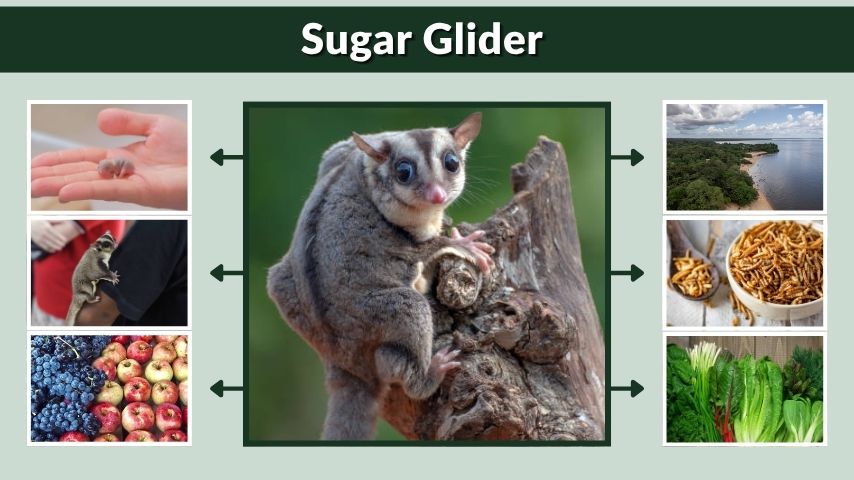
Sugar gliders are small marsupials known for their playful behavior and ability to glide through the air. These adorable animals have become popular exotic pets because they form strong bonds with their owners and enjoy social interaction. Many people are interested in sugar glider care, diet, lifespan, and enclosure setup before bringing one home.
Learning about their needs is important because sugar gliders require special attention, proper nutrition, and daily interaction. This guide explains their habitat, personality, diet, cage setup, and what makes them unique pets for animal lovers.
What Is a Sugar Glider?
Sugar gliders are tiny tree-dwelling marsupials native to Australia, Indonesia, and Papua New Guinea. They are famous for the thin skin membrane between their legs that allows them to glide from tree to tree. These animals are active at night and usually live in social groups in the wild. Their curious personality and cute appearance make them one of the most recognized exotic pets today.
Sugar Glider Scientific Classification
Sugar gliders belong to the marsupial family, meaning females carry babies in a pouch. Their scientific name is Petaurus breviceps. Unlike rodents, they are more closely related to kangaroos and koalas because of their pouch and reproductive system.
Physical Appearance
Sugar gliders are small animals with large black eyes, soft fur, and long tails. Most have gray fur with a dark stripe running along the back. Some pet varieties include white, cream, or albino colors. Adults usually weigh between 3 and 5 ounces and measure around 12 inches long including the tail.
Why Are They Called Sugar Gliders?
The name “sugar” comes from their love of sweet foods like nectar and fruit. The word “glider” refers to their ability to glide through the air using a special flap of skin called the patagium. In the wild, they can glide surprisingly long distances between trees.
Sugar Glider Habitat and Natural Lifestyle
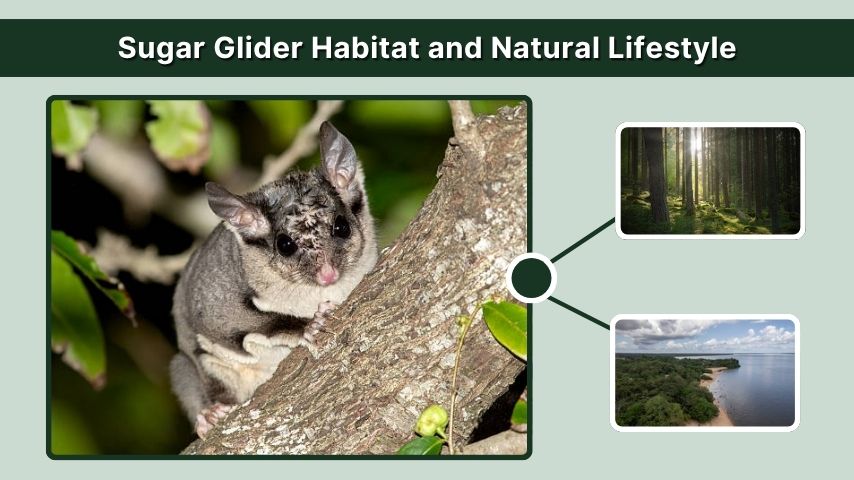
Sugar gliders naturally live in forests where tall trees provide shelter and safe gliding paths. They spend most of their lives above the ground and prefer warm environments with plenty of branches and hiding spaces. Because they are nocturnal, sugar gliders become most active during the evening and nighttime hours when searching for food or playing with colony members.
Native Habitat
Wild sugar gliders are commonly found in wooded areas across Australia and nearby islands. They sleep in tree hollows during the day and leave at night to search for insects, nectar, and fruit. Their natural habitat provides warmth, climbing opportunities, and social interaction.
Nocturnal Lifestyle
These animals sleep for most of the day and become energetic after sunset. Pet owners often notice sugar gliders climbing, jumping, and making sounds late at night. Their nighttime activity is completely normal and matches their wild instincts.
Gliding and Movement
Sugar gliders are excellent climbers and gliders. They launch themselves from high areas and spread their limbs to glide through the air. Their tails help balance and steer while moving between branches.
Sugar Glider as a Pet
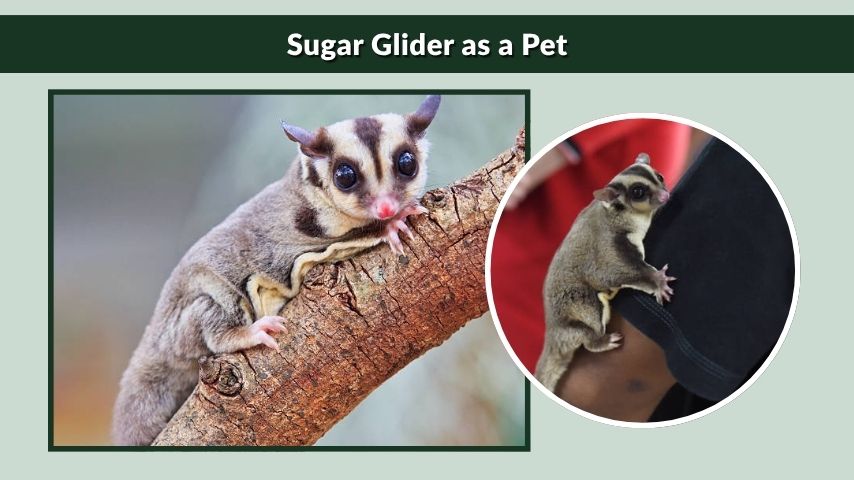
Sugar gliders attract people because of their playful nature and strong attachment to owners. However, they require time, attention, and proper care every day. They are social animals that do not enjoy being isolated for long periods. Understanding their personality and care needs helps owners create a happier environment for these unusual pets.
Are Sugar Gliders Good Pets?
Sugar gliders can become affectionate pets when handled gently and consistently. Many owners enjoy carrying them in bonding pouches during the day. They are intelligent and curious animals that enjoy climbing and exploring.
Pros and Cons of Owning One
Pros
- Small and adorable appearance
- Strong bonding behavior with owners
- Intelligent and playful personality
- Unique gliding ability
- Can learn routines and sounds
Cons
- Active mostly at night
- Need social interaction daily
- Require special diets
- Can make barking or crabbing sounds
- Exotic veterinary care may be expensive
Can You Legally Own a Sugar Glider?
Sugar glider ownership laws vary depending on location. Some places allow them as pets while others require permits or ban ownership completely. It is important to check local exotic pet regulations before buying or adopting one.
Sugar Glider Cage and Enclosure Setup
A proper enclosure is essential for keeping sugar gliders healthy and active. Since these animals love climbing and gliding, they need vertical space more than floor space. A safe cage with enrichment items helps reduce stress and encourages natural behavior. Owners should also keep the enclosure clean and provide comfortable sleeping areas for daytime rest.
Best Cage Size for Sugar Gliders
Sugar gliders need tall cages that allow climbing and jumping. Large cages are better because these animals are highly active. Wire spacing should be narrow enough to prevent escape or injury.
Essential Cage Accessories
Must-Have Items
- Sleeping pouch
- Bonding pouch
- Climbing ropes
- Branches and ladders
- Food and water dishes
- Exercise toys
- Safe hiding spots
Sugar Glider Aviary Ideas
Some owners build indoor aviaries to give sugar gliders more room to glide and explore. Large setups with natural branches and climbing areas can help mimic their wild environment while providing exercise and mental stimulation.
Sugar Glider Diet and Food Guide
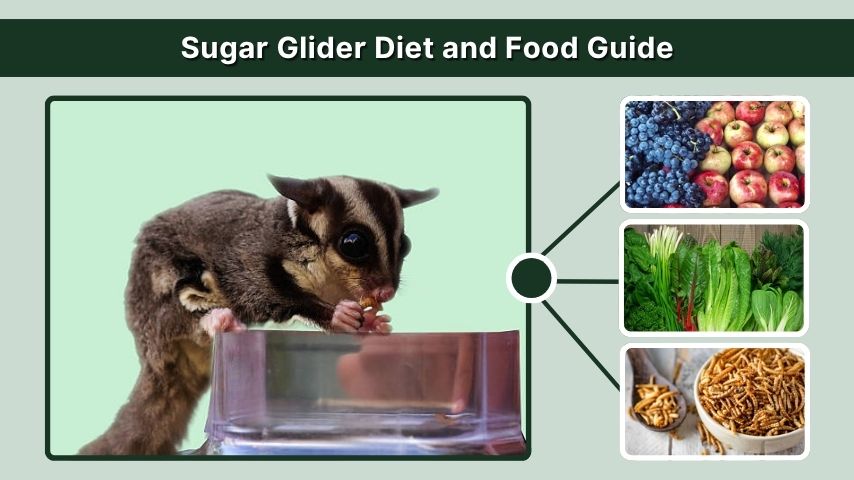
A healthy diet is one of the most important parts of sugar glider care. These animals need a balanced mix of protein, fruits, vegetables, and calcium-rich foods to stay healthy. Feeding only sweet snacks or fruit can lead to nutritional problems over time. Owners should also provide fresh water daily and avoid foods that may harm their digestive system or overall health.
What Do Sugar Gliders Eat?
Sugar gliders are omnivores, meaning they eat both plant and animal foods. In the wild, they consume nectar, insects, tree sap, and fruit. Pet sugar gliders need a carefully balanced diet that copies these natural eating habits.
Common Foods
- Apples and grapes
- Leafy green vegetables
- Cooked eggs
- Mealworms and insects
- Special nectar mixes
- Small amounts of lean meat
- Calcium supplements
Foods Sugar Gliders Should Avoid
Some foods can cause illness or serious health problems in sugar gliders. Owners should avoid feeding processed or toxic foods that are unsafe for exotic pets.
Unsafe Foods
- Chocolate
- Onion and garlic
- Caffeine
- Junk food
- Sugary candy
- Raw meat
- Dairy products in large amounts
Feeding Schedule and Water Needs
Sugar gliders usually eat during the evening because they are nocturnal animals. Most owners feed them once at night and remove leftover food in the morning. Fresh clean water should always be available in a safe bottle or dish.
Baby and Newborn Sugar Gliders
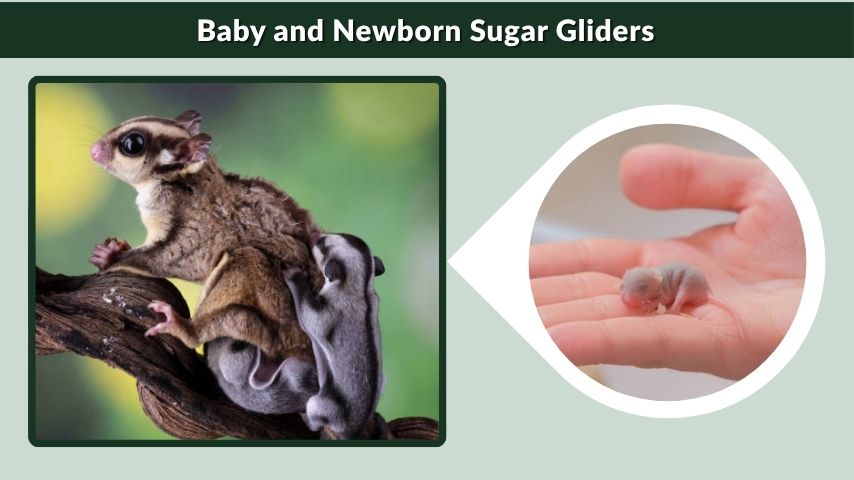
Baby sugar gliders are called joeys and spend their earliest weeks inside the mother’s pouch. During this stage, they continue developing while staying warm and protected. Young sugar gliders require gentle care and proper nutrition as they grow. Owners who raise joeys must pay close attention to bonding, temperature, and feeding routines to support healthy development.
Sugar Glider Gestation Period
Female sugar gliders have a short pregnancy that lasts only about two weeks. After birth, the tiny joey crawls into the pouch where it continues growing for several more weeks before becoming visible.
Caring for Baby Sugar Gliders
Young sugar gliders need warmth, security, and proper feeding. Owners often use soft bonding pouches to help joeys feel comfortable around humans. Gentle handling helps build trust over time.
Growth Stages
Joeys slowly begin exploring outside the pouch after several weeks. As they grow older, they become more active, playful, and independent. Most young sugar gliders are fully weaned within a few months.
Sugar Glider Lifespan and Health
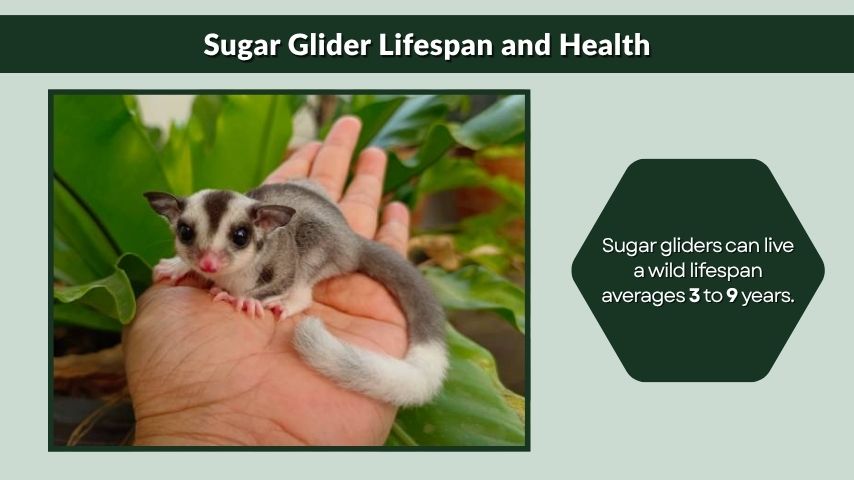
Sugar gliders can live for many years when cared for correctly. Their health depends heavily on proper diet, exercise, and social interaction. Poor nutrition or loneliness may cause stress and illness. Regular cleaning and attention from owners help prevent many common problems and improve the overall quality of life for these active marsupials.
Average Sugar Glider Lifespan
Wild sugar gliders usually live shorter lives because of predators and environmental dangers. Pet sugar gliders often live much longer with proper care and nutrition.
Lifespan Facts
- Wild lifespan averages 3 to 9 years
- Pet sugar gliders may live 10 to 15 years
- Healthy diet improves longevity
- Stress can shorten lifespan
- Veterinary care helps prevent disease
Common Health Problems
Sugar gliders may suffer from health issues related to poor diet, stress, or unclean living conditions. Early treatment is important because small exotic pets can become sick quickly.
Health Issues
- Calcium deficiency
- Obesity
- Dental disease
- Stress-related fur loss
- Dehydration
- Parasites
Tips for Keeping Sugar Gliders Healthy
Owners should provide daily interaction, proper nutrition, and enough space for exercise. Keeping cages clean and scheduling regular veterinary checkups can also help sugar gliders stay active and healthy for many years.
Sugar Glider Sounds and Vocalizations
Sugar gliders use many different sounds to communicate with each other and their owners. Some noises are friendly while others may signal fear or stress. Learning these vocalizations helps owners better understand their pet’s emotions and needs. Since sugar gliders are social animals, communication plays an important role in their daily behavior and bonding habits.
Common Sugar Glider Sounds
Vocalizations
- Barking
- Crabbing
- Chirping
- Hissing
- Purring-like sounds
Why Sugar Gliders Make Noise
Sugar gliders bark to communicate with colony members or get attention. Crabbing sounds usually happen when they feel scared or threatened. Soft chirping sounds often show comfort or curiosity during social interaction.
Understanding Sugar Glider Behavior
Body language is also important when understanding sugar gliders. Relaxed movements and grooming usually mean they feel comfortable. Sudden biting, loud crabbing, or hiding may indicate fear, stress, or discomfort.
Sugar Glider vs Flying Squirrel
Many people confuse sugar gliders with flying squirrels because both animals glide through the air. However, they belong to completely different animal groups. Sugar gliders are marsupials while flying squirrels are rodents. They also differ in behavior, diet, lifespan, and personality, especially when kept as pets.
Main Physical Differences
Sugar gliders have pouches, longer tails, and larger eyes compared to flying squirrels. Flying squirrels usually have flatter tails and different facial features.
Behavior and Personality Comparison
Sugar gliders are highly social and often bond closely with owners. Flying squirrels are usually more independent and less interactive as pets.
Which Makes the Better Pet?
Sugar gliders are more popular exotic pets because they enjoy social bonding and playful interaction. However, they also require more daily care, attention, and specialized diets than many other small pets.
FAQs
How much does a sugar glider cost?
A sugar glider usually costs between $100 and $500 depending on age, color, and breeder reputation. Rare colors such as albino or white sugar gliders may cost more. Owners should also budget for cages, toys, food, and veterinary care before bringing one home.
Can sugar gliders live alone?
Sugar gliders are highly social animals and generally do better with companionship. Living alone for long periods may cause stress, loneliness, or behavioral problems. Many owners keep sugar gliders in pairs so they can interact, groom, and play together naturally.
Do sugar gliders bite people?
Sugar gliders can bite if they feel frightened, stressed, or unfamiliar with handling. Gentle interaction and regular bonding usually reduce biting behavior over time. Young sugar gliders may nibble during exploration, but patient training helps them become calmer and more trusting.
What is the best cage for a sugar glider?
The best sugar glider cage is tall, spacious, and designed for climbing. A large enclosure with branches, ropes, toys, and sleeping pouches gives them room to exercise and glide safely. Narrow wire spacing is also important to prevent escape or injury.
What foods are healthiest for sugar gliders?
Healthy sugar glider diets include fruits, vegetables, insects, cooked eggs, and specially prepared nectar mixes. Calcium-rich foods are important for bone health and overall growth. Owners should avoid processed foods, chocolate, sugary candy, and other unsafe snacks that may cause illness.