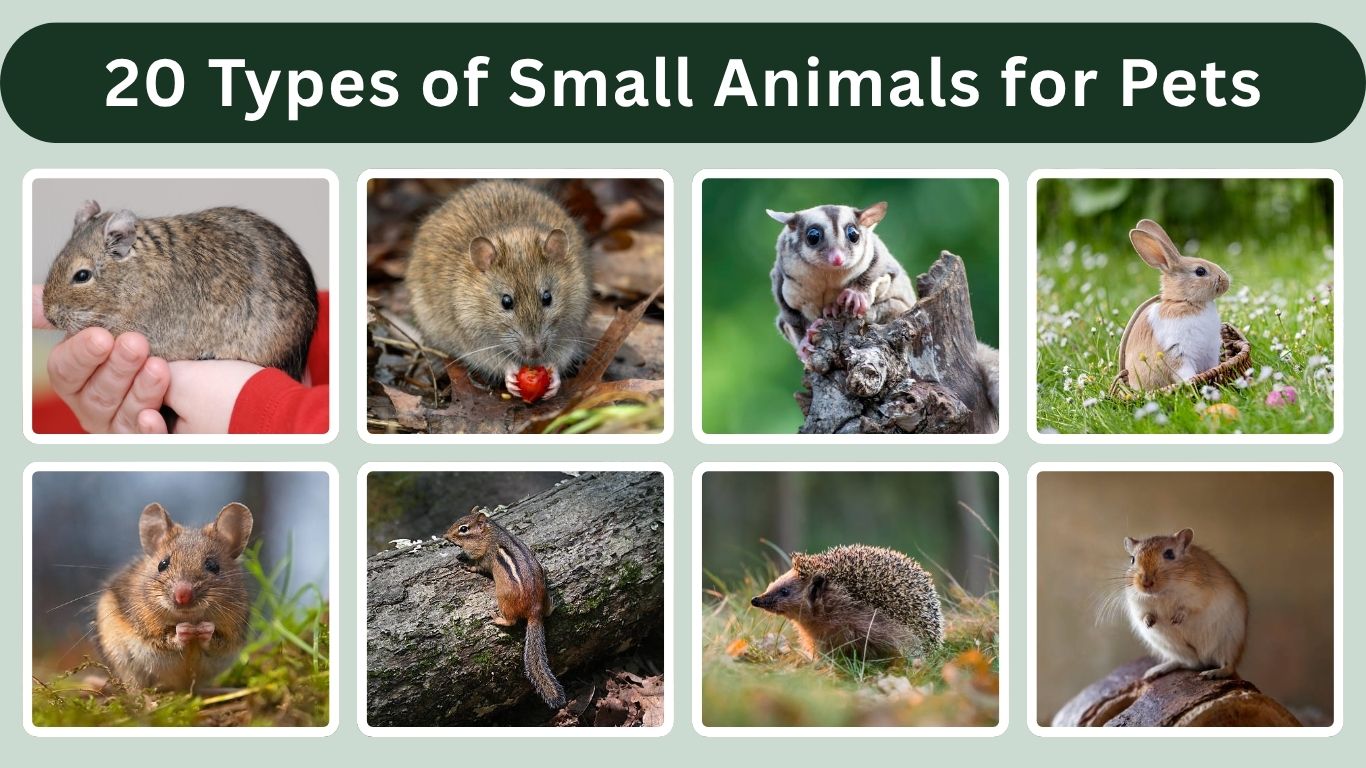
Small animals make excellent pets for people of all ages, especially those who have limited space or prefer low-maintenance companions. From tiny hamsters to playful ferrets and unique exotic pets, these animals offer a wide variety of personalities, care needs, and interaction levels.
Choosing the right small pet depends on factors like lifestyle, available time, and space. Some animals are highly social and interactive, while others are more independent and easier to manage. In this guide, you’ll discover 20 common types of small animals kept as pets, helping you find the perfect companion that suits your needs and preferences.
1. Hamster
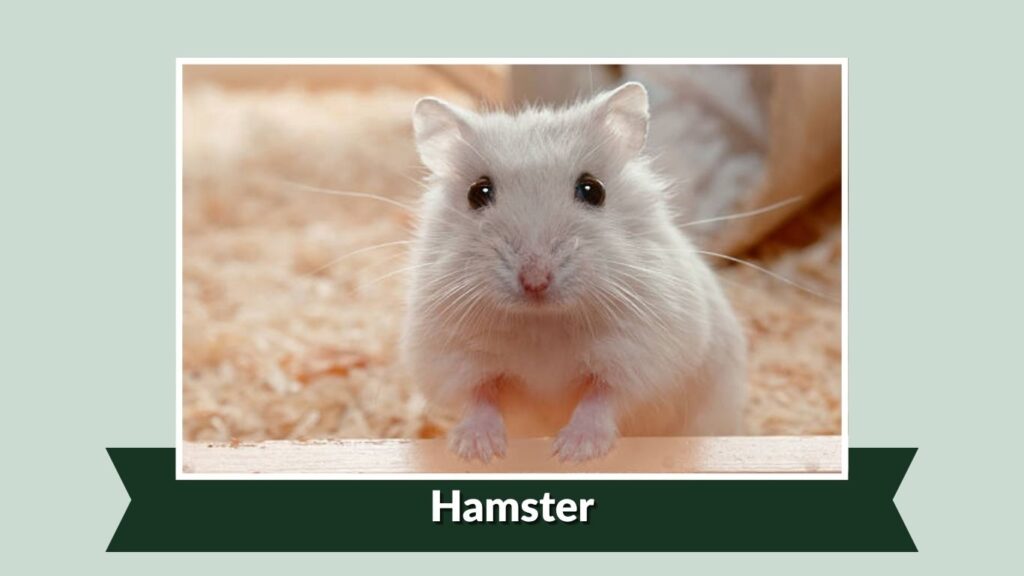
Hamsters are one of the most popular small pets due to their tiny size, low maintenance needs, and adorable appearance. They are especially suitable for beginners and people with limited space, making them a common choice for children and first-time pet owners.
Characteristics
- Small size, usually 2–7 inches long
- Nocturnal (active at night)
- Soft fur with various colors and patterns
- Solitary nature (prefer living alone)
- Short lifespan, typically 2–3 years
Habitat and Care
Hamsters need a well-ventilated cage with enough space to move around. Bedding material like wood shavings or paper-based substrate keeps them comfortable. They also require a wheel for exercise, hiding spots, and chew toys to maintain dental health. Fresh water and a balanced diet of seeds, grains, and occasional vegetables are essential.
Behavior and Temperament
Hamsters are generally gentle but can be shy at first. With regular, gentle handling, they can become friendly and comfortable with their owners. Since they are nocturnal, they are most active in the evening and may not enjoy being disturbed during the day.
Suitability as a Pet
Hamsters are ideal for individuals looking for a low-maintenance pet. They do not require constant attention, but regular cleaning and feeding are necessary. Their small size and independent nature make them perfect for apartments or homes with limited space.
2. Guinea Pig
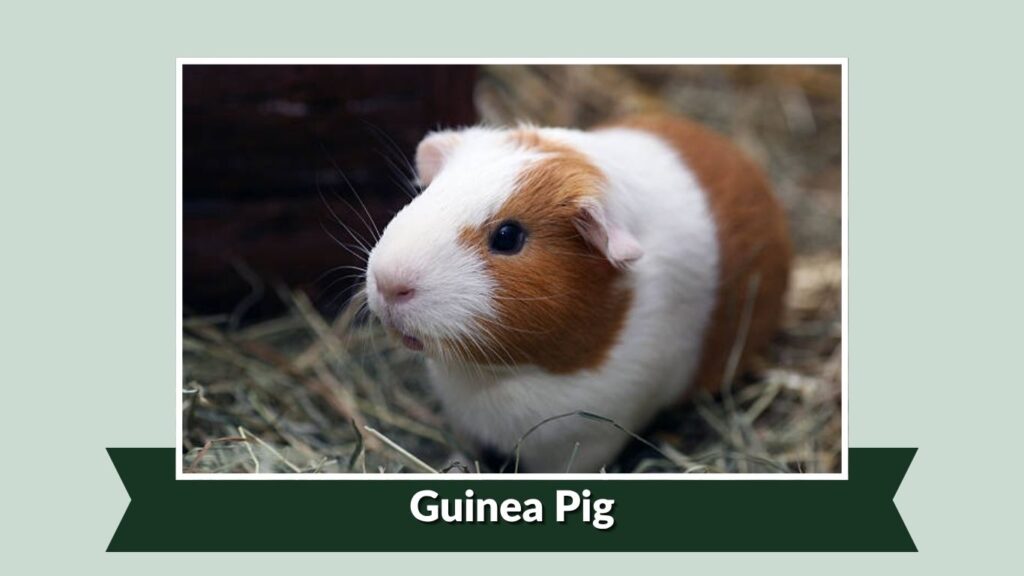
Guinea pigs are gentle and social small pets known for their friendly nature and expressive sounds. They are slightly larger than hamsters and thrive on companionship, making them great pets for families and those who enjoy interactive animals.
Characteristics
- Medium-sized body, around 8–12 inches long
- Diurnal (active during the day)
- Short or long fur depending on breed
- Social animals that prefer living in pairs or groups
- Lifespan of about 5–7 years
Habitat and Care
Guinea pigs need a spacious cage with soft bedding and proper ventilation. They require a diet rich in hay, fresh vegetables, and vitamin C supplements since they cannot produce it naturally. Clean water should always be available, and their living area must be cleaned regularly.
Behavior and Temperament
These pets are known for their calm and friendly behavior. They communicate through sounds like squeaks and purrs. Guinea pigs enjoy human interaction and can form strong bonds with their owners when handled gently and consistently.
Suitability as a Pet
Guinea pigs are ideal for people who want a more interactive small pet. They require more attention than hamsters but reward owners with affectionate behavior. Their social nature makes them better suited for households that can spend time with them daily.
3. Rabbit
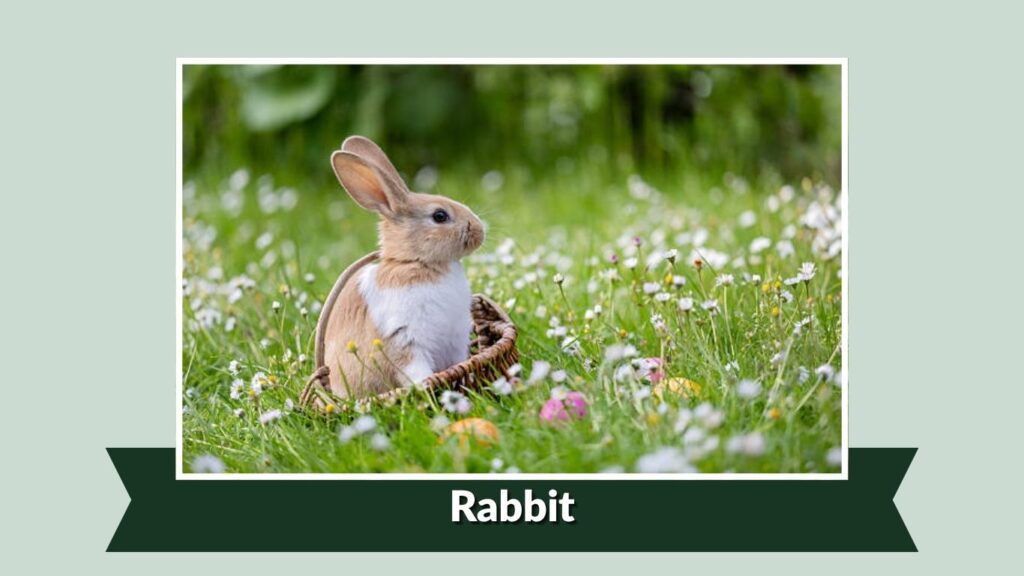
Rabbits are intelligent and playful small animals that can form strong bonds with their owners. With proper care, they can be affectionate companions and even learn simple routines, making them a popular pet choice.
Characteristics
- Medium size, varies by breed
- Long ears and soft, dense fur
- Herbivorous diet
- Social and intelligent behavior
- Lifespan of 8–12 years
Habitat and Care
Rabbits need a spacious enclosure or a safe area to roam. They require hay as a primary food source, along with fresh vegetables and clean water. Their environment should include hiding spots and toys for mental stimulation, and regular cleaning is important for hygiene.
Behavior and Temperament
Rabbits are generally gentle but can be sensitive to loud noises and rough handling. They enjoy exploring and can be trained to use a litter box. With patience and care, they become affectionate and enjoy human companionship.
Suitability as a Pet
Rabbits are suitable for owners who can dedicate time and space for them. They need more care than smaller pets but offer companionship and playful interaction. Their longer lifespan also means a greater long-term commitment.
4. Mouse
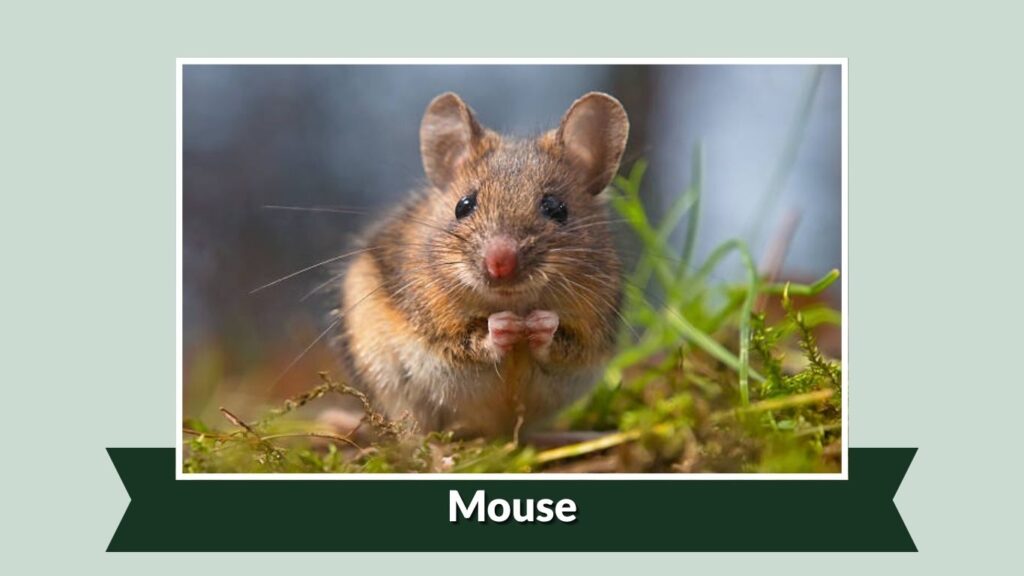
Mice are small, active, and curious pets that are easy to care for and require minimal space. They are often chosen by beginners because of their low maintenance needs and playful behavior. Despite their tiny size, mice are intelligent and enjoy exploring their surroundings.
Characteristics
- Very small size, typically 2–4 inches long
- Short fur with a long tail
- Nocturnal but may be active during the day
- Highly active and curious
- Lifespan of about 1–2 years
Habitat and Care
Mice need a secure cage with narrow bar spacing to prevent escape. Their enclosure should include soft bedding, hiding spots, tunnels, and a running wheel for exercise. A balanced diet consisting of commercial mouse food, grains, and small amounts of fresh fruits or vegetables keeps them healthy. Clean water must always be available, and their cage should be cleaned regularly to maintain hygiene and prevent odor.
Behavior and Temperament
Mice are energetic and entertaining to watch as they explore and play. They can become accustomed to human presence, especially if handled gently from a young age. Female mice tend to be more social and can live together, while males may become territorial. They communicate through subtle sounds and body language.
Suitability as a Pet
Mice are suitable for people looking for a low-cost, low-maintenance pet. They do not require much space, making them ideal for small homes or apartments. However, their short lifespan and delicate nature mean they require gentle handling and consistent care. They are best suited for owners who enjoy observing rather than frequently handling their pets.
5. Rat
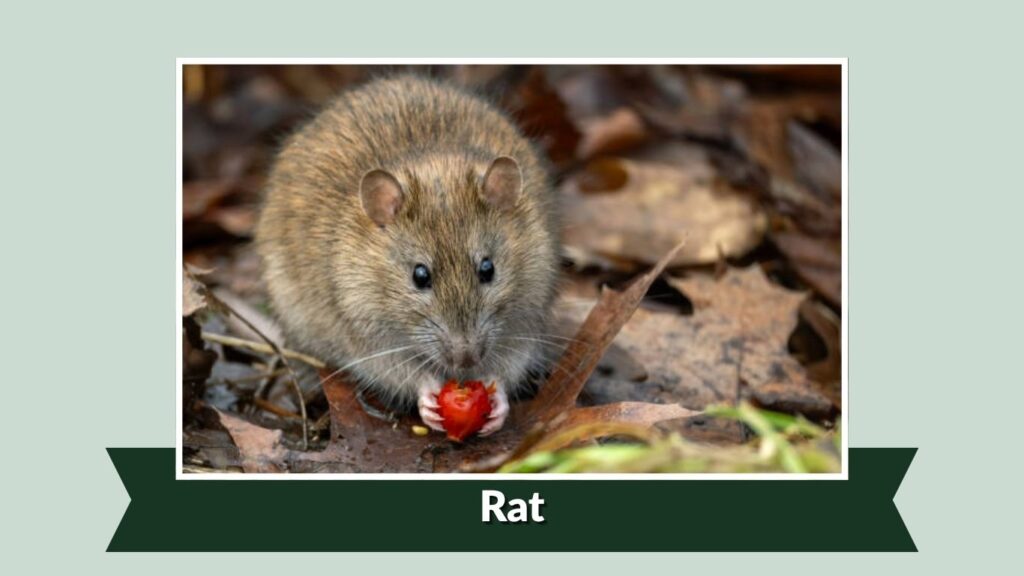
Rats are highly intelligent and social animals that make excellent small pets. They are often misunderstood but are actually clean, affectionate, and capable of forming strong bonds with their owners. Their intelligence allows them to learn tricks and recognize people.
Characteristics
- Medium size, larger than mice
- Smooth fur with a long tail
- Highly intelligent and trainable
- Social animals that prefer companionship
- Lifespan of about 2–3 years
Habitat and Care
Rats require a spacious cage with multiple levels to climb and explore. Their enclosure should include bedding, hammocks, tunnels, and chew toys. A balanced diet includes commercial rat food, grains, vegetables, and occasional protein sources. Fresh water should always be available, and regular cage cleaning is essential to keep them healthy.
Behavior and Temperament
Rats are friendly, curious, and enjoy interacting with humans. They can learn their names, perform tricks, and even solve simple puzzles. They are social creatures and should ideally be kept in pairs or groups to prevent loneliness. With proper handling, they become affectionate and enjoy being held.
Suitability as a Pet
Rats are ideal for those who want a smart and interactive small pet. They require more attention and engagement compared to smaller rodents but reward owners with companionship and playful behavior. Their social and affectionate nature makes them a great choice for dedicated pet owners willing to spend time with them daily.
6. Ferret
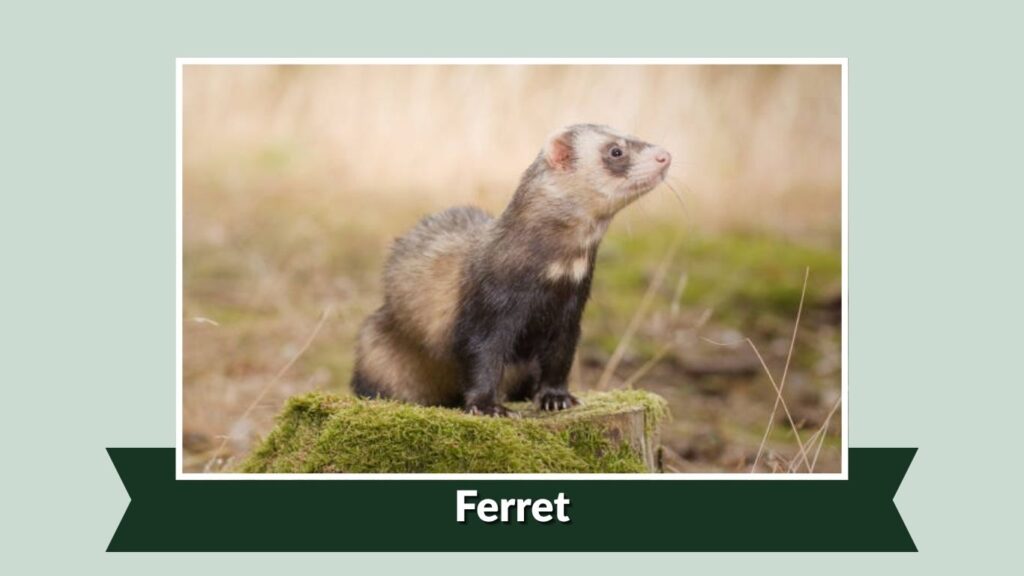
Ferrets are playful and energetic small pets known for their mischievous personality and curiosity. They are highly interactive animals that enjoy exploring their environment and spending time with their owners, making them a fun but slightly demanding pet choice.
Characteristics
- Long, slender body with short legs
- Soft fur in various colors
- Highly active and curious
- Social and playful nature
- Lifespan of about 5–8 years
Habitat and Care
Ferrets need a large, secure cage with multiple levels, along with time outside the cage for daily play. Their environment should include tunnels, hammocks, and toys to keep them mentally stimulated. They require a high-protein diet, typically specialized ferret food. Clean water and regular cage cleaning are essential for maintaining their health.
Behavior and Temperament
Ferrets are lively, curious, and sometimes mischievous. They enjoy interacting with humans and can form strong bonds with their owners. They are known for playful behaviors like chasing and hiding objects. Proper training and supervision are important, as they can get into small spaces and may chew on inappropriate items.
Suitability as a Pet
Ferrets are best suited for experienced pet owners who can dedicate time to their care and supervision. They need regular interaction and a safe environment to explore. While they require more effort than smaller rodents, their playful and affectionate nature makes them highly rewarding companions.
7. Hedgehog
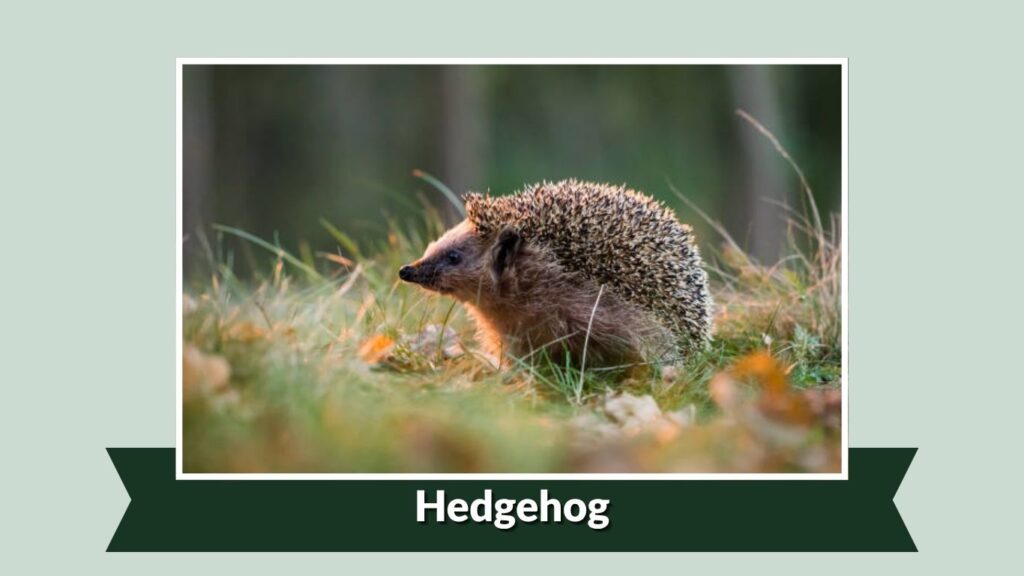
Hedgehogs are unique small pets known for their spiky appearance and quiet nature. They are relatively low-maintenance and are often chosen by people looking for an unusual but manageable pet.
Characteristics
- Small body covered with spines
- Nocturnal lifestyle
- Quiet and solitary behavior
- Rolls into a ball when threatened
- Lifespan of about 3–6 years
Habitat and Care
Hedgehogs need a warm and secure enclosure with soft bedding. They require a consistent temperature, as they are sensitive to cold. Their diet includes high-quality hedgehog food, insects, and occasional fruits. Fresh water should always be available, and their cage must be cleaned regularly to ensure hygiene.
Behavior and Temperament
Hedgehogs are generally shy and may take time to get used to handling. With patience, they can become comfortable with their owners. They are not very social animals and prefer to live alone. Most of their activity occurs at night, which may not suit all owners.
Suitability as a Pet
Hedgehogs are suitable for people who prefer a quiet, low-interaction pet. They do not require constant attention but still need proper care and handling. Their unique appearance and calm nature make them appealing, but they are better suited for patient owners who understand their solitary behavior.
8. Chinchilla

Chinchillas are soft-furred, active small animals known for their incredibly dense and plush coats. They are playful and enjoy jumping and climbing, making them entertaining pets for owners who can provide proper care and space.
Characteristics
- Medium-sized body with very soft, dense fur
- Large ears and bushy tail
- Highly active and agile
- Nocturnal or crepuscular (active at dawn/dusk)
- Lifespan of about 10–15 years
Habitat and Care
Chinchillas need a spacious cage with multiple levels for climbing and jumping. Their enclosure should include wooden ledges, chew toys, and a dust bath area to keep their fur clean. They require a diet mainly of hay, pellets, and limited treats. A cool, dry environment is essential, as they are sensitive to heat.
Behavior and Temperament
Chinchillas are curious and energetic but can be a bit shy at first. With gentle handling and patience, they can become comfortable with their owners. They enjoy exploring and are best observed during their active hours in the evening.
Suitability as a Pet
Chinchillas are suitable for owners who can provide a quiet, temperature-controlled environment. They require more care than basic small pets but reward owners with playful behavior. Their long lifespan also means a long-term commitment.
9. Gerbil

Gerbils are small, friendly rodents that are easy to care for and enjoyable to watch. They are known for their digging behavior and active lifestyle, making them popular among small pet enthusiasts.
Characteristics
- Small size with long tail and fur
- Diurnal tendencies (active during day and night)
- Highly active and social
- Enjoy digging and burrowing
- Lifespan of about 2–4 years
Habitat and Care
Gerbils need a tank-style enclosure with deep bedding to support their natural digging behavior. Their habitat should include tunnels, chew toys, and hiding spots. A diet of seeds, grains, and occasional vegetables keeps them healthy. Clean water and regular habitat maintenance are important.
Behavior and Temperament
Gerbils are friendly and social animals that often live happily in pairs or small groups. They are less likely to bite and can become quite tame with regular, gentle handling. Their playful digging and tunneling make them fun to observe.
Suitability as a Pet
Gerbils are ideal for beginners due to their simple care requirements and friendly nature. They need companionship, so keeping them in pairs is recommended. Their active and social behavior makes them engaging pets for both children and adults.
10. Dwarf Hamster
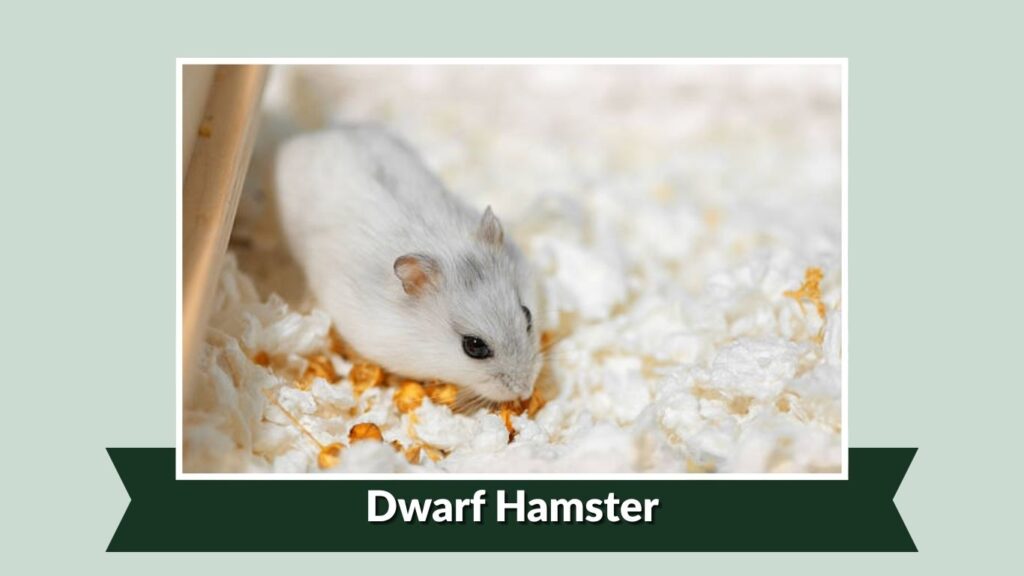
Dwarf hamsters are smaller than regular hamsters and are known for their quick movements and cute appearance. They are active, energetic, and can be very entertaining to watch, making them a popular choice for small pet lovers.
Characteristics
- Very small size, usually 2–4 inches long
- Fast and highly active
- Nocturnal or active in the evening
- Soft fur in various shades
- Lifespan of about 1.5–3 years
Habitat and Care
Dwarf hamsters require a सुरक्षित and well-ventilated cage with narrow spacing to prevent escape. Their enclosure should include bedding, a running wheel, tunnels, and chew toys. A balanced diet of hamster food, seeds, and occasional vegetables is important. Fresh water and regular cage cleaning help maintain their health.
Behavior and Temperament
These hamsters are quick and can be a bit harder to handle due to their speed. They may take time to get used to human interaction but can become friendly with patience. Some species can live in pairs if introduced properly, unlike larger hamsters.
Suitability as a Pet
Dwarf hamsters are suitable for people who enjoy observing active pets. They require gentle handling and are better for older children or adults. Their small size and minimal space needs make them ideal for apartments.
11. Sugar Glider
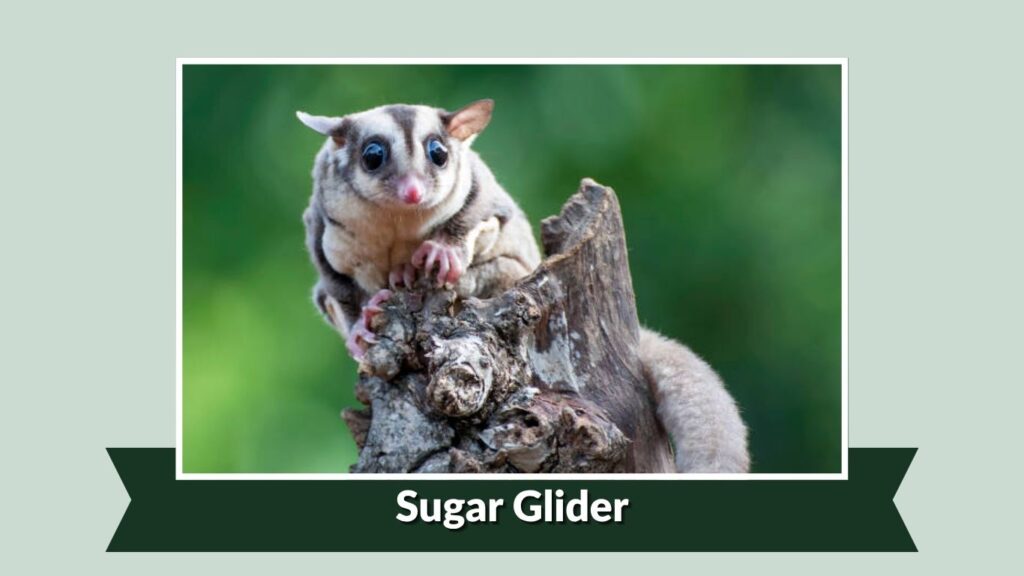
Sugar gliders are small, tree-dwelling animals known for their ability to glide through the air. They are unique and social pets that require special care and attention compared to typical small animals.
Characteristics
- Small body with a gliding membrane
- Large eyes adapted for night vision
- Nocturnal lifestyle
- Highly social and intelligent
- Lifespan of about 10–15 years
Habitat and Care
Sugar gliders need a tall cage with plenty of climbing space, branches, and toys. Their diet is more specialized and includes fruits, vegetables, and protein sources. They require a clean environment, fresh water, and regular interaction to stay healthy and happy.
Behavior and Temperament
Sugar gliders are very social and form strong bonds with their owners. They can become lonely if kept alone, so they are often kept in pairs. They are active at night and enjoy climbing, gliding, and exploring their surroundings.
Suitability as a Pet
Sugar gliders are best suited for experienced pet owners who can meet their social and dietary needs. They require time, attention, and proper care. While they are fascinating and affectionate, they are not as low-maintenance as other small pets.
12. Pygmy Goat
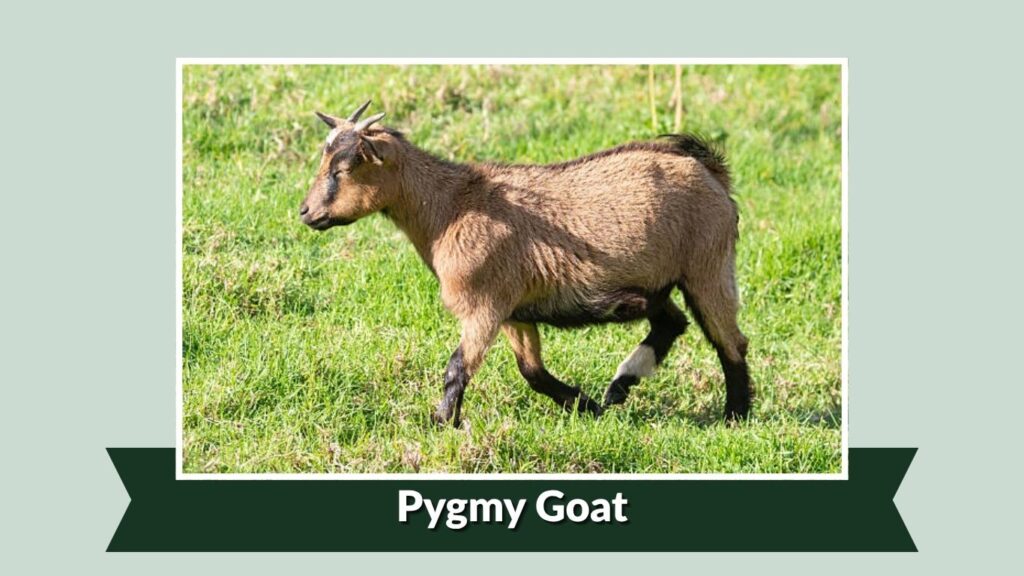
Pygmy goats are small, friendly farm animals that are sometimes kept as pets. They are playful, social, and full of personality, making them a unique choice for those with enough outdoor space.
Characteristics
- Small, compact body compared to regular goats
- Playful and energetic nature
- Social and herd-oriented animals
- Short to medium coat
- Lifespan of about 10–15 years
Habitat and Care
Pygmy goats require a secure outdoor space with proper fencing, as they are excellent climbers and jumpers. They need shelter to protect them from weather conditions. Their diet mainly consists of hay, grass, and goat feed, along with fresh water. Regular health checkups and hoof trimming are also important.
Behavior and Temperament
These goats are lively, curious, and enjoy interacting with humans. They are known for playful behaviors like jumping and climbing. Since they are social animals, they should not be kept alone and prefer companionship with other goats.
Suitability as a Pet
Pygmy goats are suitable for people with sufficient outdoor space and time for care. They are not ideal for small homes or apartments. Their friendly and playful nature makes them enjoyable, but they require commitment and proper facilities.
13. Fancy Mouse
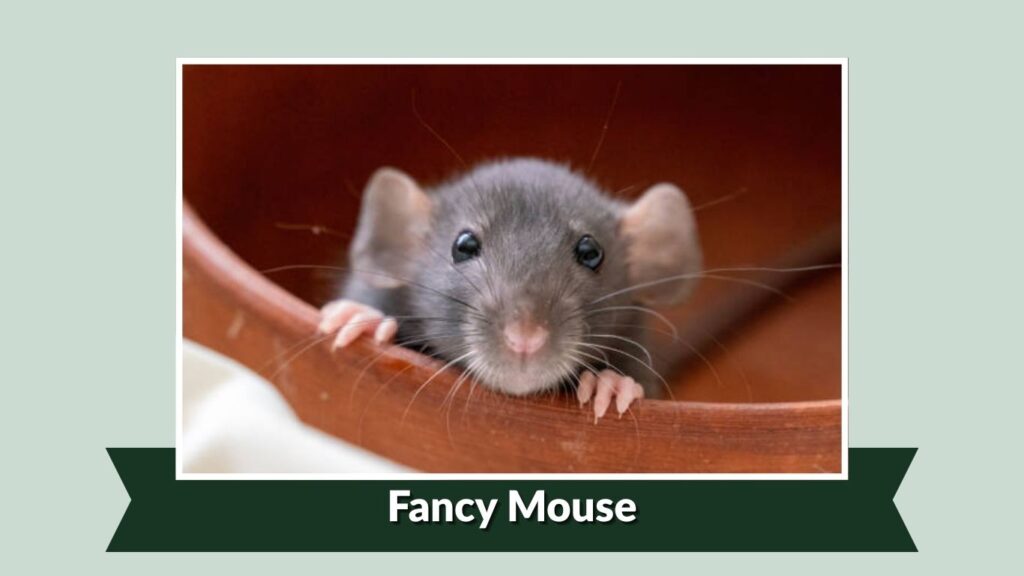
Fancy mice are domesticated varieties of mice bred for their appearance and gentle temperament. They are small, clean, and relatively easy to care for, making them popular among pet enthusiasts.
Characteristics
- Small size with various coat colors and patterns
- Short or slightly longer fur depending on breed
- Active and curious behavior
- Generally gentle and adaptable
- Lifespan of about 1–3 years
Habitat and Care
Fancy mice need a well-ventilated cage with soft bedding and enrichment items like tunnels and wheels. Their diet includes commercial mouse food, grains, and small portions of fruits or vegetables. Fresh water should always be available, and their enclosure must be cleaned regularly.
Behavior and Temperament
These mice are lively and enjoy exploring their environment. They can become comfortable with human interaction when handled gently and consistently. Female fancy mice can live together peacefully, while males may need to be housed separately.
Suitability as a Pet
Fancy mice are ideal for beginners due to their simple care requirements and small space needs. They are best suited for owners who enjoy watching active pets. While they can be handled, they are delicate and require gentle care.
14. Degus

Degus are small, social rodents native to South America, known for their intelligence and playful nature. They are less common than hamsters or mice but make excellent pets for those willing to meet their specific care needs.
Characteristics
- Small to medium size with a long tail
- Diurnal (active during the day)
- Highly social and intelligent
- Brownish fur with a soft coat
- Lifespan of about 6–8 years
Habitat and Care
Degus require a large, multi-level cage with plenty of space for climbing and exploring. Their enclosure should include chew toys, tunnels, and a dust bath area. They need a special diet low in sugar, mainly consisting of hay and degu pellets. Fresh water and regular cleaning are essential for their health.
Behavior and Temperament
Degus are very social and thrive in pairs or groups. They are curious, active, and enjoy interacting with their environment and owners. With regular handling, they can become friendly and comfortable, but they may be shy at first.
Suitability as a Pet
Degus are suitable for owners who can provide time and proper care. Their social nature means they should not be kept alone. They are ideal for people who want an active, interactive pet that is awake during the day.
15. African Pygmy Hedgehog

The African pygmy hedgehog is a popular domesticated hedgehog species known for its small size and unique appearance. It is a quiet and low-maintenance pet, often chosen by those who prefer less interactive animals.
Characteristics
- Small body covered with short spines
- Nocturnal lifestyle
- Solitary and quiet nature
- Rolls into a ball when threatened
- Lifespan of about 4–6 years
Habitat and Care
African pygmy hedgehogs need a warm, comfortable enclosure with soft bedding. They require a controlled temperature to stay healthy. Their diet includes high-quality hedgehog food, insects, and occasional fruits. Fresh water and regular cleaning are necessary for proper care.
Behavior and Temperament
They are generally shy and may take time to adjust to handling. With patience and gentle interaction, they can become accustomed to their owners. They are mostly active at night and prefer a calm environment.
Suitability as a Pet
This pet is ideal for individuals who want a quiet and unique companion. They do not require constant attention but still need proper care. Their solitary nature makes them suitable for owners who cannot keep multiple animals.
16. Mini Lop Rabbit
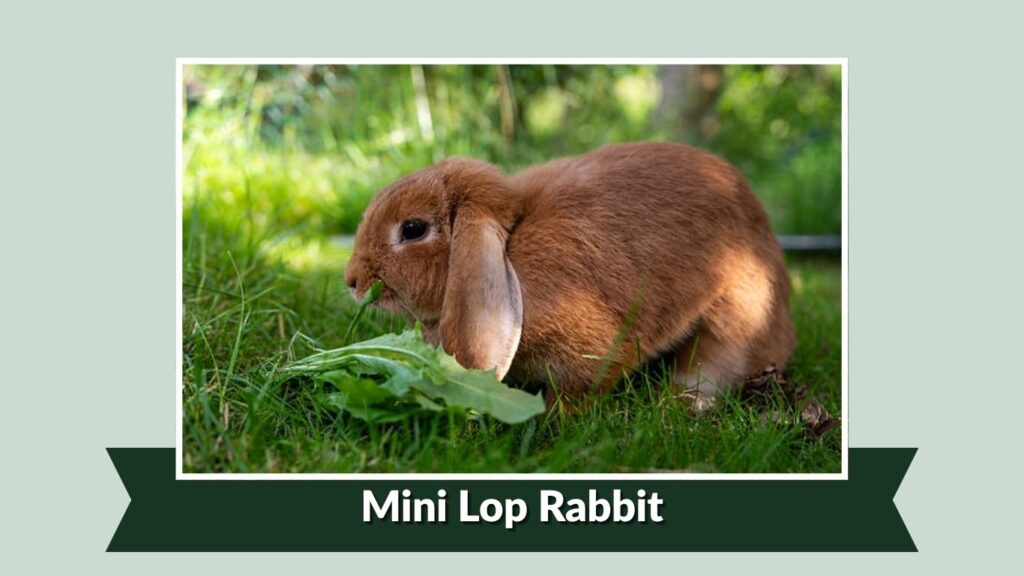
Mini Lop rabbits are a smaller breed of rabbit known for their floppy ears and gentle nature. They are popular pets due to their adorable appearance and friendly personality, making them suitable for families and individuals alike.
Characteristics
- Small to medium size with compact body
- Distinctive floppy ears
- Soft, dense fur
- Friendly and social behavior
- Lifespan of about 8–12 years
Habitat and Care
Mini Lop rabbits need a spacious enclosure or a safe indoor area where they can move freely. Their diet should mainly consist of hay, along with fresh vegetables and clean water. They also require toys and chew items to keep their teeth healthy and prevent boredom. Regular cleaning of their space is essential.
Behavior and Temperament
These rabbits are calm, affectionate, and enjoy human interaction. They can be trained to use a litter box and often develop strong bonds with their owners. They may be shy at first but become more comfortable with gentle handling and time.
Suitability as a Pet
Mini Lop rabbits are great for owners who can provide attention and space. They are more interactive than many small pets and enjoy companionship. Their friendly nature makes them ideal for families, but they require proper care and commitment.
17. Syrian Hamster
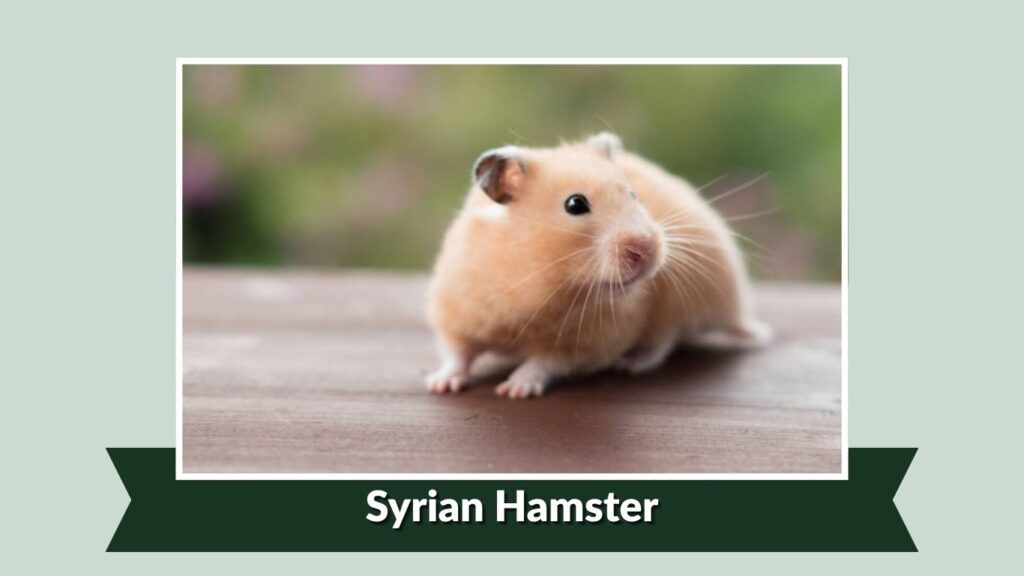
Syrian hamsters, also known as golden hamsters, are one of the most common types of pet hamsters. They are slightly larger than dwarf hamsters and are known for their calm and independent nature.
Characteristics
- Medium size, larger than dwarf hamsters
- Soft fur in golden or mixed colors
- Nocturnal behavior
- Solitary and territorial
- Lifespan of about 2–3 years
Habitat and Care
Syrian hamsters need a spacious cage with proper ventilation and bedding. Their habitat should include a running wheel, tunnels, and chew toys. A balanced diet of hamster food, seeds, and occasional fresh foods keeps them healthy. Clean water and regular cage maintenance are important.
Behavior and Temperament
They are generally calm and easier to handle compared to smaller hamsters. Syrian hamsters prefer to live alone and may become aggressive if housed with others. With gentle and consistent handling, they can become friendly and comfortable with their owners.
Suitability as a Pet
Syrian hamsters are ideal for beginners due to their manageable size and simple care needs. They are easier to handle than smaller hamster species, making them suitable for children with supervision. Their independent nature also makes them a low-maintenance pet option.
18. Roborovski Hamster
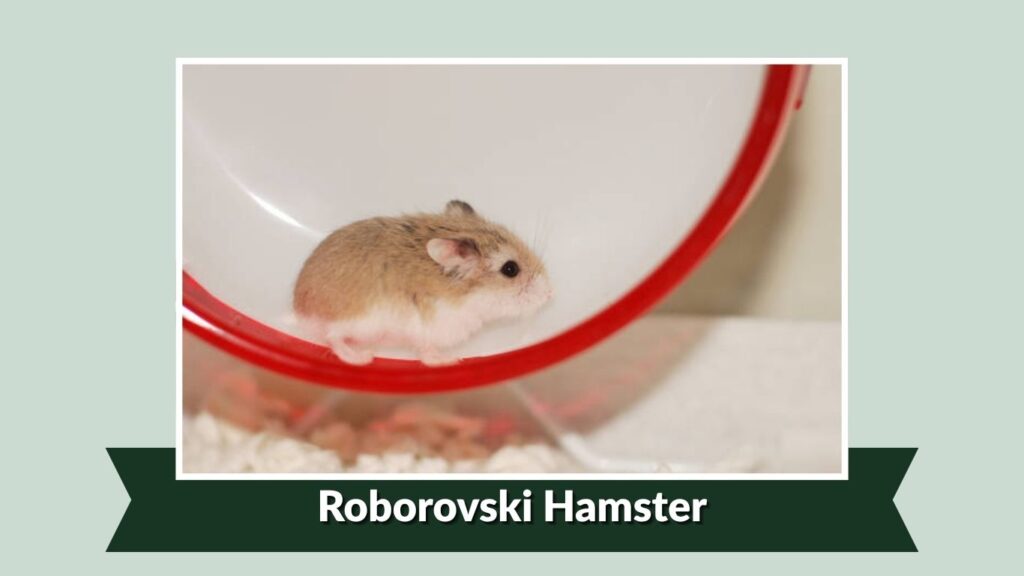
Roborovski hamsters are the smallest and fastest type of pet hamster. They are known for their energetic behavior and tiny size, making them fascinating to watch but a bit challenging to handle.
Characteristics
- Very small size, around 2 inches long
- Extremely fast and active
- Sandy brown fur with white markings
- Nocturnal or crepuscular
- Lifespan of about 2–3 years
Habitat and Care
Roborovski hamsters need a secure cage with fine bar spacing to prevent escape. Their habitat should include plenty of bedding for burrowing, a running wheel, and tunnels for enrichment. They require a balanced diet of hamster food, seeds, and occasional vegetables, along with fresh water and regular cleaning.
Behavior and Temperament
These hamsters are very active and prefer running and exploring over being handled. They are generally shy but can get used to human presence over time. Unlike some hamsters, they may live in pairs if introduced properly.
Suitability as a Pet
Roborovski hamsters are best for owners who enjoy observing rather than handling pets. Their speed and small size make them less suitable for young children. They are ideal for experienced owners who can provide a safe and enriching environment.
19. Short-Tailed Opossum
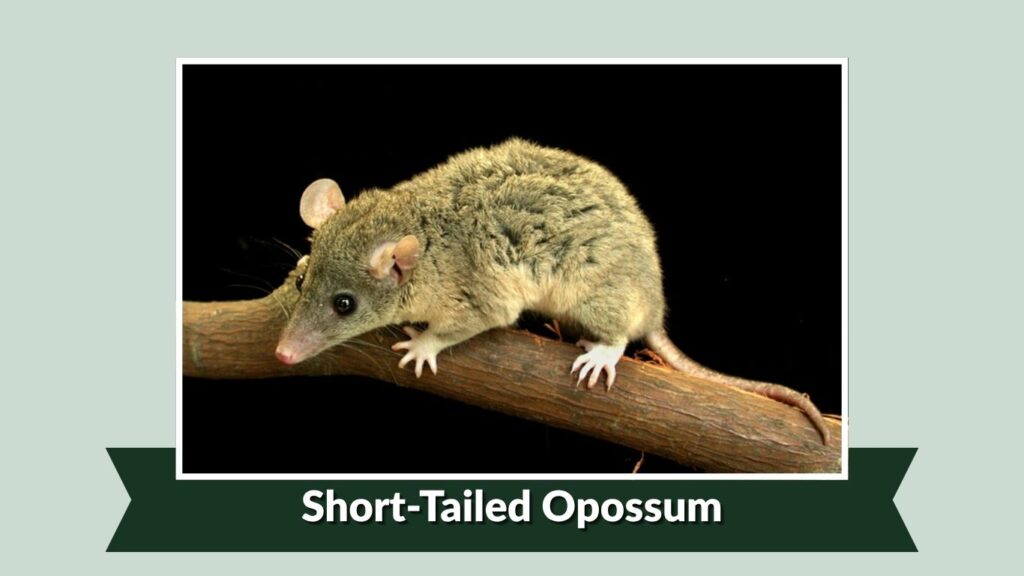
Short-tailed opossums are small, unique mammals that are sometimes kept as exotic pets. They are solitary and relatively low-maintenance compared to other unusual animals.
Characteristics
- Small body with short tail
- Soft gray or brown fur
- Nocturnal lifestyle
- Solitary behavior
- Lifespan of about 3–5 years
Habitat and Care
They require a secure enclosure with hiding spots, bedding, and climbing opportunities. Their diet is more varied and includes insects, fruits, and specially formulated food. Clean water and a well-maintained habitat are essential for their well-being.
Behavior and Temperament
Short-tailed opossums are generally calm but not highly social. They prefer minimal handling and may take time to adjust to human presence. They are most active at night and enjoy exploring their enclosure.
Suitability as a Pet
These animals are suitable for experienced pet owners looking for something unique. They do not require constant interaction but still need proper care and attention. Their solitary nature makes them easier to manage individually, but they are not ideal for those seeking a highly interactive pet.
20. Chipmunk
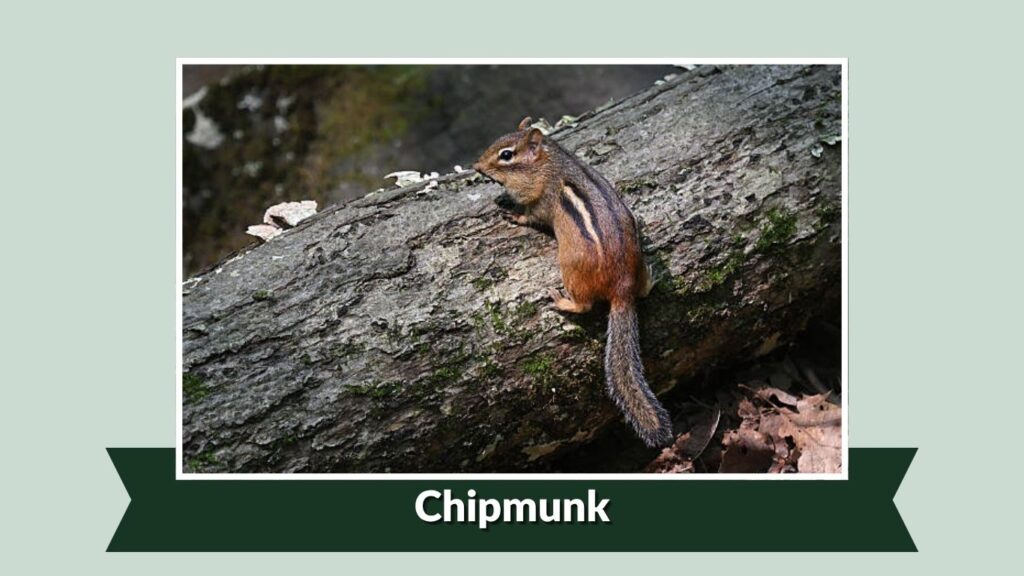
Chipmunks are small, lively rodents known for their striped appearance and energetic behavior. While not as commonly kept as other small pets, they are fascinating animals that can be enjoyable to observe in a proper environment.
Characteristics
- Small size with distinctive stripes on the back
- Bushy tail and bright eyes
- Highly active and alert
- Diurnal (active during the day)
- Lifespan of about 3–6 years
Habitat and Care
Chipmunks require a large, secure enclosure with plenty of space for climbing and burrowing. Their habitat should include branches, tunnels, and hiding spots to mimic their natural environment. They need a varied diet of seeds, nuts, fruits, and vegetables, along with constant access to fresh water. Regular cleaning is necessary to maintain hygiene.
Behavior and Temperament
Chipmunks are very active and curious animals. They enjoy exploring and storing food, which is a natural behavior. They are generally not very affectionate and may not enjoy frequent handling. With time and patience, they can become used to human presence.
Suitability as a Pet
Chipmunks are best suited for experienced pet owners who can provide a spacious and enriching environment. They are ideal for those who enjoy observing active animals rather than handling them. Their energetic nature and specific care needs make them less suitable for beginners.