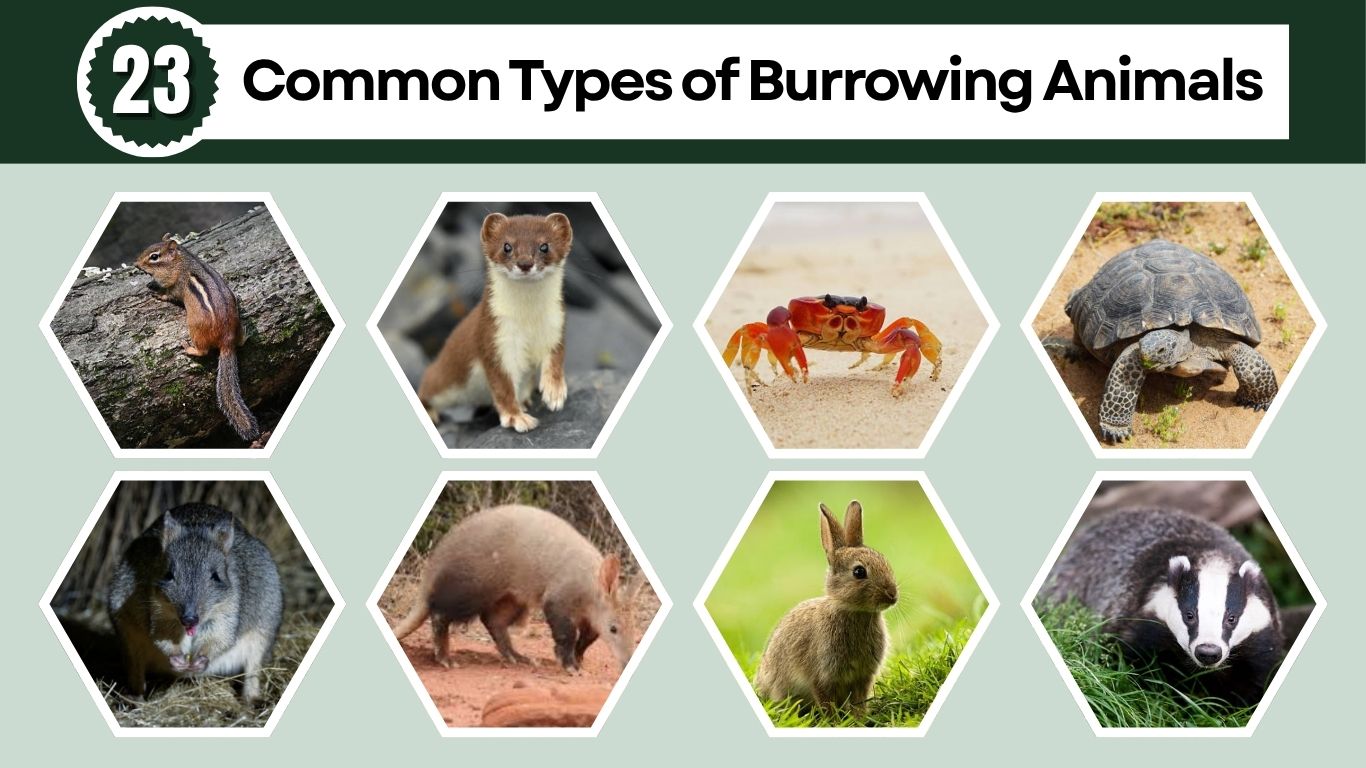
Burrowing animals are fascinating creatures that spend much of their lives underground, creating tunnels and shelters for survival. These animals have unique adaptations that help them dig, navigate, and thrive beneath the surface. From small insects to mammals and reptiles, burrowers play an essential role in maintaining healthy ecosystems. Their activities improve soil structure, control pests, and support plant growth. In this guide, you will discover 23 common types of burrowing animals, along with key details about their identification, habitat, behavior, and lifespan.
1. Mole
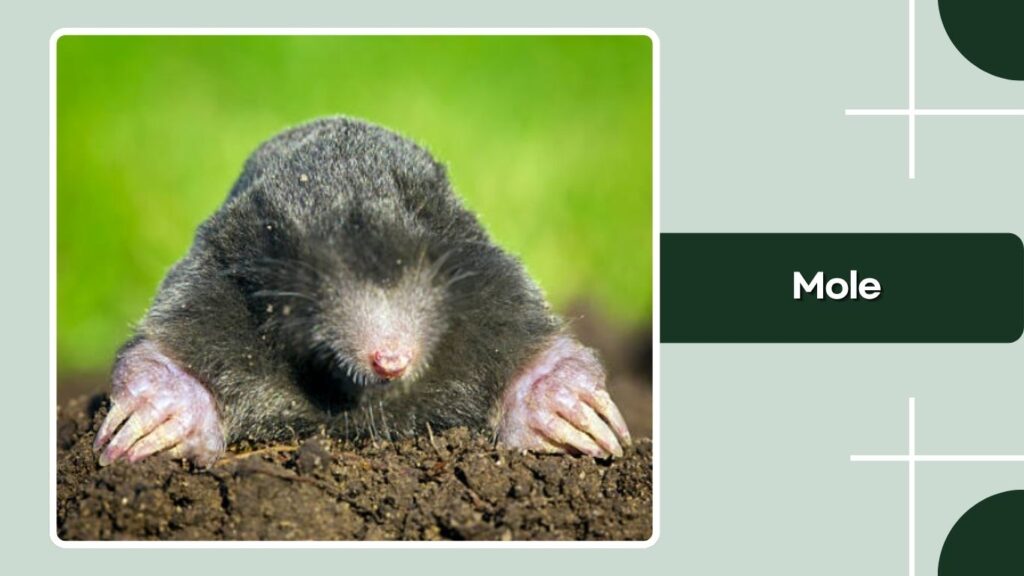
Moles are small, burrowing mammals well adapted to an underground lifestyle. They are rarely seen above ground because they spend most of their time digging tunnels and searching for food beneath the soil. Their bodies are designed specifically for efficient burrowing, allowing them to move through earth with ease. Moles play an important ecological role by aerating the soil and controlling insect populations. Despite their poor eyesight, they rely heavily on touch and smell to navigate their dark tunnel systems.
Identification
- Compact, cylindrical body shape
- Soft, velvety fur, usually dark gray or black
- Tiny, nearly invisible eyes
- No visible external ears
- Broad, spade-like front feet for digging
- Long, pointed snout with sensitive whiskers
Habitat and Distribution
Moles are widely distributed across North America, Europe, and parts of Asia. They prefer areas with loose, moist soil that is easy to dig, such as gardens, meadows, forests, and farmland. These environments also provide a rich supply of insects and worms, which are essential for their survival. Moles tend to avoid very dry, sandy, or heavily compacted soils, as these conditions make tunneling difficult. Their underground tunnels can extend over large areas and often form complex networks.
Behavior and Diet
Moles are solitary animals that spend nearly all their lives underground. They are highly active and constantly dig new tunnels in search of food. Their diet mainly consists of earthworms, insect larvae, and other small invertebrates found in the soil. Moles have a high metabolism and need to eat frequently to survive. They use their strong forelimbs to dig rapidly and their sensitive snout to detect prey in complete darkness. Although they are active year-round, their digging activity may increase during wetter seasons.
Lifespan
Moles generally live between 2 to 6 years in the wild, depending on environmental conditions and species. Their lifespan can be affected by predators, food availability, and habitat quality. Underground living provides some protection, but they are still vulnerable to threats such as flooding or human activity.
2. Prairie Dog
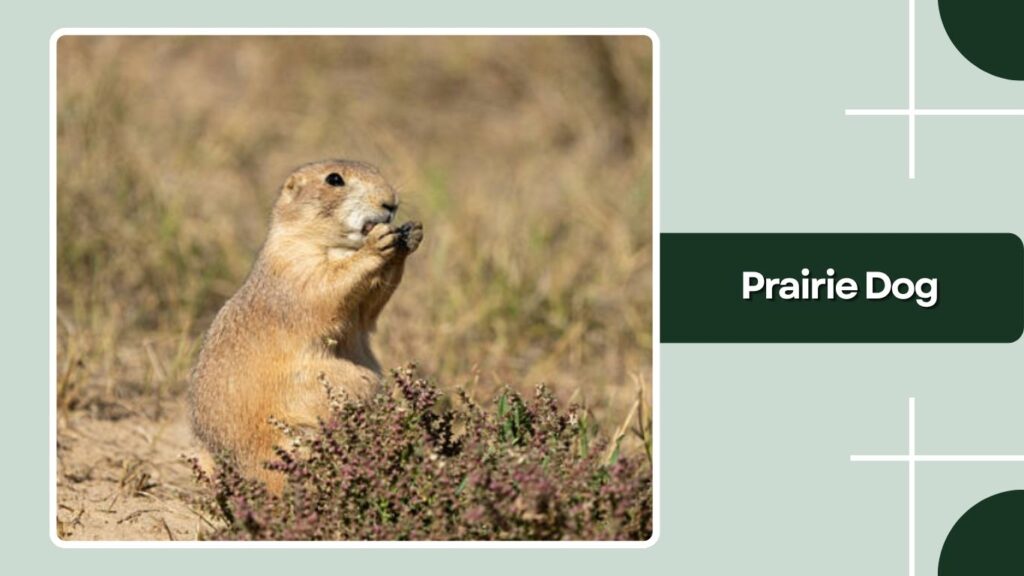
Prairie dogs are small, social rodents known for their complex burrow systems and strong community structure. They live in large groups called colonies or “towns,” which can cover vast areas of land. These animals are highly vocal and use a variety of calls to communicate with each other, especially to warn about predators. Prairie dogs play an important role in their ecosystem by improving soil quality and providing shelter for other species.
Identification
- Small, stout rodent body
- Light brown to tan fur
- Short tail with a darker tip
- Rounded ears and large, dark eyes
- Sharp claws for digging
- Prominent front teeth typical of rodents
Habitat and Distribution
Prairie dogs are mainly found in the grasslands of North America, particularly in the United States, Canada, and Mexico. They prefer open plains with short grasses, which allow them to spot predators easily. Their burrow systems are extensive, with multiple entrances, tunnels, and chambers for nesting and protection. These habitats are typically dry but have soil suitable for digging. Prairie dog colonies can significantly shape the landscape over time.
Behavior and Diet
Prairie dogs are highly social animals that live in organized family groups. They spend much of their time above ground during the day, feeding and watching for danger. Their diet mainly consists of grasses, seeds, roots, and other plant materials. They communicate using a range of vocalizations and body movements. When threatened, they quickly retreat into their burrows. Their digging activity helps aerate the soil and supports plant growth in their environment.
Lifespan
Prairie dogs typically live around 3 to 5 years in the wild. Their lifespan can be influenced by predators, disease, and environmental conditions. In protected environments, they may live slightly longer.
3. Groundhog

Groundhogs, also known as woodchucks, are large burrowing rodents belonging to the marmot family. They are well known for their digging abilities and seasonal behaviors, including hibernation during winter. Groundhogs create extensive burrow systems that serve as shelter, nesting areas, and protection from predators. They are mostly active during the warmer months and are often seen near the entrances of their burrows.
Identification
- Large, sturdy rodent body
- Dense brown or grayish fur
- Short, bushy tail
- Small ears and dark eyes
- Strong, curved claws for digging
- Prominent front teeth for gnawing
Habitat and Distribution
Groundhogs are commonly found across North America, especially in the United States and Canada. They prefer open areas such as fields, meadows, and the edges of forests. These environments provide both food and suitable soil for digging burrows. Their burrow systems can be quite deep and include multiple entrances, tunnels, and chambers. Groundhogs often choose locations near vegetation, which offers easy access to food.
Behavior and Diet
Groundhogs are mostly solitary animals and are active during the day. They spend a lot of time feeding and maintaining their burrows. Their diet primarily consists of grasses, fruits, vegetables, and other plant materials. They are excellent diggers and use their burrows for sleeping, raising young, and escaping predators. As winter approaches, groundhogs enter a deep hibernation, remaining underground until spring.
Lifespan
Groundhogs typically live about 3 to 6 years in the wild. Their lifespan can vary depending on factors such as predation, habitat conditions, and food availability. In safer environments, they may live longer.
4. Gopher

Gophers are small, burrowing rodents known for their extensive underground tunnel systems and strong digging abilities. They spend most of their lives below the surface, rarely emerging except to gather food. Gophers are important to soil health, as their digging helps aerate the ground and mix nutrients. However, they are sometimes considered pests in agricultural areas due to their feeding habits.
Identification
- Small, compact rodent body
- Brown, gray, or black fur
- Short legs with powerful front claws
- Large cheek pouches for carrying food
- Small eyes and ears
- Prominent front incisors
Habitat and Distribution
Gophers are found throughout North and Central America. They prefer loose, sandy, or well-drained soils that are easy to dig. Common habitats include grasslands, farmland, gardens, and open woodlands. Their burrow systems are complex, with tunnels for feeding, nesting, and storing food. Gophers create visible soil mounds at tunnel entrances, which are often a sign of their presence.
Behavior and Diet
Gophers are solitary and highly territorial animals. They spend most of their time underground, digging tunnels and searching for food. Their diet mainly includes roots, tubers, grasses, and other plant materials. They use their cheek pouches to carry food back to their burrows for storage. Gophers are active year-round and do not hibernate, although their activity may slow during colder periods.
Lifespan
Gophers typically live about 1 to 3 years in the wild. Their lifespan is influenced by predators, environmental conditions, and food availability. Despite their short lifespan, they reproduce quickly, helping maintain their populations.
5. Rabbit
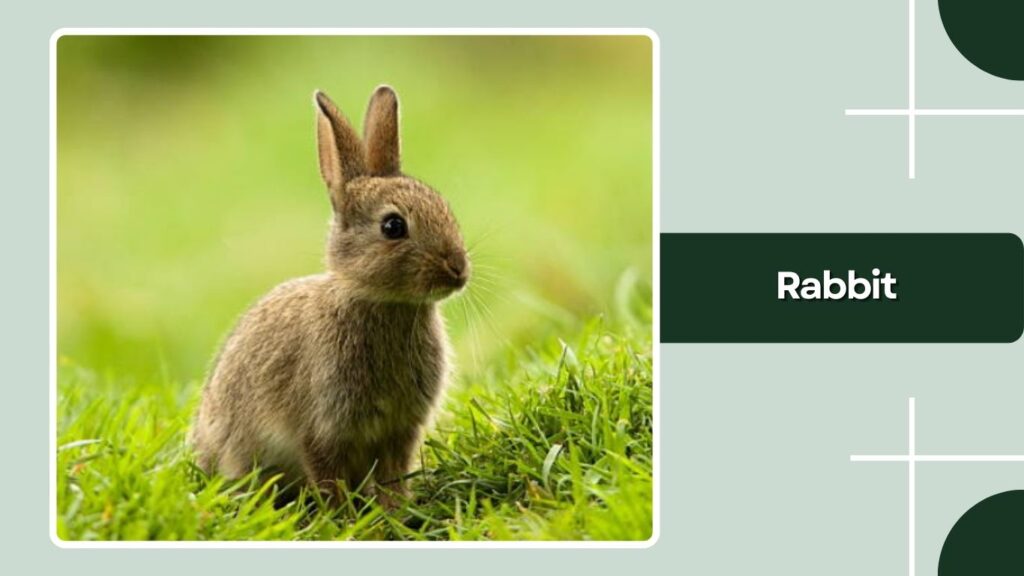
Rabbits are small, burrowing mammals known for their speed, agility, and ability to create underground warrens. These burrows provide protection from predators and harsh weather conditions. Rabbits are widely recognized for their long ears and strong hind legs, which help them escape danger quickly. They are highly adaptable and can live in a variety of environments, often close to human settlements.
Identification
- Small to medium-sized body
- Soft fur, usually brown, gray, or white
- Long ears, often with darker tips
- Powerful hind legs for jumping
- Short, fluffy tail
- Large, dark eyes positioned on the sides of the head
Habitat and Distribution
Rabbits are found across many parts of the world, including North America, Europe, Asia, and Africa. They prefer habitats such as grasslands, meadows, forests, and deserts, depending on the species. Rabbits typically dig burrows in soft soil, often in areas with plenty of vegetation for cover and food. Their burrow systems, called warrens, can be complex and house multiple individuals, especially in social species.
Behavior and Diet
Rabbits are mostly crepuscular, meaning they are most active during dawn and dusk. They are social animals in some species and communicate through body language and subtle sounds. Their diet mainly consists of grasses, leaves, vegetables, and bark. Rabbits use their strong hind legs to quickly escape predators and retreat into their burrows when threatened. They are known for their rapid reproduction rates.
Lifespan
Rabbits typically live around 1 to 3 years in the wild, although some may live longer in safer environments. Their lifespan is often limited by predation, disease, and environmental factors.
6. Meerkat
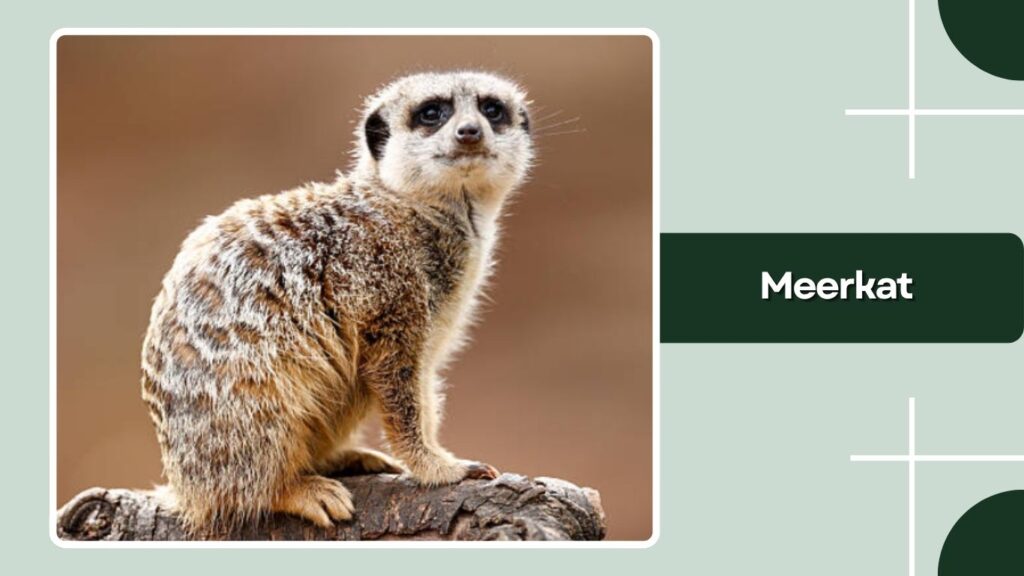
Meerkats are small, social mammals known for their cooperative behavior and well-organized burrow systems. They live in groups called mobs or clans, where individuals work together to survive in harsh environments. Meerkats are famous for their upright posture, often standing on their hind legs to scan for predators. Their burrows provide safety from extreme temperatures and threats in their surroundings.
Identification
- Small, slender body
- Light brown or sandy fur with darker stripes on the back
- Pointed face with dark eye patches
- Long, thin tail with a dark tip
- Sharp claws adapted for digging
- Small, rounded ears
Habitat and Distribution
Meerkats are native to southern Africa, particularly in countries like Botswana, Namibia, and South Africa. They inhabit dry, open environments such as deserts and savannas. These areas have sandy soil, making it easier for them to dig extensive burrow systems. Their burrows often include multiple entrances and chambers for sleeping, raising young, and escaping predators. They prefer habitats with good visibility to detect danger early.
Behavior and Diet
Meerkats are highly social and cooperative animals. Within a group, some individuals act as sentinels, watching for predators while others forage. Their diet mainly consists of insects, spiders, small reptiles, and occasionally fruits. Meerkats dig for food using their sharp claws and rely on teamwork for protection. They are active during the day and spend time grooming, playing, and maintaining their burrows.
Lifespan
Meerkats typically live around 6 to 10 years in the wild. Their lifespan can be influenced by predators, environmental conditions, and group dynamics. Living in groups helps increase their chances of survival.
7. Badger
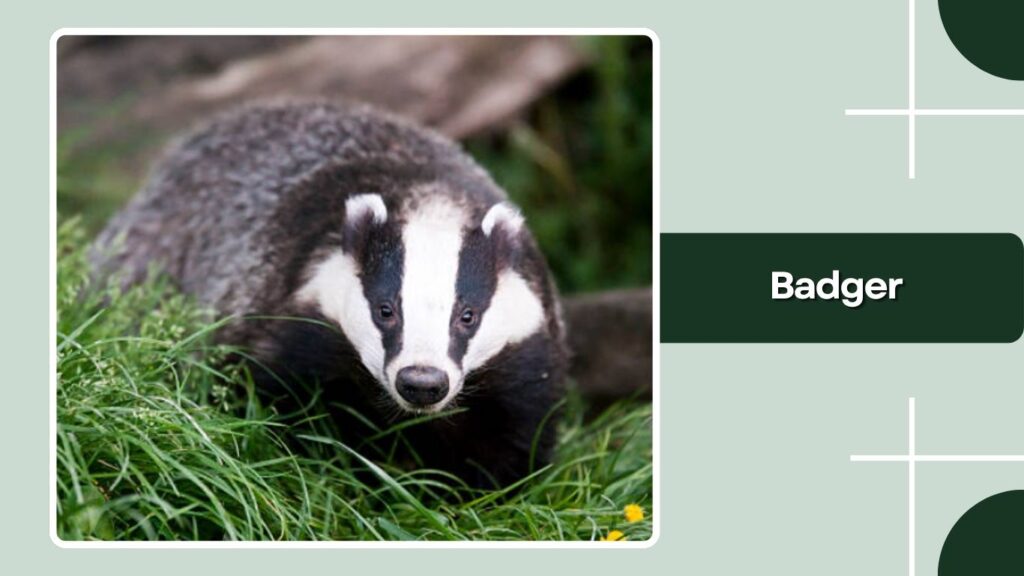
Badgers are strong, burrowing mammals known for their powerful digging skills and sturdy bodies. They create extensive underground homes called setts, which can be used for generations. Badgers are mostly nocturnal and spend much of the day resting inside their burrows. They are known for their defensive nature and can be quite aggressive when threatened. Their digging activity plays a role in soil aeration and ecosystem balance.
Identification
- Stocky, low-slung body
- Coarse gray, black, or brown fur
- Distinct facial markings, often with black and white stripes
- Short, strong legs
- Long, sharp claws for digging
- Small ears and eyes
Habitat and Distribution
Badgers are found across North America, Europe, and parts of Asia. They live in a variety of habitats, including forests, grasslands, farmland, and open countryside. They prefer areas with soft soil that allows easy digging for their burrows. Their underground setts can be large and complex, with multiple chambers and entrances. These burrows provide shelter, breeding space, and protection from predators and weather conditions.
Behavior and Diet
Badgers are generally solitary, although some species may live in small groups. They are mostly active at night and spend their time foraging and maintaining their burrows. Their diet is omnivorous and includes earthworms, insects, small mammals, fruits, and roots. Badgers use their strong claws to dig for food and expand their tunnels. They are known for being determined and persistent when searching for food.
Lifespan
Badgers typically live around 4 to 10 years in the wild. Their lifespan depends on environmental factors, availability of food, and threats such as predators or human activity.
8. Armadillo
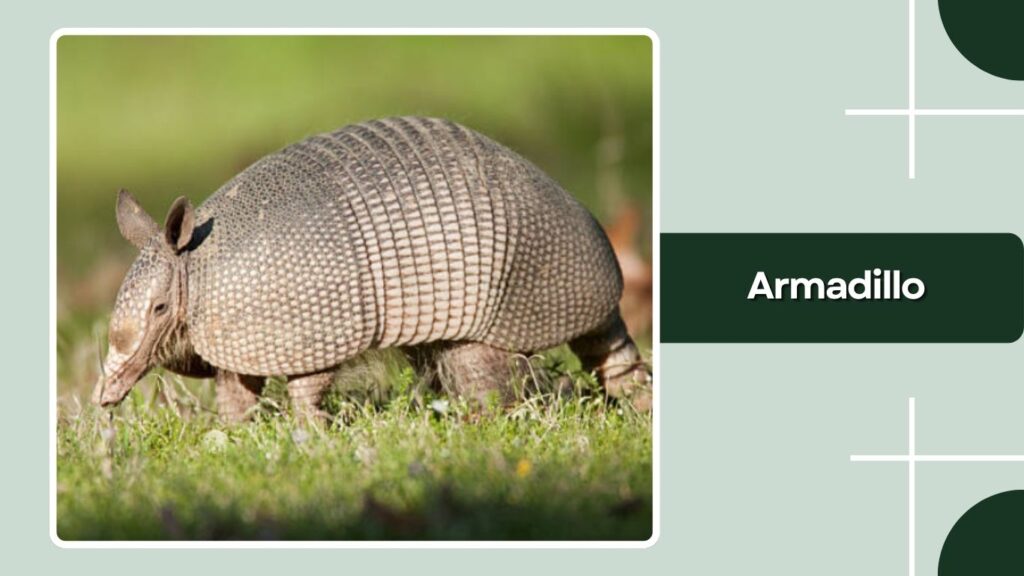
Armadillos are unique, burrowing mammals known for their hard, armor-like shell that protects them from predators. They are skilled diggers and spend much of their time creating burrows for shelter and safety. Armadillos are mostly active at night and rely heavily on their sense of smell to locate food. Their burrowing behavior also helps improve soil structure and nutrient mixing in their habitats.
Identification
- Medium-sized body with a hard, segmented shell
- Gray, brown, or pinkish armor plates
- Long, pointed snout
- Short legs with strong claws for digging
- Small eyes and large ears (in some species)
- Long tail covered with bony plates
Habitat and Distribution
Armadillos are mainly found in the Americas, especially in Central and South America, with some species in the southern United States. They prefer warm climates and are commonly found in forests, grasslands, and semi-desert regions. Armadillos dig burrows in soft soil, often near vegetation or water sources. Their burrows provide protection from predators and extreme temperatures.
Behavior and Diet
Armadillos are solitary and mostly nocturnal animals. They spend much of their time digging for food and expanding their burrows. Their diet mainly consists of insects, larvae, small invertebrates, and occasionally fruits. They use their strong claws to dig into the ground and their keen sense of smell to locate prey. When threatened, some species can roll into a ball for protection.
Lifespan
Armadillos typically live around 7 to 15 years in the wild, depending on the species and environmental conditions. Their lifespan can be affected by predators, habitat loss, and human activity.
9. Wombat
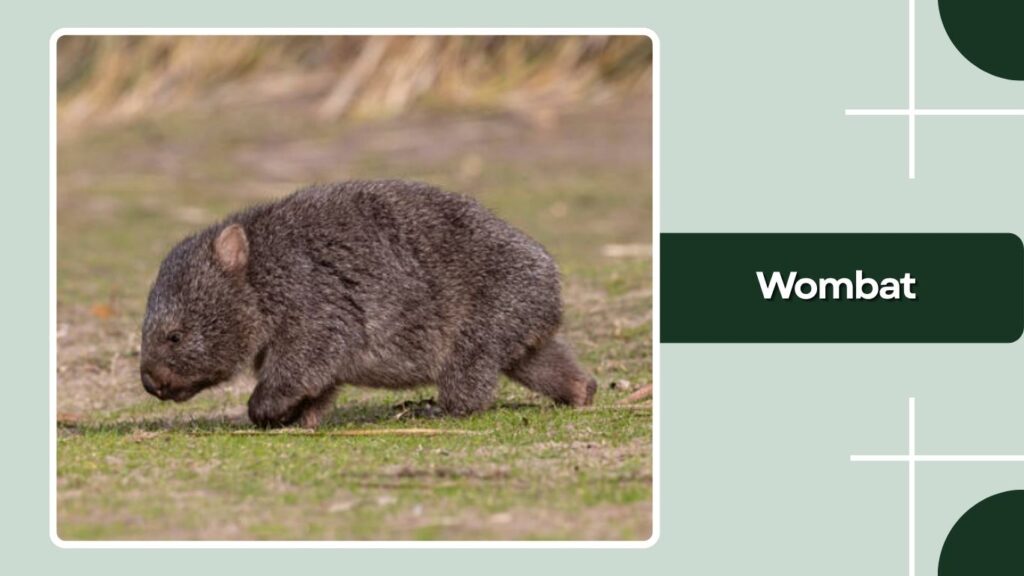
Wombats are sturdy, burrowing marsupials known for their powerful digging abilities and strong, compact bodies. They spend much of their time underground in extensive burrow systems that provide protection from predators and harsh weather. Wombats are mostly nocturnal and emerge at night to feed. They are also known for their unique cube-shaped droppings and slow but determined movement.
Identification
- Stocky, low-to-the-ground body
- Thick, coarse fur in shades of brown, gray, or black
- Large head with a blunt snout
- Short, strong legs
- Sharp claws for digging
- Very short or almost invisible tail
Habitat and Distribution
Wombats are native to Australia and are commonly found in forests, grasslands, and mountainous regions. They prefer areas with soft soil that allows easy burrowing. Their burrows can be long and complex, with multiple tunnels and resting chambers. These underground homes help regulate temperature and provide safety from predators and environmental extremes.
Behavior and Diet
Wombats are mostly solitary and active during the night. They spend their time foraging and maintaining their burrows. Their diet mainly consists of grasses, roots, bark, and other plant materials. Wombats use their strong claws to dig and their powerful jaws to chew tough vegetation. Although generally calm, they can be defensive if threatened and may retreat quickly into their burrows.
Lifespan
Wombats typically live around 5 to 15 years in the wild, depending on environmental conditions and threats. In protected environments, they may live even longer.
10. Aardvark
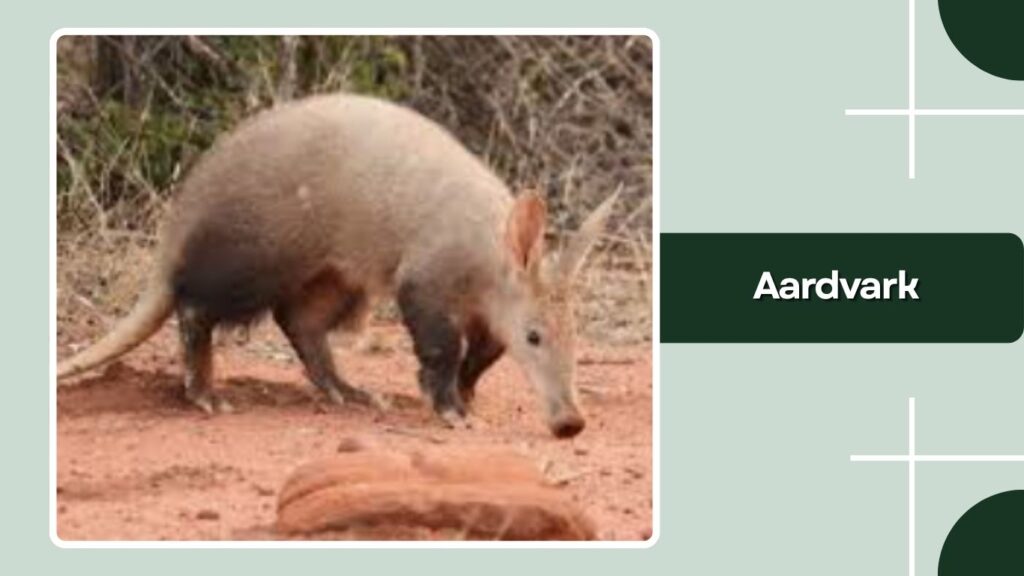
Aardvarks are medium-sized, burrowing mammals known for their specialized feeding habits and strong digging abilities. They are primarily nocturnal and spend their days resting in burrows, emerging at night to search for food. Aardvarks play an important ecological role by controlling insect populations and creating burrows that other animals may later use for shelter.
Identification
- Medium-sized body with a hunched posture
- Sparse, coarse grayish or yellow-brown fur
- Long, tubular snout
- Large, upright ears
- Strong legs with sharp claws for digging
- Thick tail that tapers toward the end
Habitat and Distribution
Aardvarks are found across sub-Saharan Africa. They inhabit a wide range of environments, including savannas, grasslands, woodlands, and some semi-arid regions. They prefer areas with soft soil that allows them to dig burrows easily. These burrows can be temporary or permanent and often include multiple tunnels and chambers. Aardvarks avoid very rocky or waterlogged soils where digging is difficult.
Behavior and Diet
Aardvarks are solitary and mostly active at night. They spend hours digging in search of food, using their strong claws and keen sense of smell. Their diet mainly consists of ants and termites, which they capture using their long, sticky tongue. Aardvarks can consume thousands of insects in a single night. They rely on their burrows for protection during the day and when threatened.
Lifespan
Aardvarks typically live around 10 to 20 years in the wild. Their lifespan depends on factors such as habitat conditions, food availability, and predation.
11. Naked Mole Rat
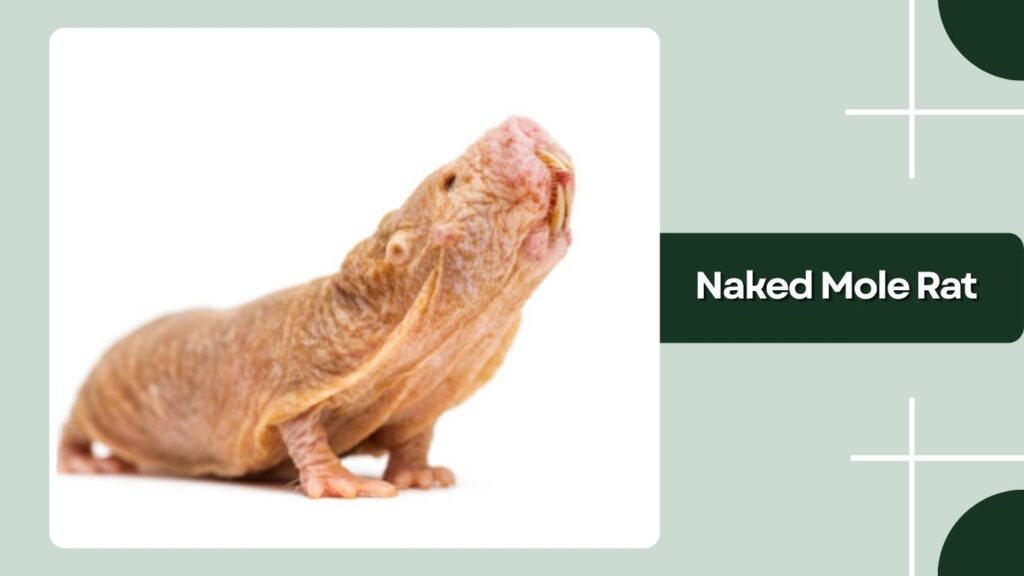
Naked mole rats are unusual, burrowing rodents known for their hairless bodies and highly social, colony-based lifestyle. They live almost entirely underground in complex tunnel systems and are one of the few mammals that exhibit a structure similar to insect colonies, with a single breeding queen. These animals are well adapted to low-oxygen environments and spend their lives digging, foraging, and maintaining their burrows.
Identification
- Nearly hairless, wrinkled skin with a pink or yellowish tone
- Long, cylindrical body
- Large, protruding front teeth used for digging
- Very small eyes with poor vision
- Short legs with strong claws
- Prominent whiskers for sensing surroundings
Habitat and Distribution
Naked mole rats are native to East Africa, particularly in countries like Ethiopia, Kenya, and Somalia. They live in dry, arid regions with hard soils, where they dig extensive underground tunnel networks. These tunnels can stretch for long distances and include chambers for nesting, food storage, and waste. Their underground lifestyle helps them avoid extreme surface temperatures and predators.
Behavior and Diet
Naked mole rats are highly social and live in large colonies, sometimes consisting of dozens to hundreds of individuals. They cooperate in digging, gathering food, and caring for the young. Their diet mainly includes underground plant parts such as roots and tubers. They use their strong teeth to dig and feed, often working together to expand their tunnel systems.
Lifespan
Naked mole rats are known for their unusually long lifespan compared to other rodents, often living 20 to 30 years. Their longevity is influenced by their protected underground environment and unique biological traits.
12. Kangaroo Rat
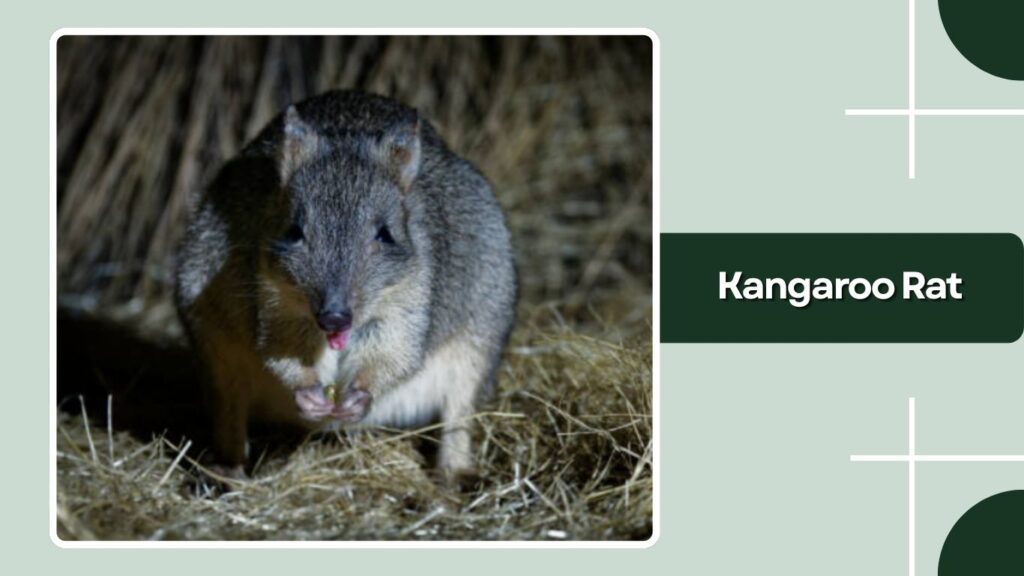
Kangaroo rats are small, burrowing rodents known for their powerful hind legs and ability to move in long jumps, similar to a kangaroo. They are well adapted to dry environments and can survive without directly drinking water, obtaining moisture from their food. These animals spend most of their time in underground burrows, which help protect them from extreme heat and predators.
Identification
- Small body with large hind legs
- Long tail with a tuft at the end
- Large eyes adapted for night vision
- Soft, light brown or sandy-colored fur
- Small front legs used for handling food
- External cheek pouches for carrying seeds
Habitat and Distribution
Kangaroo rats are mainly found in arid and semi-arid regions of North America, especially in deserts and dry grasslands. They prefer sandy or loose soil that makes digging easier. Their burrows are complex, with multiple tunnels and chambers used for nesting and food storage. These underground systems help maintain stable temperatures and humidity levels in harsh desert climates.
Behavior and Diet
Kangaroo rats are nocturnal and spend the daytime resting in their burrows. At night, they emerge to forage for food, mainly seeds and grains. They store food in their cheek pouches and carry it back to their burrows. Their strong hind legs allow them to escape predators quickly through rapid, bounding movements. They are generally solitary and highly territorial.
Lifespan
Kangaroo rats typically live around 2 to 5 years in the wild. Their lifespan depends on environmental conditions, availability of food, and predation risks.
13. Jerboa
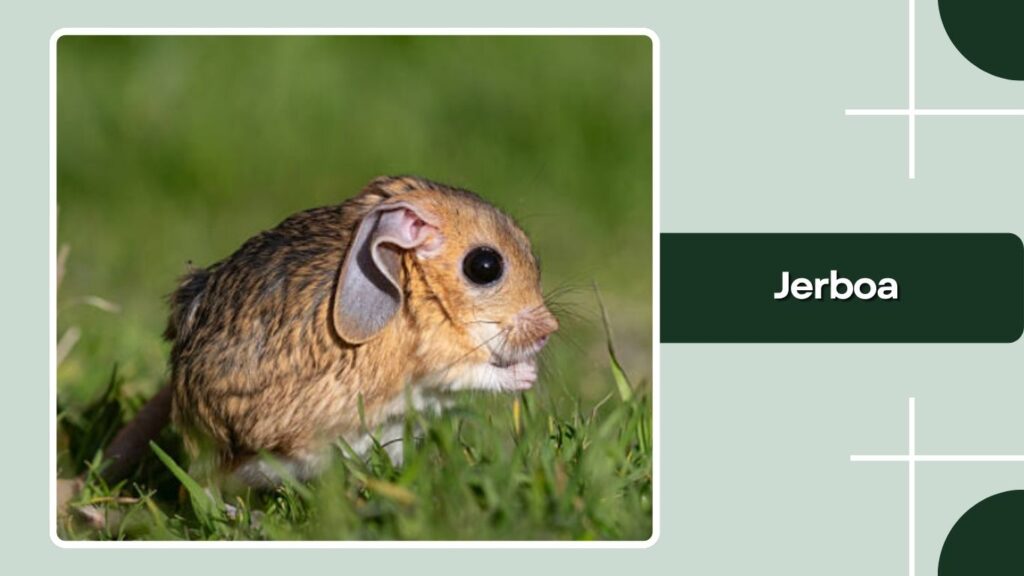
Jerboas are small, burrowing rodents known for their long hind legs and remarkable jumping ability. They are well adapted to desert environments and use their burrows to escape extreme temperatures during the day. Jerboas are mostly nocturnal and rely on their agility and speed to avoid predators. Their unique body structure allows them to move efficiently across sandy terrain.
Identification
- Small body with very long hind legs
- Long tail often ending in a tuft
- Large ears for detecting sound
- Big eyes adapted for night vision
- Soft, sandy-colored fur
- Short front legs used for feeding
Habitat and Distribution
Jerboas are found in deserts and semi-arid regions across North Africa, the Middle East, and parts of Asia. They prefer sandy or loose soils that are easy to dig. Their burrows are simple but effective, providing shelter from heat during the day and cold at night. These environments typically have sparse vegetation, which suits their lifestyle and feeding habits.
Behavior and Diet
Jerboas are nocturnal and spend most of the day inside their burrows. At night, they emerge to forage for food. Their diet mainly consists of seeds, roots, and occasionally insects. They move by hopping or jumping, which helps them cover ground quickly and escape predators. Jerboas are generally solitary and rely on their keen senses to survive in harsh desert conditions.
Lifespan
Jerboas typically live around 2 to 4 years in the wild. Their lifespan is influenced by environmental conditions, food availability, and predation.
14. Bilby
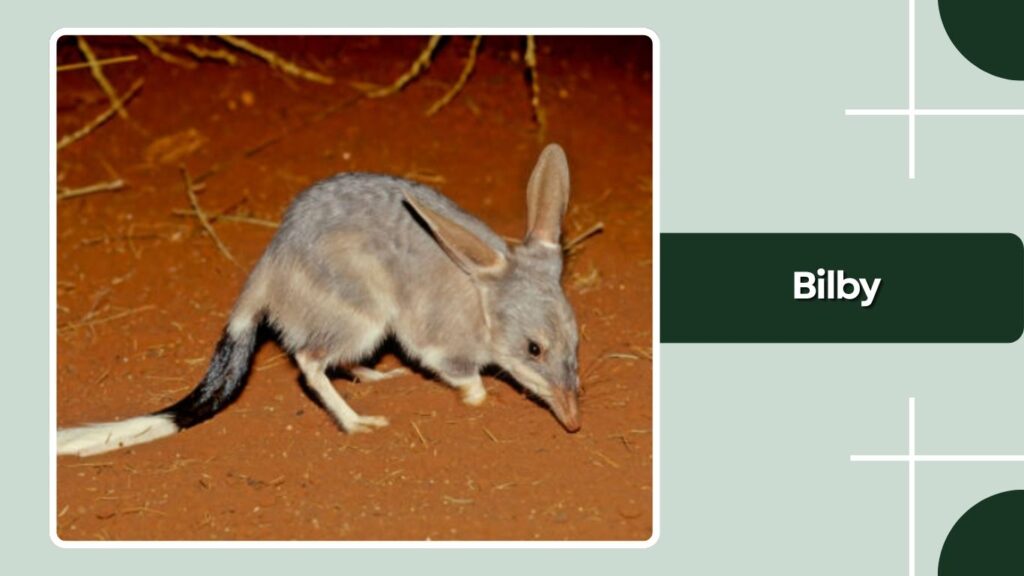
Bilbies are small, burrowing marsupials known for their long ears and strong digging abilities. They are nocturnal animals that spend the daytime in underground burrows to avoid heat and predators. Bilbies play an important role in their ecosystem by turning over soil and helping with seed dispersal. Their populations have declined in some areas due to habitat loss and introduced predators.
Identification
- Small, slender body
- Soft, gray or bluish-gray fur
- Long, pointed ears
- Long snout
- Strong front claws for digging
- Long tail with a black and white tip
Habitat and Distribution
Bilbies are native to Australia and are found in arid and semi-arid regions such as deserts, grasslands, and shrublands. They prefer sandy or loose soils that are easy to dig. Their burrows are deep and spiral-shaped, providing protection from extreme temperatures and predators. These burrows are often hidden among vegetation to stay concealed.
Behavior and Diet
Bilbies are solitary and mostly active at night. They spend their time foraging and maintaining their burrows. Their diet is omnivorous and includes insects, larvae, seeds, bulbs, and fungi. Bilbies use their keen sense of smell to locate food underground. Their digging behavior helps improve soil quality and supports plant growth in their environment.
Lifespan
Bilbies typically live around 5 to 7 years in the wild. Their lifespan can be affected by predators, environmental conditions, and availability of food.
15. Fennec Fox
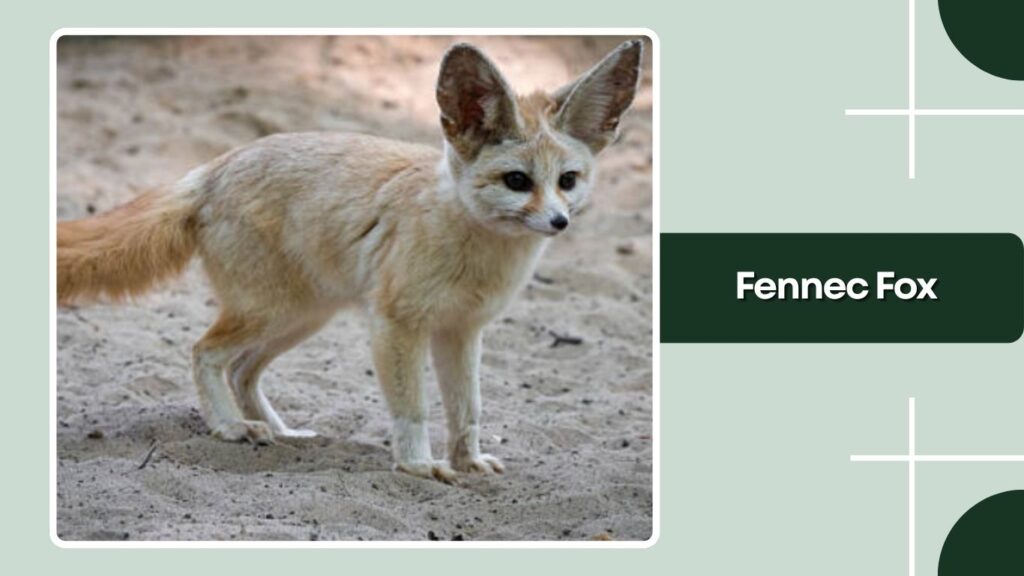
Fennec foxes are small, burrowing foxes known for their large ears and ability to survive in harsh desert environments. They use burrows to escape extreme daytime heat and cold nighttime temperatures. These foxes are highly adapted to life in sandy regions and are mostly active at night. Their burrowing behavior also provides safety from predators and helps them raise their young.
Identification
- Small, lightweight body
- Pale sandy or cream-colored fur
- Very large ears relative to body size
- Pointed snout and small face
- Bushy tail with a dark tip
- Fur-covered feet for walking on hot sand
Habitat and Distribution
Fennec foxes are native to the Sahara Desert and other parts of North Africa. They live in dry, sandy deserts where vegetation is sparse. These areas provide suitable conditions for digging burrows, which can be extensive and shared by small family groups. Their burrows help regulate temperature and provide shelter from harsh environmental conditions.
Behavior and Diet
Fennec foxes are nocturnal and spend the daytime resting in their burrows. At night, they emerge to hunt and forage. Their diet includes insects, small mammals, birds, eggs, and plants. They rely on their sharp hearing to detect prey moving under the الرمال. Fennec foxes are social and may live in small groups, communicating through sounds and body language.
Lifespan
Fennec foxes typically live around 10 to 14 years in the wild. Their lifespan can vary depending on environmental conditions, food availability, and predation.
16. Desert Tortoise
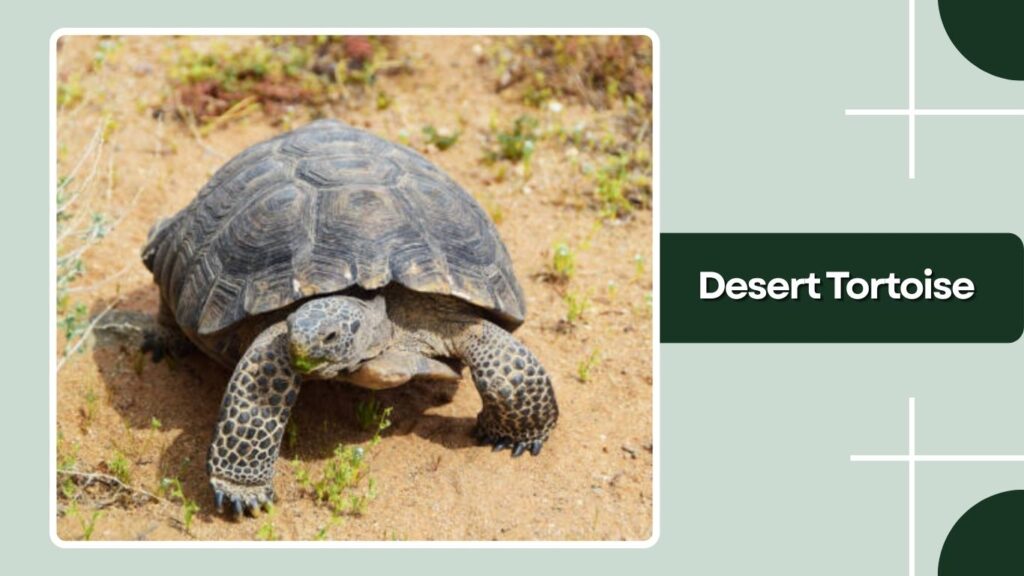
Desert tortoises are slow-moving, burrowing reptiles adapted to life in arid environments. They rely on burrows to escape extreme heat during the day and cold temperatures at night. These burrows also help retain moisture, which is crucial for survival in dry habitats. Desert tortoises spend much of their time underground, emerging mainly to feed and bask when conditions are suitable.
Identification
- Medium-sized, dome-shaped shell
- Brown or grayish coloration
- Thick, scaly skin
- Strong, sturdy legs adapted for digging
- Short, blunt head
- Elephant-like hind legs
Habitat and Distribution
Desert tortoises are found in the southwestern United States and parts of Mexico. They inhabit deserts with sandy or rocky soils, sparse vegetation, and extreme temperature variations. These environments provide suitable conditions for digging burrows, which can be several meters long. Their burrows are essential for maintaining body temperature and conserving water in harsh desert climates.
Behavior and Diet
Desert tortoises are mostly active during cooler parts of the day, such as early morning or late afternoon. They are herbivores, feeding on grasses, wildflowers, and other vegetation. They spend a significant amount of time in their burrows to avoid heat stress. During extreme weather, they may enter periods of inactivity. Their slow metabolism helps them survive in environments with limited resources.
Lifespan
Desert tortoises are long-lived animals, often living 30 to 50 years or more in the wild. Their lifespan depends on environmental conditions, availability of food, and protection from threats such as habitat loss and predators.
17. Burrowing Owl
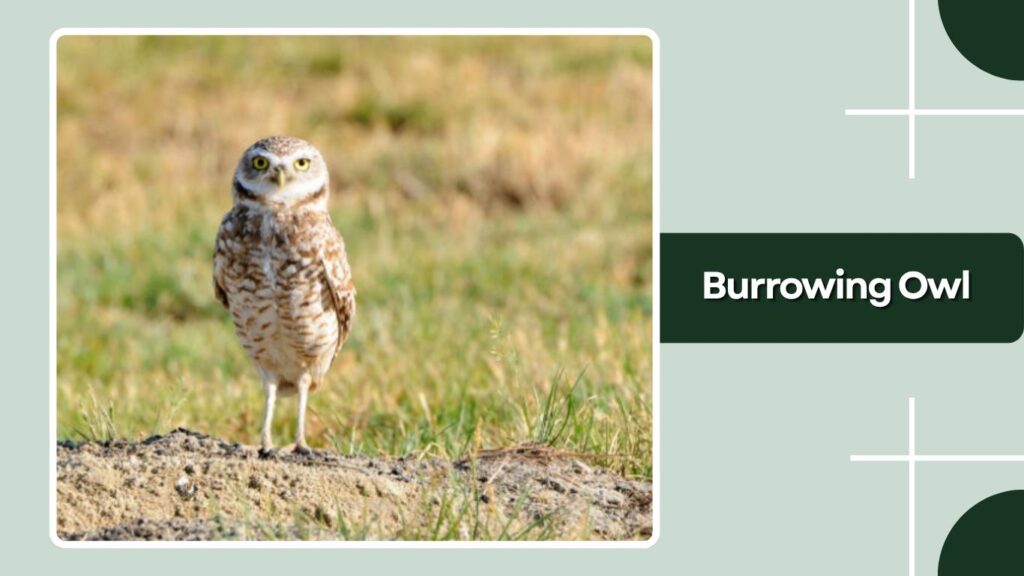
Burrowing owls are small, ground-dwelling birds known for nesting and living in underground burrows instead of trees. Unlike most owls, they are often active during the day, especially in open habitats. These owls either dig their own burrows or use abandoned ones made by other animals. Their burrowing lifestyle helps protect them from predators and harsh weather.
Identification
- Small, compact owl with long legs
- Brown and white spotted feathers
- Bright yellow eyes
- Short tail
- Rounded head without ear tufts
- Often seen standing upright on the ground
Habitat and Distribution
Burrowing owls are found across North and South America. They prefer open landscapes such as grasslands, deserts, and agricultural fields. These areas provide good visibility and suitable ground for burrows. They often use burrows created by animals like prairie dogs or ground squirrels. Their habitats typically have sparse vegetation, allowing them to spot predators easily.
Behavior and Diet
Burrowing owls are unique among owls because they are active during both day and night. They spend time near their burrow entrances, watching for prey and threats. Their diet mainly consists of insects, small mammals, reptiles, and birds. They use their sharp vision and quick movements to catch prey. These owls may also store food inside their burrows for later use.
Lifespan
Burrowing owls typically live around 6 to 10 years in the wild. Their lifespan depends on environmental conditions, food availability, and predation.
18. Antlion
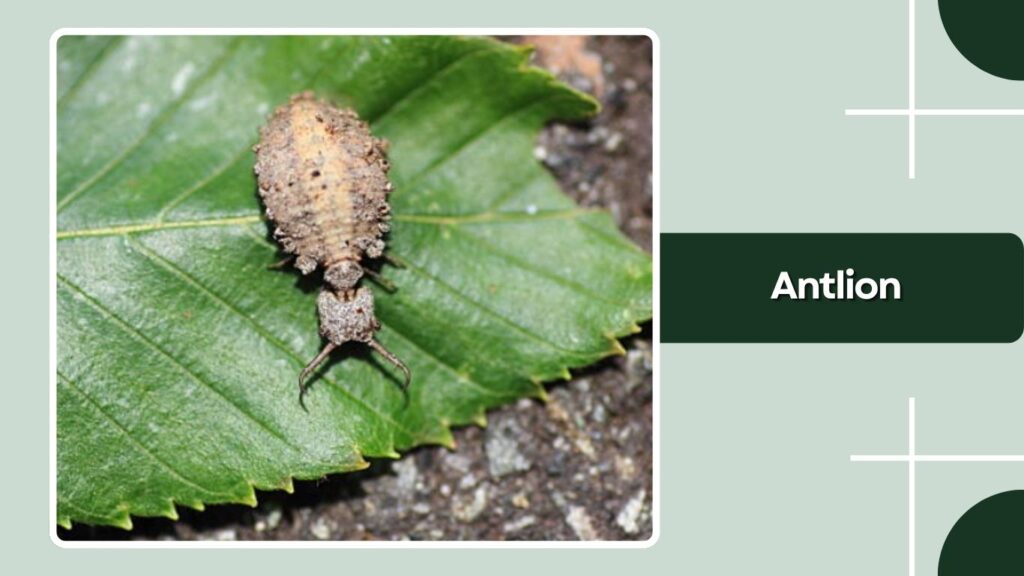
Antlions are insects best known for their larvae, which create small pit traps in sandy soil to capture prey. These larvae live underground and remain hidden while waiting for ants or other small insects to fall into their traps. Antlions play an important role in controlling insect populations. The adult form resembles a delicate, dragonfly-like insect, but it is the larval stage that is famous for burrowing behavior.
Identification
- Small insect with two life stages (larva and adult)
- Larvae have a plump, oval body
- Large, curved jaws in larval stage
- Adult resembles a slender, winged insect
- Long, narrow wings in adults
- Larvae often found in cone-shaped sand pits
Habitat and Distribution
Antlions are found in warm regions around the world, including parts of North America, Europe, Asia, and Africa. They prefer dry, sandy environments such as deserts, riverbanks, and sheltered areas. The larvae dig pits in loose soil where prey is likely to pass. These habitats provide ideal conditions for building stable traps and avoiding moisture.
Behavior and Diet
Antlion larvae are ambush predators. They bury themselves at the bottom of their pit traps and wait for insects, mainly ants, to fall in. When prey struggles, the larva flicks sand to pull it down and captures it with strong jaws. Adults are less active predators and may feed on small insects or not feed at all. Most of the feeding activity occurs during the larval stage.
Lifespan
Antlions typically live for several months to a few years, depending on the species and environmental conditions. The larval stage can last a long time, while the adult stage is usually short-lived.
19. Earthworm
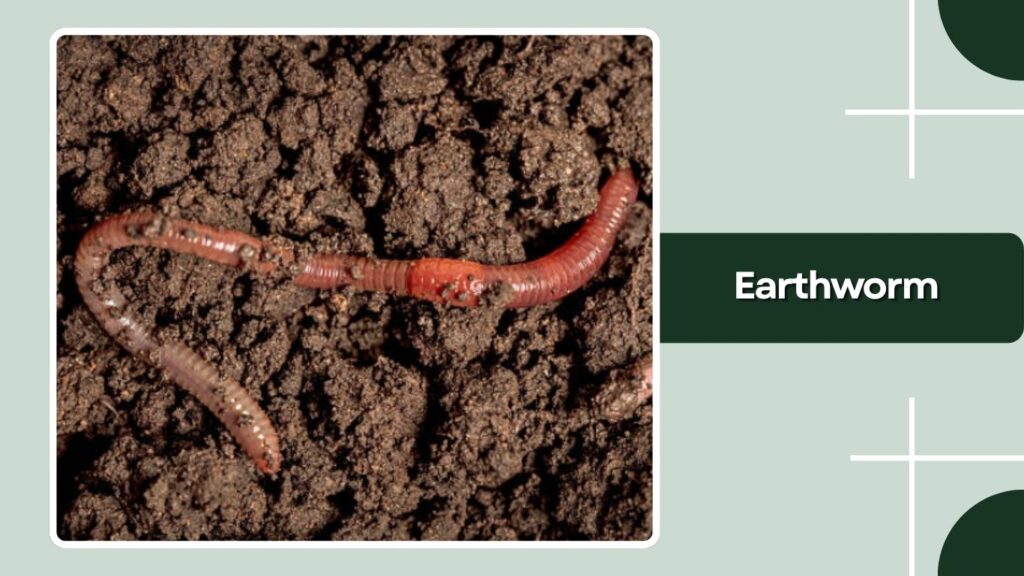
Earthworms are simple, burrowing invertebrates that play a crucial role in maintaining soil health. They spend their lives moving through the soil, creating tunnels that improve aeration and water flow. As they feed, earthworms break down organic matter, enriching the soil with nutrients. Their constant burrowing activity makes them essential for healthy ecosystems and plant growth.
Identification
- Long, cylindrical, segmented body
- Soft, moist skin
- No limbs or eyes
- Color ranges from pink to brown or reddish
- Tapered ends with a slightly thicker middle section
- Moves by contracting and expanding body segments
Habitat and Distribution
Earthworms are found worldwide in regions with moist soil, including forests, grasslands, gardens, and farmland. They prefer environments rich in organic matter, such as decaying leaves and plant material. Moisture is essential for their survival, as their skin must remain damp for breathing. They are rarely found in very dry, sandy, or frozen soils where survival is difficult.
Behavior and Diet
Earthworms are constantly active underground, burrowing through soil as they feed. Their diet mainly consists of decaying organic matter, including leaves, roots, and microorganisms. As they digest this material, they produce nutrient-rich waste that improves soil fertility. Earthworms are mostly active during the night or after rainfall, when the soil is moist and easier to move through.
Lifespan
Earthworms typically live around 1 to 4 years, depending on the species and environmental conditions. Their lifespan can be influenced by soil quality, moisture levels, and predation.
20. Sand Crab

Sand crabs are small, burrowing crustaceans commonly found along sandy shorelines. They are well adapted to life in shifting sands, where they quickly dig and hide beneath the surface. Sand crabs play an important role in coastal ecosystems by filtering organic material from the water. They are often seen moving with waves, constantly burrowing to stay protected from predators.
Identification
- Small, oval-shaped body
- Pale gray, white, or sandy coloration
- Hard outer shell
- Short antennae
- Multiple legs adapted for digging
- No large visible claws like typical crabs
Habitat and Distribution
Sand crabs are found along coastal beaches around the world, especially in tropical and temperate regions. They live in the intertidal zone, where waves regularly wash over the sand. This environment provides loose, wet sand that is ideal for burrowing. Sand crabs constantly adjust their position with the movement of tides to remain in suitable conditions.
Behavior and Diet
Sand crabs are active burrowers and spend most of their time just beneath the sand surface. They use their legs to dig quickly and rebury themselves as waves recede. Their diet mainly consists of plankton and organic particles filtered from the water. They extend their antennae to catch food as waves pass over them. This constant movement helps them avoid predators and stay hydrated.
Lifespan
Sand crabs typically live around 2 to 3 years, depending on environmental conditions and predation. Their survival is closely linked to tidal patterns and coastal habitat stability.
21. Skunk
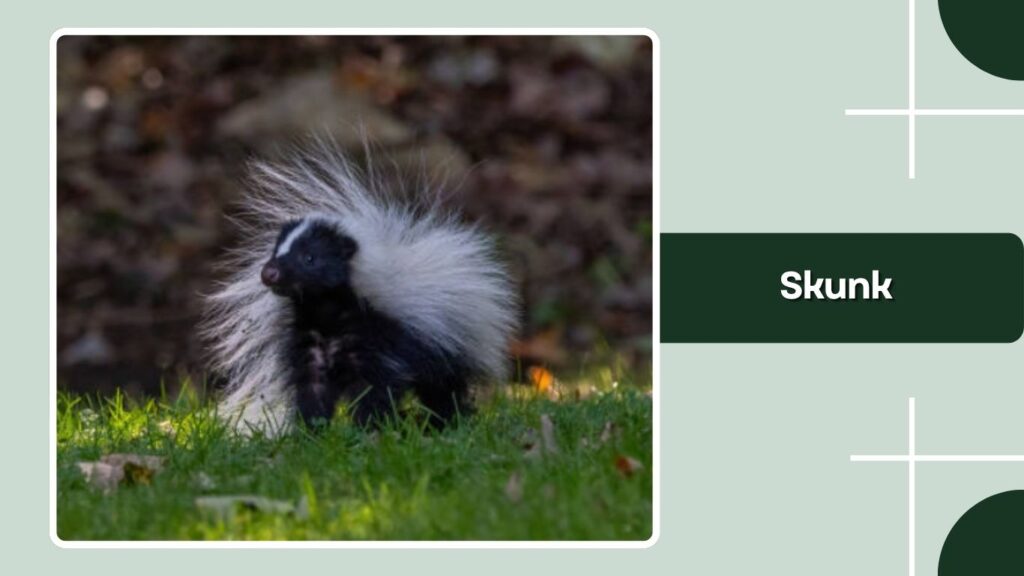
Skunks are medium-sized, burrowing mammals best known for their ability to spray a strong-smelling liquid as a defense mechanism. They often dig burrows for shelter or take over abandoned burrows made by other animals. Skunks are mostly nocturnal and spend their days resting underground. Their burrowing behavior helps them stay safe from predators and harsh weather conditions.
Identification
- Medium-sized body with a bushy tail
- Black fur with distinctive white stripes
- Small head with a pointed snout
- Short legs with strong claws
- Small ears and dark eyes
- Thick fur covering the body
Habitat and Distribution
Skunks are widely found across North and Central America. They live in a variety of habitats, including forests, grasslands, farmland, and suburban areas. They prefer places with loose soil for digging or areas where they can use existing burrows. Skunks often choose sheltered locations near food sources, such as fields or wooded edges.
Behavior and Diet
Skunks are mostly solitary and active at night. They spend time foraging for food and maintaining their burrows. Their diet is omnivorous and includes insects, small animals, fruits, and plants. When threatened, they warn predators by stamping their feet before spraying. Skunks rely on their sense of smell and hearing more than vision.
Lifespan
Skunks typically live around 2 to 4 years in the wild. Their lifespan can be affected by predators, disease, and environmental conditions.
22. Weasel
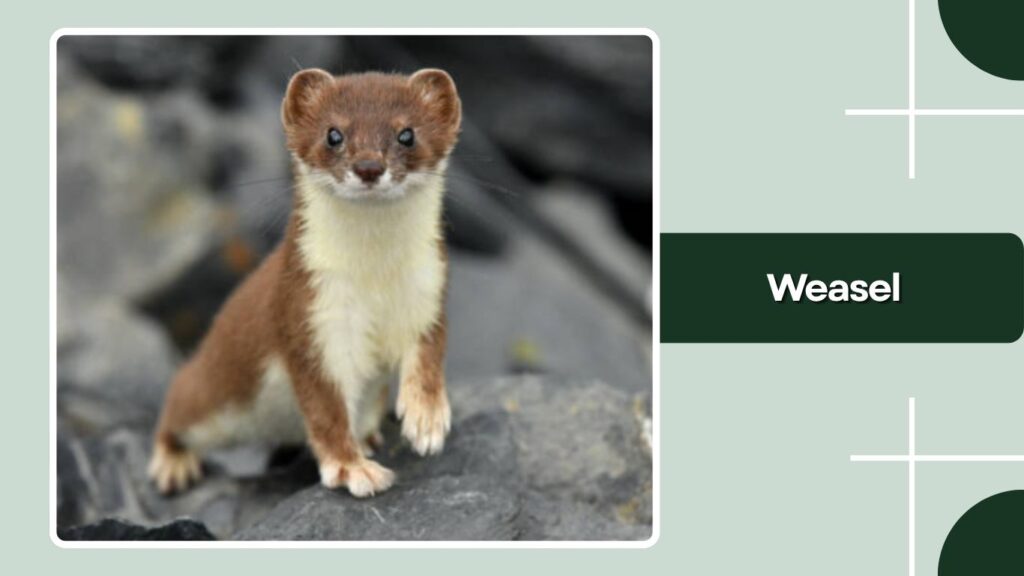
Weasels are small, agile mammals known for their slender bodies and excellent hunting abilities. Although they are not primary burrow diggers, they often use burrows for shelter, either by modifying existing ones or taking over those made by other animals. Their underground retreats provide safety from predators and a place to rest. Weasels are highly active and efficient predators despite their small size.
Identification
- Long, slender body
- Short legs and long neck
- Soft fur, usually brown with a lighter underside
- Small, rounded ears
- Sharp teeth and claws
- Long tail, sometimes with a dark tip
Habitat and Distribution
Weasels are found across North America, Europe, Asia, and parts of North Africa. They inhabit a wide range of environments, including forests, grasslands, farmlands, and wetlands. They prefer areas with plenty of cover and access to prey. Weasels often use burrows, rock crevices, or hollow logs as shelters, especially in colder climates.
Behavior and Diet
Weasels are solitary and highly active, both during the day and night. They are skilled hunters and primarily feed on small mammals such as rodents, as well as birds and insects. Their slender bodies allow them to enter narrow burrows to chase prey. Weasels are fast, alert, and rely on stealth and speed to capture food.
Lifespan
Weasels typically live around 1 to 3 years in the wild. Their lifespan can be influenced by predation, food availability, and environmental conditions.
23. Chipmunk
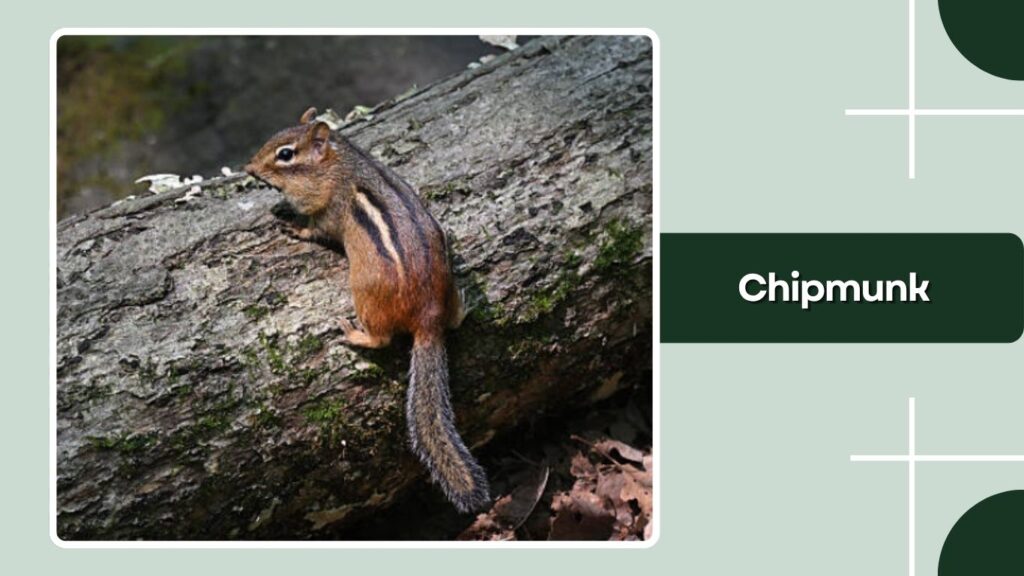
Chipmunks are small, burrowing rodents known for their striped fur and active behavior. They create underground burrows that serve as homes, food storage areas, and protection from predators. These animals are often seen gathering and storing food in their cheek pouches. Chipmunks play an important role in seed dispersal, which helps support plant growth in their habitats.
Identification
- Small, compact body
- Brown fur with distinct black and white stripes along the back
- Large cheek pouches for carrying food
- Short legs with sharp claws
- Bushy tail, shorter than a squirrel’s
- Bright, alert eyes and small ears
Habitat and Distribution
Chipmunks are found mainly in North America, with some species in parts of Asia. They live in forests, woodlands, grasslands, and even suburban areas. They prefer habitats with plenty of cover, such as bushes, logs, and rocks, along with soft soil for digging burrows. Their burrow systems can be quite complex, with tunnels for nesting and storing food.
Behavior and Diet
Chipmunks are active during the day and spend much of their time foraging. Their diet mainly consists of seeds, nuts, fruits, and occasionally insects. They collect food and store it in their burrows for later use, especially during colder months. Chipmunks are generally solitary but may tolerate others nearby. When threatened, they quickly retreat into their burrows.
Lifespan
Chipmunks typically live around 2 to 5 years in the wild. Their lifespan depends on factors such as predation, food availability, and environmental conditions.
FAQs
What are burrowing animals?
Burrowing animals are species that dig tunnels or holes in the ground to live in or take shelter. These burrows provide protection from predators, extreme weather, and help in raising young. Many animals rely on burrowing as a key survival strategy.
Why do animals burrow underground?
Animals burrow mainly for safety, temperature control, and food storage. Underground spaces stay cooler in hot weather and warmer in cold conditions. Burrows also protect animals from predators and provide a secure place for resting and breeding.
Which animal is the best burrower?
Animals like moles and gophers are considered among the best burrowers due to their specialized digging adaptations. Their strong claws, streamlined bodies, and underground lifestyle make them highly efficient at creating complex tunnel systems.
Do all burrowing animals dig their own burrows?
No, not all burrowing animals dig their own burrows. Some species, like burrowing owls and weasels, often use abandoned burrows created by other animals. This helps them save energy while still gaining the benefits of underground shelter.
Are burrowing animals important for the environment?
Yes, burrowing animals play a vital role in ecosystems. Their digging helps aerate the soil, improve water flow, and recycle nutrients. Some also aid in seed dispersal and pest control, making them essential for maintaining ecological balance.