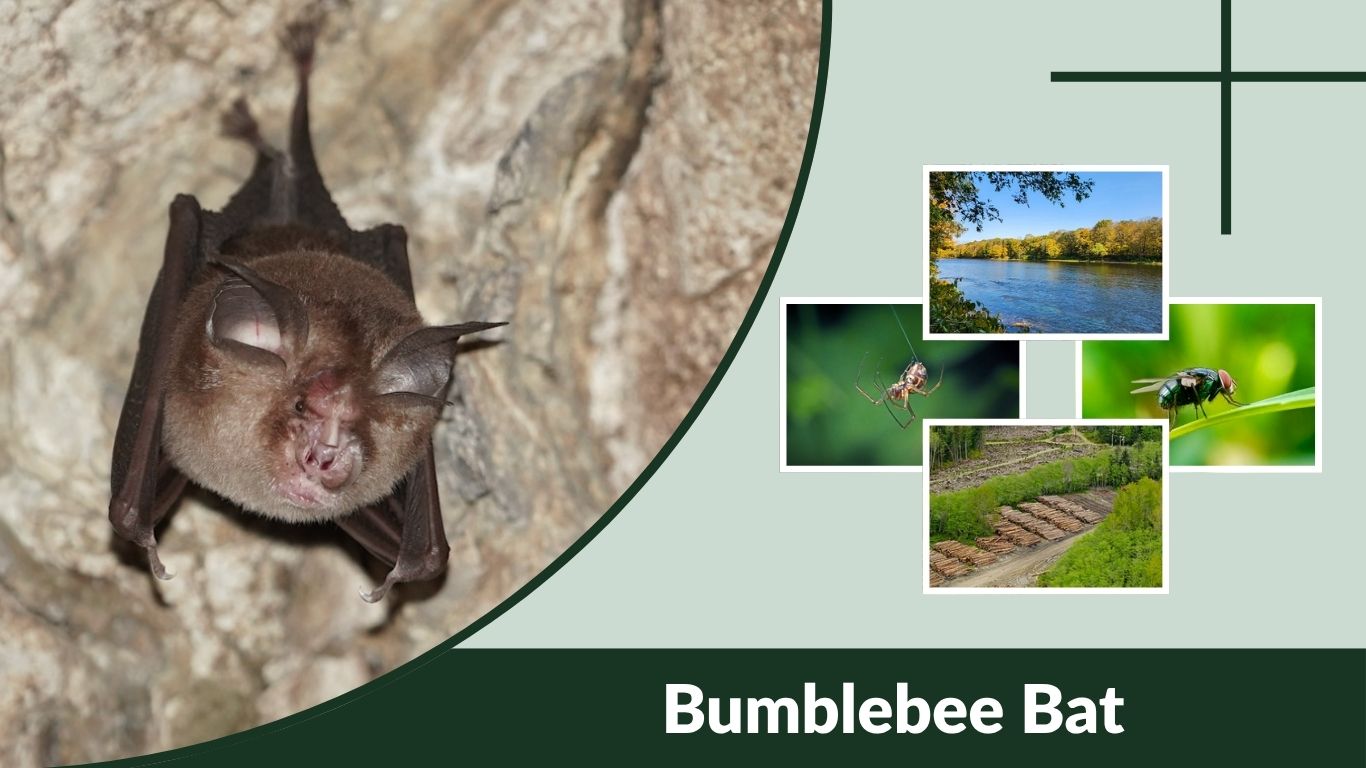
The bumblebee bat is one of the most fascinating animals in the world due to its incredibly small size. Often called the smallest mammal on Earth, this tiny bat is about the size of a large insect. Despite its size, it plays an important role in maintaining ecological balance by controlling insect populations. Found in limited regions of Southeast Asia, the bumblebee bat is both unique and vulnerable. In this guide, you’ll learn about its size, habitat, diet, and the features that make it so remarkable.
What Is a Bumblebee Bat?
The bumblebee bat, also known as Kitti’s hog-nosed bat, is the smallest mammal in the world by size. It is known for its tiny body, short snout, and bat-like wings that allow it to fly efficiently despite its small frame.
Scientific Name and Classification
The scientific name of the bumblebee bat is Craseonycteris thonglongyai. It belongs to a unique family of bats that is distinct from other common bat species.
This species was discovered relatively recently, in the 1970s, which makes it one of the more modern additions to mammal classification. Despite its small size, it has a well-developed structure that allows it to survive in specific environments.
Why Is It Called a Bumblebee Bat?
The name “bumblebee bat” comes from its extremely small size, which is comparable to that of a large bumblebee. Its compact body and quick movements make it resemble an insect when flying.
It also has a rounded body shape and a short snout, which gives it a distinctive appearance. These features, combined with its tiny size, make it stand out among other bat species.
Bumblebee Bat Size and Weight
The bumblebee bat is best known for its incredibly small size, which sets it apart from all other mammals.
How Small Is a Bumblebee Bat?
This bat is about 1 to 1.3 inches (roughly 2.5 to 3.3 cm) in length. That makes it one of the smallest vertebrates capable of sustained flight.
Its wingspan is also very small, but it is perfectly adapted for short, quick flights in its natural habitat.
Because of its size, it can easily fit in the palm of your hand, making it smaller than many common insects.
Weight and Comparison
The bumblebee bat weighs around 2 grams, which is extremely light. To put this into perspective, it weighs about the same as a small coin or a paperclip.
This lightweight body allows it to fly efficiently while using minimal energy. However, it also means the bat must feed regularly to maintain its energy levels. Its small size and weight are key reasons why it is often considered the smallest mammal in the world.
Is the Bumblebee Bat the Smallest Mammal?
The bumblebee bat is widely recognized as the smallest mammal by size, although there are some interesting comparisons to consider.
Size vs Weight Comparison
While the bumblebee bat is the smallest mammal in terms of body length, another animal—the Etruscan shrew—is slightly lighter in weight.
This means the title of “smallest mammal” can depend on how it is measured. By size, the bumblebee bat holds the record, but by weight, the Etruscan shrew is sometimes considered smaller.
Why It Is Unique
The bumblebee bat’s tiny wings and lightweight body make it uniquely adapted for flight. Unlike many other small mammals, it can fly, which requires a highly efficient body structure.
Its ability to survive at such a small size while maintaining complex behaviors like echolocation makes it one of the most remarkable mammals on Earth.
What Do Bumblebee Bats Eat?
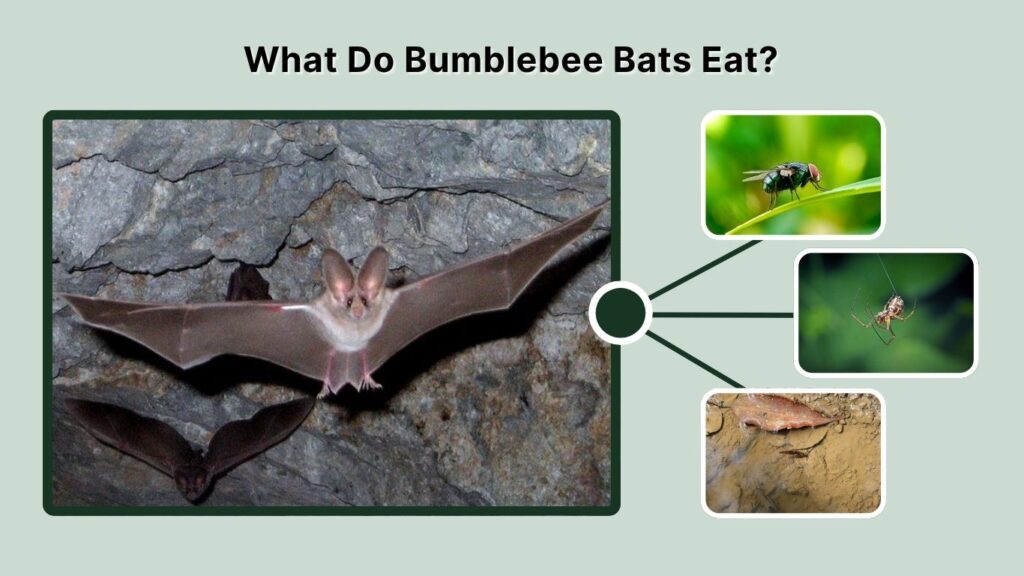
Despite their small size, bumblebee bats are active hunters. Their diet mainly consists of small insects, which they catch while flying.
- Small insects such as flies and mosquitoes
- Spiders and other tiny arthropods
- Insects found near water sources
- Flying insects active at dusk
- Food gathered using echolocation
These bats typically hunt during twilight hours, such as early evening and dawn. This helps them avoid predators while taking advantage of active insect populations.
Their ability to use echolocation allows them to detect prey even in low-light conditions. This skill is essential for survival, especially given their high energy needs.
Because of their small size, they must feed frequently to maintain energy. This makes their role in controlling insect populations especially important.
Where Do Bumblebee Bats Live?
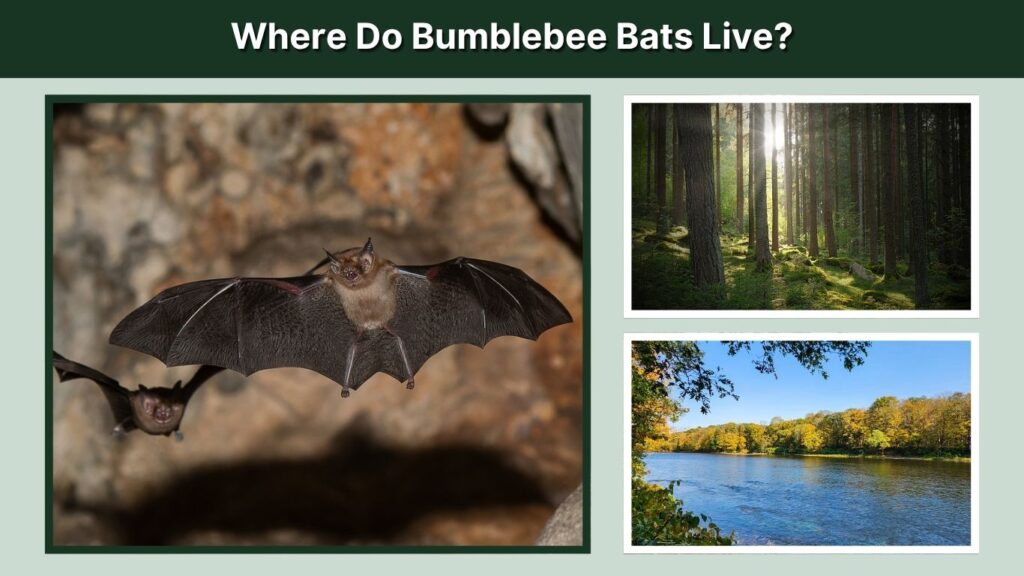
Bumblebee bats are found in very specific regions, which makes their habitat both unique and limited.
Geographic Location
These bats are primarily found in Southeast Asia, particularly in Thailand and parts of Myanmar. Their distribution is very limited compared to other bat species.
Because they live in such a small geographic area, they are more vulnerable to environmental changes and habitat loss.
Habitat Type
Bumblebee bats prefer limestone caves as their main roosting sites. These caves provide protection from predators and stable environmental conditions.
They are usually found near forests and rivers, where insect populations are abundant. This allows them to find food easily without traveling long distances.
The combination of caves for shelter and nearby forests for food creates an ideal environment for their survival.
Bumblebee Bat Behavior
Bumblebee bats have unique behaviors that allow them to survive despite their extremely small size. Their daily activities are closely tied to feeding and avoiding predators.
- Active during dusk and dawn
- Use echolocation to navigate and hunt
- Roost in caves in small groups
- Fly short distances close to vegetation
- Avoid predators by staying hidden
These bats are crepuscular, meaning they are most active during low-light periods such as early morning and evening. This helps them avoid predators while still finding plenty of insects to eat.
Their echolocation ability allows them to detect objects and prey in the dark. They emit high-frequency sounds and listen for echoes to navigate their surroundings.
Unlike larger bats, they do not travel long distances. Instead, they stay close to their roosting sites and hunt nearby.
Bumblebee Bat Baby (Reproduction)
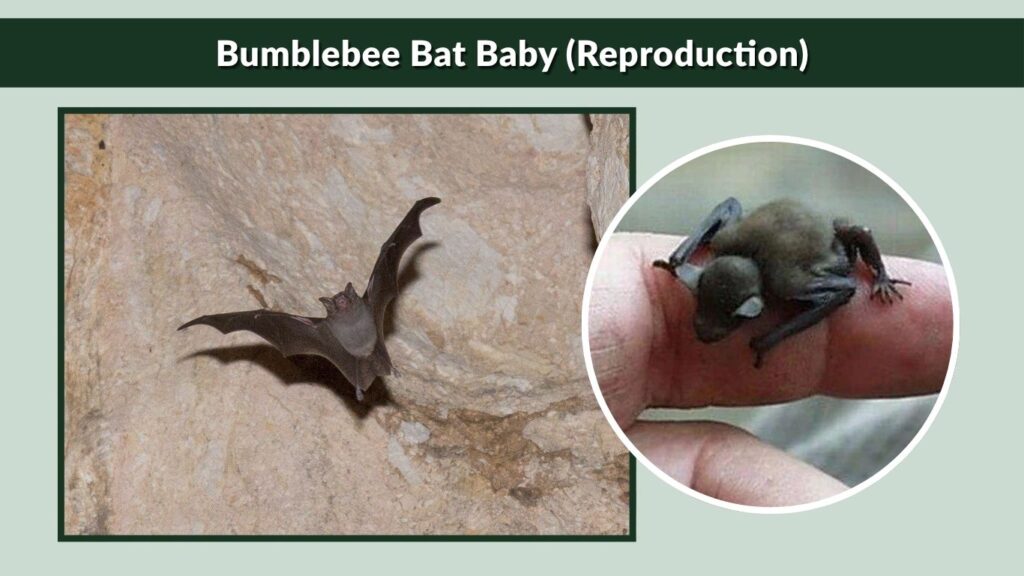
Reproduction in bumblebee bats is limited, which is one reason their population remains small and vulnerable.
Birth and Development
Female bumblebee bats usually give birth to only one baby per year. This low reproduction rate means population growth is slow.
The baby bat is very small at birth but grows quickly in the early stages of life. It depends entirely on its mother for warmth and nourishment.
Parental Care
Mother bats care for their young by keeping them safe in the roost. The baby remains in the cave while the mother goes out to feed.
This level of parental care increases the chances of survival, but it also means that each offspring is extremely important to the species.
Bumblebee Bat Facts
Bumblebee bats have several fascinating traits that make them one of the most unique mammals in the world.
- Smallest mammal by size
- Discovered in the 1970s
- Found only in limited regions
- Use echolocation for hunting
- Important for controlling insect populations
One interesting fact is how recently they were discovered. Despite their uniqueness, they remained unknown to science until the late 20th century.
Their role in controlling insects is also important. By feeding on insects, they help maintain ecological balance in their environment.
Can You Buy a Bumblebee Bat?
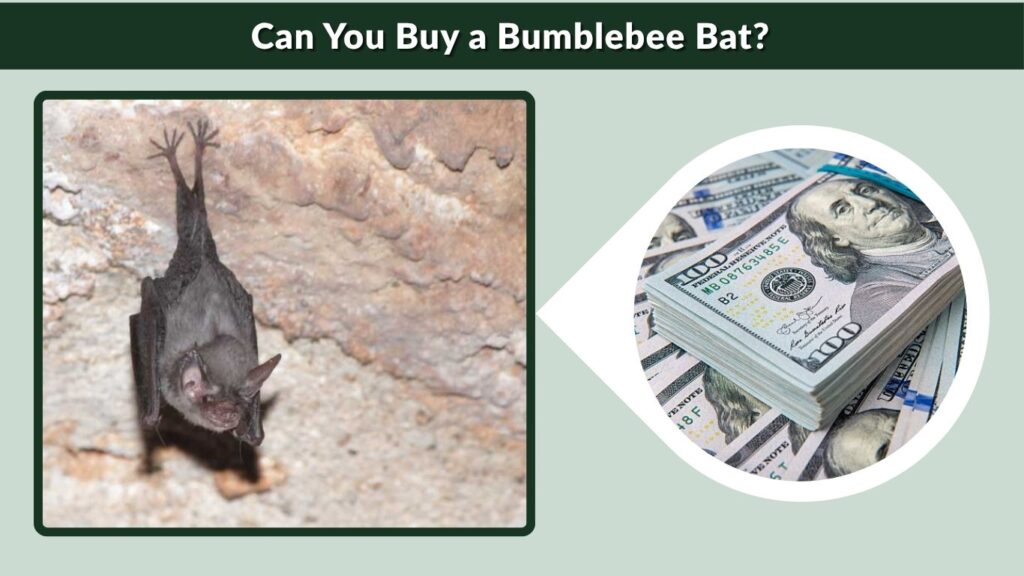
Some people search for exotic animals as pets, but bumblebee bats are not suitable for this purpose.
Are Bumblebee Bats for Sale?
Bumblebee bats are not legally sold or kept as pets. They are protected due to their limited population and ecological importance.
Attempting to buy or sell them would likely violate wildlife protection laws in many regions.
Why They Should Not Be Kept as Pets
These bats require very specific environmental conditions to survive, including cave-like habitats and access to natural food sources.
They are also highly sensitive to stress and environmental changes. Keeping them in captivity would likely harm them and reduce their chances of survival.
For these reasons, it is best to observe and protect them in their natural habitat rather than attempting to keep them as pets.
Images and Visual Identification Tips
Because of their small size, bumblebee bats can be difficult to identify. However, there are several visual features that can help.
- Extremely small body size
- Rounded ears
- Pig-like snout
- Short wings
- Compact, rounded body
Their pig-like nose is one of their most distinctive features. This gives them their alternative name, “hog-nosed bat.”
Their tiny size combined with their compact body shape makes them look very different from larger bat species.
Conservation Status and Threats
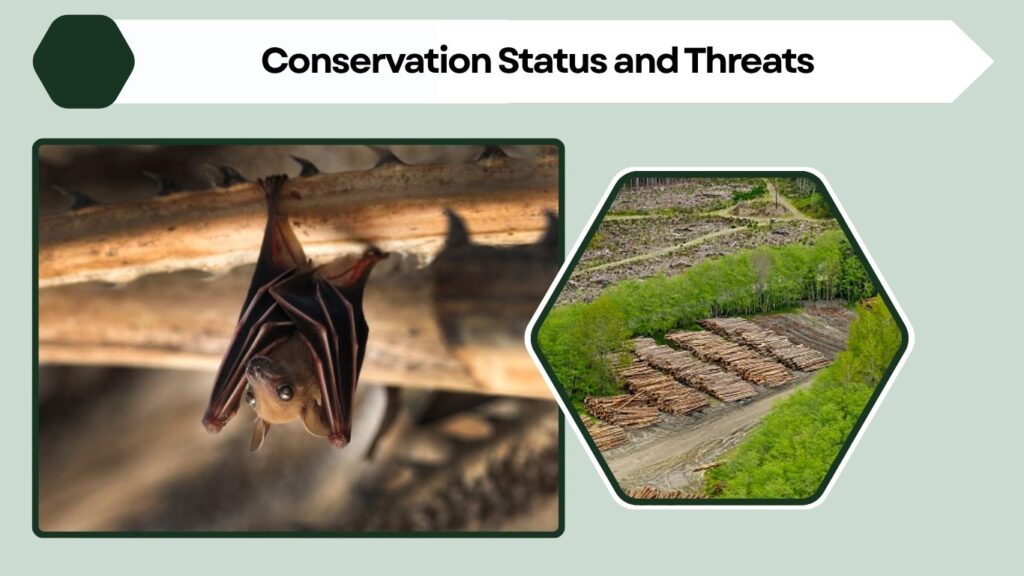
Bumblebee bats are considered a vulnerable species due to their limited range and environmental pressures.
Threats
The biggest threats to these bats include habitat destruction and human disturbance. Limestone caves, which they depend on, are often affected by tourism and development.
Deforestation in nearby areas can also reduce the availability of insects, which are their main food source.
Because their population is already small, even minor environmental changes can have a significant impact.
Protection Efforts
Conservation programs aim to protect their habitats and reduce human disturbance. Some caves are now protected areas where access is limited.
Efforts are also being made to raise awareness about the importance of preserving these unique animals.
Protecting their environment is essential for ensuring their survival in the future.
FAQs
What is a bumblebee bat?
The bumblebee bat, also called Kitti’s hog-nosed bat, is the smallest mammal in the world by size. It is a tiny bat species found in Southeast Asia, known for its extremely small body and insect-eating habits.
How small is a bumblebee bat?
A bumblebee bat is about 1 to 1.3 inches long and weighs around 2 grams. Its size is comparable to a large insect, making it one of the smallest flying mammals on Earth.
Where do bumblebee bats live?
Bumblebee bats are found mainly in Thailand and Myanmar. They live in limestone caves and prefer areas near forests and rivers where insects are abundant.
What do bumblebee bats eat?
They feed on small insects such as flies, mosquitoes, and spiders. They usually hunt during dusk and dawn using echolocation to locate their prey.
Why is the bumblebee bat important?
Bumblebee bats help control insect populations, which supports the ecosystem. Their presence also indicates a healthy environment, making them important for biodiversity.