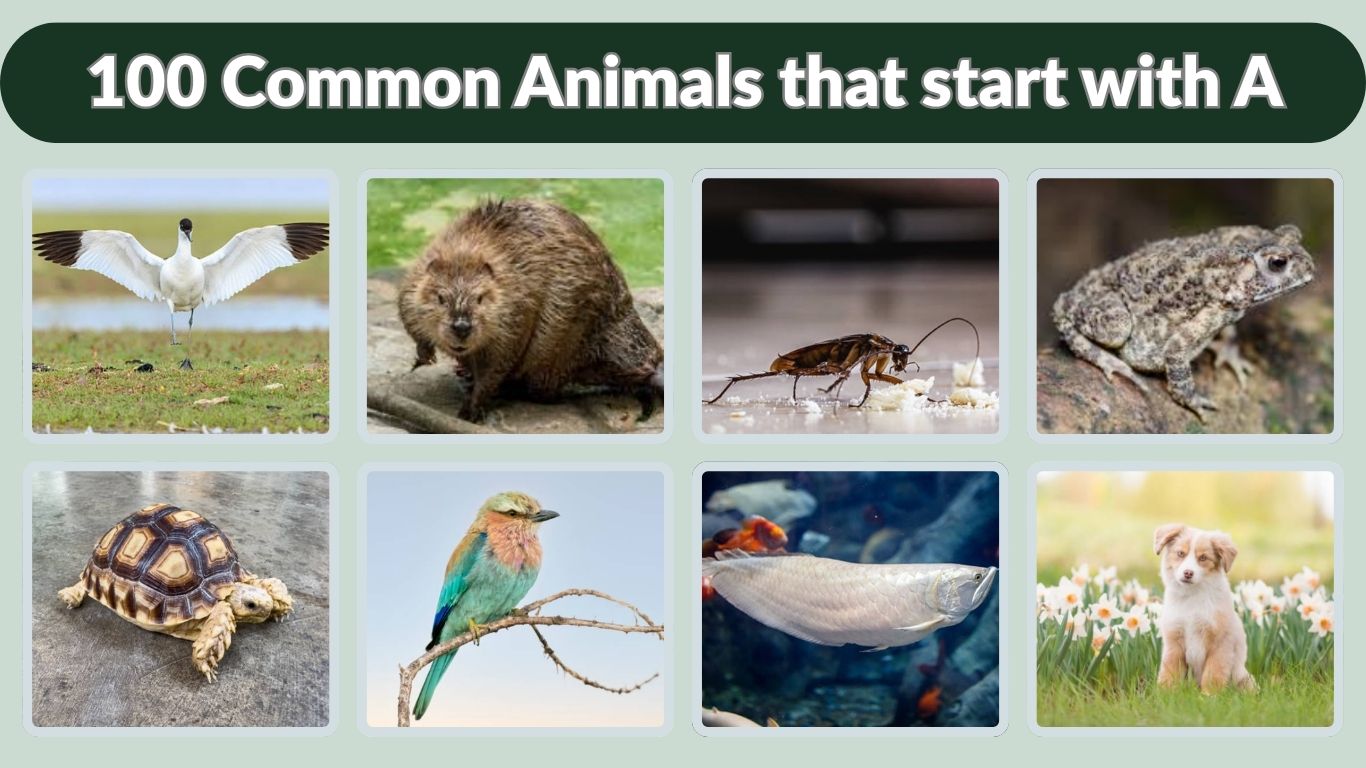
Animals that start with “A” include a wide variety of species from different groups such as mammals, birds, fish, reptiles, amphibians, and insects. These animals live in diverse environments around the world, from oceans and rivers to forests and deserts.
In this guide, you will explore 100 animals beginning with the letter “A”, organized into 20 groups based on animal types. Each group contains 5 animals with clear identification descriptions, making it easy to learn, recognize, and understand their unique features and habitats.
This structured format is especially useful for students, researchers, and anyone interested in expanding their knowledge of animals in a simple and organized way.
1. Mammals
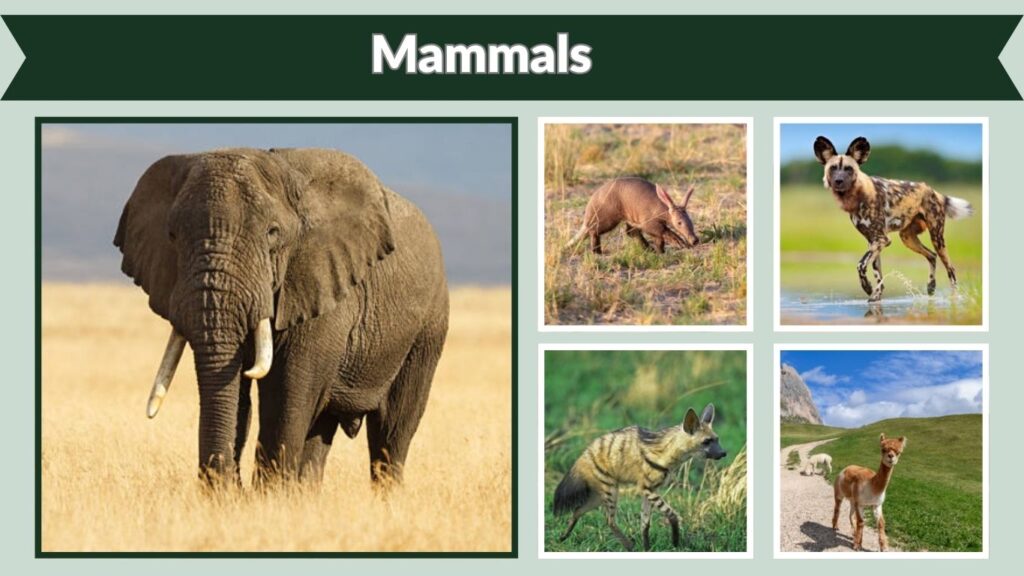
Mammals are warm-blooded animals known for having hair or fur and, in most cases, giving birth to live young. They are found in diverse habitats across the world, from forests and deserts to oceans and grasslands. Below are five mammals that start with the letter “A,” along with brief identification details to help you recognize them.
Aardvark
The aardvark is a nocturnal mammal native to Africa, easily recognized by its long snout, large ears, and strong claws. It primarily feeds on ants and termites, using its sticky tongue to capture prey. Aardvarks live in burrows, which they dig themselves, and they play an important role in ecosystems by controlling insect populations.
Aardwolf
The aardwolf is a small, insect-eating mammal related to hyenas. It has a slender body, pointed ears, and a mane that stands up when threatened. Found in eastern and southern Africa, the aardwolf mainly feeds on termites. Unlike its larger relatives, it does not hunt large animals and is generally shy and solitary.
African Elephant
The African elephant is the largest land animal on Earth. It has a massive body, large ears shaped like the African continent, and a long trunk used for feeding, drinking, and communication. These elephants live in herds led by a matriarch and are known for their intelligence, memory, and strong social bonds.
African Wild Dog
Also known as the painted dog, the African wild dog has a unique coat with patches of brown, black, white, and yellow. It is a highly social animal that lives and hunts in packs. Native to sub-Saharan Africa, this species is known for its teamwork and high hunting success rate, making it one of the most efficient predators in the wild.
Alpaca
The alpaca is a domesticated mammal related to llamas, commonly found in South America. It is known for its soft, valuable wool, which is used to make clothing. Alpacas are gentle and social animals that usually live in herds. They are herbivores and feed mainly on grass and hay.
2. Birds
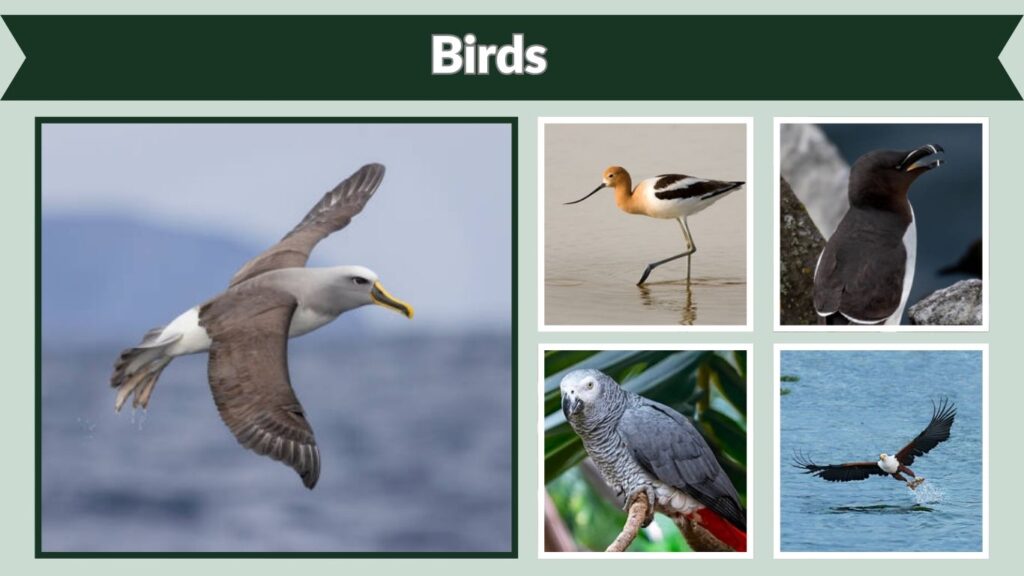
Birds are warm-blooded animals covered with feathers and known for their ability to fly, although some species are flightless. They lay eggs and are found in a wide range of habitats, including forests, oceans, wetlands, and mountains. Birds play important roles in ecosystems, such as pollination, seed dispersal, and controlling insect populations. Below are five birds that start with the letter “A,” listed for easy identification.
1. Albatross
The albatross is a large seabird known for having one of the longest wingspans of any bird. It can glide over ocean waters for hours without flapping its wings. Albatrosses spend most of their lives at sea and come to land only to breed. They mainly feed on fish, squid, and small marine animals.
2. Avocet
The avocet is a slender wading bird recognized by its long legs and upward-curving bill. It is often found in shallow waters such as lagoons, lakes, and coastal wetlands. Avocets use their special beaks to sweep through the water and catch small insects and crustaceans.
3. Auk
The auk is a seabird that lives in cold northern regions. It has a black-and-white body and is well adapted for swimming. Unlike many birds, auks use their wings to swim underwater in search of fish. They usually nest on rocky cliffs in large colonies.
4. African Grey Parrot
The African grey parrot is one of the most intelligent bird species in the world. It has grey feathers, a bright red tail, and a strong curved beak. This bird is known for its ability to mimic human speech and sounds. It lives in forests in central and western Africa.
5. African Fish Eagle
The African fish eagle is a powerful bird of prey found near rivers and lakes in Africa. It has a white head, brown body, and strong talons. This eagle mainly feeds on fish, which it catches from the water using its sharp claws. It is also known for its loud, distinctive call.
3. Fish
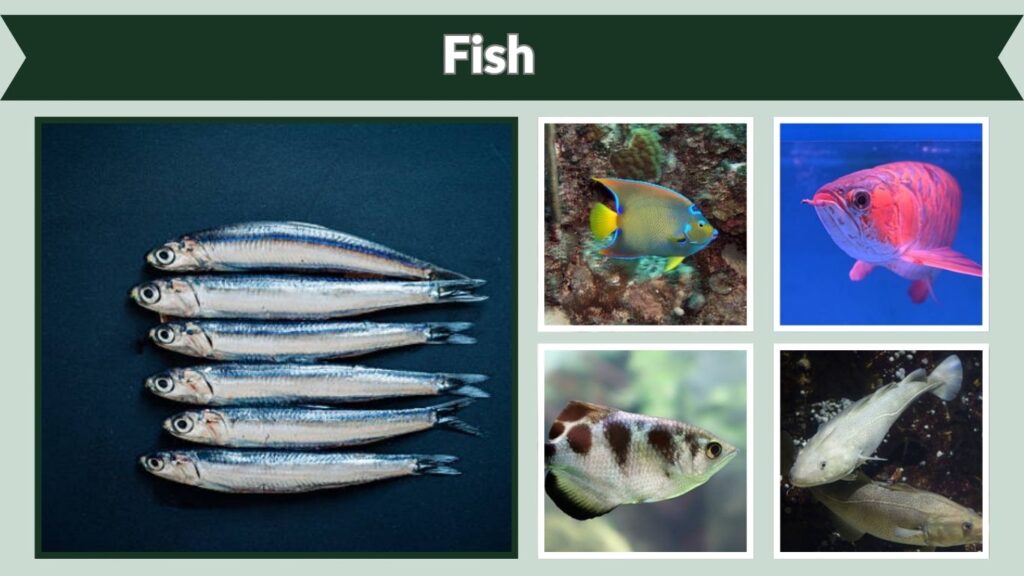
Fish are cold-blooded aquatic animals that live in water and breathe through gills. They are found in oceans, rivers, lakes, and streams all over the world. Fish come in a wide variety of shapes, sizes, and colors, and they play an essential role in aquatic ecosystems. Below are five fish that start with the letter “A,” listed for easy identification.
1. Angelfish
Angelfish are popular aquarium fish known for their beautiful, flat bodies and long, flowing fins. They are usually found in freshwater environments like the Amazon River. Angelfish come in various colors and patterns, making them a favorite among fish keepers. They are generally peaceful but can be territorial at times.
2. Anchovy
Anchovies are small, saltwater fish that often swim in large groups called schools. They are an important food source for many larger fish, birds, and marine mammals. Anchovies are commonly found in oceans around the world and are also widely used in cooking due to their strong flavor.
3. Arowana
The arowana is a large, freshwater fish known for its shiny, metallic scales and long body. It is often called a “dragon fish” because of its appearance. Arowanas are surface feeders and can even jump out of the water to catch insects or small animals.
4. Archerfish
Archerfish are unique because they can shoot jets of water from their mouths to knock insects off branches above the water. This special hunting skill makes them one of the most interesting fish species. They are usually found in mangroves and brackish waters in Asia and Australia.
5. Atlantic Cod
The Atlantic cod is a well-known saltwater fish found in the North Atlantic Ocean. It has a long body, a barbel (whisker-like structure) on its chin, and a mild flavor, making it popular in many cuisines. Atlantic cod are important both ecologically and commercially.
4. Reptiles
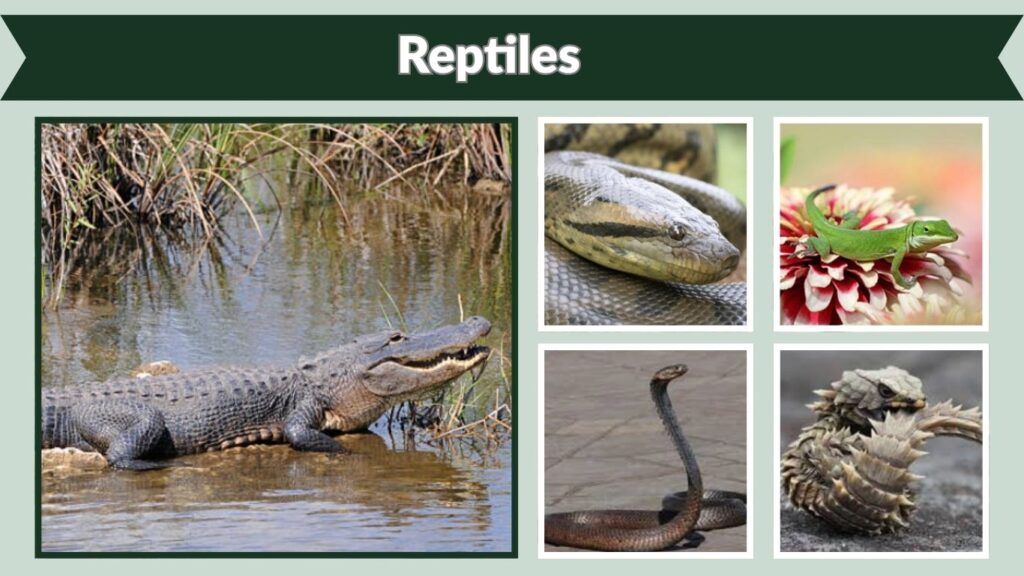
Reptiles are cold-blooded animals with dry, scaly skin. They usually lay eggs and are commonly found in warm environments such as deserts, forests, and wetlands. Reptiles include snakes, lizards, turtles, and crocodilians. Below are five reptiles that start with the letter “A,” listed for easy identification.
1. Alligator
The alligator is a large reptile found mainly in the United States and China. It has a broad snout, powerful jaws, and a thick, armored body. Alligators live in freshwater habitats like swamps, rivers, and lakes. They are strong predators that feed on fish, birds, and mammals.
2. Anaconda
The anaconda is one of the largest snakes in the world, found in South America. It has a thick body and can grow to an enormous length. Anacondas are non-venomous and kill their prey by constriction, wrapping around and squeezing it. They spend much of their time in water.
3. Anole
Anoles are small lizards commonly found in the Americas. They are known for their ability to change color slightly, similar to chameleons. Anoles often have a flap of skin under their throat called a dewlap, which they use for communication and display.
4. Asp (Snake)
The asp is a name used for several venomous snakes, especially those found in Africa and parts of Europe. It is often associated with ancient history. These snakes have potent venom and are usually found in dry or rocky areas.
5. Armadillo Lizard
The armadillo lizard is a unique reptile from southern Africa. It has a heavily armored body covered in spiny scales. When threatened, it curls into a ball and bites its tail, similar to an armadillo. This defensive behavior helps protect it from predators.
5. Amphibians
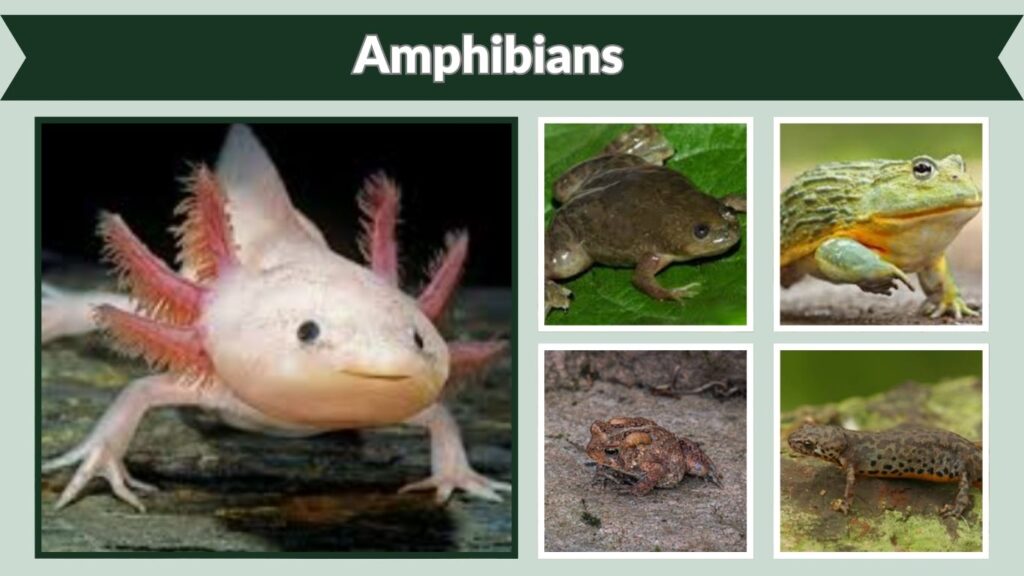
Amphibians are cold-blooded animals that can live both in water and on land. They usually start their lives in water as larvae and later undergo metamorphosis into adult forms. Amphibians have moist, permeable skin and are often found in damp environments like ponds, forests, and wetlands. Below are five amphibians that start with the letter “A,” listed for easy identification.
1. Axolotl
The axolotl is a unique amphibian that remains in its larval stage throughout its life, a condition known as neoteny. It has external gills that look like feathery branches on the sides of its head. Native to Mexico, the axolotl lives in freshwater and is known for its remarkable ability to regenerate lost body parts.
2. African Clawed Frog
The African clawed frog is a fully aquatic amphibian found in sub-Saharan Africa. It has strong hind legs and sharp claws used for tearing food. This frog lacks a tongue and instead uses its hands to push food into its mouth. It is often used in scientific research.
3. African Bullfrog
The African bullfrog is one of the largest frog species in the world. It has a large, round body and a wide mouth. This amphibian is a powerful predator and can eat insects, small mammals, and even other frogs. It is found in dry regions of Africa and can burrow underground during droughts.
4. American Toad
The American toad is a common amphibian found in North America. It has dry, bumpy skin and is usually brown or gray in color. This toad is mostly active at night and feeds on insects. It produces a mild toxin as a defense against predators.
5. Alpine Newt
The alpine newt is a small amphibian found in Europe, especially in mountainous regions. It has smooth skin and bright colors, particularly during the breeding season. Alpine newts live both in water and on land and feed on small insects and aquatic creatures.
6. Insects
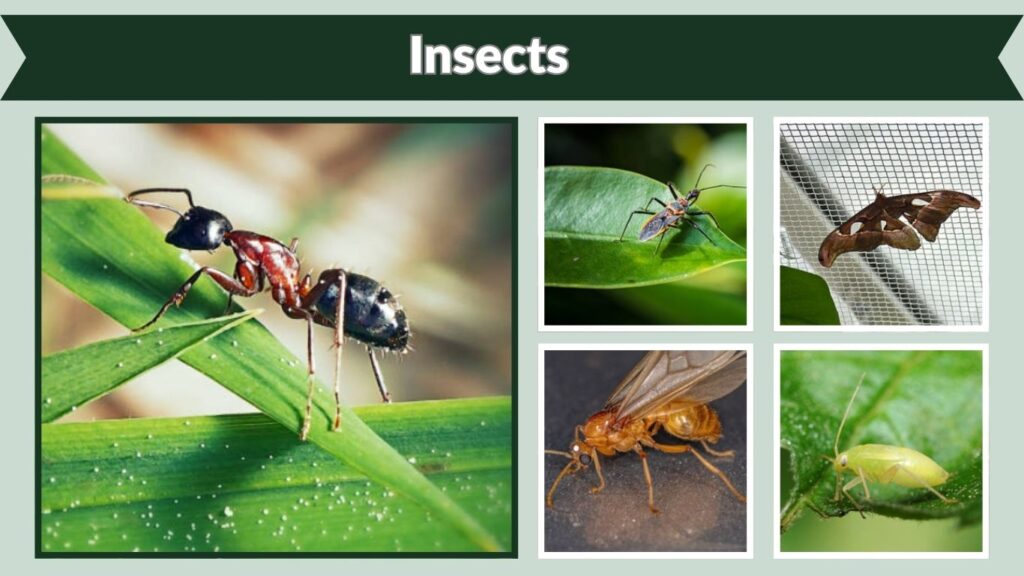
Insects are small, cold-blooded animals that have three main body parts: head, thorax, and abdomen. Most insects have six legs and many also have wings. They are found in almost every habitat on Earth and play vital roles such as pollination, decomposition, and serving as food for other animals. Below are five insects that start with the letter “A,” listed for easy identification.
1. Ant
Ants are highly social insects that live in organized colonies. Each colony has a queen, workers, and sometimes soldiers. Ants are known for their teamwork and ability to carry objects much heavier than their own bodies. They can be found in soil, trees, and even inside homes.
2. Assassin Bug
The assassin bug is a predatory insect known for its hunting skills. It uses its sharp mouthparts to stab and suck the fluids from its prey. These bugs are beneficial because they help control other insect populations. However, some species can deliver a painful bite if handled.
3. Atlas Moth
The atlas moth is one of the largest moths in the world, known for its impressive wingspan and beautiful patterns. It is found in tropical and subtropical forests. Adult atlas moths do not eat and live only for a short time, focusing mainly on reproduction.
4. Army Ant
Army ants are aggressive, nomadic ants that move in large groups called colonies. They do not build permanent nests and instead travel in search of food. These ants can attack and consume a wide variety of prey, making them powerful predators in their ecosystem.
5. Aphid
Aphids are tiny insects that feed on plant sap. They are often found in large groups on leaves and stems. Aphids can reproduce quickly and may become pests in gardens and farms. Despite this, they are also an important food source for other insects like ladybugs.
7. Mammals (Wild Species)
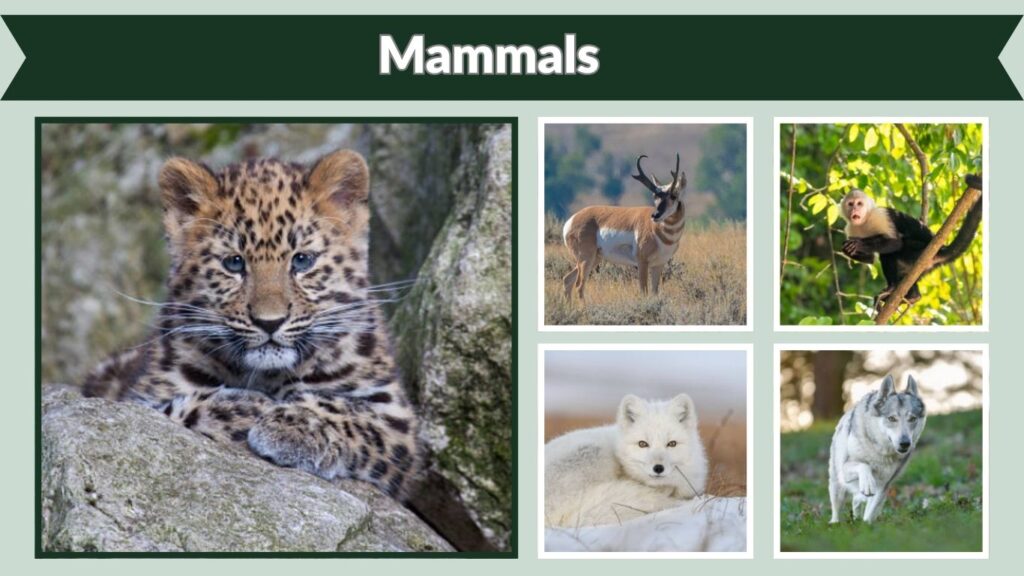
Wild mammals are those that live freely in nature without human domestication. They have adapted to various environments, from icy Arctic regions to dense forests. These animals play important roles in maintaining ecological balance. Below are five wild mammals that start with the letter “A,” listed for easy identification.
1. Amur Leopard
The Amur leopard is one of the rarest big cats in the world, found in the forests of eastern Russia and northern China. It has a thick coat with dark spots, which helps it survive in cold climates. This leopard is a solitary and skilled hunter, feeding mainly on deer and small mammals.
2. Antelope
Antelopes are fast and graceful mammals commonly found in Africa and parts of Asia. They have slender bodies and long legs, which help them run quickly to escape predators. Most antelopes are herbivores and live in herds for protection.
3. Ape
Apes are highly intelligent mammals that include gorillas, chimpanzees, and orangutans. They do not have tails and are known for their strong arms and ability to use tools. Apes live mainly in forests and have complex social structures.
4. Arctic Fox
The Arctic fox is a small mammal adapted to life in extremely cold environments. It has thick fur that changes color with the seasons—white in winter and brown or gray in summer. This helps it blend into its surroundings and avoid predators.
5. Arctic Wolf
The Arctic wolf is a subspecies of the gray wolf that lives in the Arctic regions. It has a white coat that provides camouflage in snow. These wolves live and hunt in packs, working together to catch prey such as musk oxen and Arctic hares.
8. Birds (Wild Species)
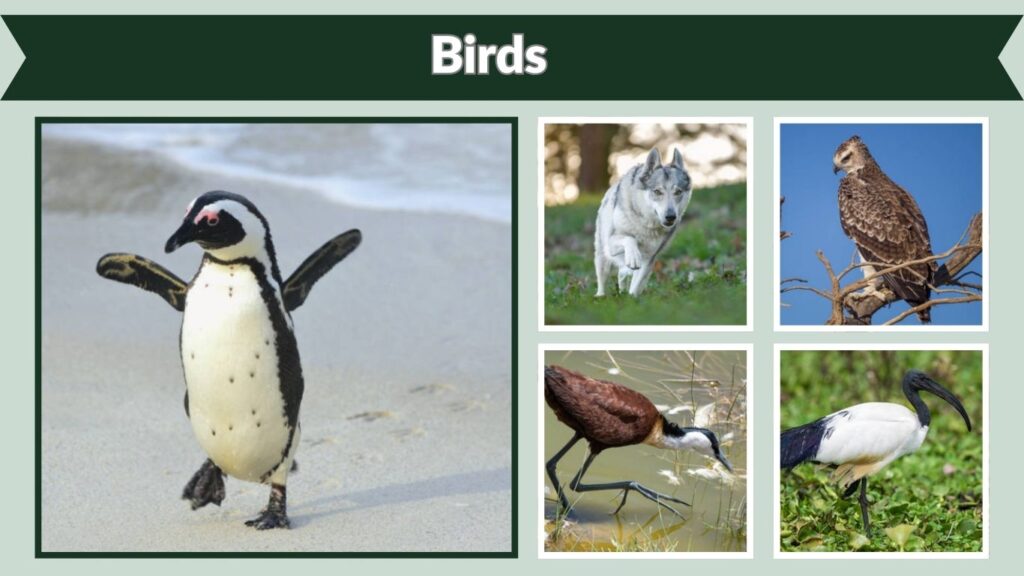
These birds start with “A” and are commonly found in the wild across different regions of the world. They live in diverse habitats such as wetlands, forests, riversides, and coastal areas. Wild birds are important for ecosystems because they help with seed dispersal, pest control, and maintaining ecological balance. Below are five wild birds that begin with the letter “A,” listed for easy identification.
1. African Penguin
The African penguin is a flightless bird found along the southwestern coast of Africa. It has a black-and-white body with distinctive markings on its chest. Unlike most birds, it is an excellent swimmer and feeds mainly on fish. These penguins live in colonies and are known for their loud, braying calls.
2. African Spoonbill
The African spoonbill is a wading bird recognized by its long legs and spoon-shaped bill. It lives in wetlands, rivers, and lakes. This bird uses its unique bill to sweep through shallow water to catch small fish and insects. Its mostly white body makes it easy to spot.
3. African Jacana
The African jacana is known for its long toes, which allow it to walk on floating vegetation in wetlands. It has a striking appearance with chestnut-colored feathers and a blue frontal shield. This bird feeds on insects and small aquatic creatures found on water surfaces.
4. African Sacred Ibis
The African sacred ibis is a large bird with a white body, black head, and long curved beak. It is often found near water sources such as rivers and marshes. This bird feeds on insects, small fish, and other small animals. It also has cultural importance in ancient history.
5. African Crowned Eagle
The African crowned eagle is a powerful bird of prey found in African forests. It has strong talons and excellent vision, making it an efficient hunter. This eagle preys on small mammals and birds. It is known for its impressive strength and striking appearance.
9. Fish (Freshwater)
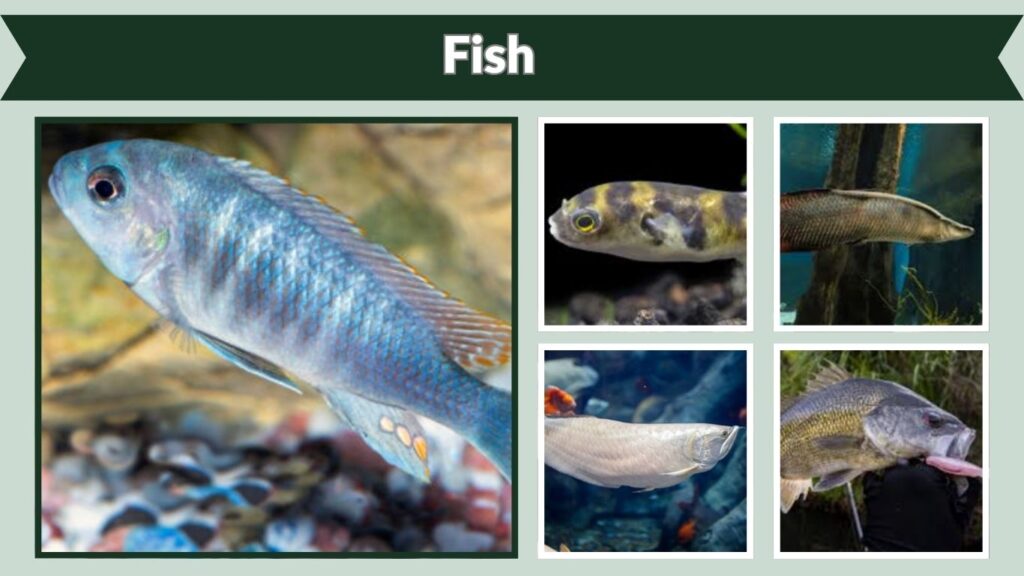
These fish start with “A” and are commonly found in freshwater habitats such as rivers, lakes, and streams. They show a wide variety of sizes, colors, and behaviors adapted to inland water environments.
1. African Cichlid
African cichlids are colorful freshwater fish found in African lakes, especially Lake Malawi and Lake Tanganyika. They are popular in aquariums due to their bright colors and active behavior. These fish can be territorial and often display complex social interactions.
2. Amazon Pufferfish
The Amazon pufferfish is a freshwater species known for its ability to inflate its body when threatened. It has a rounded shape and a curious personality. Found in the Amazon River basin, it feeds on small invertebrates and requires clean water to thrive.
3. Arapaima
The arapaima is one of the largest freshwater fish in the world, native to the Amazon River. It has a long body and can grow several meters in length. This fish can breathe air, allowing it to survive in low-oxygen waters.
4. Asian Arowana
The Asian arowana is a highly valued freshwater fish known for its shiny, metallic scales. It is often kept in aquariums and is considered a symbol of luck in some cultures. This fish is a surface feeder and can jump to catch prey.
5. Australian Bass
The Australian bass is a freshwater fish found in rivers and streams in Australia. It has a strong body and is known for its fighting ability when caught. This species feeds on insects, small fish, and crustaceans.
10. Reptiles (Snakes & Lizards)
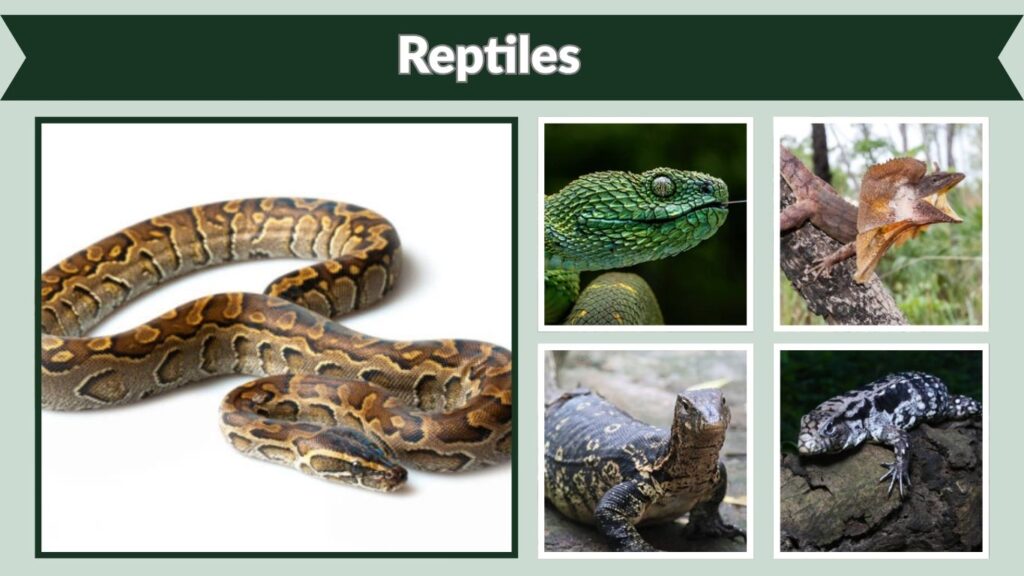
These reptiles start with “A” and include various snakes and lizards found in different habitats such as forests, deserts, and grasslands. They are cold-blooded and rely on external heat sources to regulate their body temperature.
1. African Rock Python
The African rock python is one of the largest snakes in Africa. It has a thick body and patterned skin that helps it blend into its surroundings. This non-venomous snake kills its prey by constriction and feeds on mammals and birds.
2. African Bush Viper
The African bush viper is a small, venomous snake known for its bright colors and rough, keeled scales. It is usually found in trees in tropical forests. This snake feeds on small animals like rodents, birds, and frogs.
3. Australian Frilled Lizard
The Australian frilled lizard is famous for the large frill around its neck. When threatened, it spreads this frill and opens its mouth to appear larger. It lives in northern Australia and feeds mainly on insects and small animals.
4. Asian Water Monitor
The Asian water monitor is a large lizard found in South and Southeast Asia. It is an excellent swimmer and is often seen near rivers and wetlands. This reptile feeds on fish, birds, and small mammals.
5. Argentine Black and White Tegu
The Argentine black and white tegu is a large, intelligent lizard native to South America. It has a black and white patterned body and is known for being relatively calm compared to other large lizards. It eats fruits, insects, and small animals.
11. Amphibians (Frogs & Toads)
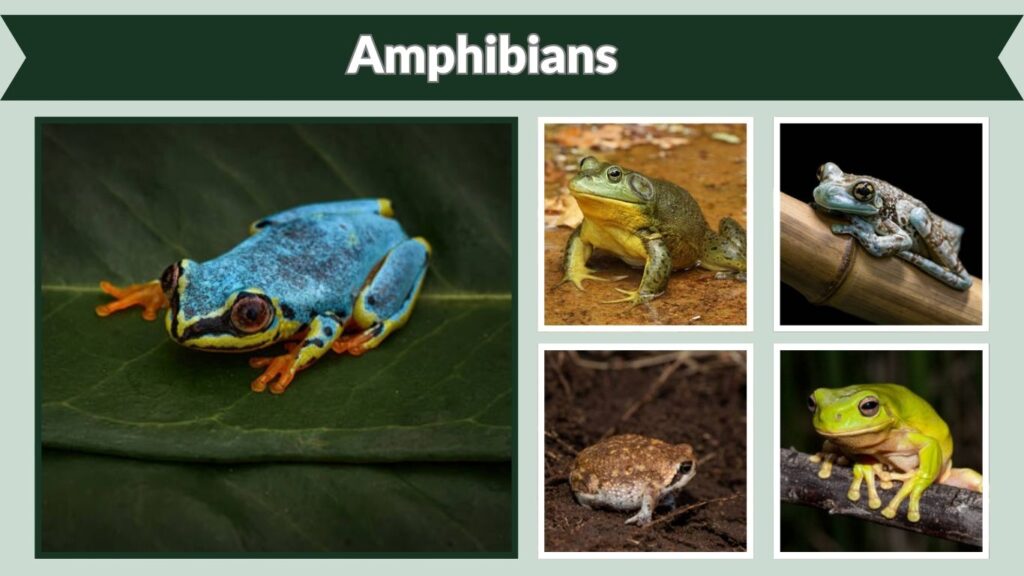
These amphibians start with “A” and are mainly frogs and toads that live in moist environments such as forests, wetlands, and riverbanks. Amphibians are known for their life cycle, which usually begins in water before they develop into land-dwelling adults. They also have permeable skin, which makes them sensitive to environmental changes.
1. African Tree Toad
The African tree toad is a small amphibian that lives in forests and wooded areas. It spends much of its time on trees rather than on the ground. This toad has adapted to climbing with the help of sticky toe pads. It feeds mainly on insects and other small invertebrates.
2. American Bullfrog
The American bullfrog is one of the largest frog species in North America. It has a powerful body and a deep, loud call that can be heard from far distances. This frog is a strong predator and feeds on insects, small fish, and even other frogs. It is commonly found near ponds and lakes.
3. Amazon Milk Frog
The Amazon milk frog is a tree-dwelling amphibian found in the Amazon rainforest. It has smooth skin with blue-gray coloring and dark bands. When threatened, it secretes a milky substance, which gives it its name. This frog feeds on insects and prefers humid environments.
4. African Rain Frog
The African rain frog is a small, round-bodied amphibian known for its unusual appearance and squeaky sound. It lives in sandy or soft soil areas and often burrows underground. Unlike many frogs, it does not need open water to reproduce, which makes it unique among amphibians.
5. Australian Green Tree Frog
The Australian green tree frog is a well-known amphibian found in Australia and nearby regions. It has a bright green body and sticky toe pads that help it climb surfaces easily. This frog is often seen near human habitats and feeds on insects and small creatures.
12. Insects (Flying)
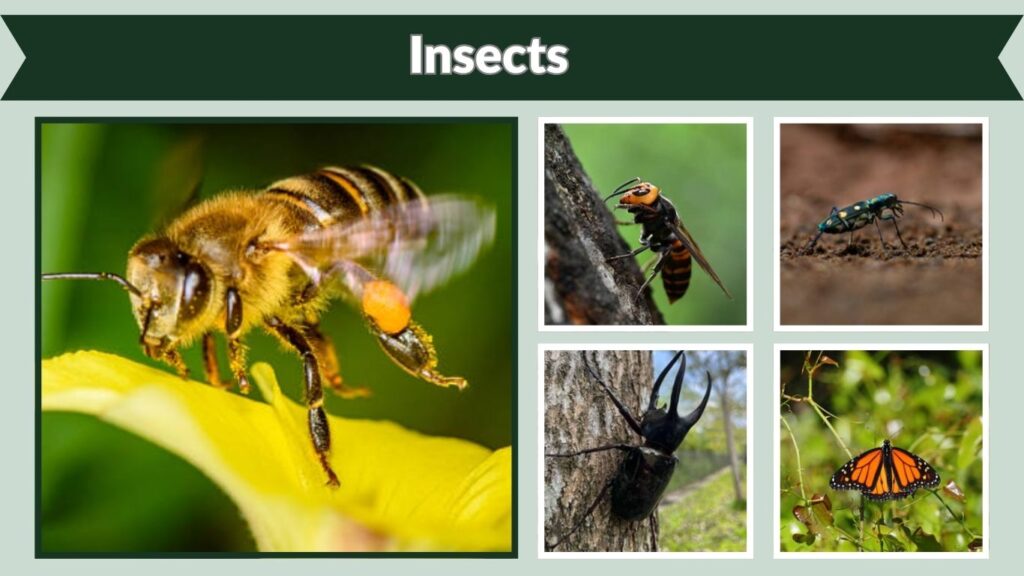
These insects start with “A” and are capable of flying, allowing them to move quickly between plants and habitats. Flying insects play important roles such as pollination, pest control, and maintaining ecological balance in nature.
1. African Honey Bee
The African honey bee is a subspecies of the western honey bee known for its strong defensive behavior. It lives in colonies and produces honey from nectar collected from flowers. These bees are important pollinators and help support plant growth and agriculture.
2. Asian Giant Hornet
The Asian giant hornet is the largest hornet species in the world. It has a large orange head and powerful mandibles. This insect is a predator and feeds on other insects, especially bees. It is known for its painful sting and is found in parts of Asia.
3. Australian Tiger Beetle
The Australian tiger beetle is a fast-moving insect known for its speed and hunting ability. It has a shiny body and strong jaws used to catch prey. This beetle is both a runner and a flyer, making it an effective predator of smaller insects.
4. Atlas Beetle
The atlas beetle is a large insect found in Southeast Asia. Males have long horn-like structures on their heads, which they use in fights with other males. Despite their intimidating appearance, they mainly feed on plant material and tree sap.
5. African Monarch Butterfly
The African monarch butterfly is a colorful insect with bright orange and black wings. It is commonly found in open areas and gardens. Like other butterflies, it plays a role in pollination and feeds on nectar from flowers.
13. Mammals (Domestic & Pets)
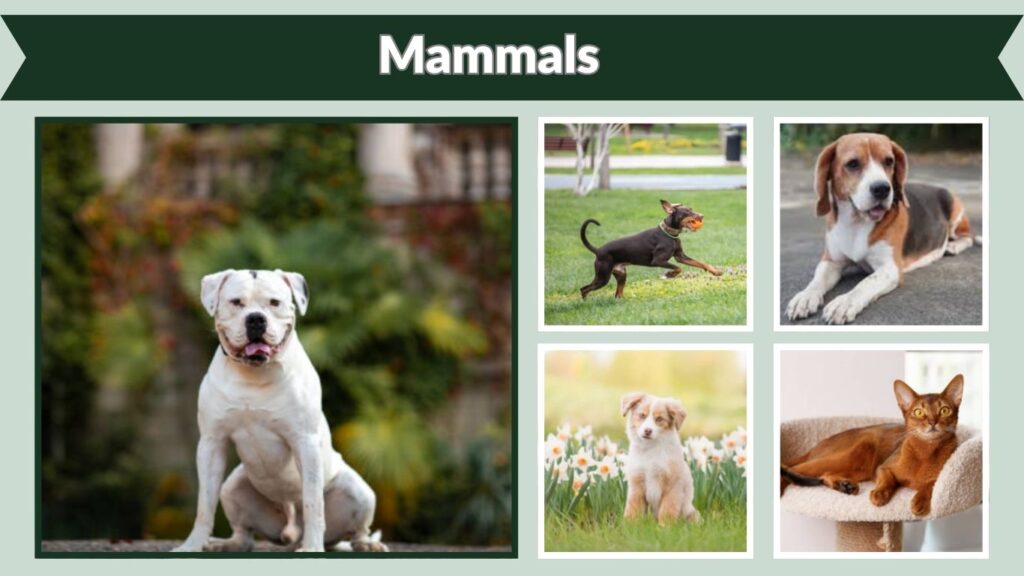
These mammals start with “A” and are commonly kept by humans as pets or domestic animals. They are known for their adaptability to living alongside people and often play roles in companionship, work, or agriculture.
1. American Bulldog
The American bulldog is a strong and muscular dog breed known for its loyalty and protective nature. It is often kept as a family pet and guard dog. This breed is energetic and requires regular exercise and training to stay healthy and well-behaved.
2. American Pit Bull Terrier
The American Pit Bull Terrier is a powerful and intelligent dog breed. Despite its reputation, it can be friendly and affectionate when properly trained and socialized. It is known for its strength, agility, and strong bond with its owners.
3. American Foxhound
The American foxhound is a hunting dog known for its speed and endurance. It has a lean body and a keen sense of smell, making it excellent for tracking. This breed is generally friendly and does well in active households.
4. Australian Shepherd
The Australian shepherd is a highly intelligent and energetic dog breed. It is often used for herding livestock and excels in agility and obedience activities. This dog is very loyal and thrives in environments where it has plenty of physical and mental stimulation.
5. Abyssinian Cat
The Abyssinian cat is a popular domestic cat breed known for its short coat and active personality. It is curious, playful, and enjoys interacting with people. This breed is also known for its distinctive ticked fur pattern and graceful appearance.
14. Birds (Small & Colorful)
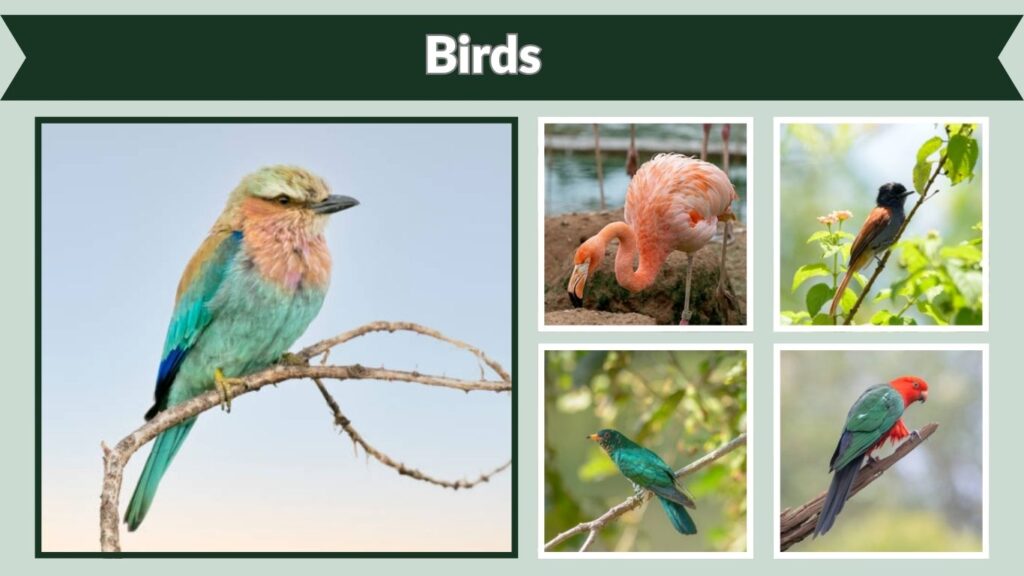
These birds start with “A” and are known for their bright colors and attractive appearances. Many of them live in forests, gardens, and open woodlands. Small and colorful birds often play important roles in pollination and seed dispersal while also adding beauty to their environments.
1. African Silverbill
The African silverbill is a small bird with soft brown and silver-gray feathers. It is commonly found in grasslands and dry areas. This bird feeds mainly on seeds and often moves in small flocks, making it easy to spot in open habitats.
2. African Blue Flycatcher
The African blue flycatcher is a striking bird with bright blue feathers and a slender body. It lives in forests and feeds on insects, which it catches in mid-air. Its quick movements and vivid color make it a fascinating bird to observe.
3. African Paradise Flycatcher
The African paradise flycatcher is known for its long, flowing tail and elegant appearance. Males often have extended tail feathers that make them stand out. This bird feeds on insects and is commonly found in woodland areas.
4. African Emerald Cuckoo
The African emerald cuckoo is a beautiful bird with bright green plumage that shines in sunlight. It is usually found in forests and wooded areas. Like other cuckoos, it is known for laying its eggs in the nests of other birds.
5. Australian King Parrot
The Australian king parrot is a colorful bird with a bright red head and green body. It is found in forests and gardens in Australia. This bird feeds on fruits, seeds, and small insects and is known for its calm and friendly nature.
15. Fish (Saltwater)
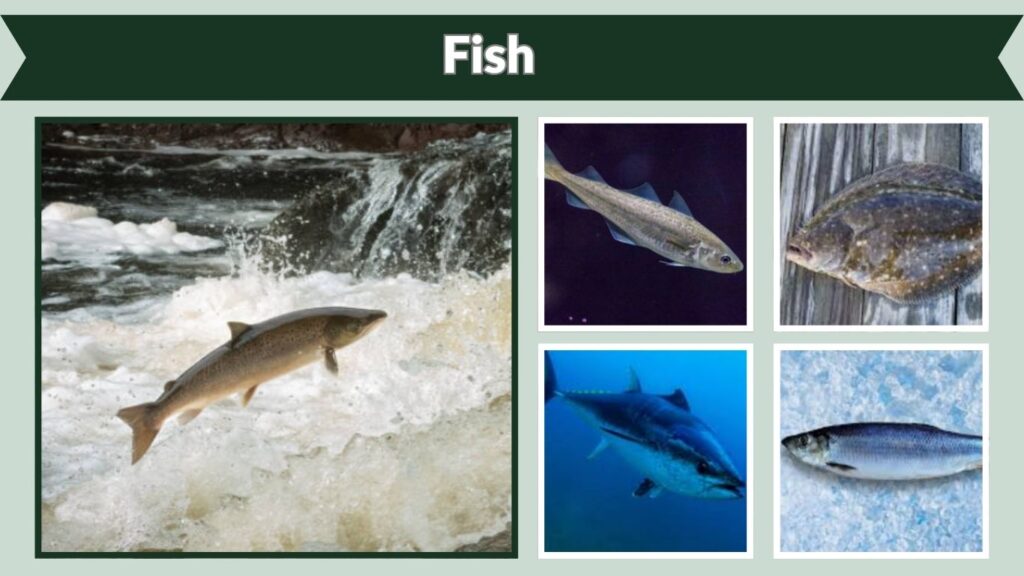
These fish start with “A” and are commonly found in saltwater environments such as oceans and seas. They vary in size, shape, and behavior, and many of them are important for marine ecosystems as well as for human consumption.
1. Atlantic Salmon
The Atlantic salmon is a well-known fish that lives in both freshwater and saltwater during its life cycle. It is born in rivers, migrates to the ocean, and later returns to freshwater to reproduce. This fish is valued for its nutritional benefits and is widely consumed.
2. Atlantic Mackerel
The Atlantic mackerel is a fast-swimming fish found in the North Atlantic Ocean. It has a streamlined body with distinctive dark stripes on its back. This species feeds on small fish and plankton and often travels in large schools.
3. Atlantic Halibut
The Atlantic halibut is one of the largest flatfish in the world. It has a flattened body with both eyes on one side, allowing it to lie on the ocean floor. This fish is a bottom-dweller and feeds on smaller fish and crustaceans.
4. Atlantic Bluefin Tuna
The Atlantic bluefin tuna is a powerful and fast-swimming fish known for its size and strength. It can travel long distances across oceans. This species is highly valued in the seafood industry and is known for its rich meat.
5. Atlantic Herring
The Atlantic herring is a small, oily fish that plays a key role in the marine food chain. It is found in large schools and serves as food for many larger fish, birds, and marine mammals. It is also widely used in various food products.
16. Reptiles (Turtles & Crocodiles)
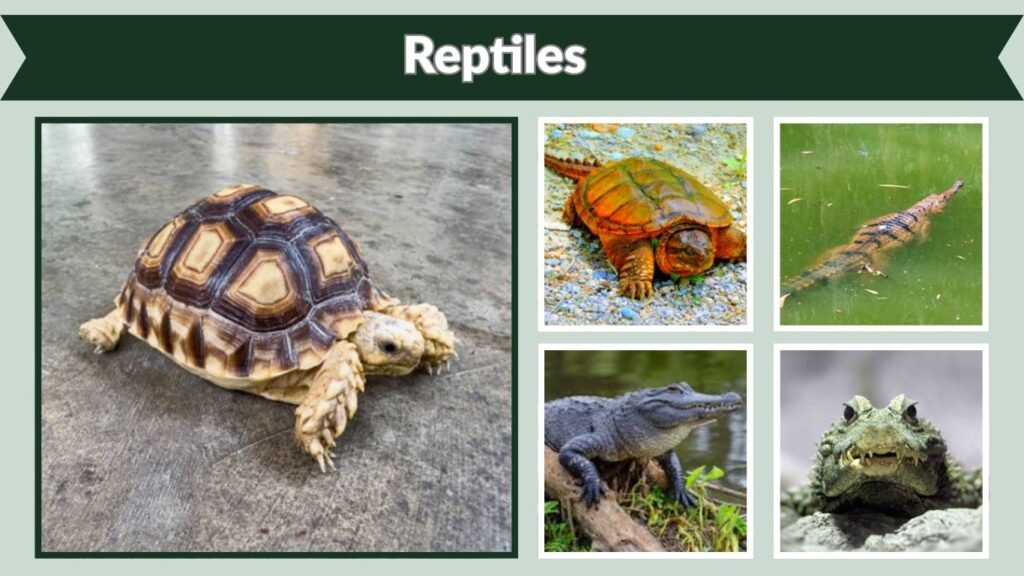
These reptiles start with “A” and include turtles and crocodilians that are commonly found in freshwater and coastal habitats. They are known for their tough skin, strong jaws, and long lifespans. Many of these species play important roles as predators in aquatic ecosystems.
1. African Spurred Tortoise
The African spurred tortoise is one of the largest tortoise species in the world. It has a thick, domed shell and strong legs adapted for digging. This tortoise lives in dry, desert regions and feeds mainly on grasses and plants.
2. Alligator Snapping Turtle
The alligator snapping turtle is a large freshwater turtle known for its powerful jaws and rough, ridged shell. It uses a worm-like structure on its tongue to lure fish into its mouth. This turtle is mostly found in rivers and lakes in North America.
3. Australian Freshwater Crocodile
The Australian freshwater crocodile is smaller and less aggressive than its saltwater relative. It has a long, narrow snout and lives in rivers and wetlands in northern Australia. This crocodile feeds on fish, insects, and small animals.
4. American Alligator
The American alligator is a large reptile found in the southeastern United States. It has a broad snout and a muscular body. This predator lives in swamps, rivers, and lakes and feeds on fish, birds, and mammals.
5. African Dwarf Crocodile
The African dwarf crocodile is the smallest crocodile species in the world. It has a shorter snout and a heavily armored body. This reptile lives in forests and slow-moving waters in Africa and feeds on fish, insects, and small animals.
17. Amphibians (Rare Species)
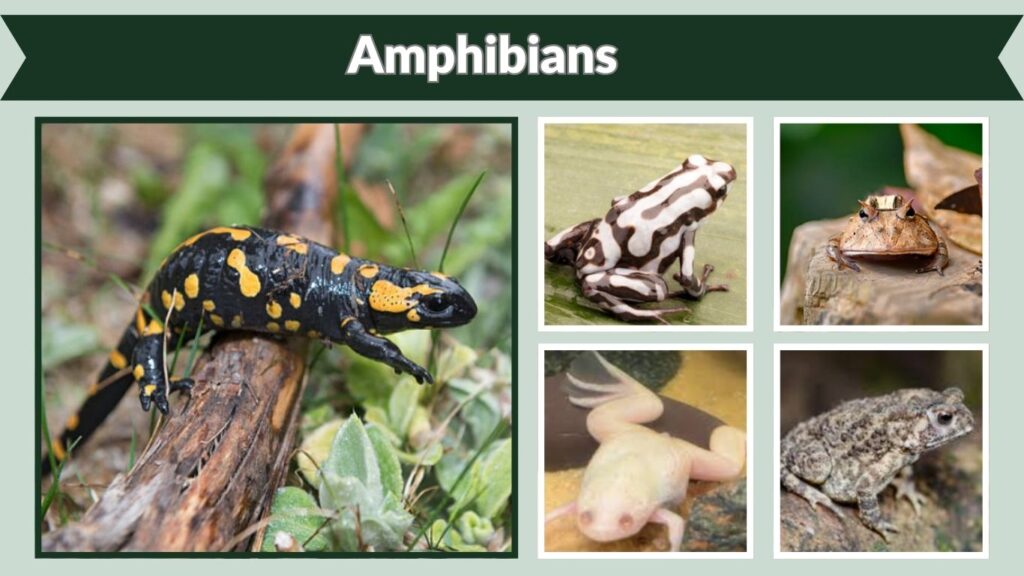
These amphibians start with “A” and are considered rare or less commonly known species. They are often found in specific habitats and may have unique adaptations that help them survive in challenging environments.
1. Alpine Salamander
The alpine salamander is a unique amphibian found in mountainous regions of Europe. Unlike many amphibians, it gives birth to live young instead of laying eggs in water. It prefers cool, moist environments and feeds on small insects and invertebrates.
2. Axanthic Dart Frog
The axanthic dart frog is a rare variation of dart frogs that lacks yellow pigmentation, giving it a distinct appearance. Like other dart frogs, it is small and often brightly colored. It lives in tropical forests and feeds on tiny insects such as ants.
3. Amazon Horned Frog
The Amazon horned frog is a large, aggressive amphibian found in the Amazon rainforest. It has a wide mouth and horn-like projections above its eyes. This frog is a powerful predator that can eat insects, small reptiles, and even other frogs.
4. African Clawed Salamander
The African clawed salamander is a lesser-known amphibian found in moist environments. It has a slender body and smooth skin. Like other amphibians, it depends on water for part of its life cycle and feeds on small aquatic organisms.
5. Asian Common Toad
The Asian common toad is a widely distributed amphibian found in various parts of Asia. It has rough, dry skin and is highly adaptable to different environments, including urban areas. It feeds mainly on insects and helps control pest populations.
18. Insects (Crawling)
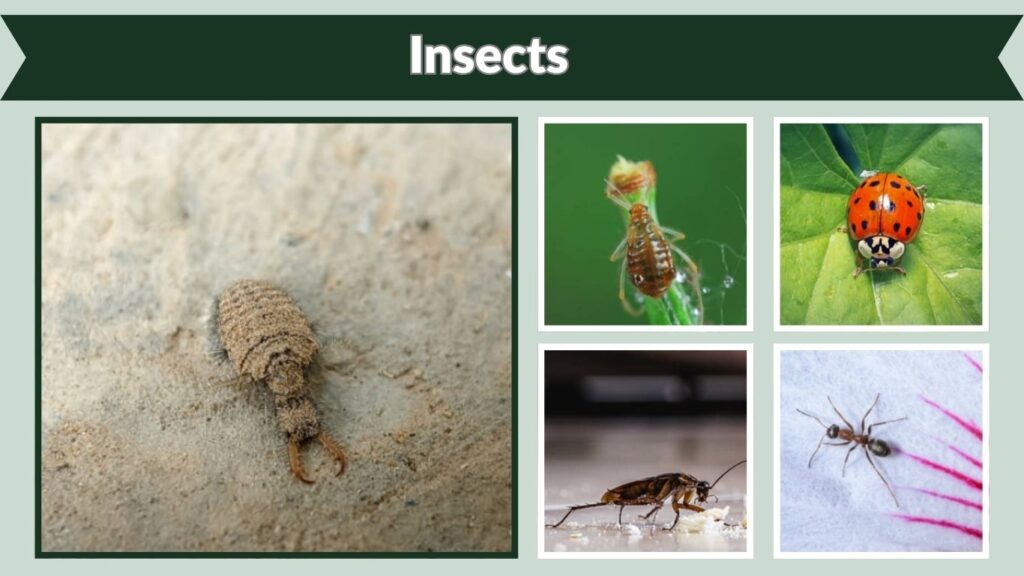
These insects start with “A” and are mostly crawling species that live on the ground, plants, or soil surfaces. They play important roles in ecosystems, such as decomposition, pest control, and serving as food for other animals.
1. Antlion
The antlion is a fascinating insect known for its larval stage, where it creates cone-shaped pits in the sand to trap ants and other small insects. The adult looks similar to a dragonfly but is less active. It is commonly found in dry, sandy areas.
2. Aphid Lion
The aphid lion is the larval stage of the green lacewing. It is a beneficial insect because it feeds on aphids and other plant pests. It has a small, elongated body and strong jaws used to capture prey on plant surfaces.
3. Asian Lady Beetle
The Asian lady beetle is a small, round insect often recognized by its orange or red color with black spots. It is helpful in controlling pests like aphids. However, it can sometimes become a nuisance when it enters homes in large numbers.
4. American Cockroach
The American cockroach is one of the largest common cockroach species. It has a reddish-brown body and is often found in warm, damp environments. Although considered a pest, it plays a role in breaking down organic matter in nature.
5. Argentine Ant
The Argentine ant is a small, light-brown insect known for forming large colonies. It is highly invasive and can spread quickly in new environments. These ants often outcompete native species and are commonly found in urban areas.
19. Mammals (Aquatic & Semi-Aquatic)
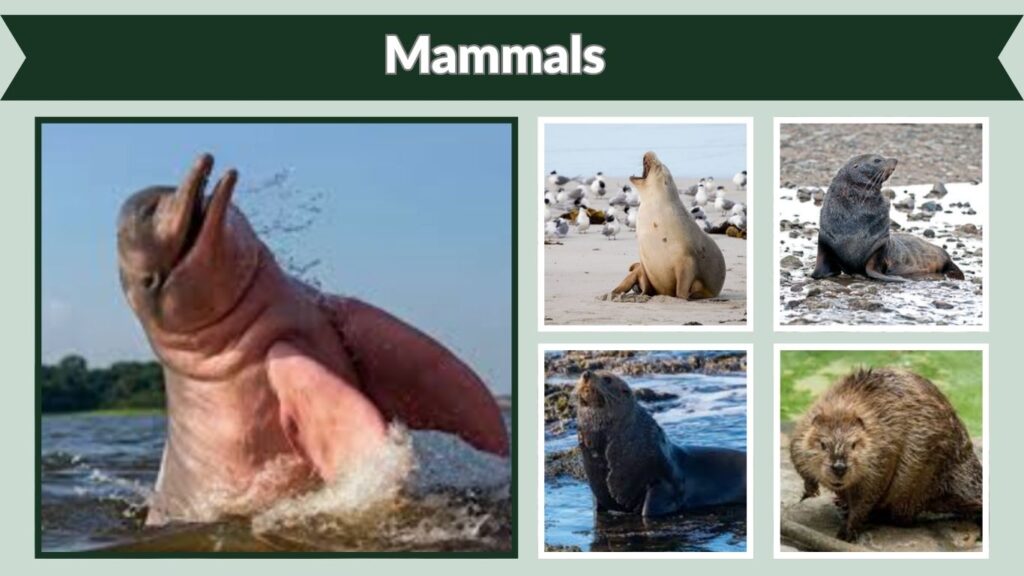
These mammals start with “A” and are adapted to living in water or spending a significant amount of time near it. They are found in rivers, oceans, and coastal regions, and many of them are strong swimmers with specialized features for aquatic life.
1. Amazon River Dolphin
The Amazon river dolphin is a freshwater mammal found in the rivers of South America. It has a long snout and a flexible neck, which helps it navigate through flooded forests. This dolphin is known for its pinkish color and feeds mainly on fish and small aquatic animals.
2. Australian Sea Lion
The Australian sea lion is a marine mammal found along the southern and western coasts of Australia. It has a streamlined body and strong flippers that make it an excellent swimmer. This sea lion feeds on fish, squid, and other marine creatures.
3. Antarctic Fur Seal
The Antarctic fur seal is known for its thick fur, which helps it survive in cold ocean waters. It lives around sub-Antarctic islands and spends much of its time at sea. This mammal feeds mainly on krill, fish, and squid.
4. Australian Fur Seal
The Australian fur seal is one of the largest fur seal species. It has a robust body and dense fur that provides insulation. Found around southern Australia, it hunts in the ocean and feeds on fish and cephalopods.
5. American Beaver
The American beaver is a semi-aquatic mammal known for building dams and lodges in rivers and streams. It has strong teeth for cutting wood and a flat tail used for swimming. Beavers play an important role in shaping their environment by creating wetlands.
20. Birds (Water Birds)
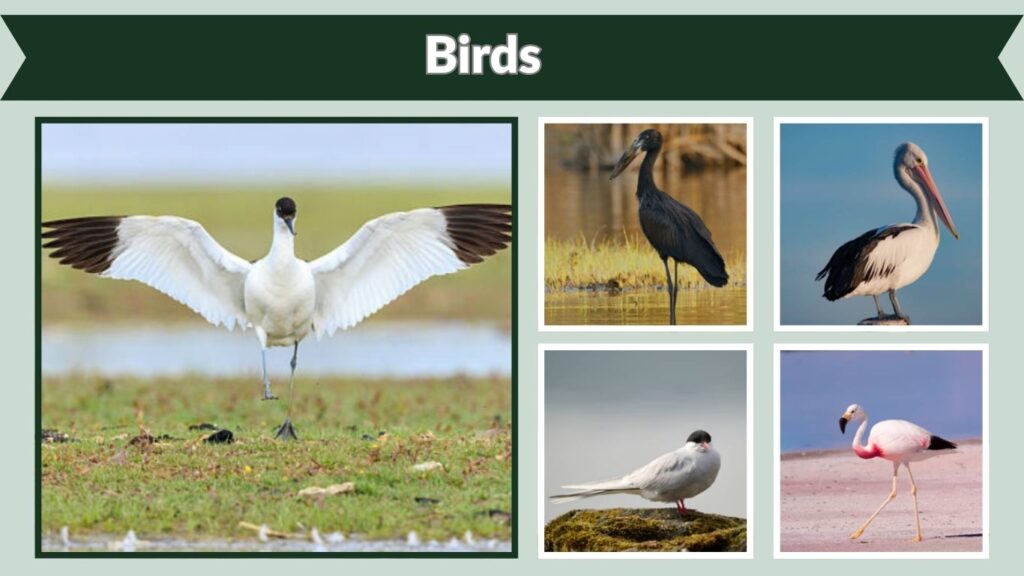
These birds start with “A” and are commonly found near water bodies such as lakes, rivers, wetlands, and coastal areas. Water birds are well adapted for swimming, wading, or diving, and they play important roles in aquatic ecosystems.
1. American Avocet
The American avocet is a graceful wading bird with long legs and a thin, upward-curving bill. It is often found in shallow waters, where it sweeps its bill side to side to catch small aquatic insects and crustaceans.
2. African Openbill Stork
The African openbill stork is a large bird known for the gap between its upper and lower beak. This special feature helps it feed on snails, which are a major part of its diet. It is commonly found in wetlands and marshy areas.
3. Australian Pelican
The Australian pelican is a large water bird with a long bill and a spacious throat pouch. It uses this pouch to catch fish from the water. This bird is an excellent swimmer and is often seen in lakes, rivers, and coastal regions.
4. Arctic Tern
The Arctic tern is famous for having the longest migration of any bird, traveling from the Arctic to the Antarctic and back each year. It is a slender bird with long wings and a forked tail. It feeds mainly on small fish.
5. Andean Flamingo
The Andean flamingo is a striking bird known for its pink and white feathers and long legs. It lives in high-altitude lakes in South America. This bird feeds on algae and small organisms found in the water.
FAQs
What types of animals are included in this list?
This list includes a wide range of animal types such as mammals, birds, fish, reptiles, amphibians, and insects. Each group is carefully organized to help readers understand the differences between animal categories while exploring species that start with the letter “A.”
Are all the animals in this list real?
Yes, all the animals mentioned in this guide are real. Some are well-known species, while others may be less familiar or region-specific. The list uses common names for easy understanding and recognition.
Why are the animals grouped by type?
Grouping animals by type makes the list more organized and easier to follow. It helps readers quickly identify similarities between animals and improves learning by separating mammals, birds, fish, reptiles, amphibians, and insects into clear sections.
Can this list be used for educational purposes?
Yes, this list is ideal for educational use. It can help students with vocabulary building, general knowledge, and basic zoology. Teachers and content creators can also use it as a simple reference for lessons or activities.
Are these animals found all over the world?
These animals come from different parts of the world, including Africa, Asia, the Americas, and Australia. Each species has its own natural habitat, ranging from oceans and rivers to forests, deserts, and grasslands.