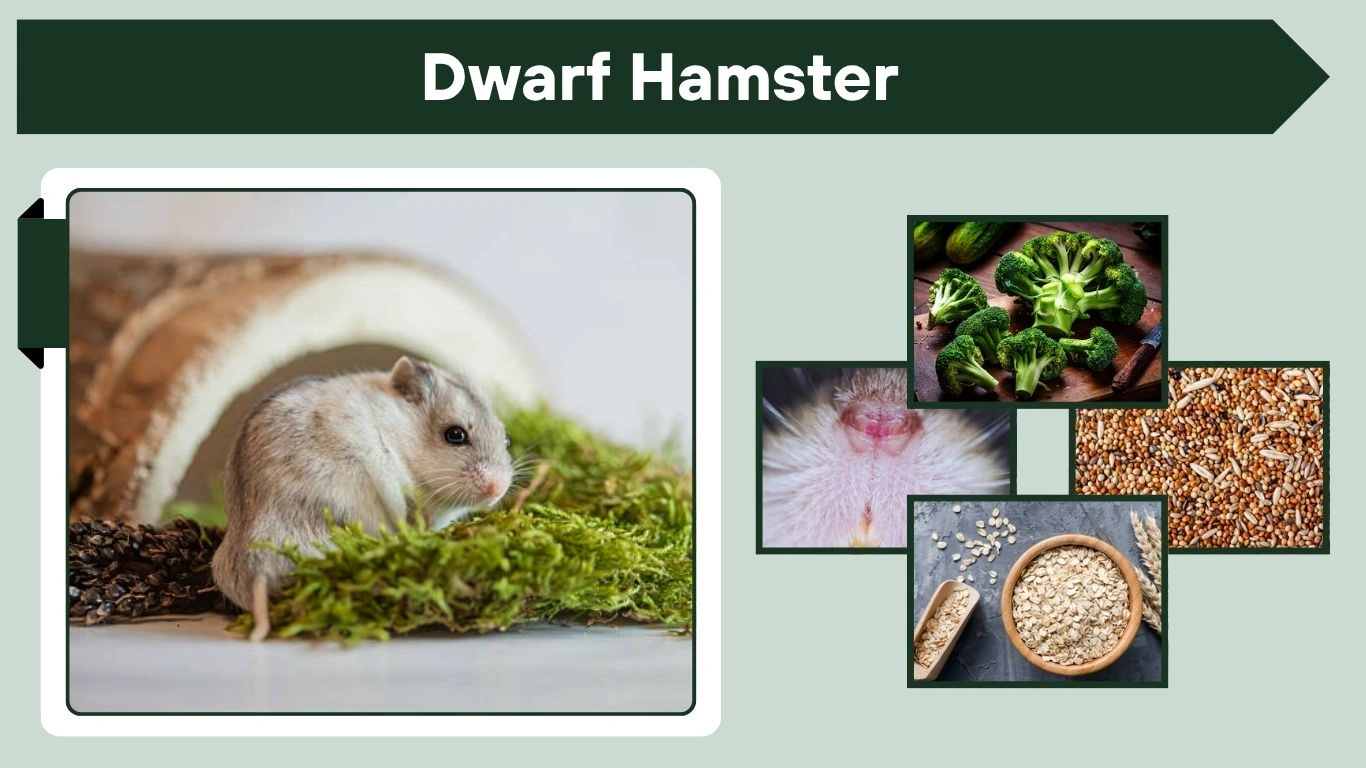
Dwarf hamsters are among the most popular small pets because of their compact size, playful personality, and simple care needs. These tiny rodents are active, entertaining, and available in several breeds, including Roborovski, Winter White, Campbell’s, and Chinese dwarf hamsters. Although they are small, they still require the right cage size, balanced nutrition, daily enrichment, and proper handling to stay healthy. Understanding their behavior, lifespan, habitat needs, and diet can help owners provide a safe and comfortable environment for a happy dwarf hamster.
What Is a Dwarf Hamster?
Dwarf hamsters are smaller hamster species commonly kept as household pets. Unlike Syrian hamsters, dwarf hamsters are faster, more social in some cases, and require carefully designed habitats to prevent escape. Their small size and energetic nature make them entertaining pets for both children and adults.
Most dwarf hamster species originate from desert and grassland regions in Asia and Eastern Europe. They are naturally active during the evening and nighttime hours and enjoy burrowing, climbing, and running long distances.
Dwarf Hamster Characteristics
Dwarf hamsters have several unique traits that make them different from larger hamster breeds. Their personalities and physical features can vary slightly depending on the species.
Some common characteristics include:
- Small body size with short legs
- Fast movement and high energy levels
- Soft fur in multiple color variations
- Large cheek pouches for storing food
- Nocturnal or crepuscular activity patterns
These hamsters can be shy at first, but regular gentle handling helps them become more comfortable around humans.
How Big Do Dwarf Hamsters Get?
Most dwarf hamsters grow between 2 and 4 inches long, depending on the breed. Roborovski dwarf hamsters are usually the smallest, while Chinese dwarf hamsters tend to have slightly longer bodies.
Their lightweight bodies make them quick and agile. Because they are so small, they can squeeze through wide cage bars, which is why choosing the correct enclosure is extremely important.
Types of Dwarf Hamsters
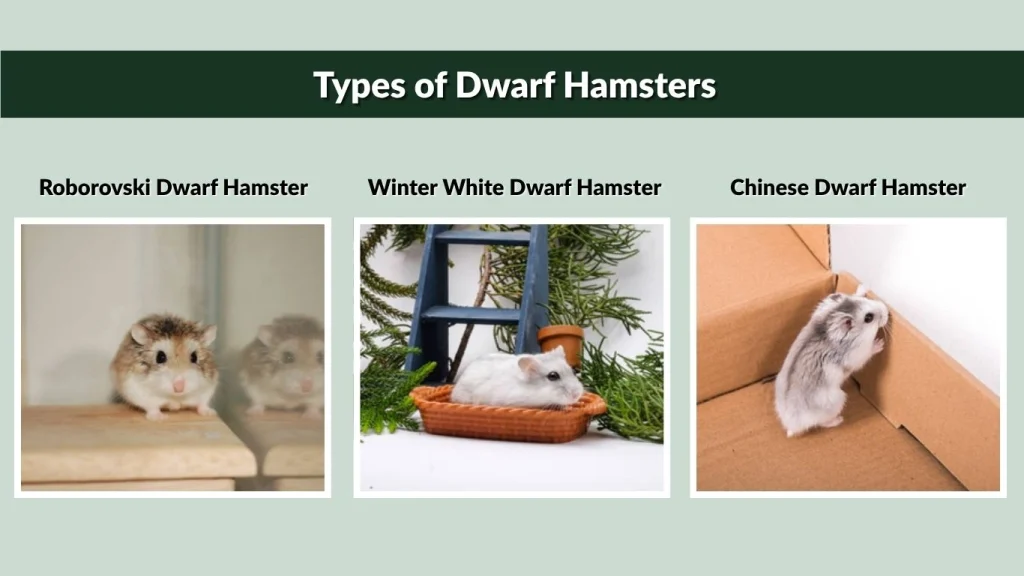
There are several popular dwarf hamster breeds, and each one has different care needs and personality traits. Learning about the differences can help you choose the best hamster for your lifestyle.
Roborovski Dwarf Hamster
Roborovski dwarf hamsters, often called robo dwarf hamsters, are known for their speed and energetic behavior. They are very active and usually enjoy running on wheels for long periods.
These hamsters are less likely to enjoy cuddling compared to other breeds, but they are entertaining to watch. Roborovski dwarf hamsters can live around 3 to 3.5 years with proper care and a healthy diet.
Winter White Dwarf Hamster
Winter White dwarf hamsters are popular because of their friendly temperament and seasonal coat changes. During colder months, some may develop lighter fur that appears almost white.
This breed is often recommended for beginners because they can become tame more easily than some other dwarf hamsters. They typically live between 1.5 and 3 years.
Chinese Dwarf Hamster
Chinese dwarf hamsters have longer bodies and tails than other dwarf hamster species. They are usually calm and gentle when handled properly.
Many owners appreciate their curious nature and climbing ability. Chinese dwarf hamsters require secure cages because they are excellent escape artists.
Dwarf Hamster vs Syrian Hamster
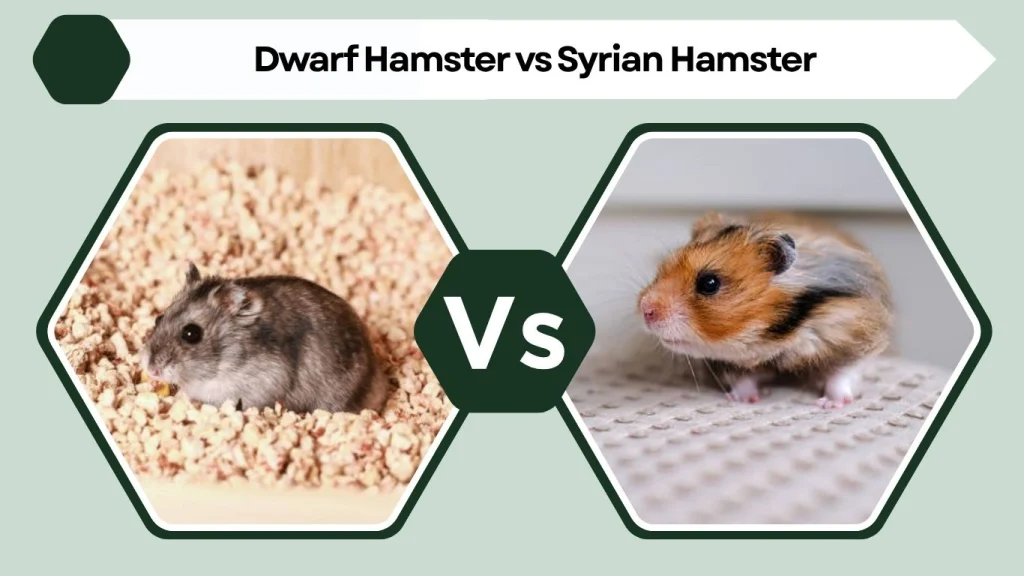
Although both are popular pets, dwarf hamsters and Syrian hamsters differ in several important ways. Syrian hamsters are larger, slower, and usually easier to hold. Dwarf hamsters are smaller, quicker, and more active throughout the day and night.
Dwarf hamsters may sometimes live in pairs if introduced correctly, while Syrian hamsters must live alone because they are highly territorial. Cage size requirements also differ because dwarf hamsters need smaller bar spacing to prevent escape.
Main Differences Between Dwarf and Syrian Hamsters
Here are some key differences between these hamster types:
- Syrian hamsters are much larger
- Dwarf hamsters move faster and are more active
- Syrian hamsters prefer living alone
- Dwarf hamsters require tighter cage security
- Handling dwarf hamsters may require more patience
Choosing between them depends on your experience level and the type of interaction you want from a pet hamster.
Dwarf Hamster Lifespan
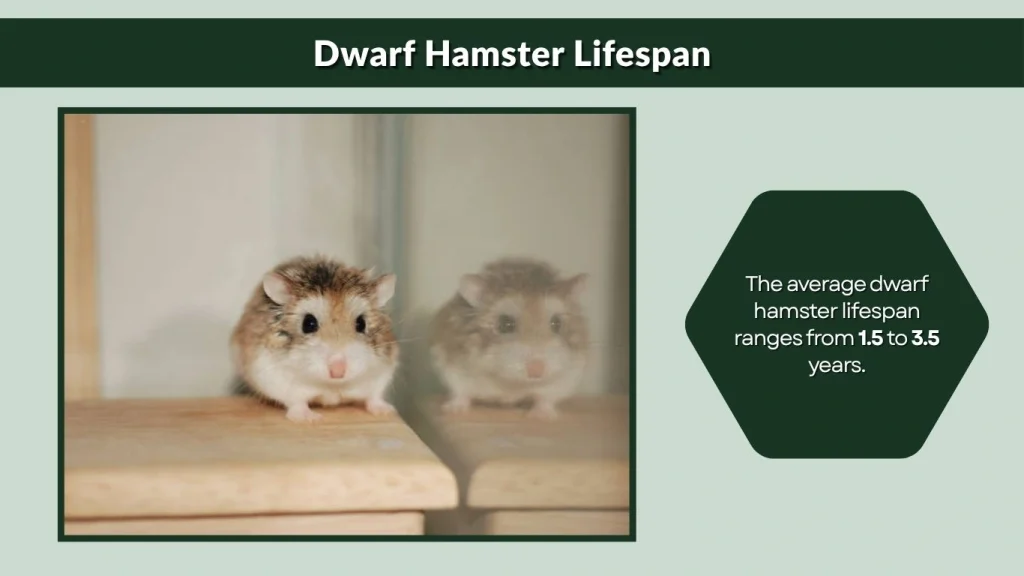
The average dwarf hamster lifespan ranges from 1.5 to 3.5 years depending on the breed, genetics, diet, and living conditions. Roborovski dwarf hamsters generally live the longest, while some smaller species may have shorter lifespans.
Proper nutrition, exercise, and a clean environment can greatly improve a hamster’s quality of life. Stress, poor cage hygiene, and unhealthy diets can shorten their lifespan significantly.
Factors That Affect Lifespan
Several factors influence how long a dwarf hamster lives:
- Balanced and healthy nutrition
- Proper cage size and cleanliness
- Daily exercise opportunities
- Low stress levels
- Regular monitoring for illness
Hamsters that receive proper care are usually more active, healthier, and less likely to develop common health problems early in life.
Dwarf Hamster Cage Setup
Creating the right habitat is one of the most important parts of dwarf hamster care. Even though these pets are tiny, they need enough room to run, burrow, explore, and exercise every day. A cramped cage can lead to stress, boredom, and unhealthy behavior.
A proper setup should include safe bedding, an exercise wheel, hideouts, fresh water, and enrichment items. The enclosure should also provide good airflow while preventing escapes.
Minimum Cage Size Requirements
Many cages sold in pet stores are too small for dwarf hamsters. Experts generally recommend providing as much floor space as possible because active hamster species need room to move comfortably.
Glass tanks, large bin cages, and spacious wire cages are all suitable options if they meet the minimum space requirements. Small cages can increase stress and limit natural behavior such as digging and running.
Essential Cage Accessories
Every dwarf hamster enclosure should contain a few important items to support both physical and mental health.
Important cage accessories include:
- A solid exercise wheel for running
- Deep bedding for burrowing
- Hideouts and tunnels for security
- Water bottle and food bowl
- Safe chew toys for dental health
Hamsters are naturally curious animals, so rotating toys and enrichment items can help prevent boredom.
Dwarf Hamster Diet and Nutrition
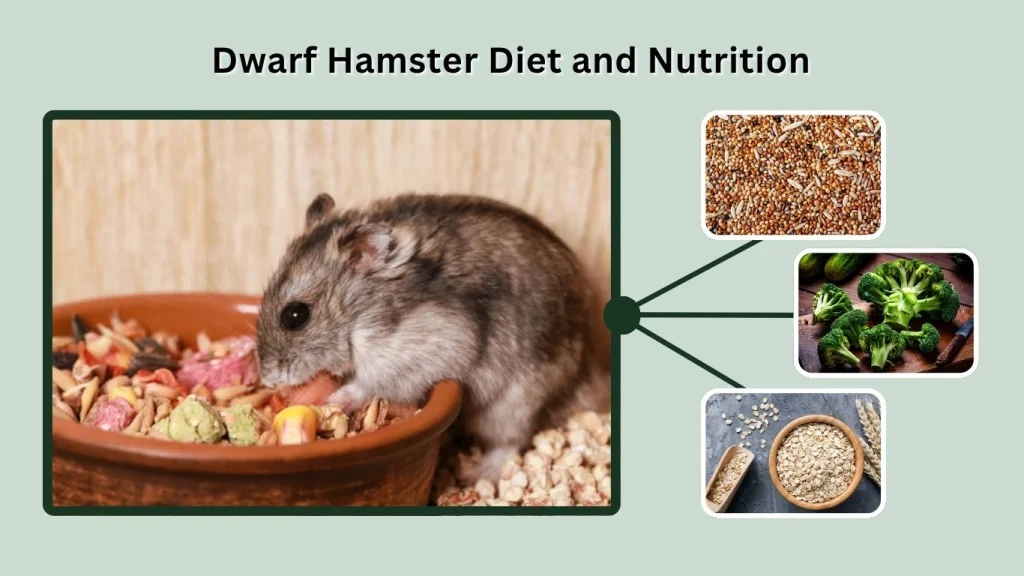
A healthy diet helps dwarf hamsters maintain energy, proper weight, and overall health. These small rodents are omnivores, meaning they eat both plant-based foods and small protein sources.
Commercial hamster food mixes are often used as the primary diet, but fresh vegetables and occasional protein treats can provide additional nutrients. Clean water should always be available.
What Do Dwarf Hamsters Eat?
Dwarf hamsters eat a variety of foods in captivity. A balanced diet should contain protein, fiber, healthy fats, vitamins, and minerals.
Common foods for dwarf hamsters include:
- High-quality hamster pellets or seed mixes
- Fresh vegetables such as cucumber and broccoli
- Small amounts of fruit as treats
- Cooked egg or mealworms for protein
- Oats, grains, and seeds
Fresh foods should be offered in moderation to avoid digestive problems or obesity.
Foods to Avoid
Some foods are dangerous for dwarf hamsters and should never be included in their diet. Sugary and processed foods are especially harmful because dwarf hamsters can develop diabetes more easily than other hamster species.
Chocolate, onions, garlic, citrus fruits, caffeine, and salty snacks should always be avoided. Sticky foods can also become trapped in cheek pouches and cause infections.
Dwarf Hamster Care Tips
Dwarf hamsters require consistent daily care to remain healthy and active. Although they are considered low-maintenance pets, owners still need to monitor their environment, diet, and behavior carefully.
Regular interaction helps build trust and reduces fear. Hamsters that are handled gently from a young age are usually calmer and more comfortable around people.
Daily Care Routine
A simple care routine can keep a dwarf hamster healthy and stress-free. Food and water should be checked daily, and dirty bedding should be removed regularly.
Owners should also observe their hamster’s activity levels, appetite, and appearance. Sudden behavioral changes can sometimes indicate illness or stress.
Handling and Socialization
Dwarf hamsters can be nervous when first brought home. Giving them time to adjust before handling is important. Slow movements and quiet interaction help them feel secure.
Many dwarf hamsters eventually learn to recognize their owners and may willingly climb onto a hand during playtime. However, rough handling or sudden grabbing can lead to fear and biting.
Common Dwarf Hamster Health Problems
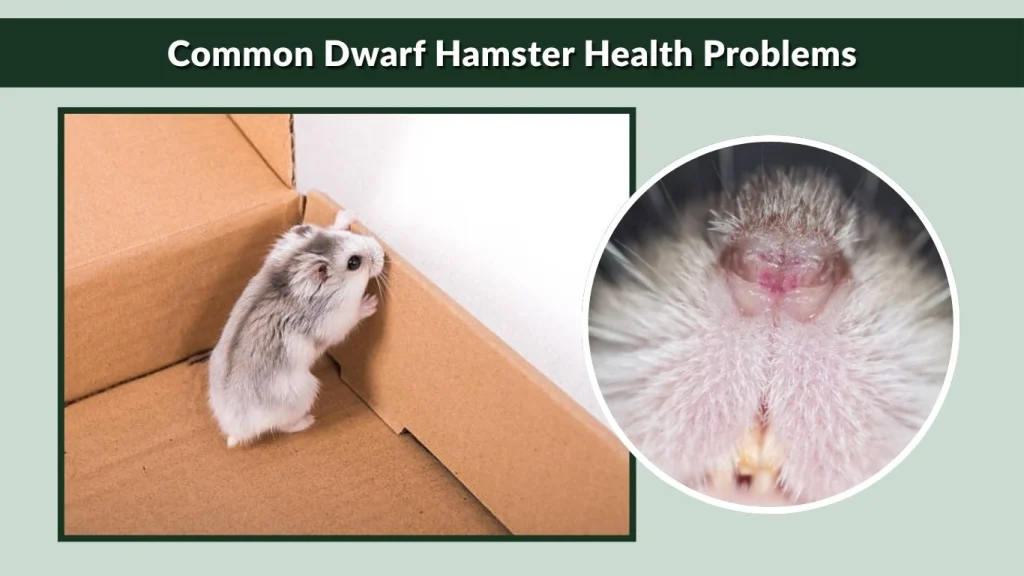
Like all pets, dwarf hamsters can develop health problems during their lifetime. Early detection is important because small animals can become seriously ill very quickly.
Maintaining proper hygiene, nutrition, and cage conditions can reduce the risk of many common illnesses.
Hair Loss and Skin Problems
Hair loss in dwarf hamsters may result from mites, allergies, stress, or poor nutrition. Some hamsters also lose fur due to excessive scratching or rubbing against cage accessories.
If bald patches, redness, or flaky skin appear, veterinary attention may be necessary to identify the underlying cause.
Eye Infections
Eye infections are another common problem in dwarf hamsters. Symptoms may include redness, swelling, discharge, or difficulty opening the eye.
Dusty bedding, poor cage hygiene, and injuries can all contribute to eye irritation. Keeping the habitat clean helps reduce infection risk.
Signs a Dwarf Hamster Is Sick or Dying
Hamsters often hide illness until symptoms become severe. Owners should watch carefully for signs that something may be wrong.
Warning signs may include:
- Loss of appetite
- Extreme tiredness
- Difficulty breathing
- Sudden weight loss
- Cold body temperature
A veterinarian should be contacted immediately if these symptoms appear.
FAQs
How long do dwarf hamsters live?
Most dwarf hamsters live between 1.5 and 3.5 years depending on their breed, genetics, diet, and overall care. Roborovski dwarf hamsters often live the longest, while stress, poor nutrition, and inadequate cage conditions can shorten lifespan significantly.
What is the best cage size for a dwarf hamster?
A dwarf hamster should have a cage with plenty of floor space for running and burrowing. Many experts recommend at least 450 square inches of unbroken floor space, though larger enclosures are always better for exercise and enrichment.
Can dwarf hamsters live together?
Some dwarf hamster species can live in pairs or small groups if introduced properly at a young age. However, fighting and territorial behavior may still occur, so owners should monitor them closely and separate them if aggression develops.
What foods should dwarf hamsters avoid?
Dwarf hamsters should avoid chocolate, onions, garlic, citrus fruits, sugary snacks, salty foods, and processed human foods. These foods can cause digestive issues, obesity, or serious health problems such as diabetes in dwarf hamster breeds.
Are dwarf hamsters good pets for beginners?
Yes, dwarf hamsters can be good pets for beginners when provided with proper care and supervision. They require a suitable cage, balanced diet, regular cleaning, and gentle handling. Their small size and active nature make them entertaining but sometimes harder to handle than Syrian hamsters.