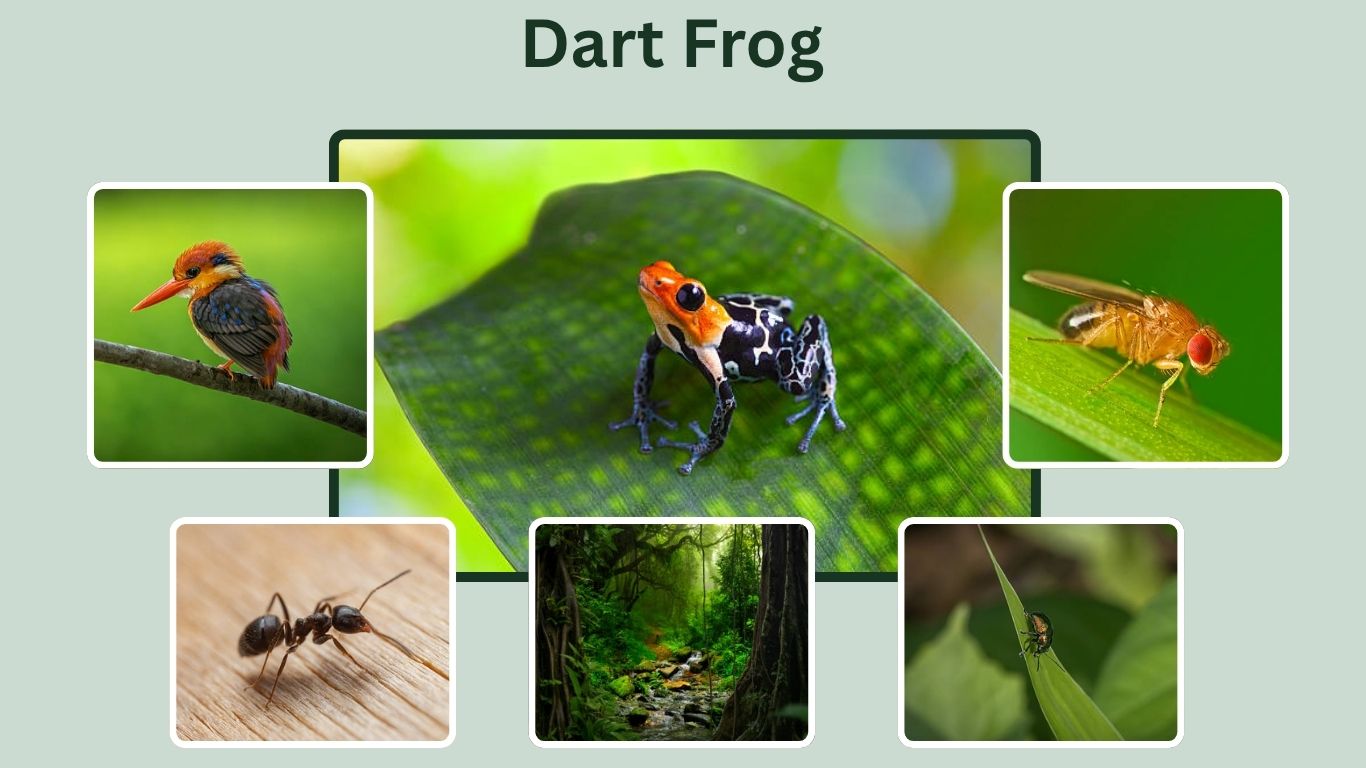
Dart frogs are among the most colorful amphibians in the world. These tiny tropical frogs are famous for their bright colors, toxic skin secretions, and active daytime behavior. Found mainly in the rainforests of Central and South America, dart frogs have become popular subjects for wildlife enthusiasts, researchers, and exotic pet keepers.
Many people recognize dart frogs because of their vivid blue, yellow, red, green, and black color patterns. Their striking appearance is not just for beauty — it serves as a warning to predators that some species are highly toxic.
What Is a Dart Frog?
A dart frog is a small tropical amphibian belonging to the family Dendrobatidae. These frogs are commonly called poison dart frogs because certain species produce toxic chemicals through their skin.
Dart frogs are known for:
- Bright warning colors
- Small body size
- Humid rainforest habitats
- Active daytime behavior
- Insect-based diets
Unlike many frogs that are active mainly at night, dart frogs are usually diurnal, meaning they remain active during the daytime.
Basic Dart Frog Characteristics
Dart frogs have several unique features that help them survive in tropical environments.
Important characteristics include:
- Smooth moist skin
- Bright coloration
- Strong jumping ability
- Small compact body
- Sticky toe pads for climbing
Most dart frogs grow between 0.5 and 2 inches long depending on the species.
Why Are They Called Poison Dart Frogs?
The name “poison dart frog” comes from indigenous hunting traditions in parts of South America. Certain native groups reportedly used toxins from some dart frog species to coat blow darts for hunting.
These toxic skin secretions help protect the frogs from predators in the wild.
However, not all dart frog species are equally toxic, and many captive-bred frogs lose most of their toxicity because of dietary differences.
Dart Frog Habitat

Dart frogs naturally live in tropical rainforest environments with high humidity and warm temperatures. Their skin requires constant moisture, making humid habitats essential for survival.
Most dart frogs stay near the forest floor, streams, or damp vegetation.
Natural Habitat of Dart Frogs
Dart frogs are commonly found in:
- Tropical rainforests
- Humid jungle environments
- Forest floor leaf litter
- Moss-covered areas
- Regions near streams or water pools
These habitats provide shelter, moisture, and abundant insect prey.
Countries Where Dart Frogs Live
Different dart frog species live across Central and South America.
| Region | Common Dart Frog Species |
| Colombia | Golden poison frog |
| Brazil | Blue poison dart frog |
| Peru | Dyeing dart frog |
| Costa Rica | Strawberry poison dart frog |
Rainforest destruction threatens many dart frog populations because they rely heavily on stable tropical ecosystems.
How Dart Frogs Survive in Rainforests
Dart frogs have several adaptations that help them survive in humid jungle environments.
Important survival adaptations include:
- Moisture-retaining skin
- Bright warning colors
- Excellent climbing ability
- Quick movement through leaf litter
- Camouflage in vegetation
Their sticky toe pads allow them to climb plants, branches, and rocks efficiently.
Dart Frog Species

There are many dart frog species, each displaying unique colors, patterns, and behaviors. Some species are brightly colored to warn predators, while others use darker camouflage tones.
Collectors and amphibian enthusiasts often admire dart frogs because of their incredible diversity.
Popular Dart Frog Species
Some of the most well-known dart frog species include:
- Blue poison dart frog
- Golden poison frog
- Strawberry poison dart frog
- Green and black dart frog
- Dyeing dart frog
Each species has different toxicity levels, habitat preferences, and coloration.
Blue Poison Dart Frog
The blue poison dart frog is one of the most recognizable dart frog species because of its vivid blue body covered with black spots.
Important facts about this species include:
- Native to South America
- Bright electric-blue coloration
- Popular in terrarium keeping
- Mild toxicity in the wild
Their striking appearance makes them highly popular among amphibian hobbyists.
Strawberry Poison Dart Frog
The strawberry poison dart frog is known for its bright red body and colorful legs.
This species is recognized for:
- Small body size
- Bright red coloration
- Territorial behavior
- Active daytime movement
Different populations may display blue, green, or black leg coloration depending on their location.
Golden Poison Frog
The golden poison frog is considered one of the most toxic animals on Earth.
Important characteristics include:
- Bright yellow coloration
- Extremely toxic skin secretions
- Native to Colombia
- Small but highly dangerous in the wild
Despite its toxicity, this frog is very small and usually grows only about 2 inches long.
Are Dart Frogs Poisonous?
Many dart frog species contain toxic chemicals in their skin that help protect them from predators. These toxins are mainly used for defense rather than hunting.
However, toxicity levels vary greatly between species.
How Poison Dart Frogs Produce Toxins
Scientists believe poison dart frogs obtain many of their toxins from their natural diet.
Important toxin sources include:
- Ants
- Mites
- Small insects
- Alkaloid compounds
The toxins accumulate in the frog’s skin glands and act as a defense mechanism against predators.
Are All Dart Frogs Poisonous?
Not all dart frogs are highly toxic. Some species contain only mild toxins, while others are extremely dangerous in the wild.
| Dart Frog Type | Toxic in Wild? | Toxic in Captivity? |
| Golden poison frog | Highly toxic | Usually no |
| Blue poison dart frog | Mildly toxic | Usually no |
| Strawberry poison dart frog | Mildly toxic | Usually no |
Captive-bred dart frogs usually lose most of their toxicity because they do not consume the same insects found in the wild.
Are Dart Frogs Dangerous to Humans?
Wild poison dart frogs can be dangerous because of the toxins secreted through their skin. However, most captive-bred dart frogs kept in terrariums are not considered dangerous since they lack the natural diet needed to produce strong toxins.
Even so, handling dart frogs should be minimized to protect both the frog and the handler.
Important safety considerations include:
- Avoid touching wild dart frogs
- Wash hands after handling
- Do not expose frogs to chemicals or lotions
- Minimize stress during handling
Most pet dart frogs are safe to observe when cared for properly.
Dart Frog Diet

Dart frogs are insectivores that feed on very small live prey. In the wild, they constantly search through leaf litter and vegetation for insects and tiny invertebrates.
Their diet plays a major role in their health and, in some species, toxin production.
What Do Dart Frogs Eat?
Common dart frog foods include:
- Fruit flies
- Ants
- Springtails
- Tiny beetles
- Small insects
Because dart frogs have tiny mouths, they require appropriately sized prey.
Dart Frog Hunting Behavior
Dart frogs are active hunters that rely on speed and quick tongue strikes to capture prey.
Important hunting traits include:
- Daytime feeding activity
- Fast reactions
- Constant movement
- Strong eyesight for spotting insects
Unlike larger frogs that may ambush prey, dart frogs actively search for food throughout the day.
Feeding Dart Frogs in Captivity
Captive dart frogs usually eat cultured feeder insects provided by keepers.
Common captive feeding practices include:
- Feeding live fruit flies
- Providing springtails regularly
- Dusting insects with vitamin supplements
- Offering small meals daily
Balanced nutrition is important because dart frogs are sensitive to poor diet and environmental stress.
Dart Frog Behavior
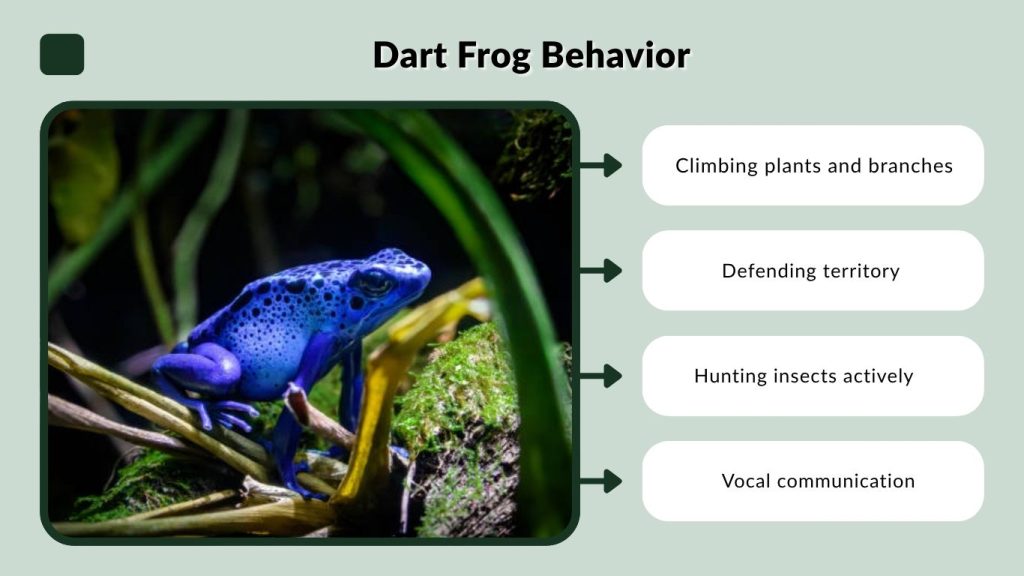
Dart frogs are highly active amphibians with interesting social and territorial behaviors. Many species communicate through calls and body movements while defending territory or attracting mates.
Their daytime activity makes them easier to observe than many other frog species.
Common Dart Frog Behaviors
Typical dart frog behaviors include:
- Climbing plants and branches
- Defending territory
- Hunting insects actively
- Vocal communication
- Exploring leaf litter
Some species are more territorial than others, especially males during breeding season.
Do Dart Frogs Make Sounds?
Yes, dart frogs produce various vocal calls for communication.
These calls are commonly used for:
- Attracting mates
- Defending territory
- Warning rival frogs
Male dart frogs usually make the loudest and most frequent calls.
Dart Frog Parenting Behavior
Many dart frog species display unusually advanced parenting behavior for amphibians.
Important parenting behaviors include:
- Guarding eggs
- Transporting tadpoles
- Carrying tadpoles on their backs
- Placing tadpoles in water pools
Some species even deposit tadpoles into tiny water-filled plants called bromeliads.
Dart Frog Lifespan
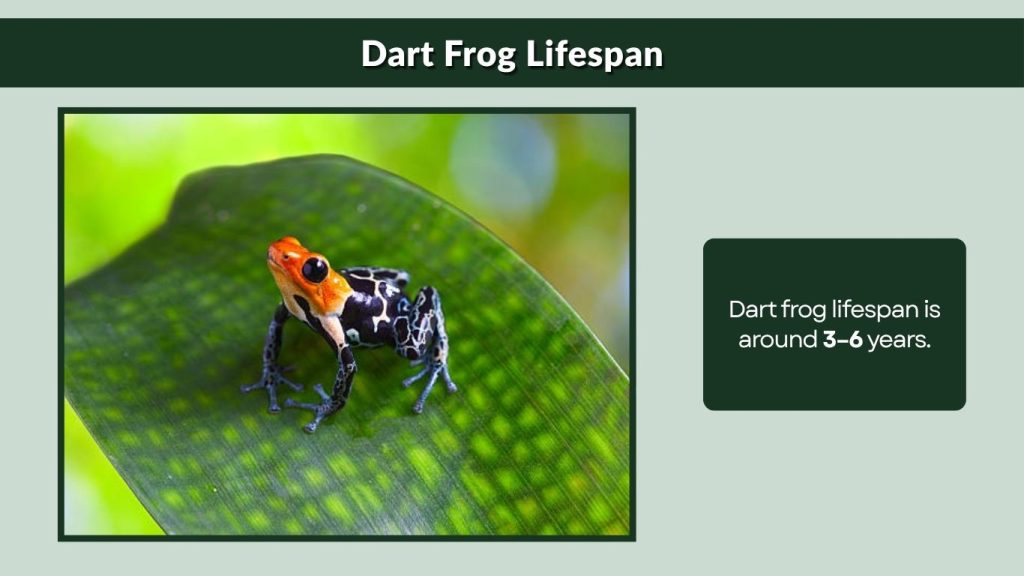
Dart frog lifespan varies depending on species, habitat quality, and care conditions. Captive frogs often live longer than wild frogs because they face fewer predators and environmental dangers.
Healthy captive dart frogs can live surprisingly long lives.
How Long Do Dart Frogs Live?
Average dart frog lifespan includes:
- Wild lifespan: around 3–6 years
- Captive lifespan: often 10+ years
- Some species live over 15 years in ideal care
Proper humidity, temperature, and nutrition greatly affect longevity.
Factors Affecting Lifespan
Several factors influence dart frog health and lifespan.
Important factors include:
- Diet quality
- Humidity levels
- Temperature stability
- Stress reduction
- Clean habitat conditions
Poor environmental conditions can quickly lead to health problems in amphibians.
Dart Frog Predators
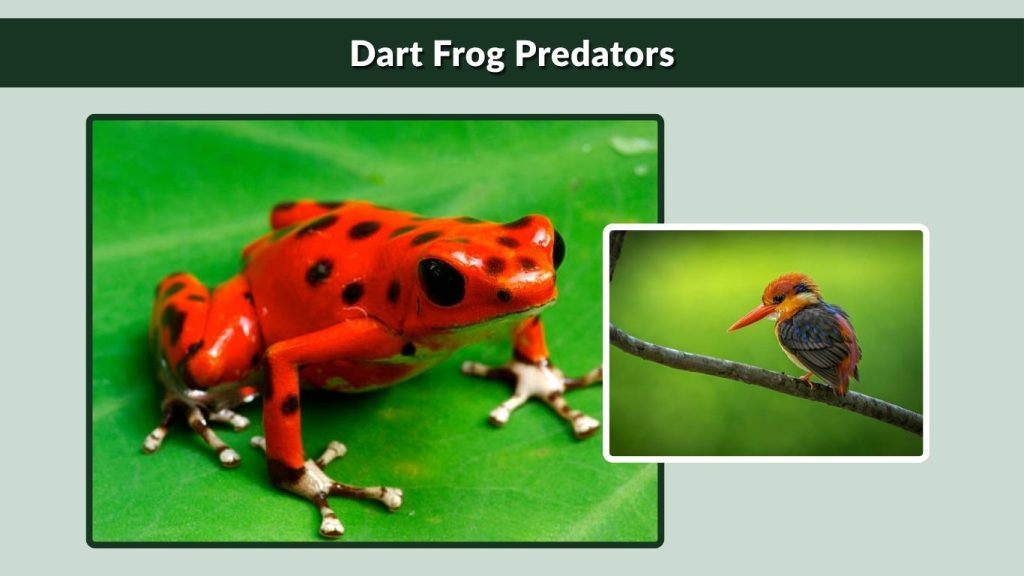
Despite their toxins and warning colors, dart frogs still face predators in the rainforest. Some predators have developed resistance or avoid only the most toxic species.
Small body size also makes dart frogs vulnerable to many rainforest animals.
Animals That Hunt Dart Frogs
Common dart frog predators include:
- Snakes
- Birds
- Large spiders
- Small mammals
Predator pressure varies depending on frog species and habitat.
How Dart Frogs Avoid Predators
Dart frogs use several defense strategies to survive.
Important defenses include:
- Bright warning colors
- Toxic skin secretions
- Quick movement
- Hiding under leaves
- Climbing vegetation
Their bright colors help predators recognize and avoid potentially toxic prey.
Dart Frog Care in Captivity
Dart frogs are popular among amphibian enthusiasts because of their beauty and active behavior. However, they require carefully maintained environments to remain healthy.
Proper humidity and enclosure design are extremely important.
Dart Frog Terrarium Setup
A proper dart frog terrarium usually includes:
- High humidity levels
- Live tropical plants
- Leaf litter substrate
- Ventilation
- Climbing surfaces
Bioactive terrariums are especially popular for dart frog keeping.
Ideal Dart Frog Conditions
| Requirement | Recommended Range |
| Temperature | 70–80°F |
| Humidity | 80–100% |
| Tank Type | Vertical terrarium |
| Diet | Small live insects |
Maintaining stable environmental conditions helps reduce stress and disease risk.
Are Dart Frogs Good Pets?
Dart frogs can make excellent display pets for experienced amphibian keepers.
Advantages of keeping dart frogs include:
- Bright beautiful colors
- Small space requirements
- Active daytime behavior
- Fascinating natural behaviors
However, they require specialized humidity control and regular live food cultures.
Interesting Facts About Dart Frogs
Dart frogs are among the most fascinating amphibians in tropical rainforests because of their colors, toxins, and behaviors.
Amazing Facts
- Some species are highly toxic in the wild
- Bright colors warn predators of danger
- Dart frogs are active during the daytime
- Male frogs often transport tadpoles
- Many captive frogs lose toxicity completely
These unique frogs continue to attract scientists, hobbyists, and wildlife enthusiasts worldwide.
FAQs
Are dart frogs poisonous?
Many dart frog species are poisonous in the wild because they produce toxic skin secretions. However, most captive-bred dart frogs lose much of their toxicity since they do not eat the same insects found in their natural rainforest habitats.
What do dart frogs eat?
Dart frogs mainly eat small live insects such as fruit flies, ants, springtails, and tiny beetles. In captivity, they are commonly fed cultured fruit flies and other appropriately sized feeder insects dusted with vitamin supplements.
Where do dart frogs live?
Dart frogs naturally live in tropical rainforests throughout Central and South America. They prefer humid environments with dense vegetation, leaf litter, and nearby water sources that help keep their skin moist and healthy.
Can dart frogs be pets?
Yes, captive-bred dart frogs are popular exotic pets because of their bright colors and active daytime behavior. However, they require carefully controlled humidity, proper terrarium setups, and live insect diets to remain healthy in captivity.
How long do dart frogs live?
Dart frogs typically live around 3–6 years in the wild, but captive frogs often live 10 years or more with proper care. Stable humidity, quality nutrition, and low-stress environments greatly improve lifespan.