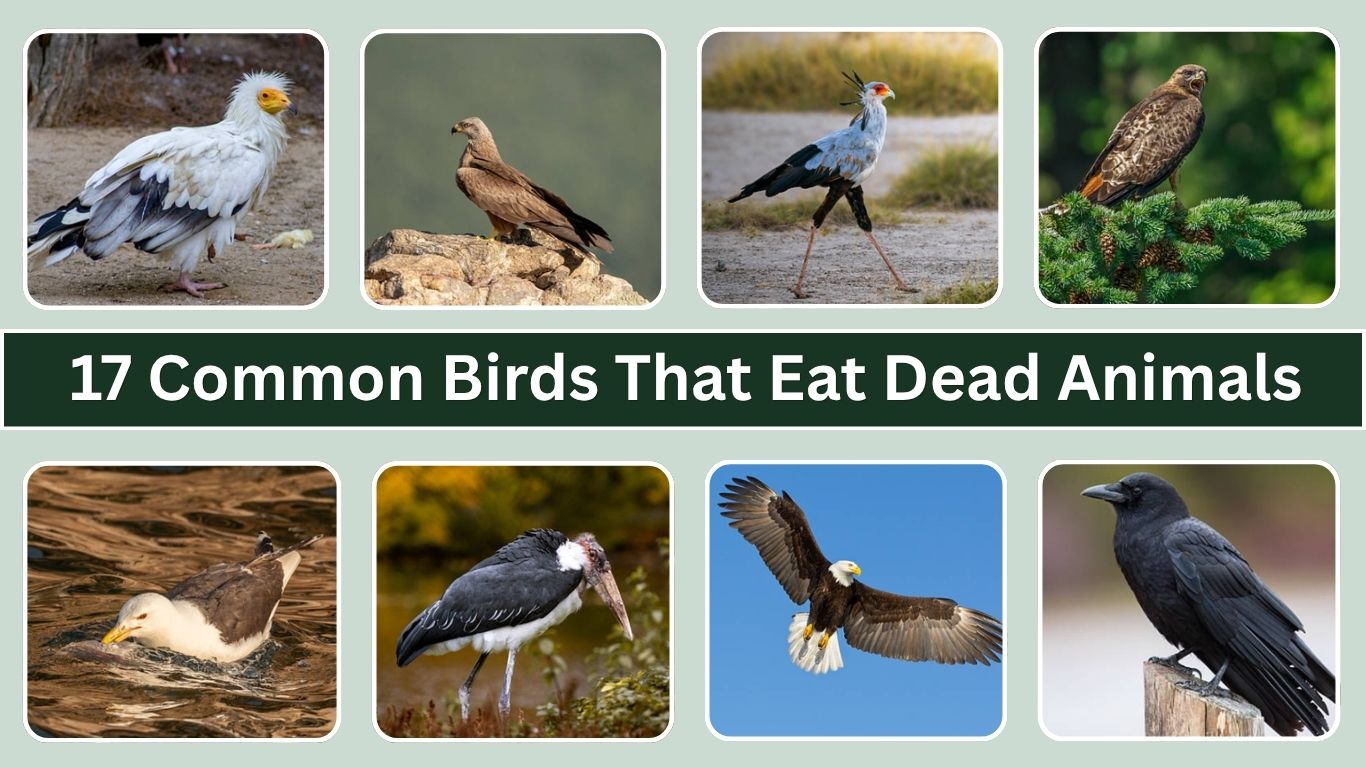
Scavenger birds play an important role in nature by cleaning up dead animals and helping prevent the spread of disease. From powerful vultures and condors to clever crows and gulls, many bird species survive by feeding on carrion. These birds are found in a wide range of habitats, including mountains, grasslands, coastlines, forests, and even cities.
In this guide, you’ll discover 17 common birds that eat dead animals, along with their identification features, habitats, and feeding behavior. Whether you are a birdwatcher, wildlife enthusiast, or simply curious about scavenger birds, this list will help you learn more about these fascinating and important creatures.
1. Turkey Vulture
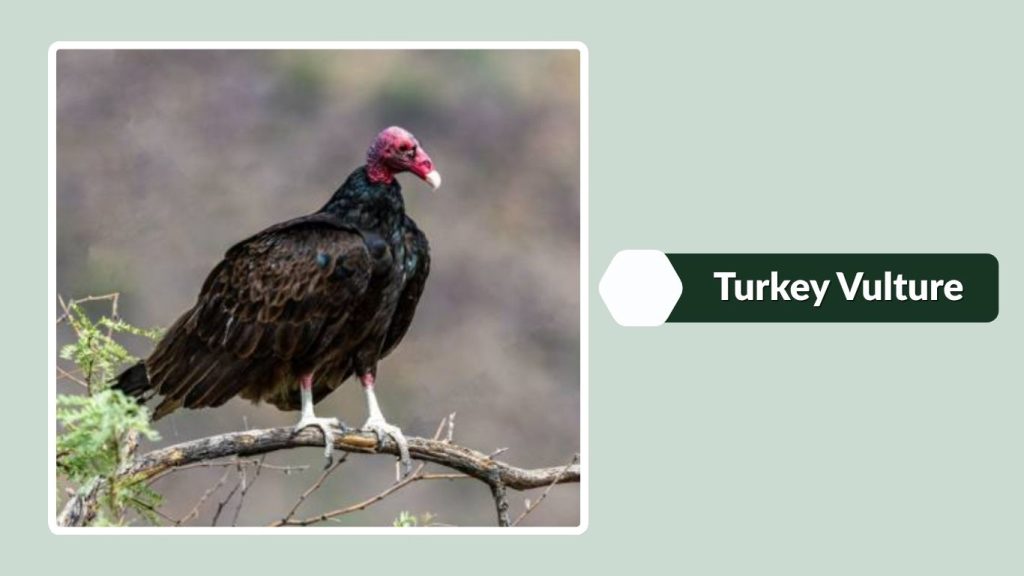
Turkey Vultures are one of the most recognizable scavenger birds in North America. They play an important role in nature by cleaning up dead animals and preventing the spread of disease. Their strong sense of smell helps them locate carcasses from long distances.
These large birds are often seen soaring high in the sky with their wings held in a shallow “V” shape. Although they may appear intimidating, Turkey Vultures are generally harmless to humans and prefer feeding on carrion instead of hunting live prey.
Physical Appearance
The Turkey Vulture has a dark brown to black body with broad wings and a featherless red head. Adult birds can have a wingspan of up to six feet, making them impressive fliers. Their bald head helps keep bacteria and dirt from sticking while feeding on dead animals.
Characteristics
- Large dark-colored scavenger bird
- Featherless red head in adults
- Excellent sense of smell for locating carrion
- Wings held in a “V” shape during flight
- Mostly feeds on dead animals
- Common across North and South America
- Rarely attacks live prey
Habitat and Distribution
Turkey Vultures live in a wide range of habitats, including forests, grasslands, deserts, and farmlands. They are commonly found throughout the United States, Mexico, Central America, and parts of South America. These birds prefer open areas where they can easily spot food while soaring overhead.
Diet and Feeding Behavior
Turkey Vultures mainly eat dead animals such as roadkill, small mammals, fish, and other carcasses. They use their sharp eyesight and keen sense of smell to locate food. Once they find a carcass, they often feed in groups and help recycle nutrients back into the ecosystem.
2. Black Vulture
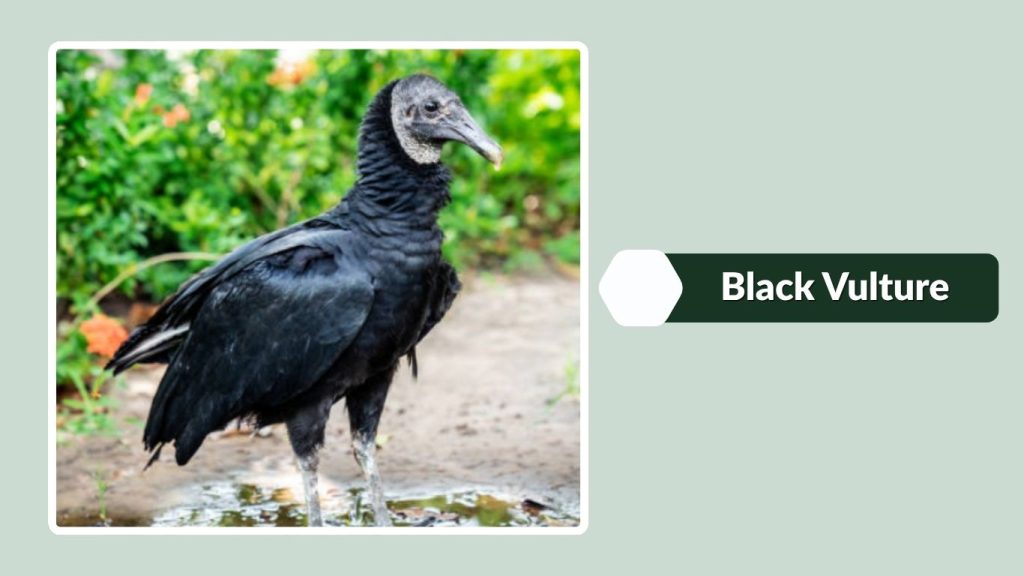
Black Vultures are powerful scavenger birds commonly found in the Americas. They are known for feeding on dead animals and often work together in groups to locate food. Unlike some other vultures, Black Vultures rely more on eyesight than smell when searching for carrion.
These birds are highly social and are often seen gathering around roadsides, landfills, and open fields. Their scavenging behavior helps keep the environment clean by removing decaying animal remains.
Physical Appearance
Black Vultures have black plumage, broad wings, and short tails. Their featherless grayish-black heads give them a distinct appearance. Compared to Turkey Vultures, they have a more compact body and shorter wingspan. White patches near the wingtips are visible during flight.
Characteristics
- Medium-sized scavenger bird
- Black feathers with a dark bare head
- Strong eyesight for finding carrion
- Often feeds in groups
- Short tail and broad wings
- Common in warm climates
- Frequently seen near roads and dumps
Habitat and Distribution
Black Vultures are found across the southern United States, Central America, and South America. They prefer open landscapes, forests, wetlands, and urban areas. These birds adapt well to human environments and are commonly spotted near highways and garbage disposal sites.
Diet and Feeding Behavior
Black Vultures mainly feed on dead animals, including mammals, reptiles, birds, and fish. They sometimes follow Turkey Vultures to carcasses because they lack a strong sense of smell. Their strong beaks allow them to tear through tough animal skin while feeding.
3. California Condor
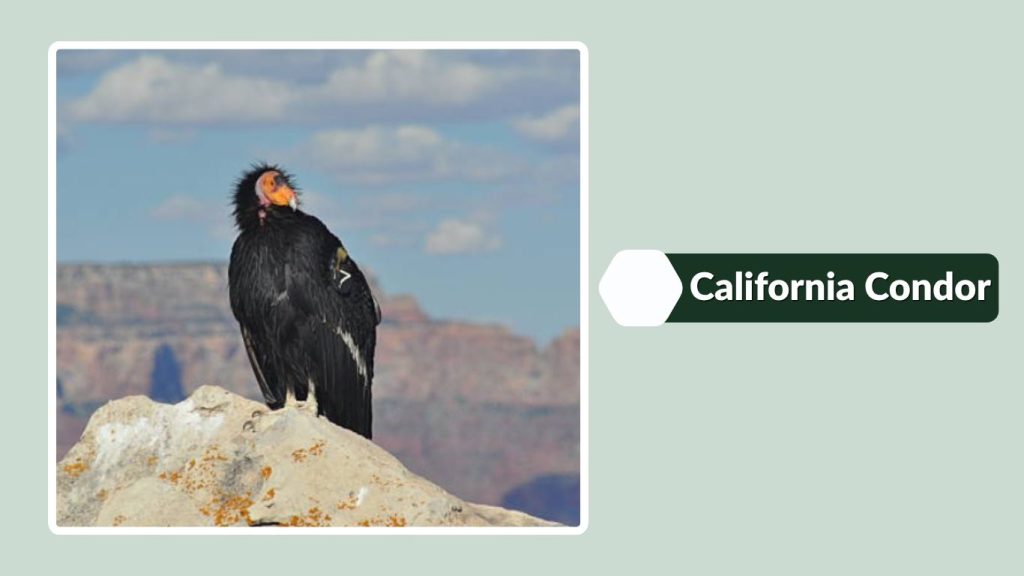
The California Condor is one of the largest flying birds in North America and is famous for its scavenging lifestyle. This rare species mainly feeds on dead animals and plays an essential role in maintaining ecosystem health by cleaning up carcasses.
California Condors were once close to extinction, but conservation programs have helped their population slowly recover. These majestic birds are now protected in several regions of the western United States.
Physical Appearance
California Condors have massive black bodies with broad wings and distinctive white patches underneath the wings. Their heads are mostly bald and can appear pink, orange, or yellow. Adult condors can have a wingspan of nearly ten feet.
Characteristics
- One of the largest flying birds in North America
- Bald head adapted for scavenging
- Huge wingspan for soaring flight
- Feeds mainly on large animal carcasses
- Long lifespan compared to many birds
- Critically endangered species
- Strong soaring ability with minimal wing flapping
Habitat and Distribution
California Condors are mainly found in parts of California, Arizona, Utah, and Baja California. They prefer rocky cliffs, mountains, and open grasslands where they can nest and glide easily while searching for food.
Diet and Feeding Behavior
These condors feed mostly on dead deer, cattle, sheep, and other large mammals. They soar high above open landscapes while searching for carcasses. California Condors can travel long distances in a single day to locate food sources.
4. Andean Condor

The Andean Condor is one of the world’s largest flying birds and an important scavenger in South America. These majestic birds mainly feed on dead animals and help maintain a healthy ecosystem by cleaning up carrion in mountainous regions.
Known for their impressive wingspan and soaring flight, Andean Condors can glide for hours without flapping their wings. They are deeply connected to the culture and folklore of the Andes Mountains.
Physical Appearance
Andean Condors have black feathers with striking white patches around the neck and wings. Adult males are usually larger than females and have a fleshy comb on top of their heads. Their bald heads help keep them clean while feeding on carcasses.
Characteristics
- One of the largest flying birds in the world
- Massive wingspan for long soaring flights
- Bald head adapted for scavenging
- Feeds mostly on dead mammals
- Found mainly in mountainous regions
- Strong eyesight for spotting carrion
- Important cleaner of natural ecosystems
Habitat and Distribution
These birds are native to the Andes Mountains of South America. They are commonly found in countries such as Chile, Peru, Argentina, Ecuador, and Colombia. Andean Condors prefer open grasslands, cliffs, and mountain areas where rising air currents help them soar efficiently.
Diet and Feeding Behavior
Andean Condors mainly consume the carcasses of large animals like deer, cattle, llamas, and other mammals. They often travel great distances while searching for food. Their strong beaks allow them to tear through tough hides, making them highly effective scavengers.
5. Bald Eagle
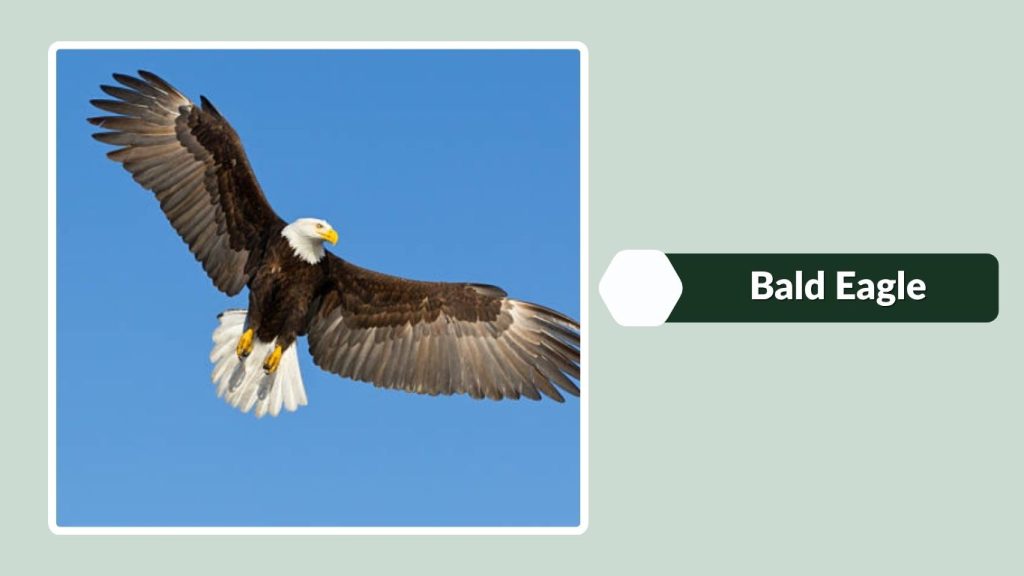
The Bald Eagle is a powerful bird of prey found across North America. Although it is a skilled hunter, it also feeds on dead animals whenever the opportunity arises. This scavenging behavior helps the bird conserve energy and find food more easily.
As the national bird of the United States, the Bald Eagle is admired for its strength, sharp eyesight, and majestic appearance. These birds are often seen near lakes, rivers, and coastal regions.
Physical Appearance
Bald Eagles have dark brown bodies with bright white heads and tails. Their large yellow beaks and sharp talons make them excellent predators and scavengers. Adult eagles can have wingspans exceeding seven feet.
Characteristics
- Large bird of prey and scavenger
- White head and tail in adults
- Sharp eyesight for spotting food
- Strong hooked beak and talons
- Eats fish, small animals, and carrion
- Common near rivers and coastlines
- National bird of the United States
Habitat and Distribution
Bald Eagles are found throughout Canada, the United States, and parts of northern Mexico. They prefer habitats near large bodies of water where food is plentiful. These birds build massive nests high in tall trees or cliffs.
Diet and Feeding Behavior
Although fish are their primary food source, Bald Eagles also eat dead animals such as deer, rabbits, and fish carcasses. They may steal food from other birds or scavenge remains along shorelines and roadsides. Their adaptable feeding habits help them survive in different environments.
6. Golden Eagle
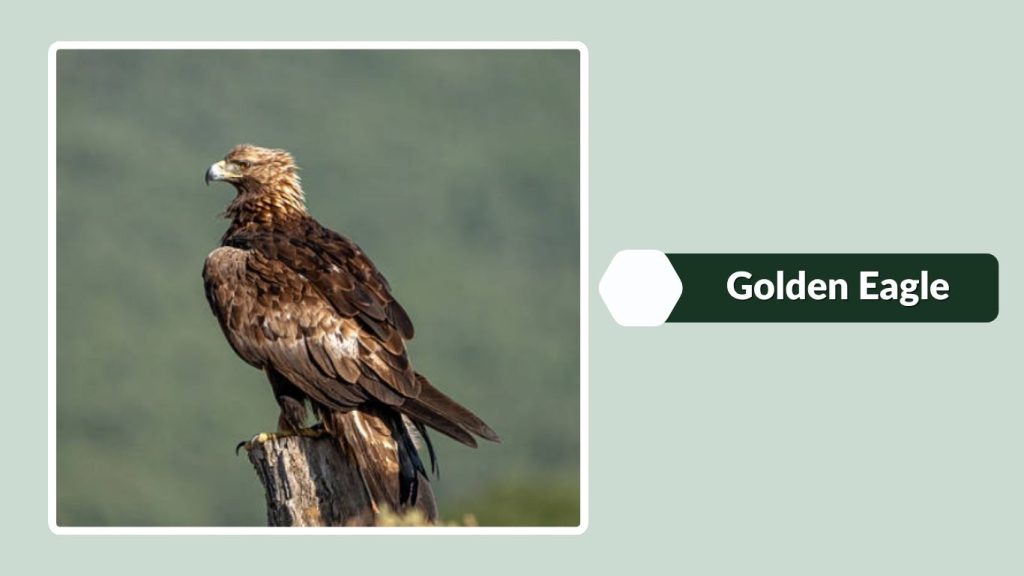
The Golden Eagle is one of the most powerful birds of prey in the world. While it is known for hunting live animals, it also feeds on dead animals when food is available. This scavenging behavior helps the bird survive during harsh weather or when prey is difficult to catch.
Golden Eagles are admired for their speed, strength, and excellent hunting abilities. They are often seen soaring over mountains, grasslands, and open countryside searching for food.
Physical Appearance
Golden Eagles have dark brown feathers with golden-colored feathers on the back of the head and neck. They possess broad wings, strong legs, and sharp talons designed for gripping prey. Adult birds can have wingspans reaching over seven feet.
Characteristics
- Large and powerful bird of prey
- Golden feathers on the head and neck
- Sharp talons and hooked beak
- Skilled hunter and scavenger
- Excellent long-distance vision
- Soars high above open landscapes
- Feeds on mammals, birds, and carrion
Habitat and Distribution
Golden Eagles are found across North America, Europe, Asia, and parts of North Africa. They prefer mountains, cliffs, grasslands, and open habitats with plenty of space for soaring. These birds usually build nests on cliffs or tall trees.
Diet and Feeding Behavior
Golden Eagles mainly hunt rabbits, squirrels, and other small mammals, but they also eat dead deer, livestock, and roadkill. During winter, scavenging becomes especially important when live prey is less available. Their strong beaks help them tear apart tough meat efficiently.
7. Common Raven
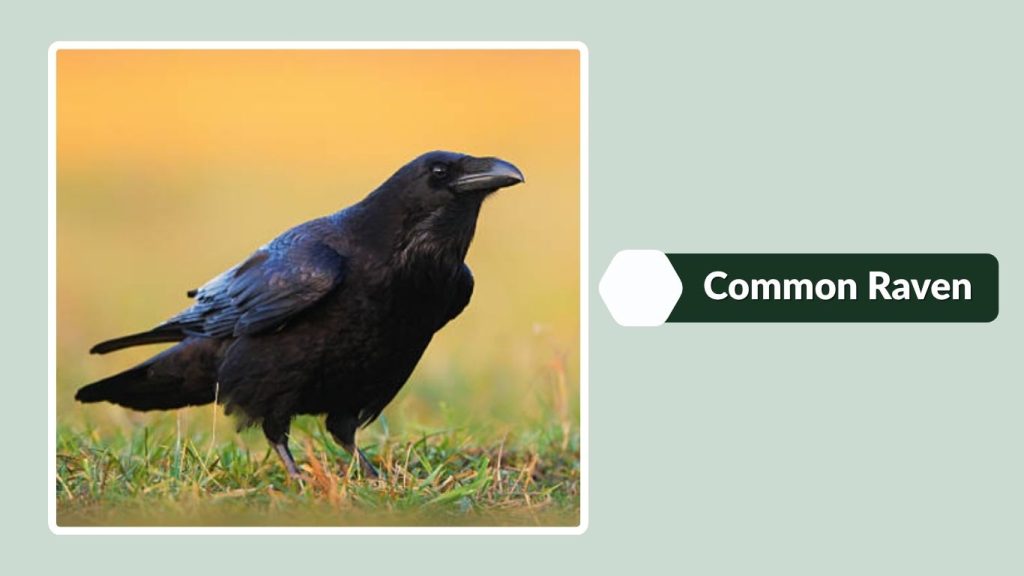
The Common Raven is a highly intelligent bird known for its adaptability and scavenging behavior. Ravens frequently feed on dead animals and are often among the first birds to discover carcasses in the wild. Their problem-solving skills make them one of the smartest bird species.
These large black birds are found in many different environments and can survive in remote wilderness areas as well as near human settlements.
Physical Appearance
Common Ravens have glossy black feathers, thick necks, and large curved beaks. Their wedge-shaped tails help distinguish them from crows during flight. They are larger and heavier than most other members of the crow family.
Characteristics
- Large black bird with a thick beak
- Highly intelligent and adaptable
- Excellent scavenger and opportunistic feeder
- Wedge-shaped tail during flight
- Uses problem-solving skills to find food
- Found in both wild and urban areas
- Often communicates with deep croaking calls
Habitat and Distribution
Common Ravens are widely distributed across North America, Europe, and Asia. They live in forests, mountains, deserts, tundra, and coastal regions. Ravens adapt easily to different climates and are commonly seen near roadsides and garbage sites.
Diet and Feeding Behavior
Ravens eat a wide variety of foods, including insects, fruits, eggs, small animals, and carrion. They often feed on roadkill and animal remains left by predators. Their strong beaks allow them to tear meat from carcasses, and they sometimes hide extra food for later use.
8. American Crow
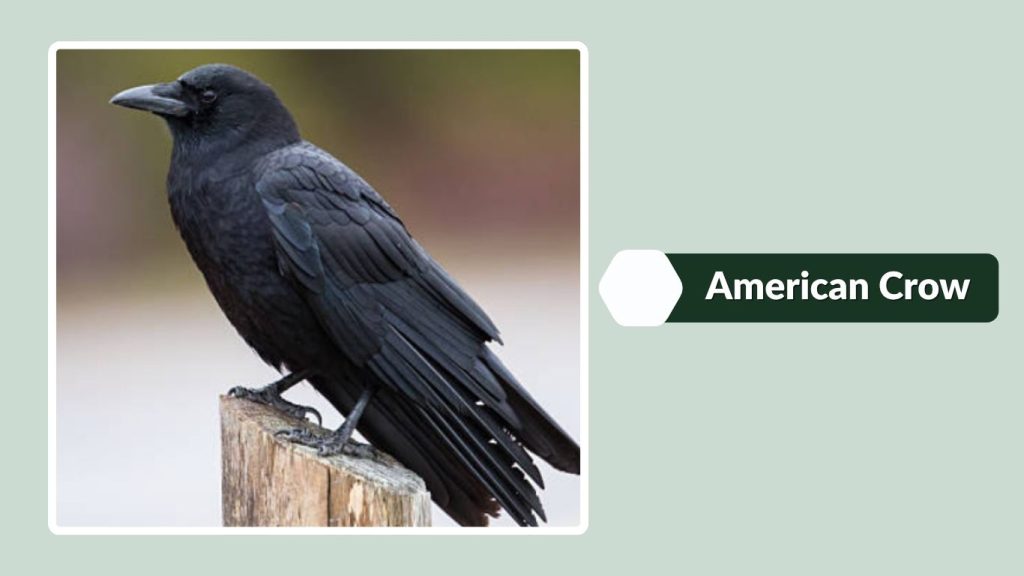
The American Crow is a smart and adaptable bird commonly found across North America. Although crows eat many different foods, they are also well-known scavengers that feed on dead animals. Their scavenging habits help clean the environment by removing animal remains.
American Crows are social birds that often travel and feed in groups. They are highly intelligent and can solve problems, recognize human faces, and use tools in certain situations.
Physical Appearance
American Crows have shiny black feathers, strong black beaks, and dark eyes. They are medium-sized birds with broad wings and fan-shaped tails. Their appearance is similar to ravens, but crows are usually smaller and have lighter builds.
Characteristics
- Medium-sized all-black bird
- Highly intelligent and social
- Eats both live food and carrion
- Strong black beak for tearing food
- Often seen in groups
- Adaptable to urban and rural areas
- Loud “caw” calls used for communication
Habitat and Distribution
American Crows are found throughout the United States, southern Canada, and parts of northern Mexico. They live in forests, farms, cities, parks, and suburbs. Their adaptability allows them to thrive in many different environments.
Diet and Feeding Behavior
American Crows eat insects, seeds, fruits, eggs, small animals, and dead animals. They frequently feed on roadkill and leftover carcasses. These birds are opportunistic feeders and quickly take advantage of available food sources in both natural and urban habitats.
9. Marabou Stork
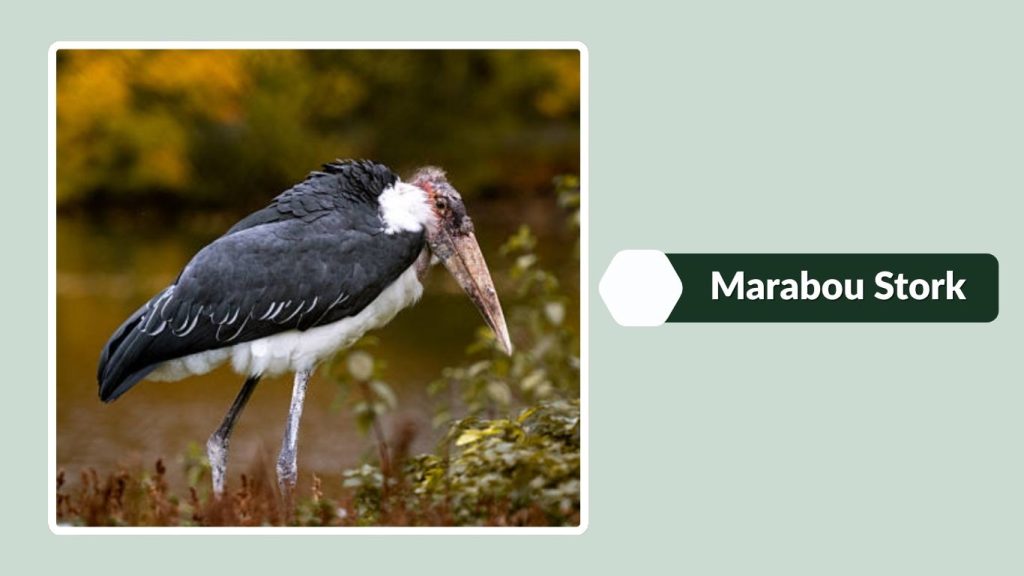
The Marabou Stork is a large African bird famous for its scavenging lifestyle. It often feeds on dead animals alongside vultures and other scavengers. Because of its unusual appearance and feeding habits, it is sometimes called the “undertaker bird.”
Marabou Storks play an important role in cleaning up decaying carcasses and organic waste in the environment. They are commonly seen near grasslands, rivers, and even garbage dumps.
Physical Appearance
Marabou Storks have long legs, massive wings, and mostly gray-black feathers. Their heads and necks are nearly bald, which helps keep them clean while feeding on carrion. A large throat pouch hangs beneath the neck, giving the bird its distinctive look.
Characteristics
- Large scavenger bird from Africa
- Bald head and neck for hygiene
- Long legs and huge wingspan
- Feeds heavily on dead animals
- Often seen near vultures and dumps
- Strong bill for tearing meat
- Nicknamed the “undertaker bird”
Habitat and Distribution
Marabou Storks are widely distributed across sub-Saharan Africa. They prefer wetlands, savannas, riverbanks, and urban garbage sites where food is easy to find. These birds often gather in large groups around carcasses.
Diet and Feeding Behavior
Marabou Storks mainly eat carrion, fish, scraps, and small animals. They often wait for vultures or predators to open tough carcasses before feeding. Their scavenging behavior helps reduce waste and limits the spread of harmful bacteria in the environment.
10. Herring Gull
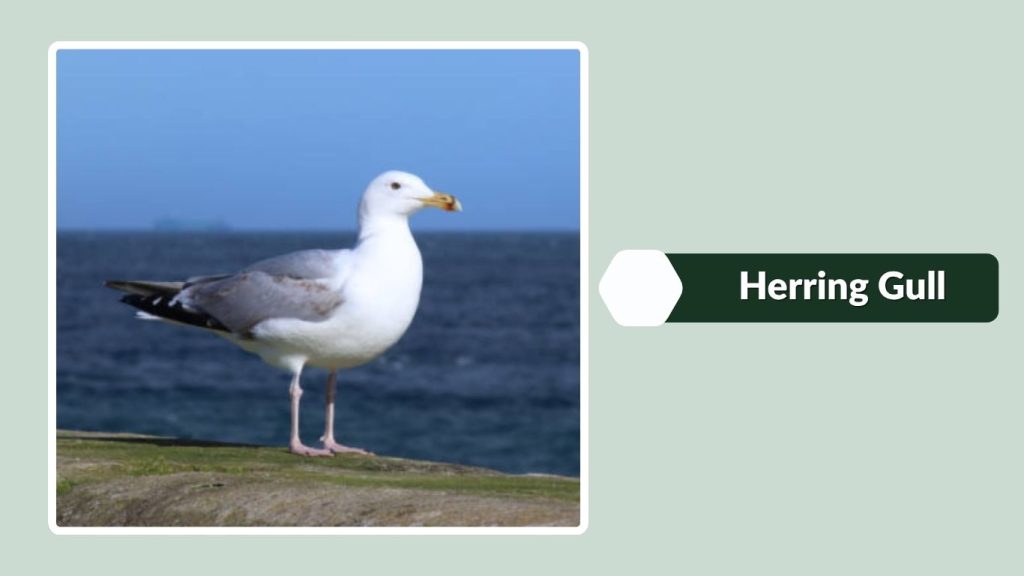
The Herring Gull is a large seabird commonly found along coastlines, lakes, and urban areas. Although these gulls often feed on fish and small marine animals, they are also opportunistic scavengers that consume dead animals and food waste whenever available.
Herring Gulls are highly adaptable birds and are frequently seen around fishing ports, beaches, landfills, and parking lots. Their ability to survive on many different food sources has helped them thrive in both natural and human environments.
Physical Appearance
Herring Gulls have light gray backs, white bodies, and black-tipped wings with white spots. Their strong yellow beaks usually feature a small red spot near the tip. Adult birds also have pale eyes and pink legs.
Characteristics
- Large coastal scavenger bird
- Gray and white feather coloration
- Strong hooked yellow beak
- Highly adaptable feeding habits
- Common near beaches and cities
- Feeds on fish, scraps, and carrion
- Loud and social behavior
Habitat and Distribution
Herring Gulls are found across North America, Europe, and parts of Asia. They live near coastlines, lakes, rivers, harbors, and urban environments. These birds often nest on cliffs, islands, rooftops, and other elevated areas.
Diet and Feeding Behavior
Herring Gulls eat fish, insects, shellfish, eggs, garbage, and dead animals. They are skilled scavengers and frequently feed on carcasses washed ashore or discarded by humans. Their opportunistic feeding style allows them to survive in many different habitats.
11. Great Black-backed Gull
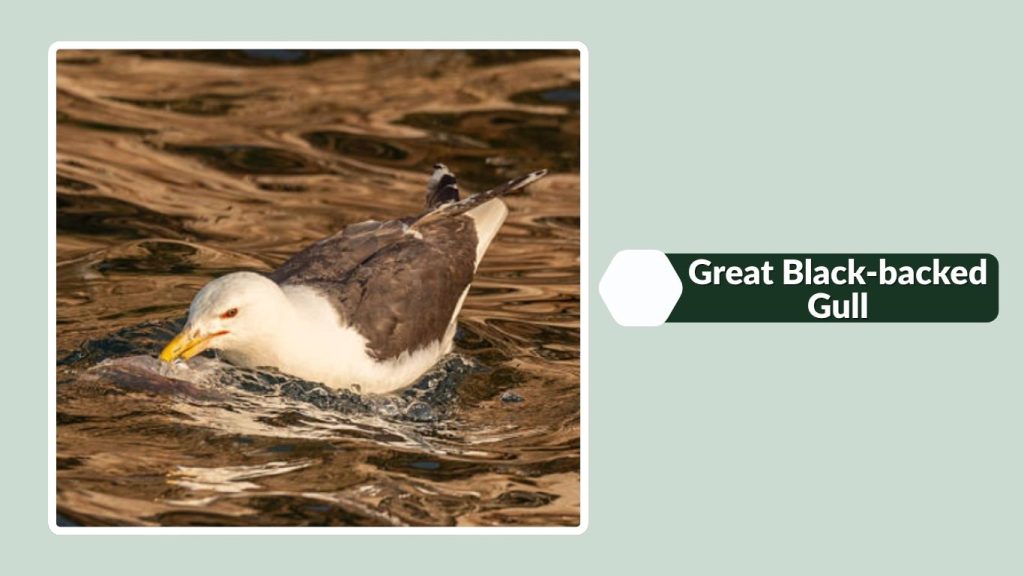
The Great Black-backed Gull is the largest gull species in the world and an aggressive scavenger. These birds often feed on dead fish, marine animals, and other carrion found along coastlines. They are powerful birds capable of both hunting and scavenging.
Great Black-backed Gulls are known for their dominance over smaller gull species. Their strength and adaptability make them successful in harsh coastal environments.
Physical Appearance
These gulls have dark black backs, white underparts, and large yellow beaks with red markings. Their wings are broad and powerful, and they have pink legs. Adult birds have bright pale eyes that stand out against their dark feathers.
Characteristics
- Largest gull species in the world
- Strong scavenger and predator
- Black back with white body
- Powerful hooked yellow beak
- Frequently feeds on carrion
- Dominant around other seabirds
- Common in coastal environments
Habitat and Distribution
Great Black-backed Gulls are found along the Atlantic coasts of North America and Europe. They prefer rocky shorelines, beaches, islands, and harbors. These birds are especially common in cold coastal regions.
Diet and Feeding Behavior
Their diet includes fish, crabs, seabirds, eggs, garbage, and dead animals. Great Black-backed Gulls often scavenge carcasses along beaches and docks. They are aggressive feeders and sometimes steal food from other birds or hunt smaller seabirds directly.
12. Red-tailed Hawk
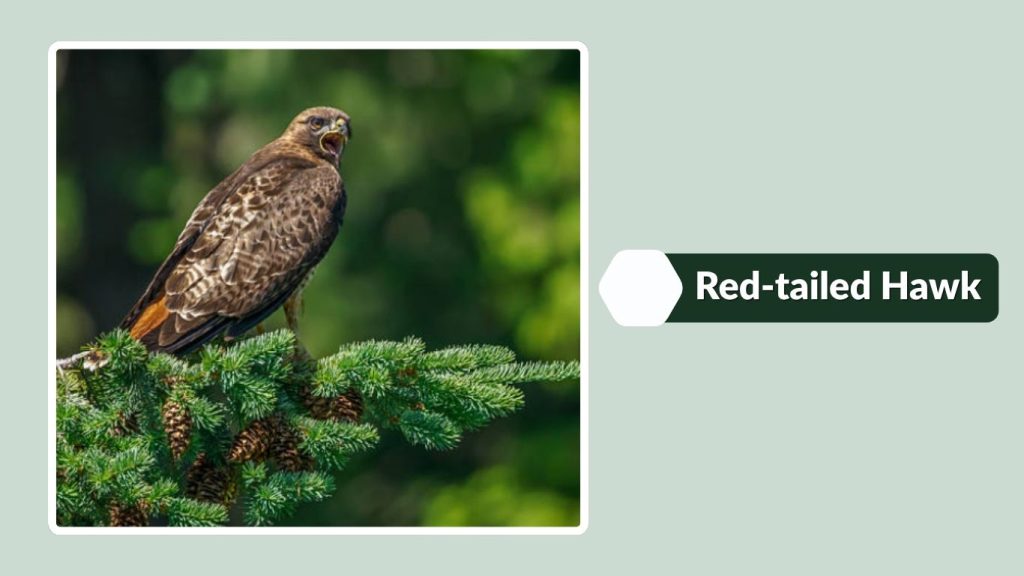
The Red-tailed Hawk is one of the most widespread birds of prey in North America. Although it is mainly a hunter, this hawk also scavenges dead animals when easy food is available. Feeding on carrion helps conserve energy, especially during winter months.
These hawks are often seen soaring above fields and highways or perched on poles watching for food. Their sharp eyesight and adaptability make them successful predators and occasional scavengers.
Physical Appearance
Red-tailed Hawks have broad wings, brown upper feathers, pale undersides, and a distinctive reddish tail in adults. They possess strong talons and curved beaks designed for catching and tearing prey. Their wingspan can reach over four feet.
Characteristics
- Medium-to-large bird of prey
- Distinct reddish tail in adults
- Excellent long-distance vision
- Skilled hunter and scavenger
- Broad wings for soaring flight
- Common near open grasslands and roads
- Feeds on rodents, birds, and carrion
Habitat and Distribution
Red-tailed Hawks are found across the United States, Canada, Mexico, and Central America. They live in grasslands, deserts, forests, farms, and urban areas. Open habitats with tall perches are especially important for hunting and spotting food.
Diet and Feeding Behavior
These hawks mainly hunt rodents, rabbits, and small birds, but they also feed on dead animals such as roadkill. They may scavenge carcasses left behind by larger predators. Their flexible diet allows them to survive in many different environments.
13. Peregrine Falcon
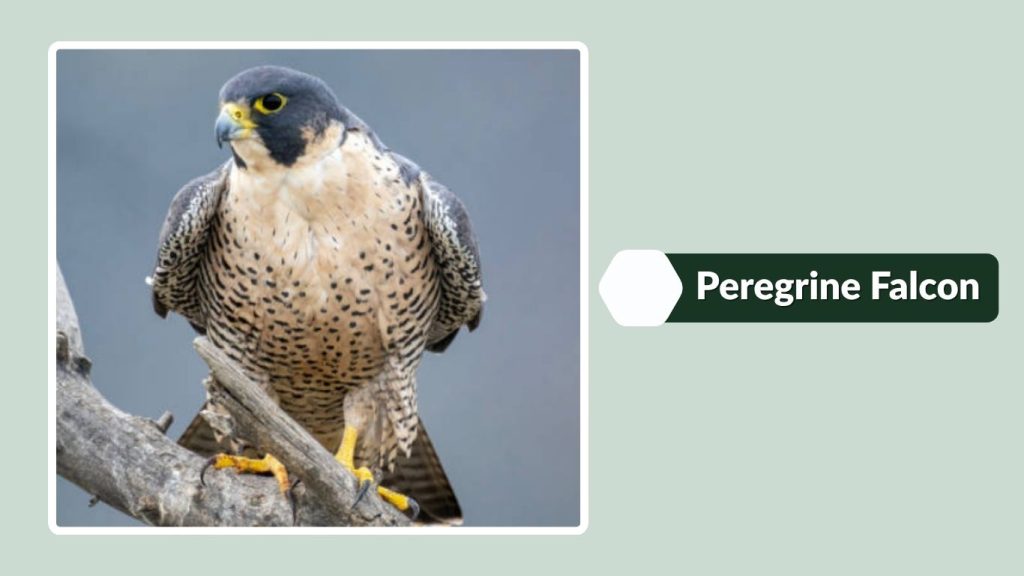
The Peregrine Falcon is famous as the fastest bird in the world. While it primarily hunts live prey, it will also feed on dead animals when the opportunity arises. This behavior helps the falcon survive when hunting conditions are poor.
Peregrine Falcons are powerful aerial hunters known for their incredible speed and agility. They are found on every continent except Antarctica and adapt well to both natural and urban settings.
Physical Appearance
Peregrine Falcons have blue-gray backs, pale underparts with dark markings, and pointed wings built for speed. Their black facial markings resemble a dark mustache. Adults usually have yellow legs and hooked beaks.
Characteristics
- Fastest bird in the world
- Streamlined body for high-speed flight
- Sharp hooked beak and strong talons
- Mainly hunts birds in midair
- Occasionally scavenges carrion
- Adaptable to cities and cliffs
- Excellent eyesight and flying ability
Habitat and Distribution
Peregrine Falcons live in mountains, coastlines, river valleys, and cities worldwide. They often nest on cliffs, tall buildings, and bridges. Urban environments provide plenty of pigeons and other birds for food.
Diet and Feeding Behavior
These falcons mostly hunt pigeons, ducks, and songbirds by diving at extremely high speeds. However, they sometimes feed on dead birds or animal remains if fresh prey is unavailable. Their strong beaks allow them to quickly tear apart meat while feeding.
14. Secretarybird
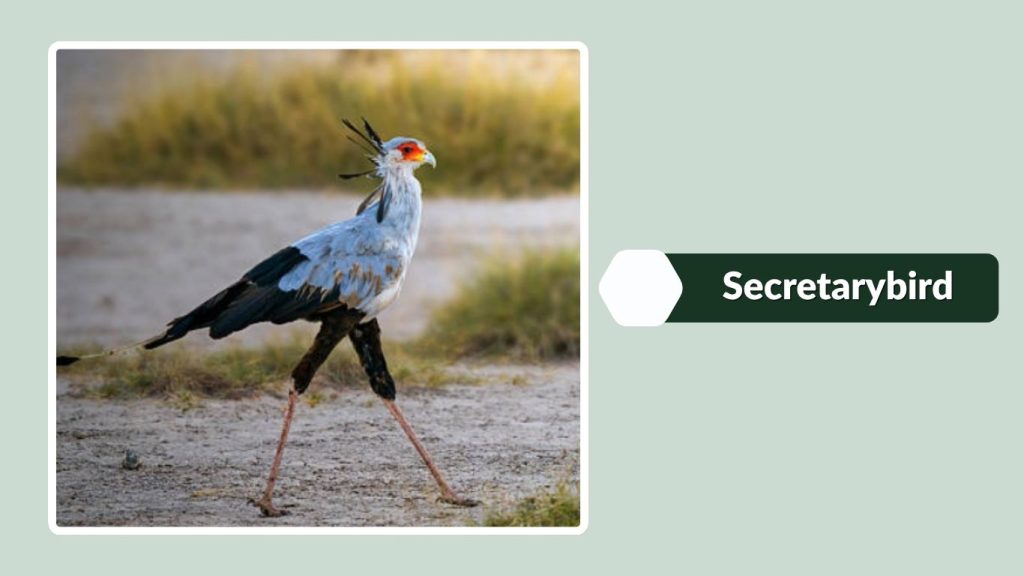
The Secretarybird is a unique bird of prey native to Africa. Unlike many raptors that hunt from the air, this bird spends much of its time walking across grasslands searching for food. Although it mainly hunts live prey, it will also feed on dead animals when available.
Secretarybirds are famous for their long legs and dramatic hunting style. They use powerful kicks to kill snakes and other small animals. Their unusual appearance and behavior make them one of Africa’s most recognizable birds.
Physical Appearance
Secretarybirds have long crane-like legs, gray feathers, black wing tips, and a distinctive crest of black feathers behind the head. Their faces are mostly bare with orange-red skin around the eyes. They also have broad wings that allow graceful soaring flight.
Characteristics
- Large ground-hunting bird of prey
- Long legs adapted for walking
- Known for killing snakes with strong kicks
- Feeds on both prey and carrion
- Distinct black feather crest behind head
- Lives mainly in open grasslands
- Strong eyesight for spotting food
Habitat and Distribution
Secretarybirds are found across sub-Saharan Africa in savannas, grasslands, and open plains. They avoid dense forests and prefer wide open areas where they can walk easily while searching for prey and carrion.
Diet and Feeding Behavior
Their diet includes snakes, lizards, rodents, insects, birds, and dead animals. Secretarybirds often patrol large areas on foot while searching for food. When carrion is available, they will scavenge animal remains alongside other birds.
15. Black Kite
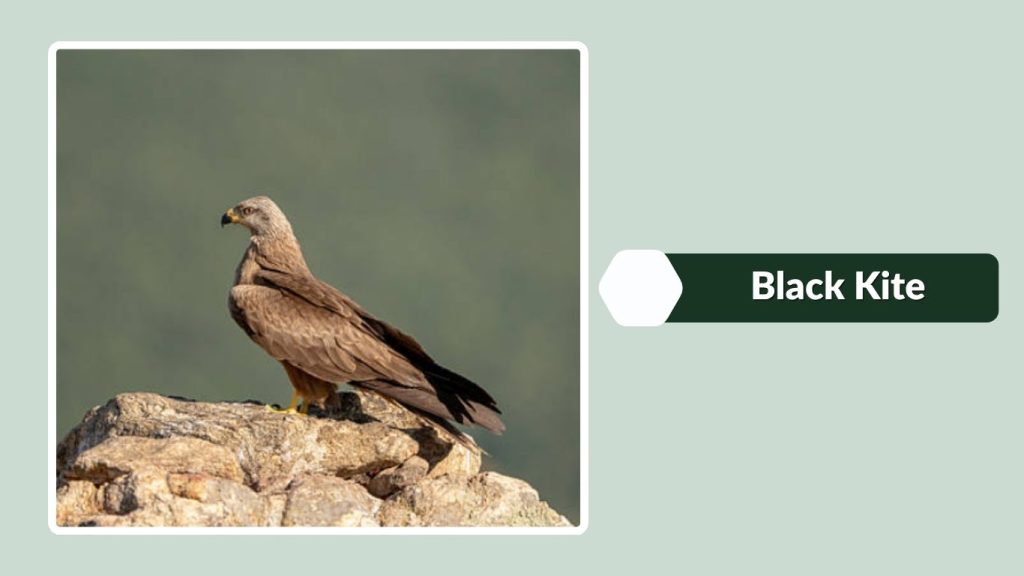
The Black Kite is a widespread bird of prey known for its excellent scavenging abilities. It frequently feeds on dead animals, garbage, and scraps around rivers, cities, and markets. This adaptability has helped the species thrive in many parts of the world.
Black Kites are agile fliers that often circle high in the sky searching for food. They are especially common near human settlements where discarded waste provides easy feeding opportunities.
Physical Appearance
Black Kites have dark brown feathers, forked tails, and long narrow wings. Their hooked beaks and sharp talons help them capture prey and tear meat from carcasses. In flight, their graceful soaring style makes them easy to recognize.
Characteristics
- Medium-sized scavenging raptor
- Forked tail visible during flight
- Highly adaptable feeder
- Common near rivers and urban areas
- Eats carrion, scraps, and small prey
- Skilled soaring and gliding bird
- Frequently gathers around garbage sites
Habitat and Distribution
Black Kites are found across Europe, Asia, Africa, and Australia. They live in wetlands, grasslands, cities, farmland, and coastal regions. These birds adapt especially well to areas with human activity.
Diet and Feeding Behavior
Black Kites eat fish, insects, rodents, small birds, and carrion. They often scavenge roadkill, animal remains, and food waste near markets or garbage dumps. Their opportunistic feeding behavior makes them one of the most successful scavenging birds worldwide.
16. Egyptian Vulture
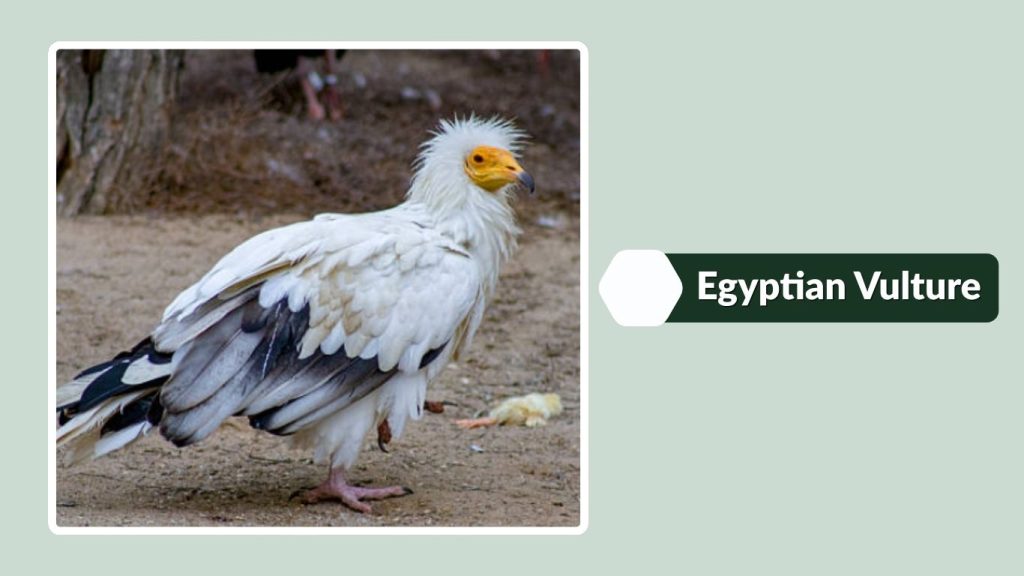
The Egyptian Vulture is a small but highly intelligent scavenger bird found across parts of Europe, Africa, and Asia. It mainly feeds on dead animals and plays a major role in cleaning the environment by removing decaying carcasses. This species is also famous for using tools, a rare behavior among birds.
Egyptian Vultures are often seen soaring over open landscapes while searching for carrion. Their adaptability and resourcefulness help them survive in dry and harsh habitats.
Physical Appearance
Egyptian Vultures have white feathers with black flight feathers and bright yellow faces. Their slender beaks are specially shaped for tearing soft meat from carcasses. Compared to many other vultures, they are smaller and lighter in build.
Characteristics
- Small scavenging vulture species
- White body with black wing feathers
- Bright yellow bare face
- Known for tool-using behavior
- Feeds mainly on carrion
- Excellent soaring ability
- Important cleaner of ecosystems
Habitat and Distribution
These vultures are found in southern Europe, North Africa, the Middle East, and parts of India. They prefer open plains, cliffs, deserts, and grasslands where they can easily locate carcasses from the air.
Diet and Feeding Behavior
Egyptian Vultures mainly consume dead animals, scraps, and organic waste. They are known to crack open large eggs using stones, showing impressive intelligence. These birds often feed on smaller remains left behind by larger scavengers.
17. Steppe Eagle
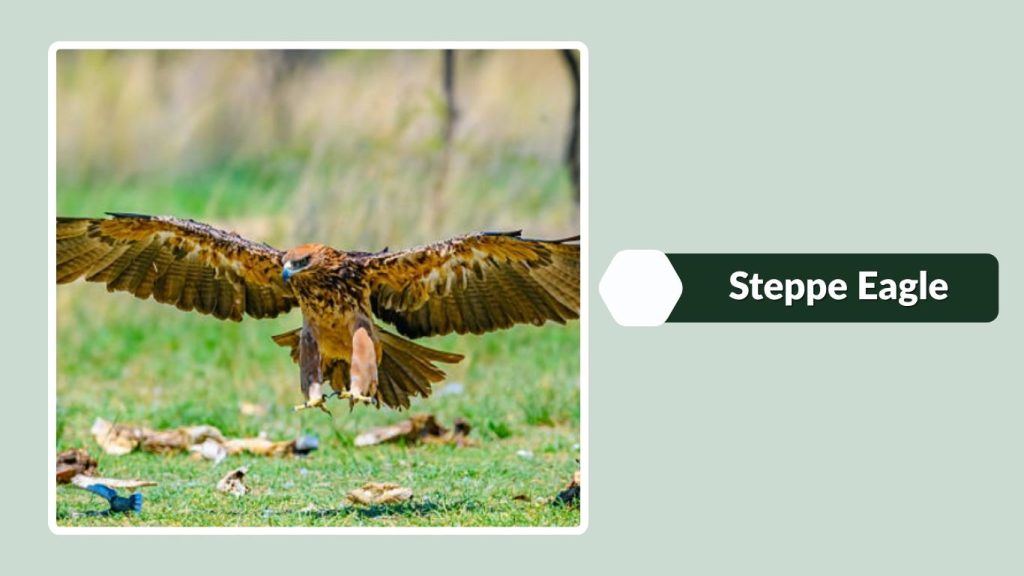
The Steppe Eagle is a large bird of prey commonly found across Central Asia, Eastern Europe, and parts of Africa during migration. Although it hunts live prey, it is also a frequent scavenger that feeds on dead animals whenever possible.
These powerful eagles are excellent long-distance fliers and are often seen soaring above open plains and grasslands. Scavenging helps them survive in dry regions where prey availability may change seasonally.
Physical Appearance
Steppe Eagles have dark brown feathers, broad wings, and strong hooked beaks. Juvenile birds may appear lighter with pale markings on the wings. Their large size and powerful body make them effective hunters and scavengers.
Characteristics
- Large eagle with strong soaring ability
- Dark brown feather coloration
- Hunts and scavenges for food
- Broad wings adapted for long flights
- Common in open plains and steppes
- Powerful hooked beak and talons
- Migratory bird in many regions
Habitat and Distribution
Steppe Eagles breed in the grasslands and steppes of Central Asia and Eastern Europe. During migration, they travel to the Middle East, Africa, and South Asia. They prefer open habitats where they can easily search for prey or carrion.
Diet and Feeding Behavior
These eagles feed on rodents, birds, reptiles, and dead animals. Carrion becomes especially important during migration and winter periods. Steppe Eagles often gather near carcasses and may compete with vultures and other scavengers for food.
FAQs About Birds That Eat Dead Animals
What are birds that eat dead animals called?
Birds that eat dead animals are called scavengers. These birds feed on carrion, which is the decaying flesh of dead animals. Common scavenger birds include vultures, crows, ravens, gulls, and eagles.
Why do birds eat dead animals?
Scavenger birds eat dead animals because carrion provides an easy and energy-efficient food source. By removing carcasses from the environment, these birds also help prevent the spread of bacteria and disease.
Which bird is best known for eating dead animals?
Turkey Vulture is one of the best-known scavenger birds in North America. Vultures are specially adapted for feeding on carrion and can locate dead animals from long distances.
Do all vultures eat only dead animals?
Most vultures mainly feed on dead animals, but some species may occasionally hunt weak or injured prey. However, carrion remains their primary food source.
Are scavenger birds dangerous to humans?
Most scavenger birds are not dangerous to humans. Birds like vultures, gulls, and crows usually avoid people and prefer feeding on dead animals rather than attacking live creatures.
What is the largest bird that eats dead animals?
Andean Condor is among the largest scavenger birds in the world. It has an enormous wingspan and feeds mainly on large animal carcasses.
Do eagles eat dead animals too?
Yes, some eagles, including the Bald Eagle and Golden Eagle, sometimes scavenge dead animals in addition to hunting live prey.
Why do vultures have bald heads?
Vultures have bald heads to help keep them clean while feeding inside carcasses. Fewer feathers mean less bacteria and dirt sticking to their skin.
Where can scavenger birds usually be found?
Scavenger birds are commonly found in open areas such as grasslands, deserts, coastlines, forests, roadsides, and garbage dumps where animal remains are easier to locate.
Do scavenger birds help the ecosystem?
Yes, scavenger birds are extremely important for ecosystems. By consuming dead animals, they recycle nutrients, reduce waste, and help control diseases in the environment.