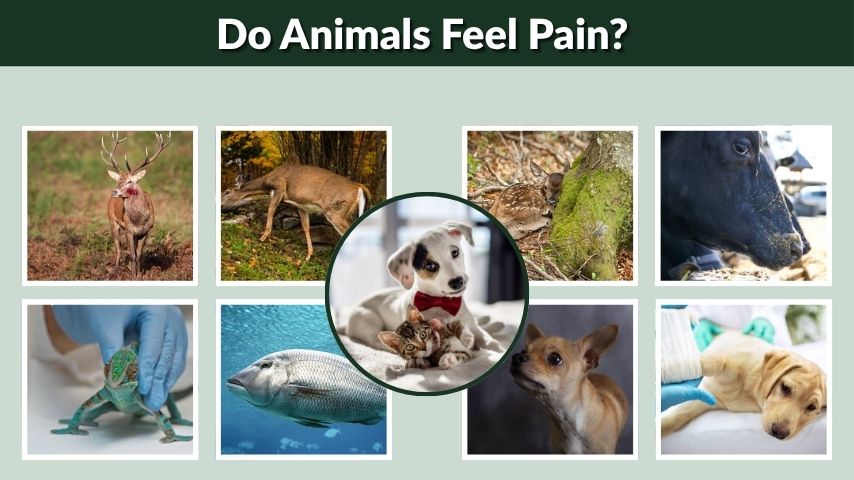
Animals react to injuries, illness, and danger in many ways that suggest they can feel pain and discomfort. Scientists have spent decades studying how animals respond to harmful experiences and how their nervous systems process pain signals. Many animals show physical and emotional reactions similar to humans, including fear, stress, and avoidance behavior. Research involving mammals, birds, fish, and even some invertebrates has helped experts better understand how different species experience pain and suffering in daily life.
Understanding animal pain is important because it affects pet care, farming, wildlife conservation, and veterinary medicine. Learning how animals respond to injury and stress also helps humans improve animal welfare and make more informed decisions about treatment, handling, and environmental protection.
Do Animals Feel Pain?
Scientists widely agree that many animals can feel pain because they possess nervous systems capable of detecting harmful stimuli. Pain helps animals avoid danger and survive injuries. While the exact experience may differ between species, animals often show clear physical and behavioral responses to painful situations.
What Is Pain?
Pain is the body’s response to injury, illness, or harmful conditions. It usually involves nerves sending signals to the brain, where the body reacts physically and emotionally. Pain can protect animals by warning them about danger and encouraging healing behavior.
How Scientists Study Animal Pain
Researchers study animal pain by observing behavior, measuring stress hormones, and examining nervous system activity. Changes in movement, feeding, vocalization, and social behavior can help scientists determine whether an animal is suffering or experiencing discomfort.
Why Pain Matters for Survival
- Avoiding predators and hazards
- Protecting injured body parts
- Encouraging rest and healing
- Learning from dangerous experiences
- Improving survival chances
How Animals Sense Pain
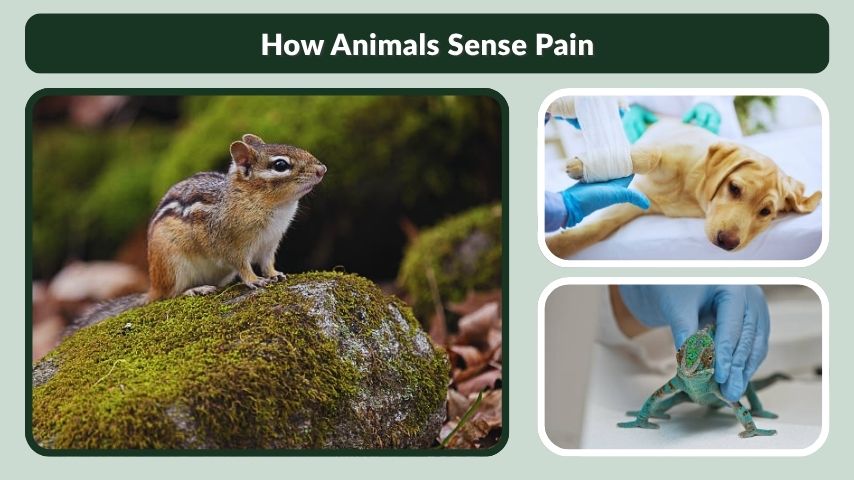
Animals detect pain through specialized nerves called nociceptors that respond to harmful stimuli such as heat, injury, or pressure. These signals travel through the nervous system to the brain, helping the body react quickly to dangerous situations.
Nerves and Pain Receptors
Nociceptors are sensory receptors that detect harmful conditions and trigger responses inside the body. Many vertebrate animals, including mammals, birds, reptiles, and fish, possess complex nervous systems capable of processing pain signals.
Reflexes vs Feeling Pain
A reflex is an automatic reaction that happens without conscious thought, such as quickly pulling away from danger. Feeling pain involves additional brain processing and emotional responses. Scientists often study behavior patterns to separate reflexes from true pain experiences.
Do Animals Experience Emotional Pain?
Many animals appear capable of emotional suffering as well as physical pain. Social mammals such as elephants, dogs, and primates may show signs of grief, stress, fear, or anxiety after losing companions or experiencing traumatic situations.
Do Mammals Feel Pain?
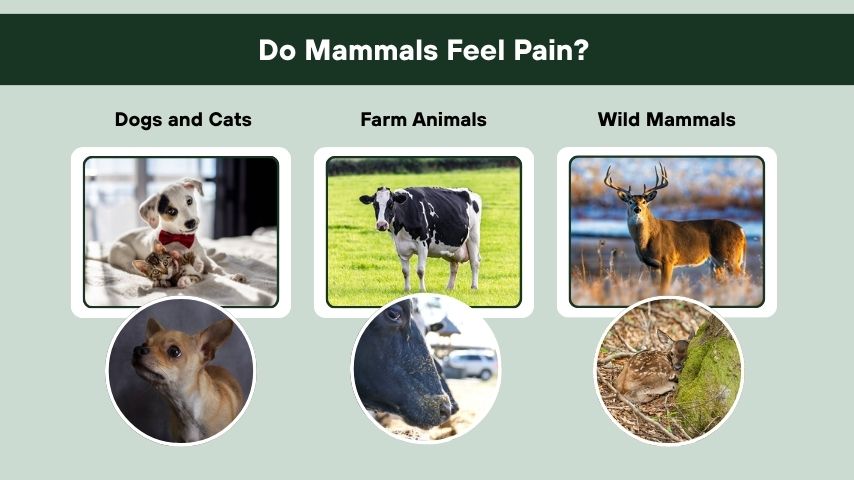
Mammals have nervous systems and brain structures very similar to humans, which strongly suggests they experience pain in comparable ways. Veterinarians regularly observe pain responses in domestic pets, farm animals, and wildlife during injuries and medical treatment.
Dogs and Cats
- Limping after injuries
- Crying or vocalizing
- Hiding when sick
- Reduced appetite
- Fearful or aggressive behavior
Farm Animals
Cows, pigs, sheep, and other farm animals also display signs of pain and stress. Injured animals may move less, avoid social interaction, or stop eating normally. Modern veterinary care and animal welfare programs aim to reduce unnecessary suffering in farming environments.
Wild Mammals
Wild mammals often hide signs of pain because weakness can attract predators. Animals such as deer, wolves, and foxes may continue moving even while injured to avoid appearing vulnerable in the wild.
Do Birds, Reptiles, and Amphibians Feel Pain?
Birds, reptiles, and amphibians possess nervous systems capable of responding to injury and harmful conditions. Although they may react differently than mammals, scientific evidence suggests these animals can still experience pain and discomfort in meaningful ways.
Birds and Pain Perception
- Nervous systems similar to mammals
- Vocal changes after injury
- Reduced movement during illness
- Protective behavior around wounds
- Stress responses during danger
Reptile Pain Responses
Reptiles such as snakes, turtles, and lizards may appear calm even while injured, but they still react to harmful stimuli. Veterinary studies show reptiles display behavioral changes, healing responses, and stress reactions linked to pain.
Amphibian Pain Sensitivity
Frogs, salamanders, and other amphibians possess pain receptors and nervous systems that respond to injury. Environmental stress, infections, and physical damage can affect feeding behavior, movement, and survival rates in amphibian species.
Do Fish Feel Pain?
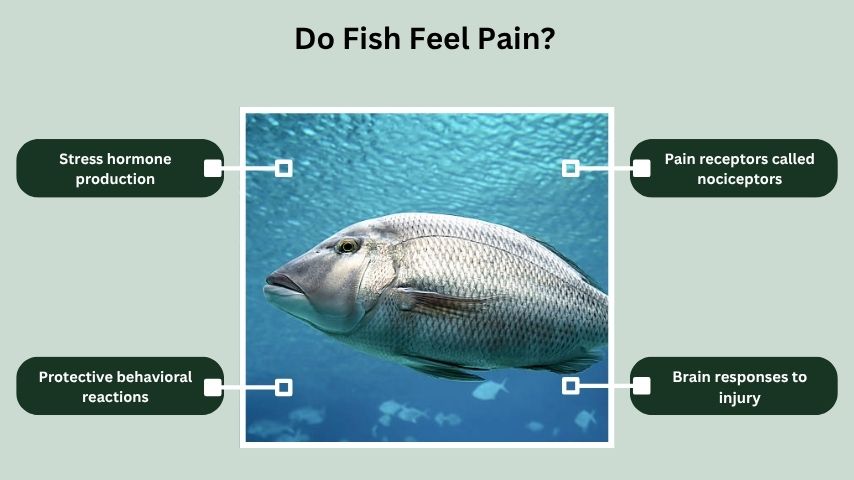
Scientists have debated fish pain for many years, but growing evidence suggests fish can respond to harmful experiences in complex ways. Fish possess nerves, stress responses, and behavioral changes that indicate they may feel pain rather than simple reflex reactions alone.
Fish Nervous Systems
- Pain receptors called nociceptors
- Brain responses to injury
- Stress hormone production
- Protective behavioral reactions
- Avoidance learning abilities
Evidence Supporting Fish Pain
Research shows injured fish may avoid dangerous areas, stop feeding, or rub injured body parts against surfaces. Some studies also show fish behavior changes after receiving pain-relieving medication, suggesting their responses involve more than automatic reflexes.
Scientific Debate About Fish Pain
Some scientists argue fish lack the brain structures needed for human-like pain experiences. Others believe pain does not need to match human consciousness exactly for suffering to exist. Research on fish behavior and brain activity continues to expand.
Do Insects Feel Pain?
The question of insect pain remains one of the most debated topics in animal science. Insects possess much simpler nervous systems than mammals or birds, but they still react strongly to harmful situations and environmental threats.
Insect Nervous Systems
Insects have smaller brains and simpler nervous systems designed mainly for survival behaviors. They can detect injury, heat, chemicals, and pressure, allowing them to escape dangerous situations quickly.
Reflexes vs Conscious Pain in Insects
Scientists are still unsure whether insects experience conscious pain or only automatic reflex reactions. Some insects continue normal activities even after severe injuries, while others change behavior in ways that suggest stress or discomfort.
Examples in Common Insects
- Ants carrying injured nestmates
- Bees reacting to danger signals
- Flies avoiding harmful heat
- Beetles protecting injured limbs
- Cockroaches escaping threats rapidly
Signs That Animals Feel Pain
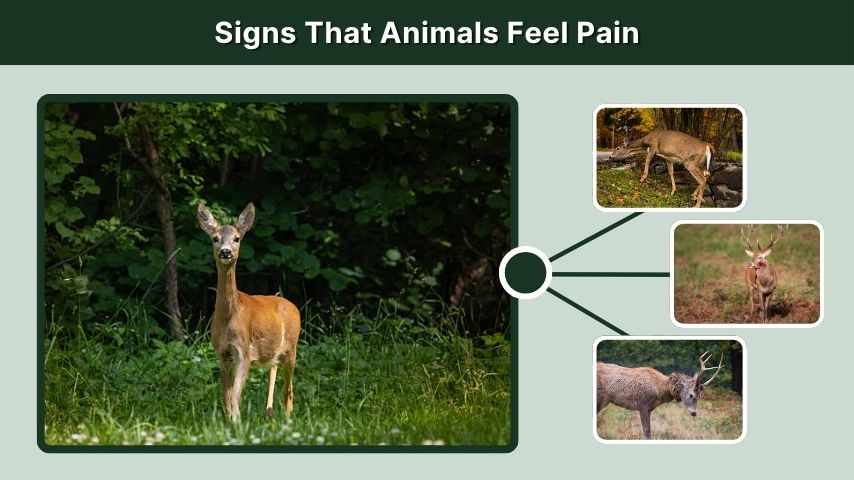
Animals often display physical and behavioral changes when injured, stressed, or ill. Veterinarians and animal researchers use these signs to identify pain and determine whether treatment or intervention may be necessary.
Physical Signs of Pain
- Limping or difficulty moving
- Bleeding or swelling
- Trembling or shaking
- Reduced activity levels
- Changes in breathing patterns
Behavioral Changes
Animals experiencing pain may hide, avoid social interaction, stop eating, or become aggressive. Some vocalize more often, while others become unusually quiet or inactive compared to their normal behavior.
Emotional Stress Indicators
Many animals show stress-related behaviors such as fear, anxiety, pacing, or depression-like symptoms. Social species may react strongly after losing companions or experiencing long-term stressful conditions.
Why Animals Hide Pain
Many animals instinctively hide pain because showing weakness can increase danger in the wild. Predators often target injured or weak animals, so hiding discomfort improves survival chances in natural environments.
Survival in the Wild
- Avoiding predators
- Protecting social status
- Reducing competition
- Defending territory
- Remaining physically active
Pain Hiding in Pets
Domestic pets such as cats and dogs may also hide pain, especially during early illness or injury. Owners often notice subtle signs like reduced activity, changes in eating habits, or unusual sleeping patterns before obvious symptoms appear.
Challenges for Veterinarians
Veterinarians must carefully observe posture, movement, appetite, and behavior because animals cannot verbally describe pain. Diagnosing hidden pain can sometimes be difficult, especially in reptiles, birds, and prey animals that naturally conceal weakness.
Ethical Questions About Animal Pain
Understanding animal pain has influenced laws, veterinary medicine, farming practices, and wildlife conservation. Many experts believe humans have a responsibility to reduce unnecessary suffering whenever possible.
Animal Welfare and Farming
- Humane treatment standards
- Veterinary care requirements
- Safer housing conditions
- Pain management practices
- Ethical farming improvements
Scientific Research and Testing
Modern research guidelines often require scientists to minimize animal suffering through pain management, proper housing, and ethical review processes. Animal welfare concerns continue to shape scientific and medical research worldwide.
Pet Care Responsibilities
Pet owners are responsible for recognizing signs of pain, providing veterinary care, and maintaining healthy living conditions. Early treatment of injuries and illnesses can greatly improve an animal’s quality of life.
FAQs
Do animals really feel pain?
Yes, scientific evidence strongly suggests that many animals feel pain. Mammals, birds, reptiles, amphibians, and fish all possess nervous systems that respond to injury and harmful conditions. Animals also show behavioral and physical reactions similar to pain responses observed in humans.
Do fish feel pain when hooked?
Many scientists believe fish can feel pain because they have pain receptors, stress responses, and behavioral changes after injury. Hooked fish may struggle, avoid dangerous areas later, and show signs of stress, although scientific debate about fish consciousness still continues.
Can insects feel pain?
Scientists are still studying whether insects experience conscious pain or mainly automatic reflex responses. Insects react to harmful conditions and can change behavior after injury, but their nervous systems are much simpler than those of mammals and birds.
Why do animals hide pain?
Animals often hide pain to avoid appearing weak to predators or rivals. In the wild, injured animals are more vulnerable to attacks and competition. Even pets like cats and dogs may conceal illness or injuries until symptoms become more severe.
How do veterinarians know an animal is in pain?
Veterinarians look for changes in movement, posture, appetite, vocalization, and behavior to identify pain. Limping, hiding, aggression, trembling, and reduced activity are common signs that may indicate an animal is injured, stressed, or experiencing discomfort.