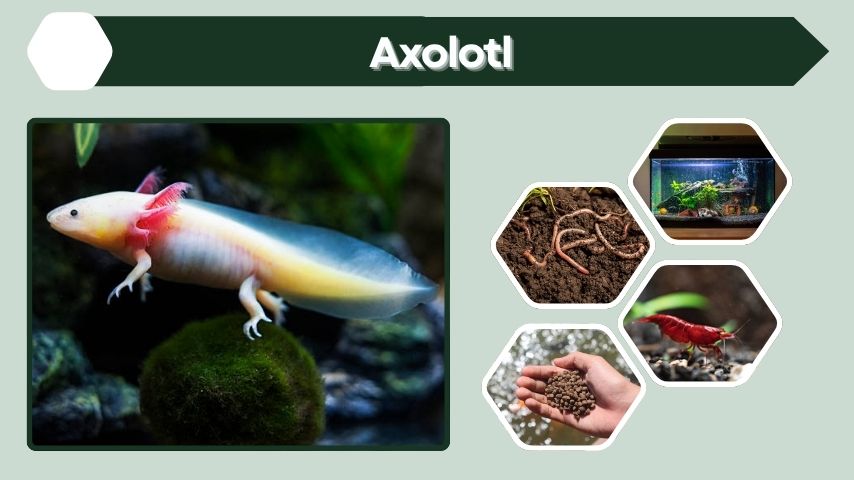
The axolotl is one of the most fascinating aquatic animals in the world. Often called the “Mexican walking fish,” it is actually a salamander that remains aquatic throughout its entire life. Famous for its feathery external gills and incredible ability to regenerate body parts, the axolotl has become popular among pet owners and wildlife enthusiasts alike. Understanding its habitat, diet, lifespan, and care requirements is essential for anyone interested in keeping one as a pet or learning more about this remarkable amphibian.
What Is an Axolotl?
The axolotl is a unique amphibian species native to Mexico. Unlike most salamanders, it does not undergo complete metamorphosis and remains in its aquatic juvenile form throughout life. This unusual biological trait, known as neoteny, makes the axolotl one of the most studied amphibians in the world and a favorite among researchers and pet owners.
Axolotl Origins
Axolotls originate from the lake systems surrounding Mexico City, particularly Lake Xochimilco. These freshwater environments once provided ideal conditions for large wild populations. Today, habitat loss and environmental changes have significantly reduced their numbers in the wild.
Why Axolotls Are Unique
Several characteristics make axolotls different from other amphibians.
- Permanent external gills.
- Exceptional regeneration abilities.
- Fully aquatic lifestyle.
- Ability to regrow limbs and organs.
- Distinctive smiling appearance.
- Rare and endangered status in the wild.
Where Do Axolotls Live?
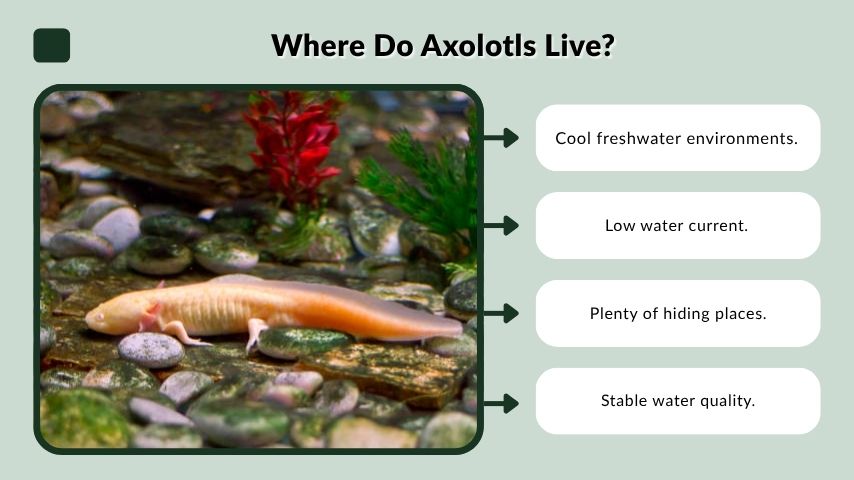
Understanding the natural habitat of axolotls helps explain their care requirements in captivity. These amphibians evolved in cool freshwater lakes and canals where water conditions remain relatively stable throughout the year. Recreating similar environmental conditions is important for maintaining healthy pet axolotls.
Natural Axolotl Habitat
Wild axolotls are found primarily in the canals and waterways connected to Lake Xochimilco in Mexico. The water is generally calm, cool, and rich in vegetation that provides shelter and food sources. These habitats support a wide range of aquatic organisms that contribute to the axolotl’s natural ecosystem.
Why Are Wild Axolotls Endangered?
Wild populations have declined due to urban development, water pollution, invasive fish species, and habitat destruction. Conservation programs are working to protect remaining populations and restore suitable habitats for future generations.
Habitat Conditions Axolotls Prefer
Axolotls thrive in specific environmental conditions.
- Cool freshwater environments.
- Low water current.
- Plenty of hiding places.
- Stable water quality.
- Dim lighting conditions.
- Aquatic plants and shelter.
Axolotl Size and Appearance
Axolotls are instantly recognizable because of their unusual appearance. Their wide heads, external gills, and long tails distinguish them from most aquatic pets. While many people associate axolotls with pale pink coloration, they actually come in several different color varieties.
Adult axolotls typically reach between 9 and 12 inches in length, although some individuals may grow larger under ideal conditions. Their bodies are designed for aquatic living, allowing them to move efficiently through water while conserving energy.
Common Axolotl Colors
Several color morphs are popular among hobbyists.
- Wild type.
- Leucistic.
- Albino.
- Golden albino.
- Melanoid.
- Copper.
Male vs Female Axolotls
Male and female axolotls share similar appearances, but mature males often develop a more pronounced cloacal region near the tail. Females generally have slightly broader bodies, particularly during breeding periods.
Axolotl Lifespan
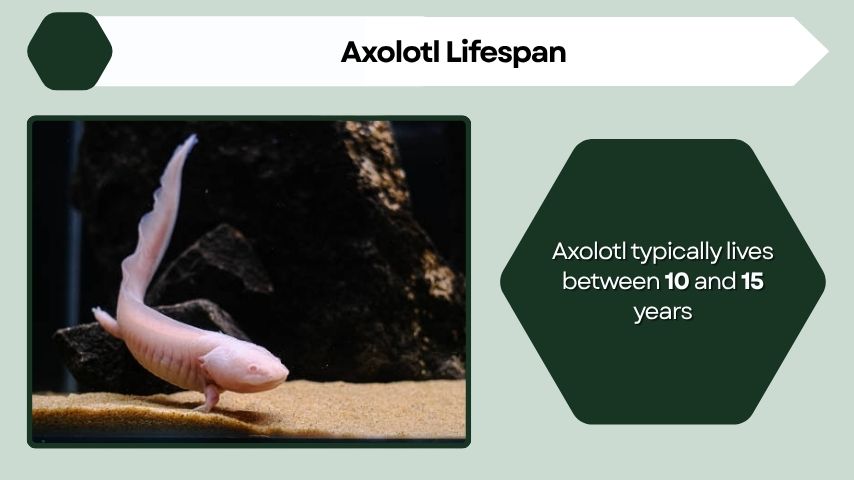
Axolotls are relatively long-lived amphibians when cared for properly. Their lifespan depends heavily on water quality, diet, environmental stability, and overall health management. Owners who provide suitable conditions often enjoy many years with their pets.
In captivity, axolotls generally live much longer than many other amphibian species. Consistent care and attention to water parameters can significantly increase longevity and improve quality of life.
How Long Do Axolotls Live?
A healthy axolotl typically lives between 10 and 15 years in captivity. Some individuals have exceeded these averages when maintained in optimal conditions and provided with proper nutrition.
Factors That Affect Lifespan
Several factors influence life expectancy.
- Water quality management.
- Proper nutrition.
- Suitable tank size.
- Stable water temperature.
- Reduced stress levels.
- Prompt treatment of illnesses.
How to Help an Axolotl Live Longer
Maintaining clean water, feeding a balanced diet, avoiding overcrowding, and monitoring health regularly can greatly improve an axolotl’s chances of living a long and healthy life.
Axolotl Life Cycle
The axolotl life cycle is unlike that of most amphibians. While frogs and many salamanders undergo dramatic transformations into adult forms, axolotls retain their larval features throughout adulthood. This unusual characteristic allows them to remain fully aquatic and continue using their external gills for respiration.
Egg Stage
Female axolotls lay hundreds of eggs that attach to plants, rocks, and other surfaces. Depending on water temperature, embryos usually develop and hatch within two to three weeks.
Baby Axolotl Stage
Baby axolotls emerge with tiny bodies and rapidly begin hunting small aquatic prey. During this stage, growth is rapid and proper nutrition is essential for healthy development.
Juvenile Development
As juveniles mature, they gradually develop stronger limbs, larger gills, and increased feeding abilities. Although they grow significantly, they retain the aquatic characteristics that define the species throughout adulthood.
What Do Axolotls Eat?
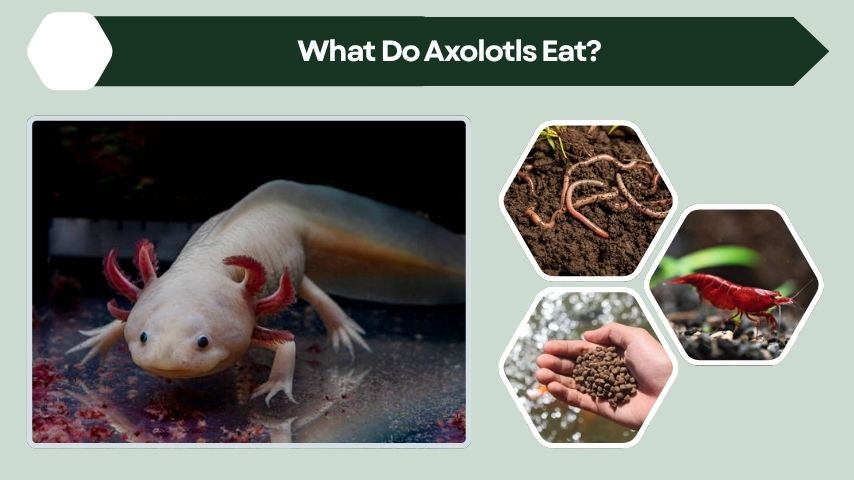
Proper nutrition is essential for maintaining healthy growth, strong immune function, and a long lifespan. Axolotls are carnivorous animals that feed primarily on small aquatic prey. In captivity, owners should provide a varied diet rich in protein while avoiding foods that may be difficult to digest or nutritionally inadequate.
Natural Diet in the Wild
Wild axolotls consume a variety of prey found in their freshwater habitats. Their diet consists mainly of insects, worms, crustaceans, and small fish. They use suction feeding to quickly capture food items that pass nearby.
Best Foods for Pet Axolotls
Pet axolotls thrive on nutritious protein-rich foods.
- Earthworms.
- Bloodworms.
- Axolotl pellets.
- Brine shrimp.
- Blackworms.
- Small aquatic invertebrates.
Foods to Avoid
Certain foods should not be fed regularly because they may cause digestive problems or nutritional imbalances.
- Large feeder fish.
- Processed human foods.
- Fatty meats.
- Insects collected from pesticide-treated areas.
- Foods containing excessive additives.
Axolotl Care Guide
Caring for an axolotl involves maintaining excellent water quality, providing proper nutrition, and minimizing stress. Although axolotls are relatively hardy animals, they are sensitive to poor environmental conditions. Consistent care practices help prevent disease and ensure a healthy, active pet.
Daily Care Requirements
Several routine tasks contribute to successful axolotl care.
- Check water temperature.
- Monitor feeding habits.
- Remove uneaten food.
- Observe behavior and health.
- Inspect filtration equipment.
- Maintain clean water conditions.
Water Temperature Requirements
Axolotls prefer cool water temperatures, generally between 60°F and 68°F (16°C to 20°C). Temperatures above this range can cause stress, weaken the immune system, and increase the risk of illness.
Can You Handle an Axolotl?
Handling should be kept to a minimum. Axolotls have delicate skin and protective slime coats that can be damaged by excessive contact. If handling becomes necessary, it should be done gently and only for short periods.
Choosing the Best Axolotl Tank
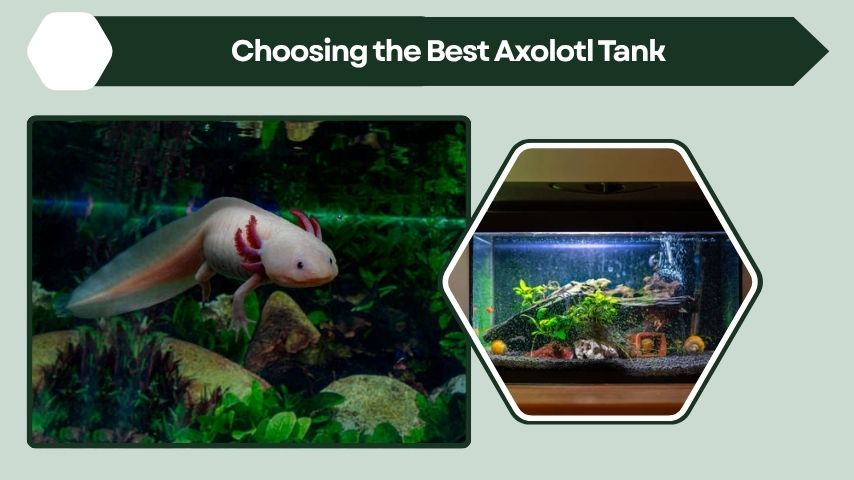
A properly designed tank is one of the most important factors in axolotl care. The aquarium should provide enough space for movement while maintaining stable water conditions. Good tank design reduces stress and helps create a safe environment that closely resembles the animal’s natural habitat.
Ideal Tank Size
Adult axolotls require a spacious aquarium. A minimum of 20 gallons is often recommended for a single axolotl, while larger tanks provide greater stability and comfort. Additional animals will require more space to avoid overcrowding.
Essential Tank Equipment
A successful axolotl setup should include:
- Aquarium tank.
- Gentle filtration system.
- Thermometer.
- Water conditioner.
- Hiding places.
- Testing kit.
Decorations and Hiding Spots
Axolotls enjoy secure areas where they can rest during the day. Caves, PVC hides, smooth rocks, and aquatic plants can help create a comfortable and natural-looking environment while reducing stress.
Axolotl Health and Common Problems
Axolotls are generally resilient animals when maintained in suitable conditions. However, health issues can develop if water quality declines or husbandry practices are inadequate. Recognizing problems early often improves treatment outcomes and prevents more serious complications.
Signs of a Healthy Axolotl
Healthy axolotls typically display the following characteristics:
- Bright, feathery gills.
- Smooth skin.
- Strong appetite.
- Active movement.
- Normal posture.
- Consistent growth.
Common Health Issues
Several conditions may affect captive axolotls.
- Fungal infections.
- Gill deterioration.
- Stress-related illness.
- Digestive impaction.
- Poor water quality complications.
- Loss of appetite.
Preventive Health Care
Most health problems can be avoided through proper tank maintenance, balanced nutrition, regular water testing, and minimizing environmental stress. Preventive care is often more effective than treating illness after symptoms appear.
Are Axolotls Good Pets?
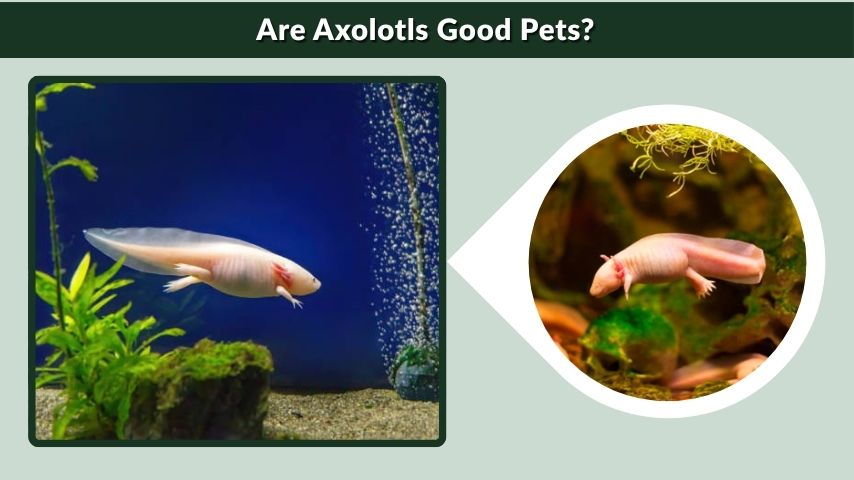
Axolotls have become increasingly popular because of their unusual appearance and relatively straightforward care requirements. They offer a unique pet-owning experience that differs from traditional fish, reptiles, or amphibians. However, potential owners should understand their specific needs before making a commitment.
Pros of Owning an Axolotl
Many people enjoy keeping axolotls because they offer several advantages.
- Unique appearance.
- Fascinating behavior.
- Relatively quiet pets.
- Long lifespan.
- Interesting educational value.
- Moderate care requirements.
Cons of Owning an Axolotl
There are also challenges associated with axolotl ownership.
- Sensitive to water conditions.
- Limited handling opportunities.
- Specialized tank setup needs.
- Cool water requirements.
- Veterinary care may be harder to find.
FAQs
Do Axolotls Need a Filter in Their Tank?
Yes, axolotls benefit from a filtration system that helps maintain clean water and stable water quality. However, the filter should produce a gentle flow because strong currents can stress axolotls and make them uncomfortable.
Can Axolotls Live With Other Fish?
Keeping axolotls with fish is generally not recommended. Some fish may nip at an axolotl’s delicate gills, while larger axolotls may attempt to eat smaller tank mates. A species-only tank is usually the safest option.
How Often Should You Feed an Axolotl?
Juvenile axolotls usually need daily feeding to support growth, while adults can typically be fed every two to three days. Feeding schedules may vary depending on age, size, and activity level.
Are Axolotls Endangered?
Yes, wild axolotls are classified as critically endangered due to habitat destruction, pollution, and invasive species in their native environment. Conservation efforts are underway to protect the remaining wild populations.
Can Axolotls Regrow Body Parts?
One of the most remarkable abilities of axolotls is regeneration. They can regrow lost limbs, portions of their tail, spinal cord tissue, and even parts of certain internal organs, making them a valuable species for scientific research.