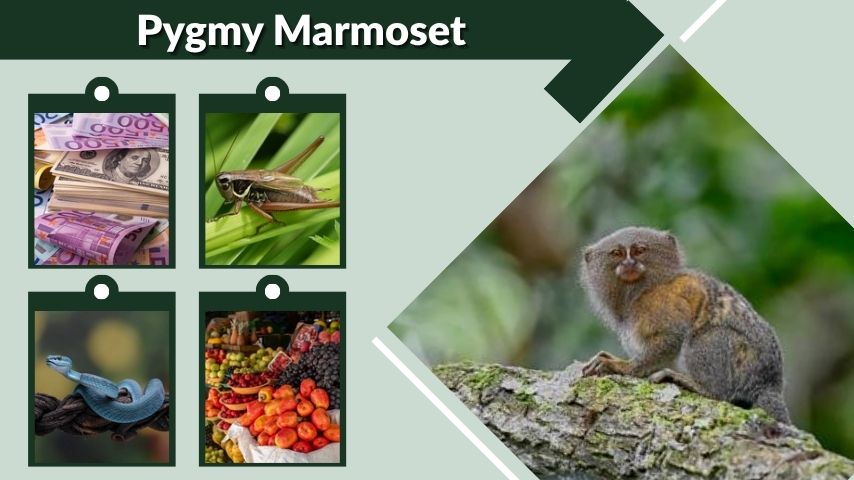
The pygmy marmoset is the world’s smallest monkey and one of the most fascinating primates on Earth. Native to the Amazon rainforest, this tiny animal is often called a “finger monkey” because of its remarkably small size. Despite its miniature appearance, the pygmy marmoset possesses impressive climbing abilities, complex social behaviors, and specialized feeding habits. Understanding its habitat, diet, lifespan, and unique adaptations helps explain why this species continues to capture the attention of wildlife enthusiasts worldwide.
What Is a Pygmy Marmoset?
The pygmy marmoset (Cebuella pygmaea) is a small New World monkey found in the rainforests of South America. Known for its tiny size and agile movements, it spends most of its life in trees. These monkeys live in family groups and communicate using a variety of vocalizations. Their unique appearance and behavior have made them one of the most recognizable primates in the world.
Scientific Classification
The pygmy marmoset belongs to the Callitrichidae family, which includes marmosets and tamarins. Scientists classify it as one of the smallest primate species currently living. Its scientific name, Cebuella pygmaea, reflects its tiny stature compared to other monkeys.
Why Is It Called a Finger Monkey?
The nickname “finger monkey” comes from the animal’s small body size. A young pygmy marmoset can fit comfortably on a person’s finger, leading to widespread use of this popular name on social media and in wildlife discussions.
Physical Characteristics
Several features distinguish pygmy marmosets from larger monkeys:
- Small body and lightweight frame
- Long tail for balance
- Sharp claws for climbing
- Large expressive eyes
- Brown, golden, or gray fur coloration
These adaptations allow them to move quickly through dense rainforest vegetation.
Pygmy Marmoset Size and Appearance
One of the main reasons pygmy marmosets attract attention is their incredibly small size. Although tiny, they possess all the physical characteristics needed to survive in challenging rainforest environments. Their compact bodies, long tails, and specialized claws help them navigate tree branches with remarkable agility.
How Big Is a Pygmy Marmoset?
Adult pygmy marmosets typically measure between 4.5 and 6 inches in body length. Their tails often exceed their body length, reaching up to 9 inches. Most adults weigh only around 3.5 to 5 ounces, making them the smallest monkeys in the world.
Full-Grown Pygmy Marmoset
A fully grown pygmy marmoset remains surprisingly small throughout its life. Even mature adults are significantly smaller than most other monkey species. Their compact size allows them to access food sources and hiding places unavailable to larger animals.
Male vs Female Size Differences
Male and female pygmy marmosets are very similar in appearance. Unlike some primate species, there are only minor differences in size and weight between the sexes, making visual identification difficult without closer examination.
Where Do Pygmy Marmosets Live?
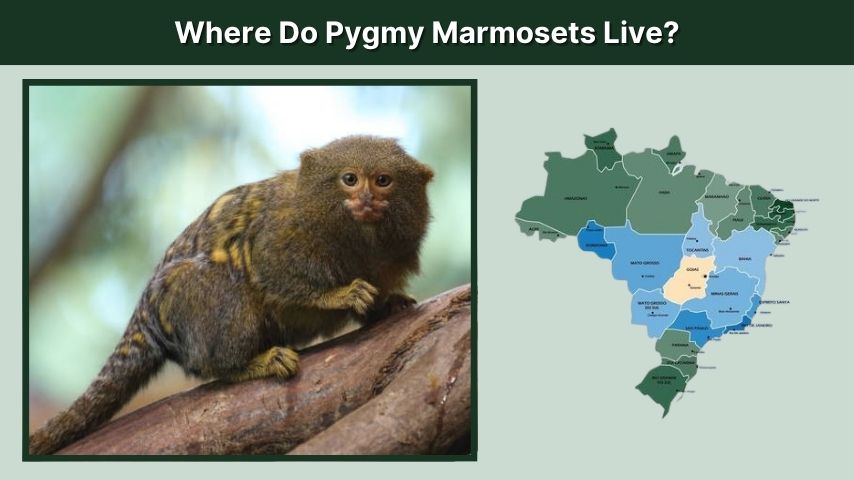
Pygmy marmosets inhabit tropical rainforests within the Amazon Basin. Their environment provides abundant food sources, shelter, and protection from predators. These monkeys spend nearly all their time in trees and rarely descend to the forest floor, where they would be more vulnerable to danger.
Natural Habitat
The dense rainforest canopy offers ideal conditions for pygmy marmosets. Thick vegetation allows them to move safely between branches while avoiding many predators. Their small size enables them to navigate narrow branches that larger animals cannot use.
Countries Where They Are Found
Wild pygmy marmosets are found in several South American countries, including:
- Brazil
- Peru
- Ecuador
- Colombia
- Bolivia
These regions contain extensive tropical forests that support healthy populations of the species.
Habitat Adaptations
Pygmy marmosets possess several adaptations that help them thrive in rainforest environments:
- Curved claws for gripping bark
- Flexible limbs for climbing
- Excellent balance
- Strong jumping ability
- Camouflaged fur coloration
These features make them highly efficient tree-dwelling primates.
What Do Pygmy Marmosets Eat?
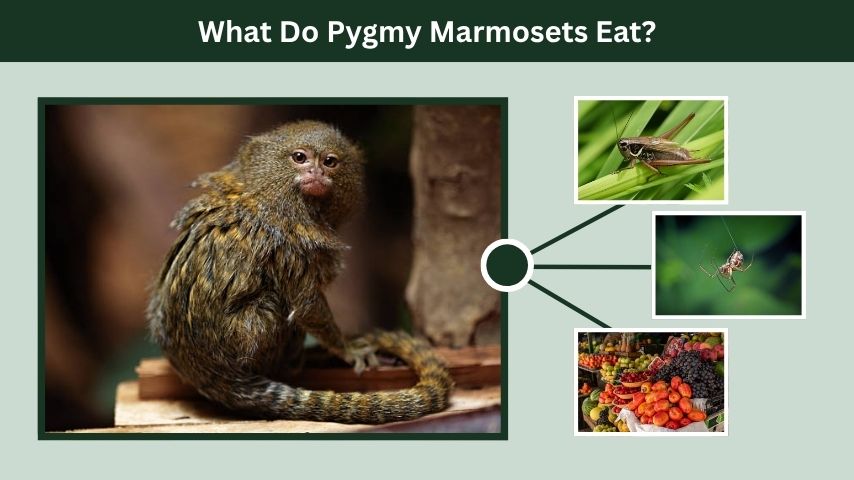
The pygmy marmoset has a specialized diet that differs from many other monkey species. Rather than relying primarily on fruit, it consumes large amounts of tree sap and gum. This unique feeding strategy reduces competition with other rainforest animals and provides a reliable food source throughout the year.
Natural Diet
Tree sap forms the foundation of the pygmy marmoset’s diet. The monkey uses its specialized teeth to gnaw small holes in tree bark, allowing sap and gum to flow. It then returns repeatedly to feed from these openings.
Favorite Foods
In addition to tree sap, pygmy marmosets consume several other food sources:
- Insects
- Spiders
- Fruits
- Nectar
- Plant material
This varied diet helps provide essential nutrients and energy.
How They Obtain Food
Pygmy marmosets are expert foragers. Their sharp lower teeth act like tiny chisels, allowing them to create feeding sites in tree bark. This behavior is one of the defining characteristics of the species and plays a crucial role in its survival within the rainforest ecosystem.
Pygmy Marmoset Lifespan
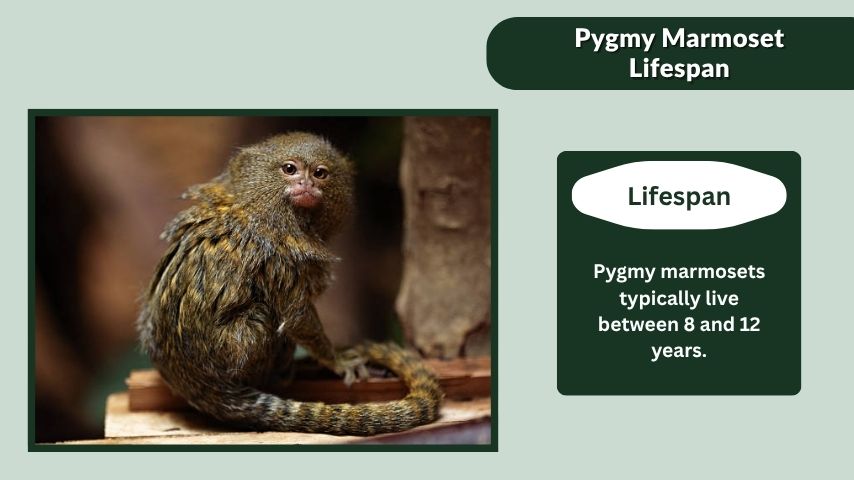
Despite their small size, pygmy marmosets can live surprisingly long lives under the right conditions. Their lifespan varies depending on factors such as habitat quality, predation, nutrition, and access to veterinary care. Individuals living in the wild often face greater challenges than those in protected environments or captivity.
How Long Do Pygmy Marmosets Live?
In the wild, pygmy marmosets typically live between 8 and 12 years. However, those living in captivity may survive longer due to consistent food supplies, medical care, and protection from predators. Some captive individuals have reached ages of 15 years or more.
Factors That Affect Lifespan
Several factors influence how long a pygmy marmoset lives:
- Availability of food resources
- Exposure to predators
- Habitat quality
- Disease and parasites
- Human activities
Healthy environments significantly increase their chances of survival.
Lifespan in Captivity
Captive pygmy marmosets often enjoy longer lifespans because they receive specialized diets and veterinary care. However, they also require significant attention and environmental enrichment to maintain their physical and mental well-being.
Pygmy Marmoset Predators
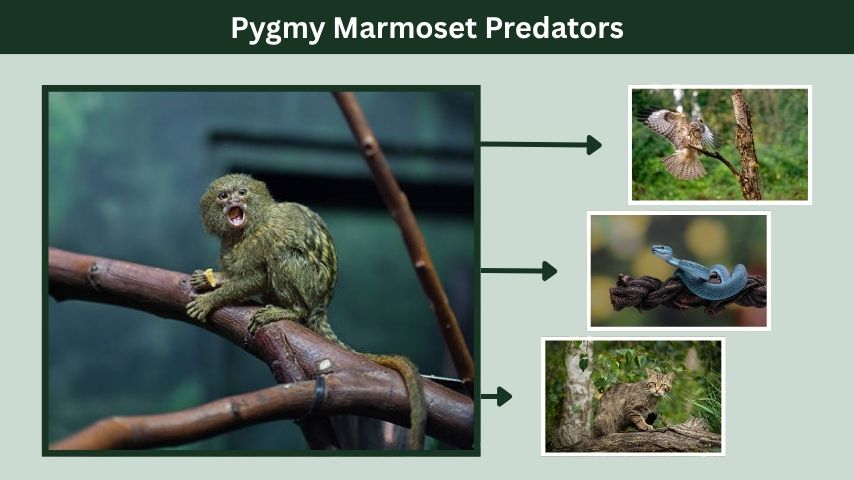
Although pygmy marmosets are agile and alert, they face numerous threats in their natural habitat. Their small size makes them vulnerable to a variety of predators. To survive, they rely on camouflage, quick movements, and group communication to detect danger and escape quickly.
Natural Predators
Many rainforest animals prey on pygmy marmosets. Common predators include birds of prey, snakes, and wild cats. These hunters often target young or isolated individuals that become separated from their groups.
Survival Strategies
Pygmy marmosets use several defensive behaviors to avoid predators. Family members remain in close contact and communicate through high-pitched calls. When danger is detected, the group quickly retreats into dense vegetation or moves to safer areas within the trees.
Communication and Warning Calls
These monkeys produce a variety of sounds that help maintain group cohesion and warn others about threats. Their vocal communication system plays a crucial role in survival, especially in dense rainforest environments where visibility is limited.
Pygmy Marmoset as a Pet
The popularity of pygmy marmosets on social media has led many people to consider them as pets. While their tiny size may seem appealing, owning a pygmy marmoset is far more challenging than most people realize. They have complex social, dietary, and environmental needs that are difficult to meet in a typical household.
Are Pygmy Marmosets Good Pets?
Pygmy marmosets are generally not considered ideal pets. They require specialized care, constant attention, and appropriate social interaction. Without proper care, they can experience stress, behavioral problems, and health issues.
Challenges of Ownership
Potential owners should understand several important challenges:
- Specialized dietary requirements
- Need for social companionship
- Large and secure enclosures
- Access to exotic animal veterinarians
- Long-term financial commitment
These factors make pygmy marmosets unsuitable for many households.
Can You Own a Pygmy Marmoset?
Ownership laws vary depending on location. Some countries and states allow ownership with permits, while others prohibit keeping primates as pets altogether. Anyone considering ownership should carefully research local regulations before making a decision.
Pygmy Marmoset Cost and Price
Many online searches focus on the cost of purchasing a pygmy marmoset. However, the initial purchase price represents only a small portion of the overall financial commitment. Prospective owners must also consider housing, food, veterinary care, and ongoing maintenance expenses.
How Much Does a Pygmy Marmoset Cost?
Prices vary significantly depending on location, breeder reputation, and legal requirements. In areas where ownership is permitted, pygmy marmosets can cost several thousand dollars. Additional expenses often exceed the purchase price over the animal’s lifetime.
Why Are They Expensive?
Several factors contribute to their high cost:
- Specialized breeding programs
- Legal licensing requirements
- Veterinary care expenses
- Limited availability
- High maintenance needs
Responsible ownership requires careful financial planning.
Important Considerations Before Buying
Before purchasing a pygmy marmoset, individuals should evaluate whether they can provide appropriate care throughout the animal’s life. Ethical concerns, legal restrictions, and welfare requirements should always be considered before acquiring any exotic pet.
Are Pygmy Marmosets Endangered?
Pygmy marmosets are not currently classified as endangered, but they still face several threats in the wild. Habitat destruction and illegal wildlife trade continue to affect many rainforest species, including small primates. Conservation efforts help protect both the animals and the ecosystems they depend upon.
Threats to Wild Populations
The primary threats facing pygmy marmosets include:
- Deforestation
- Habitat fragmentation
- Illegal pet trade
- Climate change
- Human development
Protecting rainforest habitats remains essential for their long-term survival.
Conservation Efforts
Conservation organizations work to preserve rainforest ecosystems and reduce illegal wildlife trafficking. Protected areas, environmental education programs, and sustainable land management practices all contribute to safeguarding pygmy marmoset populations.
FAQs
What is a pygmy marmoset?
A pygmy marmoset is the world’s smallest monkey, native to the Amazon rainforest of South America and scientifically known as Cebuella pygmaea.
How big is a full-grown pygmy marmoset?
A full-grown pygmy marmoset typically measures 4.5 to 6 inches in body length and weighs between 3.5 and 5 ounces.
What do pygmy marmosets eat?
Their diet mainly consists of tree sap, gum, insects, spiders, fruits, nectar, and other plant materials.
How long do pygmy marmosets live?
Pygmy marmosets generally live 8 to 12 years in the wild and can live up to 15 years or longer in captivity with proper care.
Are pygmy marmosets good pets?
Pygmy marmosets are challenging exotic animals that require specialized diets, social interaction, large enclosures, and expert veterinary care, making them unsuitable pets for most people.