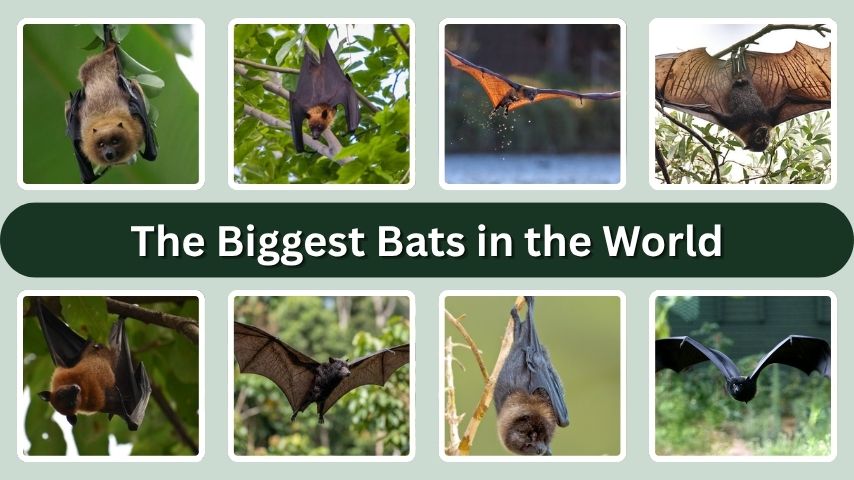
The biggest bats in the world are not the tiny, fast-flying animals many people imagine when they think of bats. Most of the largest species are fruit bats, also called flying foxes, with fox-like faces, large eyes, and wingspans that can stretch wider than a person’s height. These giant bats may look dramatic, but they are mostly gentle fruit eaters that play an important role in forests by spreading seeds and pollinating plants.
What Makes a Bat the Biggest?
Before ranking the biggest bats, it helps to understand what “biggest” means. Some bats are considered large because of their wingspan, while others are heavy compared with other bat species. A few have long bodies, broad wings, and impressive hanging size when roosting in trees.
Most of the world’s largest bats belong to the megabat group, especially the flying foxes in the family Pteropodidae. Unlike many small insect-eating bats, flying foxes do not rely on echolocation in the same way. They often use strong eyesight and smell to find fruit, nectar, and flowers.
Size Can Be Measured in Several Ways
The biggest bats may be compared by:
- Wingspan
- Body length
- Weight
- Forearm length
- Hanging appearance
- Overall visual size
This is why one species may be called the largest by wingspan, while another may be considered heavier.
1. Giant Golden-Crowned Flying Fox
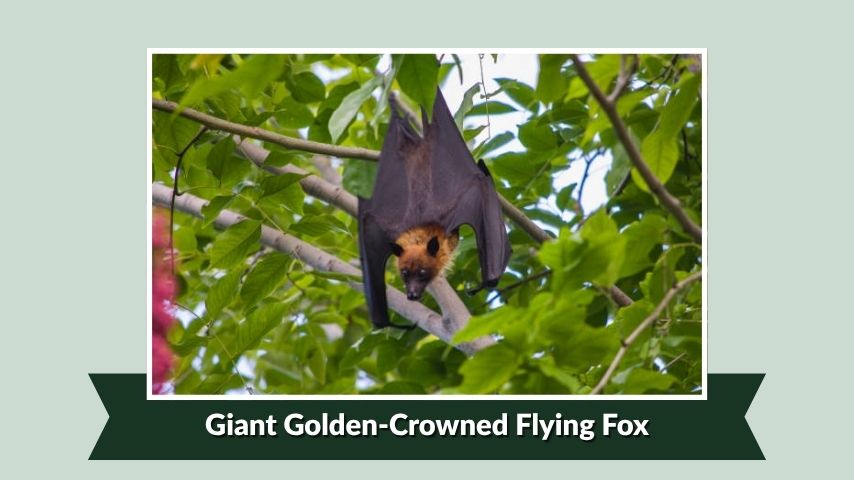
The giant golden-crowned flying fox is often named as the biggest bat in the world. It is native to the Philippines and is famous for its huge wingspan, dark body, and golden fur around the head and shoulders. Its scientific name is Acerodon jubatus.
This species can have a wingspan of about 1.5 to 1.7 meters, or nearly 5 to 5.6 feet. Its weight is often reported around 1.05 to 1.2 kilograms, although size can vary between individuals. When hanging from a tree with its wings folded, it may look even larger because of its long limbs and broad wing membranes.
Why It Looks So Huge
The giant golden-crowned flying fox has long wings designed for efficient flight over forest areas. Its body is not as heavy as many people expect, because bats need lightweight bodies to fly. The wings create the dramatic size.
Despite its intimidating appearance, this bat is a fruit eater. It feeds mainly on fruits, especially figs, and helps forests by dispersing seeds. Unfortunately, it is endangered because of habitat loss, hunting, and human disturbance.
2. Large Flying Fox
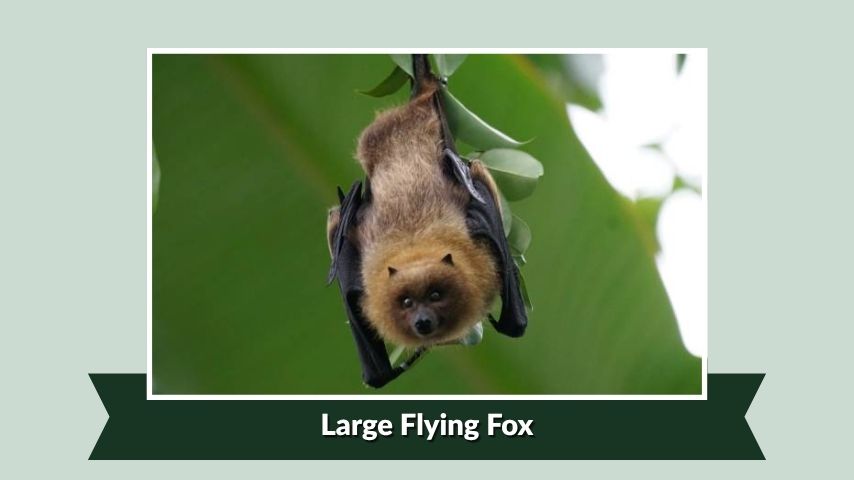
The large flying fox, also called the greater flying fox, is another giant fruit bat. Its scientific name is Pteropus vampyrus. Despite the word “vampyrus,” this bat is not a vampire bat and does not drink blood. It feeds on fruit, nectar, and flowers.
The large flying fox can have a wingspan of around 1.5 meters or more, making it one of the most impressive bats in the world. It lives in parts of Southeast Asia and roosts in colonies, often in trees near forests, mangroves, or coastal areas.
Key Traits
The large flying fox is known for:
- Very broad wings
- Fox-like face
- Long-distance flight
- Fruit-based diet
- Large social roosts
- Important role in seed dispersal
Because these bats travel between feeding areas, they can move seeds across wide landscapes. This makes them valuable for forest regeneration.
3. Indian Flying Fox
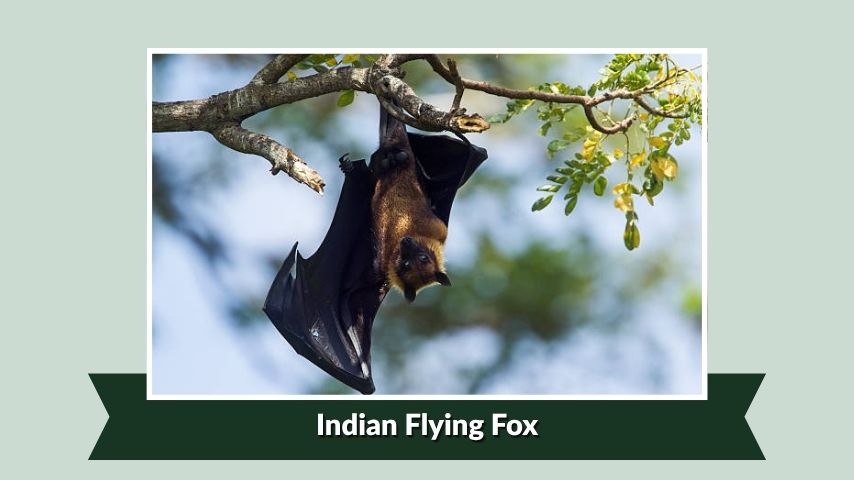
The Indian flying fox, Pteropus medius, is one of the heaviest bats in the world. It is found across the Indian subcontinent and nearby regions. It is a common large fruit bat in many areas and is often seen roosting in tall trees in noisy colonies.
Its wingspan can reach around 1.2 to 1.5 meters, and large individuals can weigh more than many other bat species. Like other flying foxes, it eats fruit, nectar, and flowers.
Relationship With People
Indian flying foxes often live near villages, towns, orchards, and temples. This sometimes creates conflict when they feed on cultivated fruit. However, they also provide ecological benefits by spreading seeds and pollinating plants.
These bats are highly social. Large groups may hang together during the day, then leave at dusk to search for food.
4. Great Flying Fox
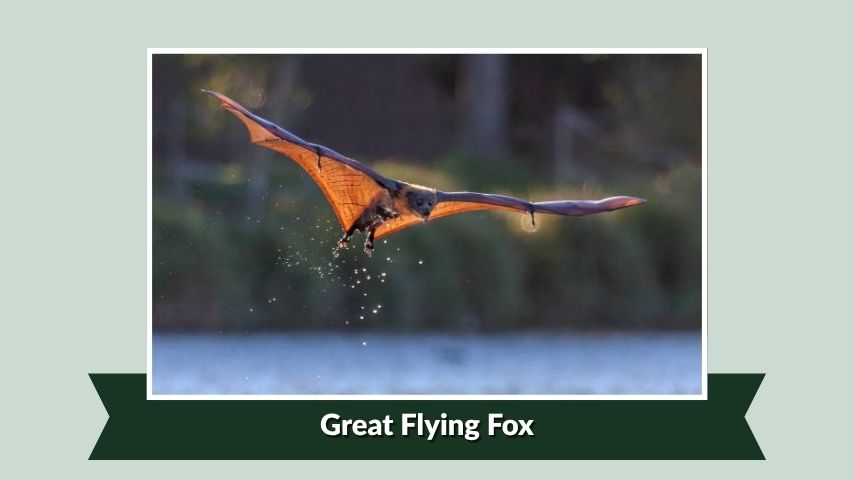
The great flying fox, Pteropus neohibernicus, is another bat often listed among the largest in the world. It lives in New Guinea and nearby islands. It is especially known for its large body size and heavy build compared with many other flying foxes.
Some sources consider it among the heaviest bats, and it has a very large wingspan as well. Its fur is usually brownish, and like other flying foxes, it has a dog-like or fox-like face.
Habitat and Food
The great flying fox lives in tropical and subtropical forest habitats. It feeds on fruit, nectar, and flowers. By moving between trees and feeding sites, it helps spread seeds and pollen. This makes it important for the health of island forests.
5. Spectacled Flying Fox
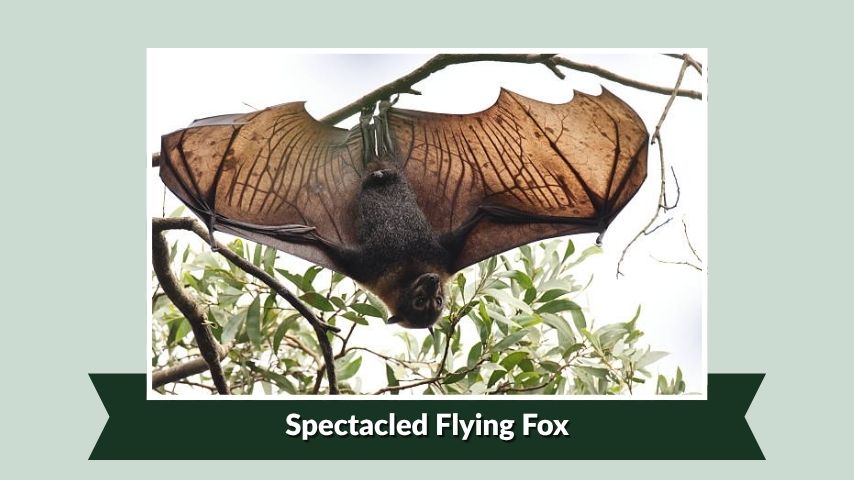
The spectacled flying fox, Pteropus conspicillatus, is a large fruit bat found in northeastern Australia, New Guinea, and nearby islands. It gets its name from the pale rings of fur around its eyes, which can look like spectacles.
Although it is not usually considered the absolute biggest bat, it is still a large and impressive flying fox. Its wingspan can reach over one meter, and it forms large camps in rainforest areas.
Why It Matters
Spectacled flying foxes help pollinate and spread seeds for many rainforest plants. Their nightly movements connect forest patches and support plant growth. Like many large bats, they face threats from habitat loss, heat stress, and conflict with humans.
6. Black Flying Fox
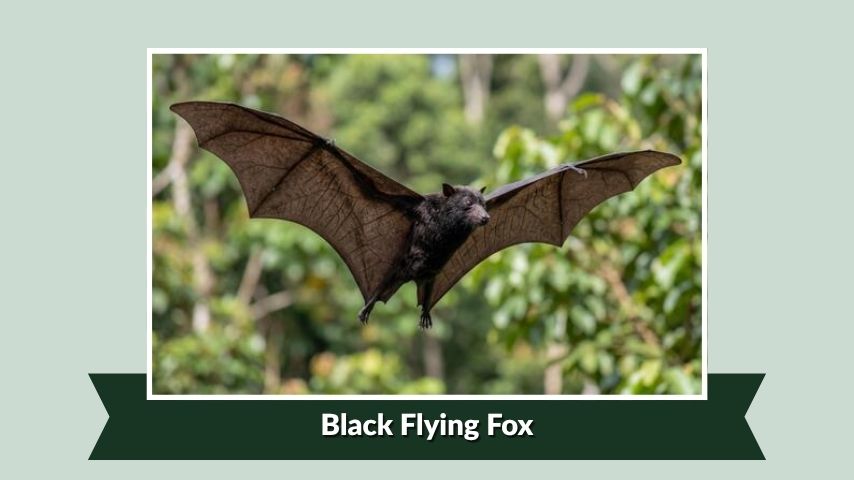
The black flying fox, Pteropus alecto, is another large bat from Australia, Indonesia, Papua New Guinea, and surrounding regions. It has dark fur and a strong, broad-winged flight style. It is often seen in large colonies and may share roosts with other flying fox species.
This bat feeds on fruit, blossoms, nectar, and pollen. It can travel long distances in search of food, especially when flowers or fruit are available seasonally.
Common Features
Black flying foxes are known for:
- Dark body fur
- Large wings
- Tree roosting
- Night feeding
- Social colonies
- Long-distance movement
They are important pollinators, especially for native trees that bloom at night.
7. Livingstone’s Fruit Bat
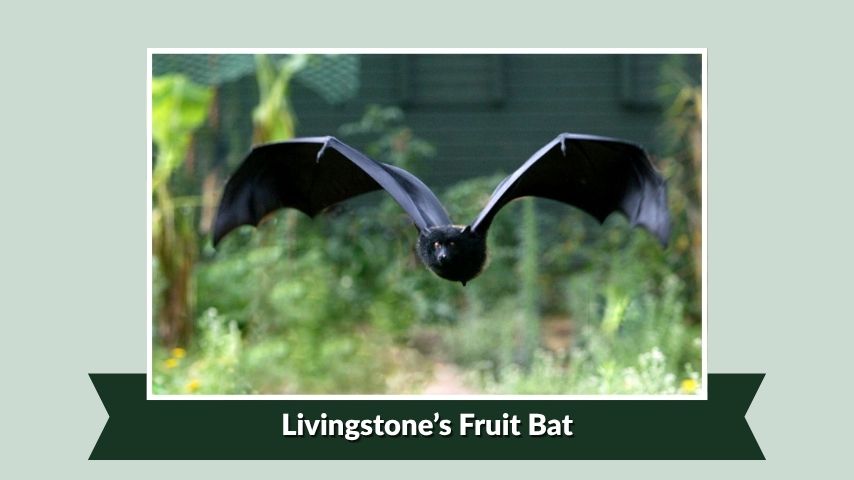
Livingstone’s fruit bat, Pteropus livingstonii, is a large and rare flying fox from the Comoros Islands in the Indian Ocean. It is not the longest-winged bat in the world, but it is one of the most striking and conservation-important large bats.
It has dark fur, large eyes, and broad wings. It lives in forest habitats and depends on native trees for roosting and food. Because it has a limited range, habitat loss is a serious threat.
Conservation Concern
Livingstone’s fruit bat is often discussed in conservation programs because its population is small and vulnerable. Protecting its forest habitat is essential for its survival. Like other fruit bats, it supports ecosystems by spreading seeds.
8. Rodrigues Flying Fox
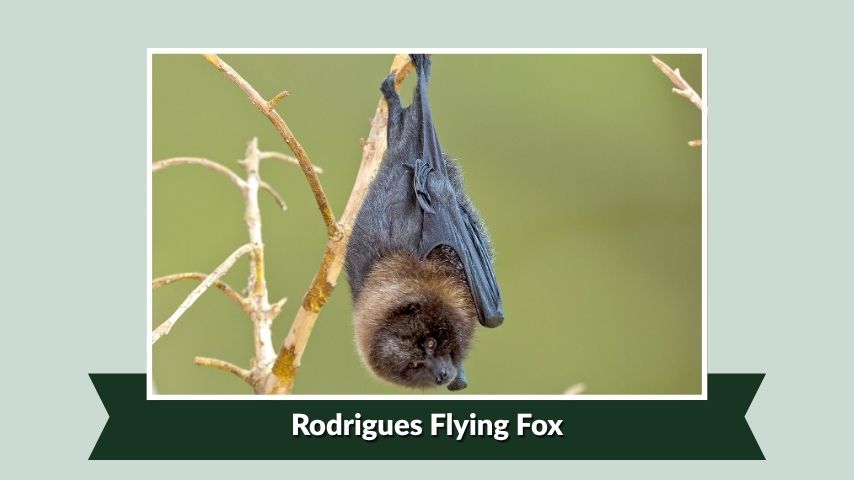
The Rodrigues flying fox, Pteropus rodricensis, is smaller than the giant golden-crowned flying fox but still large compared with most bats. It is native to Rodrigues Island in the Indian Ocean. This species is well known because conservation programs helped save it from severe decline.
The Rodrigues flying fox has a wingspan that can reach around 35 inches. San Diego Zoo describes it as a social fruit bat and notes that flying foxes are not a danger to humans but are important seed dispersers and pollinators.
Biggest Bats Compared
The largest bats are mostly fruit-eating flying foxes. Their size is most impressive when measured by wingspan rather than body weight.
| Bat Species | Main Region | Notable Size Feature |
|---|---|---|
| Giant golden-crowned flying fox | Philippines | Often considered the largest bat by wingspan |
| Large flying fox | Southeast Asia | One of the broadest-winged flying foxes |
| Indian flying fox | South Asia | Among the heaviest bats |
| Great flying fox | New Guinea region | Very large and heavy flying fox |
| Spectacled flying fox | Australia and New Guinea | Large rainforest pollinator |
| Black flying fox | Australia and nearby regions | Large, dark, social flying fox |
| Livingstone’s fruit bat | Comoros Islands | Large, rare island flying fox |
| Rodrigues flying fox | Rodrigues Island | Large conservation success story |
Are the Biggest Bats Dangerous?
The biggest bats in the world may look scary, but they are not monsters. Most giant bats eat fruit, nectar, flowers, and pollen. They are not vampire bats, and they do not hunt people.
The real safety concern is contact with wild bats. Like many wild animals, bats should not be handled because they can bite if stressed and may carry diseases in some regions. If you find an injured bat, contact a wildlife rescue group instead of touching it.
Common Myths
Many myths make large bats seem more frightening than they are:
- They do not attack humans for food
- They are not blind
- Most large flying foxes do not use blood as food
- They are not oversized rodents
- They are important mammals, not pests by default
Their size is mainly an adaptation for long-distance flight and foraging.
What Do the Biggest Bats Eat?
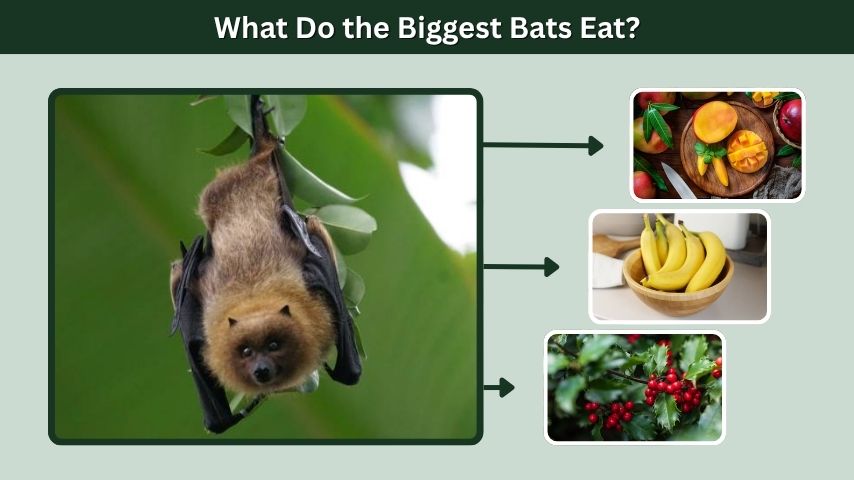
Most giant bats eat fruit, nectar, flowers, and pollen. Figs are especially important for several flying fox species. Their diet makes them essential for tropical forests.
Food Sources
Large bats may feed on:
- Figs
- Mangoes
- Bananas
- Native forest fruits
- Nectar
- Flower blossoms
- Pollen
- Soft fruit pulp
After eating fruit, bats may carry seeds away from the parent tree. This helps new trees grow in different places.
Why Big Bats Are Important
Large bats play a major role in ecosystems. They are pollinators and seed dispersers. Some trees depend on nighttime animals like bats to move pollen between flowers. Others benefit when bats spread seeds across forests, islands, and disturbed habitats.
Without flying foxes, some forests would lose important natural gardeners. Their nightly flights help maintain plant diversity and forest recovery.
Threats to the World’s Largest Bats
Many of the biggest bats are threatened or declining. Their large size makes them easy to notice, and their need for forest habitat puts them at risk when land is cleared.
Major Threats
The biggest threats include:
- Deforestation
- Hunting
- Roost disturbance
- Conflict with fruit growers
- Climate stress
- Extreme heat events
- Slow reproduction
- Island habitat loss
Large fruit bats often have only one young at a time, so populations may recover slowly after decline.
FAQs
What is the biggest bat in the world?
The giant golden-crowned flying fox is often called the biggest bat in the world because of its huge wingspan. It can reach about 1.5 to 1.7 meters across the wings. Some other flying foxes may be heavier, but this species is one of the most visually impressive.
Are giant bats real?
Yes, giant bats are real. The largest species are mostly fruit bats known as flying foxes. They live in tropical and subtropical regions, especially in Asia, Australia, and island habitats. Although they look dramatic, most giant bats eat fruit, nectar, flowers, and pollen.
Do the biggest bats drink blood?
No, the biggest bats do not drink blood. Giant flying foxes are fruit bats, not vampire bats. They feed mainly on fruit, nectar, flowers, and pollen. Vampire bats are much smaller and live in parts of Central and South America.
Are flying foxes dangerous to humans?
Flying foxes are not aggressive toward humans, but wild bats should not be handled. They may bite if frightened or injured, and some bats can carry diseases. It is best to watch them from a distance and call trained wildlife rescuers if one needs help.
Why are the biggest bats important?
The biggest bats are important because they spread seeds and pollinate plants. Many tropical forests benefit from flying foxes moving between trees at night. By carrying pollen and seeds, these bats help forests regenerate and support healthy ecosystems.