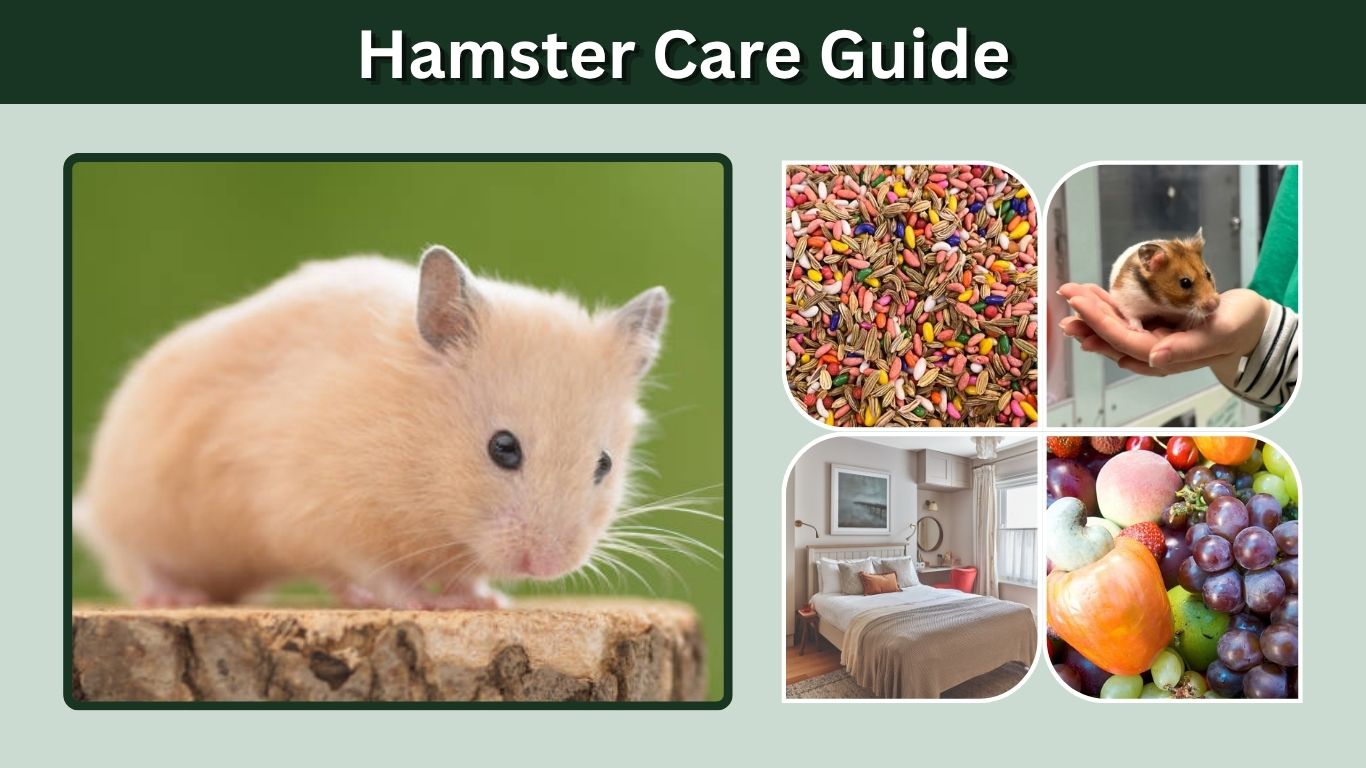
Hamsters are small, active pets that need more care than many new owners expect. A healthy hamster needs the right enclosure, safe bedding, balanced food, fresh water, exercise, and gentle handling. Since hamsters are nocturnal and naturally love to burrow, their daily routine is very different from many other pets. Understanding hamster diet, hamster food choices, lifespan, behavior, and habitat needs can help owners create a safer, happier home for these tiny animals.
Understanding Hamsters as Pets
Hamsters are popular small pets because they are cute, quiet, and do not need outdoor walking like dogs. However, they still need a thoughtful setup and regular care. A hamster is not just a cage pet; it is an active animal with strong instincts to dig, hide, chew, explore, and store food.
What Makes Hamsters Unique?
Hamsters are rodents with short tails, cheek pouches, sharp teeth, and strong digging behavior. Their cheek pouches help them carry food to storage areas, which is why owners often notice food disappearing quickly from the bowl. This does not always mean the hamster has eaten everything; it may simply be hiding food in its nest.
Most hamsters are active during the evening and night. They may sleep during the day and become energetic after sunset. This natural routine makes them better suited for owners who can observe and feed them later in the day.
Common Types of Pet Hamsters
The most common pet hamsters include Syrian hamsters, dwarf hamsters, Roborovski hamsters, Chinese hamsters, Campbell’s dwarf hamsters, and winter white dwarf hamsters. Syrian hamsters are larger and usually need to live alone. Some dwarf species may tolerate others, but fighting can still happen, so careful housing is important.
Each type has different size, temperament, and care needs. Before choosing one, owners should learn whether the species is solitary, how much space it needs, and how comfortable it may become with handling.
Hamster Diet Basics
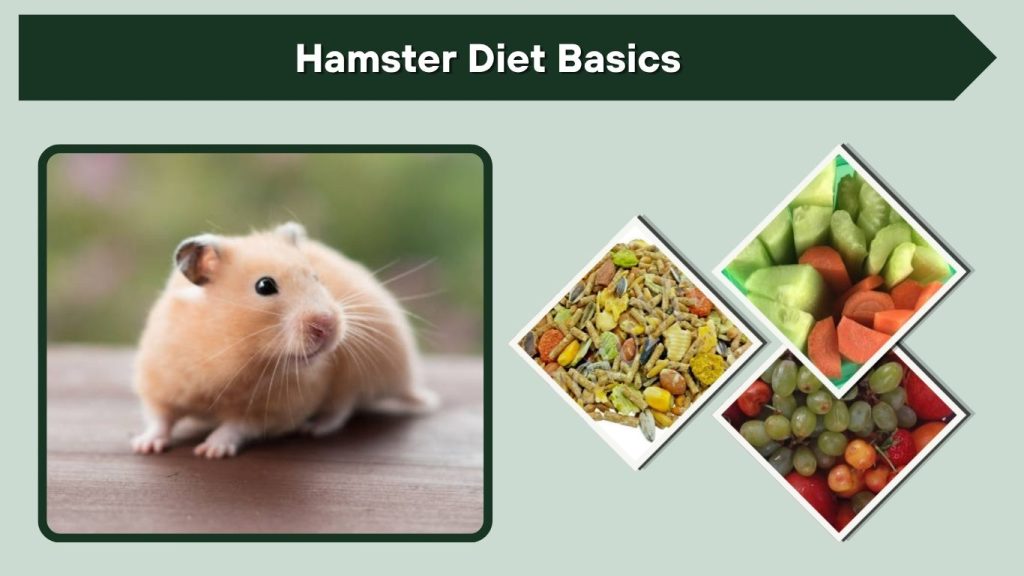
A proper hamster diet supports energy, digestion, dental health, and lifespan. Hamsters are omnivores, meaning they can eat a mix of plant-based foods and some protein sources. The safest diet usually starts with a high-quality commercial hamster food, then adds small amounts of fresh vegetables and occasional treats.
What Should a Hamster Eat?
- High-quality hamster pellets or a balanced hamster mix should be the main food.
- Fresh water should be available every day in a clean bottle or bowl.
- Small portions of safe vegetables can be offered several times a week.
- Occasional fruits may be given in tiny amounts because they are sugary.
- Protein sources, such as mealworms or plain cooked egg, may be offered in moderation.
- Chew-safe items help support natural chewing and tooth wear.
A balanced diet is important because hamsters can become selective eaters. If they are given a seed-heavy mix, they may choose only the tastiest pieces and leave healthier parts behind. This can lead to poor nutrition over time.
Foods Hamsters Should Avoid
Some foods are unsafe or unhealthy for hamsters. Owners should avoid chocolate, candy, salty snacks, citrus fruits, onion, garlic, raw beans, and heavily processed human foods. Sticky foods should also be avoided because they can get stuck in cheek pouches.
Fresh food should be removed before it spoils. Hamsters often hide food, so owners should check sleeping areas and corners for old vegetables or fruit. Spoiled food can attract insects and may upset the hamster’s stomach.
Best Hamster Food Choices
Choosing the right hamster food is one of the most important parts of daily care. A good food should provide balanced nutrition without too much sugar, fat, or filler ingredients. The best option depends on the hamster’s species, age, activity level, and health condition.
Commercial Food vs Fresh Food
Commercial hamster food should make up the main part of the diet because it is designed to provide steady nutrition. Pellets can prevent selective feeding because every piece has similar nutrients. Seed mixes may add variety, but they should be balanced and not full of only sunflower seeds or sweet pieces.
Fresh food is useful as a supplement, not the main diet. Vegetables such as cucumber, broccoli, carrot, spinach, and small amounts of leafy greens can add variety. However, new foods should be introduced slowly to avoid digestive problems.
| Food Type | How Often to Offer | Notes |
| Hamster pellets or balanced mix | Daily | Main part of the diet |
| Fresh vegetables | A few times weekly | Give small portions only |
| Fruit | Occasionally | Use tiny amounts due to sugar |
| Protein treats | Occasionally | Useful in moderation |
| Fresh water | Daily | Replace and clean regularly |
Feeding Tips for Healthy Eating
- Feed at a regular time, preferably in the evening.
- Watch whether the hamster is eating or only storing food.
- Avoid sudden diet changes.
- Remove uneaten fresh food before it spoils.
- Do not overfeed sugary treats.
- Check weight and body condition regularly.
Hamsters are small, so even a little extra food can matter. Overfeeding can lead to obesity, while poor food choices can cause nutritional imbalance. If a hamster suddenly stops eating, loses weight, or has wet droppings, a vet should be contacted quickly.
Hamster Lifespan and Health
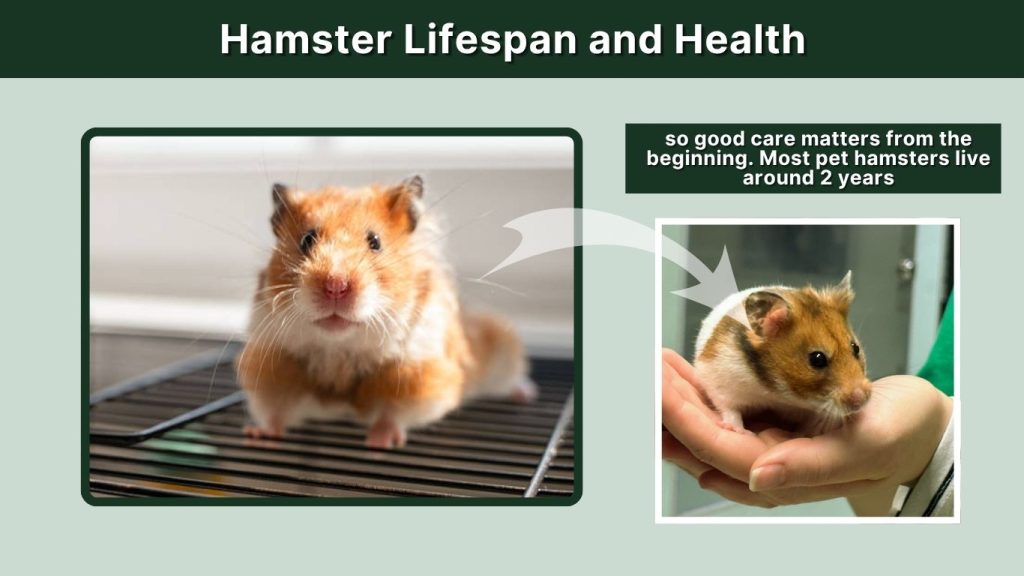
Hamster lifespan is short compared with many pets, so good care matters from the beginning. Most pet hamsters live around two years, though lifespan varies by species, genetics, diet, housing, and health care. Some may live longer with excellent care, while others may have shorter lives due to illness or inherited problems.
How Long Do Hamsters Live?
Syrian hamsters commonly live around two to three years. Dwarf hamsters often have a similar range, though individual lifespans vary. Owners should remember that a hamster becomes a senior pet much faster than a cat or dog.
A young hamster may be energetic, curious, and fast-moving. An older hamster may sleep more, move more slowly, and need easier access to food, water, and nesting areas. Senior hamsters should be handled gently and monitored closely for health changes.
Signs of a Healthy Hamster
A healthy hamster usually has bright eyes, clean fur, normal movement, steady eating habits, and dry droppings. It should show interest in exploring, nesting, chewing, and running when awake. Its breathing should be quiet, and its body should not appear swollen or injured.
Warning signs include wet tail area, diarrhea, weight loss, overgrown teeth, hair loss, lumps, breathing problems, lack of appetite, or unusual aggression. Because hamsters are prey animals, they may hide illness until it becomes serious. Quick action is important when symptoms appear.
Hamsters Habitat and Cage Setup
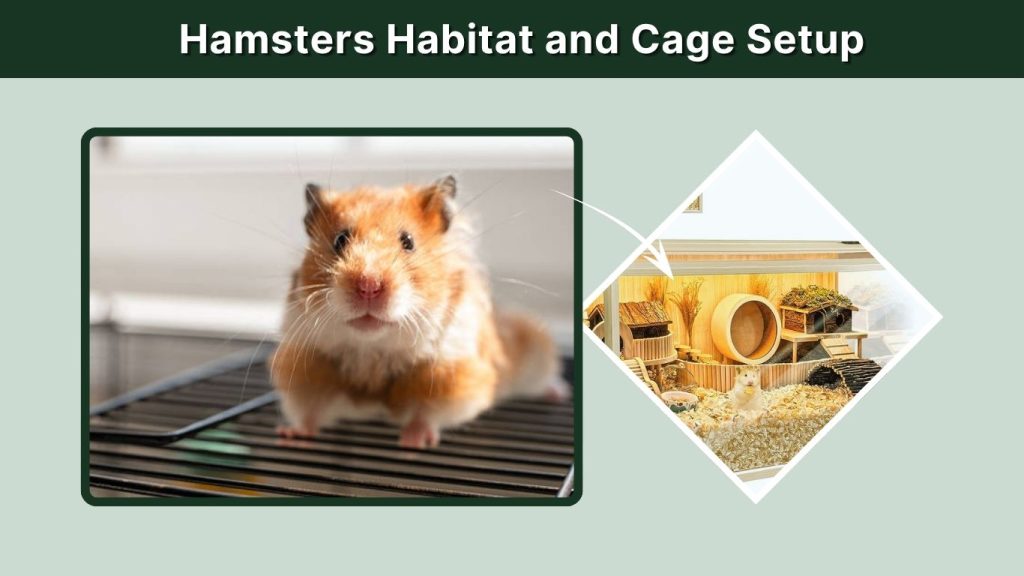
A hamster’s enclosure affects its health, stress level, and natural behavior. Many cages sold for hamsters are too small or too shallow for proper burrowing. A good setup should offer floor space, deep bedding, hiding spots, chew items, a wheel, and enrichment.
What a Good Hamster Cage Needs
Hamsters need room to move and explore. A larger enclosure is better than a small cage with many plastic tubes. The enclosure should have safe ventilation, secure sides, and enough space for bedding, food, water, a wheel, and hides.
Deep bedding is especially important because hamsters naturally dig tunnels. Paper-based bedding or other hamster-safe bedding can help them burrow and nest. Avoid dusty bedding, strong scents, and unsafe wood shavings.
Enrichment and Exercise
- A solid exercise wheel helps support daily movement.
- Hideouts give the hamster safe resting spaces.
- Chew toys help manage natural tooth growth.
- Cardboard tubes and boxes encourage exploration.
- Scatter feeding can make mealtime more natural.
- Deep bedding supports digging and burrowing.
Hamsters can become stressed in bare cages. A rich environment gives them choices and helps prevent boredom. Owners should also avoid waking a hamster suddenly during the day, as this can cause stress and biting.
Hamsters Behavior and Handling
Hamster behavior can be misunderstood by new owners. A hamster that hides, runs away, or bites is not necessarily mean. It may be scared, sleepy, stressed, or not yet used to human contact. Patience is important when building trust.
How to Handle a Hamster Safely
Start by letting the hamster adjust to its new home for a few days. Speak softly near the enclosure and offer food from your hand without forcing contact. Once the hamster becomes comfortable, allow it to climb onto your hand rather than grabbing it from above.
Handling should be done close to the ground or over a safe surface because hamsters can jump suddenly. Children should be supervised, and rough handling should never be allowed. A hamster is fragile and can be injured by falls or squeezing.
Common Hamster Behaviors
Hamsters may run on wheels, dig, groom, chew, stuff food into cheek pouches, and rearrange bedding. These are normal behaviors. They may also freeze when scared or hide when the room is noisy.
Biting can happen if the hamster is startled, handled while sleepy, or touched with hands that smell like food. Washing hands before handling and approaching slowly can reduce this problem. With time, many hamsters become calmer and more comfortable with gentle interaction.
Hamster Care Mistakes to Avoid
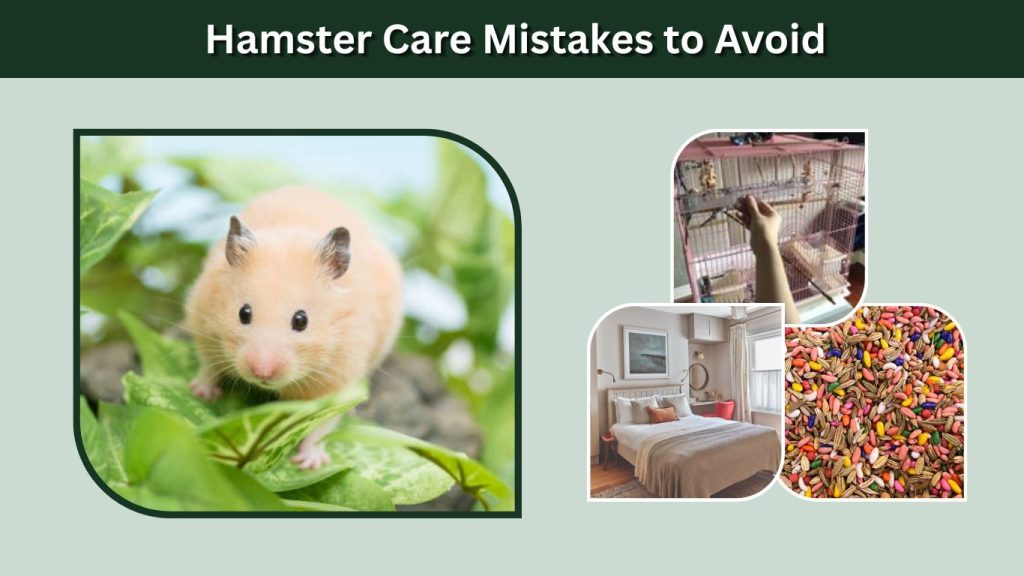
Even caring owners can make mistakes if they rely on outdated advice. Hamsters need more than a small cage, seed mix, and wheel. Better care means understanding their natural habits and giving them a safe environment.
Common Beginner Mistakes
- Using a cage that is too small.
- Providing bedding that is too shallow.
- Feeding too many seeds or sugary treats.
- Housing Syrian hamsters together.
- Waking the hamster during the day.
- Using unsafe bedding or scented products.
- Not checking hidden food stores.
- Ignoring early signs of illness.
Avoiding these mistakes can improve a hamster’s comfort and quality of life. A proper setup may cost more at first, but it helps reduce stress and supports healthier behavior.
When to Visit a Vet
A hamster should see a vet if it stops eating, has diarrhea, loses weight, has trouble breathing, develops lumps, or shows signs of injury. Dental problems are also common in rodents, so drooling, difficulty eating, or overgrown teeth should be taken seriously.
Not every vet treats hamsters, so owners should find an exotic pet vet before an emergency happens. Fast treatment can make a major difference because small animals can decline quickly.
FAQs
What is the best diet for a hamster?
The best hamster diet is based on high-quality pellets or a balanced hamster mix, supported by small amounts of safe vegetables and occasional treats. Fresh water should always be available. Avoid feeding too many seeds, fruits, or sugary snacks because hamsters are small and can gain weight quickly.
How long does a hamster live?
Most hamsters live around two years, though some may live closer to three years with good care. Lifespan depends on species, genetics, diet, housing, exercise, and health. Since hamsters age quickly, owners should provide proper care from the beginning and watch closely for health changes.
What food should hamsters not eat?
Hamsters should not eat chocolate, candy, salty snacks, onion, garlic, citrus fruits, raw beans, or processed human foods. Sticky or spoiled foods should also be avoided. Fresh foods must be given in small amounts and removed before they rot inside the cage or hidden storage areas.
Do hamsters need a big cage?
Yes, hamsters need more space than many small cages provide. They need room for bedding, a wheel, food, water, hiding spots, and enrichment. A larger enclosure helps them explore, burrow, and exercise naturally. Deep bedding is also important because hamsters have strong digging instincts.
Are hamsters good pets for beginners?
Hamsters can be good beginner pets, but they still need proper care. They are small, quiet, and interesting to watch, but they are nocturnal and can be fragile. Beginners should learn about diet, housing, handling, cleaning, and health before bringing one home.