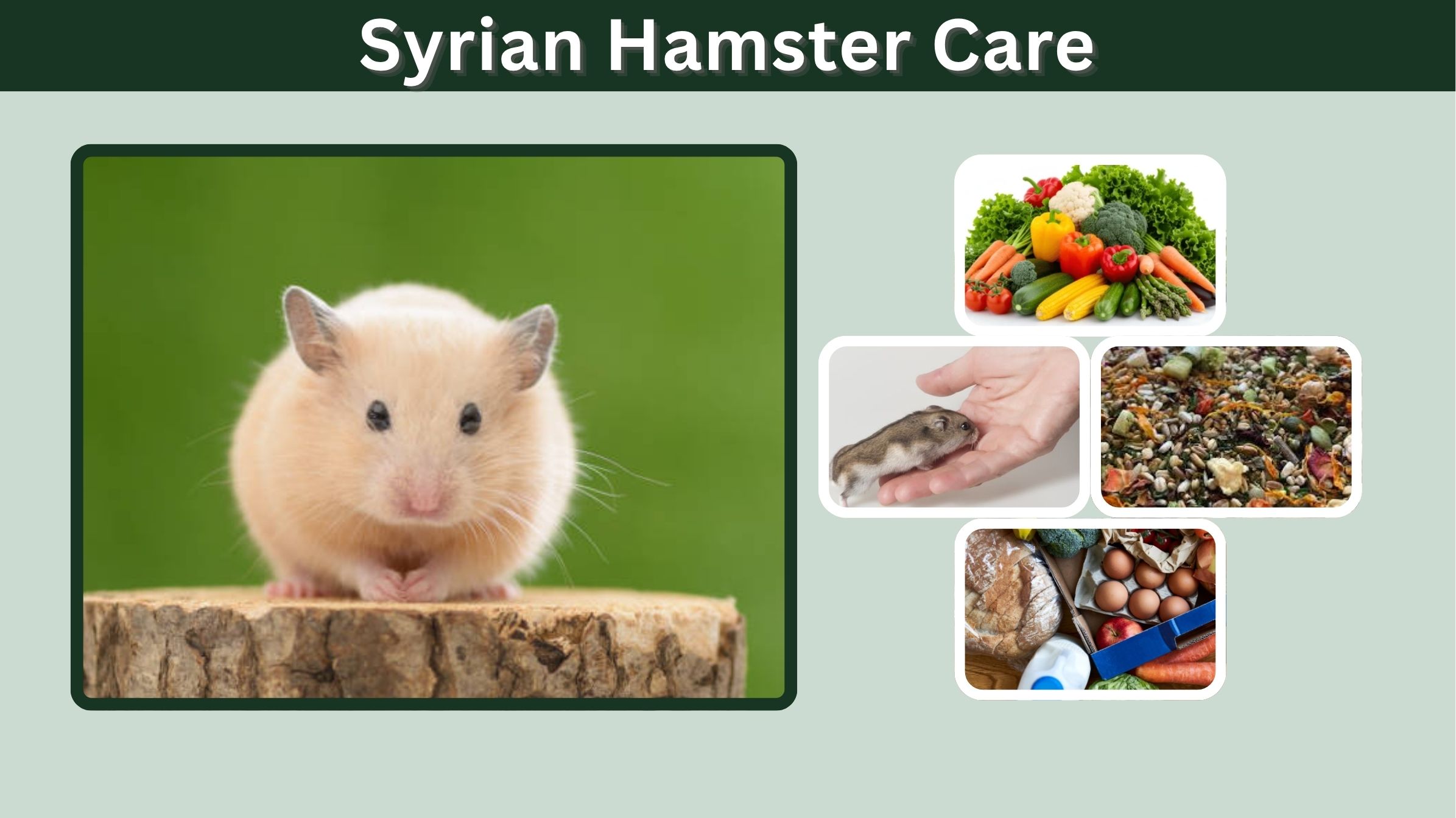
The Syrian hamster is one of the most popular pet hamsters because of its cute appearance, gentle personality, and easy daily care. Also called the golden hamster or teddy bear hamster, this small pet needs more than a tiny cage and basic food. A healthy Syrian hamster requires enough space, proper bedding, a balanced diet, safe handling, and regular enrichment to live comfortably.
What Is a Syrian Hamster?
The Syrian hamster is a small rodent with the scientific name Mesocricetus auratus. It is also commonly known as the golden hamster, teddy bear hamster, fancy bear hamster, or simply hamster. These names often describe coat color, fur length, or pet-store labeling rather than separate species.
Syrian hamsters are larger than dwarf hamsters and are usually kept alone. They are popular with beginners because they are easier to handle than many smaller hamster types. However, they still have specific care needs that owners should understand before bringing one home.
Syrian Hamster Overview
| Feature | Details |
| Common names | Syrian hamster, golden hamster, teddy bear hamster |
| Scientific name | Mesocricetus auratus |
| Adult size | About 5 to 7 inches long |
| Lifespan | Usually around 2 to 3 years |
| Housing | Must live alone |
| Activity time | Mostly nocturnal or crepuscular |
| Diet type | Omnivorous with seed, grain, vegetable, and protein needs |
Syrian Hamster Appearance and Size
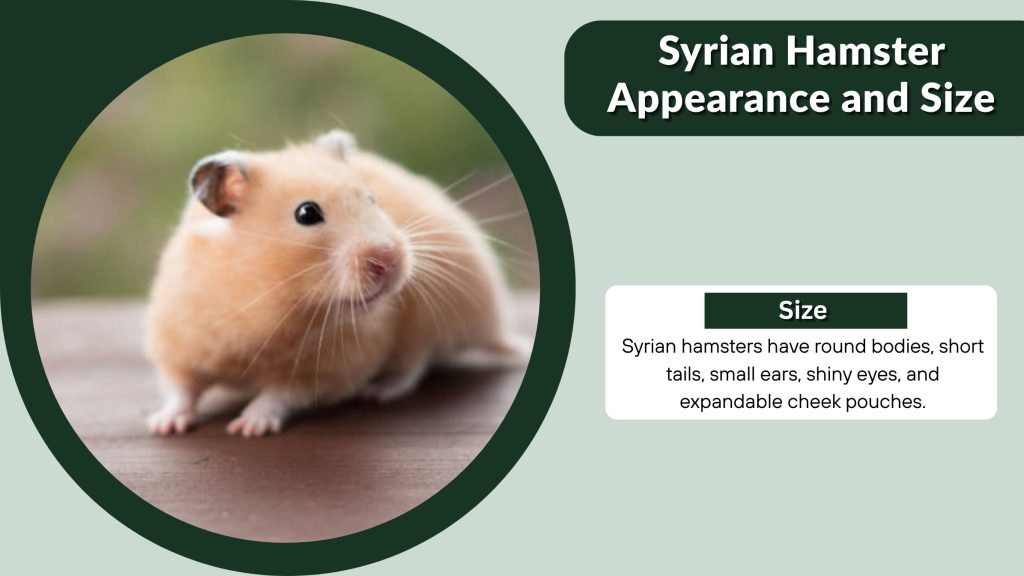
Syrian hamsters have round bodies, short tails, small ears, shiny eyes, and expandable cheek pouches. Their body shape makes them look soft and compact, but they are active animals that need room to dig, run, and explore.
Identification Features
- Syrian hamsters are larger than dwarf hamsters.
- They usually have a rounded body and short tail.
- Their cheek pouches can expand when carrying food or bedding.
- Their eyes are dark, round, and bright.
- Their ears are small and rounded.
- Their fur may be short, long, satin, or rex-like.
- Their colors may include golden, white, black, cream, gray, brown, and patterned mixes.
Long-Haired Syrian Hamster
A long-haired Syrian hamster is often called a teddy bear hamster. Males usually grow longer coats than females, especially around the back and sides. Their fur may need gentle grooming to prevent tangles, especially if bedding sticks to the coat. A soft brush or clean fingers can help remove loose bedding without stressing the hamster.
Golden Syrian Hamster
The golden Syrian hamster is the classic color form. It usually has golden-brown fur with a lighter belly. Many people still use “golden hamster” as another name for the whole species, even though Syrian hamsters now come in many colors and coat types.
Syrian Hamster Cage Requirements
A Syrian hamster cage should provide enough floor space for movement, digging, nesting, and exercise. Many small cages sold in stores are too cramped for an adult Syrian hamster. A larger enclosure helps reduce stress and allows more natural behavior.
Best Cage Size for a Syrian Hamster
A good Syrian hamster cage should have a large, unbroken floor area rather than just tall levels. Hamsters are ground-dwelling animals, so floor space matters more than height. A large bin cage, glass tank with a secure mesh lid, or spacious barred cage can work if ventilation, safety, and cleaning needs are met.
The cage should include deep bedding, a hideout, a sand bath, a large wheel, chew toys, food dish, water bottle or bowl, and enrichment items. Bar spacing must be narrow enough to prevent escape.
Bedding and Nesting Area
Paper-based bedding or safe aspen bedding is commonly used. Avoid cedar and pine shavings because strong aromatic oils may irritate small animals. Syrian hamsters enjoy burrowing, so deep bedding is helpful. A nesting area should be quiet, dark, and filled with soft, unscented nesting material. Avoid fluffy cotton bedding because it can tangle around limbs or cause digestive problems if swallowed.
Hamster Wheel for Syrian Hamster
A Syrian hamster needs a wheel large enough to run without bending its back. A wheel that is too small can cause discomfort and poor posture. Solid-surface wheels are safer than wire wheels because feet and toes are less likely to get trapped. The wheel should spin smoothly and stay stable during running.
Syrian Hamster Diet and Food
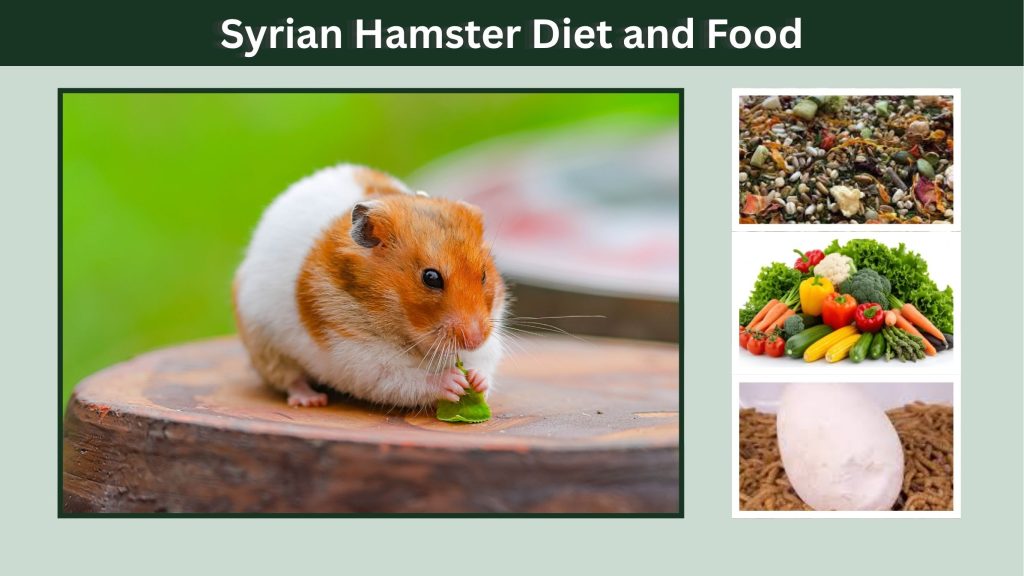
A healthy Syrian hamster diet should be balanced and varied. Commercial hamster food can provide a base, but fresh vegetables, occasional protein, and safe treats can improve nutrition. Food should be given in small amounts to avoid waste and hidden spoilage.
What Do Syrian Hamsters Eat?
Syrian hamsters eat seeds, grains, pellets, vegetables, herbs, and small amounts of protein. They naturally carry food in their cheek pouches and store it in hidden places. This behavior is normal, but owners should check the cage regularly for old fresh food.
Good food options include:
- Quality hamster pellets or seed mix
- Small pieces of carrot, cucumber, broccoli, or leafy greens
- Occasional boiled egg, plain cooked chicken, or mealworms
- Small pieces of apple or other safe fruit as treats
- Fresh water every day
- Safe chew items for dental health
Foods to Avoid
Some foods are unsafe for Syrian hamsters. Avoid chocolate, candy, onion, garlic, citrus fruit, salty snacks, seasoned food, raw beans, sticky sweets, and anything moldy. Sugary treats should be limited because hamsters are small and can gain weight quickly. Fresh foods should be removed before they spoil.
Syrian Hamster Lifespan and Life Expectancy
The average Syrian hamster lifespan is usually around 2 to 3 years, though some may live slightly longer with excellent care. Genetics, diet, cage size, stress level, exercise, and health care all affect life expectancy.
How Long Does a Syrian Hamster Live?
Most Syrian hamsters live a short but active life. Young hamsters are energetic and curious, while older hamsters may sleep more and move more slowly. A healthy hamster should still eat, drink, groom, and show interest in its surroundings. Sudden weight loss, wet tail, breathing trouble, swollen areas, or lack of movement should be checked by an exotic pet veterinarian.
Life Stages
Baby Syrian hamsters grow quickly and become independent at a young age. Juveniles are active and may be easier to tame with gentle handling. Adults need consistent care, exercise, and enrichment. Senior hamsters may need easier access to food, water, hides, and low climbing areas to prevent falls.
Syrian Hamster Behavior and Personality
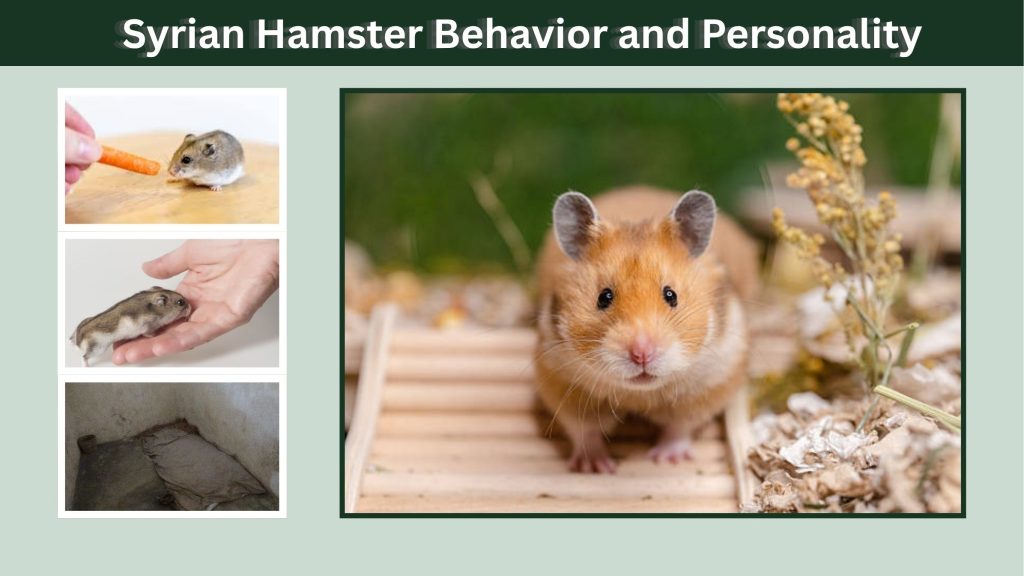
Syrian hamsters are usually solitary, curious, and active at night. They may sleep during the day and become lively in the evening. This makes them better for owners who can interact with them later in the day rather than during school or work hours.
Are Syrian Hamsters Friendly?
Many Syrian hamsters become friendly with regular, gentle handling. However, each hamster has its own personality. Some are calm and easy to hold, while others are shy, fast, or nervous. Taming takes patience. Start by talking softly, offering treats, and letting the hamster come to your hand rather than grabbing it from above.
Does a Syrian Hamster Bite?
A Syrian hamster may bite if scared, awakened suddenly, squeezed, or handled roughly. Biting is usually a defensive reaction, not aggression. Washing your hands before handling can help because food smells may confuse the hamster. It is best to handle the hamster close to the ground or over a soft surface in case it jumps.
Solitary Housing
Syrian hamsters must live alone once mature. Keeping two Syrian hamsters together can lead to fighting, stress, injury, or death. Even if young hamsters appear peaceful at first, they can become territorial as they grow. Each Syrian hamster needs its own separate enclosure.
Syrian Hamster Colors and Varieties
Syrian hamsters come in many colors, coat lengths, and patterns. These varieties are not separate species, but they make Syrian hamsters popular among pet owners and breeders.
Common Colors
Syrian hamster colors may include golden, cream, cinnamon, black, white, gray, brown, sable, and mixed patterns. Some have bands, spots, or patches. Black Syrian hamsters, white Syrian hamsters, gray Syrian hamsters, and brown Syrian hamsters are often searched by people looking for a specific appearance.
Coat Types
Short-haired Syrian hamsters have smooth, neat coats. Long-haired Syrian hamsters have fluffy coats and are often called teddy bear hamsters. Satin hamsters may have shinier fur, while rex-type coats may appear wavy or textured. Coat type does not change the basic care needs, but long-haired hamsters may need more grooming.
Syrian Hamster Care Routine
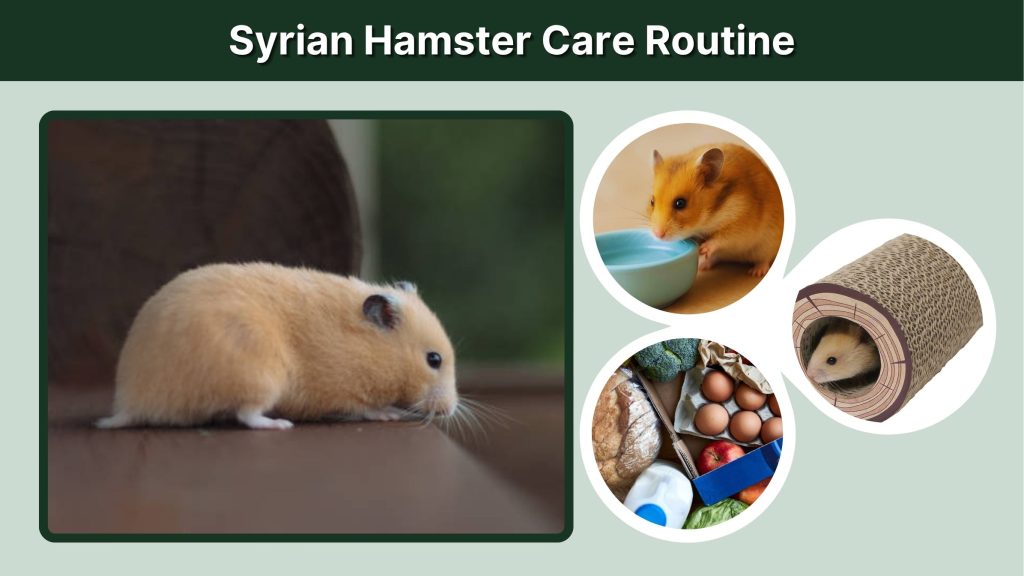
Daily care is simple but important. A clean, enriched cage helps prevent stress and supports natural behavior. Syrian hamsters do not need baths in water because they groom themselves. A sand bath can help keep the coat clean.
Daily Care Checklist
- Provide fresh water.
- Feed the correct amount of hamster food.
- Remove spoiled fresh food.
- Check that the wheel, hideout, and water source work properly.
- Watch for changes in behavior, appetite, or droppings.
- Offer safe enrichment such as tunnels, chews, and foraging toys.
- Interact gently during the hamster’s active hours.
Weekly Cleaning
Spot-clean dirty bedding regularly rather than removing everything at once. Full cage cleaning can be stressful if all familiar scent is removed. Keep some clean old bedding during deeper cleans so the hamster’s home still smells familiar. Wash food dishes and water bottles often to prevent bacteria buildup.
Syrian Hamster vs Dwarf Hamster
Syrian hamsters and dwarf hamsters are both popular pets, but they are not the same. Syrian hamsters are larger, easier to handle for many beginners, and must live alone. Dwarf hamsters are smaller, faster, and may be more difficult for young children to handle safely.
Main Differences
Syrian hamsters need larger accessories, including bigger wheels, hides, and tunnels. Dwarf hamsters can use smaller items but still need plenty of space. Syrian hamsters are usually more visible because of their size, while dwarf hamsters may be quicker and more delicate. Both need proper bedding, enrichment, safe food, and careful handling.
Buying a Syrian Hamster
Many people search for Syrian hamsters for sale, golden Syrian hamsters for sale, or Syrian hamsters near me. Before buying, it is important to choose a healthy hamster from a responsible source.
What to Check Before Buying
Look for a hamster with bright eyes, clean fur, normal movement, and no wetness around the tail. Avoid hamsters that look weak, hunched, injured, or dirty. Ask about age, sex, health history, and whether the hamster has been housed alone. Consider adoption from a rescue if available.
Basic Setup Before Bringing One Home
Prepare the cage before the hamster arrives. Add bedding, a hideout, wheel, water, food, chew toys, and enrichment. Place the cage in a quiet room away from direct sunlight, drafts, loud noise, and other pets. Give the hamster time to settle before handling.
FAQs
1. How big does a Syrian hamster get?
A Syrian hamster usually grows to about 5 to 7 inches long, making it larger than most dwarf hamster species. Its adult size depends on genetics, sex, diet, and general health. Because of this larger body size, it needs a roomy cage, a large wheel, and accessories made for Syrian hamsters.
2. What is the best cage for a Syrian hamster?
The best cage for a Syrian hamster is spacious, secure, well-ventilated, and easy to clean. It should provide deep bedding, a large wheel, a hideout, chew toys, and enrichment. Floor space is more important than height because Syrian hamsters naturally spend most of their time moving and digging on the ground.
3. Can Syrian hamsters live together?
Syrian hamsters should not live together after maturity. They are solitary and territorial animals, and keeping two in the same cage can cause serious fighting. Even siblings that seem peaceful when young may become aggressive later. Each Syrian hamster should have its own separate enclosure.
4. What do Syrian hamsters need every day?
A Syrian hamster needs fresh water, suitable food, a working wheel, clean bedding, and a safe place to sleep every day. Owners should also remove spoiled fresh food and check for signs of illness. Gentle evening interaction, foraging activities, and chew toys help keep the hamster active and mentally stimulated.
5. Are Syrian hamsters good pets for beginners?
Syrian hamsters can be good pets for beginners because they are larger and often easier to handle than dwarf hamsters. However, they still need proper care, a large cage, safe bedding, a balanced diet, and patient handling. They are best for owners who respect their nighttime activity and solitary nature.