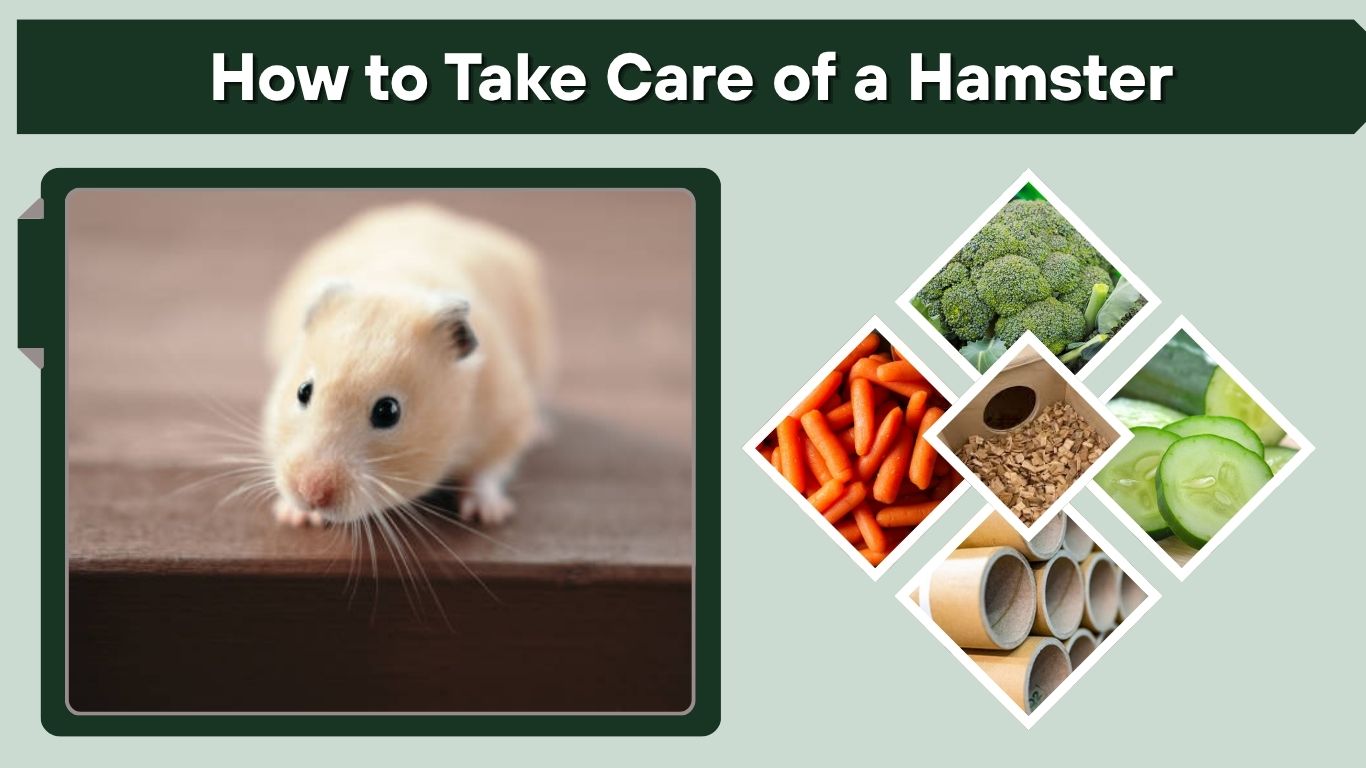
Hamsters are small, quiet, and fun to watch, but they still need daily care, safe housing, and gentle handling. A healthy hamster needs more than a cage, food, and a wheel. It needs space to burrow, fresh water, proper bedding, enrichment, and a calm routine. This beginner-friendly guide explains how to take care of a hamster properly from the first day.
What to Know Before Getting a Hamster
Hamsters can be great pets, but they are not toys. They are delicate animals that can become stressed by loud noise, rough handling, sudden changes, or unsuitable cages. Most hamsters are active at night, so they may sleep during the day and become busy in the evening.
Hamsters Need Adult Supervision
Hamsters are often bought for children, but kids should not be fully responsible for their care. An adult should check the cage, food, water, bedding, and health every day. Children can help with simple tasks, but they must learn to hold the hamster gently and avoid waking it suddenly.
Hamsters Are Usually Solitary
Many hamsters prefer to live alone. Syrian hamsters, including golden, teddy bear, fancy bear, long-haired, and short-haired types, should be housed alone because they can fight badly. Some dwarf hamsters may tolerate another hamster, but beginners should usually keep one hamster per enclosure to avoid injuries and stress.
Hamsters Are Not Always Easy Pets
Hamsters are small, but they are not completely low-maintenance. You need to clean their cage, provide enrichment, watch for illness, and give them a safe environment. They are easier than some larger pets, but they still need consistent care every day.
Set Up the Right Hamster Cage
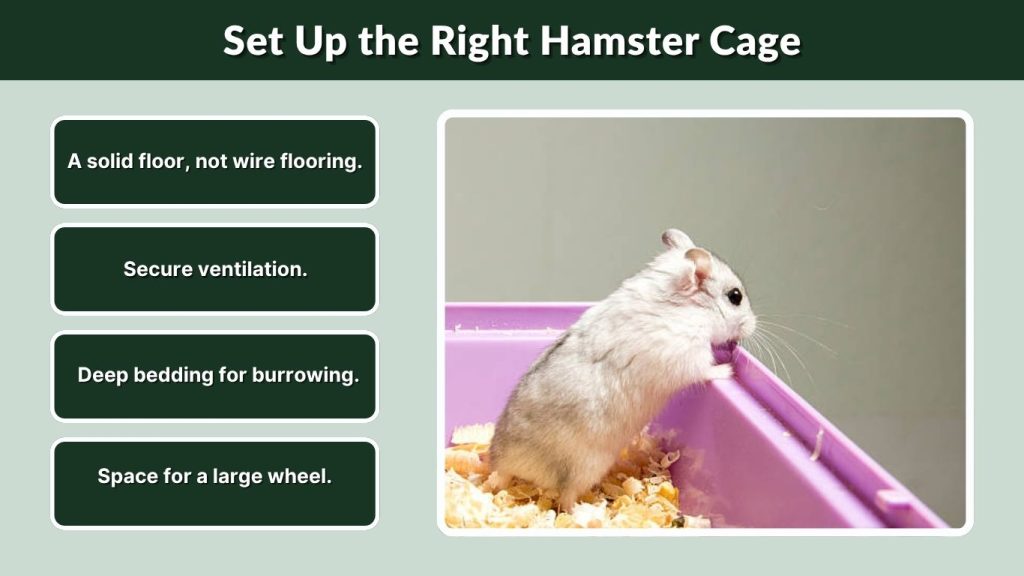
A good cage is one of the most important parts of hamster care. Many cages sold in pet shops are too small, especially colorful plastic cages with tiny tubes and limited floor space. A hamster needs room to run, dig, hide, and explore.
Choose a Spacious Enclosure
Look for a cage, tank, or bin-style enclosure with a large, unbroken floor area. Bigger is always better. Hamsters naturally travel, dig, and forage, so they need more space than their small bodies suggest.
A good hamster cage should include:
- A solid floor, not wire flooring
- Secure ventilation
- Deep bedding for burrowing
- Space for a large wheel
- Several hiding places
- Chew toys and enrichment
- A safe water bottle or bowl
Avoid cages with wire floors because they can hurt a hamster’s feet. Also avoid tall cages with many high platforms because hamsters have poor depth perception and can fall.
Add Deep, Safe Bedding
Hamsters love to burrow. Bedding should be deep enough for digging and nesting. Paper-based bedding is usually a safe choice. Aspen shavings can also be used, but avoid cedar and pine shavings because strong aromatic oils can irritate small animals.
Never use fluffy cotton-style bedding. It can wrap around tiny legs, cause injuries, or create digestive problems if swallowed.
Provide a Safe Wheel
A hamster wheel helps your pet exercise at night. The wheel should be solid, not made of wire or mesh. It should also be large enough that your hamster can run with a straight back.
Syrian hamsters need a larger wheel than dwarf hamsters. If the hamster’s back curves while running, the wheel is too small.
Hamster Care Supplies Checklist
Before bringing your hamster home, prepare everything first. A ready cage helps reduce stress and makes the first few days easier.
| Supply | Why Your Hamster Needs It |
| Large cage or tank | Gives space to run, dig, and explore |
| Paper bedding | Allows burrowing and nesting |
| Solid exercise wheel | Supports daily exercise |
| Food bowl | Keeps dry food clean |
| Water bottle or bowl | Provides constant fresh water |
| Hideouts | Helps your hamster feel safe |
| Chew toys | Keeps teeth worn down |
| Sand bath | Helps with natural grooming |
| Pet-safe cleaner | Makes cage cleaning safer |
Feed Your Hamster the Right Diet
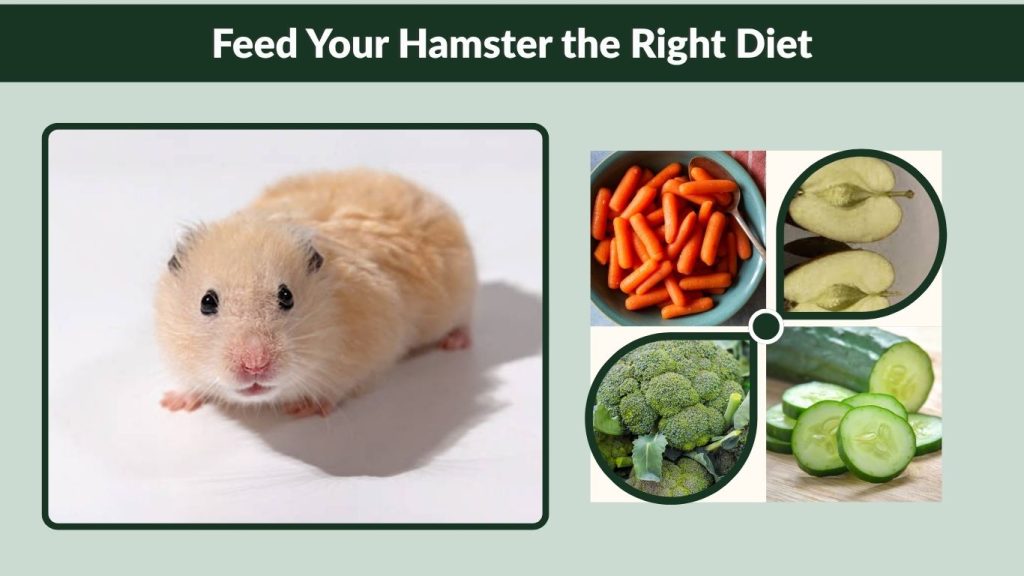
A healthy hamster diet should be balanced and consistent. Most hamsters do well with a quality commercial hamster food as the main diet. You can add small amounts of safe vegetables and occasional treats, but avoid giving too much fresh food at once.
Give Fresh Water Every Day
Your hamster should always have access to clean water. Check the bottle or bowl daily. If you use a bottle, make sure the nozzle works and is not blocked. If you use a bowl, choose a heavy, shallow bowl that is hard to tip over.
Offer Safe Fresh Foods in Small Amounts
Fresh foods can add variety, but they should be given carefully. Hamsters hide food in their bedding, so too much fresh food may rot inside the cage.
Safe options may include:
- Small pieces of carrot
- Broccoli
- Cucumber
- Apple without seeds
- Peas
- Small pieces of leafy greens
Remove uneaten fresh food the same day. Avoid chocolate, onion, garlic, citrus fruits, sugary snacks, salty foods, and sticky treats.
Avoid Overfeeding Treats
Hamsters love seeds, nuts, and sweet treats, but too many can cause weight gain or poor nutrition. Treats should be occasional, not the main diet. A hamster may pick only its favorite pieces from a mixed food, so choose a balanced diet and watch what it actually eats.
Help Your Hamster Feel Safe
A new hamster needs time to adjust. Do not try to pick it up immediately on the first day. Let it explore its cage, learn the smells, and settle into the new home.
Give Your Hamster a Quiet Start
For the first few days, keep the cage in a calm area away from loud sounds, direct sunlight, drafts, and other pets. Talk softly near the cage so your hamster gets used to your voice.
You can slowly build trust by:
- Sitting near the cage quietly
- Offering food from your fingers
- Letting the hamster come to you
- Avoiding sudden movements
- Handling only when it is awake
Never wake a sleeping hamster just to play. A startled hamster may bite because it feels threatened.
Handle Your Hamster Gently
When your hamster is ready, scoop it with both hands close to the ground or over a safe surface. Do not squeeze, grab from above, or hold it high in the air. Hamsters can jump suddenly, and a fall can cause serious injury.
Short handling sessions are best at first. Over time, your hamster may become calmer and more comfortable with you.
Keep the Cage Clean
A clean cage helps prevent odor, stress, and health problems. However, cleaning everything too often can also stress a hamster because it relies on familiar smells.
Spot Clean Often
Spot clean every few days by removing wet bedding, old food, and dirty areas. Check hiding places because hamsters often store food in their nests.
Do a Deeper Clean When Needed
For a bigger clean, move your hamster to a secure carrier or playpen. Remove toys and bedding, clean the enclosure with a pet-safe cleaner, rinse well, and let everything dry. Keep some clean, old bedding and place it back in the cage so your hamster still recognizes its home.
Avoid strong-smelling cleaners, ammonia-based products, and perfumes around the cage.
Give Your Hamster Enrichment
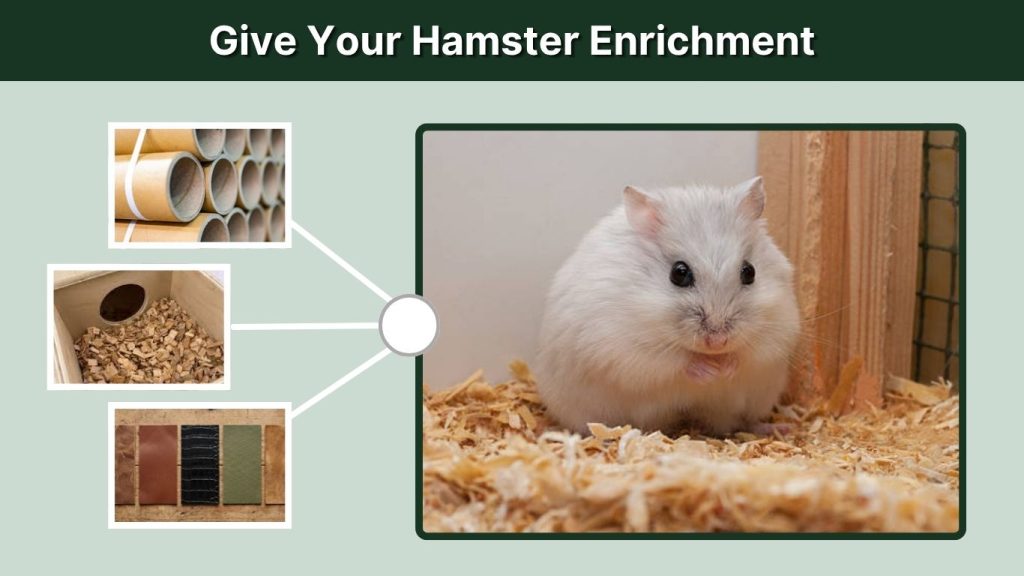
Hamsters need mental stimulation. A bored hamster may chew bars, pace, dig at corners, or try to escape. Enrichment helps your hamster act naturally.
Add Things to Explore
Good enrichment includes:
- Cardboard tubes
- Paper bags
- Wooden chew toys
- Dig boxes
- Tunnels
- Sprays and forage
- Multiple hides
- Safe branches
- Scatter feeding
Scatter feeding means spreading some dry food around the cage instead of placing it all in a bowl. This encourages natural foraging and keeps your hamster busy.
Use a Sand Bath
A sand bath helps hamsters keep their coat clean. Use safe sand made for small animals or reptiles, not dusty powder. Do not bathe a hamster in water unless a vet tells you to. Water bathing can chill and stress a hamster.
How to Take Care of Different Hamster Types
Most hamster care basics are the same, but size and temperament can vary.
Syrian Hamsters
Syrian hamsters are larger and must live alone. They need a large wheel, spacious enclosure, deep bedding, and plenty of enrichment. Teddy bear, golden, fancy bear, short-haired, and long-haired hamsters are all Syrian hamsters, so their basic care is the same.
Long-haired Syrian hamsters may need extra checking because bedding can get caught in their fur. Use soft, safe bedding and remove tangles gently.
Dwarf Hamsters
Dwarf hamsters are smaller and fast-moving. They still need a large cage, even though their bodies are tiny. Russian dwarf, winter white, Djungarian, Chinese, and Roborovski hamsters need careful handling because they can be quick and harder to hold.
Roborovski hamsters are especially active and may be better for watching than cuddling.
Watch for Signs of Illness
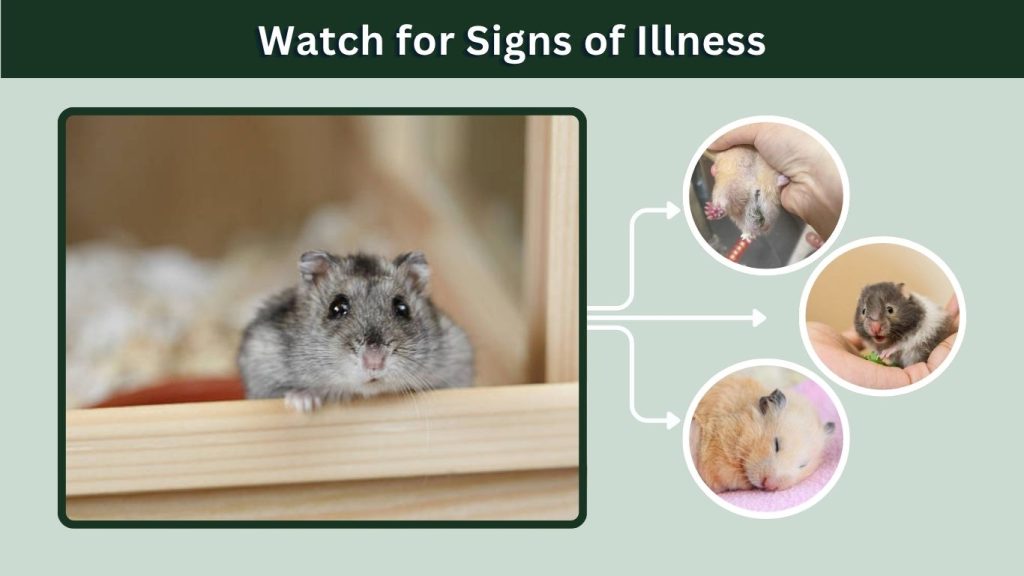
Hamsters can hide illness until they are very sick. Check your hamster daily so you notice changes early.
Contact an exotic pet vet if you see:
- Diarrhea or wetness around the tail
- Loss of appetite
- Weight loss
- Lethargy
- Labored breathing
- Eye or nose discharge
- Hair loss or wounds
- Overgrown teeth
- Swelling
- Limping
- Sudden behavior changes
Wet tail, serious diarrhea, injuries, and not eating are urgent problems. A sick hamster can decline quickly, so do not wait several days to see if it improves.
Caring for Baby, Pregnant, or Newborn Hamsters
Newborn hamsters need very careful care. If a hamster has babies, keep the cage quiet and avoid disturbing the nest. Do not touch the babies unless a vet or experienced rescue tells you to. Stress can cause the mother to abandon or harm the pups.
Help the Mother Feel Secure
Give the mother plenty of food, water, nesting material, and privacy. Keep other pets and children away from the cage. Avoid major cage cleaning during the first days unless there is a serious hygiene issue.
Separate Young Hamsters at the Right Time
Baby hamsters mature quickly. They may need to be separated by sex at a young age to prevent fighting and breeding. If you are unsure, contact a vet or rescue for help identifying sex and timing.
Taking Care of a Hamster While on Vacation
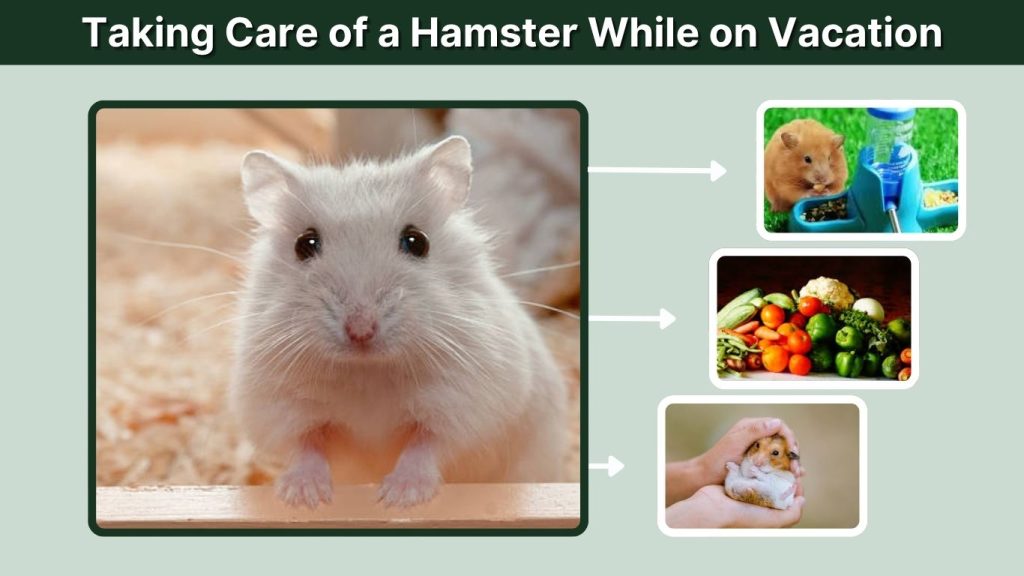
Hamsters cannot be left alone for several days without care. They need fresh water, food checks, and cage monitoring.
Before you travel, arrange a responsible pet sitter. Leave clear instructions about feeding, water, cleaning, temperature, and emergency vet contact information.
A sitter should check:
- Water supply
- Food bowl and stored fresh food
- Cage temperature
- Signs of illness
- Escape risks
- Wet bedding
Do not move the cage to a stressful place unless necessary. A calm, familiar environment is usually better.
Common Hamster Care Mistakes to Avoid
Many beginner problems come from poor housing, rough handling, or incorrect feeding. Avoiding these mistakes will help your hamster stay healthier and calmer.
Common mistakes include:
- Buying a cage that is too small
- Using fluffy bedding
- Giving a tiny wheel
- Waking the hamster during the day
- Feeding too many treats
- Housing Syrian hamsters together
- Cleaning away all familiar bedding
- Letting children handle without supervision
- Ignoring early illness signs
- Placing the cage in direct sun or drafts
FAQs
How hard is it to take care of a hamster?
Taking care of a hamster is not extremely hard, but it does require daily attention. You need to provide fresh water, proper food, safe bedding, cage cleaning, enrichment, and gentle handling. The biggest challenge for beginners is understanding that hamsters need more space and stimulation than many small pet cages provide.
How expensive is it to take care of a hamster?
A hamster is usually affordable compared with larger pets, but the setup can cost more than expected. You need a large cage, bedding, wheel, hides, food, chew toys, sand bath, and cleaning supplies. You should also budget for veterinary care because hamsters can become sick or injured and may need urgent treatment.
How do you take care of a hamster for beginners?
Beginners should start with one hamster, a spacious enclosure, deep paper bedding, a solid wheel, fresh water, quality hamster food, and several hiding places. Let the hamster settle before handling. Spot clean regularly, offer safe enrichment, and watch daily for changes in eating, movement, breathing, or behavior.
Can kids take care of a hamster?
Kids can help care for a hamster, but an adult should always supervise. Hamsters are fragile and can bite if scared or handled roughly. Children can refill food, help spot clean, and observe the hamster, but an adult should manage health checks, cage setup, deeper cleaning, and safe handling routines.
How do you take care of a sick hamster?
A sick hamster should be kept warm, quiet, and away from stress, but home care is not enough for serious symptoms. Contact an exotic pet vet quickly if your hamster has diarrhea, wet tail, breathing trouble, injury, bleeding, appetite loss, or unusual tiredness. Hamsters can decline fast, so early treatment matters.