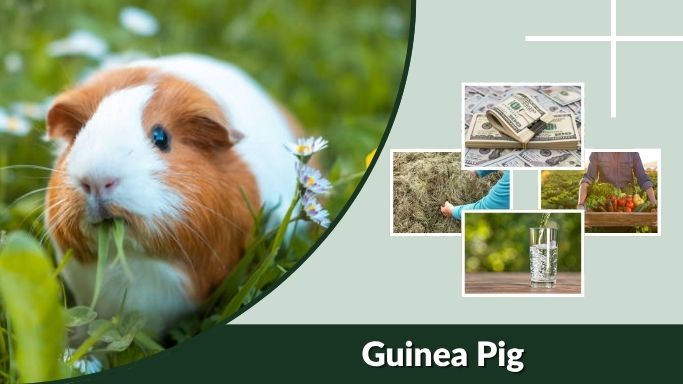
Guinea pigs are gentle, social, and expressive small pets that need more care than many beginners expect. A healthy guinea pig needs a roomy cage, fresh hay, vitamin C-rich food, clean bedding, safe handling, and regular health checks. With the right setup, these small rodents can become friendly companions and live a comfortable, active, and happy life indoors.
What Is a Guinea Pig?
Guinea pigs, also called cavies, are small herbivorous rodents originally connected to South America. Today, they are popular pets because they are usually calm, vocal, and easy to bond with when handled gently. They are not the same as hamsters, and their care needs are very different.
Basic Appearance
A guinea pig has a rounded body, short legs, small ears, bright eyes, and no visible tail. Their coat can be short, long, smooth, rough, curly, or nearly hairless, depending on the breed. Adult guinea pigs are bigger than hamsters and usually need much more floor space.
Common coat types include:
- Smooth short hair
- Long silky hair
- Rough rosette-patterned hair
- Curly or wavy hair
- Hairless or mostly hairless skin
Guinea Pig Personality
Guinea pigs are social animals. They often enjoy routine, soft voices, and gentle handling. Many guinea pigs make sounds when they are excited, hungry, nervous, or curious. Some become very comfortable with their owners, but they still need patience because they are prey animals and may be shy at first.
Unlike some small pets, guinea pigs are usually active during different parts of the day and night. They may nap often, then wake up to eat, explore, or call for food.
Are Guinea Pigs Good Pets?
Guinea pigs can be excellent pets for families, beginners, and animal lovers who have enough time for daily care. They are usually less likely to escape than tiny rodents, and they can become very interactive. However, they are not “low-care” pets. They need fresh food every day, clean bedding, proper space, and careful health monitoring.
Guinea Pig Lifespan and Growth
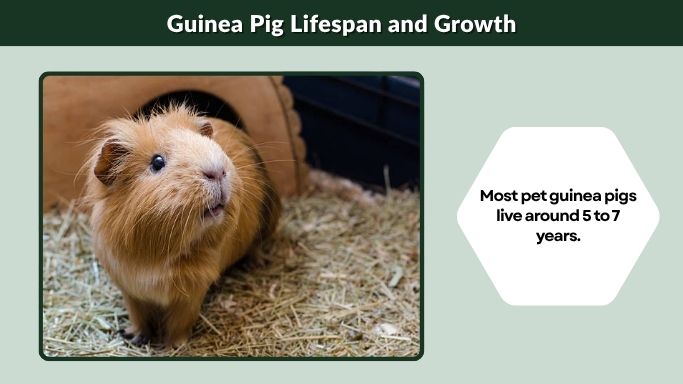
Guinea pigs can live for several years when cared for properly. Their lifespan depends on diet, genetics, cleanliness, stress levels, exercise, and access to a knowledgeable vet. A good home setup can make a major difference in both comfort and life expectancy.
How Long Do Guinea Pigs Live?
Most pet guinea pigs live around 5 to 7 years, though some may live longer with excellent care. Their life is longer than many small rodents, so owners should be ready for a long-term commitment. Buying or adopting a guinea pig should not be treated as a short-term pet decision.
Baby Guinea Pigs
Baby guinea pigs are called pups. They are born well-developed, with fur, open eyes, and the ability to move around soon after birth. Even though they look independent, they still need proper warmth, nutrition, and protection.
Newborn and young guinea pigs should be handled carefully. Their diet should support growth, and they should not be placed with unsafe adult companions. If breeding happens accidentally, a vet or experienced rescue should be contacted for guidance.
Signs of a Healthy Guinea Pig
A healthy guinea pig usually looks alert, eats regularly, and produces normal droppings. Because guinea pigs can hide illness, small changes should be taken seriously.
Healthy signs include:
- Bright, clear eyes
- Clean nose and ears
- Smooth breathing
- Good appetite
- Normal droppings
- Active movement
- Clean fur around the bottom
- Steady body weight
Guinea Pig Cage and Home Setup
A guinea pig cage should provide safety, space, comfort, and ventilation. A small cage can cause stress, boredom, weight gain, and conflict between cage mates. The best enclosure gives guinea pigs room to walk, stretch, hide, eat, and explore.
Cage Size and Layout
Guinea pigs need more horizontal floor space than climbing height. They are not natural climbers like some rodents, so wide cages are better than tall cages. A proper enclosure should include a feeding area, water source, hay area, soft bedding, hideouts, and open space for movement.
Here is a simple cage setup guide:
| Care Item | Best Practice |
| Main food | Unlimited grass hay |
| Fresh food | Daily leafy greens and safe vegetables |
| Water | Clean water available all day |
| Bedding | Soft, absorbent, dust-free bedding |
| Hideouts | At least one hideout per guinea pig |
| Cleaning | Spot-clean daily and deep-clean weekly |
| Exercise | Daily safe floor time or large enclosure space |
Bedding and Cleaning
Good bedding helps control smell, protects the feet, and keeps the enclosure dry. Paper-based bedding, fleece liners, and safe dust-free products are common options. Avoid dusty bedding because it can irritate breathing. Strong-smelling wood shavings are also not ideal for guinea pig homes.
Spot-clean wet areas every day. Remove old vegetables before they spoil. Wash food bowls and water bottles often. A full cage clean should be done regularly, depending on cage size and the number of guinea pigs.
Hideouts and Enrichment
Guinea pigs need hiding places because they are naturally cautious animals. A cage without hideouts can make them feel exposed and stressed. Cardboard houses, tunnels, wooden shelters, and soft hides can make the enclosure more comfortable.
Good enrichment ideas include hay piles, tunnels, chew-safe toys, paper bags with the handles removed, and supervised floor time. Avoid exercise wheels and balls because they can injure a guinea pig’s back or feet.
What Do Guinea Pigs Eat?
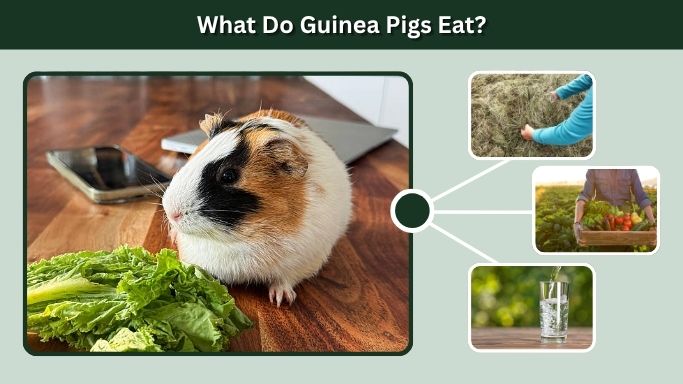
Guinea pigs are strict herbivores. Their diet should focus on hay, fresh vegetables, clean water, and proper guinea pig pellets. Food is one of the most important parts of guinea pig health because poor diet can lead to dental problems, digestive issues, obesity, and vitamin deficiencies.
Daily Diet Basics
A balanced guinea pig diet should include:
- Unlimited grass hay, such as timothy hay
- Fresh clean water every day
- A small amount of guinea pig pellets
- Daily safe leafy greens
- Vitamin C from food or vet-approved supplements
- Occasional small fruit treats
Hay should make up the largest part of the diet. It helps digestion and keeps teeth worn down naturally. Guinea pig teeth grow continuously, so chewing hay is essential.
Safe Fruits and Vegetables
Many owners ask whether guinea pigs can eat grapes, apples, strawberries, tomatoes, bananas, watermelon, carrots, celery, cucumber, broccoli, cabbage, oranges, and blueberries. Many of these foods can be safe in small amounts, but they should not replace hay.
Leafy greens and vegetables are better daily choices than sweet fruits. Fruits contain sugar, so they should be occasional treats. Introduce new foods slowly because sudden diet changes can upset digestion.
Foods to Avoid
Some foods are unsafe or unhealthy for guinea pigs. They should not eat meat, dairy, chocolate, candy, processed snacks, onions, garlic, avocado, or anything moldy. Rabbit pellets are also not the same as guinea pig pellets because guinea pigs need vitamin C in their diet.
Do not give random garden plants unless you are sure they are safe and chemical-free. Pesticides, herbicides, and toxic plants can be dangerous.
Popular Guinea Pig Breeds
Guinea pigs come in many coat types, colors, and body shapes. Breed choice can affect grooming needs, but every guinea pig still needs proper food, housing, companionship, and care. Long-haired breeds are beautiful but require extra grooming.
American Guinea Pig
The American guinea pig is one of the most common pet types. It has a short, smooth coat that is easy to maintain. This breed is a good choice for many beginners because grooming is simpler than with long-haired varieties.
Abyssinian Guinea Pig
The Abyssinian guinea pig has a rough coat with circular rosettes. Its coat gives it a unique, spiky look. Abyssinians may need gentle brushing, especially around areas where bedding or hay gets caught.
Peruvian Guinea Pig
The Peruvian guinea pig has long, flowing hair that can grow over the body and face. It looks beautiful but needs regular grooming. Without brushing and trimming, the coat can become tangled, dirty, or uncomfortable.
Teddy, Rex, Texel, and Skinny Guinea Pigs
Teddy and Rex guinea pigs have dense, textured coats. Texel guinea pigs have long curly hair and need careful grooming. Skinny guinea pigs are mostly hairless, so they may need extra warmth, skin care, and protection from scratches.
Guinea Pig Behavior and Sounds
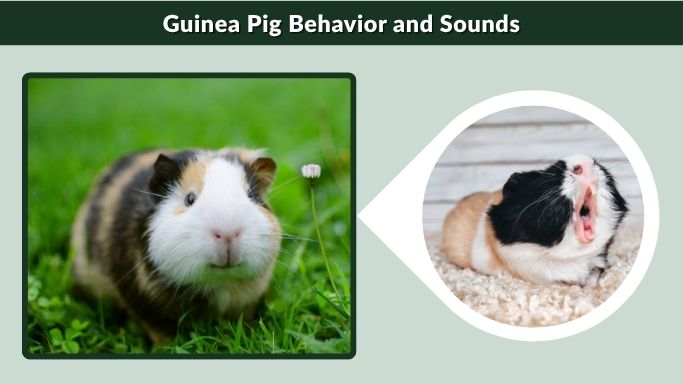
Guinea pigs communicate through body language and sounds. Learning these signals helps owners understand when their pet is happy, nervous, hungry, or uncomfortable. A quiet guinea pig is not always unhappy, and a noisy one is not always stressed.
Common Guinea Pig Noises
Guinea pig sounds may include:
- Wheeking when excited or asking for food
- Purring when relaxed or sometimes annoyed
- Chirping, which is rare and not fully understood
- Teeth chattering when irritated
- Squeaking when startled or uncomfortable
- Rumbling during dominance or mating behavior
Context matters. A sound should be understood with body posture, cage situation, and recent handling.
Do Guinea Pigs Bite?
Guinea pigs can bite, but most do not bite without a reason. A bite may happen if they feel scared, hurt, trapped, or handled roughly. Some may nibble fingers if they smell food.
To reduce biting, handle them gently, support the body, avoid sudden grabbing, and never chase them around the cage. Let them approach slowly and reward calm behavior with safe treats.
Guinea Pig Companionship
Guinea pigs usually do best with another compatible guinea pig. They are social animals and can become lonely if kept alone. Same-sex pairs or properly matched groups can work well. Introductions should be done carefully because not all guinea pigs accept each other immediately.
Guinea Pig Health Care
Guinea pigs need regular care to stay healthy. They can hide illness, so owners should watch daily eating, droppings, breathing, movement, and weight. A small change can become serious quickly.
Common Health Problems
Common guinea pig health problems include dental disease, vitamin C deficiency, respiratory infection, skin mites, fungal infection, digestive upset, bladder stones, and foot problems. Long-haired guinea pigs can also develop dirty or tangled coats if not groomed.
Warning signs include:
- Not eating
- Weight loss
- Wet chin
- Drooling
- Labored breathing
- Soft or missing droppings
- Blood in urine
- Head tilt
- Limping
- Swollen feet
- Hair loss or heavy scratching
Vet Care
Guinea pigs should see a vet familiar with small mammals or exotic pets. A new guinea pig should have a health check after adoption or purchase. Annual checkups are helpful, and older or sick guinea pigs may need more frequent visits.
Never give antibiotics, pain medicine, or human medicine without a vet’s direction. Some medicines that are safe for other animals can be dangerous for guinea pigs.
Grooming and Nail Trimming
Short-haired guinea pigs need less grooming, but they still need nail trims and occasional brushing. Long-haired guinea pigs need regular coat care to prevent mats. Check the feet, ears, teeth, and bottom area often.
Hairless guinea pigs need extra care because their skin is exposed. They should be kept warm, protected from rough surfaces, and monitored for dryness or scratches.
Guinea Pig Cost and Ownership Tips
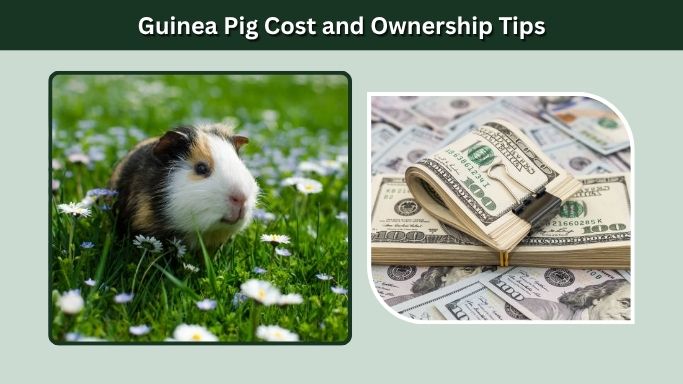
The cost of a guinea pig includes more than the animal itself. Owners need a proper cage, bedding, hay, pellets, fresh vegetables, water bottles, bowls, hideouts, toys, nail clippers, cleaning supplies, and vet care.
Before Getting a Guinea Pig
Before bringing one home, prepare the enclosure first. Choose a quiet area away from strong heat, cold drafts, direct sunlight, loud noise, and other pets that may scare them.
A good beginner checklist includes:
- Large cage or enclosure
- Safe bedding
- Unlimited hay
- Guinea pig pellets
- Fresh vegetables
- Water bottle or bowl
- Hideouts and tunnels
- Chew-safe toys
- Contact details for a suitable vet
Guinea Pig vs Hamster
Guinea pigs are larger, more social, and longer-lived than hamsters. They need bigger cages, more daily food preparation, and more regular cleaning. Hamsters are often solitary, while guinea pigs usually need companionship from their own kind.
A guinea pig may be better for someone who wants a social pet with vocal behavior. A hamster may be better for someone with limited space, though hamsters also need proper care and enrichment.
Are Guinea Pigs Right for Children?
Guinea pigs can be good family pets, but adults should always supervise care. Children may enjoy feeding and gentle interaction, but they should not be fully responsible for cleaning, health checks, or vet decisions.
Teach children to sit down while holding a guinea pig, support the body with both hands, and avoid squeezing. Guinea pigs have delicate bones and can be injured by falls.
FAQs
How long do guinea pigs live?
Most guinea pigs live about 5 to 7 years, though some may live longer with excellent care. Diet, cage size, cleanliness, stress, genetics, and vet care all affect lifespan. Anyone getting a guinea pig should be ready for several years of daily responsibility.
What do guinea pigs eat every day?
Guinea pigs should eat unlimited grass hay, fresh clean water, guinea pig pellets, and safe vegetables. Hay is the most important part of the diet because it supports digestion and dental health. Fruits should be limited because they are high in sugar.
Can guinea pigs live alone?
A guinea pig can survive alone, but many are happier with a compatible guinea pig companion. They are social animals and often feel more secure with their own kind. If one must live alone, it needs extra attention, enrichment, and careful behavior monitoring.
Do guinea pigs need a big cage?
Yes, guinea pigs need a large cage with plenty of floor space. They are not climbing animals, so wide open space is more useful than height. A roomy cage helps reduce stress, encourages movement, and gives space for hay, hideouts, food, and exercise.
Do guinea pigs bite their owners?
Guinea pigs can bite, but it is not usually their first reaction. Biting may happen when they are scared, hurt, cornered, or handled too roughly. Gentle handling, slow bonding, and respecting their body language can reduce biting and make them feel safer.