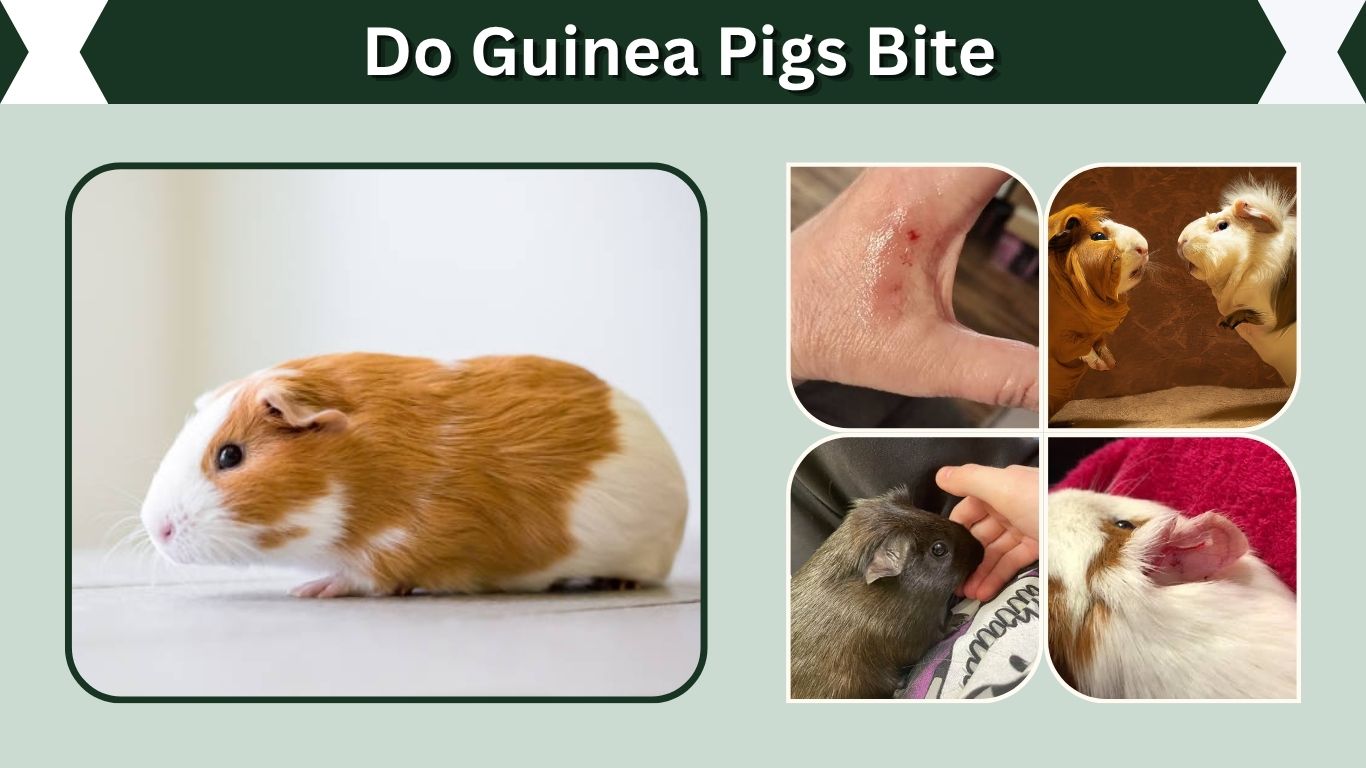
Guinea pigs can bite, but biting is uncommon when they feel safe, healthy, and comfortable with handling. Most guinea pigs are gentle prey animals that prefer running away, hiding, or warning a person before using their teeth. A bite may occur because of fear, pain, mistaken food smells, improper handling, territorial conflict, or stress. Understanding why a guinea pig bites is the best way to prevent the behavior without frightening or punishing the animal.
Do Pet Guinea Pigs Bite Humans?
Pet guinea pigs sometimes bite humans, but most do not bite frequently or without a reason. They are generally docile animals and often tolerate gentle handling with minimal restraint. Supporting the chest and hindquarters helps a guinea pig feel secure when being carried.
A guinea pig may give a light exploratory nibble rather than a true bite. Nibbling usually feels like gentle pressure and may happen when the animal investigates fingers, clothing, or unfamiliar objects. A defensive bite is harder, faster, and may break the skin.
| Behavior | Likely meaning |
| Gentle nibbling | Curiosity, grooming, or food investigation |
| Licking followed by nibbling | Exploring salt or food smells |
| Quick warning nip | Discomfort or desire to be released |
| Hard bite | Fear, pain, severe stress, or conflict |
| Repeated biting | Handling problem, illness, or learned response |
Why Do Guinea Pigs Bite?
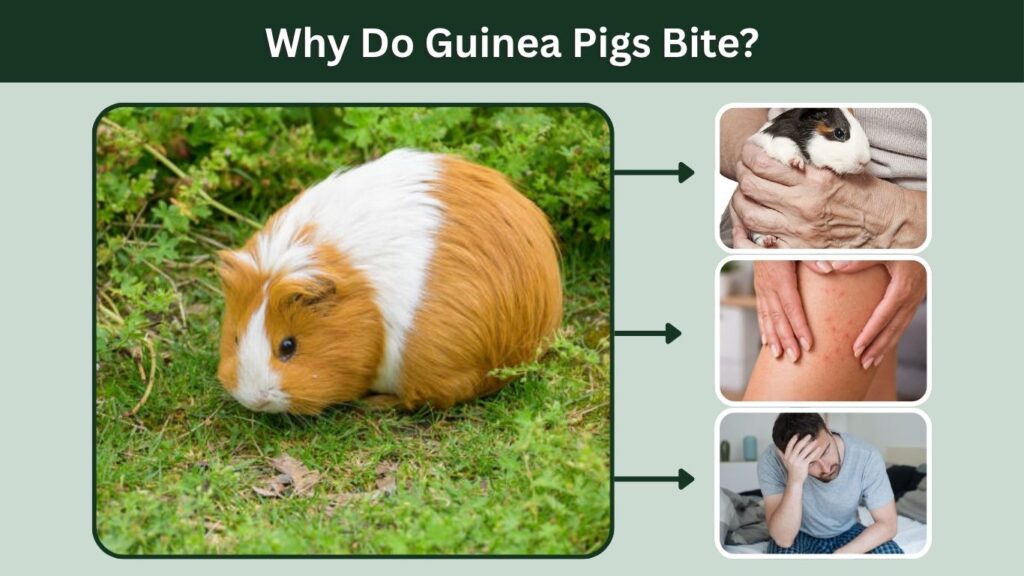
Biting is usually communication rather than unexplained aggression. The situation immediately before the bite often reveals its cause.
1. Fear or Lack of Trust
A new or poorly socialized guinea pig may bite because it believes it is in danger. Guinea pigs are prey animals, and being chased, cornered, or grabbed from above can feel like an attack from a predator.
New guinea pigs need time to adjust to unfamiliar people, sounds, smells, and surroundings. Calm hand-feeding and floor-level interaction can gradually build trust.
2. Pain or Illness
A normally friendly guinea pig that suddenly begins biting may be experiencing pain. Dental disease, skin mites, urinary problems, arthritis, injuries, or abdominal discomfort can make handling unpleasant.
Dental disease may cause difficulty chewing, reduced appetite, drooling, weight loss, and decreased activity. A painful guinea pig should be examined by an exotic-animal veterinarian rather than treated as a behavioral problem.
3. Improper Handling
Guinea pigs may bite when they feel unsupported, squeezed, restrained too firmly, or held for longer than they tolerate.
When lifting one:
- Place one hand beneath the chest.
- Support the hindquarters with the other hand.
- Hold the guinea pig securely against your body.
- Avoid allowing its legs to dangle.
- Return it calmly when it becomes restless.
4. Food Smells on Your Fingers
A guinea pig may mistake fingers for food after a person handles vegetables, fruit, pellets, or treats. Washing your hands before reaching into the enclosure can prevent accidental bites.
Guinea pigs may also nibble fingernails because they resemble small edible objects or carry interesting scents.
5. Needing to Urinate
Some guinea pigs become restless, tug clothing, or nip when they need to return to their enclosure to urinate. Learning an individual pet’s warning signals can prevent these bites.
6. Territorial or Hormonal Behavior
A guinea pig may defend a hiding place, food bowl, mate, or part of its enclosure. Hormonal behavior can also increase tension between animals, especially during introductions or competition over limited resources.
Do Guinea Pig Bites Hurt?
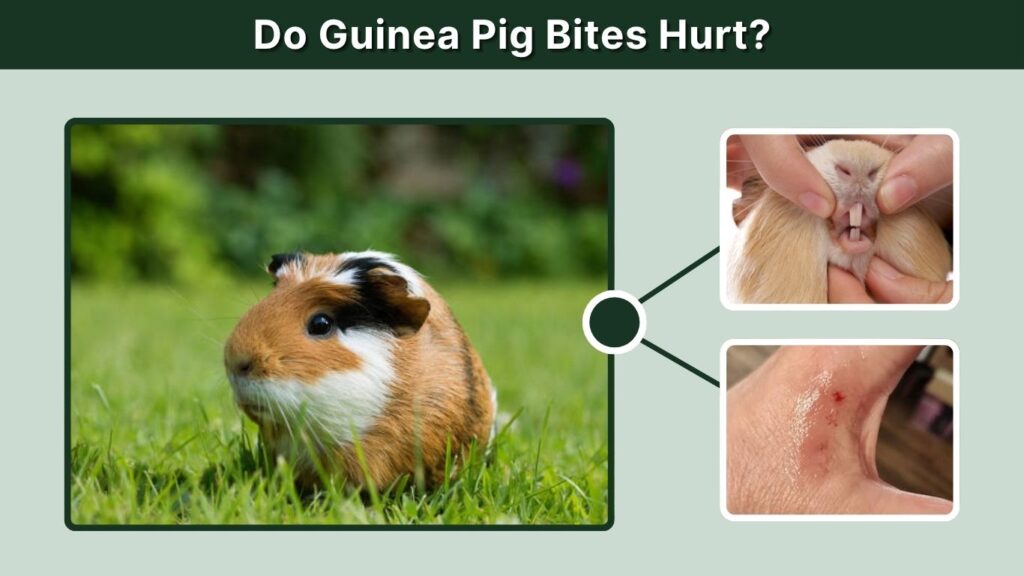
A light nibble usually does not hurt. A serious bite can be painful because guinea pigs have strong incisors that grow continuously throughout life. Their teeth are designed to cut tough plant material and can puncture human skin.
The severity may range from a small pinch to a bleeding puncture or cut. Children may find even a minor nip frightening, so interactions should be supervised.
Never hit, shout at, flick, or drop a guinea pig after it bites. Punishment increases fear and may make future biting more likely.
What to Do if a Guinea Pig Bites You
When a bite breaks the skin, treat it promptly like another small animal bite.
Basic Bite Care
- Move the guinea pig to a safe enclosure without dropping it.
- Wash the wound thoroughly with soap and running water.
- Remove visible dirt or bedding.
- Apply gentle pressure with clean gauze if it is bleeding.
- Cover it with a clean dressing.
- Monitor it for increasing redness, warmth, swelling, pain, or discharge.
The CDC recommends cleaning wounds and removing dirt or foreign material. Animal bites can also be relevant when assessing tetanus protection.
Seek medical advice when:
- The wound is deep or will not stop bleeding.
- The bite affects the face, hand, joint, or sensitive area.
- Redness, swelling, pus, fever, or worsening pain develops.
- The injured person has diabetes or a weakened immune system.
- Tetanus vaccination status is uncertain or out of date.
Do not assume every bite needs antibiotics. A healthcare professional should decide whether treatment is necessary.
Do Guinea Pigs Bite Each Other?
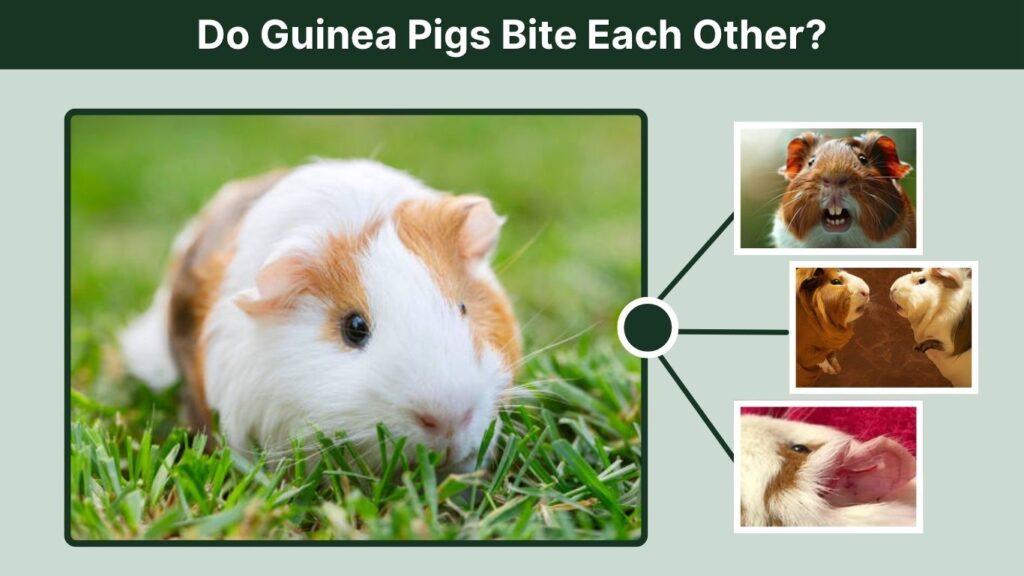
Guinea pigs may nip one another during introductions, dominance displays, mating behavior, or disputes over resources. Brief chasing, rumbling, mounting, and occasional warning nips can occur while animals establish their social relationship.
However, serious fighting is different. Warning signs include:
- Lunging with an open mouth
- Repeated hard biting
- Locked-together fighting
- Blood or visible wounds
- Torn ears
- One guinea pig being prevented from eating
- Constant hiding or weight loss
Bite and claw wounds between rodents can become serious, and bite wounds may become infected. Guinea pigs engaged in fierce fighting should be separated safely.
Use a towel, dustpan, or solid divider to interrupt a dangerous fight. Do not place bare hands between fighting guinea pigs.
Why Do Guinea Pigs Bite Each Other’s Ears?
Ear nipping may be associated with grooming, dominance, overcrowding, irritation, or fighting. A harmless grooming nibble does not normally cause injury. Repeated ear biting that removes fur, creates wounds, or makes one animal fearful requires intervention.
Provide multiple hiding places with two exits, separate food stations, adequate floor space, and more than one water source. These measures reduce competition and prevent one guinea pig from trapping another.
Why Do Guinea Pigs Bite Their Cage?
Cage biting is different from biting people. A guinea pig may chew bars because of:
- Hunger or anticipation of food
- Boredom
- Limited enclosure space
- Desire for attention
- Lack of hay
- Habitual behavior
- Frustration at seeing another guinea pig
Because guinea pig teeth grow continuously, they need constant access to fibrous food. Grass hay provides chewing activity and helps naturally wear the teeth.
Do not reward bar chewing immediately with treats every time, as this can strengthen the habit. Instead, improve the enclosure, provide unlimited hay, add tunnels and enrichment, and follow a predictable feeding routine.
How to Stop a Guinea Pig From Biting
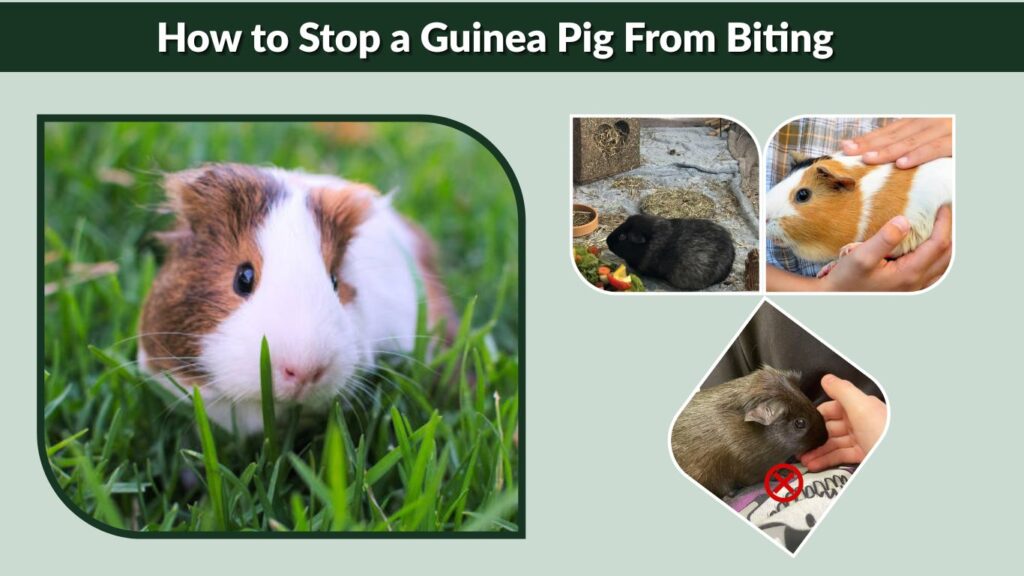
Preventing bites requires identifying and removing the cause rather than punishing the guinea pig.
Build Trust Gradually
Sit near the enclosure, speak quietly, and offer vegetables by hand. Allow the guinea pig to approach rather than continually chasing it around the cage.
Handle It Correctly
Support the whole body and keep handling sessions brief at first. Watch for struggling, head tossing, teeth chattering, freezing, or repeated attempts to escape.
Wash Your Hands
Remove food smells before touching your guinea pig. Avoid pushing fingers directly toward its mouth.
Respect Warning Signals
Teeth chattering, stiff posture, raised head, repeated turning toward your hand, and sharp warning nips may indicate discomfort. Stop and determine what is upsetting the animal.
Rule Out Medical Problems
Sudden biting, sensitivity to touch, reduced appetite, scratching, hair loss, or unusual posture warrants a veterinary examination.
Guinea Pigs vs. Hamsters: Which Bites More?
Individual behavior varies, but guinea pigs are generally larger, social, and often easier to handle calmly. Hamsters may be more likely to defend a sleeping area or bite when awakened suddenly. However, either animal can bite when frightened, mishandled, or in pain.
Species alone does not determine biting behavior. Socialization, health, environment, and handling techniques are more important.
FAQs
Do guinea pigs bite their owners?
They can bite their owners, but it is usually linked to fear, discomfort, pain, food smells, or an attempt to communicate. A guinea pig that trusts its owner and is handled correctly is less likely to bite.
Do baby guinea pigs bite?
Baby guinea pigs may gently nibble while exploring their environment. Hard biting is less typical and may indicate fear, rough handling, discomfort, or insufficient socialization.
Do guinea pigs give love bites?
Some guinea pigs gently nibble fingers or clothing during grooming or exploration. These soft nibbles are sometimes called love bites, but a hard or repeated bite should not be interpreted as affection.
Can a guinea pig bite get infected?
Yes. Any bite that breaks the skin may become infected. Wash it thoroughly and monitor for redness, warmth, swelling, discharge, increasing pain, or fever.
Why does my guinea pig bite when I pick it up?
The guinea pig may feel frightened, unsupported, restrained, or painful. Improve your lifting technique, shorten handling sessions, build trust gradually, and arrange a veterinary examination if the behavior begins suddenly.