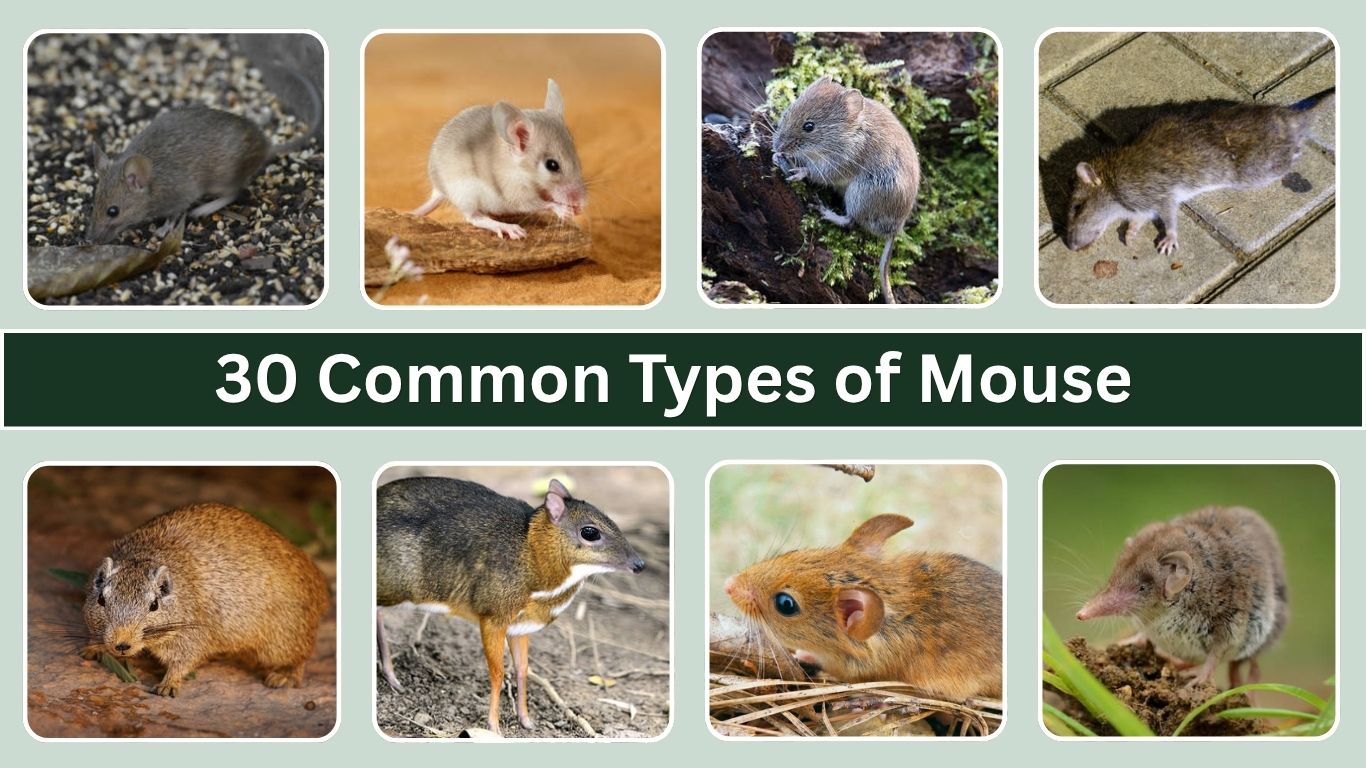
Mice are among the most widespread and adaptable mammals on Earth, inhabiting environments ranging from dense forests and open grasslands to deserts and urban areas. With hundreds of species found worldwide, these small rodents play essential roles in ecosystems as seed dispersers, prey animals, and contributors to soil health. While some mice live closely alongside humans, others thrive in remote natural habitats. This guide explores 30 common types of mice, highlighting their identification, habitat and distribution, behavior and diet, and lifespan to help you better understand these fascinating creatures.
1. House Mouse
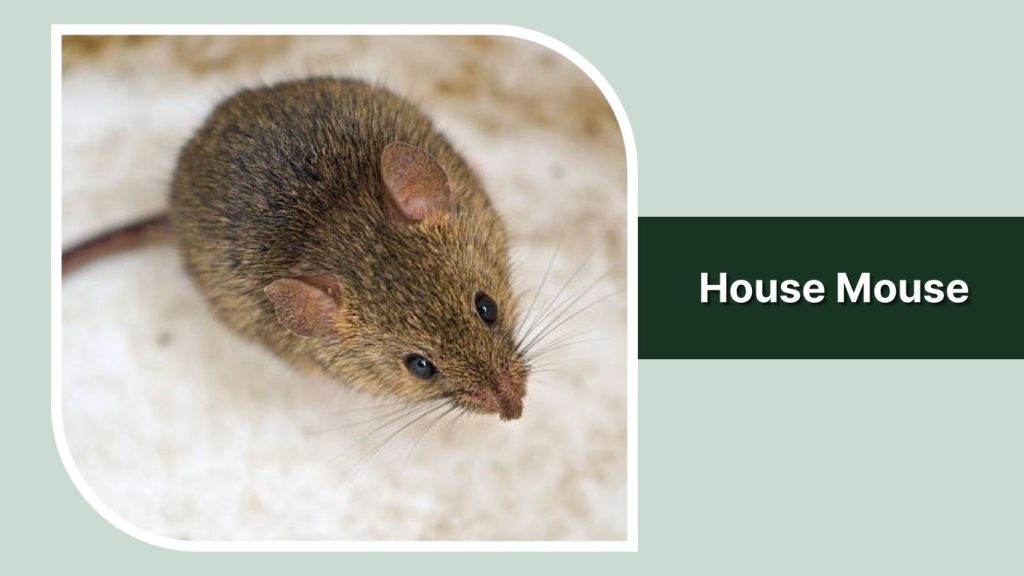
The house mouse (Mus musculus) is one of the most widespread and recognizable mouse species in the world. Closely associated with human settlements, it has successfully adapted to homes, farms, warehouses, and urban environments. Although small in size, the house mouse is highly resourceful and can thrive in a variety of conditions where food and shelter are readily available.
Identification
- Small, slender body
- Pointed snout
- Large rounded ears
- Long, nearly hairless tail
- Gray to light brown fur
- Cream or light-colored underside
- Typically 2.5–4 inches (6–10 cm) long, excluding the tail
Habitat and Distribution
House mice are found on every continent except Antarctica, making them one of the most widely distributed mammals on Earth. They commonly inhabit homes, barns, storage buildings, agricultural fields, and urban structures. In colder climates, they often move indoors to seek warmth and food, while in rural areas they may live in fields, hedgerows, and grasslands.
The species is highly adaptable and can survive in environments ranging from deserts to temperate forests. Their ability to coexist with humans has contributed significantly to their global success.
Behavior and Diet
House mice are primarily nocturnal and spend most of their active hours searching for food and exploring their surroundings. They are excellent climbers, jumpers, and swimmers, allowing them to access food sources that many other small rodents cannot reach.
Their diet is highly varied and includes grains, seeds, fruits, vegetables, and insects. In human environments, they readily consume stored food products, pet food, and household scraps. House mice often nibble on multiple food sources rather than consuming large amounts from a single location.
Lifespan
In the wild, house mice typically live for less than one year due to predation, disease, and environmental hazards. However, under protected conditions with abundant food and shelter, they may survive for two to three years. Their rapid reproductive rate helps maintain populations despite their relatively short lifespan.
2. Deer Mouse
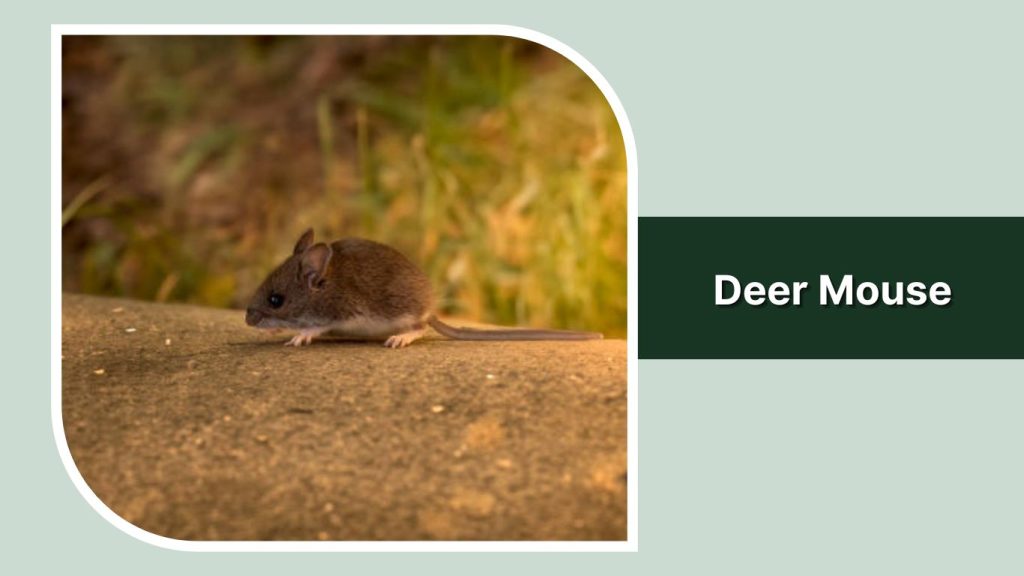
The deer mouse (Peromyscus maniculatus) is one of the most common native mice in North America. Known for its distinctive coloration and adaptability, this species inhabits a wide range of environments, from forests and grasslands to deserts and mountain regions. Unlike the house mouse, the deer mouse is primarily a wild species and plays an important role in natural ecosystems as both a seed disperser and a prey animal.
Identification
- Brown or gray upper body
- White underside and feet
- Large dark eyes
- Prominent rounded ears
- Long, bi-colored tail
- Slender body shape
- Typically 3–4 inches (7.5–10 cm) long, excluding the tail
Habitat and Distribution
Deer mice are widely distributed throughout North America, including Canada, the United States, and parts of Mexico. They thrive in forests, grasslands, deserts, agricultural fields, and mountainous regions. Their adaptability allows them to occupy a broader range of habitats than many other mouse species.
These mice typically build nests in tree hollows, logs, rock crevices, underground burrows, or abandoned bird nests. During colder months, they may occasionally enter cabins, sheds, and other structures in search of shelter.
Behavior and Diet
Deer mice are primarily nocturnal and are most active during the night. They are agile climbers and can move quickly through vegetation and rocky terrain. Unlike some mouse species that remain close to human settlements, deer mice generally prefer natural environments.
Their diet consists mainly of seeds, nuts, berries, fruits, insects, and fungi. Seasonal food availability often influences feeding habits, and they frequently store food supplies for future use. Their foraging activities help disperse seeds and contribute to ecosystem health.
Lifespan
In the wild, most deer mice live between one and two years, although many individuals do not survive that long due to predation and environmental challenges. Common predators include owls, hawks, snakes, foxes, and weasels. In protected environments, deer mice may live longer than their wild counterparts.
3. Field Mouse

The field mouse is a common name used for several small mouse species that inhabit grasslands, fields, meadows, and agricultural areas. These mice are known for their adaptability and ability to thrive in open habitats where food and shelter are readily available. Field mice play an important ecological role by dispersing seeds and serving as prey for numerous predators.
Identification
- Small, slender body
- Brown, reddish-brown, or gray fur
- Light-colored belly
- Large ears relative to head size
- Long tail covered with fine hair
- Sharp, dark eyes
- Typically 3–5 inches (7.5–13 cm) long, excluding the tail
Habitat and Distribution
Field mice are found throughout Europe, Asia, and North America, depending on the species. They commonly inhabit grasslands, meadows, farmland, hedgerows, woodland edges, and open countryside. Dense vegetation provides protection from predators and suitable nesting sites.
These mice usually construct nests underground, beneath logs, within dense grass, or inside abandoned burrows. During colder months, some individuals may enter barns, sheds, and other rural structures for shelter.
Behavior and Diet
Field mice are mainly nocturnal and spend much of their time foraging for food. They are fast runners and skilled climbers, helping them escape predators and access food sources. Most field mice live solitary lives except during breeding periods.
Their diet consists primarily of seeds, grains, nuts, berries, fruits, and young plant shoots. They may also consume insects and other small invertebrates when available. Many field mice store food in underground chambers to help survive periods when resources become scarce.
Lifespan
The average lifespan of a field mouse in the wild is about one year, although some individuals may survive longer under favorable conditions. Predation from owls, hawks, foxes, snakes, and other carnivores is a major factor limiting longevity. Their high reproductive rate helps maintain healthy populations despite these challenges.
4. Harvest Mouse
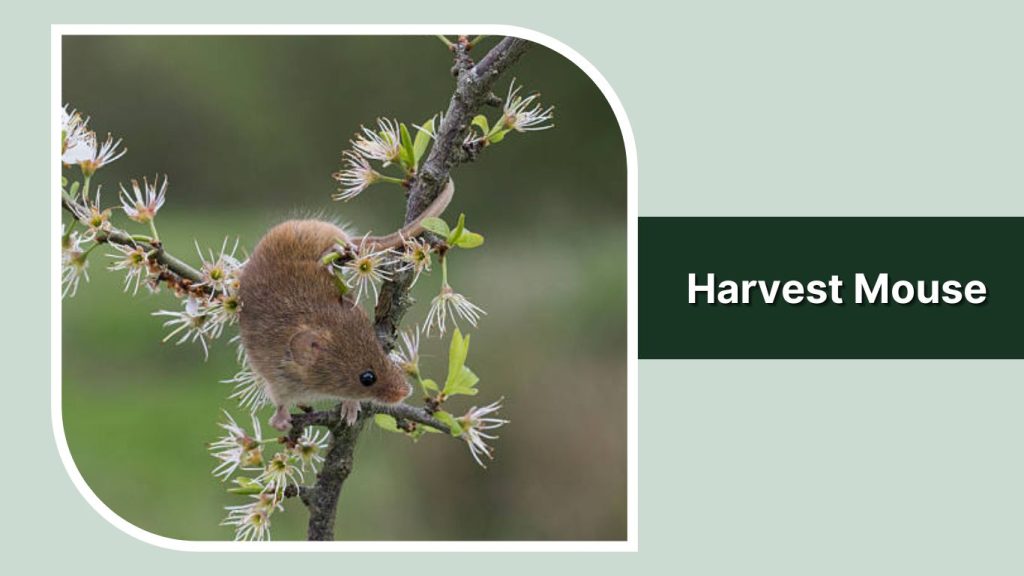
The harvest mouse (Micromys minutus) is one of the smallest rodents in Europe and Asia. Famous for its climbing ability and tiny size, this mouse spends much of its life among tall grasses and reeds. Its prehensile tail helps it move effortlessly through vegetation, making it uniquely adapted to life above the ground.
Identification
- Very small body size
- Golden-brown to reddish fur
- White or pale underside
- Small rounded ears
- Blunt snout
- Prehensile tail used for climbing
- Typically 2–3 inches (5–8 cm) long, excluding the tail
Habitat and Distribution
Harvest mice are found across Europe and parts of Asia. They prefer grasslands, reed beds, marshes, agricultural fields, and hedgerows with dense vegetation. Tall grasses provide protection from predators and suitable nesting locations.
Unlike many mice, harvest mice often build spherical nests suspended above the ground among reeds and grasses. These woven nests provide shelter and protection for raising young.
Behavior and Diet
Harvest mice are active both day and night, although they are often most active during dawn and dusk. Their excellent climbing skills allow them to forage high above the ground where many predators have difficulty reaching them.
Their diet consists of seeds, grains, berries, fruits, insects, and small invertebrates. During summer and autumn, they take advantage of abundant plant foods while also supplementing their diet with protein-rich insects.
Lifespan
Most harvest mice live for about one to two years in the wild. Predation by birds of prey, snakes, and small carnivorous mammals is common. Their short lifespan is balanced by rapid reproduction during favorable seasons.
5. Wood Mouse
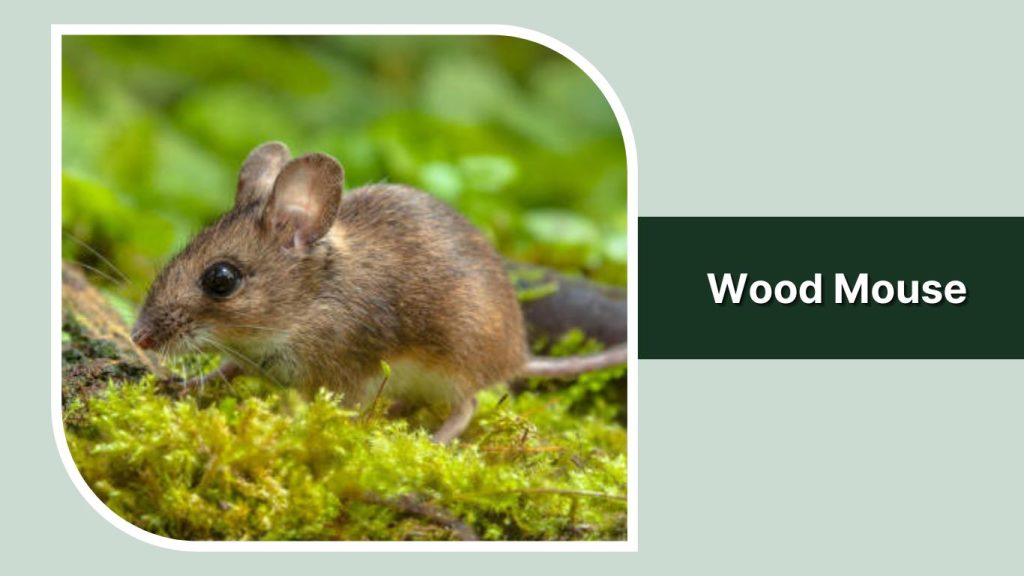
The wood mouse (Apodemus sylvaticus), also known as the long-tailed field mouse in some regions, is one of the most widespread wild mice in Europe. It is highly adaptable and can be found in woodlands, grasslands, farmland, and gardens. Its large eyes and ears give it excellent senses for detecting predators and locating food.
Identification
- Brown or reddish-brown upper fur
- White or cream-colored underside
- Large dark eyes
- Prominent ears
- Long tail often equal to body length
- Slender body shape
- Typically 3–4 inches (7.5–10 cm) long, excluding the tail
Habitat and Distribution
Wood mice occur throughout much of Europe, North Africa, and parts of western Asia. They inhabit forests, hedgerows, farmland, parks, and gardens. Their adaptability allows them to thrive in both rural and suburban environments.
They usually create nests underground, beneath tree roots, inside hollow logs, or among dense vegetation. During winter, they may occasionally enter buildings in search of food and shelter.
Behavior and Diet
Wood mice are primarily nocturnal and are known for their agility and jumping ability. They spend much of the night searching for food and exploring their territory. Their keen senses help them avoid predators while foraging.
Their diet includes seeds, nuts, berries, fruits, fungi, insects, and young plant material. Wood mice frequently gather and store food supplies, particularly during autumn when resources are plentiful.
Lifespan
In the wild, wood mice generally live for one to two years. Predators such as owls, foxes, weasels, and snakes account for many deaths. Despite their relatively short lifespan, wood mice remain abundant because of their high reproductive potential.
6. White-Footed Mouse
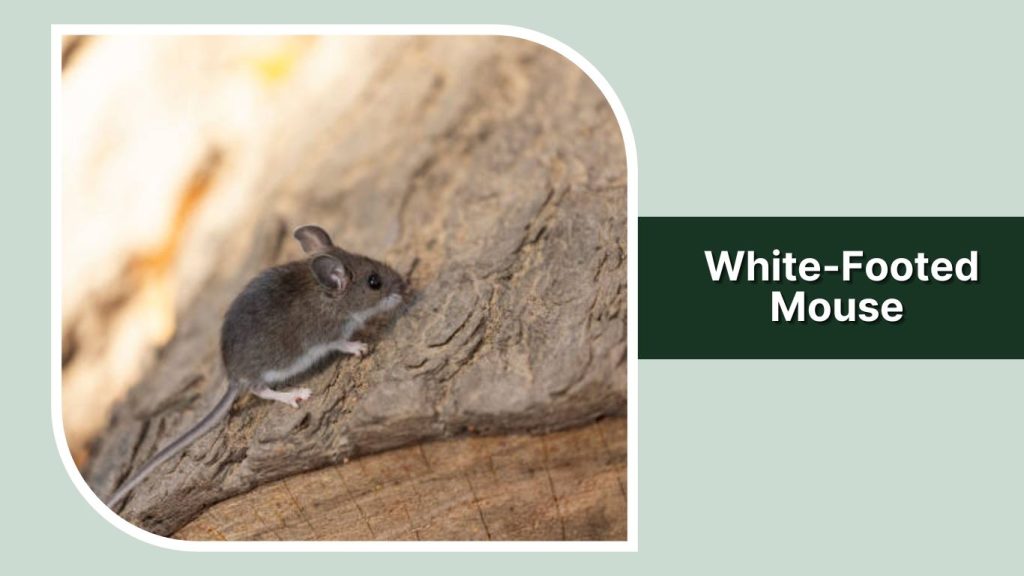
The white-footed mouse (Peromyscus leucopus) is a small North American rodent recognized for its distinctive white feet and agile nature. It is commonly found in forests, woodlands, and suburban areas where it plays an important role in seed dispersal and ecosystem balance. This species is highly adaptable and can thrive in a variety of natural habitats.
Identification
- Brown to reddish-brown upper fur
- White belly and feet
- Large dark eyes
- Prominent rounded ears
- Long bi-colored tail
- Slender body build
- Typically 3–4 inches (7.5–10 cm) long, excluding the tail
Habitat and Distribution
White-footed mice are found throughout eastern and central North America. They inhabit deciduous forests, mixed woodlands, grasslands, shrublands, and suburban landscapes. Areas with abundant ground cover, fallen logs, and dense vegetation provide ideal shelter.
These mice commonly build nests in tree cavities, rock crevices, underground burrows, and abandoned bird nests. Their adaptability allows them to occupy both rural and urban environments successfully.
Behavior and Diet
White-footed mice are primarily nocturnal and spend their nights foraging for food. They are excellent climbers and can easily navigate trees and shrubs while searching for resources. Their cautious behavior helps reduce encounters with predators.
Their diet includes seeds, nuts, berries, fruits, insects, fungi, and plant material. During autumn, they frequently gather and store food to prepare for winter conditions.
Lifespan
Most white-footed mice live for about one year in the wild, although some individuals survive longer. Predation by owls, snakes, foxes, and small carnivorous mammals limits their lifespan. Their rapid breeding cycle helps sustain healthy populations.
7. Cotton Mouse
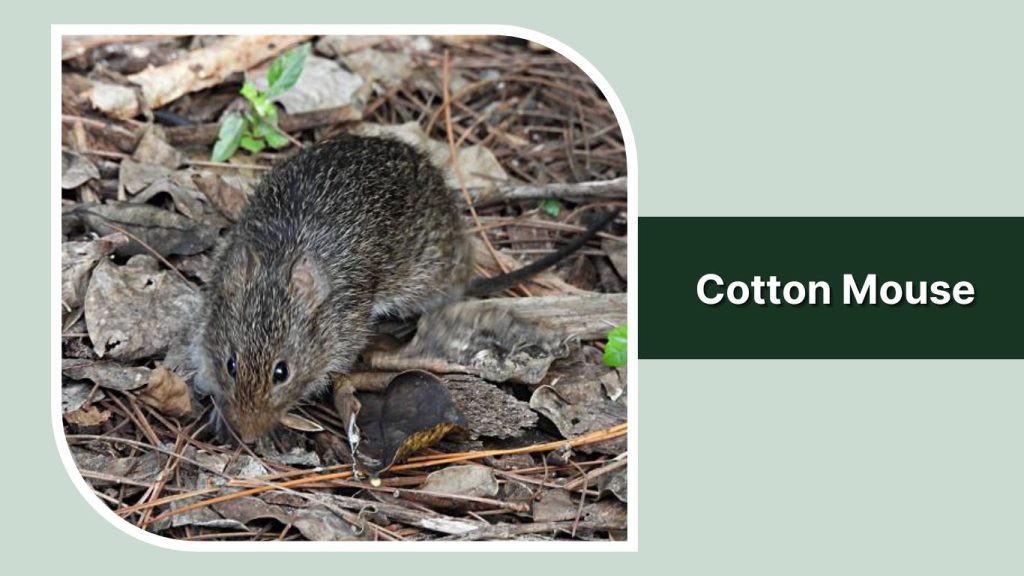
The cotton mouse (Peromyscus gossypinus) is a medium-sized mouse native to the southeastern United States. It is closely related to the white-footed mouse but is generally found in warmer, more humid habitats. This species is known for its adaptability and ability to thrive in dense vegetation.
Identification
- Grayish-brown to reddish-brown fur
- White or pale underside
- Large ears and eyes
- Long tail covered with fine hair
- White feet
- Compact body shape
- Typically 3–5 inches (7.5–13 cm) long, excluding the tail
Habitat and Distribution
Cotton mice are found throughout the southeastern United States, particularly in forests, swamps, marshes, and dense shrublands. They prefer habitats with thick vegetation that provides cover from predators and suitable nesting sites.
Nests are often constructed in hollow logs, tree cavities, dense brush, or underground burrows. The species is especially common in areas with abundant moisture and year-round food availability.
Behavior and Diet
Cotton mice are nocturnal and spend much of the night searching for food. They are skilled climbers and frequently forage both on the ground and in low vegetation. Their secretive nature helps them avoid predators.
Their diet consists of seeds, nuts, berries, fruits, insects, fungi, and plant material. Seasonal changes influence food choices, with insects becoming more important during warmer months.
Lifespan
In the wild, cotton mice typically live one to two years. Natural predators include snakes, owls, hawks, foxes, and other carnivorous animals. Despite these challenges, the species maintains stable populations through regular breeding and strong adaptability.
8. Zebra Mouse
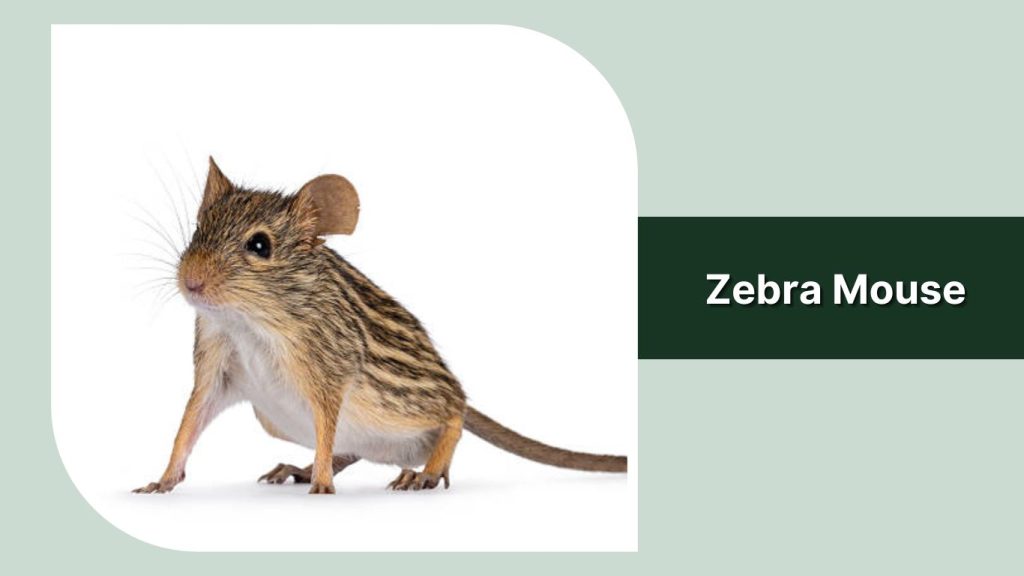
The zebra mouse (Lemniscomys striatus) is a distinctive African rodent named for the dark stripes running along its back. Unlike many mouse species that have plain fur, the zebra mouse’s bold pattern makes it easy to identify. It is commonly found in grasslands and savannas where it plays an important role in local ecosystems.
Identification
- Brown or grayish-brown fur
- Multiple dark stripes along the back
- White or pale underside
- Large rounded ears
- Long tail
- Slender body shape
- Typically 4–6 inches (10–15 cm) long, excluding the tail
Habitat and Distribution
Zebra mice are widely distributed throughout sub-Saharan Africa. They inhabit grasslands, savannas, agricultural areas, and open woodland habitats. Dense vegetation provides protection from predators and suitable nesting locations.
These mice often build nests in grassy areas, underground burrows, or sheltered spots beneath shrubs. Their habitat preferences allow them to thrive in both natural and human-modified landscapes.
Behavior and Diet
Unlike many mouse species that are strictly nocturnal, zebra mice are often active during the day. They are agile foragers that move through vegetation searching for food while remaining alert to predators.
Their diet includes seeds, grasses, fruits, insects, and other plant materials. Seasonal food availability influences feeding behavior, and they readily exploit abundant food resources when available.
Lifespan
In the wild, zebra mice generally live for one to two years. Predation by birds of prey, snakes, and small carnivorous mammals is common. Their relatively short lifespan is offset by frequent breeding and rapid population growth.
9. Spiny Mouse
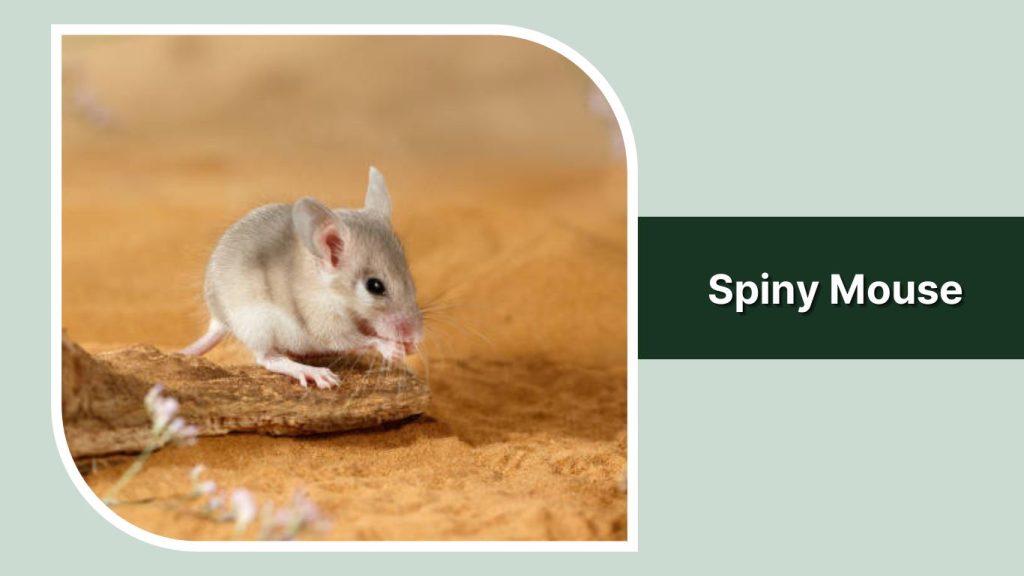
The spiny mouse (Acomys species) is an unusual rodent known for the stiff, spine-like hairs covering parts of its body. Native to Africa and the Middle East, this mouse is famous for its remarkable ability to regenerate damaged skin and tissue, a trait rarely seen among mammals.
Identification
- Coarse, spiny fur on the back
- Gray, brown, or sandy coloration
- Large ears and eyes
- Long, thin tail
- White or pale underside
- Slender body build
- Typically 3–5 inches (7.5–13 cm) long, excluding the tail
Habitat and Distribution
Spiny mice occur throughout Africa, the Middle East, and nearby regions. They are commonly found in rocky deserts, dry grasslands, scrublands, and semi-arid environments. Their ability to tolerate harsh conditions helps them survive where many rodents cannot.
These mice typically shelter among rocks, crevices, burrows, and other protected locations that provide safety from predators and extreme temperatures.
Behavior and Diet
Spiny mice are primarily nocturnal and emerge after sunset to forage. They are social animals and often live in small groups, which can improve protection against predators.
Their diet consists of seeds, fruits, leaves, insects, and other small invertebrates. As opportunistic feeders, they consume a wide range of foods depending on seasonal availability and habitat conditions.
Lifespan
Spiny mice generally live two to four years in the wild and may survive even longer in captivity. Their regenerative abilities, combined with adaptability and social behavior, contribute to their success in challenging environments.
10. Dormouse
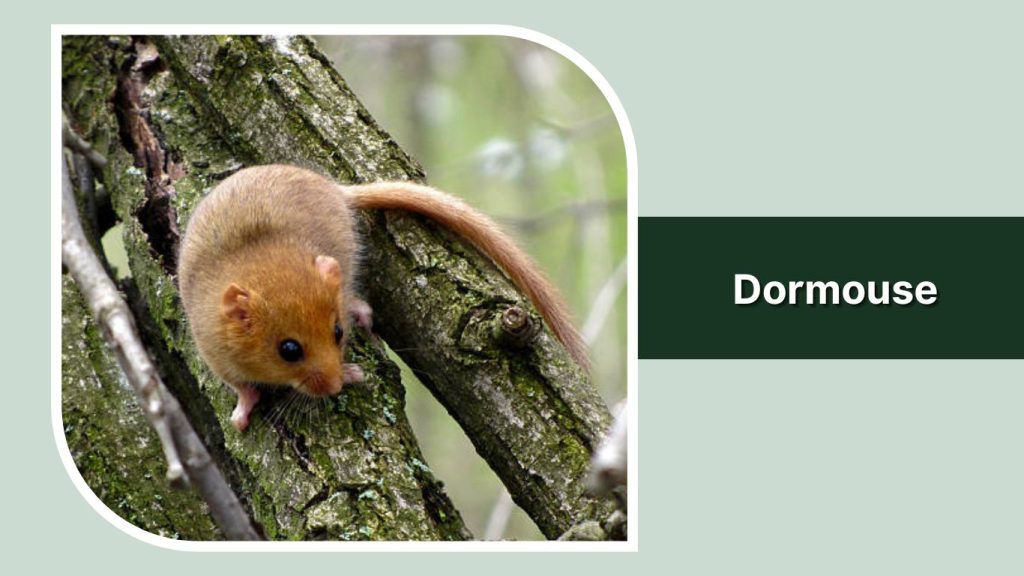
The dormouse is a small, tree-dwelling rodent known for its large eyes, bushy tail, and long periods of hibernation. Although not a true mouse in the scientific sense, it is commonly grouped with mice because of its similar size and appearance. Dormice are especially famous for their ability to sleep for extended periods during colder months.
Identification
- Soft golden-brown or gray fur
- Large dark eyes
- Rounded ears
- Bushy, furry tail
- Compact body shape
- Short, delicate limbs
- Typically 2.5–5 inches (6–13 cm) long, excluding the tail
Habitat and Distribution
Dormice are found across Europe, parts of Asia, and Africa, depending on the species. They prefer woodlands, hedgerows, orchards, and dense shrub habitats where trees and climbing vegetation are abundant.
These rodents spend much of their lives above ground, building nests in tree cavities, thick vegetation, and dense branches. Suitable habitat provides both shelter and access to food resources.
Behavior and Diet
Dormice are primarily nocturnal and spend most of their active hours climbing through vegetation in search of food. They are excellent climbers and rarely venture far from protective cover.
Their diet includes fruits, berries, nuts, seeds, flowers, insects, and occasionally bird eggs. Before hibernation, dormice consume large quantities of food to build fat reserves needed for survival during winter.
Lifespan
Dormice typically live between three and five years in the wild, although some individuals may survive longer. Their ability to hibernate helps conserve energy and improves survival during periods of limited food availability.
11. Grasshopper Mouse
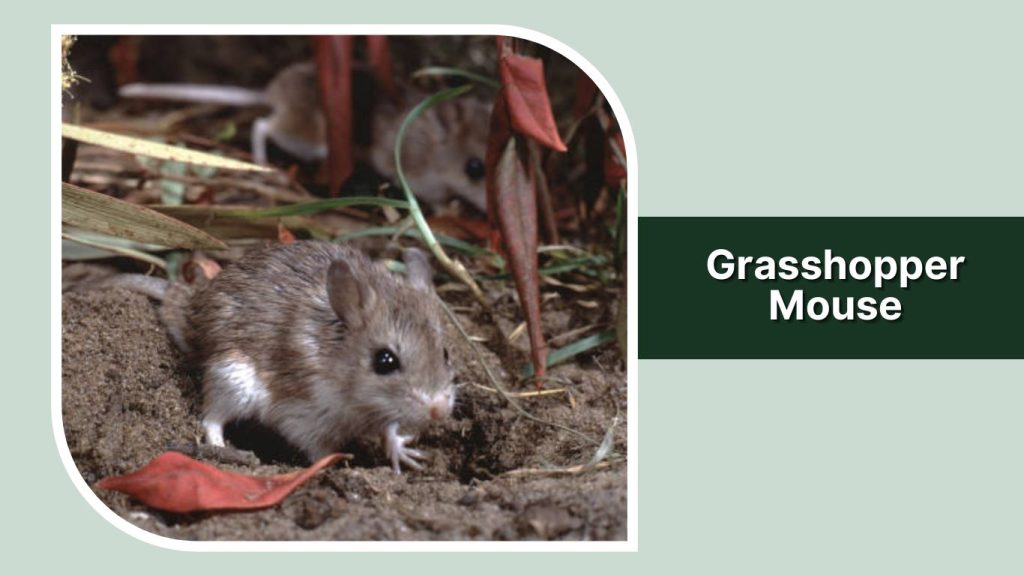
The grasshopper mouse (Onychomys species) is one of the most unusual mice in North America. Unlike most mouse species that primarily eat seeds and plants, grasshopper mice are carnivorous hunters. They actively prey on insects, spiders, scorpions, and other small animals, earning them a reputation as fierce predators despite their small size.
Identification
- Stocky body build
- Gray or brown fur
- White or pale underside
- Short tail compared to most mice
- Large eyes and ears
- Broad head and strong jaws
- Typically 3–5 inches (7.5–13 cm) long, excluding the tail
Habitat and Distribution
Grasshopper mice are found throughout western and central North America. They inhabit deserts, grasslands, prairies, shrublands, and semi-arid environments where insect prey is abundant.
These mice commonly use underground burrows, often taking over abandoned tunnels created by other small mammals. Their burrows provide protection from predators and extreme temperatures.
Behavior and Diet
Grasshopper mice are primarily nocturnal and highly territorial. Unlike most mice, they actively hunt live prey and are known for their aggressive behavior. Some species even prey on venomous scorpions, showing remarkable resistance to certain toxins.
Their diet consists mainly of insects, beetles, grasshoppers, spiders, centipedes, scorpions, and occasionally small rodents. This carnivorous lifestyle makes them unique among mouse species.
Lifespan
In the wild, grasshopper mice generally live one to three years. Predators such as owls, snakes, foxes, and coyotes pose significant threats. Their adaptability and hunting abilities help them survive in challenging environments where food resources can fluctuate seasonally.
12. Pygmy Mouse

The pygmy mouse is one of the smallest rodent species in the world. Despite its tiny size, it is an agile and adaptable animal capable of surviving in a variety of habitats. Several pygmy mouse species occur across Africa and parts of Asia, where they play important roles in local food webs and seed dispersal.
Identification
- Extremely small body size
- Brown, gray, or reddish fur
- Pale underside
- Short, pointed snout
- Large eyes relative to body size
- Thin tail
- Typically 1–3 inches (2.5–8 cm) long, excluding the tail
Habitat and Distribution
Pygmy mice are found primarily in Africa, with some species occurring in parts of Asia. They inhabit grasslands, savannas, shrublands, agricultural fields, and woodland edges. Dense vegetation provides shelter from predators and protection from harsh weather conditions.
These tiny rodents often build nests among grasses, inside burrows, or beneath vegetation. Their small size allows them to utilize hiding places inaccessible to larger animals.
Behavior and Diet
Pygmy mice are generally nocturnal and spend much of their time searching for food while avoiding predators. They are quick, agile climbers and can move efficiently through dense vegetation.
Their diet consists mainly of seeds, grains, grasses, fruits, and insects. They frequently forage close to cover and may store food supplies when resources are abundant.
Lifespan
Most pygmy mice live for one to two years in the wild. Predation by birds, snakes, and small carnivorous mammals limits their lifespan. Their rapid breeding cycle helps sustain populations despite their vulnerability.
13. Stripy Mouse
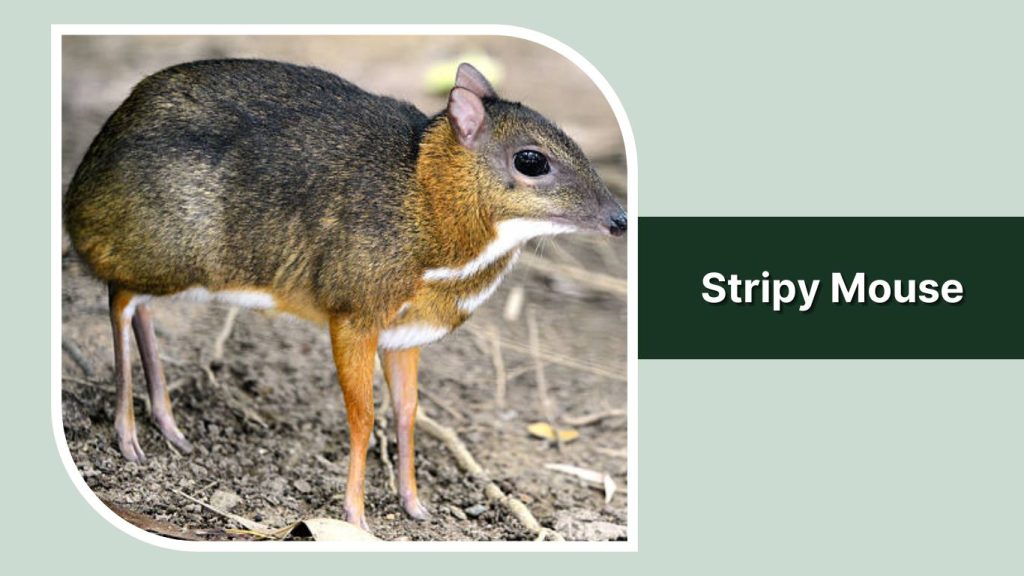
The stripy mouse (Rhabdomys pumilio) is a distinctive African rodent recognized by the dark stripes running along its back. Unlike many mouse species that are active at night, stripy mice are primarily diurnal, meaning they are active during daylight hours. Their social behavior and striking appearance make them one of Africa’s most recognizable small mammals.
Identification
- Grayish-brown fur
- Four dark stripes along the back
- White or pale underside
- Large rounded ears
- Long tail
- Slender body build
- Typically 3–5 inches (7.5–13 cm) long, excluding the tail
Habitat and Distribution
Stripy mice are widely distributed throughout southern Africa. They inhabit grasslands, savannas, shrublands, agricultural fields, and semi-arid regions. Their adaptability allows them to survive in both natural habitats and areas modified by human activity.
They typically build nests in burrows, dense grass, or beneath rocks and shrubs. Group living often provides additional protection against predators and environmental challenges.
Behavior and Diet
Unlike most mice, stripy mice are active during the day. They are social animals that frequently live in family groups and cooperate in activities such as nesting and predator detection.
Their diet includes seeds, grasses, fruits, leaves, flowers, and insects. Seasonal food availability influences feeding habits, and they readily take advantage of abundant plant resources during favorable conditions.
Lifespan
In the wild, stripy mice generally live between one and three years. Common predators include birds of prey, snakes, mongooses, and small carnivorous mammals. Their social structure and adaptability help improve survival rates in challenging environments.
14. Yellow-Necked Mouse
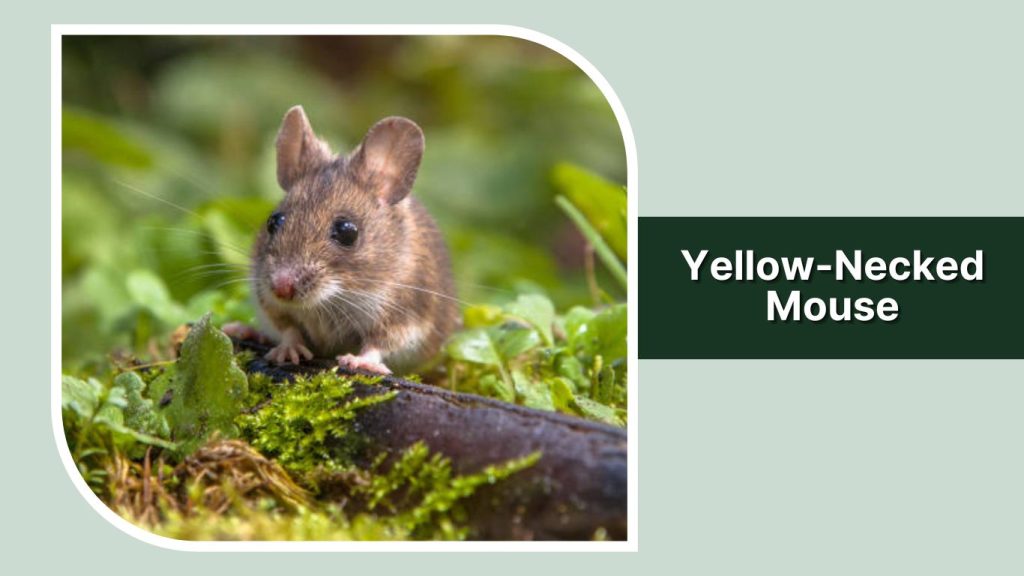
The yellow-necked mouse (Apodemus flavicollis) is a woodland rodent native to Europe and parts of western Asia. It closely resembles the wood mouse but can be distinguished by the yellowish band of fur around its neck. This agile species is an excellent climber and is commonly found in mature forests and wooded habitats.
Identification
- Brown or reddish-brown upper fur
- White underside
- Distinct yellow or orange neck band
- Large dark eyes
- Prominent rounded ears
- Long tail often longer than the body
- Typically 3.5–5 inches (9–13 cm) long, excluding the tail
Habitat and Distribution
Yellow-necked mice are widely distributed throughout Europe and parts of western Asia. They prefer deciduous forests, mixed woodlands, parks, orchards, and wooded countryside. Mature forests with abundant trees and ground cover provide ideal living conditions.
They typically build nests in tree cavities, underground burrows, hollow logs, and dense vegetation. Their climbing ability allows them to utilize both ground-level and elevated nesting sites.
Behavior and Diet
Yellow-necked mice are primarily nocturnal and spend much of the night searching for food. They are energetic climbers and can move quickly through trees and shrubs while foraging.
Their diet consists of seeds, nuts, acorns, berries, fruits, fungi, and insects. During autumn, they often collect and store food to prepare for winter months when resources become limited.
Lifespan
Most yellow-necked mice live one to two years in the wild. Predators such as owls, foxes, martens, snakes, and weasels contribute to high mortality rates. Despite these challenges, the species remains common throughout much of its range.
15. Rock Mouse
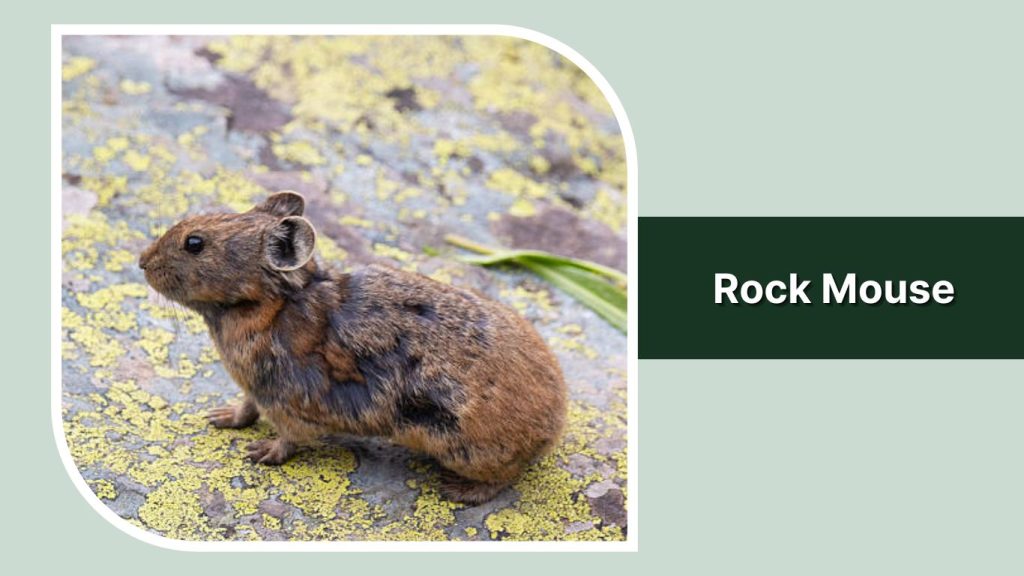
The rock mouse (Peromyscus difficilis) is a North American species adapted to rugged landscapes and rocky environments. Its excellent climbing abilities and sure-footed movements allow it to navigate steep terrain where many other rodents struggle to survive.
Identification
- Grayish-brown fur
- White or pale underside
- Large ears and eyes
- Long tail with fine hair
- Slender body shape
- Strong hind legs
- Typically 3–5 inches (7.5–13 cm) long, excluding the tail
Habitat and Distribution
Rock mice are found primarily in Mexico and the southwestern United States. They inhabit rocky hillsides, canyons, cliffs, mountainous forests, and desert scrub habitats. Areas with abundant rocks and crevices provide shelter and protection from predators.
Their nests are often located among rock piles, cliff crevices, hollow logs, or underground burrows. These locations help shield them from harsh weather and predators.
Behavior and Diet
Rock mice are nocturnal and spend their active hours exploring rocky terrain in search of food. Their strong climbing skills allow them to access areas unavailable to many competing rodents.
Their diet includes seeds, nuts, berries, fruits, fungi, insects, and green vegetation. Seasonal food availability influences feeding habits, and they may store food for later consumption.
Lifespan
In the wild, rock mice generally live one to three years. Predators such as snakes, owls, hawks, foxes, and wild cats pose constant threats. Their agility and ability to navigate rocky habitats help improve survival in challenging environments.
16. Golden Mouse
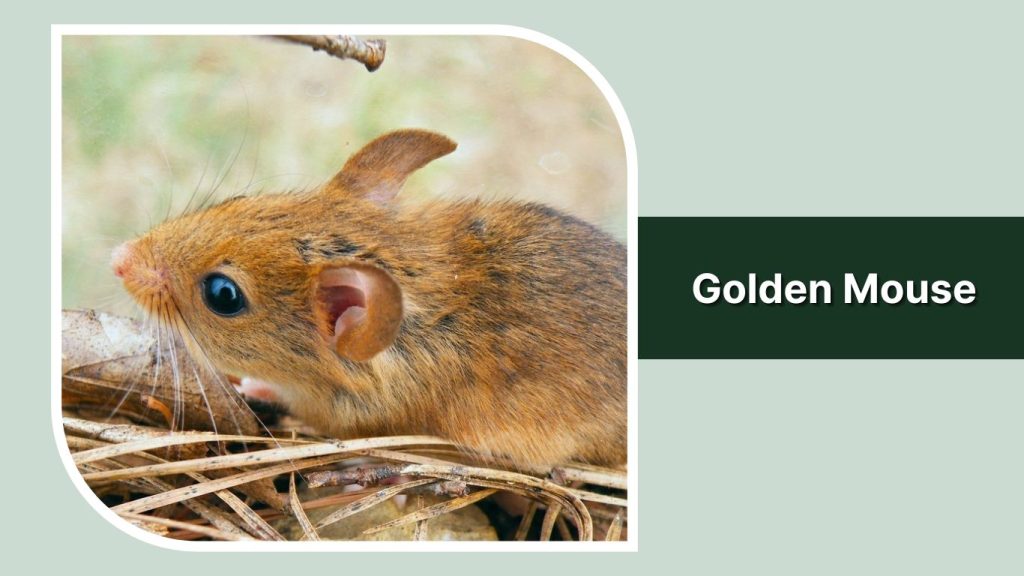
The golden mouse (Ochrotomys nuttalli) is a beautiful North American rodent known for its soft golden-brown fur and excellent climbing abilities. Unlike many mice that spend most of their time on the ground, golden mice are highly arboreal and often live among vines, shrubs, and low tree branches in forested habitats.
Identification
- Bright golden-brown upper fur
- White or cream-colored belly
- Large dark eyes
- Rounded ears
- Long, slightly hairy tail
- Slender body build
- Typically 2.5–4 inches (6–10 cm) long, excluding the tail
Habitat and Distribution
Golden mice are found primarily in the southeastern United States. They inhabit forests, woodland edges, thickets, swamps, and dense shrublands where climbing vegetation is abundant. Areas with tangled vines and thick undergrowth provide ideal nesting sites.
These mice frequently build spherical nests above the ground in shrubs, vines, and small trees. Elevated nests help reduce exposure to ground-based predators.
Behavior and Diet
Golden mice are nocturnal and spend much of their active time climbing through vegetation in search of food. Their agility allows them to move efficiently among branches while avoiding predators.
Their diet consists of seeds, berries, fruits, nuts, insects, and plant material. Seasonal food availability influences feeding habits, and they readily consume a variety of natural foods.
Lifespan
In the wild, golden mice typically live one to two years. Predators such as snakes, owls, foxes, and raccoons pose significant threats. Their climbing abilities and elevated nesting habits help improve survival rates.
17. Marsh Mouse
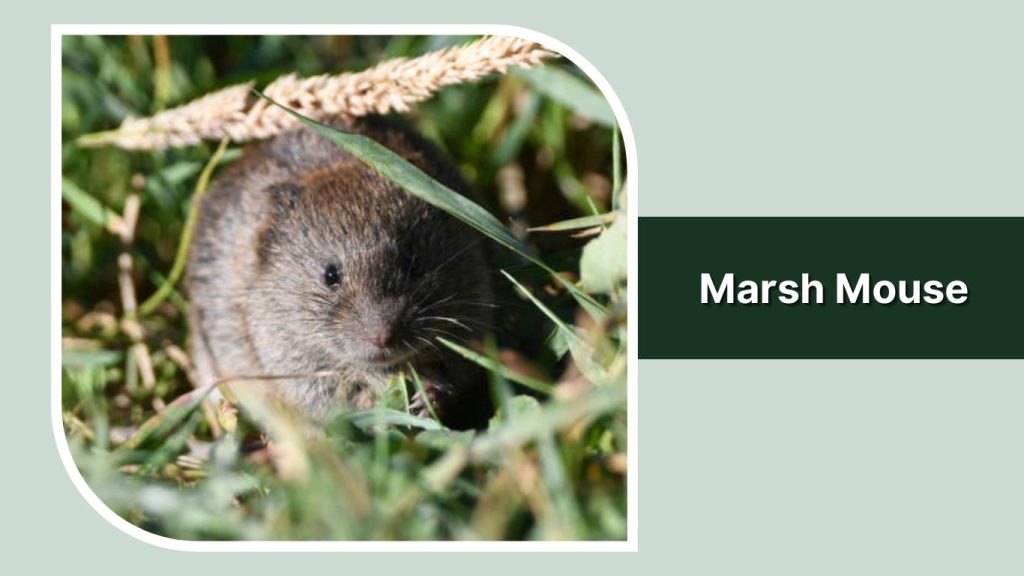
The marsh mouse (Holochilus species and similar marsh-dwelling mice) is a semi-aquatic rodent adapted to wetland environments. These mice are strong swimmers and are commonly associated with marshes, swamps, reed beds, and other water-rich habitats.
Identification
- Brown to gray-brown fur
- Pale underside
- Small rounded ears
- Long tail
- Compact body shape
- Strong hind feet for swimming
- Typically 4–6 inches (10–15 cm) long, excluding the tail
Habitat and Distribution
Marsh mice are found in wetland habitats throughout parts of North and South America, depending on the species. They prefer marshes, swamps, floodplains, riverbanks, and areas with dense aquatic vegetation.
These rodents often construct nests among reeds, grasses, and vegetation close to water. Their habitat selection provides protection from predators while ensuring access to food and water.
Behavior and Diet
Marsh mice are generally active during the evening and nighttime hours. They are capable swimmers and frequently move through shallow water while foraging. Their semi-aquatic lifestyle sets them apart from many other mouse species.
Their diet consists primarily of grasses, aquatic plants, seeds, roots, and occasionally insects. Wetland vegetation forms the majority of their food intake throughout the year.
Lifespan
Most marsh mice live between one and two years in the wild. Predators include snakes, birds of prey, raccoons, foxes, and other wetland carnivores. Their ability to swim and hide among dense vegetation helps reduce predation risks.
18. Canyon Mouse
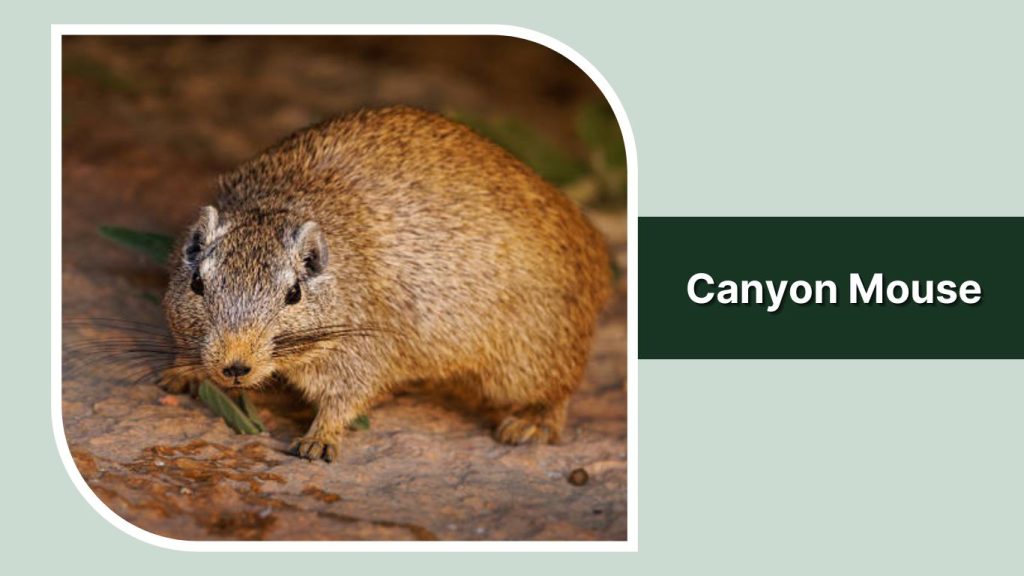
The canyon mouse (Peromyscus crinitus) is a small rodent specially adapted to dry, rocky environments in western North America. Its agility and climbing skills allow it to navigate steep cliffs, canyons, and rocky slopes with ease. This species is well suited to arid habitats where food and water can be limited.
Identification
- Light brown to gray fur
- White underside
- Large ears
- Long tail often longer than the body
- Slender body shape
- Large dark eyes
- Typically 3–4 inches (7.5–10 cm) long, excluding the tail
Habitat and Distribution
Canyon mice are found throughout the southwestern United States and northern Mexico. They inhabit rocky deserts, canyon walls, cliffs, shrublands, and mountainous regions where crevices provide shelter and protection.
Their nests are commonly located among rock piles, cracks, cliff ledges, and protected cavities. These locations help them avoid predators and extreme temperatures.
Behavior and Diet
Canyon mice are primarily nocturnal and spend their nights foraging among rocky landscapes. Their excellent climbing ability enables them to access food resources that many other rodents cannot reach.
Their diet consists of seeds, fruits, berries, insects, leaves, and other plant material. Seasonal changes influence food availability, and they may store food in sheltered locations.
Lifespan
Most canyon mice live between one and three years in the wild. Predators such as owls, snakes, foxes, and wild cats are major threats. Their agility and ability to escape into rocky crevices improve survival rates.
19. California Mouse
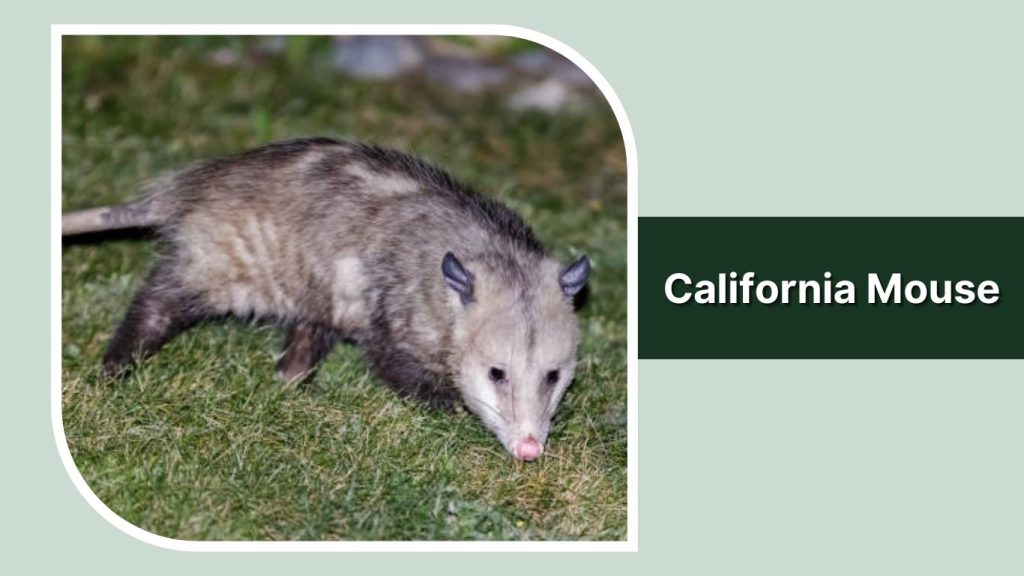
The California mouse (Peromyscus californicus) is one of the largest native mice in North America. It is unique among many rodent species because it often forms long-term pair bonds and both parents participate in raising their young. This behavior makes it a favorite subject for wildlife researchers.
Identification
- Gray-brown upper fur
- White belly and feet
- Large ears and eyes
- Long bi-colored tail
- Robust body build
- Strong hind legs
- Typically 4–6 inches (10–15 cm) long, excluding the tail
Habitat and Distribution
California mice are native to California and parts of Baja California, Mexico. They are commonly found in oak woodlands, chaparral habitats, coastal scrub, and foothill regions. Dense vegetation and rocky cover provide ideal shelter.
They build nests in hollow logs, rock crevices, burrows, and dense brush. Suitable cover is essential for protection from predators and harsh weather.
Behavior and Diet
California mice are nocturnal and highly territorial. Unlike many mouse species, they often live in monogamous pairs and cooperate in caring for offspring. This strong social bond is relatively rare among rodents.
Their diet includes seeds, acorns, berries, fruits, insects, and green vegetation. Acorns are particularly important in many woodland habitats where the species occurs.
Lifespan
In the wild, California mice typically live one to two years, although some individuals survive longer under favorable conditions. Predators include owls, snakes, foxes, coyotes, and bobcats. Their parental cooperation helps improve the survival chances of their young.
20. Smoky Mouse
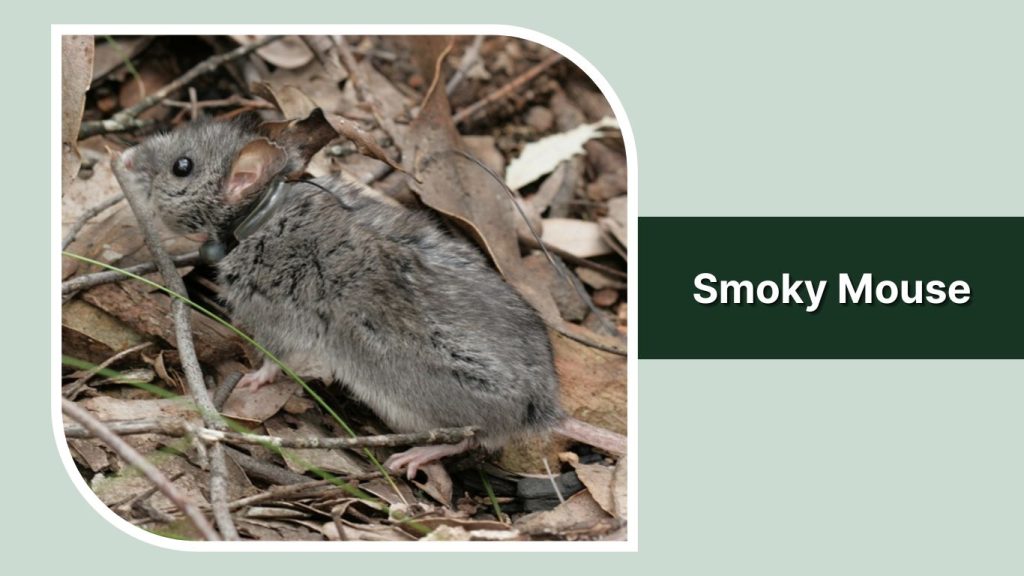
The smoky mouse (Pseudomys fumeus) is a rare native rodent found in southeastern Australia. It is known for its soft gray-brown fur and preference for dense forest habitats. Due to habitat loss and environmental pressures, the smoky mouse is considered a species of conservation concern in parts of its range.
Identification
- Smoky gray to brown fur
- Pale gray underside
- Large rounded ears
- Long tail covered with fine hair
- Compact body shape
- Large dark eyes
- Typically 3–5 inches (7.5–13 cm) long, excluding the tail
Habitat and Distribution
Smoky mice occur in southeastern Australia, particularly in forested mountain regions. They prefer heathlands, woodlands, and dense forests with thick ground vegetation that provides shelter and nesting opportunities.
These mice often build nests beneath logs, rocks, dense shrubs, and underground cavities. Their habitats typically offer abundant cover and protection from predators.
Behavior and Diet
Smoky mice are primarily nocturnal and spend their nights searching for food among leaf litter and vegetation. They are secretive animals that rarely venture far from protective cover.
Their diet includes seeds, fruits, fungi, roots, insects, and other plant materials. Seasonal food availability influences their feeding habits throughout the year.
Lifespan
Most smoky mice live for one to two years in the wild. Predation by snakes, birds of prey, foxes, and feral cats presents significant challenges. Conservation efforts focus on protecting suitable habitat and reducing threats from invasive predators.
21. Fawn-Footed Mouse
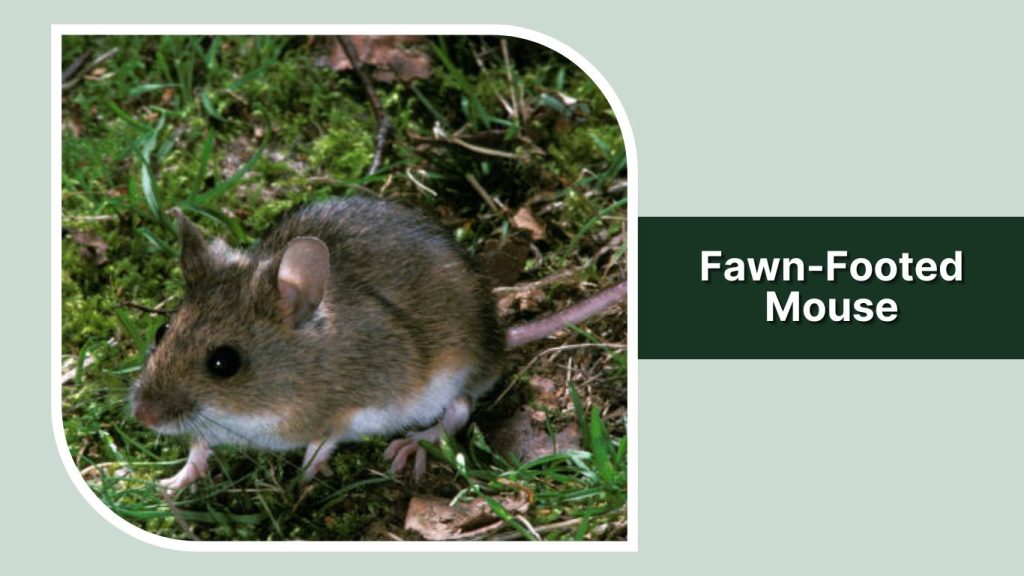
The fawn-footed mouse (Apodemus uralensis) is a small rodent native to Europe and parts of western Asia. It resembles other field mice but is distinguished by its smaller size and light-colored feet. This species thrives in open landscapes and woodland edges where food resources are abundant.
Identification
- Brown to reddish-brown upper fur
- White or cream-colored underside
- Light-colored feet
- Large ears
- Long tail
- Slender body build
- Typically 2.5–4 inches (6–10 cm) long, excluding the tail
Habitat and Distribution
Fawn-footed mice are distributed across central and eastern Europe and into western Asia. They commonly inhabit grasslands, agricultural fields, woodland edges, shrublands, and open countryside.
Their nests are typically located in underground burrows, dense vegetation, hollow logs, or sheltered crevices. These locations provide protection from predators and harsh weather.
Behavior and Diet
Fawn-footed mice are mainly nocturnal and spend much of the night foraging for food. They are quick runners and capable climbers, helping them access food and avoid danger.
Their diet consists of seeds, grains, berries, fruits, insects, and green vegetation. Like many mouse species, they often collect and store food supplies for later use.
Lifespan
In the wild, fawn-footed mice generally live one to two years. Predators such as owls, foxes, snakes, and weasels contribute to high mortality rates. Their rapid breeding cycle helps maintain stable populations despite these pressures.
22. Pacific Jumping Mouse

The Pacific jumping mouse (Zapus trinotatus) is a small rodent native to western North America. It is best known for its exceptionally long hind legs and impressive jumping ability. Unlike typical mice, this species can leap several feet in a single bound, helping it escape predators and move efficiently through dense vegetation.
Identification
- Brown or yellowish-brown fur
- White underside
- Large dark eyes
- Long whiskers
- Extremely long hind legs
- Tail longer than the body
- Typically 3–4 inches (7.5–10 cm) long, excluding the tail
Habitat and Distribution
Pacific jumping mice are found along the western coast of North America, from British Columbia through California. They inhabit moist grasslands, forest edges, wetlands, meadows, and streamside vegetation.
These mice typically construct nests underground or beneath dense vegetation. Habitats with abundant moisture and plant cover provide ideal conditions for feeding and protection.
Behavior and Diet
Pacific jumping mice are primarily nocturnal and spend much of their active time foraging near dense vegetation. When threatened, they rely on powerful jumps rather than running to escape predators.
Their diet includes seeds, berries, fruits, fungi, insects, and green plant material. During late summer and autumn, they consume extra food to prepare for winter hibernation.
Lifespan
Most Pacific jumping mice live one to three years in the wild. Predators include owls, snakes, foxes, and weasels. Their excellent jumping ability helps improve survival by reducing capture rates.
23. Woodland Jumping Mouse

The woodland jumping mouse (Napaeozapus insignis) is a forest-dwelling rodent found throughout eastern North America. It is recognized for its long tail, large hind feet, and remarkable jumping skills. This species prefers cool, moist woodland habitats where dense vegetation offers protection from predators.
Identification
- Brown upper fur with darker markings
- White underside
- Large dark eyes
- Long tail with a white tip
- Long hind legs adapted for jumping
- Small rounded ears
- Typically 3–4 inches (7.5–10 cm) long, excluding the tail
Habitat and Distribution
Woodland jumping mice occur throughout eastern Canada and the northeastern United States. They inhabit forests, woodland edges, wetlands, and areas with dense understory vegetation.
Their nests are usually built underground, beneath logs, or among thick leaf litter. Moist environments with abundant cover provide ideal shelter and food resources.
Behavior and Diet
Woodland jumping mice are nocturnal and spend most of the night searching for food. They move through forests using a combination of hopping and climbing, allowing them to navigate complex terrain efficiently.
Their diet consists of seeds, berries, fruits, fungi, insects, and plant material. Seasonal changes strongly influence feeding behavior, especially before hibernation.
Lifespan
In the wild, woodland jumping mice typically live one to three years. They spend a significant portion of the year hibernating, which helps them survive cold winters. Common predators include owls, snakes, foxes, and small carnivorous mammals.
24. Long-Tailed Field Mouse
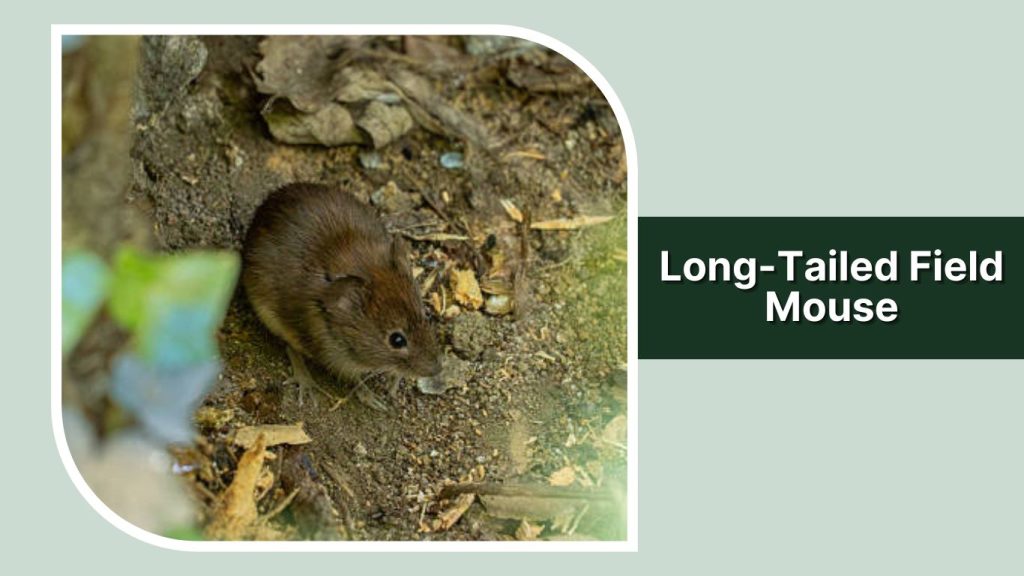
The long-tailed field mouse is a small rodent commonly found in grasslands, woodland edges, and agricultural landscapes. As its name suggests, this species is recognized by its unusually long tail, which helps with balance and movement through vegetation. It is an adaptable mouse that thrives in a variety of natural habitats.
Identification
- Brown or reddish-brown fur
- White or pale underside
- Long tail often longer than the body
- Large dark eyes
- Prominent ears
- Slender body shape
- Typically 3–5 inches (7.5–13 cm) long, excluding the tail
Habitat and Distribution
Long-tailed field mice are found across parts of Europe and Asia, depending on the specific species. They inhabit grasslands, meadows, woodland edges, farmlands, and hedgerows where vegetation provides shelter and food.
Their nests are usually located underground, beneath dense grass, inside burrows, or under logs and rocks. These sheltered locations help protect them from predators and harsh weather.
Behavior and Diet
These mice are primarily nocturnal and spend much of their active time searching for food. Their long tails assist with balance while climbing through vegetation and navigating uneven terrain.
Their diet includes seeds, grains, berries, fruits, insects, and green plant material. They often gather and store food supplies during periods of abundance to prepare for leaner seasons.
Lifespan
In the wild, long-tailed field mice generally live between one and two years. Predators such as owls, hawks, foxes, snakes, and weasels are major threats. High reproductive rates help maintain stable populations.
25. African Soft-Furred Mouse
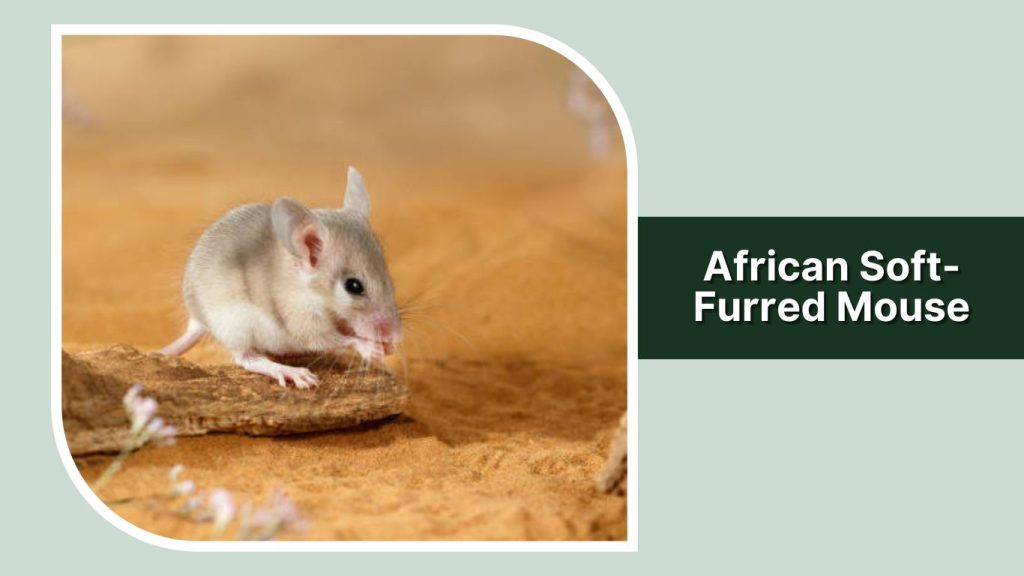
The African soft-furred mouse (Mastomys species) is a widespread rodent found throughout sub-Saharan Africa. It is named for its exceptionally soft fur and is one of the most successful small mammals on the continent. This species often lives near human settlements and agricultural areas.
Identification
- Soft gray-brown or brown fur
- Pale underside
- Large rounded ears
- Long tail
- Small pointed snout
- Slender body build
- Typically 3–5 inches (7.5–13 cm) long, excluding the tail
Habitat and Distribution
African soft-furred mice occur throughout much of sub-Saharan Africa. They inhabit grasslands, savannas, agricultural fields, shrublands, and villages. Their adaptability allows them to survive in both wild and human-modified environments.
They commonly build nests in underground burrows, dense vegetation, abandoned tunnels, and sheltered locations close to food sources.
Behavior and Diet
African soft-furred mice are primarily nocturnal and highly adaptable foragers. They are social animals and may live in groups, particularly where food is abundant.
Their diet consists of seeds, grains, fruits, insects, roots, and plant material. In agricultural areas, they frequently feed on cultivated crops and stored food supplies.
Lifespan
Most African soft-furred mice live one to two years in the wild. Predators include snakes, owls, foxes, mongooses, and various birds of prey. Their rapid breeding rate enables populations to recover quickly despite heavy predation.
26. Western Mouse
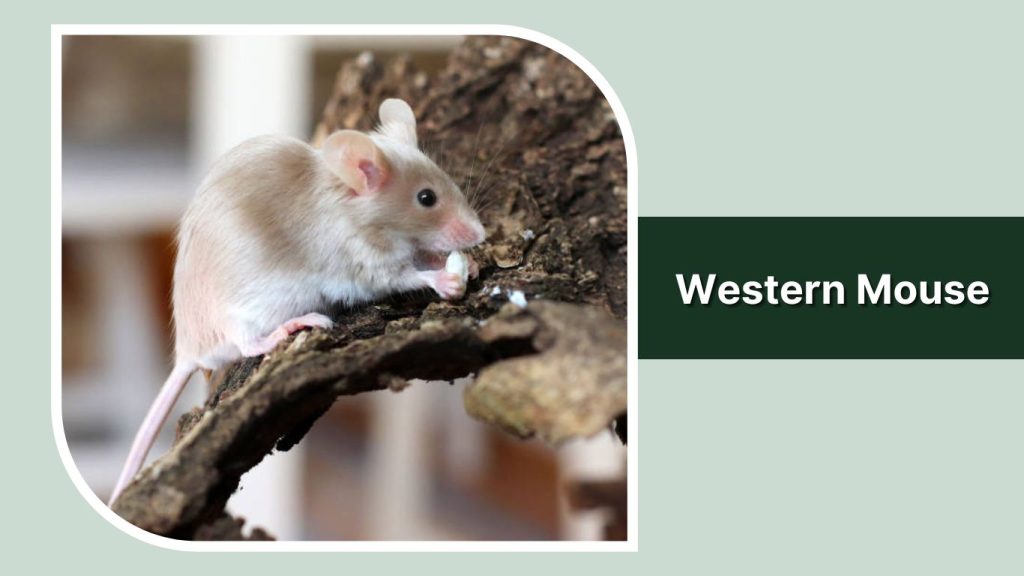
The western mouse is a small rodent commonly found across western regions of North America. Adaptable and resourceful, it occupies a variety of habitats ranging from grasslands and shrublands to forest edges. Its ability to thrive in diverse environments has made it a successful and widespread species.
Identification
- Grayish-brown to brown fur
- White or light-colored underside
- Large rounded ears
- Long tail
- Dark, alert eyes
- Slender body shape
- Typically 3–5 inches (7.5–13 cm) long, excluding the tail
Habitat and Distribution
Western mice occur throughout western North America, particularly in grasslands, woodlands, shrublands, and agricultural regions. They prefer areas with dense vegetation that provides both food and protection from predators.
Their nests are often constructed underground, beneath rocks, within dense grasses, or inside abandoned burrows. These sheltered locations help maintain stable temperatures and reduce predation risks.
Behavior and Diet
Western mice are primarily nocturnal and spend their nights searching for food. They are quick, agile, and capable climbers, allowing them to exploit a wide range of food resources.
Their diet consists of seeds, grains, berries, fruits, insects, and green vegetation. Food availability varies seasonally, and many individuals store food reserves for future use.
Lifespan
Most western mice live one to two years in the wild. Predators such as owls, snakes, foxes, and weasels contribute to high mortality rates. Their rapid reproduction helps sustain healthy populations despite these challenges.
27. Eastern Mouse
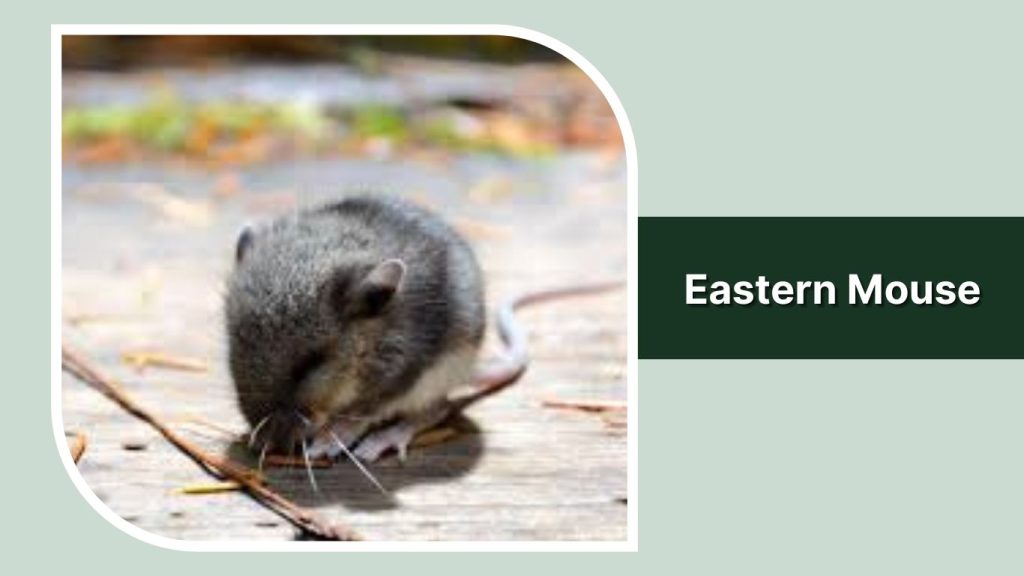
The eastern mouse is a common rodent found throughout eastern North America. It is well adapted to forests, fields, and suburban environments where food and shelter are abundant. This species plays an important role in local ecosystems by dispersing seeds and serving as prey for many predators.
Identification
- Brown or reddish-brown fur
- White or cream-colored belly
- Large dark eyes
- Rounded ears
- Long tail
- Slender body build
- Typically 3–5 inches (7.5–13 cm) long, excluding the tail
Habitat and Distribution
Eastern mice are widely distributed across eastern North America. They inhabit forests, woodland edges, grasslands, farmlands, parks, and residential areas. Their adaptability allows them to thrive in both natural and human-altered landscapes.
Nests are commonly found in underground burrows, hollow logs, dense vegetation, and sheltered crevices. These locations provide safety from predators and environmental extremes.
Behavior and Diet
Eastern mice are mainly nocturnal and spend most of their active hours foraging. They are excellent climbers and runners, enabling them to escape predators and access food sources efficiently.
Their diet includes seeds, nuts, berries, fruits, fungi, insects, and young plant material. During autumn, they often collect and store food to prepare for winter conditions.
Lifespan
In the wild, eastern mice generally live one to two years. Predators such as hawks, owls, snakes, foxes, and small carnivorous mammals significantly affect survival rates. Their high breeding potential ensures continued population stability.
28. Brush Mouse
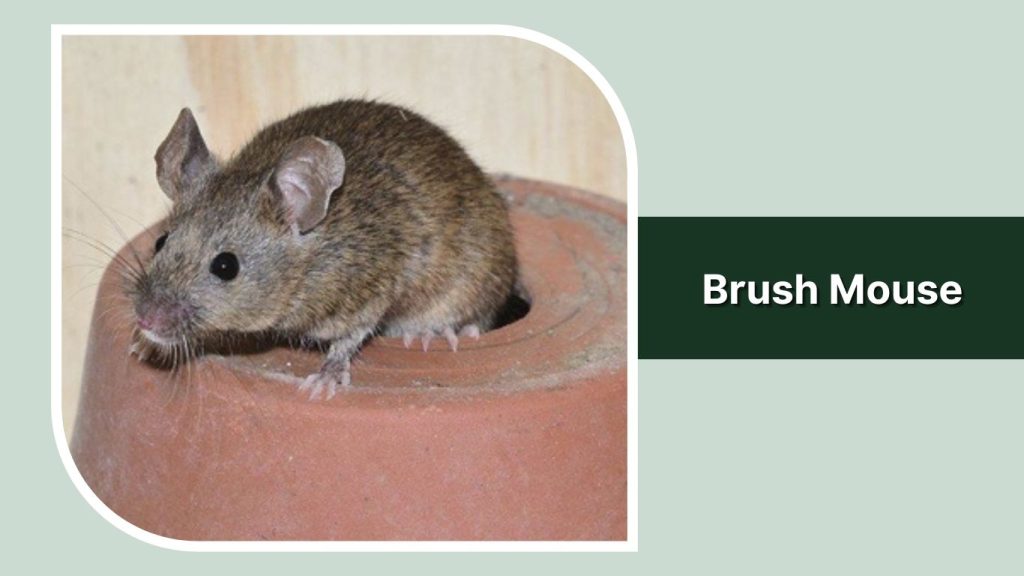
The brush mouse (Peromyscus boylii) is a small North American rodent known for its agility and preference for rocky, brush-covered habitats. It is an excellent climber and is often found in areas with dense vegetation, rocky outcrops, and woodland environments. This species plays an important role in seed dispersal and serves as prey for many predators.
Identification
- Grayish-brown to brown upper fur
- White underside
- Large ears and eyes
- Long, tufted tail
- Slender body shape
- Strong hind legs
- Typically 3–4 inches (7.5–10 cm) long, excluding the tail
Habitat and Distribution
Brush mice are found throughout the western and southwestern United States and parts of Mexico. They commonly inhabit rocky hillsides, chaparral, woodlands, forests, and shrub-covered slopes. Areas with abundant cover provide protection from predators and nesting opportunities.
Their nests are often located in rock crevices, hollow logs, dense shrubs, or abandoned burrows. These sheltered sites help them avoid extreme temperatures and predation.
Behavior and Diet
Brush mice are primarily nocturnal and spend much of the night searching for food among rocks, trees, and vegetation. Their climbing skills allow them to access food resources unavailable to many ground-dwelling rodents.
Their diet consists of seeds, acorns, nuts, berries, fruits, insects, and fungi. Acorns are especially important in oak woodland habitats where the species commonly occurs.
Lifespan
Most brush mice live one to two years in the wild. Predators include owls, snakes, foxes, bobcats, and other carnivorous animals. Their agility and ability to use rocky habitats help improve survival rates.
29. Pocket Mouse
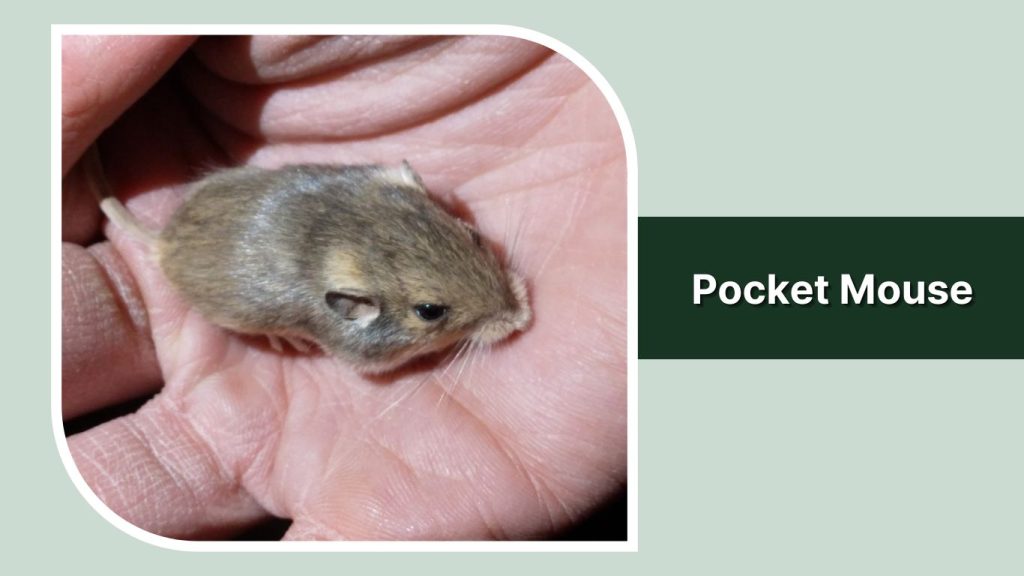
The pocket mouse is a small desert-adapted rodent belonging to the family Heteromyidae. It is named for the fur-lined cheek pouches located on the outside of its mouth, which it uses to carry food back to its burrow. Pocket mice are highly efficient at surviving in arid environments with limited water resources.
Identification
- Sandy brown, gray, or buff-colored fur
- White underside
- Large dark eyes
- Small rounded ears
- Fur-lined external cheek pouches
- Long tail, often with a tufted tip
- Typically 2–5 inches (5–13 cm) long, excluding the tail
Habitat and Distribution
Pocket mice are found throughout western North America, including deserts, grasslands, scrublands, and semi-arid regions. They are especially common in areas with loose, sandy soils suitable for burrowing.
These rodents spend much of their lives underground in complex burrow systems that provide protection from predators and extreme daytime temperatures.
Behavior and Diet
Pocket mice are nocturnal and emerge after sunset to forage. They are solitary animals that spend considerable time collecting seeds and transporting them in their cheek pouches back to storage chambers.
Their diet consists mainly of seeds, grains, grasses, and small plant materials. They can survive with very little free water by obtaining moisture from their food.
Lifespan
In the wild, pocket mice typically live one to three years. Predators such as owls, snakes, foxes, coyotes, and other desert carnivores pose constant threats. Their burrowing behavior and nocturnal lifestyle help reduce predation risk and improve survival.
30. House Mouse
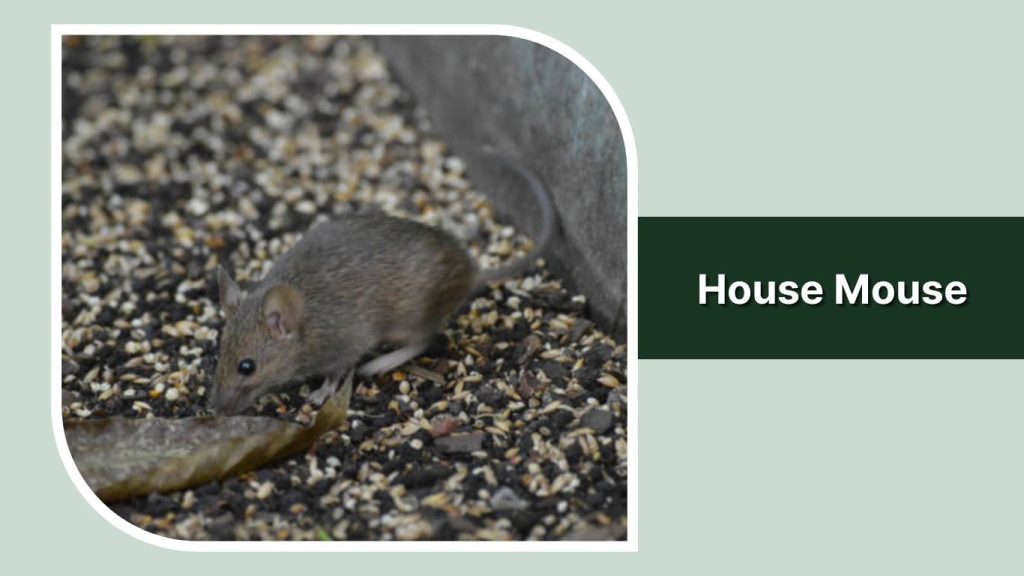
The house mouse (Mus musculus) is one of the most widespread and successful rodents in the world. Closely associated with human settlements, it has adapted to living in homes, farms, warehouses, and cities across nearly every continent. Its ability to reproduce quickly and exploit a wide variety of food sources has made it one of the most common mouse species globally.
Identification
- Small, slender body
- Gray, brown, or light brown fur
- Pale gray or cream-colored underside
- Pointed snout
- Large rounded ears
- Long, nearly hairless tail
- Typically 2.5–4 inches (6–10 cm) long, excluding the tail
Habitat and Distribution
House mice are found worldwide and occur on every continent except Antarctica. They thrive in homes, barns, agricultural fields, warehouses, factories, and urban environments. Their close association with humans has enabled them to spread far beyond their original native range.
These mice usually nest inside walls, attics, storage areas, burrows, and hidden spaces where food and shelter are readily available. In rural areas, they may also inhabit fields and grasslands near buildings.
Behavior and Diet
House mice are primarily nocturnal and spend much of the night searching for food. They are excellent climbers, jumpers, and swimmers, allowing them to access a wide range of resources. Their curious nature encourages them to explore new environments regularly.
Their diet includes grains, seeds, fruits, vegetables, insects, pet food, and household food scraps. House mice often feed from multiple locations and can survive on surprisingly small amounts of food and water.
Lifespan
In the wild, house mice typically live less than one year because of predators, disease, and environmental hazards. However, in protected environments with abundant food and shelter, they may survive for two to three years. Their rapid reproductive rate helps maintain large populations despite their relatively short lifespan.
FAQs
What is the most common type of mouse?
The house mouse (Mus musculus) is considered the most common mouse species in the world. It is found on nearly every continent and is closely associated with human settlements, including homes, farms, and cities.
How long do mice live?
Most mouse species live between one and three years, depending on their habitat, food availability, and exposure to predators. Wild mice generally have shorter lifespans than those living in protected environments.
What do mice eat?
Mice are omnivores and consume a wide variety of foods, including seeds, grains, fruits, nuts, insects, fungi, and plant material. Some species, such as the grasshopper mouse, are primarily carnivorous and hunt insects and small animals.
Where do mice usually live?
Mice inhabit a wide range of environments, including forests, grasslands, deserts, wetlands, agricultural fields, and urban areas. Many species build nests in burrows, tree cavities, rock crevices, dense vegetation, or human-made structures.
Are mice harmful to humans?
Most mice avoid direct contact with humans, but they can become pests when they enter homes or businesses. Mice may contaminate food, damage property by gnawing, and occasionally spread diseases through droppings, urine, or parasites.