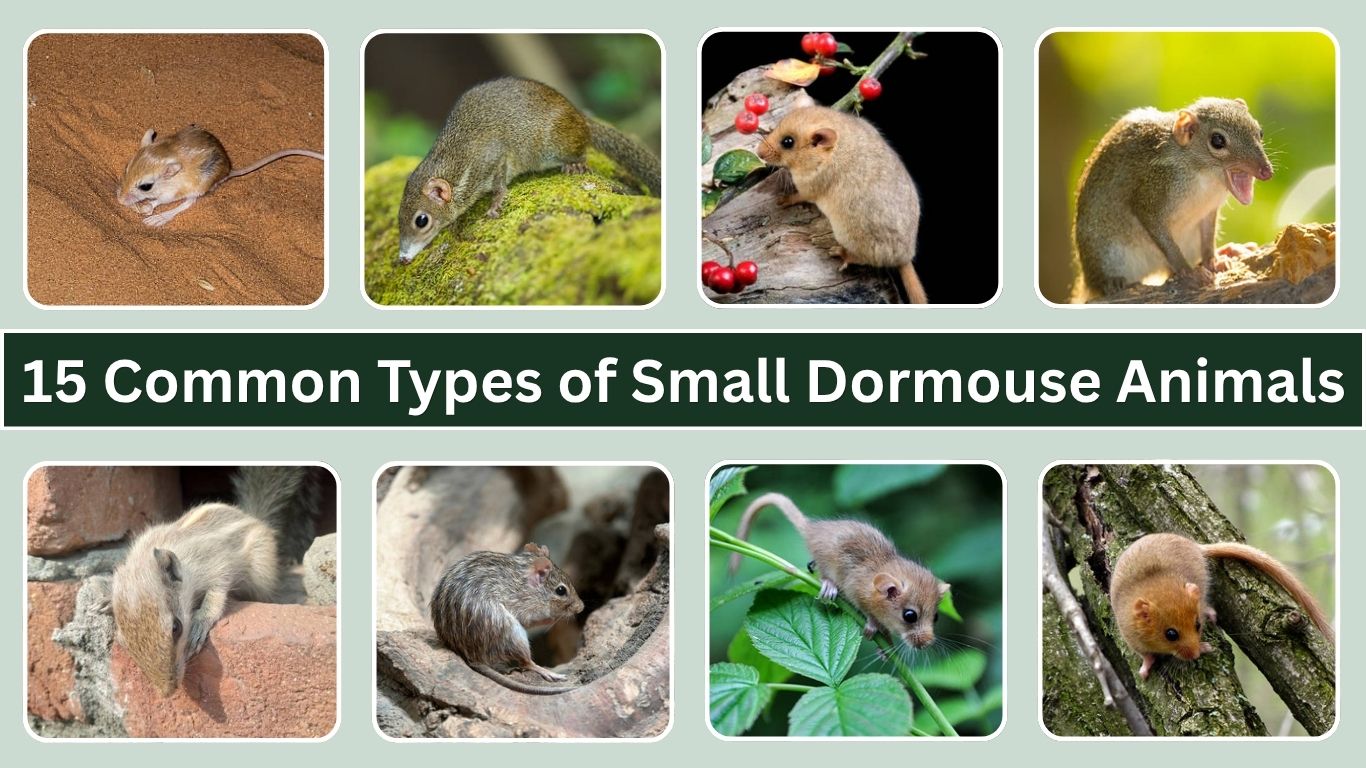
Small dormouse animals are tiny, shy rodents known for their soft fur, large eyes, and active nighttime behavior. Many species live in forests, woodlands, shrublands, rocky areas, or dry habitats. Although they may look similar to mice or squirrels, dormice have their own unique features, diets, and behaviors. This article covers 15 common types of small dormouse animals with simple identification and habitat details.
1. African Dormouse
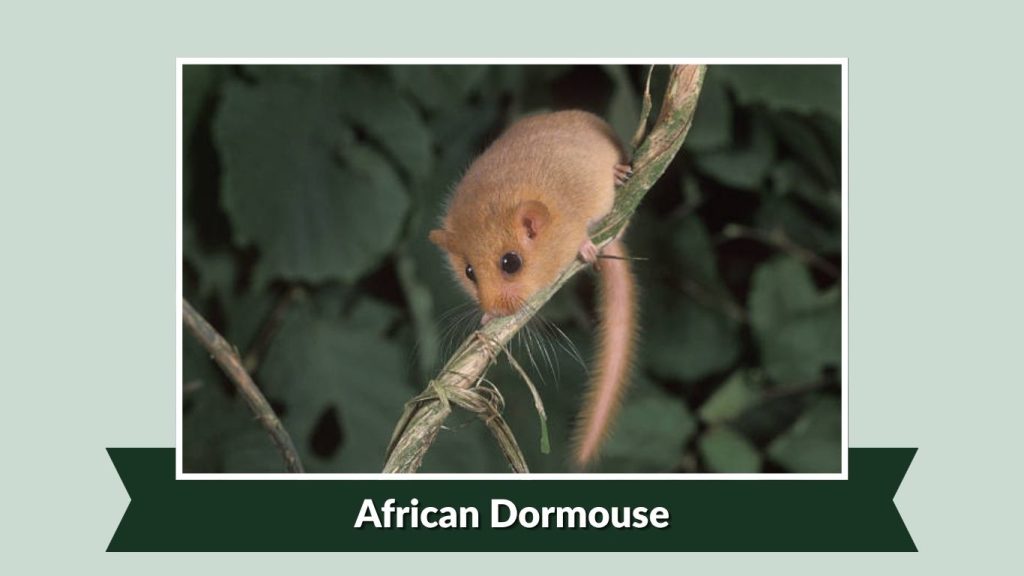
The African dormouse is a tiny rodent also known as the woodland dormouse, African pygmy dormouse, or micro squirrel. Its scientific name is Graphiurus murinus. It is native to parts of southern and eastern Africa and is known for its small body, large eyes, and active nighttime behavior.
Identification
- Small body with soft, silky fur
- Large dark eyes suited for night activity
- Rounded ears and a pointed face
- Grey or brownish upper fur with a lighter underside
- Long, bushy tail that helps with balance
- Squirrel-like appearance, despite being a dormouse
Habitat
African dormice usually live in woodland, forest, and shrubland areas. They are skilled climbers and often stay close to trees, branches, and dense vegetation. In the wild, they may nest in tree hollows, rock crevices, shrubs, abandoned bird nests, or even old beehives. Their flexible nesting habits help them survive in different environments across Africa.
Diet
The African dormouse is an omnivore, meaning it eats both plant and animal-based foods. In the wild, its diet may include fruits, seeds, nuts, insects, eggs, and small invertebrates. This varied diet gives it enough energy for climbing, exploring, and staying active during the night.
Behavior
African dormice are mostly nocturnal, so they are most active after dark. They are quick, shy, and agile animals that prefer climbing and hiding rather than staying on the ground for long periods. Because of their small size and nervous nature, they are not usually easy to handle. They are best known for their alert movements, quiet behavior, and ability to move rapidly through branches and shelter.
2. Hazel Dormouse
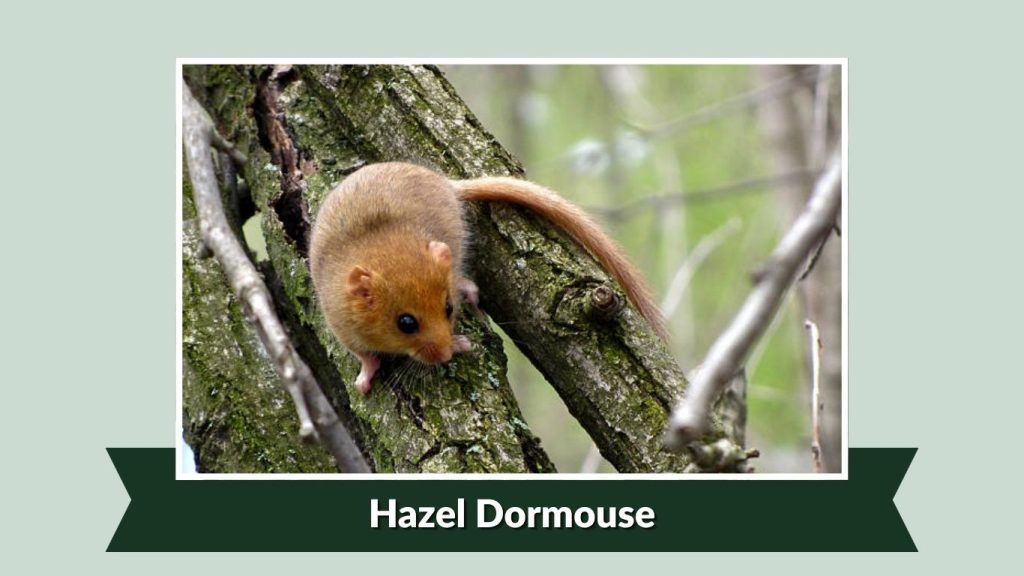
The hazel dormouse is a small, shy rodent known for its golden-brown fur and long, furry tail. Its scientific name is Muscardinus avellanarius. This tiny animal is mostly active at night and spends much of its life climbing through shrubs, hedgerows, and woodland plants.
Identification
- Small, rounded body
- Golden-brown or orange-brown fur
- Pale cream-colored underside
- Large black eyes
- Small rounded ears
- Long, furry tail
- Usually about the size of a house mouse
Habitat
Hazel dormice are commonly found in woodlands, hedgerows, scrubland, and areas with thick vegetation. They prefer places with plenty of shrubs, vines, and trees because these provide food, shelter, and safe climbing routes. Dense plant cover is important for protecting them from predators.
Diet
The hazel dormouse eats a seasonal diet that changes throughout the year. In spring and summer, it may feed on flowers, pollen, insects, and soft fruits. In autumn, it often eats nuts, berries, and seeds to build up body fat before hibernation. Hazel nuts are one of its best-known food sources.
Behavior
Hazel dormice are nocturnal and spend most of their active time at night. They are excellent climbers and usually move through branches rather than across open ground. During cold months, they hibernate in nests near the ground. Because they are quiet and secretive, they are rarely seen in the wild.
3. Garden Dormouse
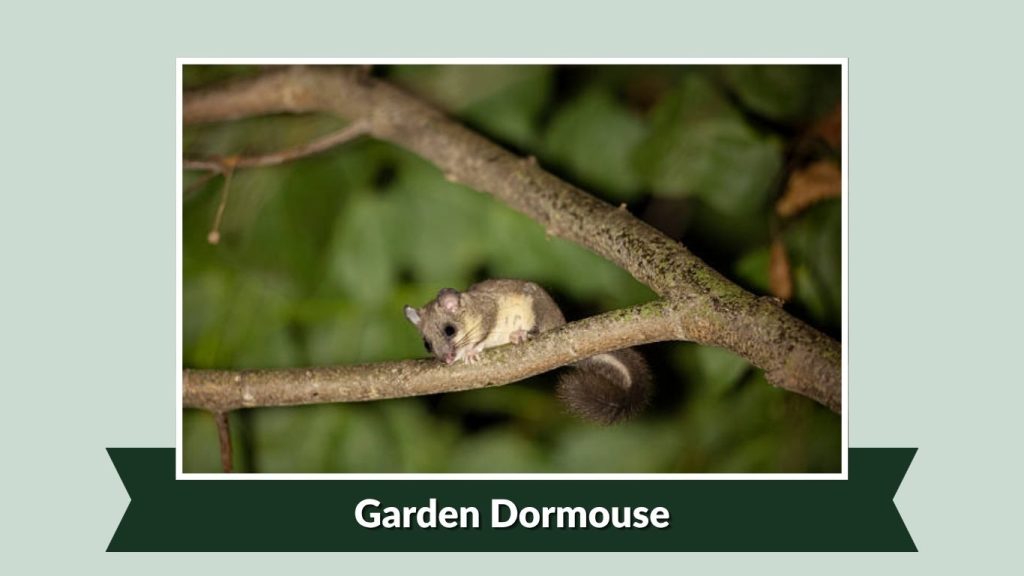
The garden dormouse is a small rodent known for its striking face markings and long tail. Its scientific name is Eliomys quercinus. Although its name suggests gardens, this dormouse can live in forests, orchards, rocky areas, and shrublands. It is mostly active at night and is a quick, alert climber.
Identification
- Small body with soft grey-brown fur
- Black mask-like markings around the eyes
- White or pale underside
- Large rounded ears
- Long tail with a dark and pale tip
- Sharp claws for climbing
- Pointed face and bright eyes
Habitat
Garden dormice live in a variety of places, including woodlands, orchards, gardens, rocky slopes, and thick shrub areas. They often choose spaces with plenty of cover, such as tree holes, stone walls, old nests, and dense vegetation. These shelters help them hide from predators during the day.
Diet
The garden dormouse has a mixed diet. It eats fruits, berries, seeds, insects, eggs, and sometimes small animals. This makes it more carnivorous than some other dormouse species. Its varied diet helps it survive in different habitats where food availability changes by season.
Behavior
Garden dormice are nocturnal and usually search for food at night. They are active climbers but may also move across rocky ground or low vegetation. During colder months, they may hibernate to save energy. They are shy animals and usually avoid open spaces where predators can easily spot them.
4. Forest Dormouse
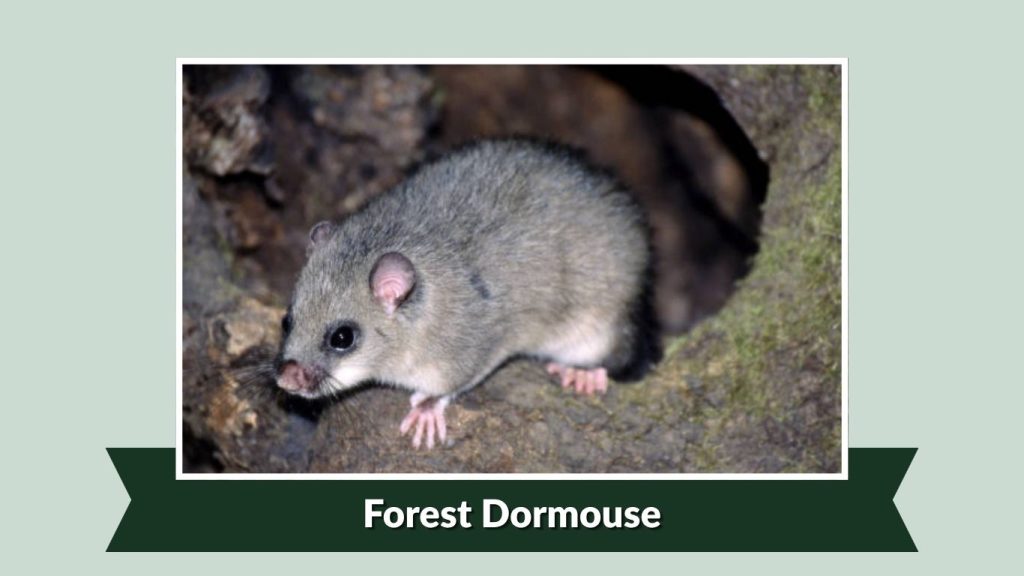
The forest dormouse is a small, attractive dormouse with a soft body, large eyes, and a bushy tail. Its scientific name is Dryomys nitedula. It is commonly linked with forests and wooded areas, where it spends much of its time climbing branches and hiding in natural shelters.
Identification
- Small rounded body
- Grey-brown fur on the upper body
- Pale or whitish underside
- Dark markings around the eyes
- Large black eyes
- Long, bushy tail
- Short rounded ears
Habitat
Forest dormice mainly live in deciduous and mixed forests, but they can also be found in shrublands, orchards, and woodland edges. They prefer areas with thick vegetation because it gives them food, nesting sites, and protection. Tree hollows, bird nests, and dense bushes are common resting places.
Diet
The forest dormouse eats both plant and animal foods. Its diet may include fruits, nuts, seeds, berries, insects, and other small invertebrates. This flexible diet allows it to adjust to seasonal changes. In autumn, it eats more energy-rich foods to prepare for colder months.
Behavior
Forest dormice are mostly nocturnal and active after sunset. They are agile climbers and can move quickly through trees and bushes. During winter, they may hibernate in sheltered nests. They are secretive animals, so they are not commonly seen even in areas where they live.
5. Edible Dormouse
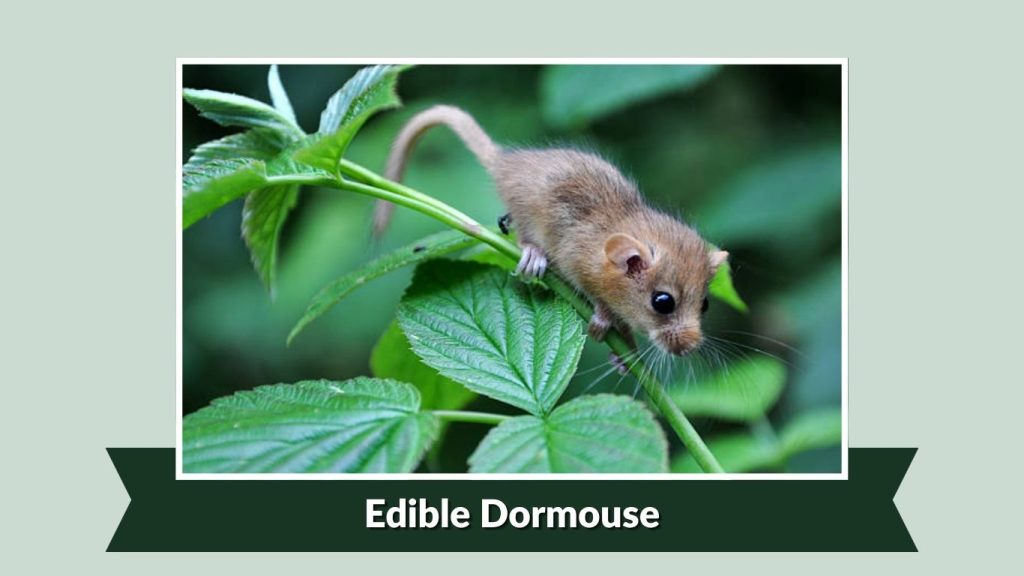
The edible dormouse is one of the larger dormouse species. Its scientific name is Glis glis. It has a squirrel-like appearance, with grey fur, a pale underside, and a long bushy tail. This species is well known for hibernating for long periods during cold seasons.
Identification
- Larger than many other dormouse species
- Grey fur on the back
- White or pale belly
- Long bushy tail
- Large dark eyes
- Rounded ears
- Squirrel-like body shape
Habitat
Edible dormice usually live in mature woodlands, especially areas with oak, beech, and other nut-producing trees. They may also use orchards, old buildings, and tree cavities as shelter. They prefer habitats with plenty of food and safe nesting places above the ground.
Diet
The edible dormouse mainly eats plant-based foods such as nuts, fruits, seeds, berries, and buds. Beech mast and acorns are especially important foods in many areas. It may occasionally eat insects or eggs, but its diet is mostly made up of energy-rich plant material.
Behavior
Edible dormice are nocturnal and spend the day resting in tree holes or hidden nests. They are strong climbers and usually move through trees rather than open ground. In winter, they hibernate for several months. Their long hibernation helps them survive when food is limited.
6. Japanese Dormouse
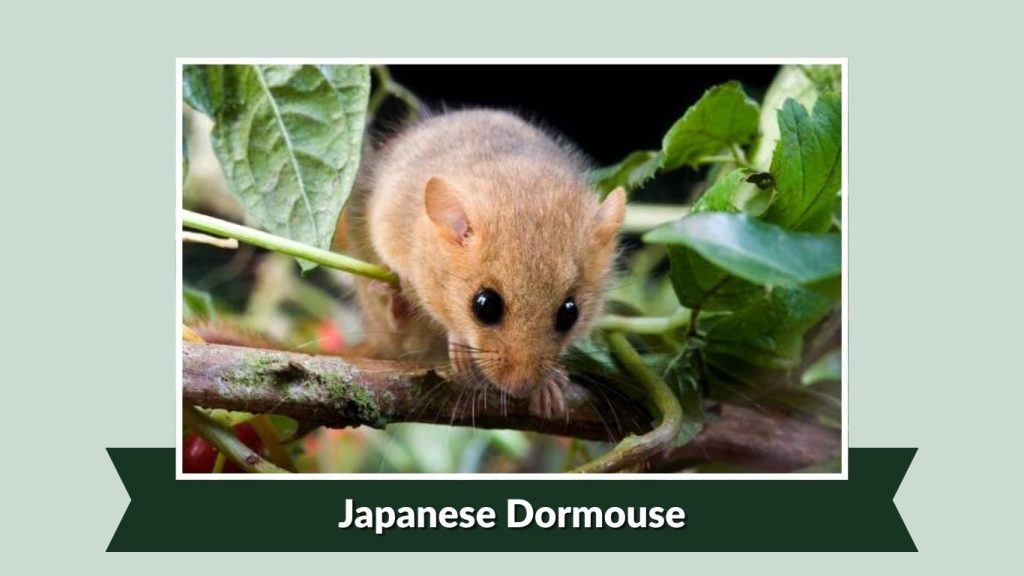
The Japanese dormouse is a tiny, rare-looking dormouse found in Japan. Its scientific name is Glirulus japonicus. It has a soft body, dark stripe along the back, and a furry tail. This species is mostly arboreal, meaning it spends much of its life in trees.
Identification
- Very small body size
- Soft brown or greyish-brown fur
- Dark stripe running along the back
- Pale underside
- Large dark eyes
- Small rounded ears
- Furry tail used for balance
Habitat
Japanese dormice live mainly in forests, especially mountain forests with trees, shrubs, and thick cover. They use tree holes, bark spaces, and leafy shelters for nesting. Forest environments are important because they provide climbing routes, food sources, and protection from ground predators.
Diet
The Japanese dormouse eats a variety of natural foods. Its diet may include fruits, seeds, berries, insects, and flower parts. Because it is small and active, it needs energy-rich foods to support climbing and nighttime movement. Seasonal food availability affects what it eats throughout the year.
Behavior
Japanese dormice are nocturnal and excellent climbers. They move carefully through branches and often avoid spending much time on the ground. During colder periods, they may enter torpor or hibernation to conserve energy. Their quiet and secretive habits make them difficult to observe in the wild.
7. Chinese Dormouse
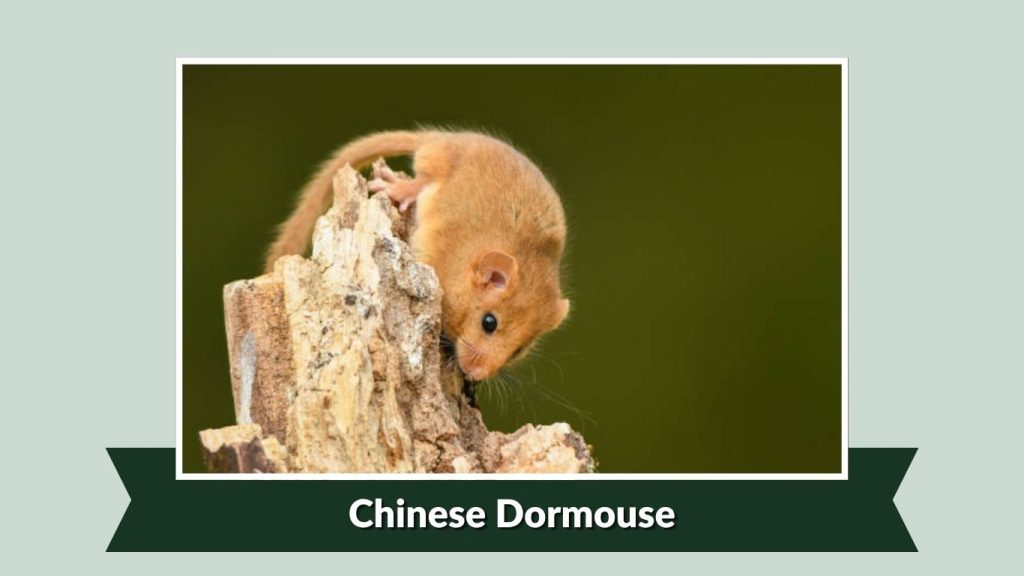
The Chinese dormouse is a small rodent found in parts of China and nearby regions. Its scientific name is Chaetocauda sichuanensis. It is not as widely known as many other dormouse species, but it is recognized for its small body, furry tail, and tree-dwelling lifestyle.
Identification
- Small body with soft fur
- Brownish or greyish upper coat
- Lighter underside
- Large dark eyes
- Rounded ears
- Long furry tail
- Delicate feet suited for climbing
Habitat
Chinese dormice are associated with forested and mountainous areas where trees and dense plants offer shelter. They likely use natural cavities, branches, and thick vegetation for nesting and protection. Their habitat provides safe movement routes and helps them avoid predators.
Diet
The Chinese dormouse is believed to eat a mixed diet of plant and animal foods. Fruits, seeds, nuts, berries, insects, and other small invertebrates may all be part of its diet. Like other dormice, it depends on seasonal food sources available in its forest habitat.
Behavior
Chinese dormice are likely nocturnal and arboreal, spending much of their active time in trees or dense vegetation. They are shy, quick, and difficult to observe because of their small size and hidden lifestyle. During colder months, they may reduce activity to save energy.
8. Desert Dormouse
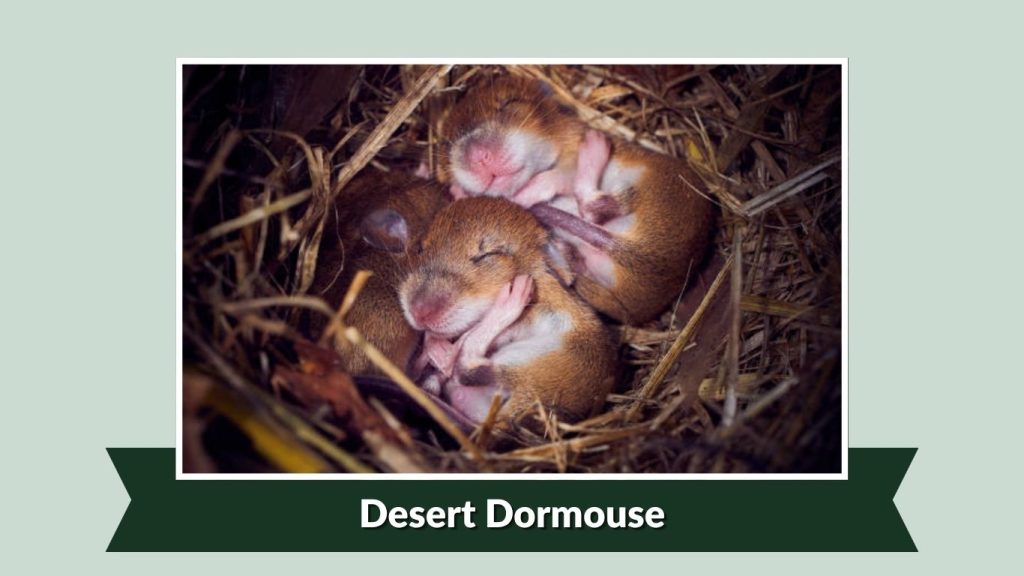
The desert dormouse is a small rodent adapted to dry and harsh environments. Its scientific name is Selevinia betpakdalaensis. Unlike many dormice that prefer forests, this species is linked with desert and semi-desert areas. It has a delicate body, soft fur, and habits that help it survive where food and water can be limited.
Identification
- Very small body size
- Soft greyish or sandy-colored fur
- Pale underside
- Large dark eyes
- Rounded ears
- Long tail with fine hair
- Light body color that blends with dry habitats
Habitat
Desert dormice live in dry regions such as deserts, semi-deserts, and scrubby areas. They use low vegetation, ground cover, and sheltered spaces to avoid heat and predators. Their habitat may have sparse plants, so they must move carefully and depend on hidden resting places.
Diet
The desert dormouse likely eats seeds, plant parts, insects, and other small invertebrates. In dry habitats, food can change depending on rainfall and season. Because of this, the desert dormouse must take advantage of whatever suitable food is available in its environment.
Behavior
Desert dormice are secretive and not commonly seen. They are believed to be mostly active during cooler hours, especially at night. This helps them avoid extreme daytime heat. Their small size, cautious movements, and hidden lifestyle make them difficult to study in the wild.
9. Mouse-Tailed Dormouse
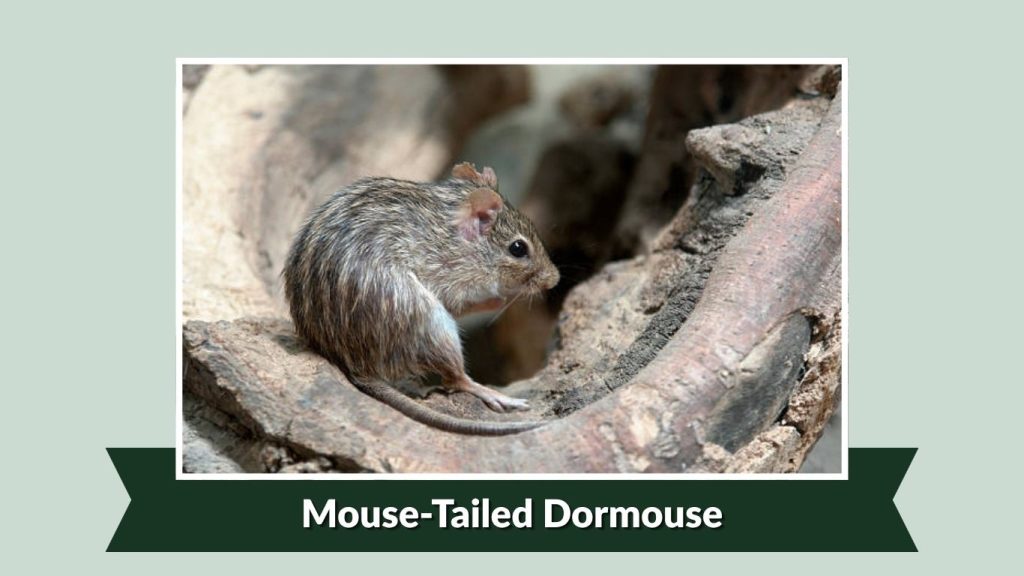
The mouse-tailed dormouse is a small dormouse with a less bushy tail than many other species. It belongs to the genus Myomimus. As its name suggests, its tail looks more like a mouse’s tail than the thick, furry tail seen in several forest dormice. It lives in dry and rocky habitats.
Identification
- Small rodent-like body
- Brownish or greyish fur
- Pale underside
- Large dark eyes
- Rounded ears
- Long, thin mouse-like tail
- Shorter tail hair than many other dormice
Habitat
Mouse-tailed dormice are usually found in dry grasslands, rocky slopes, scrublands, and open woodland areas. They may use burrows, rock cracks, and hidden spaces for shelter. These habitats provide safety from predators and protection from strong weather conditions.
Diet
The mouse-tailed dormouse eats a mixed diet depending on what is available. It may feed on seeds, fruits, grains, insects, and other small invertebrates. In drier habitats, seasonal food changes are important, so this animal must adjust its feeding habits throughout the year.
Behavior
Mouse-tailed dormice are mostly nocturnal and active after dark. They are shy animals that spend much of the day hidden in sheltered places. During cold or dry periods, they may reduce activity to save energy. Their quiet habits make them hard to notice in the wild.
10. Rock Dormouse
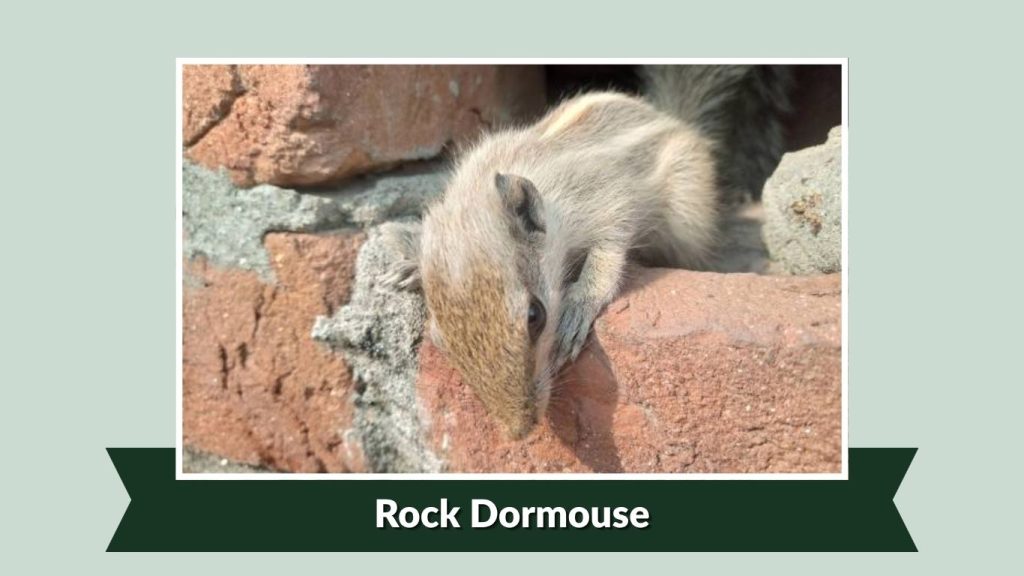
The rock dormouse is a small dormouse associated with rocky landscapes and dry regions. Its scientific name is Graphiurus platyops. It is known for its climbing ability, soft fur, and habit of using rock crevices as shelter. This dormouse is mostly active at night and avoids open spaces during the day.
Identification
- Small body with soft fur
- Grey or brownish-grey upper coat
- Pale underside
- Large dark eyes
- Rounded ears
- Long furry tail
- Feet suited for climbing on rocks and branches
Habitat
Rock dormice live in rocky hillsides, cliffs, dry woodlands, and areas with stones or boulders. Rock cracks and crevices provide safe hiding places during the day. These shelters protect them from predators and help keep them cool in hot environments.
Diet
The rock dormouse has an omnivorous diet. It may eat fruits, seeds, berries, insects, eggs, and small invertebrates. Its ability to use different food sources helps it survive in rocky habitats where food may not always be abundant throughout the year.
Behavior
Rock dormice are nocturnal and usually leave their shelters after dark to search for food. They are agile climbers and can move across rocks, branches, and uneven surfaces with ease. During the day, they remain hidden in crevices or nests, making them difficult to spot.
11. Woodland Dormouse
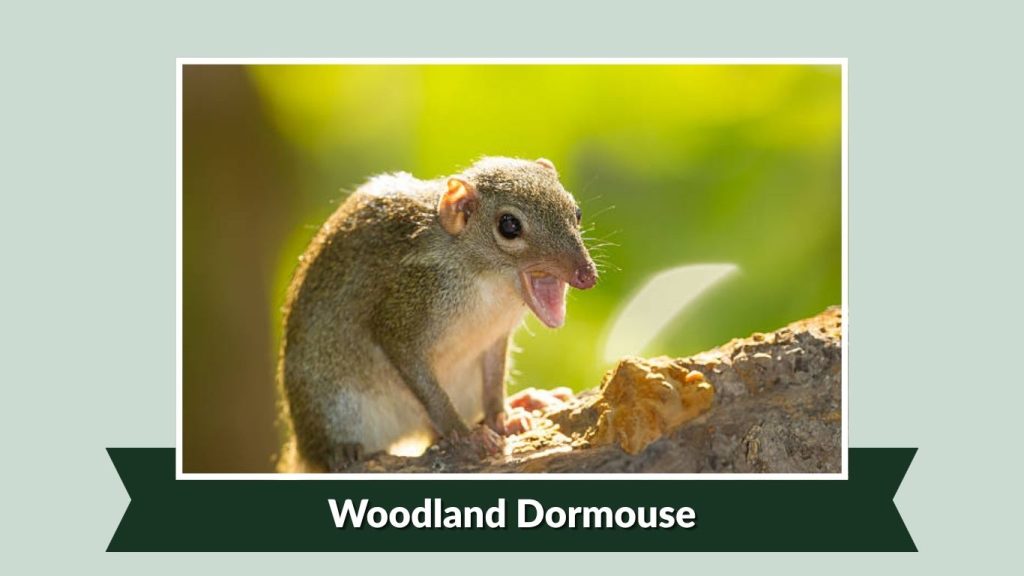
The woodland dormouse is a small African dormouse often linked with trees, shrubs, and wooded habitats. Its scientific name is Graphiurus murinus. It has a soft coat, large eyes, and a long bushy tail. This animal is active at night and spends much of its time climbing through branches and vegetation.
Identification
- Small, delicate body
- Soft grey-brown fur
- White or pale underside
- Large black eyes
- Rounded ears
- Long bushy tail
- Squirrel-like appearance
- Sharp claws for climbing
Habitat
Woodland dormice live in forests, woodlands, shrublands, and sometimes gardens or rocky places. They often nest in tree holes, dense bushes, old bird nests, and other sheltered spaces. Areas with plenty of cover are important because they provide both food and safety.
Diet
The woodland dormouse eats many types of food, including fruits, seeds, nuts, insects, eggs, and small invertebrates. This flexible diet helps it survive in different habitats. In areas where food changes by season, it adjusts its feeding habits to match what is available.
Behavior
Woodland dormice are mostly nocturnal and active after sunset. They are quick climbers and usually prefer trees and shrubs over open ground. During the day, they hide in nests or natural shelters. Their shy nature and fast movements make them difficult to observe closely.
12. Woolly Dormouse
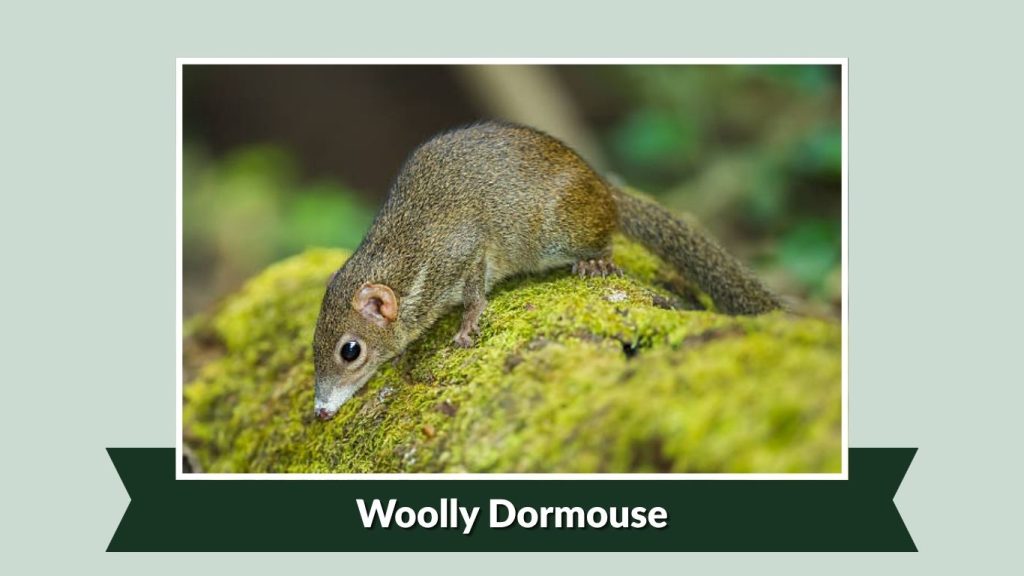
The woolly dormouse is a small dormouse known for its soft, wool-like fur. Its scientific name is Dryomys laniger. It is found in parts of southwestern Asia and is associated with rocky, forested, and shrubby habitats. This species is not commonly seen because of its secretive and nighttime lifestyle.
Identification
- Small body with thick, soft fur
- Greyish or brownish upper coat
- Pale underside
- Large dark eyes
- Rounded ears
- Long furry tail
- Woolly-looking coat texture
Habitat
Woolly dormice live in rocky areas, woodlands, shrublands, and mountain habitats. They use crevices, tree holes, bushes, and sheltered spaces for resting and nesting. Their habitat must provide both cover and food, especially because they are small and vulnerable to predators.
Diet
The woolly dormouse likely eats fruits, seeds, nuts, berries, insects, and small invertebrates. Its diet may change with the seasons as different foods become available. Like many dormice, it needs energy-rich foods before colder months or periods of reduced activity.
Behavior
Woolly dormice are nocturnal and usually active at night. They are agile and cautious, moving through rocks, shrubs, or trees while searching for food. During the day, they stay hidden in safe shelters. Their secretive habits make them hard to study and rarely seen in nature.
13. Lorrain Dormouse
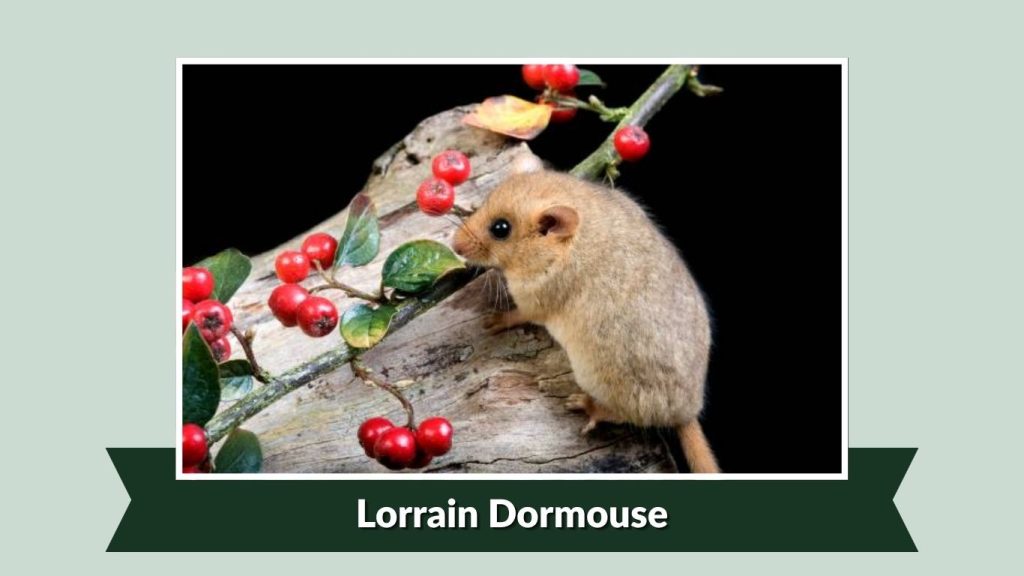
The Lorrain dormouse is a small dormouse connected with woodland and shrubland habitats. It is less commonly known than species such as the hazel dormouse or garden dormouse. Like many dormice, it has a small body, large eyes, and a quiet nighttime lifestyle that helps it stay hidden from predators.
Identification
- Small body with soft fur
- Brownish or greyish upper coat
- Lighter underside
- Large dark eyes
- Rounded ears
- Long furry tail
- Delicate feet suited for climbing
- Shy, mouse-like appearance
Habitat
Lorrain dormice are usually associated with wooded areas, hedgerows, shrubs, and places with thick natural cover. They depend on sheltered spaces for nesting and hiding during the day. Dense vegetation also gives them safe routes for movement and protection from birds, snakes, and other predators.
Diet
The Lorrain dormouse likely feeds on a mixture of fruits, seeds, nuts, berries, insects, and other small invertebrates. Its diet can change with the seasons, depending on what is available in its habitat. Energy-rich foods are especially important before colder or less active periods.
Behavior
Lorrain dormice are believed to be mostly nocturnal, becoming active after sunset. They are shy and secretive animals that prefer hidden paths through shrubs, trees, or ground cover. During the day, they rest in safe nests or natural shelters, making them difficult to observe in the wild.
14. Maghreb Garden Dormouse
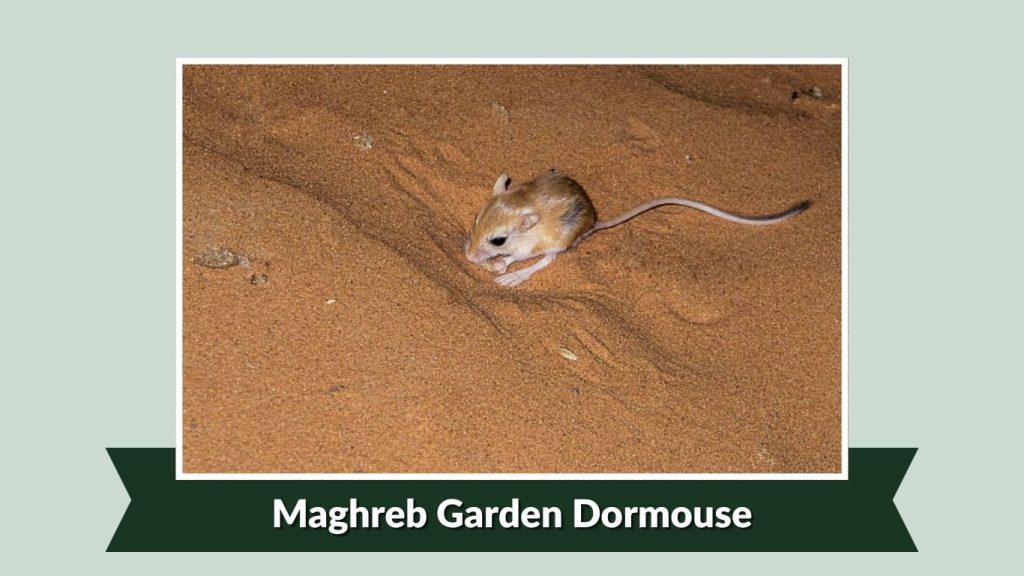
The Maghreb garden dormouse is a small dormouse found in North African regions. It is closely related to the garden dormouse and shares many similar features, including a small body, large eyes, and dark facial markings. This species is adapted to local woodland, shrubland, and rocky habitats.
Identification
- Small body with soft fur
- Grey-brown or brownish upper coat
- Pale underside
- Dark mask-like markings around the eyes
- Large dark eyes
- Rounded ears
- Long tail with a darker tip
- Agile climbing feet
Habitat
Maghreb garden dormice live in habitats such as forests, shrublands, rocky areas, orchards, and Mediterranean-type landscapes. They use tree holes, rock cracks, dense bushes, and other sheltered spaces for nesting. These habitats provide both food and protection from predators.
Diet
The Maghreb garden dormouse is likely omnivorous. It may eat fruits, berries, seeds, insects, eggs, and other small animal foods. This flexible diet helps it survive in areas where food sources vary by season. Plant foods and insects are both important parts of its natural feeding habits.
Behavior
Maghreb garden dormice are mostly nocturnal and usually search for food at night. They are quick, cautious, and good at climbing through shrubs, trees, or rocky spaces. During the day, they remain hidden in shelters. Their secretive lifestyle makes them difficult to see in the wild.
15. Baluchistan Pygmy Jerboa
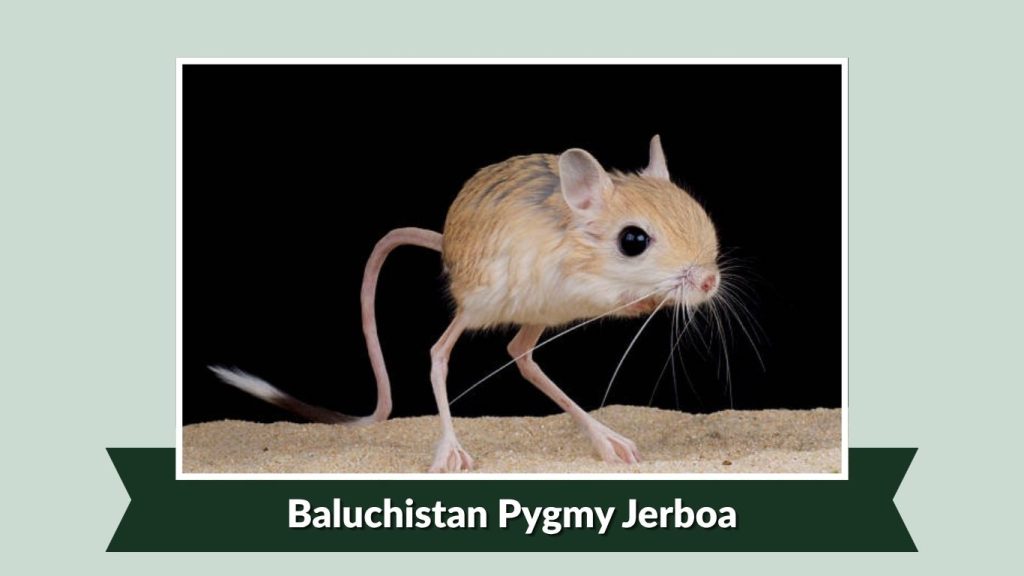
The Baluchistan pygmy jerboa is a very tiny desert rodent, though it is not a true dormouse. It is often known for its extremely small size, long hind legs, and hopping movement. This animal lives in dry regions and is adapted to sandy or desert-like environments.
Identification
- Extremely small body size
- Sandy or pale brown fur
- Lighter underside
- Very long hind legs
- Short front legs
- Long tail for balance
- Large eyes and rounded ears
- Hopping, jerboa-like movement
Habitat
Baluchistan pygmy jerboas live in dry desert and semi-desert areas, especially sandy or barren landscapes. Their habitat has little vegetation, so they rely on burrows and hidden spaces for protection. These shelters help them avoid heat, predators, and harsh desert conditions.
Diet
The Baluchistan pygmy jerboa mainly feeds on seeds, grasses, plant parts, and possibly small insects. In desert habitats, food can be limited, so it must survive on small, scattered food sources. Its tiny body allows it to use relatively little energy compared with larger animals.
Behavior
This animal is mostly nocturnal, becoming active during cooler nighttime hours. It moves by hopping on its long hind legs, which helps it travel quickly across open ground. During the day, it stays hidden in burrows or sheltered places to avoid heat and predators.
FAQs
What is a dormouse?
A dormouse is a small rodent known for its soft fur, large eyes, and long tail. Many dormice are nocturnal, meaning they are active at night. They often live in trees, shrubs, forests, rocky areas, or dry habitats, depending on the species.
Are dormice the same as mice?
Dormice and mice may look similar, but they are not the same. Dormice usually have rounder bodies, larger eyes, and often bushier tails. Many dormice are also skilled climbers and spend more time in trees or dense vegetation than common house mice.
What do small dormice eat?
Small dormice usually eat fruits, seeds, nuts, berries, insects, and other small invertebrates. Some species eat more plant-based foods, while others have a mixed diet. Their food choices often change by season and habitat.
Are dormice nocturnal animals?
Yes, most dormice are nocturnal. They usually rest during the day in nests, tree holes, burrows, or rock crevices and become active after dark. Night activity helps them avoid predators and search for food more safely.
Do dormice hibernate?
Many dormouse species hibernate during cold months or periods when food is limited. Hibernation helps them save energy until warmer weather returns. Some species may also enter short periods of reduced activity when conditions are harsh.