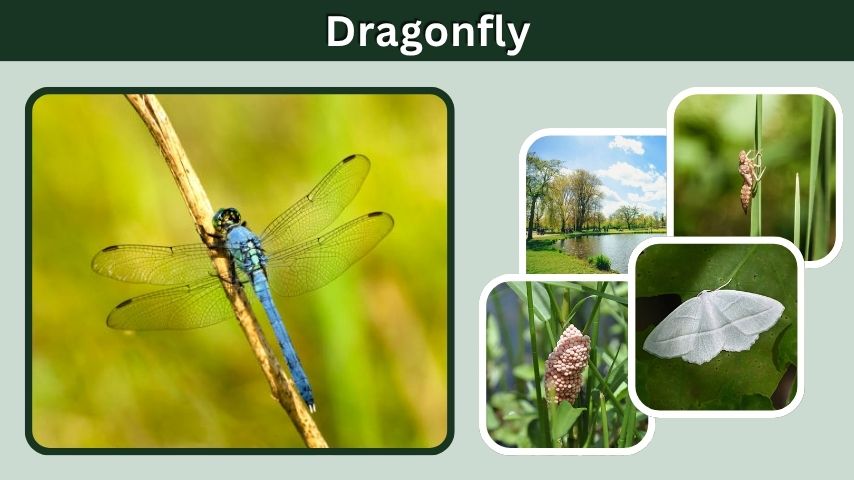
Dragonflies are among the most fascinating insects in the natural world. Known for their brilliant colors, large eyes, and incredible flying abilities, these ancient creatures have existed for hundreds of millions of years. They play an important role in ecosystems by controlling insect populations and serving as indicators of environmental health. Beyond their biological significance, dragonflies are also associated with transformation, adaptability, and spiritual growth in many cultures. Their unique appearance and symbolism continue to captivate people around the world.
What Is a Dragonfly?
A dragonfly is a flying insect belonging to the order Odonata. These insects are recognized by their elongated bodies, transparent wings, and remarkable aerial agility. Dragonflies are found on every continent except Antarctica and are commonly seen near ponds, lakes, rivers, and wetlands. Their ability to hover, fly backward, and change direction rapidly makes them some of the most skilled fliers in the insect world.
Scientific Classification
Dragonflies belong to the suborder Anisoptera within the order Odonata. More than 5,000 dragonfly species have been identified worldwide. They are closely related to damselflies, although several physical and behavioral differences separate the two groups.
Physical Characteristics
Dragonflies possess large compound eyes that provide nearly 360-degree vision. Their bodies consist of three main sections: the head, thorax, and abdomen. Two pairs of powerful wings allow independent movement, enabling exceptional maneuverability during flight.
Dragonfly Eyes and Wings
Some of the dragonfly’s most distinctive features include:
- Large compound eyes with thousands of lenses.
- Four transparent wings capable of moving independently.
- Exceptional vision for detecting prey.
- Lightweight yet strong wing structures.
- The ability to hover and fly in multiple directions.
These adaptations make dragonflies highly efficient aerial predators.
Dragonfly Life Cycle
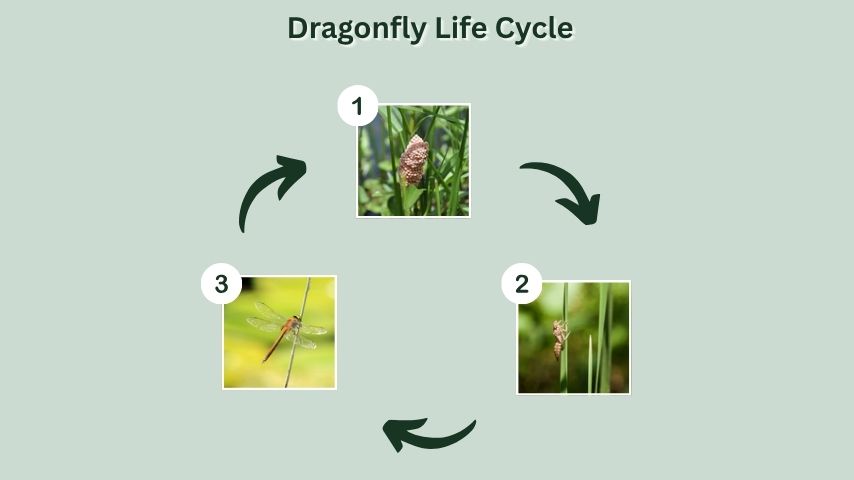
The dragonfly life cycle is unique because most of its development occurs underwater. Unlike many insects, dragonflies spend the majority of their lives as aquatic nymphs before emerging as winged adults. This complex transformation allows them to occupy different ecological niches throughout their lives and contributes to their success in freshwater habitats.
Dragonfly Eggs
Female dragonflies lay their eggs in or near water. Depending on the species, eggs may be deposited directly into aquatic vegetation, mud, or the water itself. Environmental conditions such as temperature and water quality influence egg development.
Dragonfly Nymph Stage
After hatching, dragonflies enter the nymph stage. These aquatic juveniles live underwater and are active predators. Dragonfly nymphs feed on insects, tadpoles, and even small fish. Depending on the species, this stage can last several months or even years.
Adult Dragonfly Stage
Once fully developed, the nymph climbs out of the water and undergoes its final molt. The adult dragonfly emerges with wings and begins its aerial life. Adults focus primarily on feeding, reproduction, and territory defense.
What Do Dragonflies Eat?
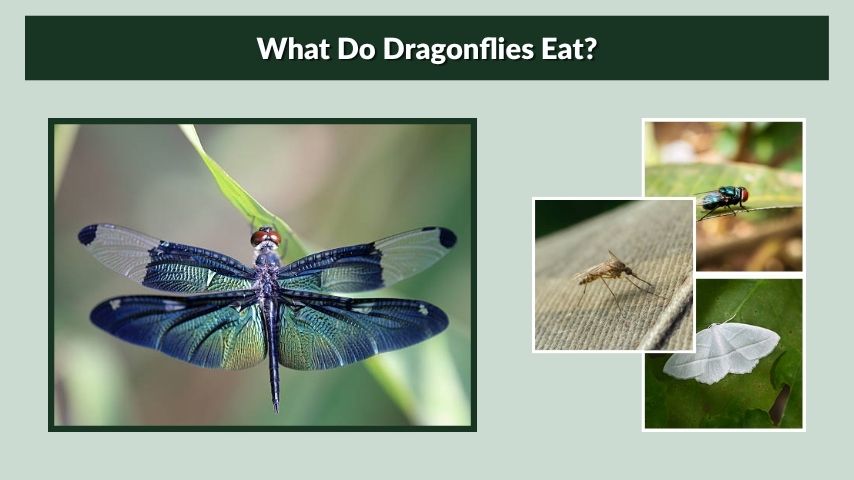
Dragonflies are carnivorous insects that play a valuable role in controlling pest populations. Both nymphs and adults are active hunters that capture live prey. Their excellent eyesight and impressive flight abilities make them among the most effective insect predators in nature.
Adult Dragonfly Diet
Adult dragonflies primarily feed on flying insects. Common prey includes:
- Mosquitoes
- Flies
- Gnats
- Moths
- Small butterflies
- Other flying insects
Their hunting success helps reduce populations of nuisance insects in many environments.
Do Dragonflies Eat Mosquitoes?
Yes, dragonflies are well known for consuming mosquitoes. Both adult dragonflies and aquatic nymphs prey on mosquitoes at different stages of their life cycle. This natural pest control has earned dragonflies a positive reputation among gardeners and outdoor enthusiasts.
Hunting Techniques
Dragonflies capture prey while flying, often intercepting insects in midair. Their rapid flight speeds, excellent vision, and precise control allow them to hunt with remarkable accuracy. Many species catch prey using their legs before consuming it while still in flight.
Do Dragonflies Bite or Sting?
Many people wonder whether dragonflies can bite or sting humans. Although their appearance may seem intimidating, dragonflies are generally harmless to people. Understanding their behavior can help eliminate common misconceptions about these beneficial insects.
Can Dragonflies Bite Humans?
Dragonflies possess strong jaws designed for catching and eating prey. While a large dragonfly may occasionally nip if handled, bites are uncommon and typically harmless. They do not actively seek out humans and rarely make contact with people.
Do Dragonflies Sting?
Dragonflies do not have stingers and cannot sting humans. This widespread myth likely originated from their long bodies and swift movements. In reality, dragonflies are harmless and provide significant ecological benefits by reducing insect populations.
Are Dragonflies Dangerous?
Dragonflies are not dangerous to humans, pets, or livestock. Instead, they contribute positively to ecosystems by controlling mosquitoes and other insects. Their presence often indicates a healthy freshwater environment and good water quality.
Dragonfly Habitat and Distribution
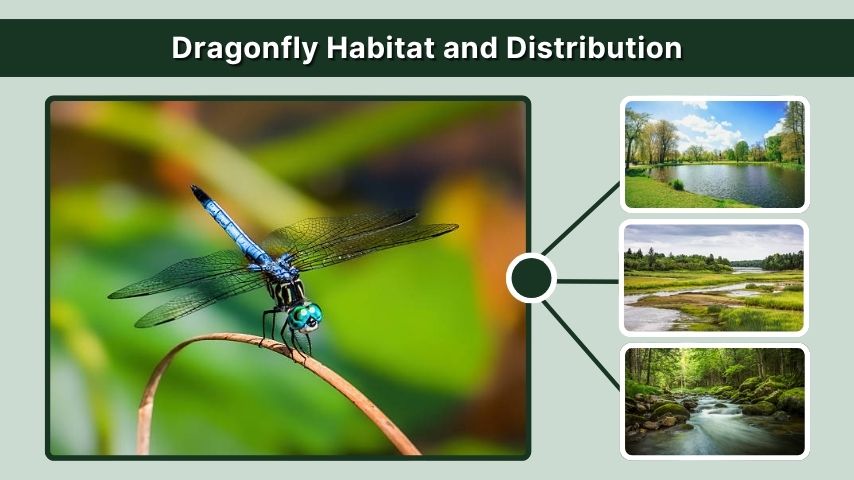
Dragonflies are found in a wide range of environments across the globe. Because their life cycle depends on water, they are most commonly associated with freshwater habitats such as ponds, lakes, marshes, and slow-moving rivers. Their adaptability allows different species to thrive in various climates, from tropical rainforests to temperate grasslands and wetlands.
Where Dragonflies Live
Dragonflies inhabit nearly every continent except Antarctica. They are especially abundant in areas with clean freshwater sources where larvae can develop safely. Adult dragonflies often remain close to water but may travel considerable distances while hunting or migrating.
Favorite Habitats
Dragonflies are most commonly found in:
- Ponds and lakes.
- Wetlands and marshes.
- Rivers and streams.
- Garden water features.
- Nature reserves with freshwater ecosystems.
These habitats provide breeding grounds, food sources, and shelter throughout their life cycle.
Why Water Is Important
Water is essential because dragonfly eggs and nymphs develop in aquatic environments. Healthy freshwater ecosystems support strong dragonfly populations and contribute to biodiversity.
How to Attract Dragonflies to Your Garden
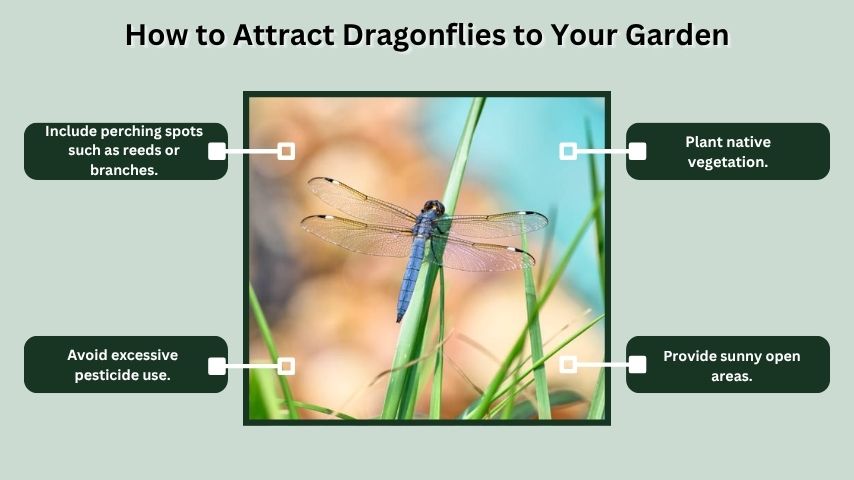
Many gardeners welcome dragonflies because they help control mosquitoes and other flying insects. Creating a dragonfly-friendly environment can encourage these beneficial insects to visit and reproduce. A few simple landscaping choices can significantly increase the likelihood of attracting dragonflies to your outdoor space.
Create a Water Feature
A pond is one of the best ways to attract dragonflies. Even a small garden pond can provide suitable habitat for egg-laying and nymph development. Native aquatic plants further improve the environment by offering shelter and breeding sites.
Encourage Natural Conditions
To make your garden more attractive to dragonflies:
- Plant native vegetation.
- Provide sunny open areas.
- Include perching spots such as reeds or branches.
- Avoid excessive pesticide use.
- Maintain clean water sources.
These features create ideal conditions for both adult dragonflies and developing nymphs.
Benefits for Garden Ecosystems
Dragonflies contribute to natural pest control and support a balanced ecosystem. Their presence often indicates good environmental health and healthy water quality.
Dragonfly Meaning and Symbolism
Dragonflies have inspired myths, legends, and spiritual beliefs for centuries. Across many cultures, they symbolize transformation, change, wisdom, and adaptability. Their remarkable life cycle, which involves a dramatic transition from aquatic nymph to flying adult, makes them powerful symbols of personal growth and renewal.
What Does a Dragonfly Symbolize?
Many people associate dragonflies with positive qualities and life changes. Common symbolic meanings include:
- Transformation and growth.
- Adaptability and resilience.
- Self-discovery.
- New beginnings.
- Emotional maturity.
These interpretations often stem from the dragonfly’s unique life cycle and graceful flight.
Spiritual Meaning of Dragonflies
In spiritual traditions, dragonflies are frequently viewed as messengers of change. Seeing a dragonfly may be interpreted as encouragement to embrace new opportunities, release negativity, or trust personal growth. While interpretations vary among cultures, transformation remains a common theme.
Dragonflies in Different Cultures
Various cultures have developed unique beliefs about dragonflies. Some view them as symbols of prosperity and happiness, while others associate them with courage, strength, and good fortune. Their beauty and agility have made them admired creatures throughout history.
Dragonfly vs Damselfly
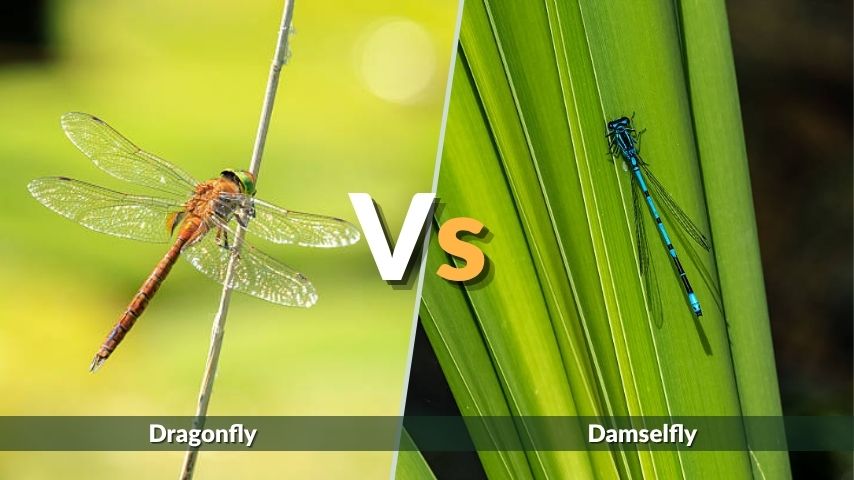
Dragonflies and damselflies belong to the same insect order, Odonata, but they possess several important differences. Because they share similar habitats and appearances, they are often confused. Understanding these distinctions makes identification much easier.
Wing Differences
Dragonflies typically hold their wings open when resting, while damselflies usually fold their wings together above their bodies. This is often the easiest way to distinguish between the two insects.
Body Structure
Dragonflies generally have thicker, more robust bodies. Damselflies are slimmer and more delicate in appearance. Their flight styles also differ, with dragonflies usually exhibiting stronger and faster flight.
Identification Tips
When comparing dragonflies and damselflies, look for:
- Wing position at rest.
- Body thickness.
- Flight behavior.
- Eye placement.
- Overall size.
These characteristics provide reliable identification clues.
Fascinating Dragonfly Facts
Dragonflies are among the most remarkable insects on Earth. Their ancient history, advanced hunting abilities, and extraordinary vision make them fascinating subjects for study and observation.
Amazing Dragonfly Facts
- Dragonflies existed long before dinosaurs.
- Some ancient relatives had wingspans exceeding two feet.
- They can fly forward, backward, and sideways.
- Their eyes provide nearly 360-degree vision.
- They are highly successful aerial hunters.
- Most of their lives are spent underwater as nymphs.
- Some species migrate hundreds of miles.
- They help control mosquito populations naturally.
FAQs
How long do dragonflies live?
Most dragonflies live for several months as adults, but the majority of their lifespan is spent as aquatic nymphs. Depending on the species, the complete life cycle can last from one to five years.
What is the difference between a dragonfly and a damselfly?
Dragonflies are generally larger, have thicker bodies, and hold their wings open when resting. Damselflies are more slender and usually fold their wings together above their bodies when at rest.
Are dragonflies good for gardens?
Yes, dragonflies are highly beneficial for gardens. They help control mosquito populations and other flying insects, reducing the need for chemical pest control methods.
Why are dragonflies considered symbols of transformation?
Dragonflies undergo a dramatic metamorphosis from aquatic nymphs to flying adults. Because of this transformation, they are often associated with personal growth, change, adaptability, and new beginnings.
Can dragonflies see in all directions?
Dragonflies have large compound eyes containing thousands of individual lenses. This gives them nearly 360-degree vision, allowing them to detect movement and locate prey with exceptional accuracy.