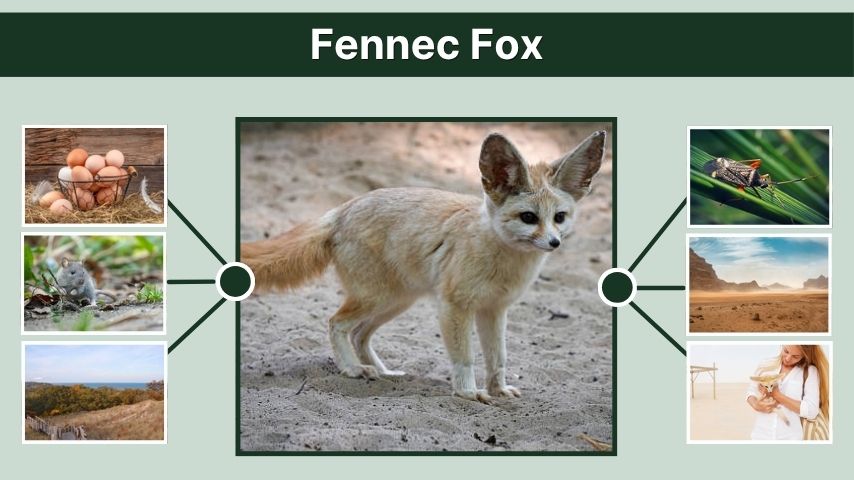
Fennec foxes are among the most recognizable desert animals in the world. Their oversized ears, fluffy cream-colored fur, and playful behavior make them incredibly popular online and in exotic pet discussions. Native to the deserts of North Africa, these tiny foxes are specially adapted for survival in harsh environments. People are also curious about their diet, lifespan, behavior, and whether they can live as pets. This guide explores the most interesting facts about fennec foxes, including their habitat, adaptations, personality, and care needs.
What Is a Fennec Fox?
The fennec fox is the smallest fox species in the world and is famous for its enormous ears. These desert animals belong to the canine family and are perfectly designed for life in hot, sandy regions. Their playful appearance and unusual features have made them popular in documentaries, cartoons, games, and social media. Despite their tiny size, fennec foxes are highly intelligent and extremely skilled survivors in desert environments.
Fennec Fox Scientific Classification
The scientific name of the fennec fox is Vulpes zerda. It belongs to the Canidae family, which includes wolves, dogs, and other foxes. Fennec foxes are closely related to red foxes, although they are much smaller and better suited to desert climates. Scientists believe their unique adaptations developed specifically for survival in the Sahara Desert and nearby dry regions.
What Does a Fennec Fox Look Like?
Fennec foxes are easy to recognize because of their giant ears, tiny bodies, and soft sandy fur. Their thick fur protects them from both daytime heat and cold desert nights. They also have bushy tails and furry feet that help them walk comfortably on hot sand. Their dark eyes and compact faces give them a cute appearance that attracts animal lovers worldwide.
Fennec Fox Size and Weight
- Average body length ranges from 9 to 16 inches
- Tail length is usually around 7 to 12 inches
- Adult fennec foxes weigh between 2 and 4 pounds
- Their ears can grow up to 6 inches long
- They are smaller than most domestic cats
Where Do Fennec Foxes Live?
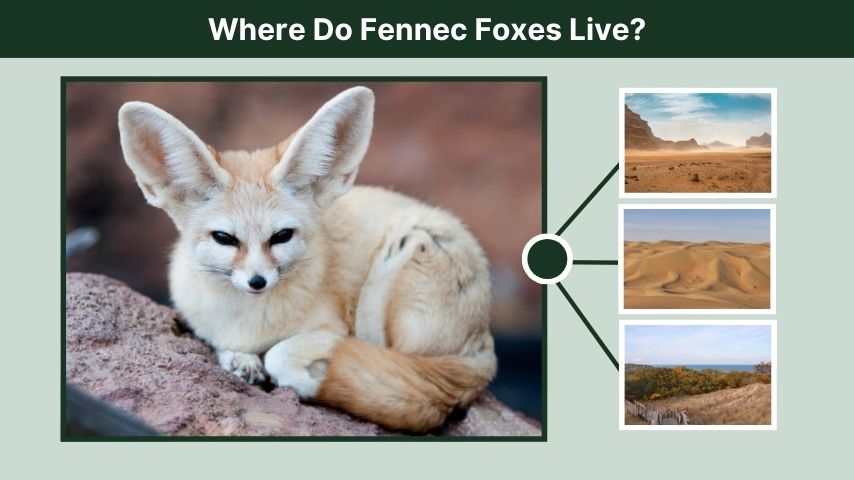
Fennec foxes are native to desert regions across North Africa. They thrive in dry environments with loose sand and very little rainfall. These foxes are mostly found in the Sahara Desert, where temperatures can become extremely hot during the day. Their physical adaptations allow them to survive in conditions that would be difficult for many other mammals.
Fennec Fox Habitat
Fennec foxes usually live in sandy deserts, dunes, and dry scrublands. They dig underground burrows that help them escape extreme heat and predators. These burrows often contain multiple tunnels and sleeping chambers. In some areas, entire family groups live together underground for safety and warmth during cold desert nights.
How Fennec Foxes Survive in the Desert
One reason fennec foxes survive so well in deserts is their nocturnal lifestyle. They spend most of the day inside cool burrows and become active after sunset when temperatures drop. Their large ears help release body heat, while their pale fur reflects sunlight. They also conserve water efficiently, allowing them to live in areas where fresh water is limited.
Fennec Fox Desert Adaptations
- Large ears help regulate body temperature
- Thick fur protects against cold nights
- Fur-covered paws shield feet from hot sand
- Sharp hearing detects prey underground
- Small body size helps conserve energy
- Excellent digging skills provide shelter quickly
What Do Fennec Foxes Eat?
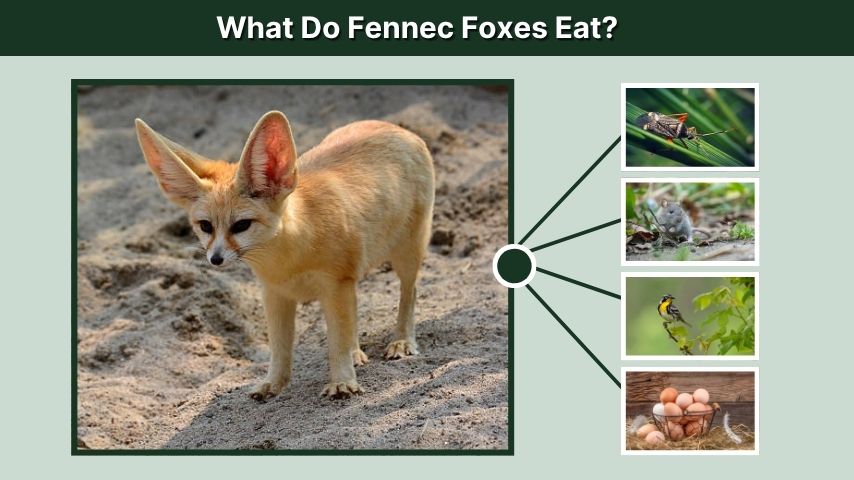
Fennec foxes are omnivores, meaning they eat both plants and animals. Their diet changes depending on what food is available in the desert. These foxes are skilled hunters and use their sharp hearing to locate prey beneath the sand. Although small, they are active predators that can survive in difficult conditions with limited food resources.
Natural Diet of a Fennec Fox
Fennec foxes eat insects, rodents, birds, eggs, reptiles, and small desert animals. They also consume fruits, roots, and desert plants when available. In captivity, their diet usually includes specially prepared foods designed for exotic canines. A balanced diet is important because improper feeding can cause serious health problems.
Hunting and Feeding Behavior
Fennec foxes are mostly active at night when desert temperatures become cooler. They use their large ears to hear insects or rodents moving underground. Once they locate prey, they dig quickly through the sand using their strong paws. Their fast reactions and sharp senses make them efficient nighttime hunters.
How Fennec Foxes Get Water
Unlike many animals, fennec foxes do not always need direct access to water. They receive much of their moisture from the food they eat. This adaptation helps them survive in dry desert regions where water may be difficult to find for long periods.
Fennec Fox Behavior and Personality
Fennec foxes are energetic, curious, and highly alert animals. In the wild, they are cautious and spend much of their time exploring at night. Their playful personalities are one reason many people become interested in keeping them as pets. However, they still retain strong wild instincts that can make them difficult to manage in a home environment.
Are Fennec Foxes Friendly?
Fennec foxes can become attached to humans when raised in captivity, but they are not domesticated like dogs. Some enjoy attention and playtime, while others remain shy and nervous around strangers. Their personalities vary depending on age, environment, and socialization.
Fennec Fox Sounds and Communication
Fennec foxes communicate using a surprising variety of sounds. They bark, whine, growl, yelp, and even screech when excited or frightened. These vocalizations help them communicate with family members and warn others about danger. Their body language is also important, especially tail movement and ear positioning. Because they are naturally alert animals, fennec foxes react quickly to unfamiliar sounds and movement in their surroundings.
What Can Distract a Fennec Fox Easily?
- Sudden loud noises
- Bright moving objects
- New scents in the environment
- Fast movement from people or pets
- Toys and digging materials
- Small animals nearby
How to Keep a Fennec Fox Calm
Fennec foxes feel safest in quiet and predictable environments. They need secure hiding spots and plenty of enrichment activities to reduce stress. Owners often use soft bedding, tunnels, and toys to help keep them comfortable. Gentle interaction and regular routines are also important because sudden changes can make these foxes nervous or overly active.
Fennec Fox Life Cycle
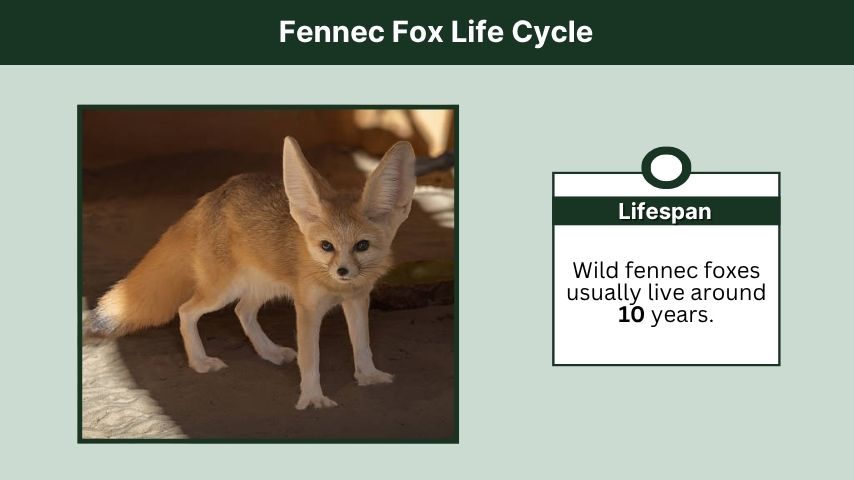
Fennec foxes have a fascinating life cycle that begins in underground burrows deep in the desert. Like many fox species, they form close family groups and care for their young carefully. Their pups develop quickly during the first few months of life. In captivity, good nutrition and veterinary care can help them live longer than they usually would in the wild.
Fennec Fox Newborns and Babies
Newborn fennec foxes are extremely small and helpless at birth. Their eyes remain closed for about ten days, and they depend completely on their mother for warmth and milk. As they grow, their famous oversized ears become more visible. Young foxes stay inside the burrow for several weeks before exploring the outside environment.
Fennec Fox Pups Growing Up
Young fennec foxes learn survival skills from their parents and other family members. They practice digging, hunting, and social behaviors while still very young. Play is an important part of their development because it improves coordination and teaches them how to react quickly in dangerous situations. Most pups become independent within several months.
Fennec Fox Lifespan
- Wild fennec foxes usually live around 10 years
- Captive fennec foxes may live up to 14 years
- Proper diet improves long-term health
- Stress reduction helps increase lifespan
- Veterinary care is important for captive foxes
Common Health Concerns
Fennec foxes can suffer from stress-related illnesses if kept in poor environments. They are sensitive to cold temperatures and may develop health issues if their diet lacks proper nutrients. Captive foxes also require veterinarians experienced with exotic animals because regular pet clinics may not understand their specialized needs.
Can You Have a Fennec Fox as a Pet?

Interest in exotic pets has increased greatly in recent years, and fennec foxes are often considered one of the cutest unusual pets available. However, owning one is very different from caring for a dog or cat. These foxes remain wild animals with strong instincts, high energy levels, and specific environmental needs that many people underestimate.
Are Fennec Foxes Good Pets?
Some owners describe fennec foxes as playful, intelligent, and entertaining companions. They can bond with humans and enjoy interactive play. However, they are also extremely active, noisy, and difficult to train. Their digging instincts and nighttime activity can create challenges inside homes. Because of these traits, they are not suitable pets for everyone.
Challenges of Owning a Pet Fennec Fox
- Strong digging behavior indoors
- High energy and constant movement
- Loud nighttime vocalizations
- Difficulty with litter training
- Need for secure outdoor enclosures
- Specialized veterinary care requirements
Fennec Fox Price and Ownership Costs
The cost of a fennec fox can vary greatly depending on breeder location and legal restrictions. Initial purchase prices are often very high, and long-term care costs can be significant. Owners must also budget for quality food, veterinary visits, toys, and safe enclosures designed for exotic animals.
Is It Legal to Own a Fennec Fox?
Laws regarding fennec fox ownership differ depending on the country, state, or region. Some places allow ownership with permits, while others completely ban exotic foxes as pets. Potential owners should always research local wildlife regulations carefully before attempting to purchase one.
Fennec Foxes Compared to Other Foxes

Fennec foxes differ greatly from many other fox species because of their desert adaptations and tiny size. Their appearance, habitat, and behavior make them unique among wild canines. Comparing them to arctic foxes and red foxes helps highlight just how specialized these desert animals truly are.
Fennec Fox vs Arctic Fox
| Feature | Fennec Fox | Arctic Fox |
| Habitat | Hot deserts | Arctic tundra |
| Ear Size | Very large | Small and rounded |
| Fur Color | Sandy cream | White or gray |
| Body Size | Smaller | Larger |
| Climate Adaptation | Heat resistance | Cold resistance |
Fennec Fox vs Red Fox
| Feature | Fennec Fox | Red Fox |
| Activity | Mostly nocturnal | Flexible schedule |
| Environment | Desert regions | Forests and grasslands |
| Weight | 2–4 pounds | Much heavier |
| Ears | Extremely large | Medium-sized |
| Digging Ability | Excellent | Moderate |
FAQs
What is special about a fennec fox?
Fennec foxes are famous for their enormous ears, tiny size, and ability to survive in harsh desert climates. Their ears help release heat and improve hearing, making them perfectly adapted for desert life.
Can fennec foxes live as pets?
Fennec foxes can live in captivity, but they are difficult exotic pets that require specialized care, large enclosures, and experienced owners. They are much harder to manage than domesticated animals.
What do fennec foxes eat in the wild?
Wild fennec foxes eat insects, rodents, birds, eggs, reptiles, fruits, and desert plants. They are opportunistic omnivores that hunt mostly during the night.
Are fennec foxes endangered?
Fennec foxes are not currently considered endangered, but habitat loss and illegal wildlife trade may threaten some local populations in the future.
Why do fennec foxes have large ears?
Their oversized ears help regulate body temperature and allow them to hear prey moving beneath the sand. These ears are one of their most important desert adaptations.