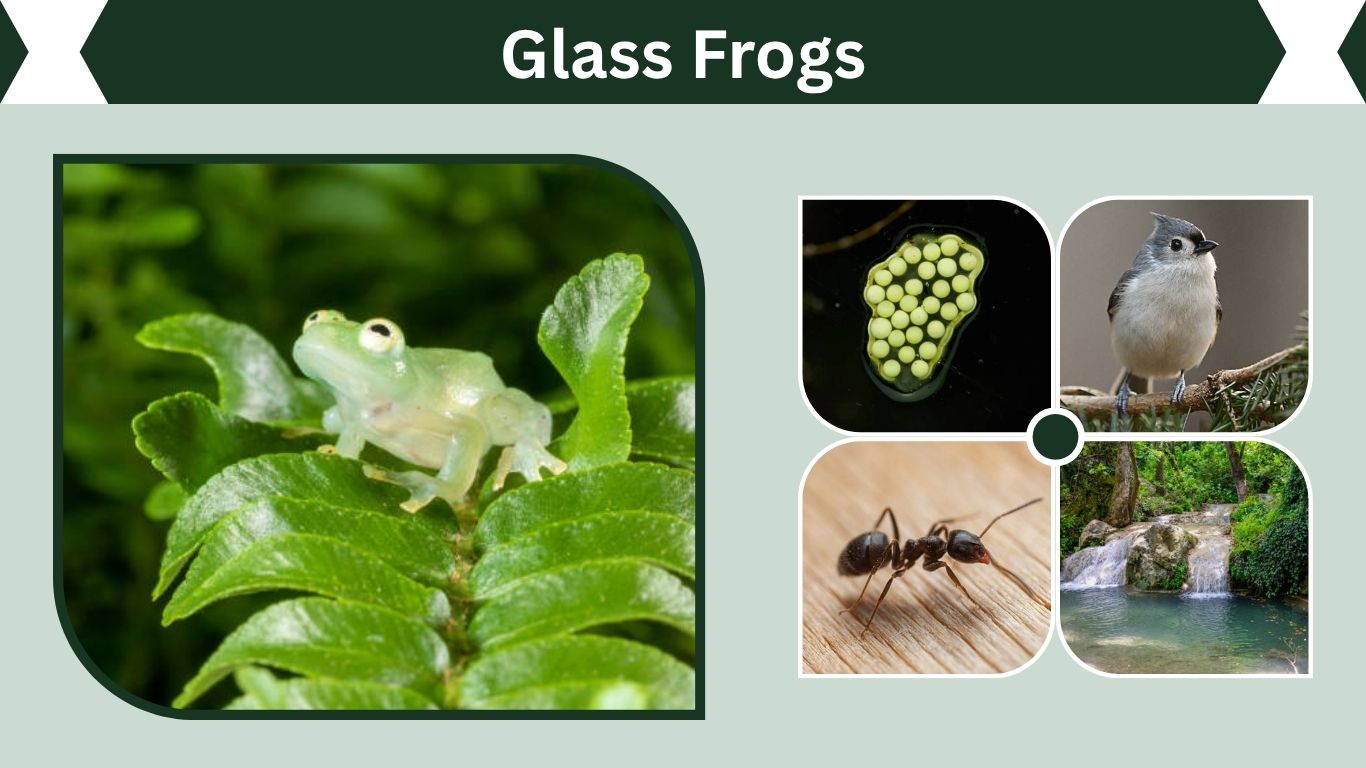
Glass frogs are small, translucent amphibians mainly found in Central and South America. Their unique see-through skin allows you to see internal organs, making them one of the most intriguing creatures in the rainforest. These frogs are not only fascinating to scientists but also popular among wildlife enthusiasts for their unusual appearance and behaviors. In this article, we explore glass frog species, their habitats, diet, life cycle, and interesting facts.
Glass Frog Species
Glass frogs comprise multiple species, each with distinctive markings, size, and habitat preferences. Identifying these species helps researchers, conservationists, and hobbyists understand their biology and protect them in the wild.
Common Glass Frog Species
- Reticulated Glass Frog – Known for its network-like dorsal pattern.
- Northern Glass Frog – Typically found in northern Central America.
- Granular Glass Frog – Small species with bumpy skin texture.
- Emerald Glass Frog – Bright green coloration, highly camouflaged.
- Ghost Glass Frog – Translucent body, almost invisible from above.
- Glass Bellied Frog – Famous for its clear abdomen showing internal organs.
Glass Frogs Physical Characteristics
Glass frogs are easily recognized by their translucent belly and bright green dorsal surface. Their transparent skin provides camouflage, while body size and color patterns help protect them from predators.
Appearance and Size
Glass frogs are small, ranging from 3 to 7 cm in length. Their dorsal side is usually vibrant green, sometimes with yellow or bluish tints. The underside is transparent, revealing the heart, liver, and digestive organs. Their large eyes, positioned on top of the head, aid in night vision.
Unique Features
Some glass frog species exhibit bioluminescence or a glowing effect under certain light conditions. Their skin patterns vary among species, allowing researchers to identify individual frogs. These features not only aid in survival but also attract fascination from naturalists and artists alike.
Glass Frogs Habitat and Distribution
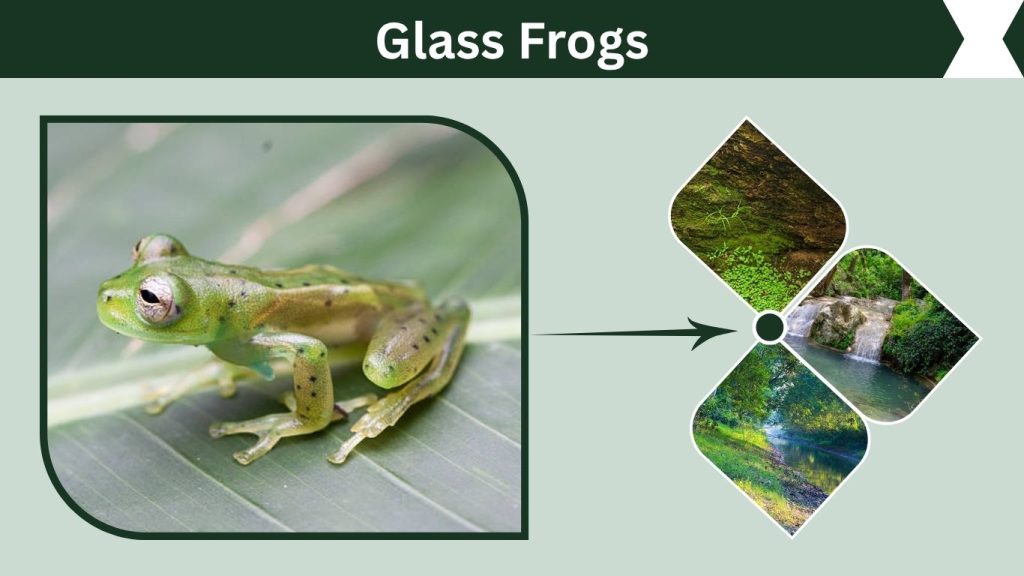
Glass frogs live in humid, tropical forests near streams and rivers. Their survival depends on these moist microhabitats, where leaves overhanging water bodies are crucial for egg-laying and tadpole development.
Natural Habitats
- Tropical rainforest undergrowth
- Leaves above clean, flowing streams
- Shaded riverbanks with high humidity
Geographic Range
Glass frogs are native to Central and South America, with countries like Costa Rica, Panama, Colombia, and Ecuador being prime habitats. Elevation varies depending on the species, with some living in lowland forests and others in mountainous regions.
Glass Frogs Diet and Feeding
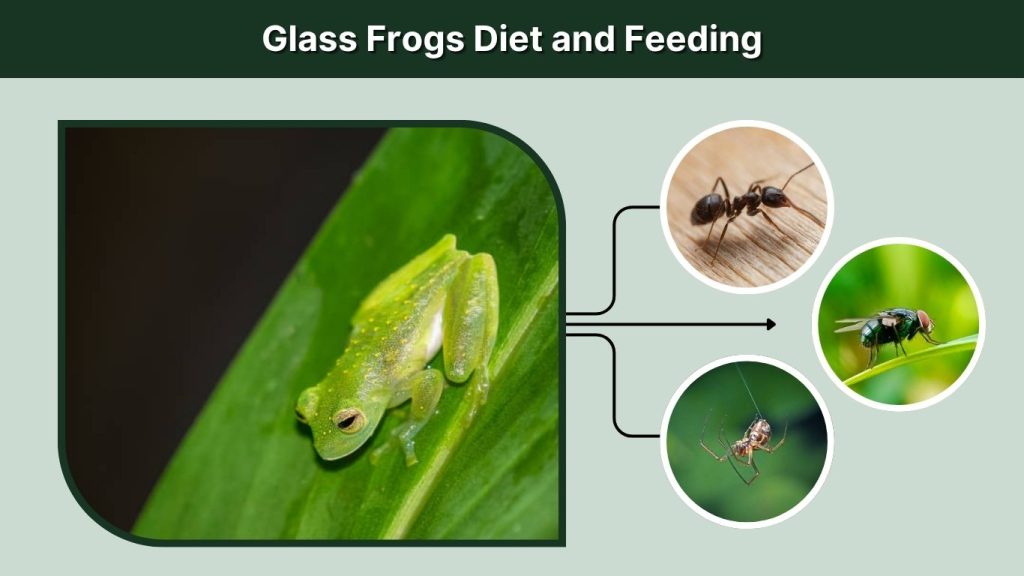
Glass frogs are insectivores, consuming small insects and invertebrates. Feeding mostly occurs at night, and diet composition affects their growth, reproduction, and survival in the wild.
Common Prey
- Ants, flies, and small beetles
- Spiders and insect larvae
Feeding Behavior
Glass frogs use their sticky tongues to capture prey efficiently. Nocturnal activity helps them avoid predators while hunting, and their small size allows them to access insects hiding in leaves and tree bark.
Glass Frogs Life Cycle and Reproduction
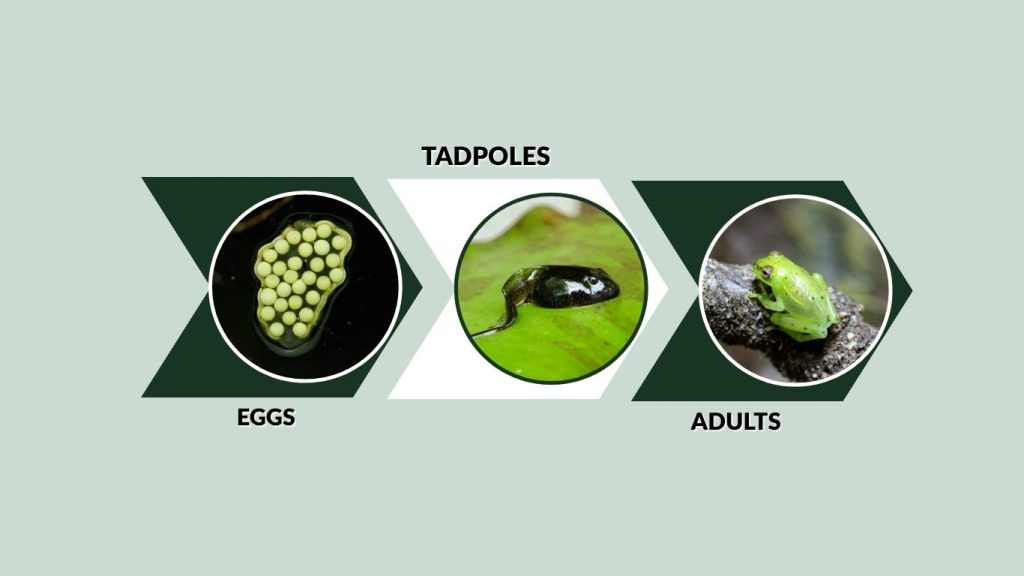
Glass frogs have a remarkable reproductive cycle. Eggs are laid on leaves above streams, and tadpoles drop into water upon hatching. Some species even display parental care, protecting eggs from predators and fungus.
Egg-Laying and Tadpoles
Eggs are translucent, often in clusters on leaf surfaces. Male glass frogs sometimes guard the eggs until they hatch. Tadpoles drop into water and grow through several stages before transforming into adults.
Adaptations for Survival
Camouflage is crucial during both the egg and adult stages. Transparent skin allows them to blend with leaves, while eggs’ gelatinous coating protects them from dehydration and some predators.
Glass Frogs Predators and Threats
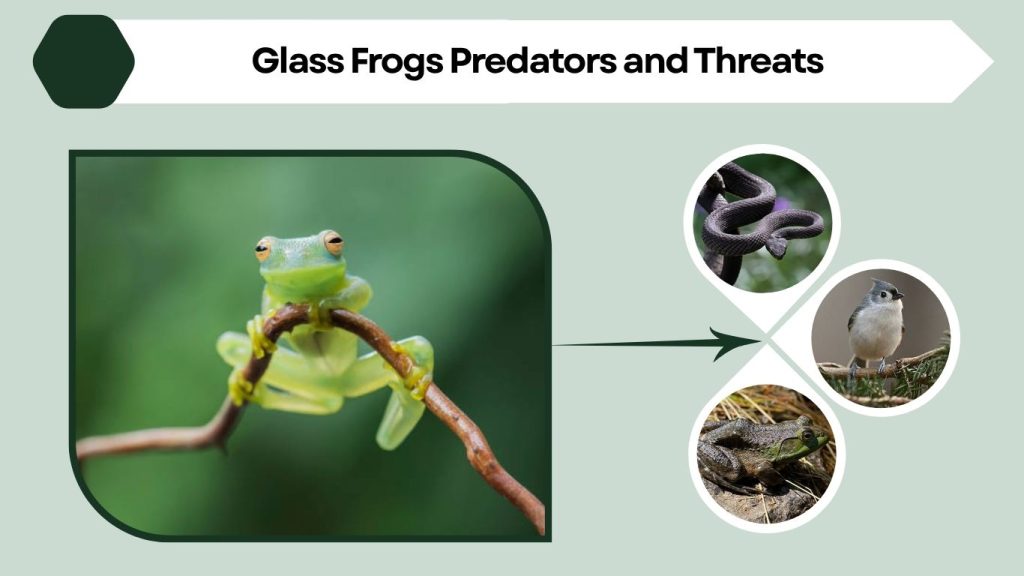
Despite their translucent skin and camouflage, glass frogs face natural predators and environmental threats. Habitat loss, pollution, and climate change also put many species at risk, making conservation critical.
Natural Predators
- Snakes that hunt frogs in foliage
- Birds preying on adult frogs
- Larger frogs or amphibians feeding on tadpoles
Environmental Threats
- Deforestation reducing suitable habitats
- Contaminated streams affecting tadpole development
- Climate change altering rainfall patterns essential for survival
Glass Frogs Interesting Facts and Trivia
Glass frogs are among the most fascinating amphibians due to their transparency, behaviors, and unique adaptations. These traits make them a popular subject for research, photography, and educational materials.
Fun and Weird Facts
- Their transparent bellies make internal organs visible.
- Some species “glow” under ultraviolet light.
- Males of some species guard eggs on leaves.
- Their camouflage helps them avoid predators even during the day.
- Tadpoles drop directly into water from leaves after hatching.
Glass Frogs Conservation and Care
Glass frogs face threats from habitat destruction, pollution, and climate change. Conservation efforts focus on preserving natural habitats, monitoring populations, and educating the public. Some species can be kept in terrariums under controlled conditions for research and education.
Terrarium Setup
- Provide humid, tropical-like conditions
- Include leaves and small streams or water bodies
- Maintain temperature between 20–25°C (68–77°F)
- Ensure minimal stress and proper hiding spots
Captive Care Considerations
- Feed a diet of small insects like flies, ants, and larvae
- Monitor health and hydration
- Avoid excessive handling to prevent stress
FAQs
What do glass frogs eat?
Glass frogs are insectivores. They feed on small insects such as ants, flies, spiders, and insect larvae. Feeding mostly occurs at night when they are most active.
Are glass frogs poisonous?
No, glass frogs are not poisonous to humans. Their primary defense is camouflage and transparency, not toxins.
Where do glass frogs live?
Glass frogs are found in Central and South American rainforests, typically near streams or rivers where humidity is high and leaves overhang water for egg-laying.
How many glass frogs are left in the world?
Exact numbers vary by species. Many glass frog populations are declining due to habitat loss and pollution, making conservation efforts essential.
Can you keep a glass frog as a pet?
Yes, but only under controlled conditions. They require a humid terrarium, appropriate temperature, proper diet, and minimal handling to thrive. Captive care should mimic their natural environment as closely as possible.