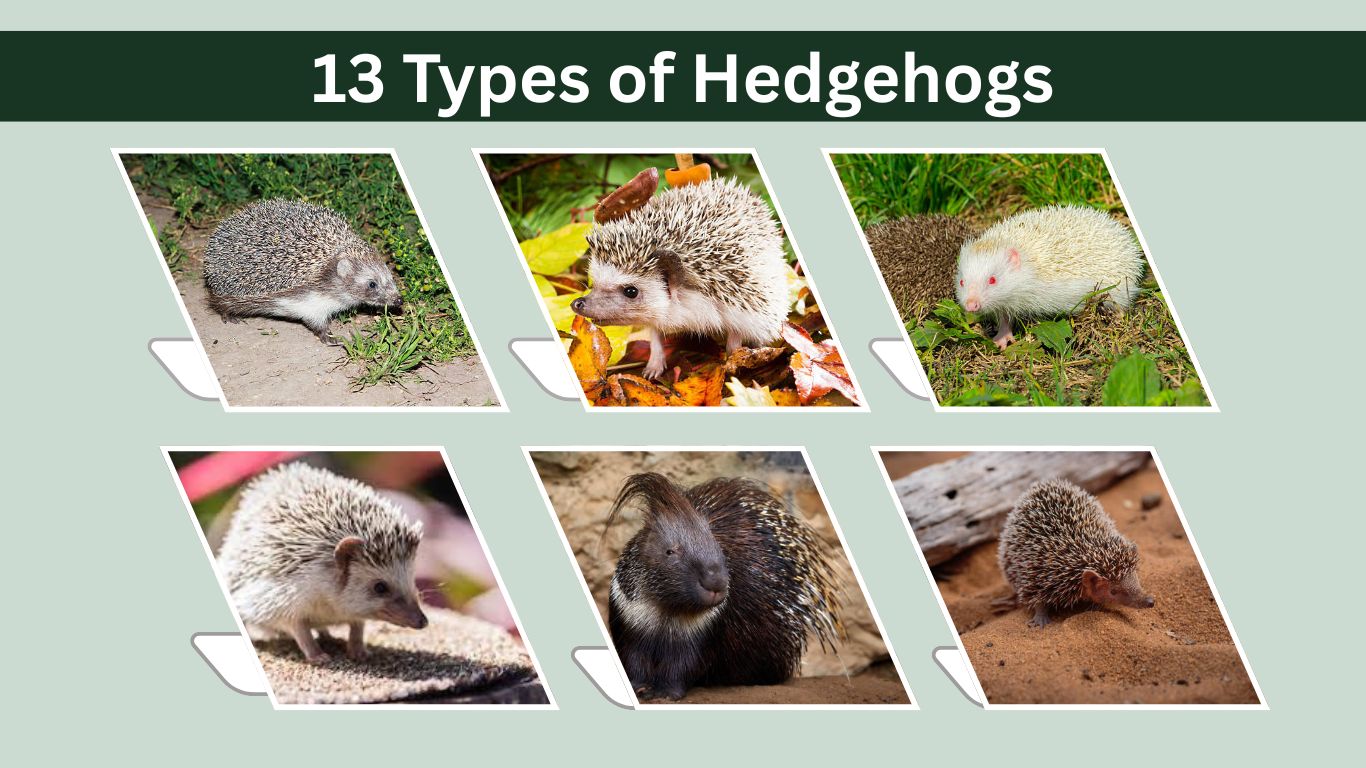
Hedgehogs are small spiny mammals found in Europe, Africa, and parts of Asia. Although they may look similar at first, each species has unique features, habitats, and behaviors. Some have long ears, some live in deserts, and others prefer gardens or woodlands. Learning the main types of hedgehogs helps identify their differences more easily.
1. European Hedgehog
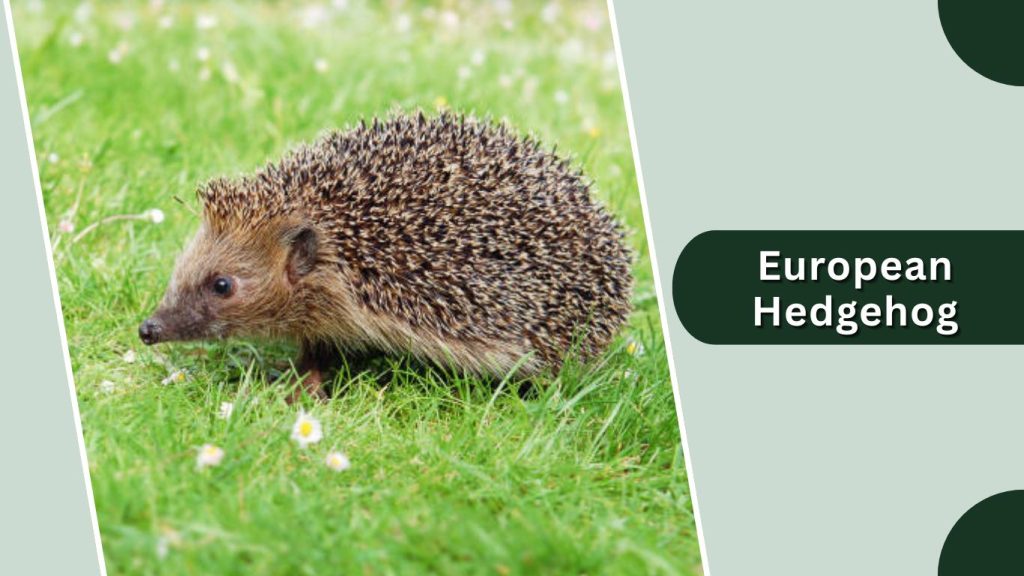
The European hedgehog is one of the most familiar hedgehog species, commonly found across Europe. It is known for its rounded body, sharp spines, pointed face, and nocturnal habits. This species often lives in gardens, woodlands, grasslands, and hedgerows, making it a well-known visitor in rural and suburban areas.
Identification
- The European hedgehog has a round, compact body covered with brown and cream-colored spines.
- Its face, belly, and legs are covered with coarse brownish fur.
- It usually has a pointed snout, small black eyes, and rounded ears.
- Adult European hedgehogs are generally larger than many desert or long-eared hedgehog species.
- When threatened, it rolls into a tight ball, using its spines as protection.
- Its body length is usually around 20 to 30 cm, with a short tail that is hard to notice.
Habitat
European hedgehogs prefer areas with plenty of ground cover and food sources. They are often found in gardens, parks, farmland edges, woodlands, and hedgerows. They need safe hiding places such as leaf piles, shrubs, logs, and dense vegetation. In colder months, they hibernate in nests made from grass, leaves, and other natural materials.
Diet
This species is mainly insectivorous, but it eats a variety of small foods. Its diet includes beetles, caterpillars, worms, slugs, snails, and other invertebrates. Sometimes, it may also eat fallen fruit, eggs, or small carrion. European hedgehogs usually search for food at night, using their strong sense of smell.
Behavior
European hedgehogs are mostly solitary and nocturnal. They spend the day resting in hidden nests and become active after sunset. Although they move slowly, they can travel long distances at night while searching for food. Their defensive rolling behavior is one of their most recognizable traits.
2. Southern White-Breasted Hedgehog
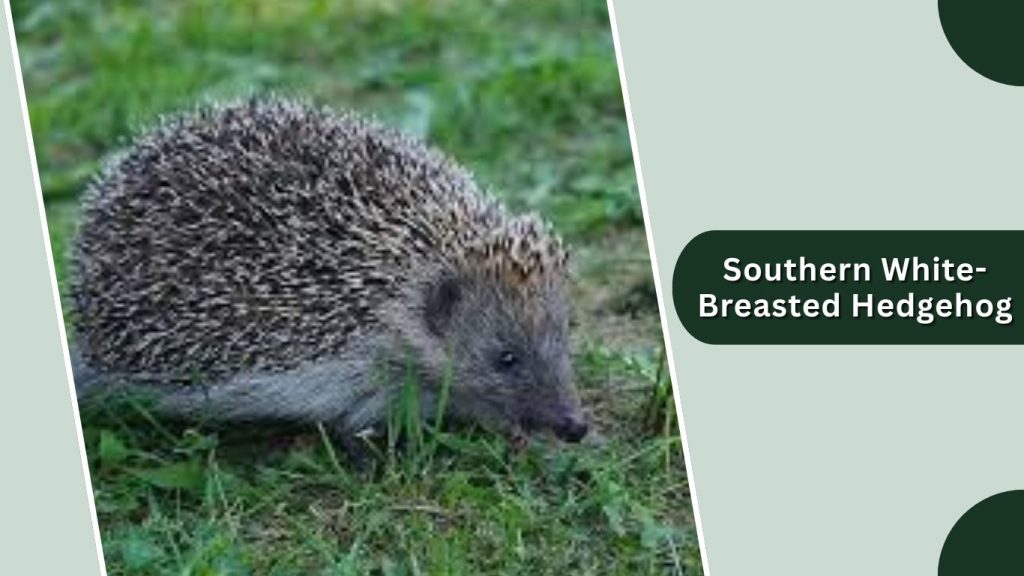
The Southern white-breasted hedgehog is a medium-sized hedgehog species found in parts of southeastern Europe and western Asia. It looks similar to the European hedgehog but is often recognized by its pale chest and slightly different range. This species is mostly active at night and prefers places with enough cover and food.
Identification
- It has a pale or white-colored chest, which gives the species its common name.
- The back is covered with brown and cream spines.
- Its face is usually brownish with a pointed snout.
- It has small ears, dark eyes, and short legs.
- Adults have a rounded body shape similar to the European hedgehog.
- When disturbed, it rolls into a tight defensive ball.
Habitat
Southern white-breasted hedgehogs live in gardens, farmlands, forest edges, grasslands, and scrubby areas. They often choose habitats close to human settlements if food and shelter are available. Dense vegetation, leaf litter, and quiet corners help them hide during the day.
Diet
This hedgehog mainly eats insects and other small invertebrates. Beetles, worms, caterpillars, slugs, and snails are common food items. It may also eat small eggs, carrion, or soft fruits when available. Like most hedgehogs, it uses its strong sense of smell to find food at night.
Behavior
The Southern white-breasted hedgehog is solitary and nocturnal. It spends daylight hours resting in hidden nests and becomes active after sunset. In colder regions, it may hibernate during winter. Its main defense is curling into a ball, leaving only sharp spines exposed.
3. Northern White-Breasted Hedgehog
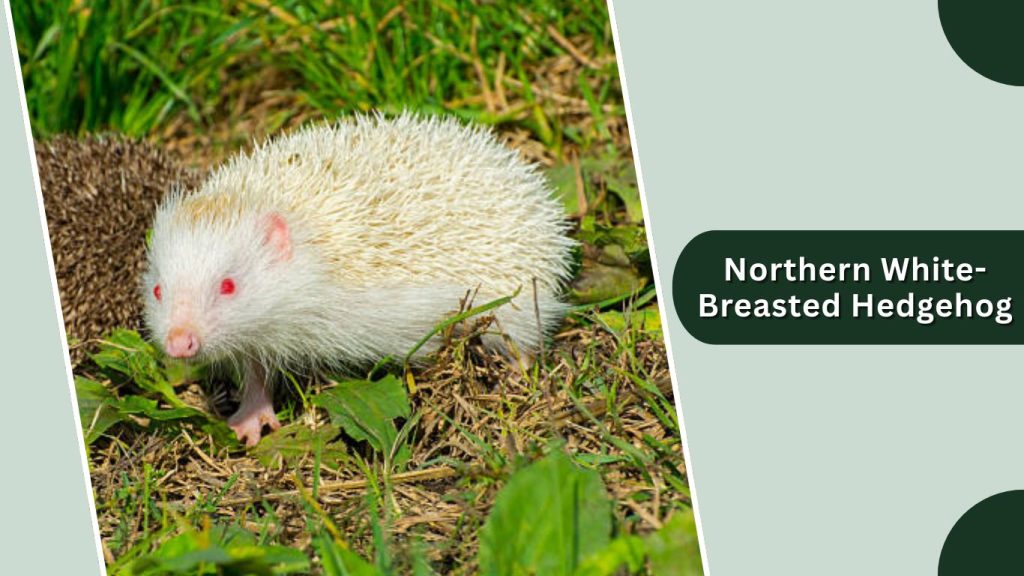
The Northern white-breasted hedgehog is another common hedgehog species from Europe and parts of Asia. It is closely related to the Southern white-breasted hedgehog but has a more northern and eastern distribution. This species is adaptable and can survive in both natural and human-shaped environments.
Identification
- It has a white or pale breast and belly area.
- Its back is covered with short, sharp brown-and-cream spines.
- The face is narrow with a pointed snout.
- It has small rounded ears and dark eyes.
- The body is compact, rounded, and low to the ground.
- It curls into a spiny ball when threatened.
Habitat
Northern white-breasted hedgehogs are found in woodlands, meadows, gardens, parks, and agricultural areas. They prefer places with thick ground cover where they can hide and build nests. They are also comfortable living near villages and towns when suitable shelter is available.
Diet
This species feeds mostly on insects, worms, beetles, caterpillars, slugs, and other small invertebrates. It may occasionally eat fruit, eggs, or carrion. It searches for food at night by sniffing through grass, leaves, and soil.
Behavior
Northern white-breasted hedgehogs are mostly active at night and usually live alone. During the day, they rest under leaves, bushes, logs, or in self-made nests. In cold climates, they hibernate through winter. They are quiet animals but may make snuffling sounds while foraging.
4. Amur Hedgehog
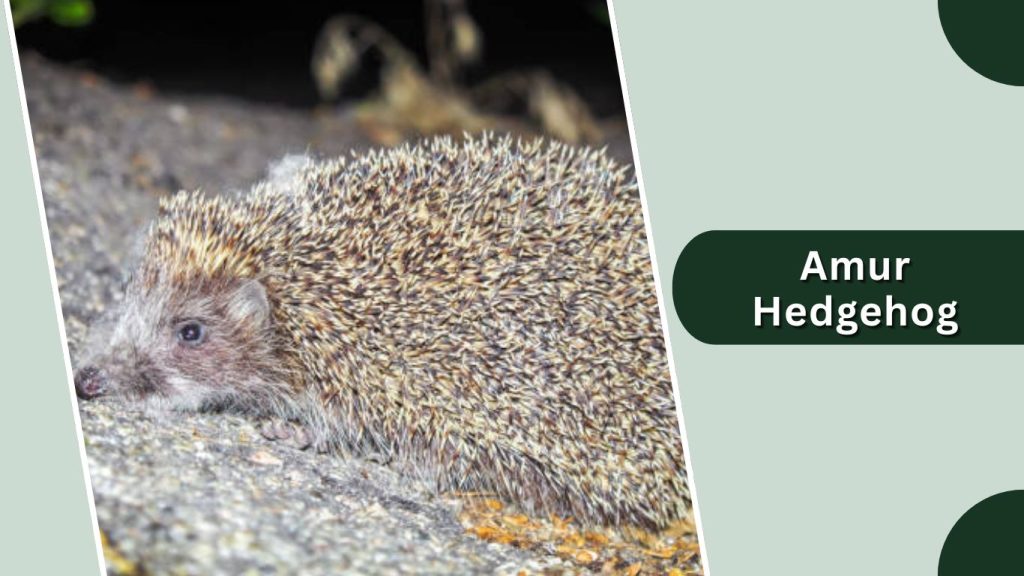
The Amur hedgehog is a hedgehog species native to eastern Asia, especially areas of China, Korea, and the Russian Far East. It resembles the European hedgehog in general shape but lives in a different region. This species is known for its sturdy body, spiny back, and adaptable nature.
Identification
- It has a rounded body covered with brownish spines.
- The face is usually pale brown to grayish-brown.
- It has a pointed snout and small dark eyes.
- Its ears are short compared with long-eared hedgehogs.
- The underside is covered with softer fur.
- It rolls into a ball when it feels threatened.
Habitat
Amur hedgehogs live in forests, grasslands, farmland edges, gardens, and scrub areas. They prefer places with enough ground cover for nesting and protection. This species can also live near human settlements if there are insects, shelter, and safe hiding spots.
Diet
The Amur hedgehog mainly eats insects and other small animals. Its diet includes beetles, larvae, worms, grasshoppers, slugs, and snails. It may also feed on small vertebrates, eggs, or fallen fruit when available. Most feeding happens after dark.
Behavior
This species is nocturnal and usually solitary. It spends the day hidden in vegetation or nests and becomes active at night. During cold seasons, it may enter hibernation. Its defensive habit of curling into a spiny ball helps protect it from predators.
5. Four-Toed Hedgehog
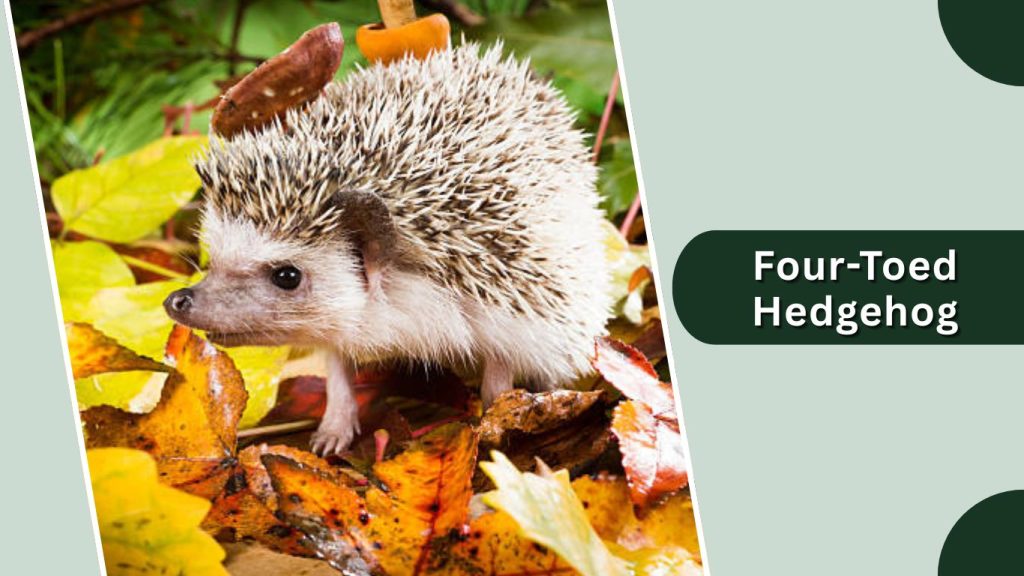
The four-toed hedgehog, also called the African pygmy hedgehog, is one of the most popular hedgehog species in the pet trade. It is native to parts of central and eastern Africa. This small hedgehog is known for its compact size, short spines, and four toes on each hind foot.
Identification
- It has four toes on each back foot, unlike many other hedgehogs.
- The body is small and compact compared with European species.
- Its spines are usually white, cream, brown, or mixed in color.
- The belly and face are covered with soft fur.
- It has a short snout, small ears, and dark round eyes.
- It can roll into a tight ball for protection.
Habitat
In the wild, four-toed hedgehogs live in savannas, grasslands, dry scrublands, and open woodland areas. They prefer warm environments with hiding places such as burrows, grass clumps, and natural ground cover. They avoid extremely wet habitats.
Diet
Four-toed hedgehogs mainly eat insects and small invertebrates. Beetles, worms, larvae, termites, and caterpillars are common foods. They may also eat small eggs, carrion, and plant material occasionally. In captivity, they need a balanced diet suited to insect-eating mammals.
Behavior
This species is nocturnal, solitary, and active after sunset. It spends much of the day hiding in a nest or shelter. Four-toed hedgehogs are known for their defensive curling behavior and occasional self-anointing, where they spread foamy saliva on their spines after smelling something new.
6. North African Hedgehog
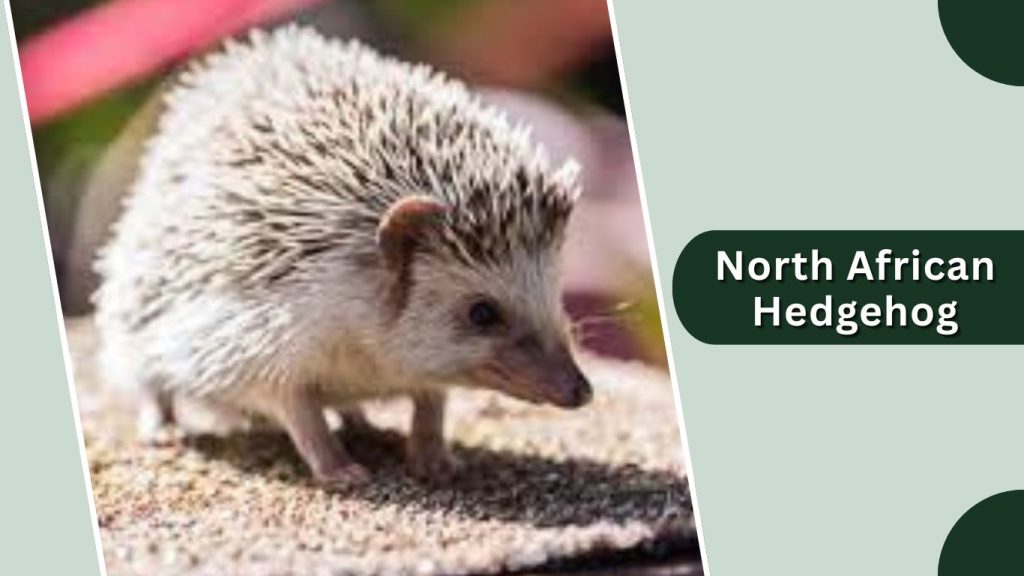
The North African hedgehog is a small hedgehog species found in parts of North Africa and nearby Mediterranean regions. It is sometimes confused with other small hedgehogs, but it has a lighter body, pointed face, and relatively longer legs. This species is well adapted to warm climates.
Identification
- It has a small, rounded body with pale brown and cream spines.
- The face is usually light brown with a pointed snout.
- Its ears are more noticeable than those of European hedgehogs.
- The underside is covered with soft pale fur.
- It has a compact body but may look slightly longer-legged.
- When threatened, it curls into a spiny ball.
Habitat
North African hedgehogs live in dry grasslands, scrublands, gardens, farmland edges, and semi-arid regions. They often use burrows, rock gaps, vegetation, or hidden corners for shelter. In some areas, they may live close to human settlements where food is easy to find.
Diet
This species feeds mostly on insects and other small invertebrates. It eats beetles, worms, larvae, caterpillars, snails, and similar prey. It may also consume small eggs, carrion, or fruit when available. It usually hunts during the cooler hours of the night.
Behavior
The North African hedgehog is nocturnal and generally solitary. During the day, it stays hidden to avoid heat and predators. At night, it searches for food across open ground and sheltered areas. Its spines and curling behavior are its main protection.
7. Somali Hedgehog
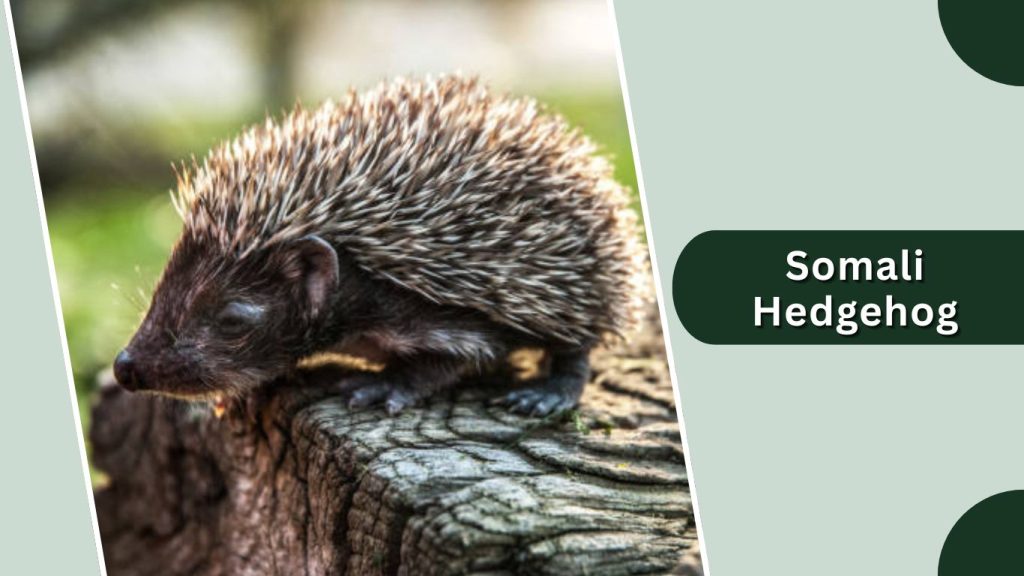
The Somali hedgehog is a small hedgehog species native to Somalia and nearby dry regions of East Africa. It is less commonly known than the four-toed hedgehog but has a similar small body shape. This species is adapted to hot, dry environments and is mostly active at night.
Identification
- It has a small body covered with pale brown or whitish spines.
- The face is usually light-colored with a narrow snout.
- Its underside is covered with soft pale fur.
- It has small dark eyes and noticeable ears.
- The body is compact and suited to dry habitats.
- It curls up tightly when it senses danger.
Habitat
Somali hedgehogs live in arid and semi-arid areas, including dry grasslands, scrublands, and desert-edge habitats. They need safe hiding places during the day to escape heat. Natural burrows, rocks, and thick vegetation can provide shelter.
Diet
This species mainly eats insects and other small invertebrates. Beetles, larvae, termites, ants, and worms may form part of its diet. It may also eat small animal matter or plant material when food is limited. Most feeding takes place at night.
Behavior
Somali hedgehogs are nocturnal and solitary. They rest during the day and become active when temperatures are cooler. Their pale coloring helps them blend into dry surroundings. Like other hedgehogs, they depend on their sharp spines and curling posture for defense.
8. Southern African Hedgehog
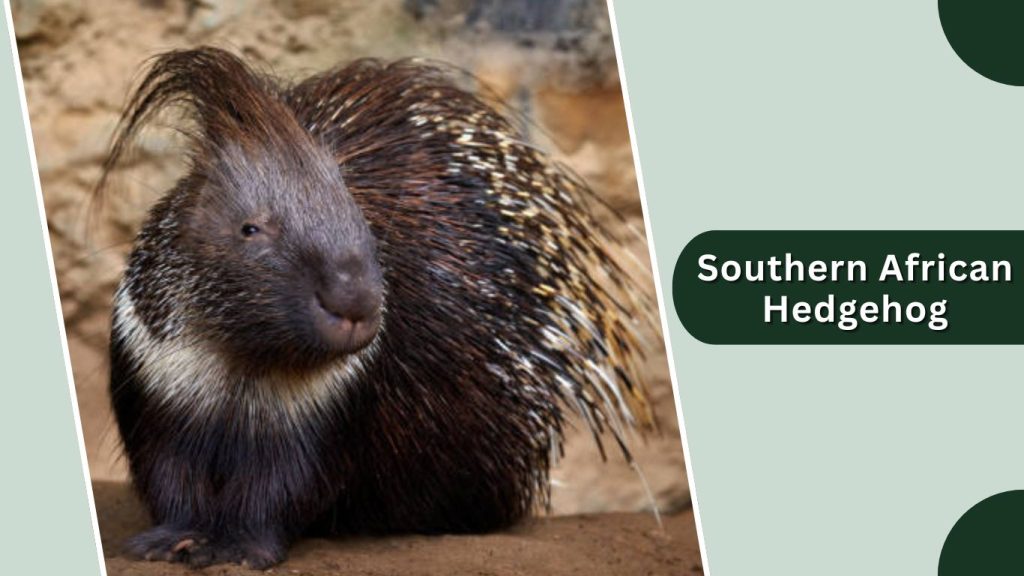
The Southern African hedgehog is a small, spiny mammal found in several parts of southern Africa. It is recognized by its dark face, pale body fur, and strong protective spines. This species is well adapted to dry grasslands, scrublands, and semi-arid areas, where it searches for food mostly at night.
Identification
- It has a dark brown to blackish face with a pale band across the forehead.
- The back is covered with short, sharp brown and white spines.
- Its belly is usually covered with softer grayish or brownish fur.
- It has a small rounded body with short legs.
- The ears are small but visible.
- When threatened, it curls into a tight spiny ball.
Habitat
Southern African hedgehogs live in grasslands, savannas, scrublands, and semi-arid regions. They prefer areas with enough ground cover for daytime shelter. They may also be found near farms or gardens if insects, hiding places, and quiet nesting spots are available.
Diet
This hedgehog mainly feeds on insects and other small invertebrates. It eats beetles, termites, larvae, worms, grasshoppers, and similar prey. It may also consume small reptiles, eggs, carrion, or fallen fruit when available. Most feeding happens at night when temperatures are cooler.
Behavior
Southern African hedgehogs are solitary and nocturnal. They spend the day hidden under vegetation, in burrows, or among rocks. At night, they move slowly while searching for food. Their main defense is rolling into a ball so predators meet only sharp spines.
9. Long-Eared Hedgehog
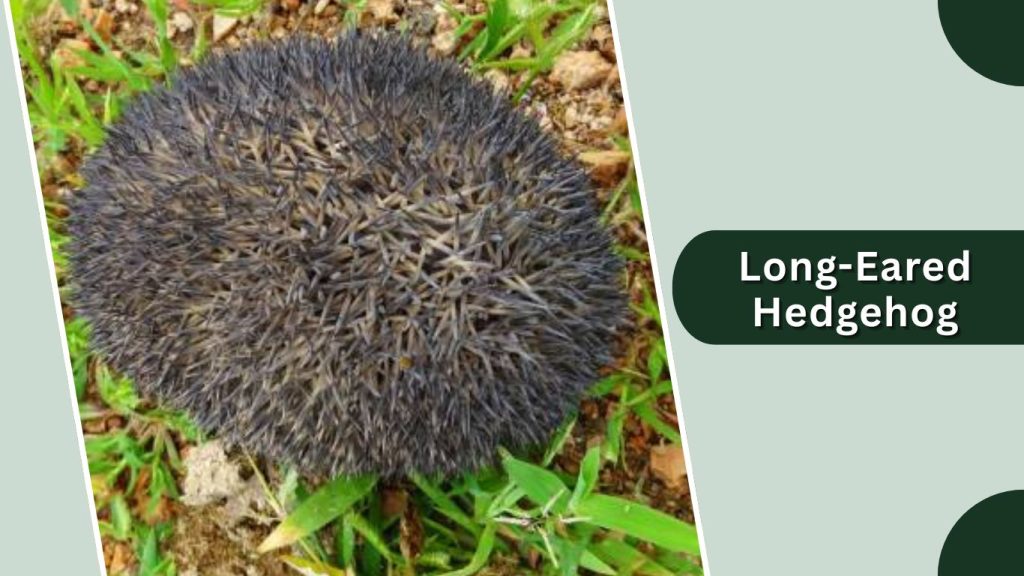
The long-eared hedgehog is a small hedgehog species known for its large ears and quick movements. It is found across parts of the Middle East, Central Asia, and nearby dry regions. Compared with many other hedgehogs, it has a slimmer body and is better suited to hot, open habitats.
Identification
- It has noticeably large ears, much longer than those of most hedgehogs.
- The body is smaller and slimmer than the European hedgehog.
- Its spines are usually pale brown, cream, or grayish.
- The face is narrow with a pointed snout.
- The legs appear longer, helping it move quickly.
- It may run from danger instead of immediately curling up.
Habitat
Long-eared hedgehogs live in deserts, semi-deserts, dry grasslands, steppes, and scrublands. They often use burrows for shelter during the day. Their large ears help release heat, making them well suited to warm and dry environments.
Diet
This species eats insects, beetles, grasshoppers, worms, and other invertebrates. It may also feed on small reptiles, eggs, carrion, and some plant material. In dry areas, it can survive on food sources that provide both nutrition and moisture.
Behavior
Long-eared hedgehogs are mostly nocturnal and solitary. They are more active and faster than many round-bodied hedgehogs. Instead of relying only on curling into a ball, they may run to escape threats. During the day, they rest in burrows or hidden shelters.
10. Indian Long-Eared Hedgehog
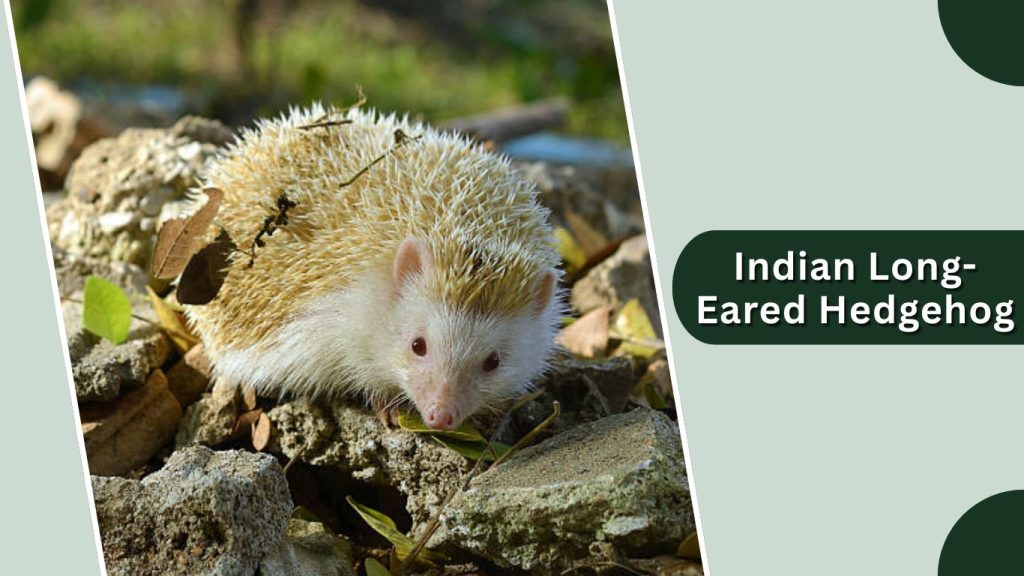
The Indian long-eared hedgehog is a small desert-adapted hedgehog found in parts of India and Pakistan. It is recognized by its large ears, narrow face, and pale spines. This species is built for dry regions and is usually active at night when the temperature is lower.
Identification
- It has very large ears that stand out clearly from the head.
- The body is small, slim, and covered with pale spines.
- Its face is narrow with a pointed snout.
- The underside is covered with soft light-colored fur.
- The legs are relatively long for a hedgehog.
- It may run quickly when disturbed.
Habitat
Indian long-eared hedgehogs live in dry plains, deserts, semi-deserts, scrublands, and sandy regions. They often hide in burrows, under rocks, or among dry vegetation during the day. Their habitat usually has sparse cover but enough insects and small prey for feeding.
Diet
This species mainly eats insects and other small animals. Beetles, termites, grasshoppers, worms, and larvae are common food sources. It may also eat eggs, small reptiles, carrion, or limited plant matter. It usually forages at night to avoid daytime heat.
Behavior
Indian long-eared hedgehogs are solitary and nocturnal. They are known for their agility and ability to move faster than heavier hedgehog species. During the breeding season, males may compete with each other. Their large ears help them detect sounds and manage body heat.
11. Desert Hedgehog
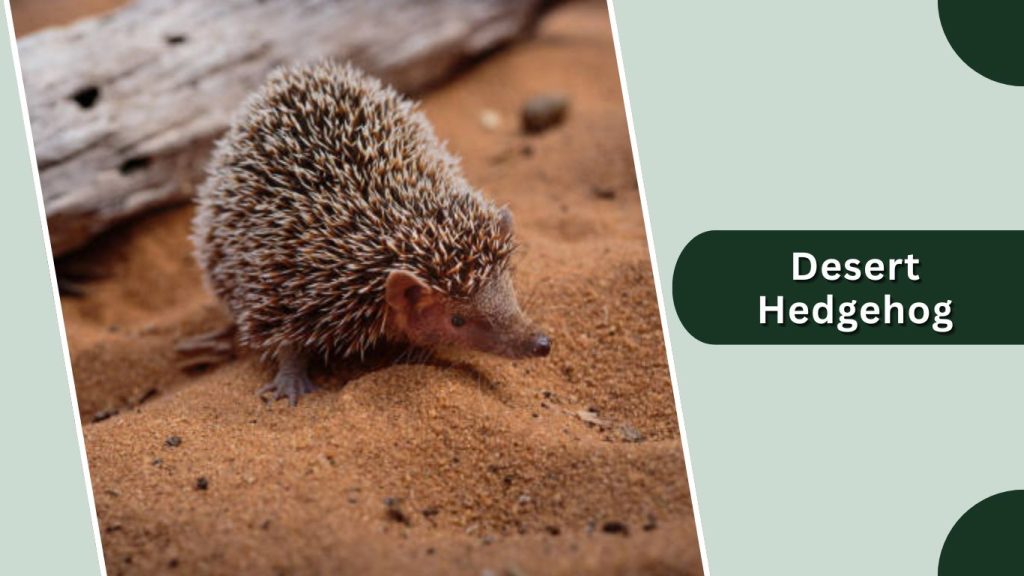
The desert hedgehog is one of the smallest hedgehog species and is well adapted to life in arid regions. It is found across parts of North Africa and the Middle East. This species has a pale body, dark facial markings, and a compact shape that helps it survive in dry habitats.
Identification
- It has a small body with pale brown, cream, or whitish spines.
- A dark mask-like marking is often visible on the face.
- The snout is pointed and the ears are fairly noticeable.
- The belly is covered with soft pale fur.
- It is smaller than many European and African hedgehogs.
- It curls into a tight ball when threatened.
Habitat
Desert hedgehogs live in deserts, semi-deserts, dry scrublands, oases, and rocky areas. They avoid the hottest parts of the day by hiding in burrows or shaded shelters. They are adapted to dry conditions and can travel at night in search of scattered food.
Diet
This hedgehog eats insects, beetles, worms, scorpions, spiders, small reptiles, eggs, and carrion. It may also eat some plant material when animal prey is limited. Its diet helps it survive in places where food is not always abundant.
Behavior
Desert hedgehogs are nocturnal and usually solitary. They become active after sunset and rest during the day to avoid heat. They may enter periods of reduced activity during extreme temperatures. Their small size, pale coloring, and spiny defense help them survive in harsh desert habitats.
12. Brandt’s Hedgehog
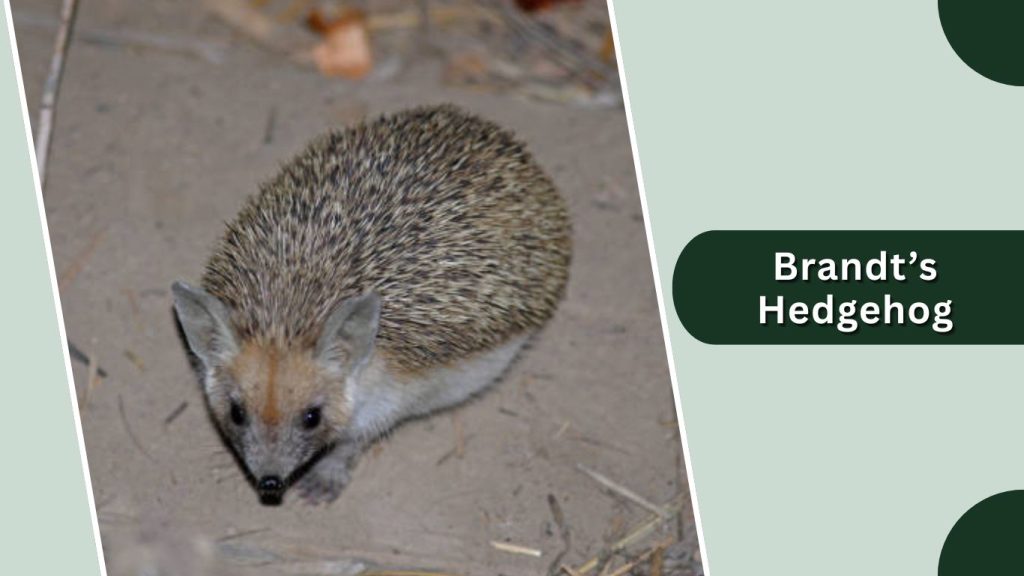
Brandt’s hedgehog is a desert and mountain-edge hedgehog species found in parts of the Middle East and Central Asia. It is similar to the long-eared hedgehog but often has darker coloration and a strong, agile body. This species is adapted to dry, rocky, and open environments.
Identification
- It has large ears, though usually not as extreme as some long-eared hedgehogs.
- The spines are often dark brown, blackish, or mixed with pale tips.
- Its face may appear dark with a pointed snout.
- The body is compact but more agile than heavier hedgehogs.
- It has relatively long legs for moving over rocky ground.
- It may run, jump, or curl up when threatened.
Habitat
Brandt’s hedgehogs live in deserts, semi-deserts, rocky slopes, dry grasslands, and mountain foothills. They often use burrows, crevices, and sheltered ground spaces for resting. Their habitat usually has sparse vegetation and wide open areas.
Diet
This species feeds on insects, beetles, scorpions, worms, small reptiles, eggs, and carrion. It is an opportunistic feeder, meaning it eats what is available in harsh dry habitats. Most of its hunting happens at night.
Behavior
Brandt’s hedgehogs are nocturnal and mostly solitary. They are active foragers and can move well across rocky or sandy ground. Compared with slower species, they may try to escape quickly before curling up. Their spines still provide strong protection against predators.
13. Daurian Hedgehog
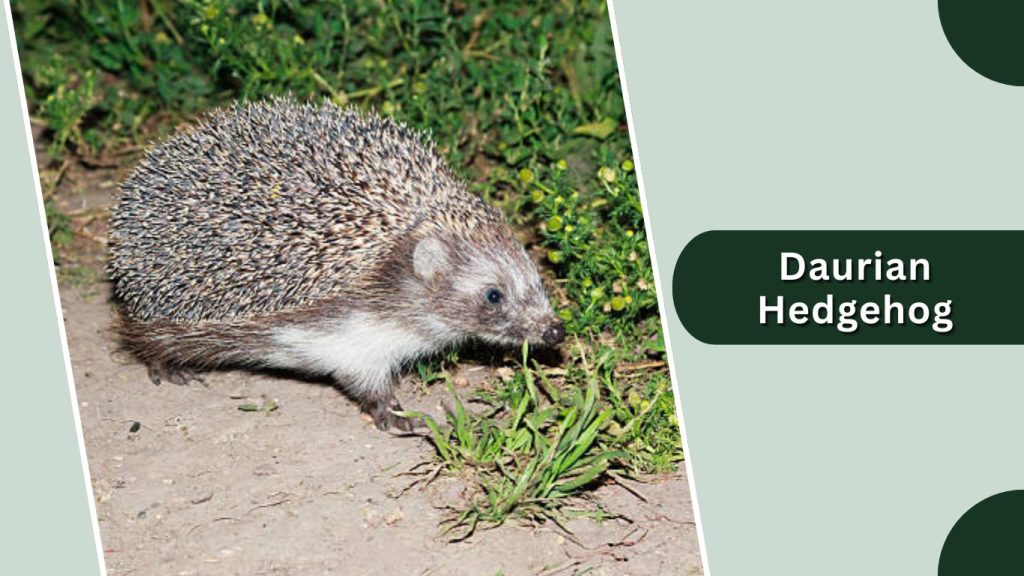
The Daurian hedgehog is a small to medium-sized hedgehog species found in parts of Mongolia, northern China, and nearby regions of Russia. It is adapted to open landscapes, dry grasslands, and forest-edge habitats. This species has a compact body, protective spines, and mostly nocturnal habits like many other hedgehogs.
Identification
- It has a rounded body covered with short brown, gray, and pale-colored spines.
- The face is usually brownish or grayish with a pointed snout.
- Its ears are small compared with long-eared hedgehogs.
- The underside is covered with softer fur.
- It is generally smaller and less heavy than the European hedgehog.
- When threatened, it curls into a tight ball for protection.
Habitat
Daurian hedgehogs live in dry grasslands, steppes, shrublands, forest edges, and semi-arid areas. They prefer open habitats with enough cover for shelter and nesting. During the day, they may hide under vegetation, in burrows, or in natural ground hollows.
Diet
This species mainly feeds on insects and other small invertebrates. Beetles, worms, larvae, grasshoppers, and caterpillars are common food sources. It may also eat small vertebrates, eggs, carrion, or plant material when available. Most feeding takes place at night.
Behavior
Daurian hedgehogs are mostly solitary and nocturnal. They spend daylight hours resting in hidden shelters and become active after sunset. In colder parts of their range, they may hibernate during winter. Their spiny body and curling behavior help protect them from many predators.