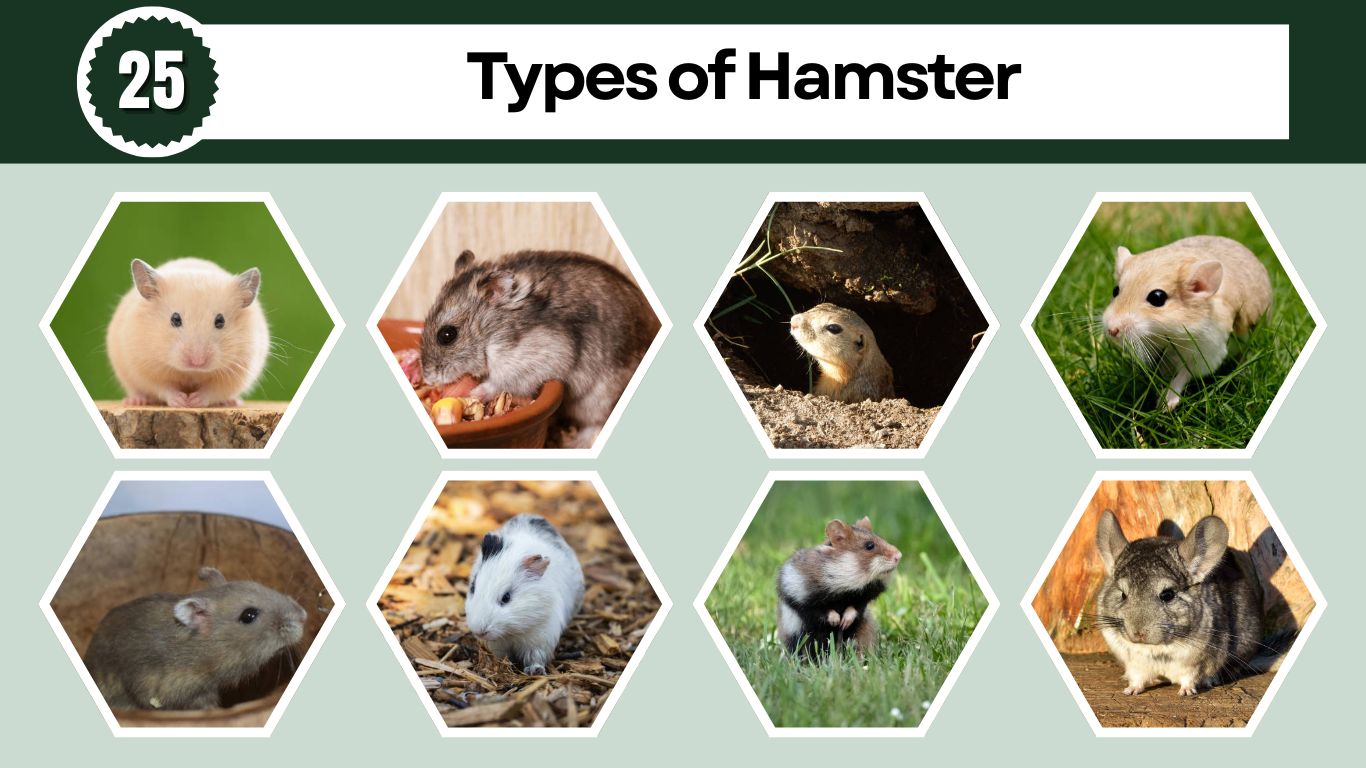
Hamsters come in many sizes, colors, and body shapes, from common pet breeds to rare wild species. Some are easy to recognize by their fluffy coats, dark back stripes, long tails, or tiny dwarf bodies. This guide covers 25 different types of hamsters and explains how to identify each one by appearance, behavior, and natural features.
1. Syrian Hamster
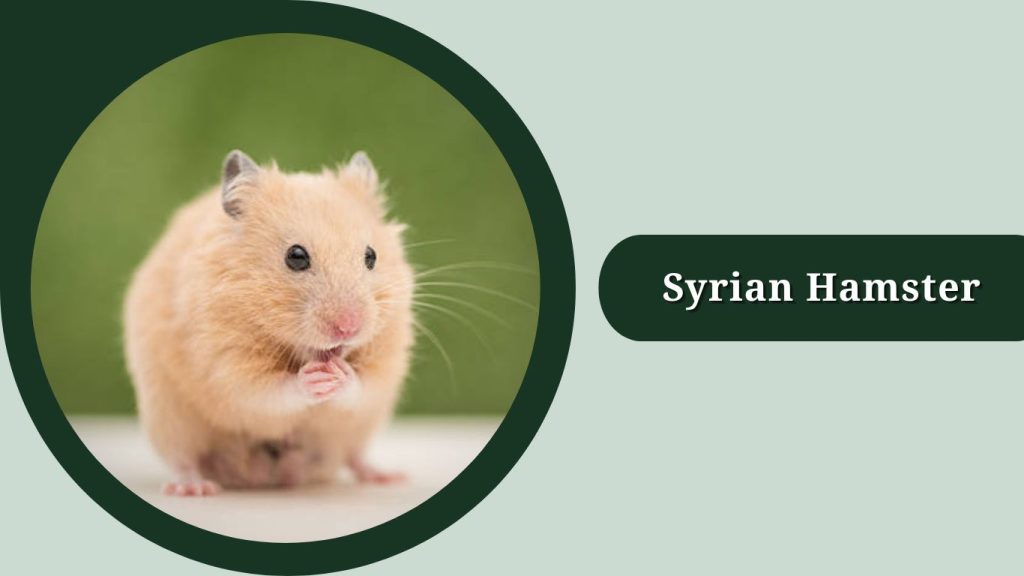
The Syrian hamster is one of the most popular pet hamsters in the world. It is known for its round body, short tail, soft fur, and friendly appearance. This species is larger than most dwarf hamsters and is often chosen by beginners because it is easy to identify and care for.
Identification
- Large body compared to dwarf hamster species
- Usually grows around 5 to 7 inches long
- Has a short, almost hidden tail
- Round face with large cheek pouches
- Fur can be golden, cream, white, black, brown, or mixed
- Small rounded ears and bright black eyes
- Usually lives alone and does not like sharing space with another hamster
Appearance
Syrian hamsters have a strong, compact body with soft fur covering most of their body. The most common color is golden brown with a lighter belly, which is why they are also called golden hamsters. However, many color varieties exist, including white, cinnamon, sable, and black. Some Syrian hamsters have short fur, while others have long, fluffy coats.
Personality
Syrian hamsters are usually calm, curious, and active, especially during the evening and night. With regular gentle handling, they can become comfortable around people. They are solitary animals, so they should be kept alone after they mature. Keeping two Syrian hamsters together can lead to fighting.
Habitat and Care
A Syrian hamster needs a spacious cage with bedding, hiding areas, chew toys, and an exercise wheel. Because they love digging and exploring, deep bedding is helpful. A balanced diet of hamster food, fresh vegetables, and occasional treats keeps them healthy. Clean water should always be available.
2. Golden Hamster
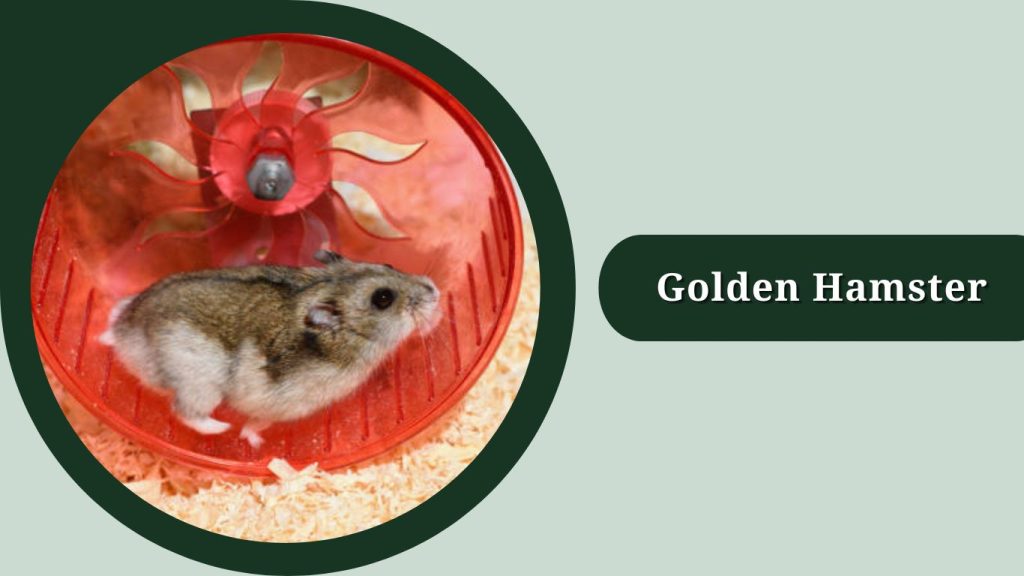
The Golden hamster is one of the most recognized hamster types and is closely related to the Syrian hamster. It is named for its classic golden-brown coat, which makes it easy to identify. This hamster is popular as a pet because of its attractive appearance, manageable size, and calm nature when handled gently.
Identification
- Medium to large hamster compared to dwarf species
- Usually has golden-brown fur on the back
- Lighter cream or white coloring on the belly
- Short tail that is barely visible
- Round body with full cheek pouches
- Small rounded ears and dark eyes
- Best kept alone because it is a solitary hamster
Appearance
Golden hamsters have a warm golden coat that often looks darker along the back and lighter underneath. Their body is compact, soft, and rounded, giving them a classic hamster look. While the traditional golden color is most common, some may show slight shade differences depending on breeding. Their short legs and small ears make them look especially gentle and cute.
Personality
Golden hamsters are usually curious, active, and easy to observe. They are most active during the evening and night, when they explore, run, and store food in their cheek pouches. With patient handling, they can become friendly with owners. However, they should not be housed with another hamster because they may become territorial.
Habitat and Care
A Golden hamster needs a clean, spacious cage with deep bedding for digging. It also needs a solid exercise wheel, hiding house, chew toys, and fresh water. A healthy diet should include hamster pellets, seeds in moderation, and small amounts of safe vegetables. Regular cage cleaning helps prevent odor and keeps the hamster comfortable.
3. Teddy Bear Hamster
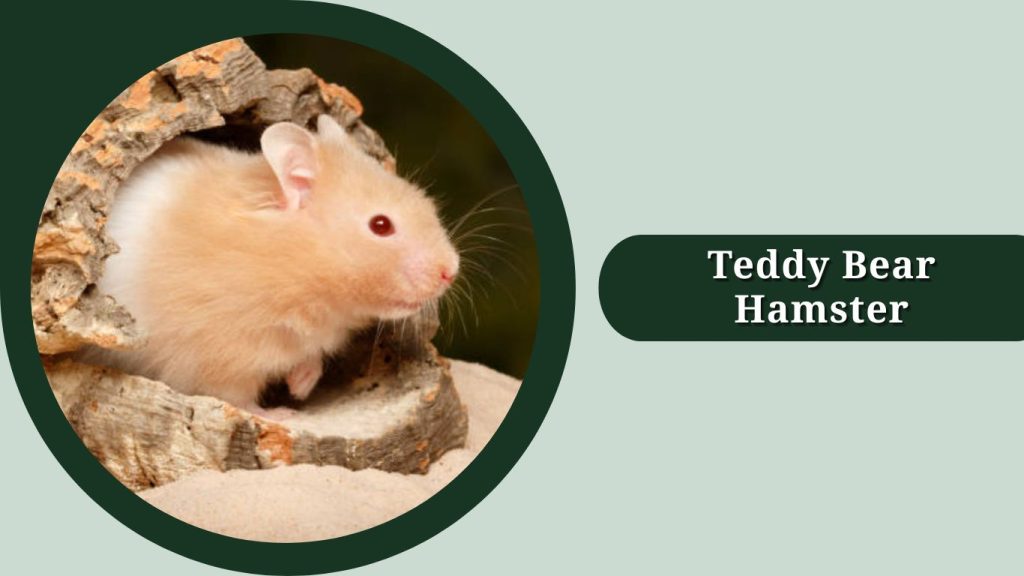
The Teddy Bear hamster is a popular long-haired variety of the Syrian hamster. It is loved for its fluffy coat, rounded body, and gentle-looking face. Although it is not a separate wild species, it is commonly listed as a hamster type because of its unique appearance and popularity among pet owners.
Identification
- Long, soft, fluffy fur
- Larger than dwarf hamster types
- Round body with a short hidden tail
- Small rounded ears and dark eyes
- Often has extra-long fur around the back and sides
- Can appear in cream, golden, white, brown, black, or mixed colors
- Usually lives alone and should not share a cage
Appearance
Teddy Bear hamsters are known for their thick, soft coats that make them look like tiny stuffed animals. Males often have longer fur than females, especially around the rear area. Their coat can come in many colors and patterns, but the fluffy texture is their most noticeable feature. Regular grooming may be needed to prevent bedding from sticking to the fur.
Personality
Teddy Bear hamsters are usually calm, curious, and enjoyable to watch. With gentle handling, they can become comfortable with people and may learn to accept being held. Like other Syrian hamsters, they are solitary and can become aggressive toward another hamster if housed together.
Habitat and Care
A Teddy Bear hamster needs a spacious cage, deep bedding, a hiding house, chew toys, and a large exercise wheel. Because of its long fur, soft paper bedding is often better than dusty or sharp bedding. Fresh water, quality hamster food, and occasional safe vegetables help keep it healthy.
4. Black Bear Hamster
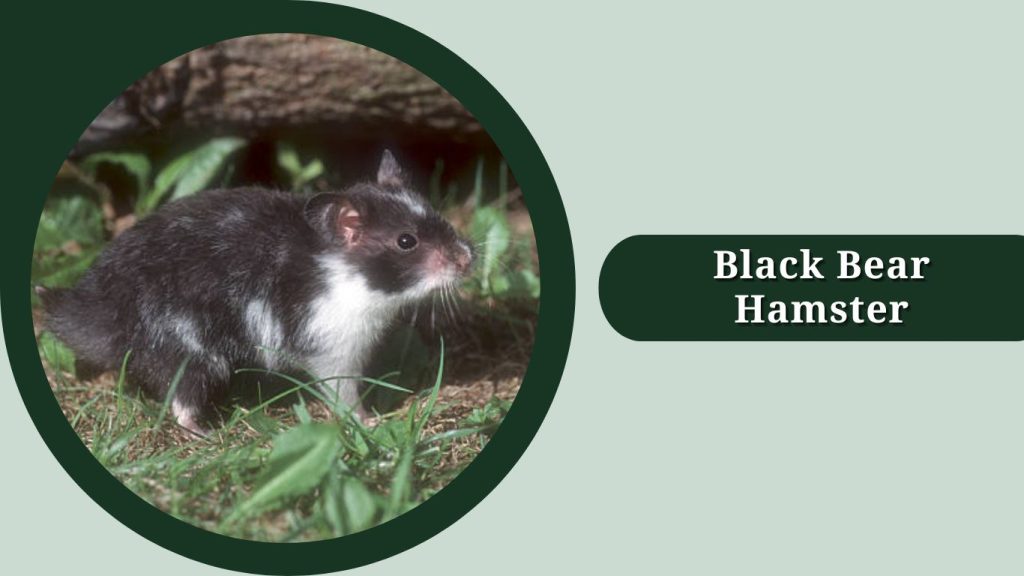
The Black Bear hamster is a color variety of the Syrian hamster, known for its dark black coat and rounded body. It is not a separate wild species, but many pet owners recognize it as a distinct hamster type because of its bold appearance. Its size, behavior, and care needs are very similar to other Syrian hamsters.
Identification
- Dark black or very deep brown-black fur
- Larger body than dwarf hamster species
- Round face with full cheek pouches
- Short tail that is hard to see
- Small rounded ears and shiny dark eyes
- Soft coat that may be short or slightly fluffy
- Solitary hamster that should be kept alone
Appearance
Black Bear hamsters usually have a rich black coat that makes them stand out from lighter-colored hamsters. Some may have small white markings on the chest, feet, or belly. Their body is compact and rounded, with short legs and a soft coat. Because of their dark fur, their eyes and ears may blend into their face, giving them a smooth, teddy-like look.
Personality
Black Bear hamsters are often calm, curious, and active during evening or nighttime hours. With regular gentle handling, they can become comfortable around people. However, their personality can vary from one hamster to another. Like all Syrian hamsters, they are territorial and should not be housed with another hamster after maturity.
Habitat and Care
A Black Bear hamster needs a spacious cage with deep bedding, a hiding house, chew toys, and a proper exercise wheel. It enjoys digging, climbing, and exploring its space. Fresh water should always be available, along with a balanced hamster diet. Regular cleaning helps keep its living area safe and healthy.
Sorry, understood — here are the next 2 with serial:
5. Winter White Dwarf Hamster
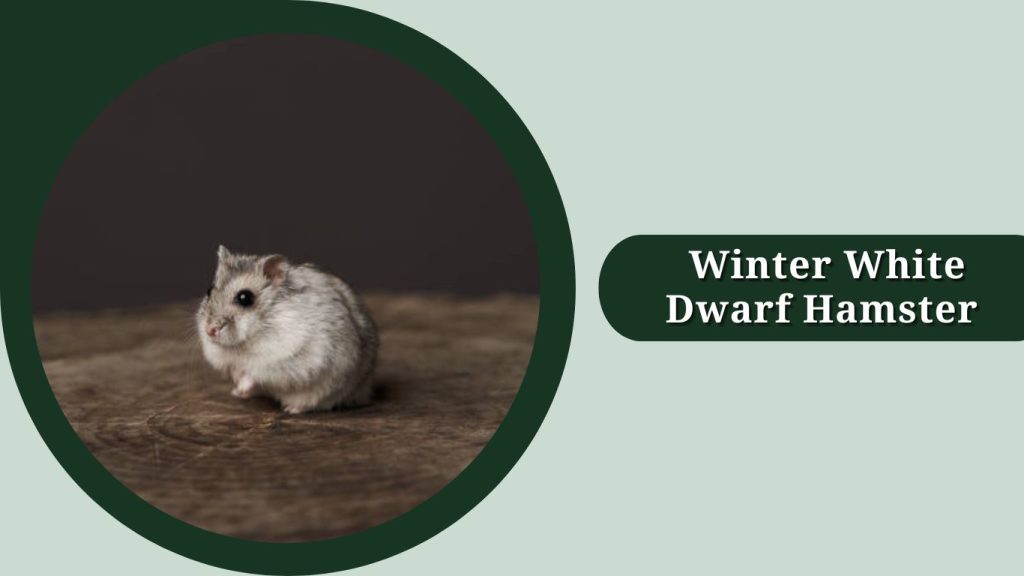
The Winter White Dwarf hamster is a small and charming hamster species known for its compact body and soft fur. It gets its name from its ability to turn lighter or almost white in colder seasons, especially in natural environments. This hamster is popular among pet owners because of its cute size, rounded shape, and active nature.
Identification
- Small dwarf hamster with a compact body
- Usually grows around 3 to 4 inches long
- Has a short tail hidden under the fur
- Rounded face with small ears
- Fur is usually gray, brownish-gray, or pearl white
- May turn lighter in winter-like conditions
- Has a dark stripe running down the back
Appearance
Winter White Dwarf hamsters have a soft, rounded body and short legs. Their natural coat is often grayish-brown with a darker line along the spine and a lighter belly. Some pet varieties may appear pearl, sapphire, or mostly white. Their small size and thick fur make them look especially round and fluffy.
Personality
Winter White Dwarf hamsters are usually active, curious, and quick-moving. They may become friendly with gentle handling, but they can be nervous if handled roughly. Some may tolerate living with another hamster of the same species, but fights can still happen, so careful monitoring is important.
Habitat and Care
A Winter White Dwarf hamster needs a secure cage with narrow bar spacing because it can escape through small gaps. It also needs deep bedding, a hideout, chew toys, and a dwarf-sized exercise wheel. Fresh water and a balanced hamster diet should always be provided.
6. Campbell’s Dwarf Hamster
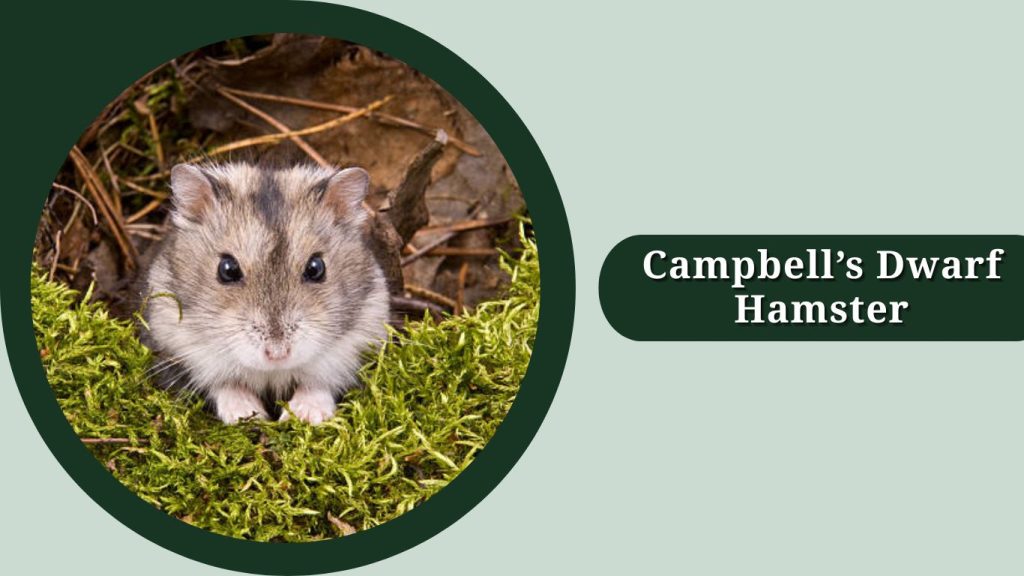
Campbell’s Dwarf hamster is a small hamster species that is often confused with the Winter White Dwarf hamster. It has a similar size and body shape, but its coat color, face shape, and markings can help with identification. This hamster is active, alert, and commonly kept as a pet by experienced owners.
Identification
- Small dwarf hamster with a short, rounded body
- Usually grows around 3 to 4 inches long
- Has a narrow dark stripe along the back
- Fur is often gray-brown with a lighter belly
- Face may look slightly pointed compared to Winter White hamsters
- Small rounded ears and dark eyes
- Can be quick, alert, and sometimes nippy
Appearance
Campbell’s Dwarf hamsters have soft fur, short legs, and a compact body. Their natural color is usually grayish-brown with a darker dorsal stripe. Pet Campbell’s hamsters may also come in colors such as black, white, blue, dove, or mottled patterns. Their body is small but sturdy, making them look neat and rounded.
Personality
Campbell’s Dwarf hamsters are energetic and curious. They enjoy exploring their cage, digging, and running on a wheel. Some can become friendly with patient handling, while others may remain shy or defensive. They are very fast, so they should be handled carefully in a safe space.
Habitat and Care
Campbell’s Dwarf hamsters need a safe cage with narrow gaps, soft bedding, a hiding house, chew toys, and an exercise wheel. They also need fresh water and a balanced diet. Because they are small and active, their cage should offer plenty of enrichment to prevent stress.
Here are the next 2 with serial:
7. Roborovski Dwarf Hamster
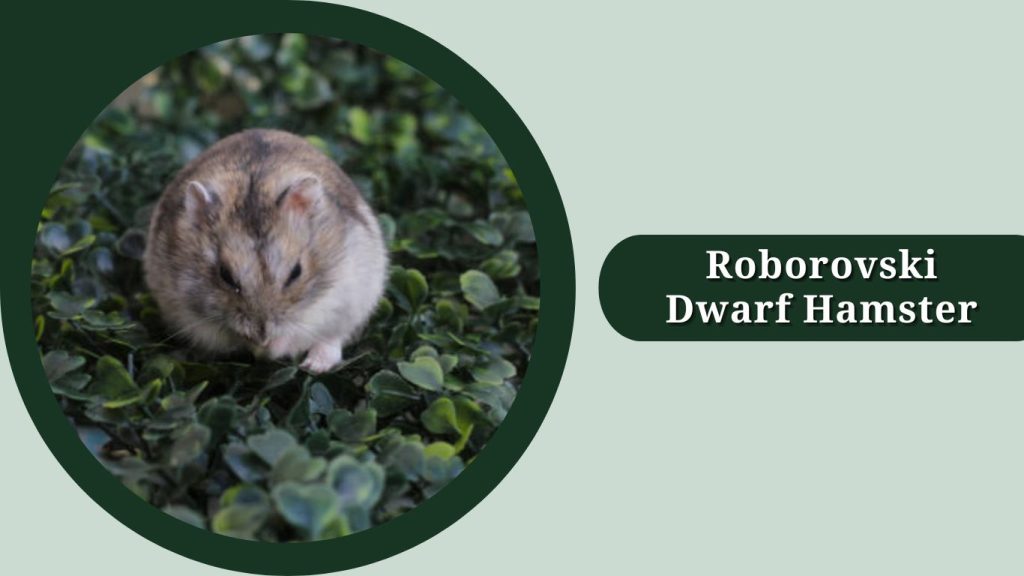
The Roborovski Dwarf hamster is one of the smallest and fastest hamster species kept as a pet. It is known for its tiny body, sandy-colored fur, and active personality. Because of its speed and small size, this hamster is often better for watching than frequent handling.
Identification
- Very small dwarf hamster species
- Usually grows around 2 to 3 inches long
- Sandy or light brown fur on the back
- White belly and white markings above the eyes
- No clear dark stripe along the back
- Short tail hidden under the fur
- Extremely fast and active
Appearance
Roborovski Dwarf hamsters have a tiny, rounded body with soft sandy-brown fur. Their white eyebrow-like markings are one of their most noticeable features. They also have a white underside, small ears, and bright dark eyes. Their small size makes them look delicate, but they are energetic and strong for their body size.
Personality
Roborovski hamsters are very active, quick, and curious. They enjoy running, digging, and exploring their cage, especially during the evening and night. They are usually not aggressive, but they can be difficult to hold because they move so fast. Many owners enjoy them more as display pets.
Habitat and Care
A Roborovski Dwarf hamster needs a secure cage with very narrow gaps to prevent escape. It should have deep bedding, hiding places, chew toys, sand bath, and a small exercise wheel. Fresh water and a balanced hamster diet should always be available.
8. Chinese Hamster
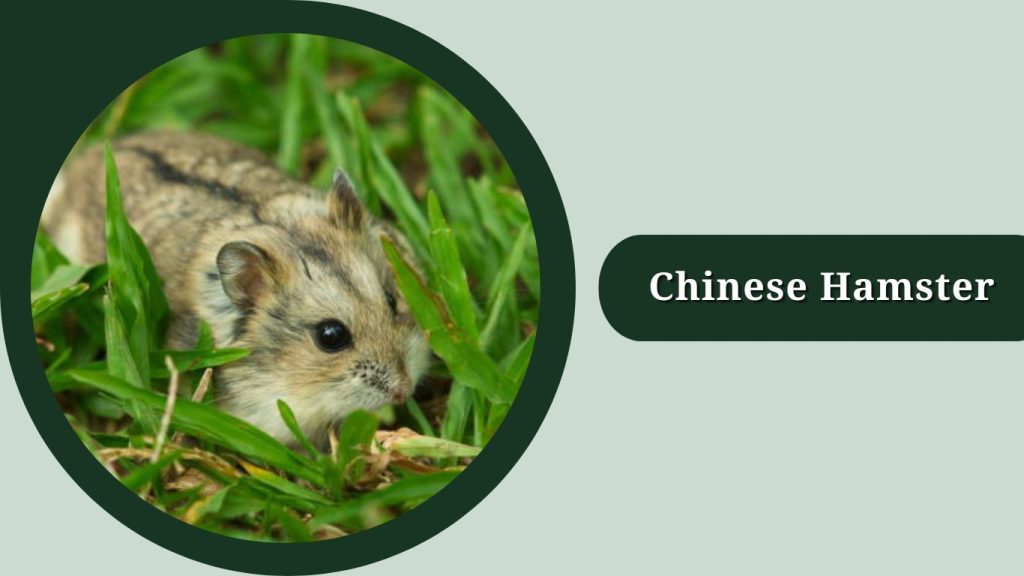
The Chinese hamster is a small hamster species with a slim body and a noticeably longer tail than most other hamsters. It has a mouse-like appearance, which makes it easy to identify. Although it is small, it is active, intelligent, and can become gentle with patient handling.
Identification
- Slim body compared to dwarf hamsters
- Usually grows around 3 to 5 inches long
- Longer visible tail than most hamster species
- Brownish-gray fur with a dark stripe on the back
- Lighter cream or white belly
- Small rounded ears and dark eyes
- Mouse-like body shape
Appearance
Chinese hamsters have a long, narrow body that looks different from the round shape of many other hamsters. Their natural coat is usually brownish-gray with a dark dorsal stripe running from the head to the tail area. The belly is lighter in color. Their longer tail is one of the clearest features that separates them from other pet hamsters.
Personality
Chinese hamsters are usually alert, curious, and good climbers. They can be shy at first, but with gentle handling, some become calm and comfortable with people. They are fast and may jump suddenly, so they should be handled close to a safe surface. Many are best kept alone.
Habitat and Care
A Chinese hamster needs a secure cage with narrow spacing because it can squeeze through small openings. It also needs soft bedding, a hiding house, chew toys, climbing items, and an exercise wheel. A balanced diet, fresh water, and regular cleaning help keep it healthy.
Here are the next 2 with serial:
9. European Hamster
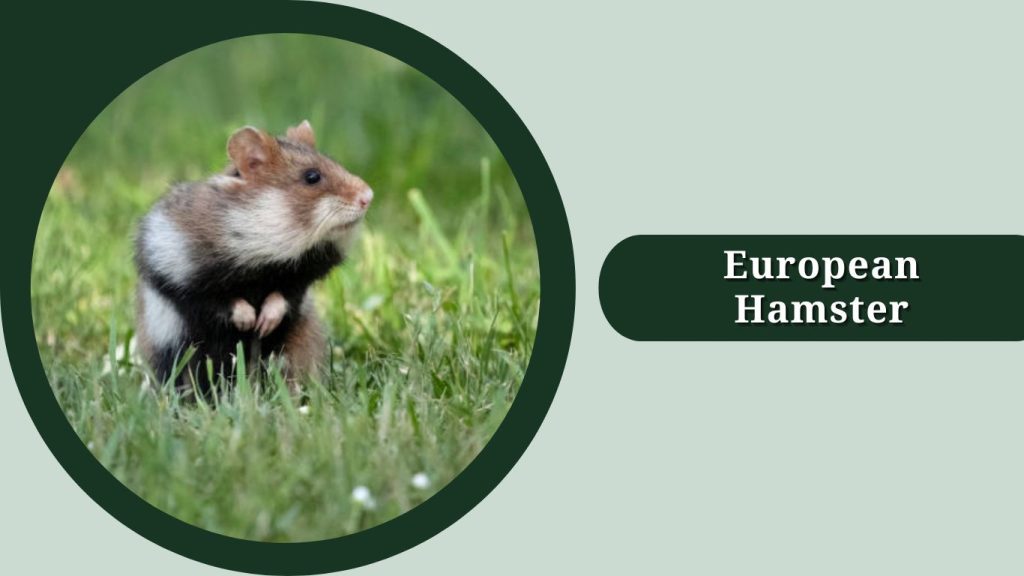
The European hamster is a large wild hamster species known for its colorful markings and strong body. It is much bigger than common pet dwarf hamsters and has a bold appearance. This hamster is mostly found in grasslands, farmlands, and open habitats, where it digs deep burrows for shelter and food storage.
Identification
- Large hamster species compared to pet hamsters
- Usually has a stocky, strong body
- Brownish back with black belly markings
- White patches on the face, sides, or legs
- Short tail and small rounded ears
- Powerful claws for digging burrows
- Mostly known as a wild hamster, not a common pet
Appearance
European hamsters have a striking coat pattern that makes them easier to recognize than many other wild hamsters. Their upper body is usually brown or reddish-brown, while the belly can appear dark or black. White or cream patches may appear around the face, shoulders, and feet. Their body is thick, muscular, and built for digging.
Personality
European hamsters are active, independent, and strongly territorial. In the wild, they spend much of their time searching for seeds, grains, roots, and insects. They are not usually handled like pet hamsters and may defend themselves if threatened. Their behavior is shaped by survival in open natural habitats.
Habitat and Care
European hamsters live in underground burrows that may include nesting areas, food chambers, and escape tunnels. They prefer open fields, grasslands, and agricultural areas. Since they are wild animals, they are not suitable for normal home care like Syrian or dwarf hamsters.
10. Turkish Hamster
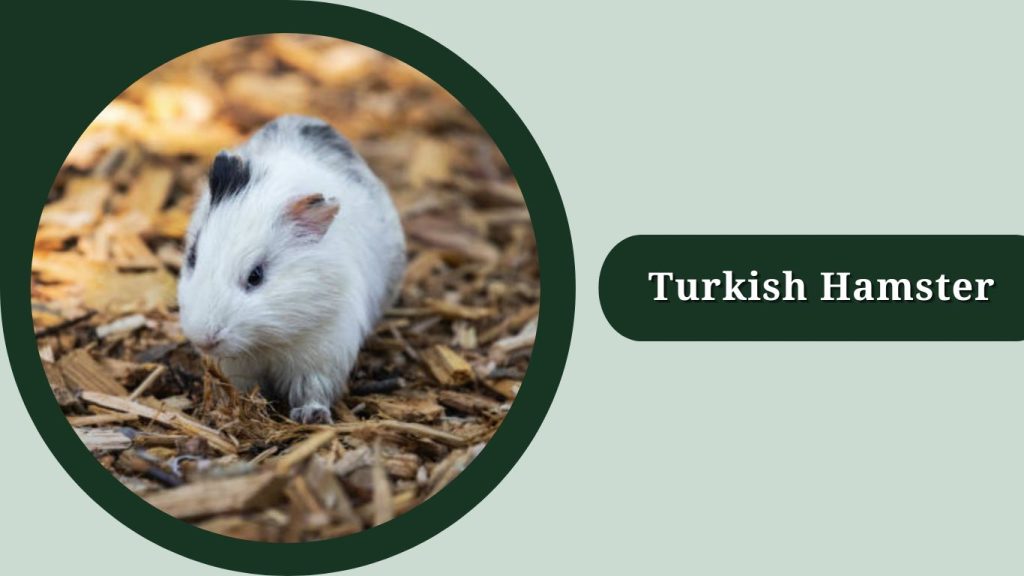
The Turkish hamster is a wild hamster species found in parts of Turkey and nearby regions. It looks similar to some other wild hamsters but can be identified by its sturdy body, short tail, and natural brownish coat. This species is not commonly kept as a household pet and is better known from wild habitats.
Identification
- Medium-sized wild hamster species
- Brownish or grayish-brown fur on the back
- Lighter fur on the underside
- Short tail that is not very noticeable
- Rounded ears and dark eyes
- Strong body suited for digging
- Usually found in dry grasslands and open areas
Appearance
Turkish hamsters have a compact body with soft fur that blends well with dry natural surroundings. Their back is usually brown, gray-brown, or sandy in color, while the belly is lighter. They have short legs, small ears, and a rounded face. Their natural coloring helps protect them from predators in open habitats.
Personality
Turkish hamsters are mainly wild, cautious, and independent. They are active during cooler parts of the day or night and spend time digging, searching for food, and hiding from danger. Unlike common pet hamsters, they are not usually bred for handling and may be nervous around humans.
Habitat and Care
Turkish hamsters live in burrows in dry grasslands, steppe areas, and farmland edges. Their burrows help them stay safe from predators and extreme weather. Because they are wild animals, they are not recommended for typical pet care. They are best understood as part of their natural ecosystem.
Here are the next 2 with serial:
11. Romanian Hamster
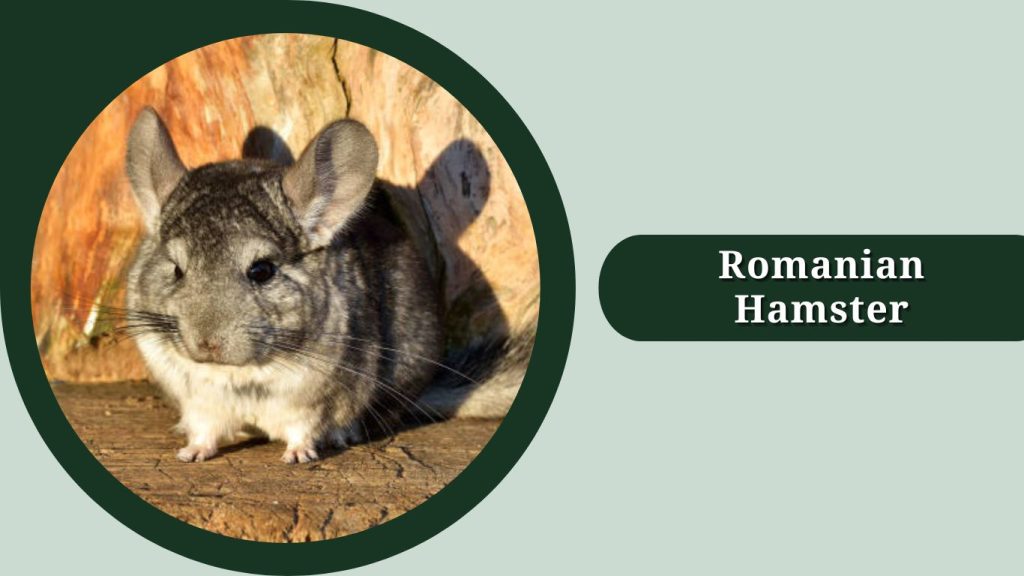
The Romanian hamster is a wild hamster species found in parts of southeastern Europe. It has a compact body, soft fur, and natural coloring that helps it blend into dry grasslands and farmland. This hamster is not commonly kept as a pet and is mostly known as a wild species.
Identification
- Medium-sized wild hamster species
- Brownish or grayish-brown fur on the back
- Lighter fur on the belly
- Short tail that is hard to notice
- Small rounded ears and dark eyes
- Compact body with strong digging ability
- Mostly found in grasslands, fields, and farmland areas
Appearance
Romanian hamsters have a sturdy body covered with soft, earth-toned fur. Their back is usually brown or gray-brown, while the underside is lighter. This natural color pattern helps them hide from predators in open habitats. They have short legs, a rounded face, and small ears, giving them a typical wild hamster appearance.
Personality
Romanian hamsters are cautious, active, and independent. They spend much of their time digging burrows, collecting food, and avoiding predators. Since they are wild animals, they are not usually handled by people. They may become defensive if disturbed or threatened.
Habitat and Care
Romanian hamsters live in underground burrows in open fields, grasslands, and agricultural land. Their burrows provide shelter, nesting space, and food storage. Because they are wild hamsters, they are not suitable for normal home care and should be understood in their natural environment.
12. Ciscaucasian Hamster
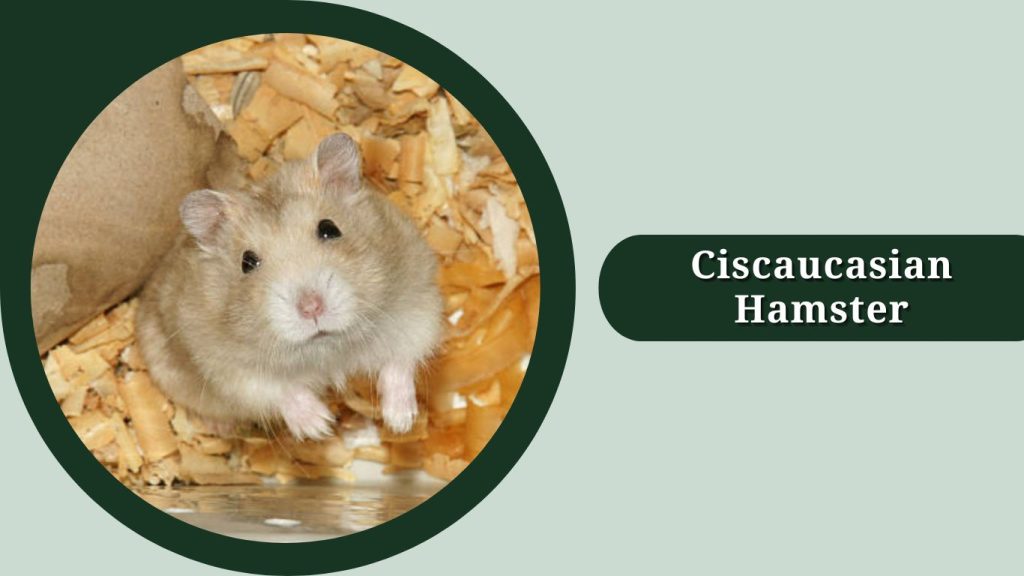
The Ciscaucasian hamster is a wild hamster species found around the northern Caucasus region and nearby areas. It is known for its strong body, short tail, and natural brownish coat. Like many wild hamsters, it lives in burrows and is not commonly kept as a household pet.
Identification
- Medium to large wild hamster species
- Brown or gray-brown fur on the upper body
- Lighter coloring on the underside
- Short tail hidden under the fur
- Small rounded ears and dark eyes
- Strong claws for digging burrows
- Usually found in open fields, steppe, and grassland habitats
Appearance
Ciscaucasian hamsters have a compact and powerful body built for digging. Their fur is usually brownish or grayish on the back, helping them blend with soil and dry vegetation. The belly is lighter, and the tail is short. Their rounded face, small ears, and sturdy frame make them similar to other wild hamster species.
Personality
Ciscaucasian hamsters are mainly solitary and cautious. They are active when searching for seeds, grains, roots, and other natural foods. In the wild, they depend on burrows for safety and may defend themselves if threatened. They are not usually social with humans or other hamsters.
Habitat and Care
Ciscaucasian hamsters live in dry open habitats such as steppes, grasslands, and farmland edges. They dig underground burrows for resting, nesting, and food storage. Since they are wild animals, they are not recommended for pet keeping and are best observed through wildlife study.
Here are the next 2 with serial:
13. Armenian Hamster
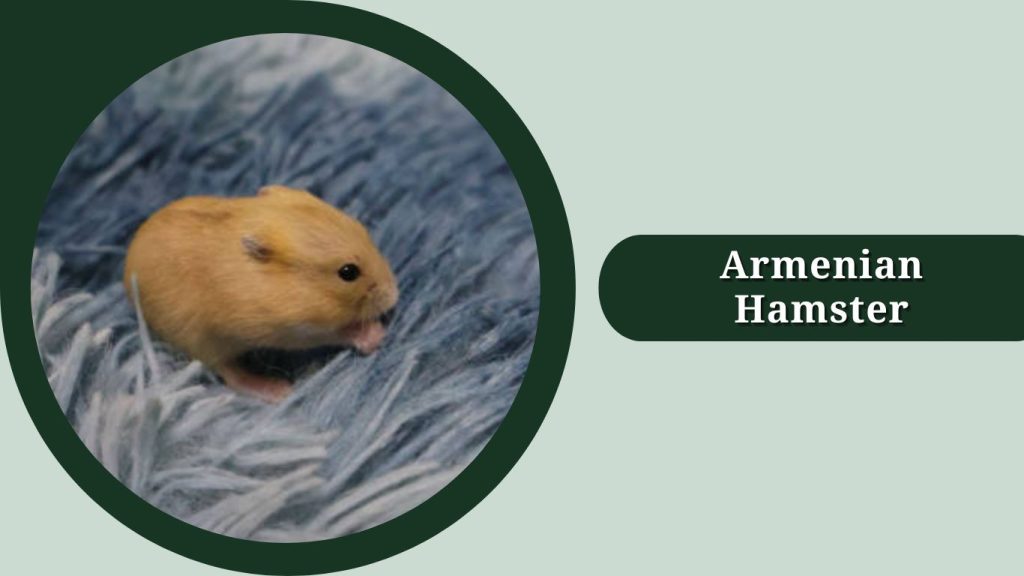
The Armenian hamster is a wild hamster species found in parts of Armenia and nearby regions. It has a compact body, short tail, and natural earth-toned fur that helps it blend into dry landscapes. This hamster is not a common household pet and is mostly known from wild steppe and grassland habitats.
Identification
- Medium-sized wild hamster species
- Brownish or gray-brown fur on the back
- Lighter fur on the underside
- Short tail that is difficult to see
- Rounded face with small ears
- Strong claws for digging underground burrows
- Usually found in dry grasslands, steppes, and open fields
Appearance
Armenian hamsters have a sturdy body with soft fur suited for natural environments. Their upper coat is usually brown, sandy, or grayish-brown, while the belly is paler. This coloring helps them stay hidden from predators. Their short legs, small ears, and rounded body give them the typical look of a wild hamster.
Personality
Armenian hamsters are cautious, solitary, and active when searching for food. They spend much of their time digging, hiding, and collecting seeds or plant material. Since they are wild animals, they are not used to regular handling. They may become defensive if disturbed in their natural habitat.
Habitat and Care
Armenian hamsters live in underground burrows in dry open areas. These burrows help protect them from predators, heat, cold, and harsh weather. Because they are wild hamsters, they are not recommended for normal pet care and are best understood as part of their natural ecosystem.
14. Mongolian Hamster
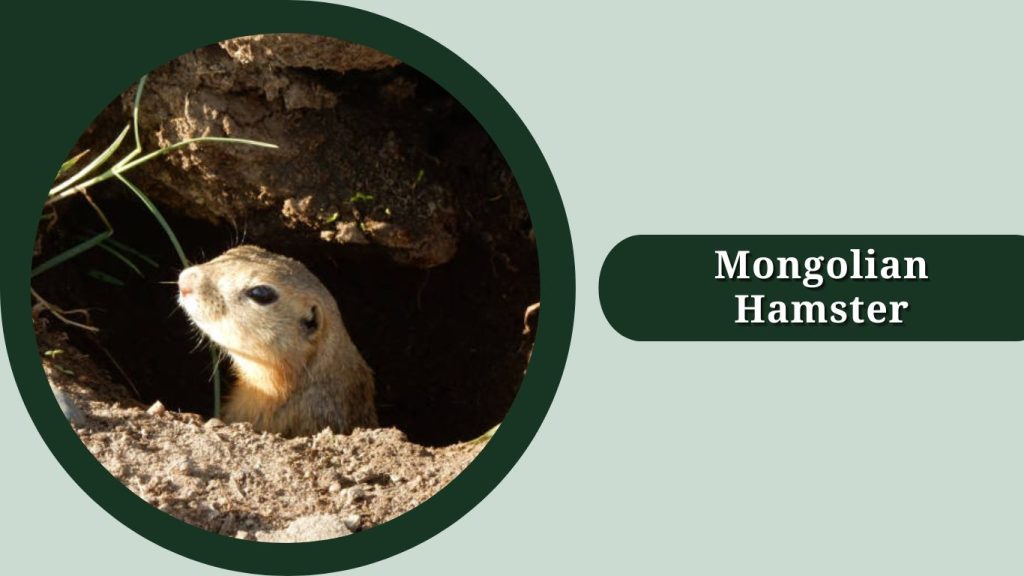
The Mongolian hamster is a small wild hamster species found in parts of Mongolia and nearby regions of Central Asia. It is known for its sandy or grayish coat, small body, and ability to live in dry environments. This hamster is not commonly kept as a pet and is mostly associated with wild desert and steppe habitats.
Identification
- Small wild hamster species
- Sandy, grayish, or pale brown fur
- Lighter belly compared to the back
- Short tail hidden under the fur
- Small rounded ears and dark eyes
- Compact body suited for dry habitats
- Usually found in deserts, steppes, and semi-arid areas
Appearance
Mongolian hamsters have a small, rounded body covered with soft fur that blends into sandy soil and dry grass. Their coat is usually pale brown, grayish, or sandy, which helps them avoid predators. The underside is lighter, and the tail is short. Their overall appearance is simple but well adapted to harsh environments.
Personality
Mongolian hamsters are alert, cautious, and independent. In the wild, they search for seeds, grasses, roots, and other small food sources. They spend much of their time near burrows and avoid open exposure when predators are nearby. They are not usually handled like domestic pet hamsters.
Habitat and Care
Mongolian hamsters live in dry steppes, desert edges, and semi-arid landscapes. They use burrows for resting, nesting, and storing food. Since they are wild animals, they are not suitable for typical home care. Their needs are best met in natural habitats where they can dig and forage freely.
Here are the next 2 with serial:
15. Gansu Hamster
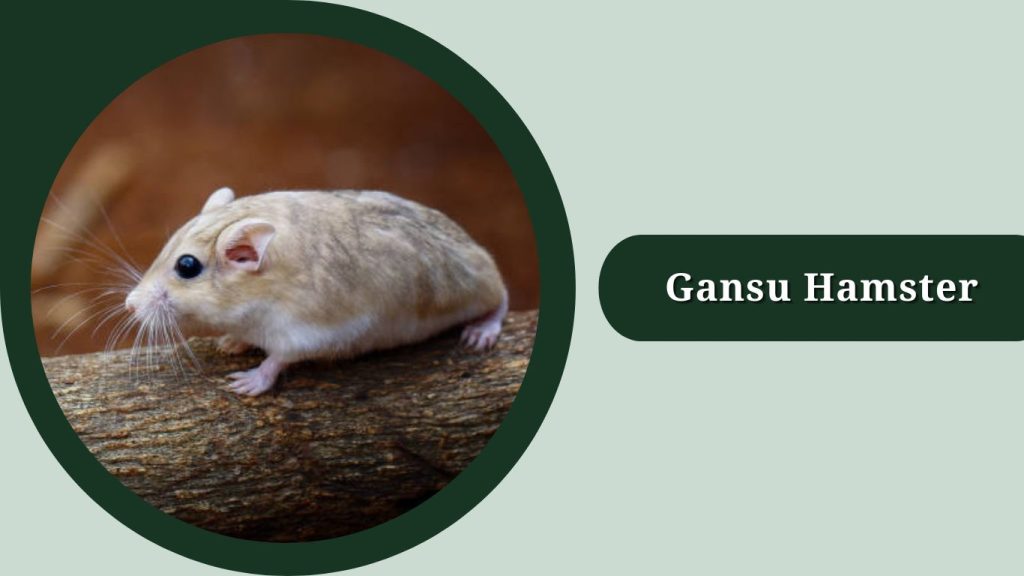
The Gansu hamster is a small wild hamster species found in parts of China, especially around the Gansu region. It has a compact body, soft fur, and natural coloring that helps it blend into dry grasslands and rocky areas. This hamster is not commonly kept as a pet and is mostly known from its wild habitat.
Identification
- Small wild hamster species
- Brownish, grayish, or sandy fur on the back
- Lighter fur on the belly
- Short tail that is hard to notice
- Small rounded ears and dark eyes
- Compact body with a natural wild appearance
- Usually found in dry grasslands, rocky areas, and open habitats
Appearance
Gansu hamsters have a small, rounded body covered with soft earth-toned fur. Their upper coat is usually brown, gray-brown, or sandy, while the underside is paler. This coloring helps them stay hidden in dry natural surroundings. Their short legs, small ears, and tiny tail give them a typical dwarf-like wild hamster look.
Personality
Gansu hamsters are cautious, active, and independent. In the wild, they spend time searching for seeds, grasses, roots, and other small food sources. They are not used to human handling and may hide quickly when threatened. Their behavior is mainly shaped by survival in open habitats.
Habitat and Care
Gansu hamsters live in natural burrows or sheltered areas in dry grasslands and rocky landscapes. These shelters protect them from predators and changing weather. Since they are wild hamsters, they are not suitable for regular home care and are best understood as part of their natural environment.
16. Greater Long-Tailed Hamster
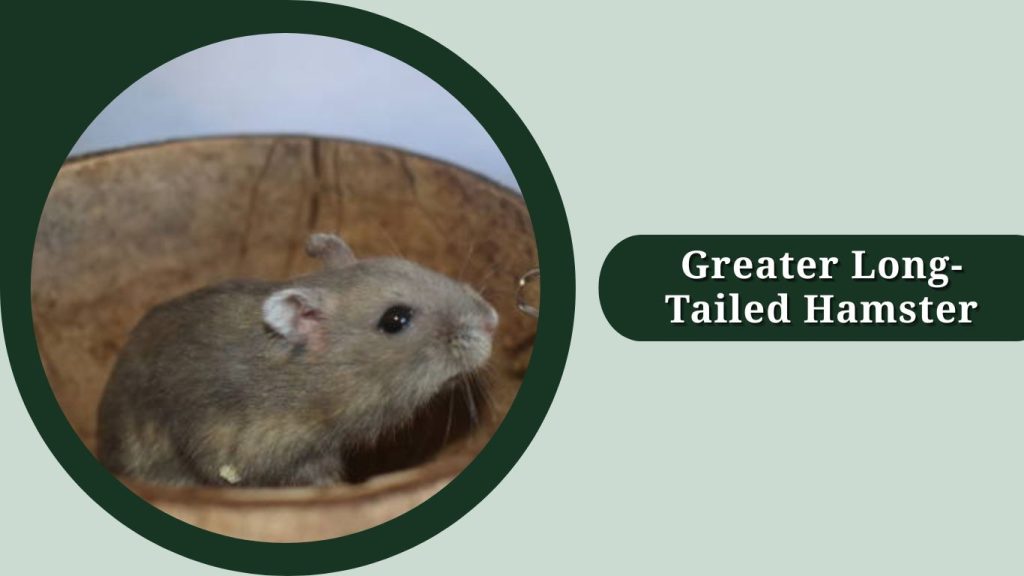
The Greater Long-Tailed hamster is a wild hamster species known for its longer tail and slim body shape. It is different from many round-bodied hamsters because of its more mouse-like appearance. This species is mainly found in parts of northern Asia and is not commonly kept as a household pet.
Identification
- Small to medium-sized wild hamster
- Longer tail than many common hamster species
- Slim body compared to Syrian or dwarf hamsters
- Brownish-gray fur on the upper body
- Lighter fur on the underside
- Small rounded ears and dark eyes
- Often found in rocky, grassy, or open habitats
Appearance
Greater Long-Tailed hamsters have a slender body with soft brownish or grayish fur. Their longer tail is one of the most important features for identification. The back is usually darker than the belly, helping them blend with natural ground cover. Their body shape may look slightly more like a mouse than a typical pet hamster.
Personality
Greater Long-Tailed hamsters are alert, quick, and independent. They are active when searching for seeds, plants, and other natural foods. Because they are wild animals, they usually avoid humans and depend on speed, hiding places, and natural shelters for protection. They are not commonly handled or domesticated.
Habitat and Care
Greater Long-Tailed hamsters live in open grasslands, rocky areas, and dry natural habitats. They use burrows, cracks, or sheltered spaces for nesting and safety. Since they are wild hamsters, they are not recommended for pet keeping and are best studied in their natural environment.
Here are the next 2 with serial:
17. Lesser Long-Tailed Hamster
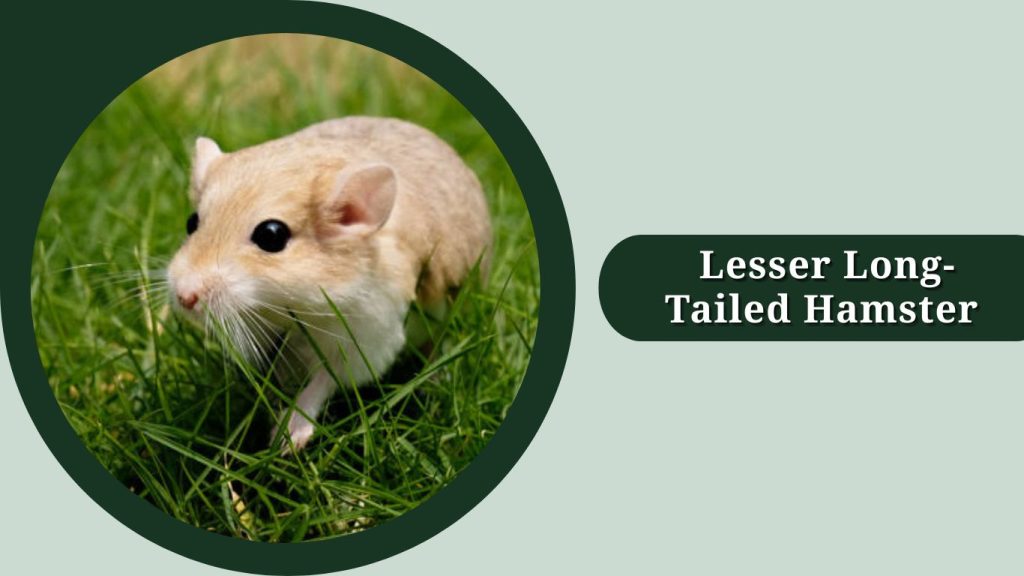
The Lesser Long-Tailed hamster is a small wild hamster species known for its slim body and noticeable tail. It is smaller than the Greater Long-Tailed hamster and has a more delicate appearance. This hamster is mostly found in natural habitats and is not commonly kept as a household pet.
Identification
- Small wild hamster species
- Slim body with a longer visible tail
- Brownish-gray or sandy fur on the back
- Lighter fur on the belly
- Small rounded ears and dark eyes
- Quick-moving and alert behavior
- Usually found in rocky, grassy, or dry open areas
Appearance
Lesser Long-Tailed hamsters have a narrow body shape that makes them look different from rounder pet hamsters. Their fur is usually gray-brown or sandy, helping them blend into dry soil, rocks, and grass. The belly is lighter, and the tail is longer than what is seen in many common hamster types.
Personality
Lesser Long-Tailed hamsters are cautious, fast, and independent. In the wild, they spend time searching for seeds, grasses, and small plant materials. They usually avoid humans and rely on hiding places, burrows, or rocky shelters for safety. Their behavior is mainly shaped by survival in natural environments.
Habitat and Care
Lesser Long-Tailed hamsters live in open grasslands, rocky slopes, and dry habitats. They use burrows or sheltered spaces for nesting and protection from predators. Since they are wild animals, they are not suitable for normal pet care and are best understood in their natural range.
18. Grey Dwarf Hamster
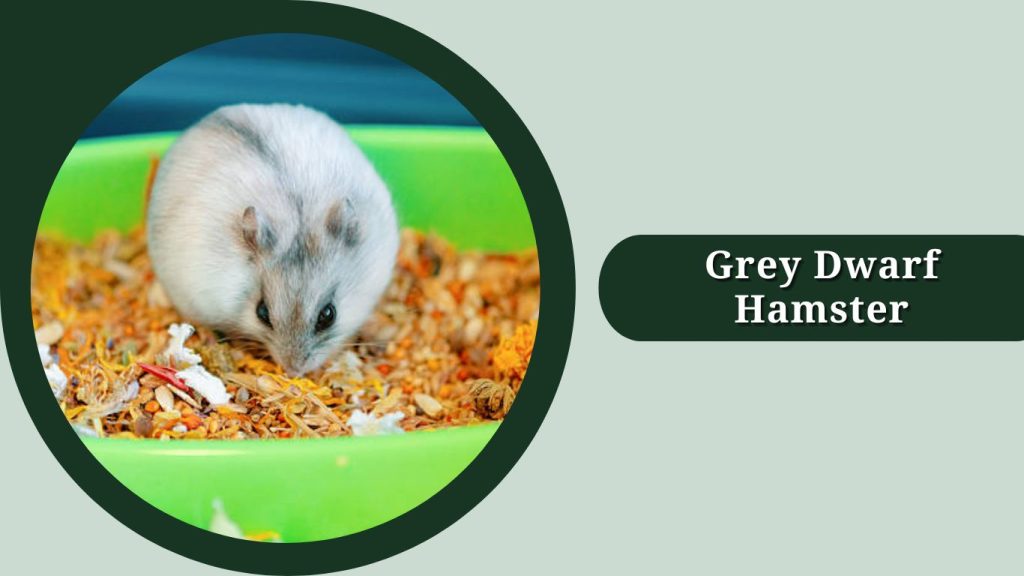
The Grey Dwarf hamster is a small wild hamster species with soft grayish fur and a compact body. It is found across parts of Eastern Europe and Asia, often in dry grasslands, fields, and semi-arid areas. This hamster is not a common pet, but it is easy to recognize by its small size and muted coat color.
Identification
- Small dwarf hamster species
- Gray, gray-brown, or sandy-gray fur
- Lighter underside than the back
- Short tail that is hard to see
- Small rounded ears and dark eyes
- Compact body with short legs
- Often found in grasslands, farmland, and dry open habitats
Appearance
Grey Dwarf hamsters have a neat, rounded body covered with soft gray or gray-brown fur. Their natural coloring helps them stay hidden from predators in soil, grass, and dry vegetation. The underside is usually paler than the back. Their small ears, short legs, and hidden tail give them a typical dwarf hamster appearance.
Personality
Grey Dwarf hamsters are alert, cautious, and mostly solitary. They search for seeds, grains, grasses, and other natural foods. Because they are wild animals, they are not used to regular handling and may hide quickly if disturbed. They are more suited to life in natural habitats than in home cages.
Habitat and Care
Grey Dwarf hamsters live in burrows in grasslands, fields, and dry open areas. These burrows provide shelter, nesting space, and food storage. Since they are wild hamsters, they are not recommended for typical pet keeping and should be understood as part of their natural ecosystem.
Here are the next 2 with serial:
19. Tibetan Dwarf Hamster
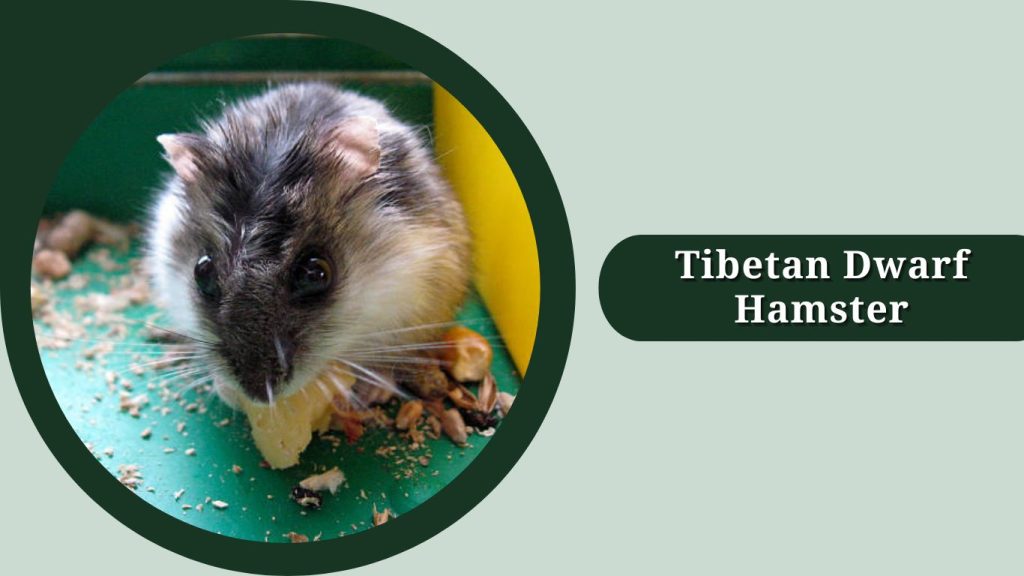
The Tibetan Dwarf hamster is a small wild hamster species found in parts of the Tibetan Plateau and nearby regions. It is adapted to cooler, high-altitude environments and has a compact body with soft fur. This hamster is not commonly kept as a pet and is mostly known from wild mountain and grassland habitats.
Identification
- Small dwarf hamster species
- Compact body with short legs
- Brownish-gray or sandy-gray fur
- Lighter fur on the underside
- Short tail that is difficult to notice
- Small rounded ears and dark eyes
- Usually found in high-altitude grasslands and rocky areas
Appearance
Tibetan Dwarf hamsters have a small, rounded body covered with soft fur that helps protect them in cooler environments. Their back is usually gray-brown or sandy, while the belly is lighter. This natural coloring allows them to blend with dry grass, soil, and rocky ground. Their short tail and tiny ears give them a neat dwarf hamster look.
Personality
Tibetan Dwarf hamsters are cautious, quick, and independent. In the wild, they search for seeds, grasses, roots, and small plant materials. They are not used to human handling and usually avoid open danger by hiding in burrows or sheltered spaces. Their behavior is mainly shaped by life in natural highland habitats.
Habitat and Care
Tibetan Dwarf hamsters live in grasslands, rocky slopes, and open areas at higher elevations. They use burrows for nesting, resting, and protection from predators or harsh weather. Since they are wild hamsters, they are not suitable for typical home care and are best understood in their natural environment.
20. Sokolov’s Dwarf Hamster
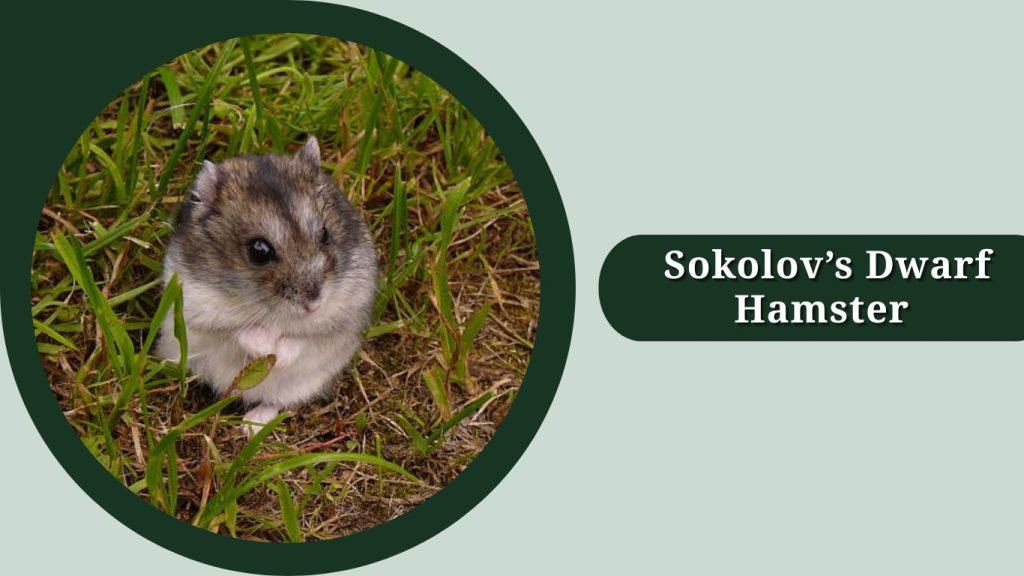
Sokolov’s Dwarf hamster is a small wild hamster species found in parts of Mongolia and northern China. It has a compact body, soft sandy-gray fur, and a short tail. This hamster is not commonly kept as a pet and is mainly recognized as a wild species adapted to dry steppe and desert-edge habitats.
Identification
- Small dwarf hamster species
- Sandy-gray or pale brown fur on the back
- Lighter fur on the belly
- Short tail mostly hidden by fur
- Small rounded ears and dark eyes
- Compact body with quick movement
- Usually found in dry steppes, deserts, and semi-arid areas
Appearance
Sokolov’s Dwarf hamsters have a small, rounded body with soft fur that blends well with sandy soil and dry vegetation. Their upper coat is usually pale brown, gray, or sandy-gray, while the underside is lighter. Their small ears, short legs, and hidden tail give them a classic dwarf hamster shape.
Personality
Sokolov’s Dwarf hamsters are alert, shy, and independent. They spend much of their time foraging for seeds, grasses, and other natural foods. Like many wild hamsters, they avoid humans and depend on hiding, digging, and quick movement for protection. They are not usually bred or handled as pets.
Habitat and Care
Sokolov’s Dwarf hamsters live in dry open areas such as steppes, desert edges, and semi-arid grasslands. They use burrows and natural shelters for nesting and safety. Because they are wild animals, they are not recommended for normal pet keeping and are best observed through wildlife study.
Here are the next 2 with serial:
21. Striped Dwarf Hamster
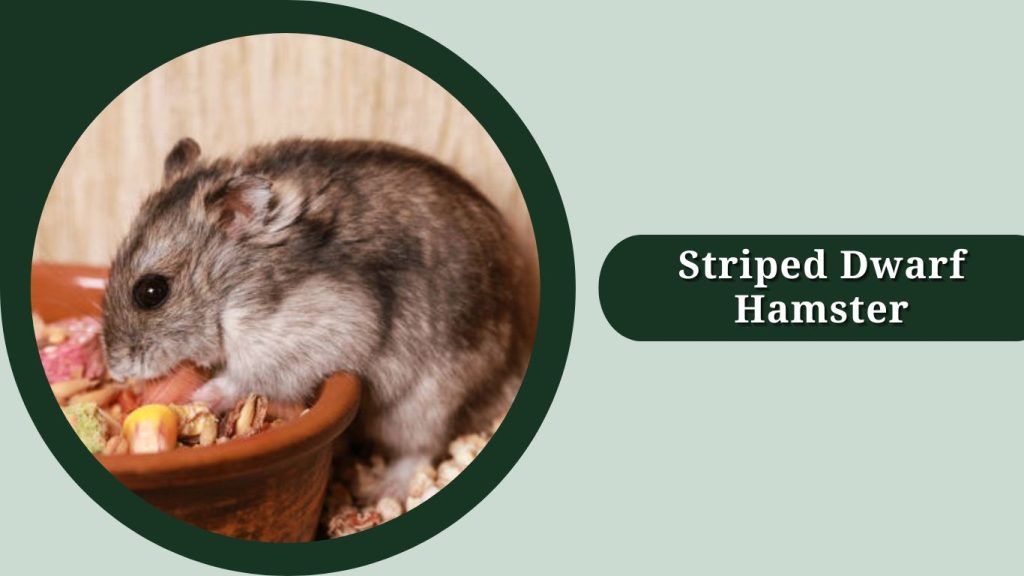
The Striped Dwarf hamster is a small wild hamster known for the dark stripe that runs along its back. It has a compact body, soft fur, and natural coloring that helps it blend into grasslands and dry open areas. This hamster is not commonly kept as a pet and is mostly known from wild habitats.
Identification
- Small dwarf hamster species
- Dark stripe running along the back
- Brownish-gray or sandy fur on the upper body
- Lighter fur on the belly
- Short tail hidden under the fur
- Small rounded ears and dark eyes
- Usually found in grasslands, fields, and dry open areas
Appearance
Striped Dwarf hamsters have a small, rounded body with soft fur. Their back is usually gray-brown, sandy, or brownish, while the underside is lighter. The dark stripe on the back is the most important feature for identification. Their tiny ears, short legs, and compact shape give them a typical dwarf hamster appearance.
Personality
Striped Dwarf hamsters are cautious, quick, and independent. In the wild, they spend time searching for seeds, grasses, roots, and other natural foods. They usually avoid humans and hide when they feel threatened. Their behavior is shaped by survival in open natural environments.
Habitat and Care
Striped Dwarf hamsters live in burrows in grasslands, farmland edges, and dry open habitats. Their burrows provide shelter, nesting space, and food storage. Since they are wild hamsters, they are not suitable for normal pet keeping and are best understood in their natural environment.
22. Eversmann’s Hamster
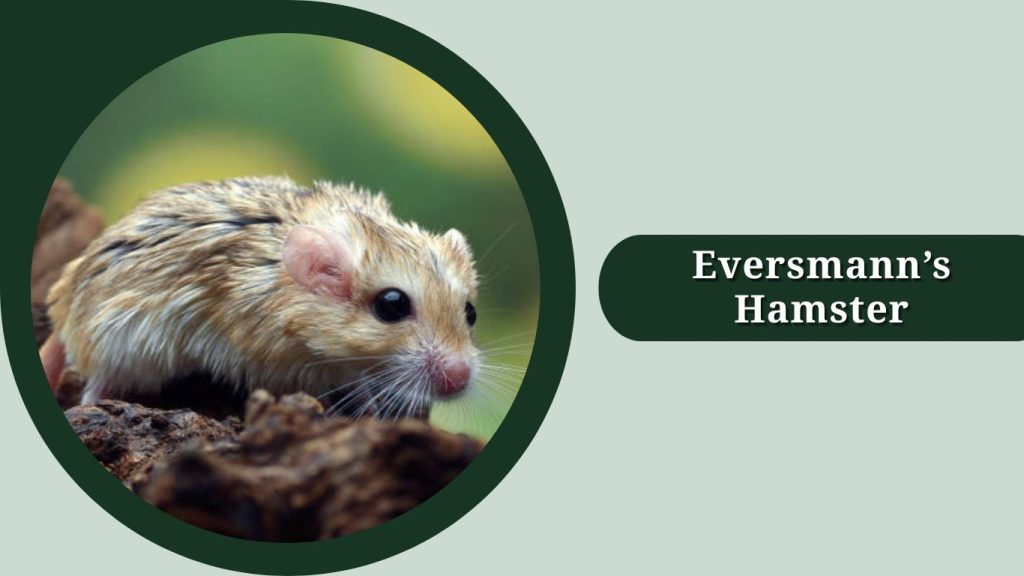
Eversmann’s hamster is a wild hamster species found in parts of Central Asia and nearby regions. It has a compact body, short tail, and soft natural-colored fur. This hamster is not commonly kept as a household pet and is mostly recognized as a wild species that lives in open grasslands and steppe habitats.
Identification
- Small to medium-sized wild hamster
- Brownish, grayish, or sandy fur on the back
- Lighter fur on the underside
- Short tail that is not easy to see
- Small rounded ears and dark eyes
- Compact body with strong digging ability
- Usually found in steppes, grasslands, and semi-dry areas
Appearance
Eversmann’s hamsters have a sturdy body covered with soft fur that blends well with soil, grass, and dry vegetation. Their upper coat is usually brown, gray-brown, or sandy, while the belly is lighter. Their rounded face, small ears, and short legs give them a typical wild hamster look.
Personality
Eversmann’s hamsters are alert, solitary, and cautious. They search for seeds, grasses, and other small natural foods in the wild. They are not used to regular human handling and may hide or defend themselves if disturbed. Their behavior is mainly suited to survival in open habitats.
Habitat and Care
Eversmann’s hamsters live in burrows across steppes, grasslands, and dry open areas. These burrows help protect them from predators and harsh weather. Because they are wild animals, they are not recommended for normal pet care and are best studied in their natural ecosystem.
Here are the next 2 with serial:
23. Kam Dwarf Hamster
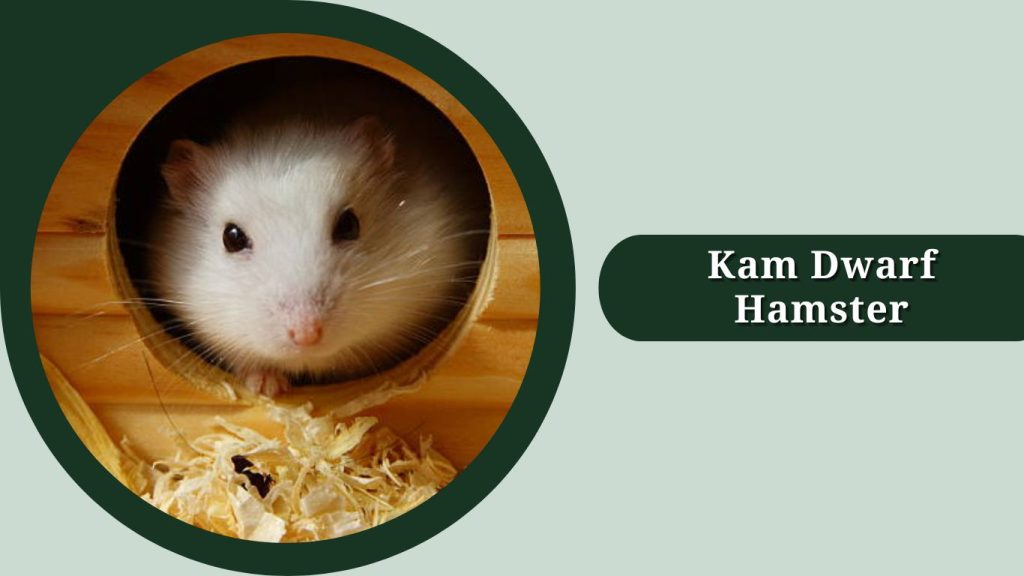
The Kam Dwarf hamster is a small wild hamster species found in parts of western China and nearby highland regions. It has a compact body, soft fur, and natural coloring suited to rocky grasslands and mountain areas. This hamster is not commonly kept as a pet and is mostly known from wild environments.
Identification
- Small dwarf hamster species
- Brownish-gray or sandy-gray fur
- Lighter fur on the underside
- Short tail that is hard to see
- Small rounded ears and dark eyes
- Compact body with quick movement
- Usually found in rocky grasslands and highland habitats
Appearance
Kam Dwarf hamsters have a small, rounded body covered with soft fur. Their back is usually gray-brown, sandy, or pale brown, while the belly is lighter. Their natural coat helps them blend into rocky ground, dry grass, and soil. Their small ears and short tail give them a neat dwarf hamster appearance.
Personality
Kam Dwarf hamsters are cautious, alert, and independent. In the wild, they search for seeds, grasses, roots, and small plant materials. They usually avoid humans and hide quickly when threatened. Their behavior is shaped by survival in open highland areas.
Habitat and Care
Kam Dwarf hamsters live in rocky grasslands, mountain slopes, and dry open habitats. They use burrows or natural shelters for nesting and protection. Since they are wild animals, they are not recommended for normal pet keeping and are best understood in their natural environment.
24. Chinese Striped Hamster
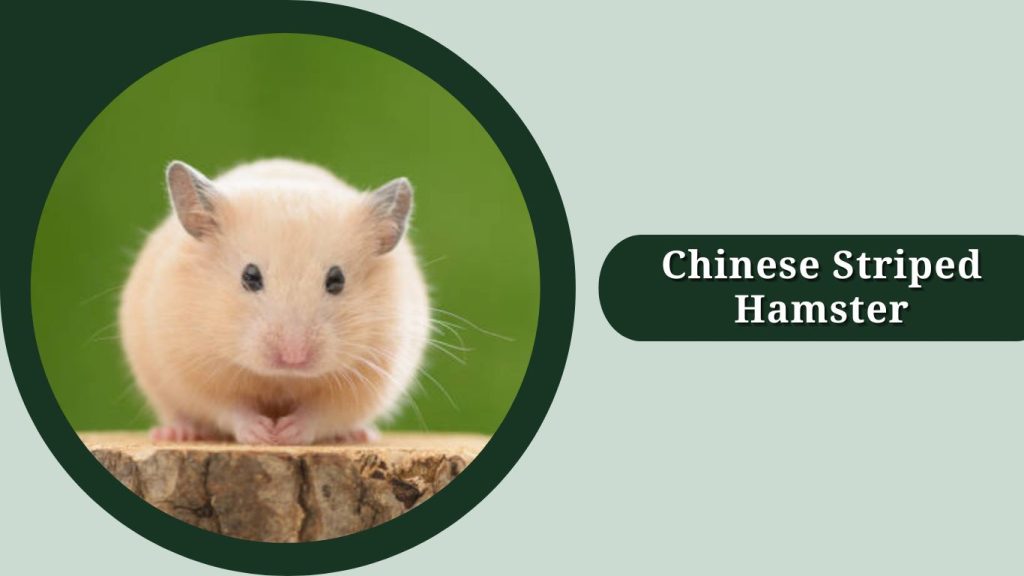
The Chinese Striped hamster is a small wild hamster known for its slim body and dark stripe along the back. It is different from the common Chinese hamster but shares a similar narrow shape and natural coloring. This hamster is mostly found in wild habitats and is not commonly kept as a household pet.
Identification
- Small wild hamster species
- Slim body with a mouse-like shape
- Dark stripe running along the back
- Brownish-gray fur on the upper body
- Lighter fur on the belly
- Small rounded ears and dark eyes
- Usually found in fields, grasslands, and dry open areas
Appearance
Chinese Striped hamsters have a narrow body covered with soft brownish-gray fur. The dark dorsal stripe is one of their clearest identification marks. Their underside is lighter, and their tail is short but may be more noticeable than in round-bodied dwarf hamsters. Their shape gives them a slightly mouse-like appearance.
Personality
Chinese Striped hamsters are quick, cautious, and independent. They spend much of their time foraging for seeds, grasses, and small plant materials. They usually avoid humans and hide when disturbed. Since they are wild animals, they are not normally handled or bred as common pets.
Habitat and Care
Chinese Striped hamsters live in open grasslands, farmland edges, and dry fields. They use burrows and sheltered spaces for nesting and safety. Because they are wild hamsters, they are not suitable for normal pet care and are best understood through wildlife observation.
Here is the next one with serial:
25. Desert Hamster
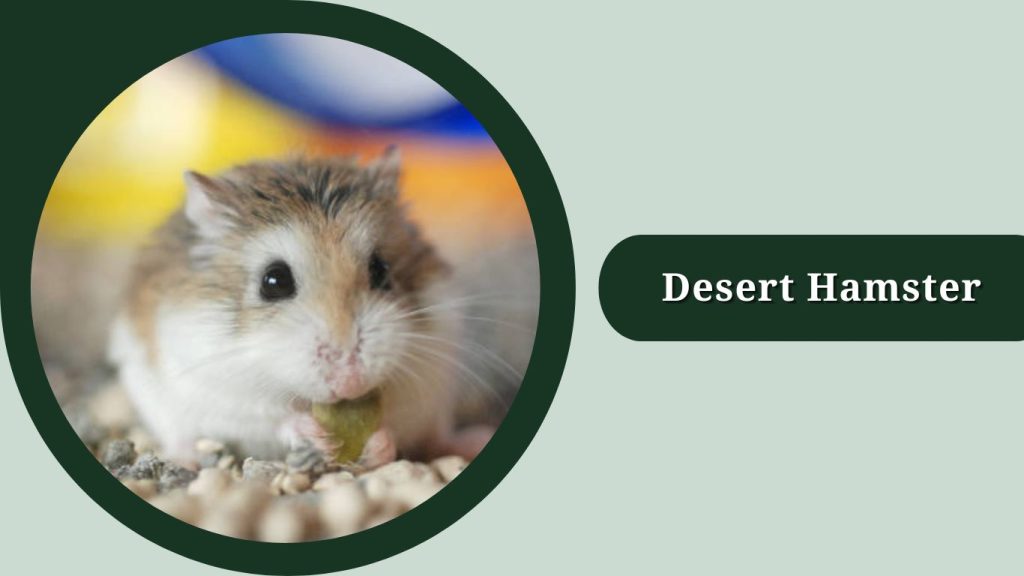
The Desert hamster is a small wild hamster species adapted to dry and sandy environments. It has a compact body, pale coat, and quick movement that help it survive in desert-edge habitats. This hamster is not commonly kept as a pet and is mostly known from natural arid regions.
Identification
- Small wild hamster species
- Sandy, pale brown, or grayish fur
- Lighter underside than the back
- Short tail mostly hidden by fur
- Small rounded ears and dark eyes
- Compact body with quick movement
- Usually found in deserts, dry steppes, and semi-arid areas
Appearance
Desert hamsters have soft, pale fur that helps them blend into sandy soil and dry grass. Their upper body is usually sandy-brown or grayish, while the belly is lighter. They have short legs, small ears, and a tiny tail. Their simple coloring is useful for camouflage in open desert environments.
Personality
Desert hamsters are alert, shy, and independent. In the wild, they search for seeds, grasses, roots, and other small food sources. They usually avoid humans and hide quickly when they sense danger. Their behavior is shaped by survival in dry and open habitats.
Habitat and Care
Desert hamsters live in dry regions such as deserts, steppes, and semi-arid grasslands. They use burrows and sheltered spaces for resting, nesting, and protection from predators. Since they are wild animals, they are not recommended for normal pet care and are best understood in their natural environment.
FAQs
What is the most common type of hamster?
The Syrian hamster is the most common type of pet hamster. It is larger than dwarf hamsters, easy to identify, and often available in many colors and coat types. Golden, Teddy Bear, and Black Bear hamsters are all popular varieties of Syrian hamsters.
Which hamster is best for beginners?
Syrian hamsters are usually best for beginners because they are larger, easier to handle, and often calmer with regular gentle care. They should be kept alone because they are territorial. A spacious cage, deep bedding, fresh water, and a proper wheel are important for their health.
How can I identify different hamster species?
You can identify hamster species by checking body size, coat color, tail length, back stripe, ear shape, and behavior. For example, Roborovski hamsters are tiny and fast, Chinese hamsters have longer tails, and Winter White hamsters often have a dark stripe and rounded body.
Are all hamsters good as pets?
No, not all hamsters are suitable as pets. Syrian, Winter White, Campbell’s, Roborovski, and Chinese hamsters are commonly kept as pets. Many other types, such as European, Turkish, Romanian, and Desert hamsters, are wild species and are better understood in their natural habitats.
Can different types of hamsters live together?
Most hamsters should not live together, especially Syrian hamsters, because they are solitary and may fight. Some dwarf hamsters may tolerate same-species companions, but fighting can still happen. For safety, many owners keep hamsters alone in separate cages.