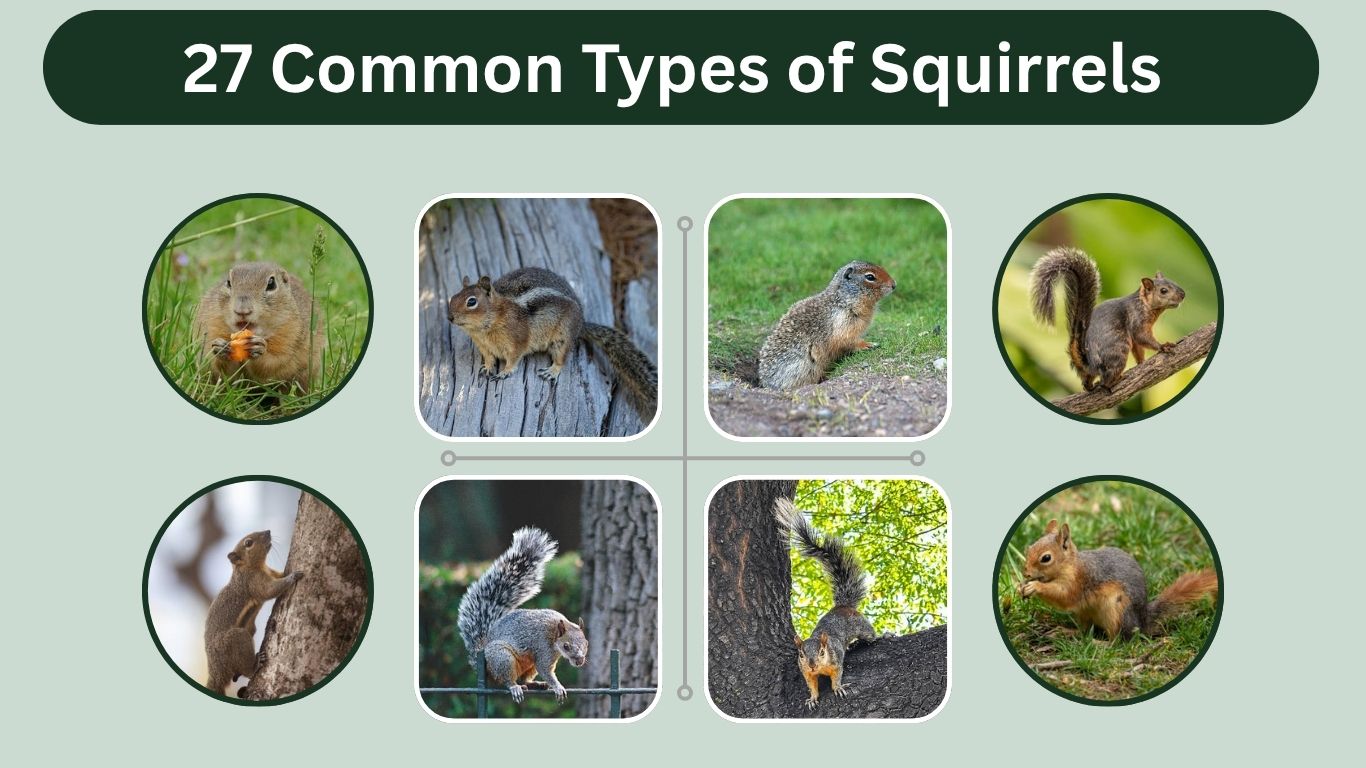
Squirrels are small to medium-sized mammals found in forests, grasslands, parks, gardens, and even busy neighborhoods. They are known for their bushy tails, quick movements, climbing skills, and habit of storing food. From tree squirrels and ground squirrels to flying squirrels, each type has unique features, habitats, and behaviors that make it interesting to learn about.
1. Eastern Gray Squirrel
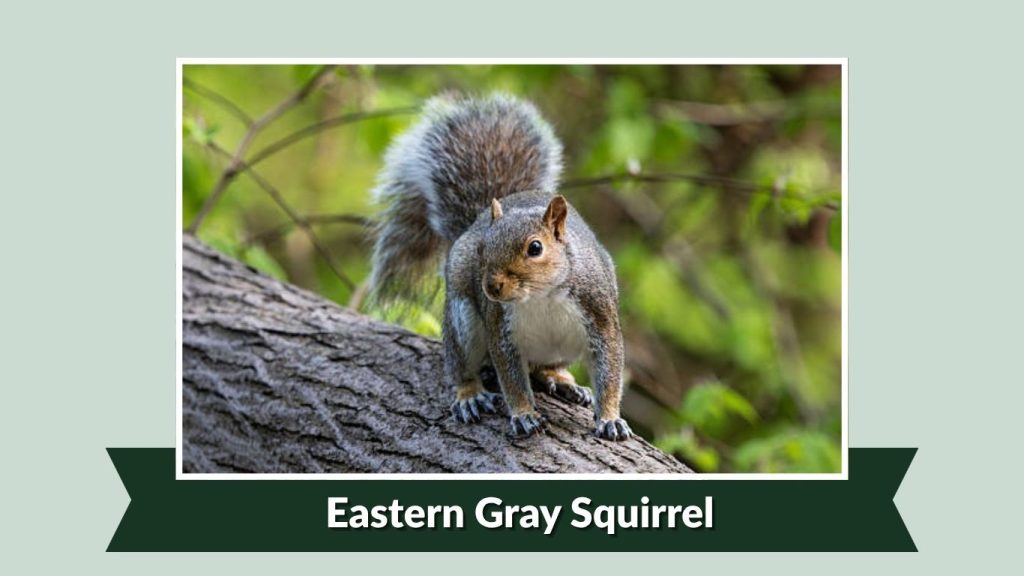
The Eastern Gray Squirrel is one of the most common and recognizable squirrels in North America. Known for its bushy tail, quick movements, and strong climbing ability, this squirrel is often seen in parks, forests, gardens, and neighborhoods. It plays an important role in spreading tree seeds and helping forests grow naturally.
Characteristics
- Medium-sized squirrel with a bushy tail
- Mostly gray fur with a white or pale belly
- Strong back legs for jumping between trees
- Sharp claws that help it climb bark easily
- Active during the day, especially morning and afternoon
- Often stores nuts and seeds for winter
Appearance
The Eastern Gray Squirrel usually has soft gray fur on its back and sides, while its underside is lighter in color. Its long, fluffy tail helps it balance when climbing trees or jumping from branch to branch. Some individuals may look brownish, black, or even white, depending on location and genetics.
Habitat
This squirrel lives in hardwood forests, city parks, suburban yards, and areas with many trees. It prefers places where oak, walnut, maple, and hickory trees are available because these trees provide food and nesting sites. In urban areas, it easily adapts to human surroundings and may nest in tree cavities or leafy nests.
Diet and Behavior
Eastern Gray Squirrels mainly eat nuts, seeds, berries, fruits, buds, and fungi. They are famous for burying nuts in the ground and returning later to eat them. However, they do not find every buried nut, which allows many seeds to grow into new trees. They are quick, alert animals and often use their tails to communicate warnings.
2. Western Gray Squirrel
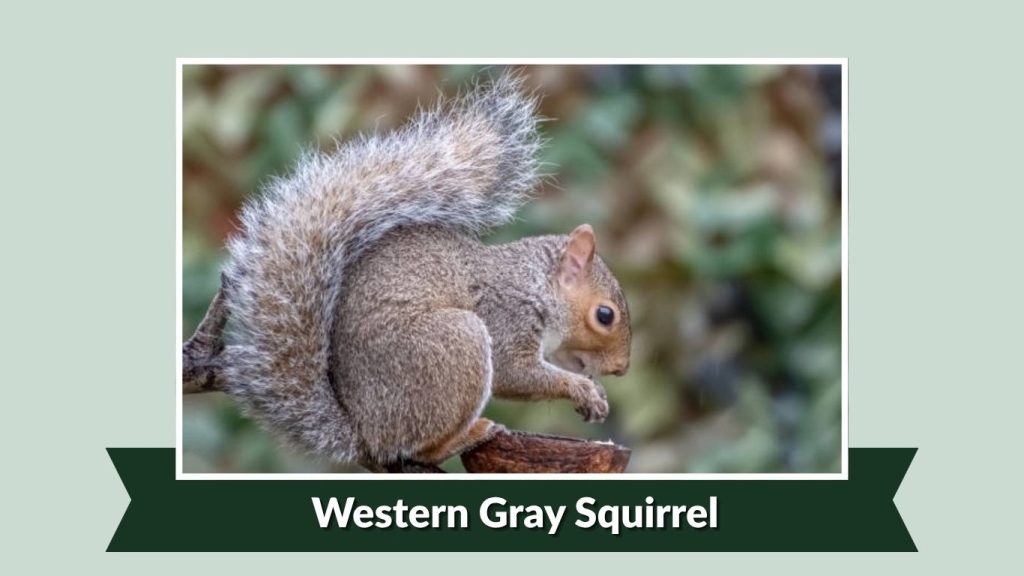
The Western Gray Squirrel is a large tree squirrel known for its silver-gray fur and long, fluffy tail. It is mostly found in western parts of North America, especially in forests with oak, pine, and mixed woodland trees. This squirrel is shy compared to many urban squirrels and usually prefers quieter natural areas.
Characteristics
- Large squirrel with a long, bushy tail
- Silver-gray fur with a white underside
- Strong climber and excellent jumper
- Usually quiet and shy around humans
- Active during the day
- Often depends on oak trees for food
Appearance
The Western Gray Squirrel has smooth gray fur on its back and sides, with a bright white belly. Its tail is long, thick, and often edged with lighter hairs, making it look very fluffy. Compared to the Eastern Gray Squirrel, it is usually larger and has a more elegant, slender body shape.
Habitat
This squirrel mainly lives in oak woodlands, pine forests, and mixed forests. It prefers areas with mature trees that provide food, shelter, and nesting spots. Western Gray Squirrels often build leafy nests in tree branches or use natural tree cavities for protection.
Diet and Behavior
Western Gray Squirrels mostly eat acorns, pine seeds, nuts, berries, fungi, and plant material. They often store food for later use, especially before colder months. They spend much of their time in trees and move carefully through branches. When threatened, they may freeze, run up a tree, or hide quietly among leaves.
3. Fox Squirrel
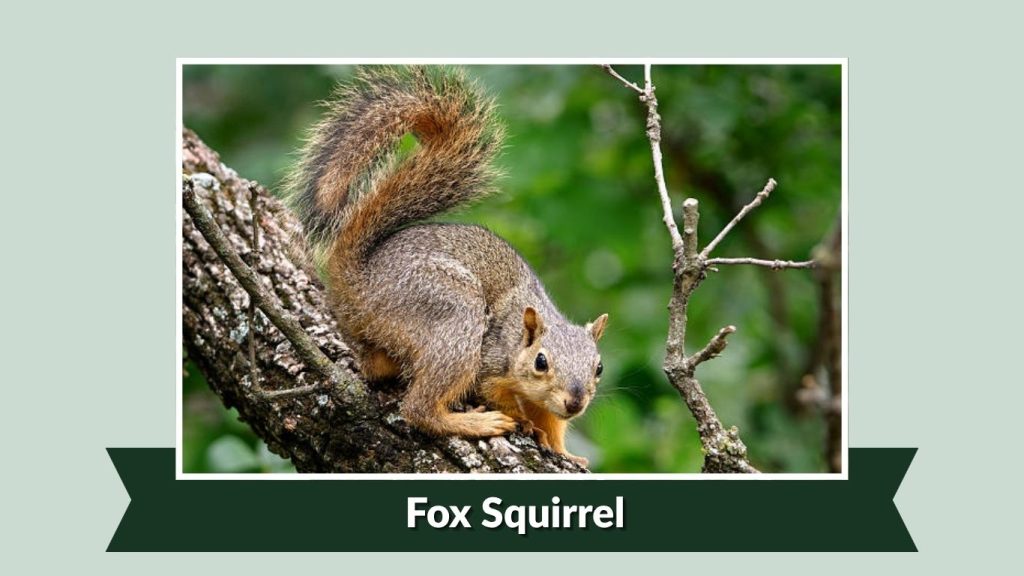
The Fox Squirrel is one of the largest tree squirrels in North America. It is known for its strong body, bushy tail, and reddish-brown or orange-colored fur. This squirrel is common in parks, farms, open woodlands, and neighborhoods, where it can often be seen searching for nuts on the ground.
Characteristics
- Large and strong-bodied squirrel
- Reddish, brown, gray, or orange-toned fur
- Long, thick, bushy tail
- Active during daylight hours
- Common in open woods and urban areas
- Often seen foraging on the ground
Appearance
Fox Squirrels vary in color depending on their region. Many have brownish-gray backs with orange or rusty undersides. Their tail is large and fluffy, helping them balance while climbing or running along branches. Their size and warm-colored fur often make them easy to recognize.
Habitat
Fox Squirrels prefer open forests, woodland edges, parks, farms, and suburban areas with scattered trees. They are not as dependent on dense forests as some other squirrels. They often live near oak, walnut, hickory, and pecan trees because these provide important food sources.
Diet and Behavior
Fox Squirrels eat nuts, acorns, seeds, fruits, buds, insects, and sometimes bird eggs. They spend a lot of time on the ground searching for food. Like many squirrels, they bury nuts and seeds for later. Their forgotten food caches can help new trees grow naturally.
4. Red Squirrel
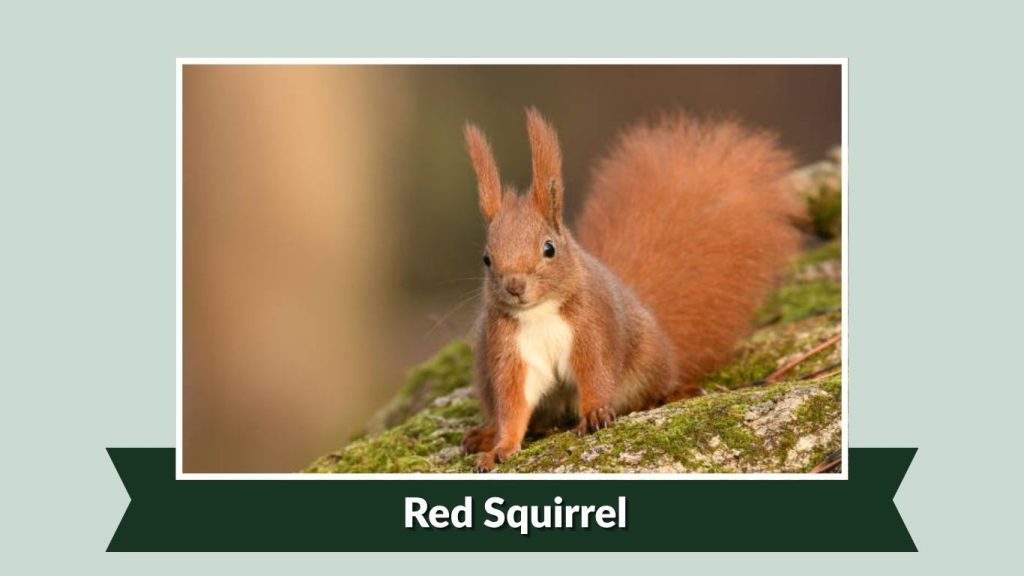
The Red Squirrel is a small, energetic squirrel recognized by its reddish fur and lively behavior. It is often seen moving quickly through trees and across the forest floor. This squirrel is very alert and can be noisy when defending its territory from other animals.
Characteristics
- Small squirrel with reddish-brown fur
- Pale or white underside
- Very active and quick-moving
- Often makes loud chattering sounds
- Strong territorial behavior
- Stores food for winter survival
Appearance
The Red Squirrel usually has reddish or rusty-brown fur on its back, with a lighter belly. Its tail is bushy but not as large as that of some bigger squirrels. In colder months, its coat may become thicker, helping it survive in cool forest environments.
Habitat
Red Squirrels commonly live in coniferous forests, mixed woodlands, and areas with plenty of evergreen trees. They prefer places where cones, seeds, and tree cavities are available. They may also be found in parks or gardens if suitable trees and food sources are nearby.
Diet and Behavior
Red Squirrels mainly eat seeds, nuts, cones, berries, mushrooms, and tree buds. They are known for collecting and storing food in hidden piles called caches. They can be very protective of their food supply and may chase away other squirrels or animals that come too close.
5. American Red Squirrel
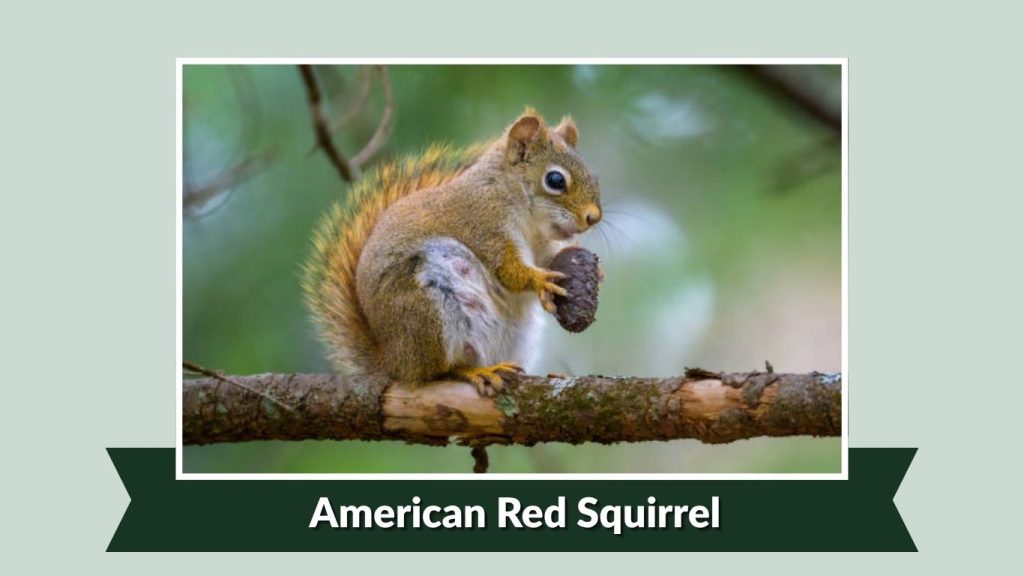
The American Red Squirrel is a small tree squirrel found across many parts of North America. It is known for its reddish coat, white belly, and loud warning calls. This squirrel is highly active, especially in forests where cone-producing trees provide much of its food.
Characteristics
- Small body with reddish upper fur
- White or cream-colored underside
- Loud and sharp alarm calls
- Very territorial around food stores
- Excellent climber and jumper
- Common in northern forests
Appearance
The American Red Squirrel has reddish-brown fur on its back and a pale underside. A thin dark line may appear between the upper and lower body colors during warmer months. Its tail is bushy and often used for balance, warmth, and communication.
Habitat
This squirrel is commonly found in conifer forests, mixed forests, mountain woodlands, and northern regions. It prefers habitats with spruce, pine, fir, and other cone-bearing trees. It may also visit cabins, gardens, or wooded neighborhoods if food is available.
Diet and Behavior
American Red Squirrels eat seeds from cones, nuts, berries, fungi, fruits, and plant shoots. They often collect cones and store them in large piles for winter. These squirrels are bold and noisy, especially when defending their territory. Their calls can warn other animals of danger nearby.
6. Douglas Squirrel
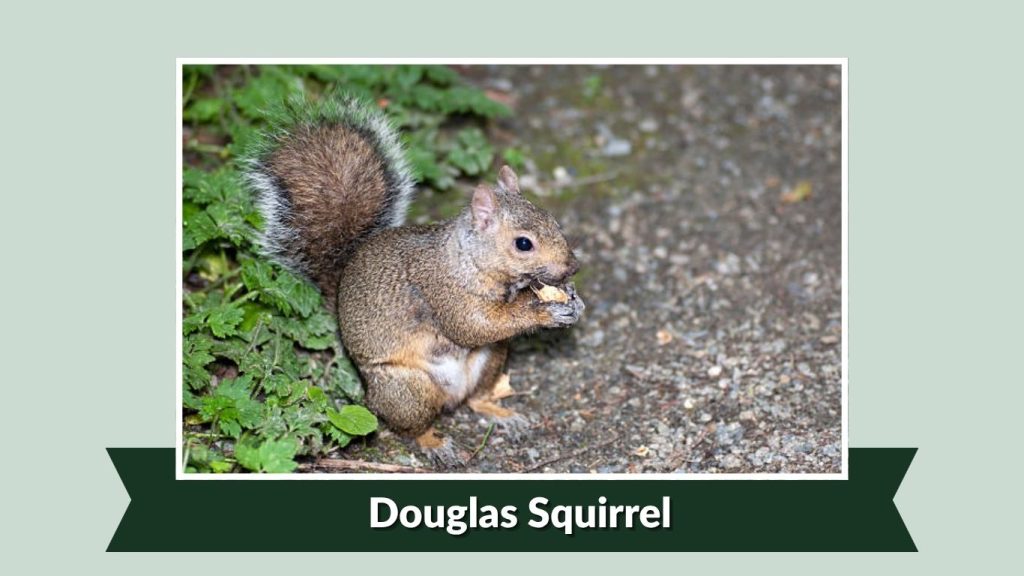
The Douglas Squirrel is a small, lively squirrel found mainly in the forests of the Pacific Northwest. It is closely connected to conifer forests and is known for its quick movements and loud calls. This squirrel is sometimes called the chickaree because of the sharp sounds it makes.
Characteristics
- Small squirrel with reddish-brown or grayish fur
- Orange or yellowish belly in some seasons
- Loud, sharp vocal calls
- Strong connection to conifer forests
- Active during the daytime
- Stores cones and seeds for winter
Appearance
The Douglas Squirrel has a brownish-gray or reddish back, with a lighter underside that may appear orange or yellow. Its tail is bushy and usually darker than its body. Seasonal color changes may make it look slightly different throughout the year.
Habitat
Douglas Squirrels mainly live in coniferous forests, especially areas with fir, pine, spruce, and cedar trees. They prefer dense forests where they can find cones, seeds, and safe nesting places. They often build nests in tree branches or use tree cavities for shelter.
Diet and Behavior
Douglas Squirrels mostly eat seeds from conifer cones, along with nuts, berries, fungi, and plant material. They collect cones and store them in hidden piles for colder months. They are alert and vocal animals, often making loud calls when disturbed or when protecting their territory.
7. Abert’s Squirrel
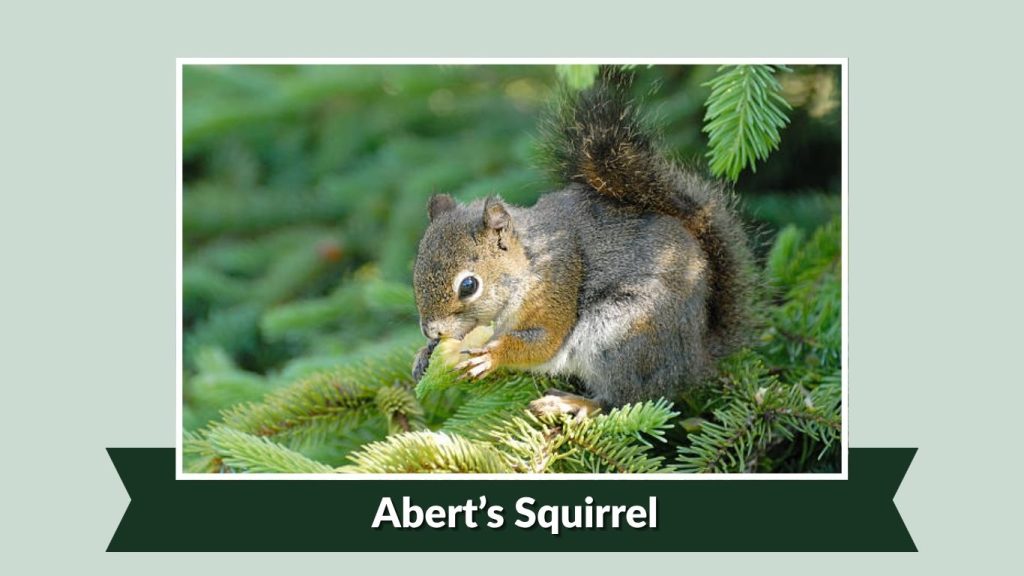
Abert’s Squirrel is a tree squirrel best known for its tall ear tufts and close connection to ponderosa pine forests. It is mostly found in the southwestern United States and nearby regions. This squirrel depends heavily on pine trees for food, shelter, and nesting, making it strongly linked to forest health.
Characteristics
- Medium-sized squirrel with long ear tufts
- Gray body with a white underside
- Long, fluffy tail used for balance
- Strongly connected to ponderosa pine forests
- Active during the daytime
- Skilled climber and jumper
Appearance
Abert’s Squirrel has a gray coat, pale belly, and a large bushy tail. Its most noticeable feature is the long ear tufts, which stand up clearly, especially in winter. These tufts give the squirrel a unique look compared to many other North American squirrels.
Habitat
This squirrel mainly lives in ponderosa pine forests, especially in Arizona, New Mexico, Colorado, and nearby areas. It prefers mature forests where tall pine trees provide food and safe nesting places. Abert’s Squirrels often build nests high in tree branches.
Diet and Behavior
Abert’s Squirrels eat pine seeds, buds, cones, fungi, and inner bark from pine twigs. They spend much of their time in trees and rarely travel far from suitable forest areas. Their feeding habits are closely tied to seasonal changes in pine growth.
8. Arizona Gray Squirrel
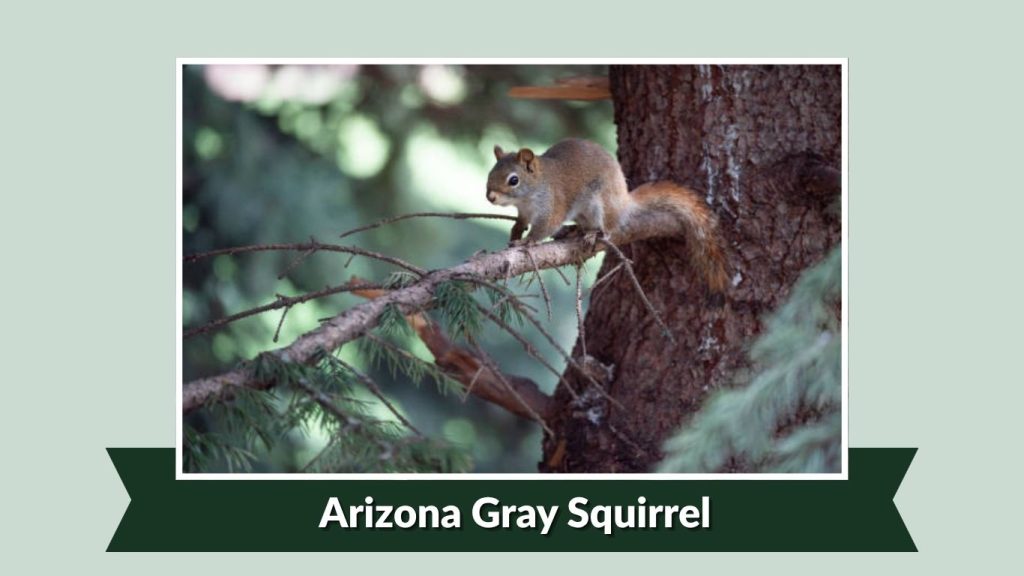
The Arizona Gray Squirrel is a graceful tree squirrel found in parts of the southwestern United States and Mexico. It is known for its gray fur, long tail, and preference for wooded canyons and riparian forests. This squirrel is less commonly seen than urban squirrels because it usually stays in natural habitats.
Characteristics
- Medium-sized squirrel with gray fur
- Long, bushy tail with pale edges
- White or light-colored underside
- Prefers wooded canyons and streamside forests
- Active during the day
- Shy and cautious around humans
Appearance
The Arizona Gray Squirrel has soft gray fur on its back and sides, with a lighter belly. Its tail is long, full, and often has white or pale borders. Its slim body and elegant tail help it move easily through trees and branches.
Habitat
This squirrel lives in forests near streams, canyons, and wooded mountain areas. It prefers places with walnut, oak, sycamore, and other broadleaf trees. These habitats provide both food and shelter, especially in dry southwestern regions.
Diet and Behavior
Arizona Gray Squirrels eat nuts, seeds, berries, fruits, flowers, and tree buds. They spend much of their time in trees but may come to the ground to search for food. They are usually quiet and alert, quickly escaping into tree cover when disturbed.
9. Mexican Gray Squirrel
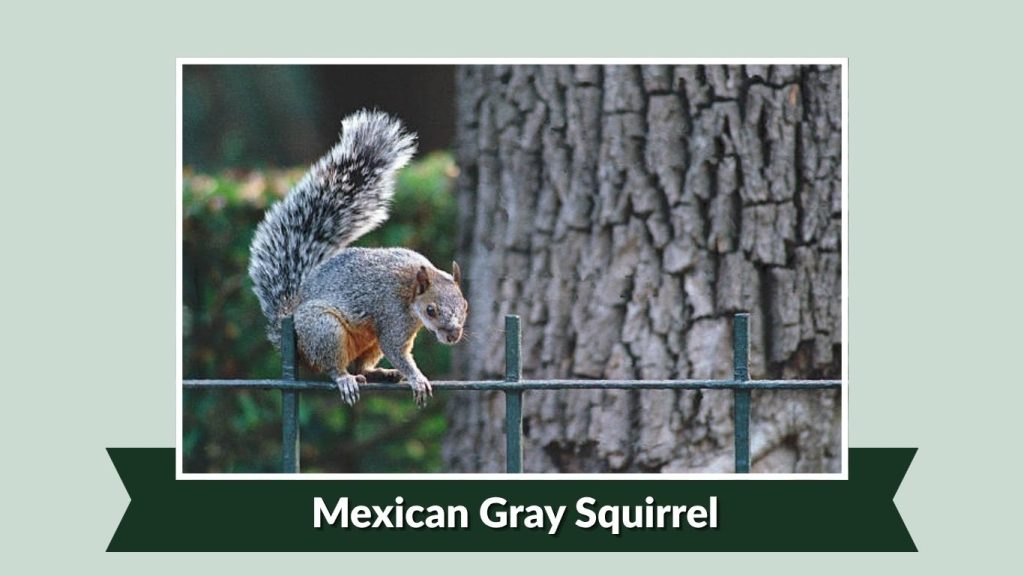
The Mexican Gray Squirrel is a large tree squirrel found in Mexico and parts of Central America. It is known for its grayish body, pale underside, and long tail. This squirrel often lives in forests and wooded areas where it can find plenty of fruits, nuts, and seeds.
Characteristics
- Large tree squirrel with grayish fur
- Pale belly and long bushy tail
- Strong climber with sharp claws
- Common in forests and wooded regions
- Active during daylight hours
- Feeds on a wide variety of plant foods
Appearance
The Mexican Gray Squirrel usually has gray or brownish-gray fur with a lighter underside. Its tail is long and fluffy, helping it balance while climbing and jumping. Some individuals may show slight color differences depending on their region and habitat.
Habitat
This squirrel lives in tropical forests, oak woodlands, pine forests, and wooded areas near towns or farms. It prefers places with tall trees and reliable food sources. Tree cavities and leafy nests are commonly used for resting and raising young.
Diet and Behavior
Mexican Gray Squirrels eat nuts, seeds, fruits, flowers, bark, and plant shoots. They are active during the day and often forage both in trees and on the ground. Like many squirrels, they may store food, helping spread seeds throughout their habitat.
10. Eurasian Red Squirrel
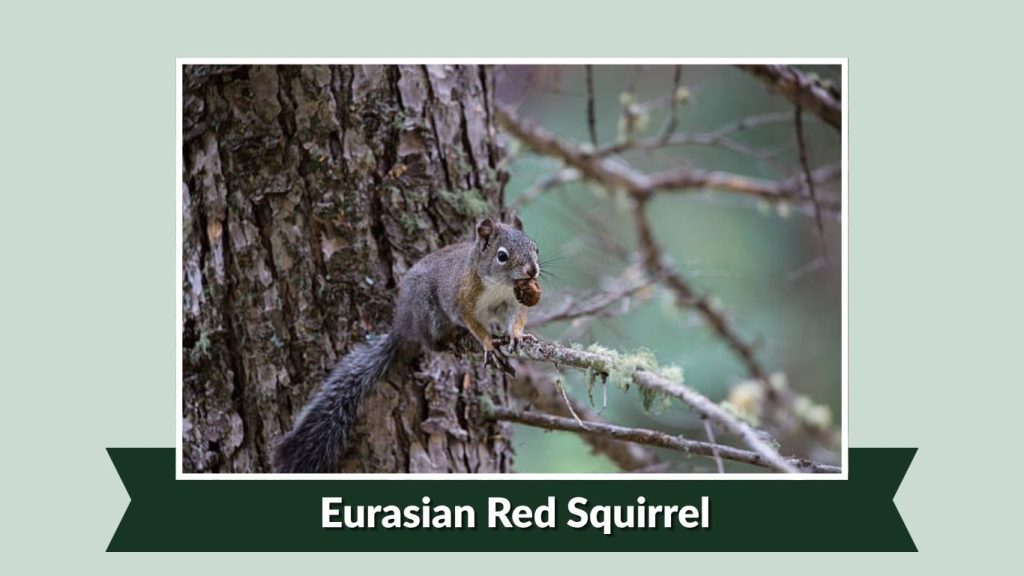
The Eurasian Red Squirrel is a small and charming squirrel found across Europe and parts of Asia. It is recognized by its reddish coat, bushy tail, and pointed ear tufts. This squirrel is strongly associated with forests, where it moves quickly through trees in search of seeds and nuts.
Characteristics
- Small squirrel with red or brownish fur
- White or cream-colored underside
- Long bushy tail for balance
- Ear tufts often visible in colder months
- Active during the daytime
- Excellent tree climber
Appearance
The Eurasian Red Squirrel can vary in color from bright red to dark brown or grayish tones. Its underside is usually pale, and its tail is long and fluffy. In winter, it often develops noticeable ear tufts, which make it easy to identify.
Habitat
This squirrel lives in coniferous forests, broadleaf woodlands, mixed forests, parks, and gardens. It prefers areas with many trees that provide seeds, nuts, and safe nesting places. It often builds round nests, called dreys, high in branches.
Diet and Behavior
Eurasian Red Squirrels eat seeds, nuts, berries, fungi, shoots, and tree buds. They often store food for colder months by hiding it in the ground or tree spaces. They are quick, agile, and mostly solitary, spending much of their time searching for food.
11. Japanese Squirrel
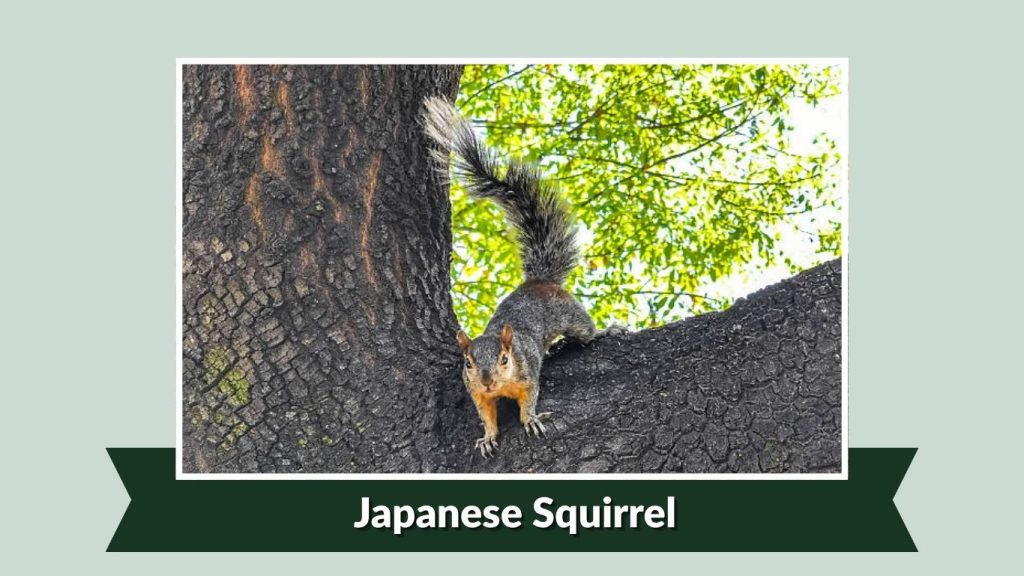
The Japanese Squirrel is a small tree squirrel native to Japan. It is known for its soft fur, bushy tail, and quiet forest lifestyle. This squirrel is mostly found in woodland areas, where it feeds on seeds, nuts, fruits, and plant material throughout the year.
Characteristics
- Small squirrel with brownish-gray fur
- Pale underside and fluffy tail
- Native to Japan
- Active during the day
- Lives mainly in forests and woodlands
- Skilled at climbing and jumping
Appearance
The Japanese Squirrel has soft brownish or grayish fur with a lighter belly. Its tail is thick and bushy, helping it balance while moving through trees. Its appearance may change slightly with the seasons, becoming thicker and warmer in colder weather.
Habitat
This squirrel lives in forests, woodlands, and mountain areas of Japan. It prefers places with many mature trees that provide food, nesting sites, and protection from predators. It may build nests in tree branches or use natural cavities.
Diet and Behavior
Japanese Squirrels eat nuts, seeds, fruits, buds, leaves, and fungi. They are active during daylight and spend much of their time climbing trees or searching for food. They may store nuts and seeds, which helps them survive when food becomes harder to find.
12. Indian Giant Squirrel
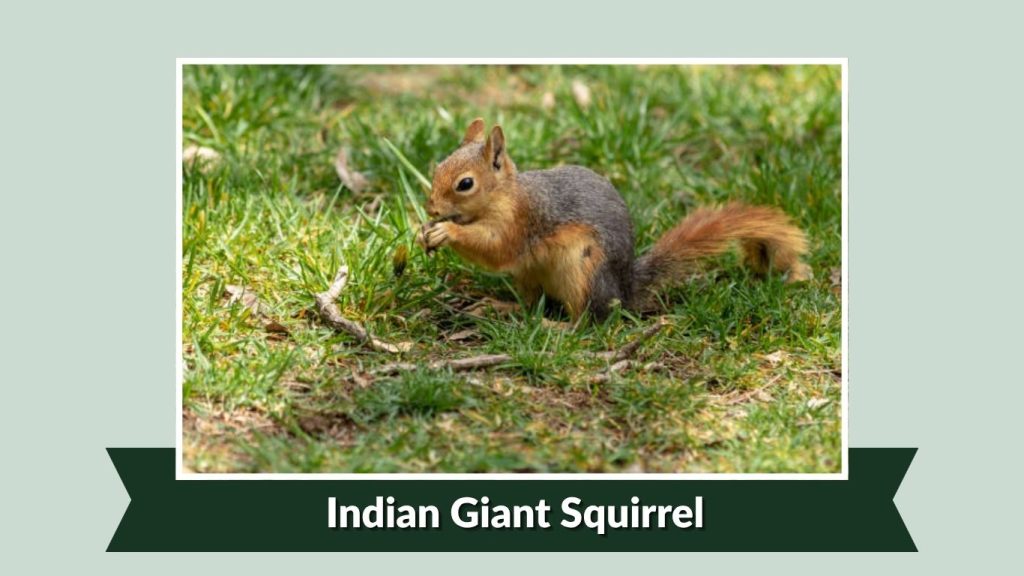
The Indian Giant Squirrel is a large and colorful tree squirrel found in India. It is famous for its impressive size, long tail, and beautiful fur that may include shades of brown, cream, black, and reddish colors. This squirrel spends most of its life high in the forest canopy.
Characteristics
- Large squirrel with a very long tail
- Colorful fur with rich brown, cream, or reddish shades
- Strong climber and powerful jumper
- Mostly lives in tall forest canopies
- Active during the day
- Usually shy and avoids open ground
Appearance
The Indian Giant Squirrel has a striking coat with mixed colors that may include deep brown, maroon, cream, and black. Its body is much larger than many common squirrels. Its long tail helps it balance while leaping between high branches.
Habitat
This squirrel lives in tropical forests, deciduous forests, and evergreen forests across India. It prefers tall trees and dense canopy cover, where it can travel safely above the ground. It often builds large nests in tree branches.
Diet and Behavior
Indian Giant Squirrels eat fruits, nuts, seeds, flowers, bark, and leaves. They spend most of their time in trees and rarely come down to the ground. They can leap long distances between branches, using their tail for balance and control.
13. Malabar Giant Squirrel
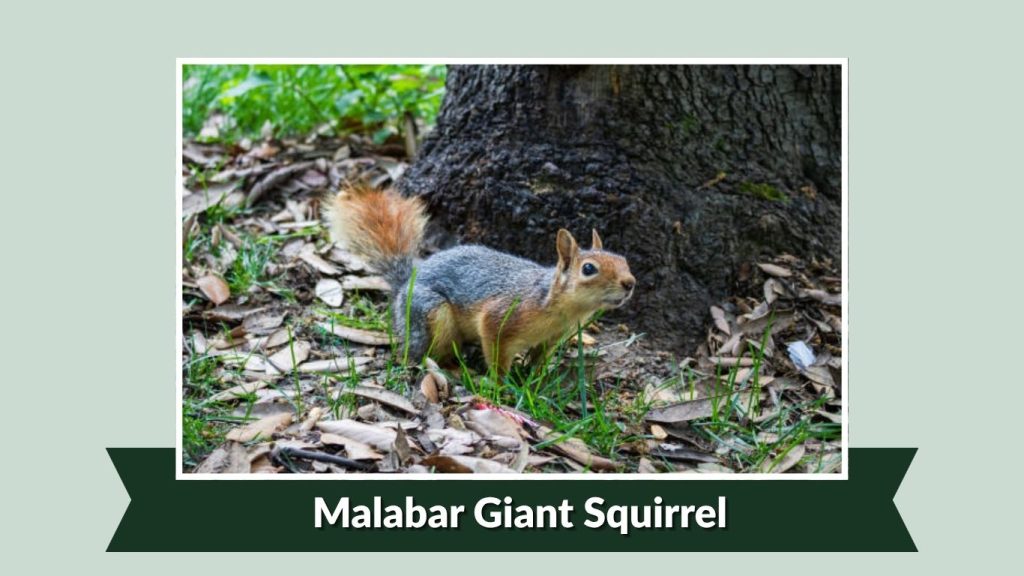
The Malabar Giant Squirrel is one of the most beautiful squirrels in the world, known for its large body and colorful coat. Found mainly in Indian forests, it is a tree-dwelling squirrel that spends most of its time high above the ground. Its bright colors help it blend with shaded forest canopies.
Characteristics
- Large squirrel with a long, bushy tail
- Colorful coat with purple, brown, orange, or cream tones
- Excellent climber and long-distance jumper
- Lives mostly in forest canopies
- Active during daylight hours
- Builds nests high in trees
Appearance
The Malabar Giant Squirrel has a striking mix of colors that may include deep brown, black, cream, orange, and purplish shades. Its large size and long tail make it stand out from smaller squirrels. Its strong limbs help it move confidently among tall trees.
Habitat
This squirrel lives in tropical and evergreen forests, especially in parts of India. It prefers dense forests with tall trees and connected canopies. These areas allow it to travel, feed, and hide from predators without coming down often.
Diet and Behavior
Malabar Giant Squirrels eat fruits, nuts, seeds, flowers, and tree bark. They are usually seen alone or in pairs. They move through the canopy with powerful jumps and often rest in large leafy nests. Their feeding habits also help spread seeds in the forest.
14. Prevost’s Squirrel
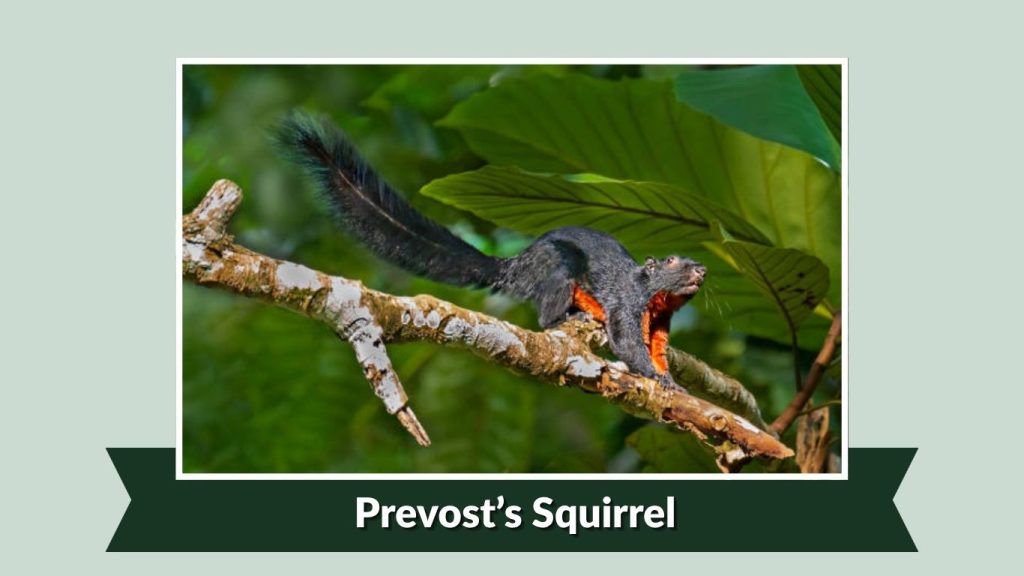
Prevost’s Squirrel is a colorful tree squirrel found in Southeast Asia. It is known for its striking coat, which often includes black, white, and reddish-brown colors. This squirrel usually lives in forests and plantations, where it moves quickly through trees while searching for fruits, seeds, and other plant foods.
Characteristics
- Medium-sized squirrel with colorful fur
- Black upper body with reddish or orange underside
- Long, bushy tail for balance
- Active during the daytime
- Common in forests and plantations
- Skilled climber and fast mover
Appearance
Prevost’s Squirrel has one of the most attractive color patterns among squirrels. Its back is often dark or black, while the sides may show white markings and the belly can be reddish-orange. Its tail is long, full, and usually dark, helping it balance as it travels through trees.
Habitat
This squirrel lives in tropical forests, mangroves, orchards, gardens, and plantations. It is found in several Southeast Asian regions, including parts of Malaysia, Thailand, Indonesia, and nearby areas. It prefers tree-rich places where food and shelter are easy to find.
Diet and Behavior
Prevost’s Squirrels mainly eat fruits, seeds, nuts, flowers, and young plant shoots. They spend much of their time in trees and are usually active during the day. They may travel alone or in pairs and often help spread seeds by feeding on fruit.
15. Finlayson’s Squirrel
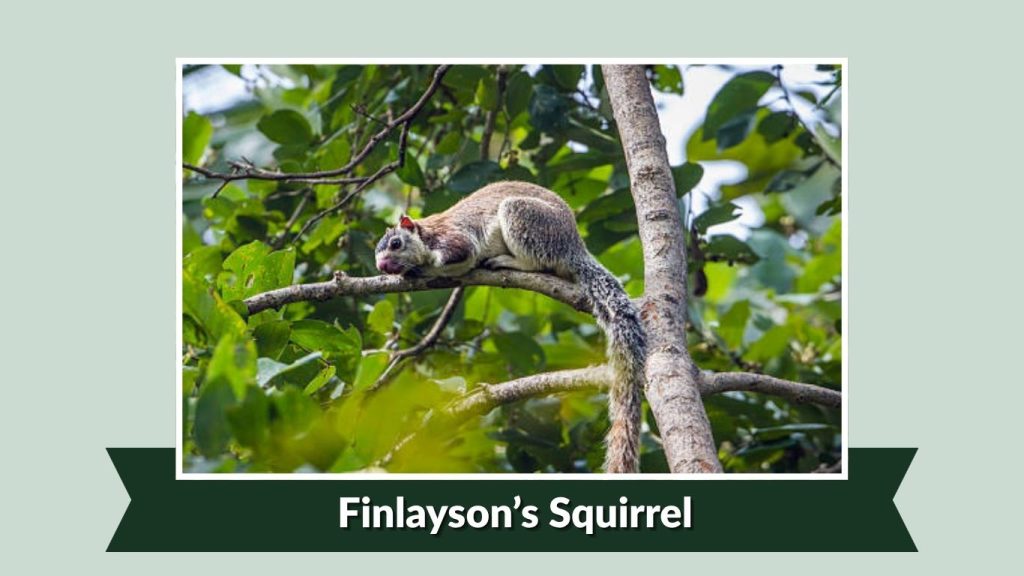
Finlayson’s Squirrel is a Southeast Asian tree squirrel known for its wide range of coat colors. Some individuals are white, cream, gray, black, reddish, or mixed in color. Because of this variety, it is one of the most visually diverse squirrels in its native range.
Characteristics
- Medium-sized tree squirrel
- Fur color varies greatly by region
- Long tail used for balance
- Active during daylight hours
- Common in forests, parks, and gardens
- Feeds mostly on plant-based foods
Appearance
Finlayson’s Squirrel can look very different from one place to another. Some have pale cream or white fur, while others are dark gray, black, reddish, or mixed. Its body is slim, and its tail is long and bushy, helping it move easily among branches.
Habitat
This squirrel lives in forests, wooded parks, gardens, plantations, and areas near human settlements. It is found in countries such as Thailand, Cambodia, Laos, Vietnam, and Myanmar. It adapts well to different wooded environments as long as food and trees are available.
Diet and Behavior
Finlayson’s Squirrels eat fruits, seeds, nuts, flowers, bark, and young leaves. They are active during the day and often forage in trees, though they may come to the ground for food. Their flexible diet helps them survive in both wild and human-influenced habitats.
16. Plantain Squirrel
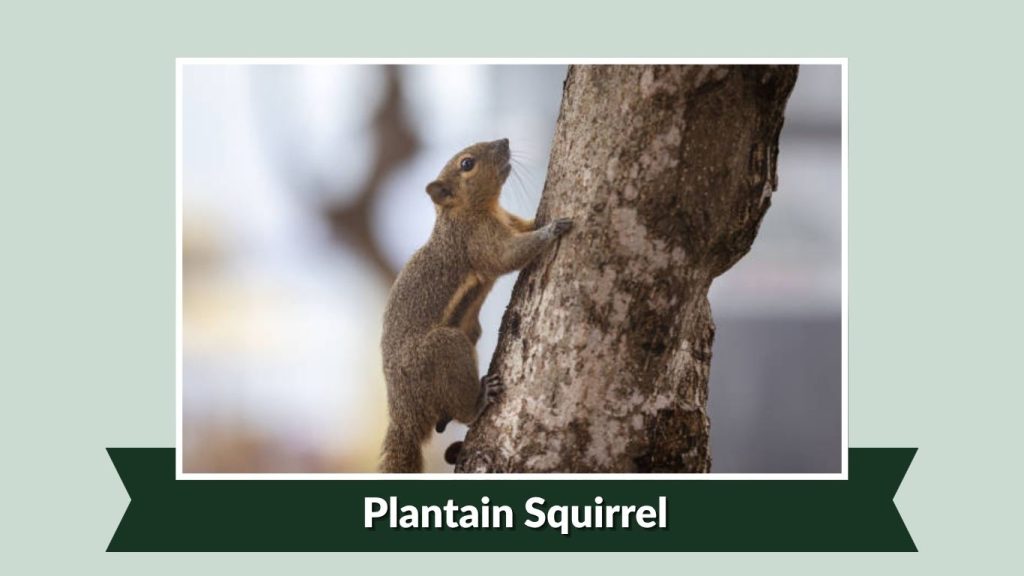
The Plantain Squirrel is a small and active squirrel commonly found in Southeast Asia. It is often seen in gardens, parks, plantations, and forest edges. This squirrel is easy to notice because of its quick movements, striped sides, and comfort around human areas.
Characteristics
- Small squirrel with a slender body
- Brownish fur with pale side stripes
- Long, narrow, bushy tail
- Active and fast-moving
- Common near gardens and plantations
- Often adapts well to human areas
Appearance
The Plantain Squirrel usually has brown or olive-brown fur with lighter stripes along its sides. Its belly is often pale, and its tail is long with a slightly grizzled look. Its small size and striped body make it different from many larger tree squirrels.
Habitat
This squirrel lives in forests, gardens, orchards, parks, mangroves, and plantations. It is common in places with coconut, banana, palm, and fruit trees. Because it adapts well, it can live close to villages and towns where trees and food are available.
Diet and Behavior
Plantain Squirrels eat fruits, seeds, nuts, insects, flowers, and plant shoots. They are active during the day and move quickly through trees and shrubs. They often make short calls and may be seen feeding on fruits in gardens or plantations.
17. Pallas’s Squirrel
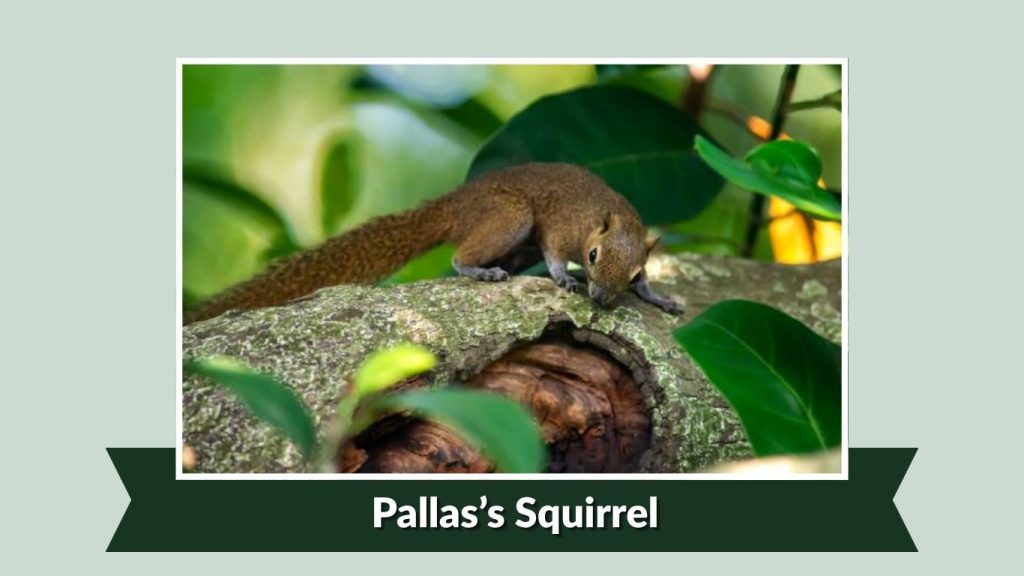
Pallas’s Squirrel is a medium-sized tree squirrel found in parts of Asia. It is known for its reddish belly, grayish or brown upper body, and active nature. This squirrel lives in forests, parks, and wooded areas, where it feeds on fruits, nuts, seeds, and plant material.
Characteristics
- Medium-sized squirrel with a bushy tail
- Brownish or grayish upper fur
- Reddish or orange underside
- Active during the daytime
- Strong climber and jumper
- Often found in forests and parks
Appearance
Pallas’s Squirrel usually has brown, gray, or olive-toned fur on its back, with a warmer orange or reddish belly. Its tail is long and bushy, often darker than the body. Its bright underside helps separate it from many similar-looking tree squirrels.
Habitat
This squirrel lives in broadleaf forests, mountain forests, parks, gardens, and wooded areas. It is found in parts of China, Taiwan, Southeast Asia, and nearby regions. It prefers tree-filled habitats where it can find food, shelter, and safe nesting locations.
Diet and Behavior
Pallas’s Squirrels eat fruits, nuts, seeds, flowers, buds, bark, and sometimes insects. They are active and agile, moving quickly through trees during the day. In some areas, they adapt well to parks and gardens, where they may become familiar around people.
18. Variegated Squirrel
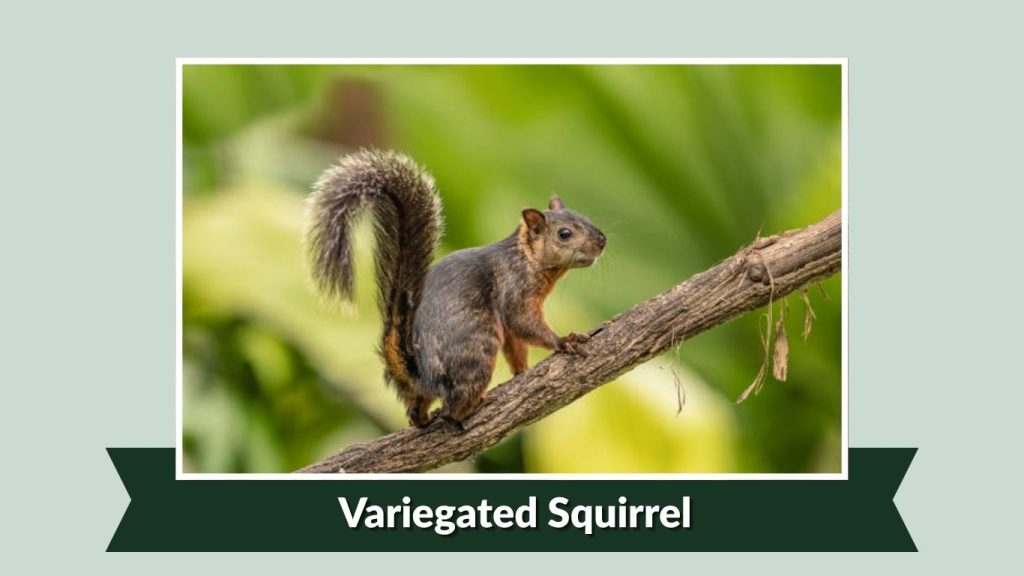
The Variegated Squirrel is a colorful tree squirrel found in Central America. It is known for its mixed fur patterns, which may include gray, brown, black, cream, or reddish shades. This squirrel is active, adaptable, and often seen in forests, farms, gardens, and wooded areas.
Characteristics
- Medium-sized squirrel with variable colors
- Long, bushy tail
- Strong climber and jumper
- Active during daylight hours
- Common in forests and wooded farms
- Fur pattern changes by location
Appearance
The Variegated Squirrel has a coat that can vary widely depending on its region. Some have dark backs with pale bellies, while others show reddish, gray, or cream markings. Its tail is thick and often has mixed colors, giving it a noticeable and attractive look.
Habitat
This squirrel lives in tropical forests, dry forests, plantations, farms, gardens, and wooded towns. It is found in parts of Central America, including Mexico and nearby countries. It can adapt to both natural forests and areas changed by people.
Diet and Behavior
Variegated Squirrels eat fruits, nuts, seeds, flowers, bark, and other plant material. They spend much of their time in trees but may come to the ground to search for food. Their feeding habits help move seeds through forests and gardens.
19. Rock Squirrel
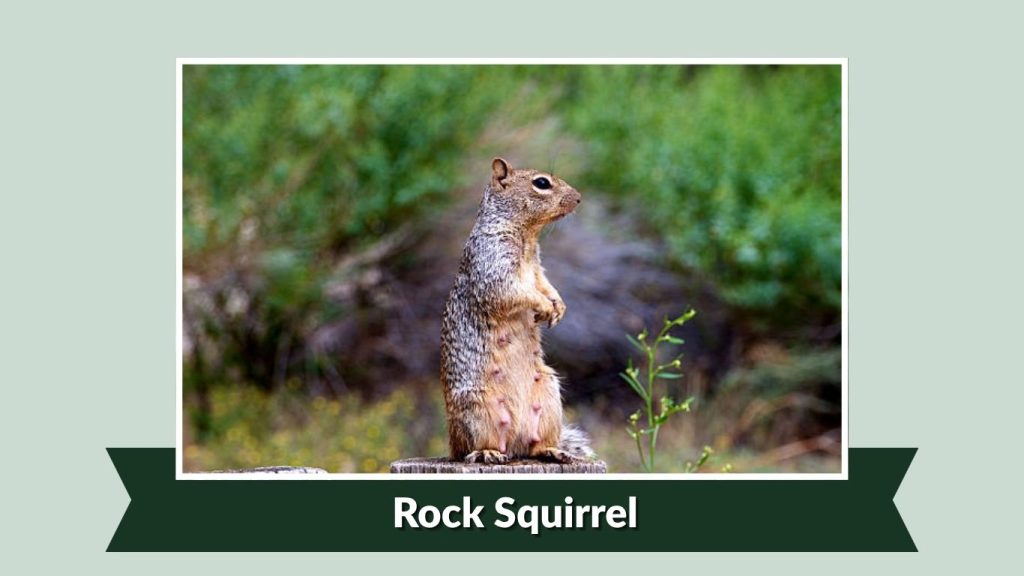
The Rock Squirrel is a ground squirrel that lives in rocky areas, deserts, canyons, and dry grasslands. Unlike tree squirrels, it spends much of its time on the ground and often uses rocks, burrows, and crevices for shelter. It is common in parts of the southwestern United States and Mexico.
Characteristics
- Large ground squirrel with a sturdy body
- Grayish-brown fur with a bushy tail
- Lives mostly on the ground
- Uses burrows and rocky shelters
- Active during the day
- Well adapted to dry habitats
Appearance
The Rock Squirrel has grayish-brown fur mixed with darker and lighter tones. Its body is heavier than many tree squirrels, and its tail is bushy but not as fluffy as some tree-dwelling species. Its natural colors help it blend with rocks and dry soil.
Habitat
This squirrel lives in rocky hillsides, deserts, canyons, cliffs, grasslands, and scrublands. It often chooses places with stones or rocky cover where it can hide from predators. It may also dig burrows near rocks, walls, or dry banks.
Diet and Behavior
Rock Squirrels eat seeds, nuts, fruits, cactus parts, grasses, flowers, and sometimes insects. They forage mostly on the ground and may stand upright to watch for danger. When threatened, they quickly run into burrows, rock piles, or hidden crevices.
20. California Ground Squirrel
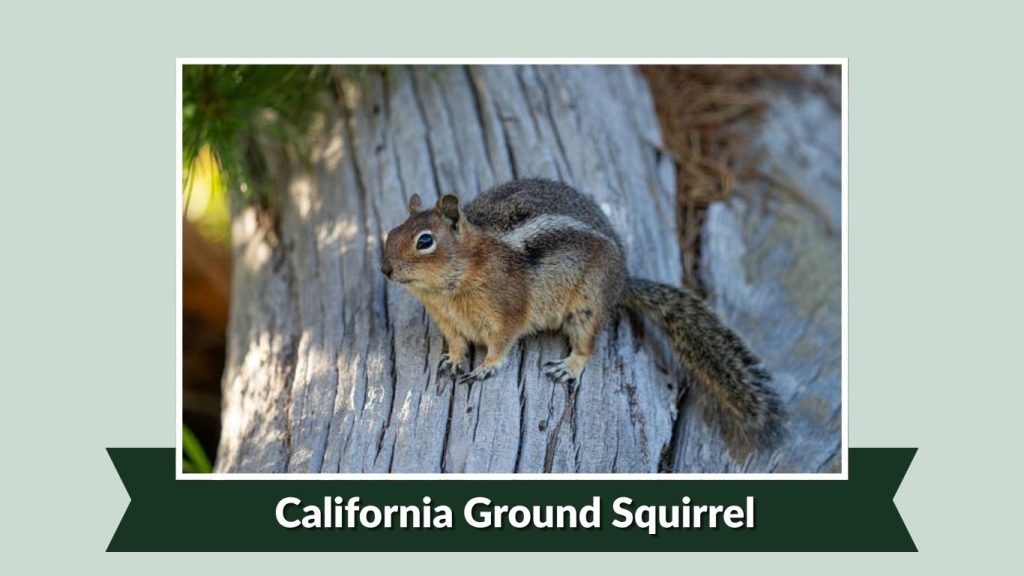
The California Ground Squirrel is a common ground squirrel found in western North America. It is often seen in open fields, grasslands, parks, farms, and roadsides. This squirrel lives in burrows and is known for its alert behavior, quick movements, and ability to survive in dry areas.
Characteristics
- Medium-sized ground squirrel
- Brownish-gray fur with speckled markings
- Bushy tail with lighter edges
- Lives in underground burrows
- Active during the daytime
- Common in open and dry habitats
Appearance
The California Ground Squirrel has mottled brown, gray, and tan fur that helps it blend into dry grass and soil. Its tail is fairly bushy and often has pale edges. It has a strong body and short legs suited for digging and moving along the ground.
Habitat
This squirrel lives in grasslands, open woodlands, farms, parks, hillsides, and roadside areas. It prefers open spaces with soil suitable for burrows. Its underground tunnels provide shelter from heat, cold, predators, and bad weather.
Diet and Behavior
California Ground Squirrels eat seeds, grasses, nuts, fruits, roots, flowers, and sometimes insects. They spend much of the day foraging near their burrows. When danger appears, they give alarm calls and quickly retreat underground for safety.
21. Thirteen-lined Ground Squirrel
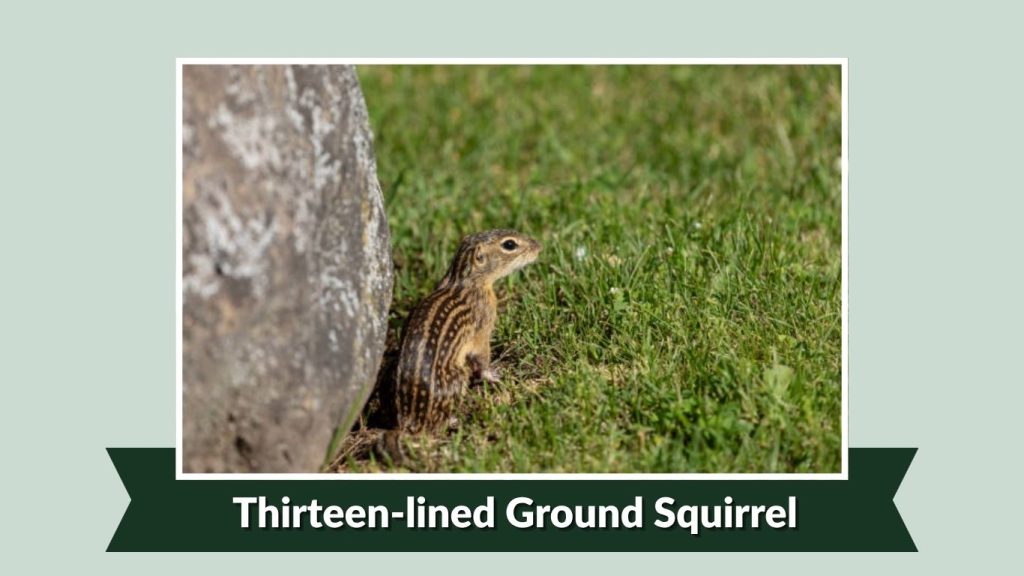
The Thirteen-lined Ground Squirrel is a small ground squirrel known for the clear stripes running along its back. It is commonly found in grasslands, fields, prairies, lawns, and open areas. This squirrel spends much of its life close to the ground and uses underground burrows for shelter, nesting, and protection.
Characteristics
- Small ground squirrel with a slender body
- Thirteen light and dark stripes along the back
- Short legs suited for ground movement
- Lives in underground burrows
- Active during the daytime
- Often found in open grassy areas
Appearance
The Thirteen-lined Ground Squirrel has a brownish body marked with alternating pale and dark stripes. Small light spots may appear within the darker stripes, giving it a patterned look. Its body is slim, and its tail is shorter and less bushy than many tree squirrels.
Habitat
This squirrel lives in prairies, grasslands, pastures, roadsides, parks, golf courses, and open lawns. It prefers short grassy areas where it can see predators easily. Its burrows are usually built in well-drained soil and may have several hidden entrances.
Diet and Behavior
Thirteen-lined Ground Squirrels eat seeds, grasses, insects, roots, fruits, and small plant parts. They spend much of the day foraging near their burrows. When threatened, they quickly run underground. In colder regions, they hibernate during winter and survive using stored body fat.
22. Richardson’s Ground Squirrel
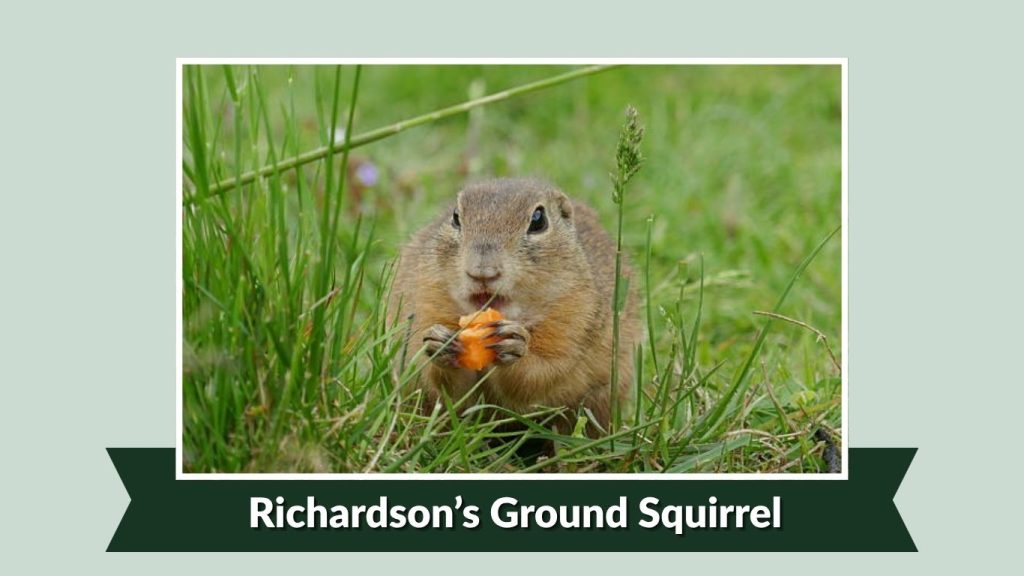
Richardson’s Ground Squirrel is a small burrowing squirrel found in open grasslands and prairies of North America. It is sometimes mistaken for a prairie dog because of its upright posture and social behavior. This squirrel lives in colonies and depends on underground tunnels for safety.
Characteristics
- Small ground squirrel with a rounded body
- Brownish or yellowish-gray fur
- Short tail compared to tree squirrels
- Lives in burrow systems
- Often found in colonies
- Gives sharp alarm calls when threatened
Appearance
Richardson’s Ground Squirrel has a compact body, short ears, and a short tail. Its fur is usually sandy brown or grayish-yellow, helping it blend with dry grass and soil. Its small size and upright sitting posture make it easy to notice in open fields.
Habitat
This squirrel lives in prairies, pastures, grasslands, farms, and open fields. It prefers areas with short vegetation where it can watch for predators. Its underground burrows provide nesting places, escape routes, and protection from harsh weather.
Diet and Behavior
Richardson’s Ground Squirrels eat grasses, seeds, leaves, flowers, roots, and crops when available. They are active during the day and often stay close to burrow entrances. Their alarm calls warn nearby squirrels of danger. In cold seasons, they hibernate underground.
23. Columbian Ground Squirrel
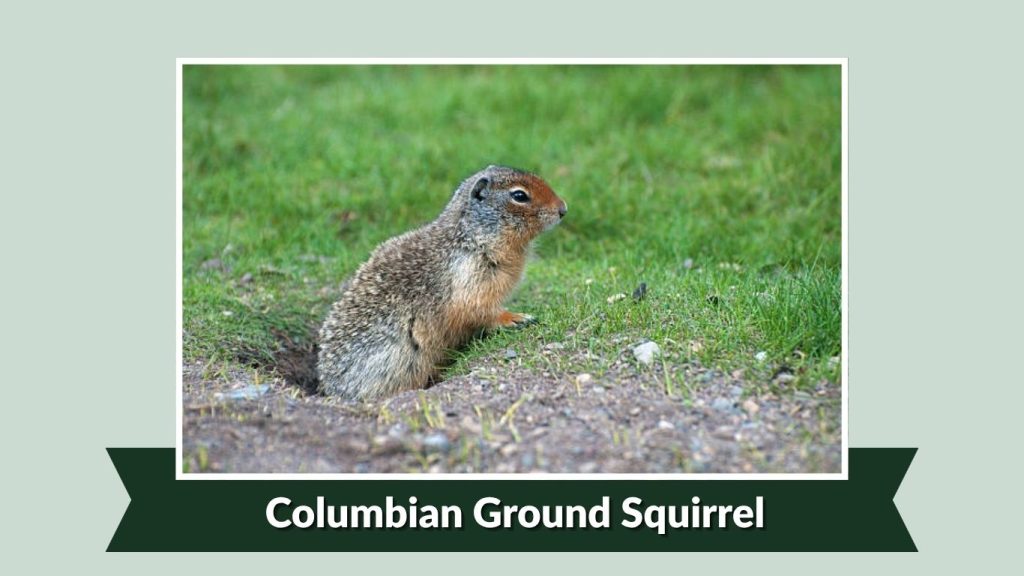
The Columbian Ground Squirrel is a burrowing squirrel found in mountain meadows and open grasslands of northwestern North America. It is known for its social colonies and seasonal lifestyle. This squirrel is active during warmer months and spends a long part of the year hibernating underground.
Characteristics
- Medium-sized ground squirrel
- Brownish-gray body with reddish tones
- Short, bushy tail
- Lives in burrows and colonies
- Active mostly in warmer months
- Hibernates for much of the year
Appearance
The Columbian Ground Squirrel has grayish-brown fur with reddish or cinnamon coloring on parts of the face, chest, or legs. Its body is sturdy, and its tail is shorter than that of tree squirrels. Its natural colors help it blend with meadow grasses and soil.
Habitat
This squirrel lives in mountain meadows, open grasslands, forest edges, and alpine areas. It prefers places with enough vegetation for food and soil suitable for digging. Burrow systems are important for nesting, hiding from predators, and surviving cold months.
Diet and Behavior
Columbian Ground Squirrels eat grasses, leaves, seeds, flowers, roots, and berries. They spend warm months feeding heavily to build fat before hibernation. They often live near other squirrels and use calls or upright postures to watch for danger.
24. Arctic Ground Squirrel
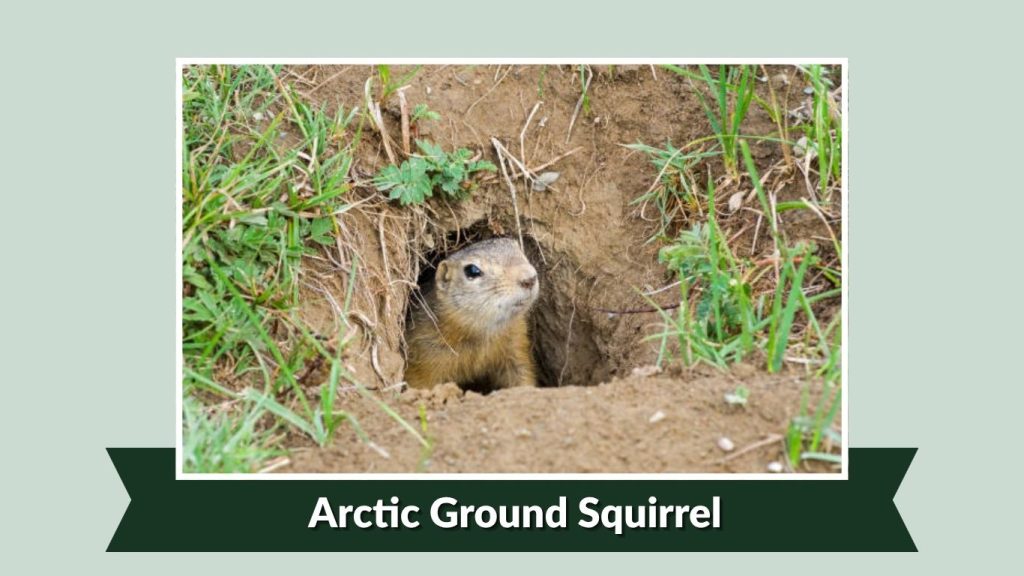
The Arctic Ground Squirrel is a hardy ground squirrel that lives in some of the coldest regions of North America and Asia. It is famous for surviving extreme winter conditions through deep hibernation. This squirrel uses underground burrows to stay protected from freezing temperatures and predators.
Characteristics
- Medium-sized ground squirrel with thick fur
- Brownish-gray coat with pale spots
- Lives in cold northern regions
- Uses deep burrows for shelter
- Hibernates through long winters
- Active during short summer seasons
Appearance
The Arctic Ground Squirrel has a sturdy body covered with thick brownish-gray fur. Its coat may show small pale markings that help it blend with tundra vegetation and rocky soil. Its ears are small, and its body shape helps reduce heat loss in cold environments.
Habitat
This squirrel lives in tundra, alpine meadows, open slopes, riverbanks, and cold grasslands. It is found in Alaska, northern Canada, Siberia, and nearby regions. Its burrows are built underground, where temperatures are more stable than on the surface.
Diet and Behavior
Arctic Ground Squirrels eat grasses, seeds, leaves, flowers, roots, berries, and fungi. During summer, they feed often to store fat for winter. They hibernate for many months, lowering body activity to survive extreme cold until warmer weather returns.
25. Southern Flying Squirrel
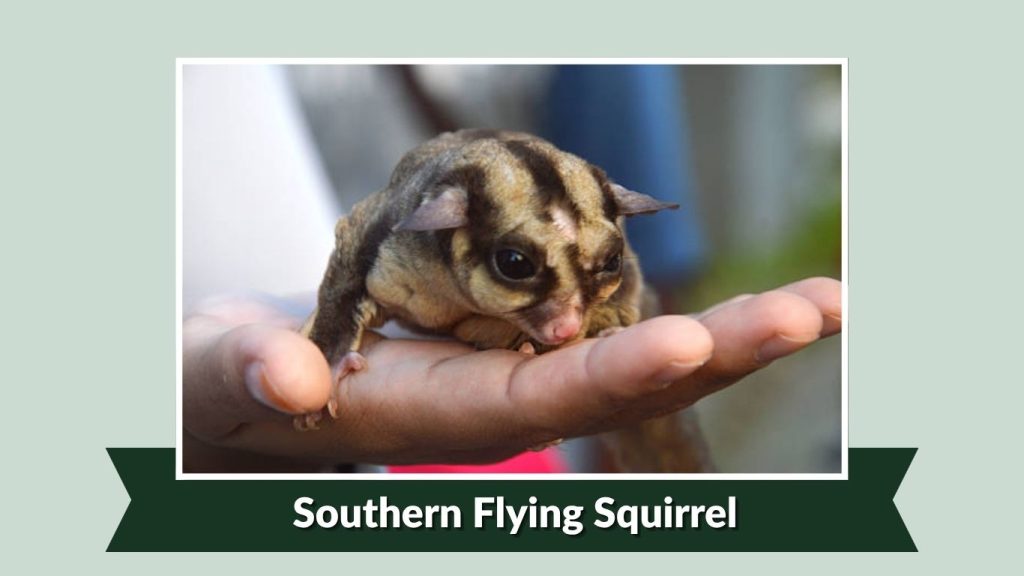
The Southern Flying Squirrel is a small tree squirrel known for its ability to glide between trees. It does not truly fly, but it uses a flap of skin between its front and back legs to glide through the air. This nocturnal squirrel is common in forests and wooded neighborhoods.
Characteristics
- Small squirrel with large dark eyes
- Gliding membrane between front and back legs
- Soft gray-brown fur with a pale underside
- Active mostly at night
- Lives in tree cavities and nests
- Glides between trees to escape danger
Appearance
The Southern Flying Squirrel has soft grayish-brown fur on its back and a white or cream-colored belly. Its large eyes help it see in low light. The loose skin along its sides stretches out during gliding, allowing it to move smoothly from tree to tree.
Habitat
This squirrel lives in deciduous forests, mixed woodlands, parks, orchards, and wooded neighborhoods. It prefers areas with mature trees, tree cavities, and plenty of nuts or seeds. It often nests in hollow trees, birdhouses, or leafy nests.
Diet and Behavior
Southern Flying Squirrels eat nuts, seeds, fruits, berries, fungi, insects, and sometimes bird eggs. They are active at night and usually stay hidden during the day. They glide by spreading their legs and using their tail to steer and land safely.
26. Northern Flying Squirrel
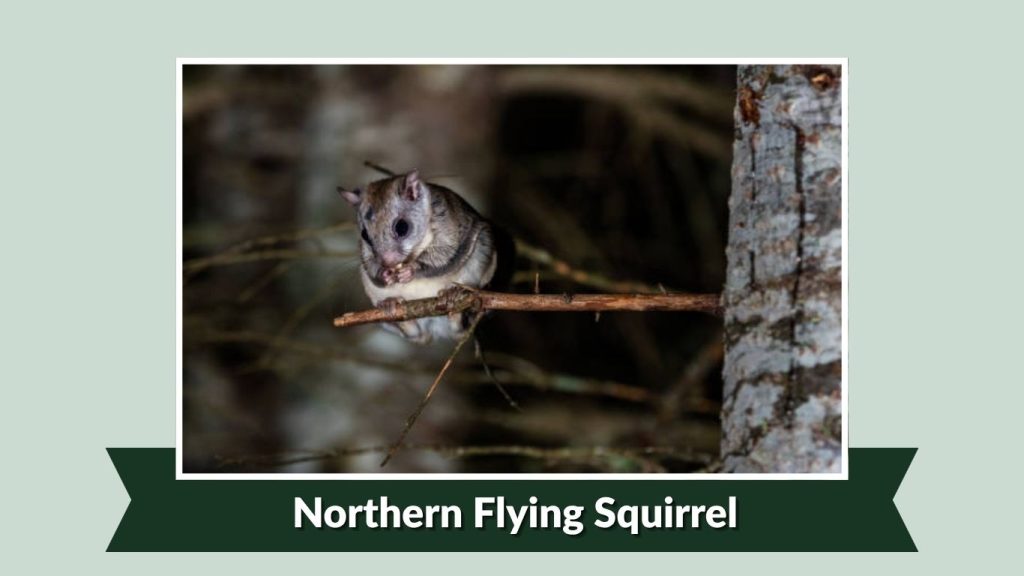
The Northern Flying Squirrel is a nocturnal gliding squirrel found in cool forests of North America. It is slightly larger than the Southern Flying Squirrel and is closely connected to mature forests. This squirrel helps forest ecosystems by spreading fungi spores as it feeds.
Characteristics
- Small to medium-sized gliding squirrel
- Large eyes for night vision
- Gray-brown fur with a pale belly
- Gliding membrane along both sides
- Active mostly at night
- Often lives in mature conifer or mixed forests
Appearance
The Northern Flying Squirrel has soft gray-brown fur and a lighter underside. Its round face and large black eyes help it move at night. Like other flying squirrels, it has a skin membrane that stretches between its limbs and allows it to glide from tree to tree.
Habitat
This squirrel lives in conifer forests, mixed forests, mountain woodlands, and older forest habitats. It prefers areas with tall trees, cavities, fallen logs, and rich fungal growth. Tree cavities are often used for nesting and resting during the day.
Diet and Behavior
Northern Flying Squirrels eat fungi, lichens, seeds, nuts, fruits, insects, and plant material. They are active at night and glide silently through forests. By eating fungi and spreading spores, they help support tree roots and forest health.
27. Siberian Flying Squirrel
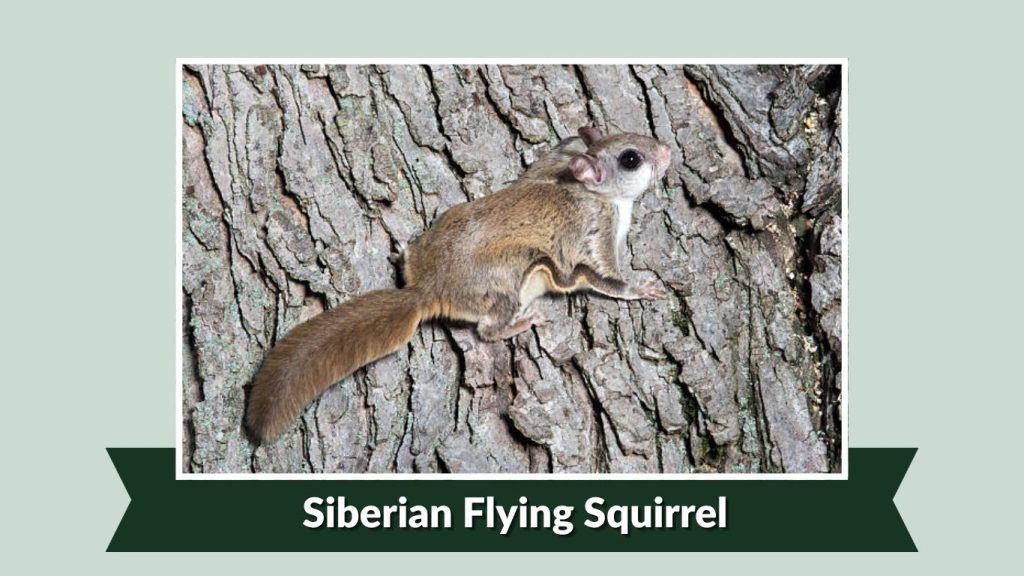
The Siberian Flying Squirrel is a small gliding squirrel found in northern Europe and Asia. It is known for its soft gray fur, large eyes, and quiet nighttime habits. Like other flying squirrels, it glides between trees using a special skin membrane rather than true flight.
Characteristics
- Small flying squirrel with soft gray fur
- Large black eyes for night activity
- Pale underside and flat-looking tail
- Gliding membrane between limbs
- Active mostly at night
- Lives in forests with mature trees
Appearance
The Siberian Flying Squirrel has soft gray fur on its upper body and a white or pale underside. Its large eyes help it see in dark forest conditions. Its tail is flatter than many tree squirrels’ tails and helps with balance and steering during glides.
Habitat
This squirrel lives in boreal forests, mixed forests, and mature woodlands across parts of northern Europe and Asia. It prefers forests with old trees, nesting cavities, and nearby food sources. It may use abandoned woodpecker holes or natural tree hollows for shelter.
Diet and Behavior
Siberian Flying Squirrels eat leaves, seeds, buds, catkins, berries, nuts, and fungi. They are mostly active at night and spend the day resting in tree cavities. They glide between trees to travel safely, avoid predators, and reach feeding areas.