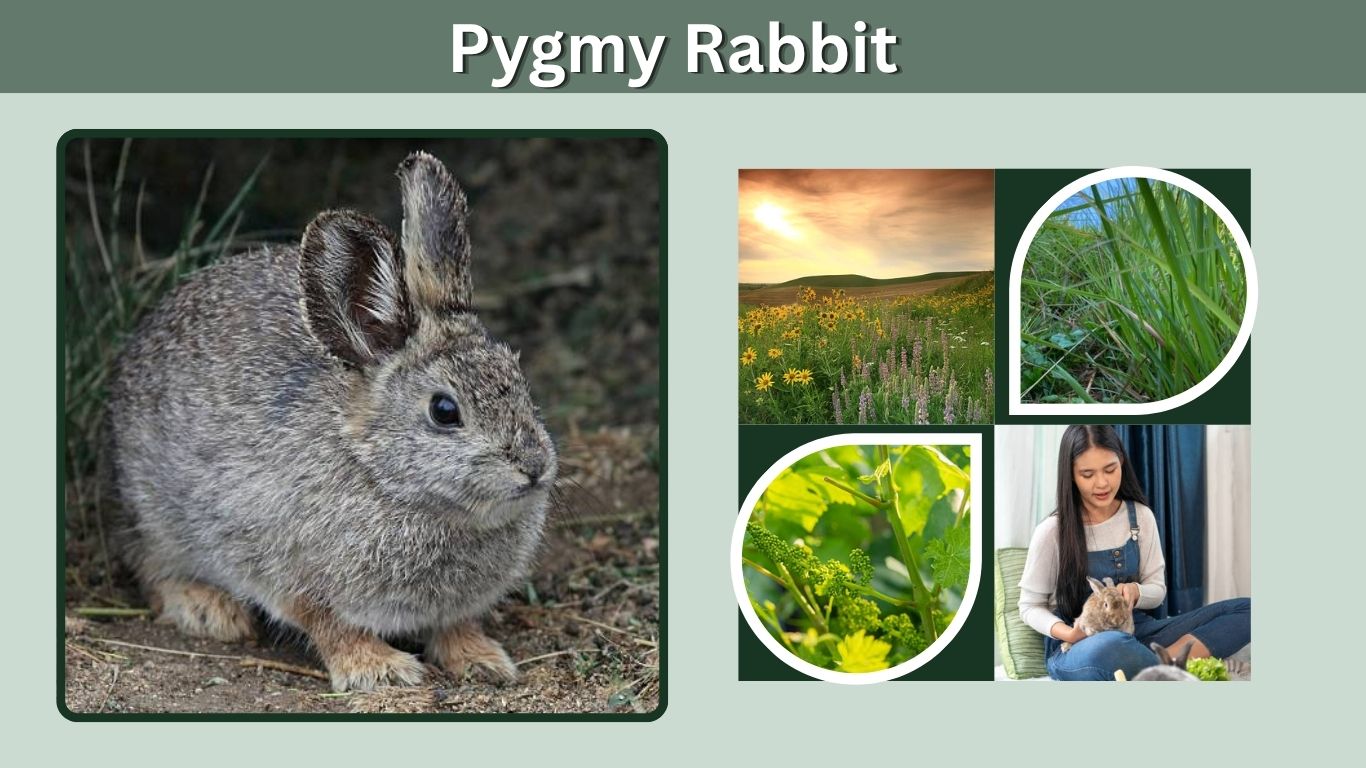
The pygmy rabbit is the smallest rabbit species in North America and one of the most fascinating animals found in sagebrush ecosystems. Known for its tiny body, short ears, and secretive behavior, this rabbit plays an important role in western habitats across states like Idaho, Oregon, and Washington. Many people search for information about pygmy rabbit size, lifespan, diet, and conservation because the species faces growing environmental threats. Understanding where pygmy rabbits live and why they are endangered helps highlight the importance of protecting their fragile ecosystem.
What Is a Pygmy Rabbit?
The pygmy rabbit, scientifically known as Brachylagus idahoensis, is a small rabbit species native to the western United States. Unlike many other rabbits, pygmy rabbits dig their own burrows and rely heavily on sagebrush for both shelter and food. Their compact size and excellent camouflage help them survive in dry grasslands and shrub-covered landscapes.
These rabbits are often confused with young cottontail rabbits, but pygmy rabbits remain much smaller even when fully grown. Wildlife experts consider them an important indicator species because their population health reflects the condition of sagebrush ecosystems.
Key Characteristics of a Pygmy Rabbit
Pygmy rabbits have several unique physical and behavioral features that separate them from other rabbit species.
- Small rounded body with short legs
- Gray-brown fur that blends into sagebrush habitat
- Short ears compared to cottontail rabbits
- Tiny fluffy tail with very little white coloring
- Ability to dig complex underground burrows
Their small appearance makes them one of the cutest wild rabbit species in North America, which is why many people search for pictures of pygmy rabbits online.
Pygmy Rabbit Size and Appearance
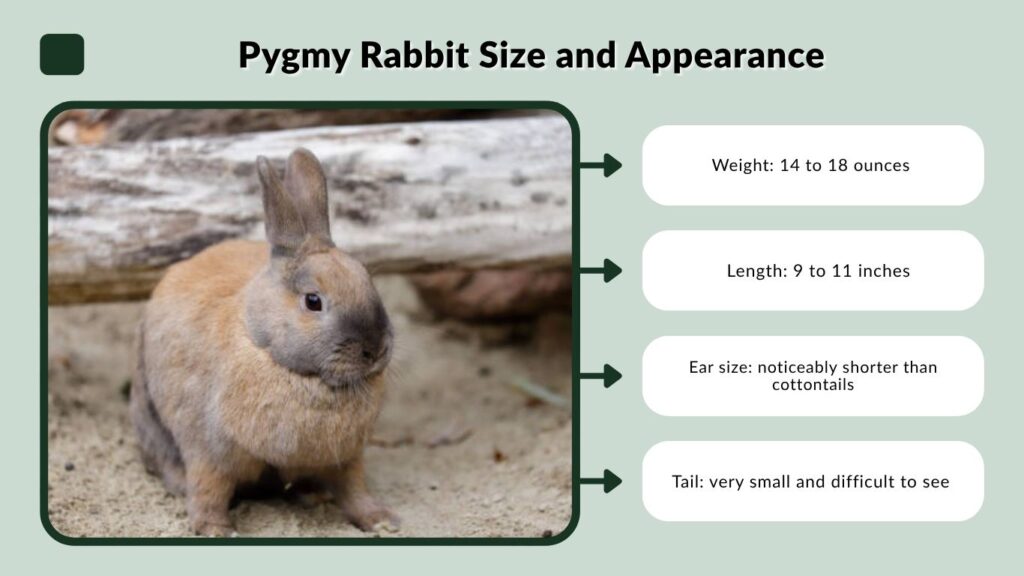
Pygmy rabbits are extremely small compared to most domestic and wild rabbits. Adult pygmy rabbits usually weigh less than one pound and measure around 9 to 11 inches long. Females are often slightly larger than males, although both remain compact throughout adulthood.
Their fur is generally soft and grayish brown, helping them blend into dry desert vegetation. The ears are short and rounded, which helps reduce heat loss during cold winters. Columbia Basin pygmy rabbits may show slight variations in fur tone and ear coloration, making them especially interesting to wildlife researchers.
How Big Is a Full-Grown Pygmy Rabbit?
Even a full-grown pygmy rabbit remains tiny compared to other rabbit species. Their lightweight body allows them to move quickly through thick vegetation and narrow burrows.
Average measurements include:
- Weight: 14 to 18 ounces
- Length: 9 to 11 inches
- Ear size: noticeably shorter than cottontails
- Tail: very small and difficult to see
Because of their miniature size, many people compare them to teacup rabbits, although pygmy rabbits are a completely different wild species.
Where Do Pygmy Rabbits Live?
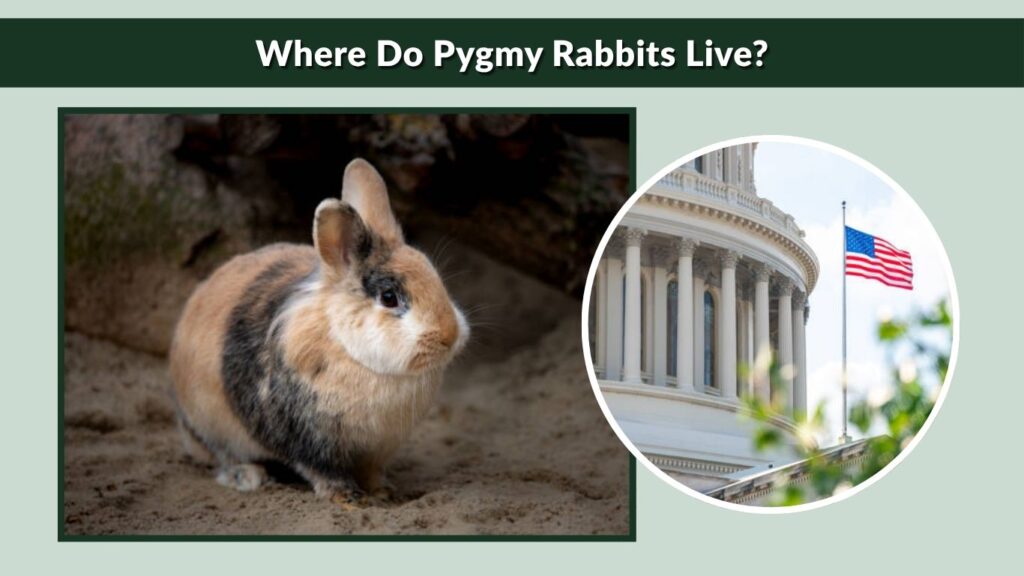
Pygmy rabbits live primarily in sagebrush habitats across the western United States. These environments provide food, shelter, and protection from predators. Dense sagebrush is essential because pygmy rabbits depend on it throughout the year, especially during winter when other food sources become limited.
Their range includes parts of Idaho, Oregon, Nevada, Utah, Montana, and Washington State. The Columbia Basin pygmy rabbit population became especially well known because of its severe population decline and conservation efforts.
Why Sagebrush Habitat Matters
Sagebrush ecosystems support the survival of pygmy rabbits in several important ways. Without healthy sagebrush coverage, the rabbits struggle to find food and avoid predators.
Key benefits of sagebrush habitat include:
- Protection from hawks, coyotes, and foxes
- Reliable winter food source
- Safe areas for burrow construction
- Shade during hot summer temperatures
Habitat destruction caused by agriculture, wildfires, and land development continues to threaten pygmy rabbit populations across their natural range.
Columbia Basin Pygmy Rabbit
The Columbia Basin pygmy rabbit is one of the rarest rabbit populations in North America. This group originally lived in central Washington and became genetically isolated from other pygmy rabbit populations over thousands of years. Scientists discovered that the Columbia Basin population had unique genetic traits, making it especially valuable for conservation efforts.
During the early 2000s, the population declined dramatically due to habitat loss and predation. Wildlife agencies launched emergency breeding and recovery programs to prevent extinction. Although the species came dangerously close to disappearing, conservation projects helped reintroduce rabbits into protected areas.
Why the Columbia Basin Population Is Important
The Columbia Basin pygmy rabbit became a major focus of wildlife conservation because of its ecological and genetic importance. Protecting this rabbit also helps preserve the broader sagebrush ecosystem that supports many other species.
Conservation efforts focus on:
- Captive breeding programs
- Habitat restoration projects
- Predator management strategies
- Population monitoring and research
These recovery programs continue today as scientists work to improve the long-term survival of pygmy rabbits in the wild.
Are Pygmy Rabbits Endangered?
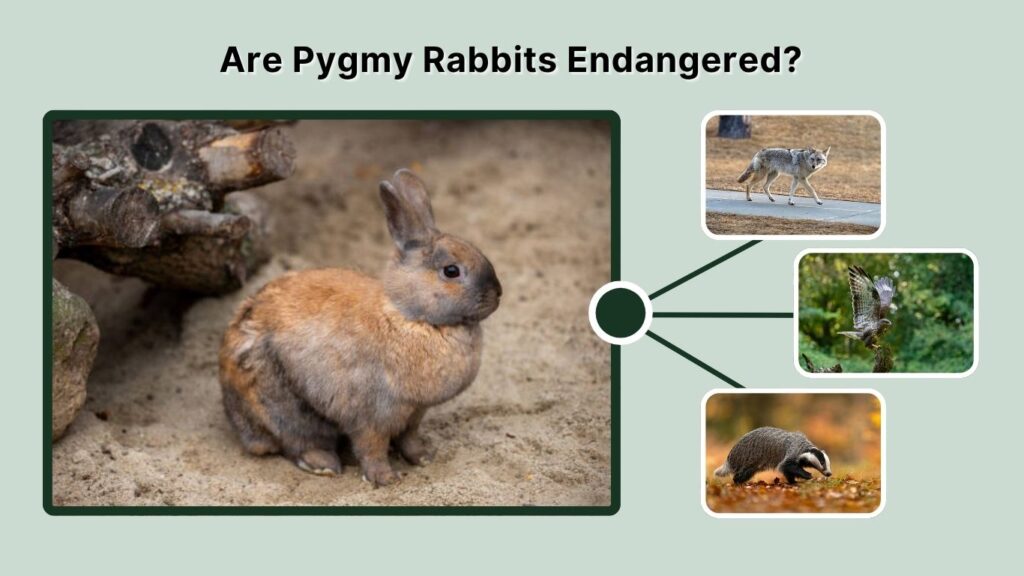
Pygmy rabbits are considered a species of conservation concern because their populations have declined in several parts of the western United States. The Columbia Basin pygmy rabbit became especially endangered after habitat destruction and wildfires reduced its already limited population. Wildlife experts continue to monitor these rabbits closely to prevent further population loss.
Human activity has had a major impact on sagebrush ecosystems, which directly affects pygmy rabbit survival. Since these rabbits rely heavily on dense sagebrush for food and shelter, even small environmental changes can create serious risks for local populations.
Why Are Pygmy Rabbits Endangered?
Several environmental pressures contribute to declining pygmy rabbit numbers across their natural habitat.
- Loss of sagebrush habitat from agriculture and development
- Large wildfires destroying nesting and feeding areas
- Predators such as coyotes, hawks, and badgers
- Climate changes affecting vegetation growth
- Habitat fragmentation that isolates rabbit populations
Because pygmy rabbits reproduce slowly compared to some other rabbit species, recovering from population declines can take many years.
How Many Pygmy Rabbits Are Left?
Exact population numbers are difficult to determine because pygmy rabbits are shy and spend much of their time hidden in vegetation or underground burrows. However, wildlife agencies estimate that some populations remain fragile, especially in Washington State.
The Columbia Basin pygmy rabbit population once dropped to extremely low numbers, forcing conservation teams to begin captive breeding programs. Thanks to restoration efforts, some rabbits have successfully returned to protected habitats, although long-term survival still depends on continued conservation work.
What Do Pygmy Rabbits Eat?
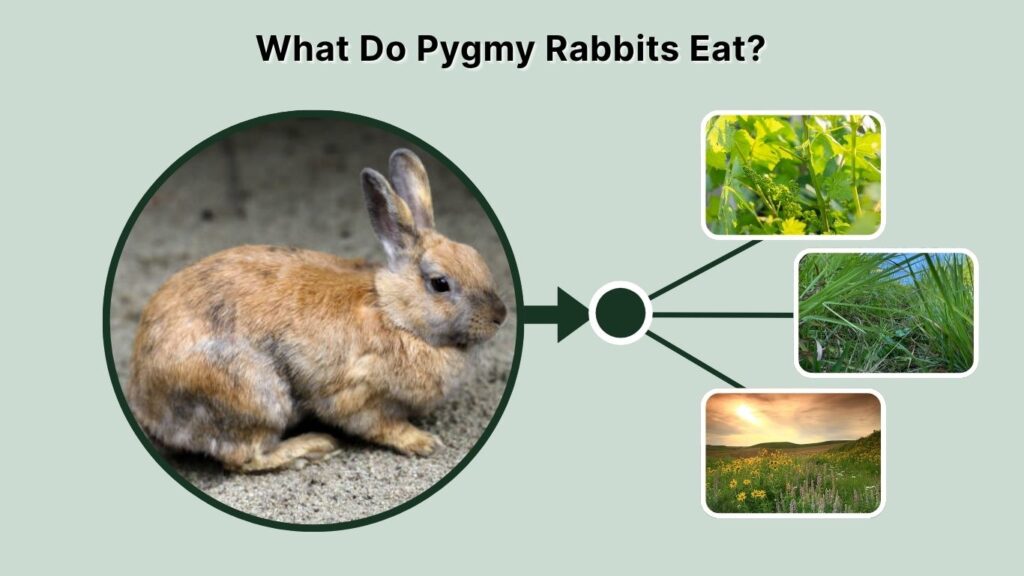
Pygmy rabbits survive mainly on sagebrush, making them one of the few rabbit species that depend heavily on this plant throughout the year. During winter, sagebrush can make up nearly all of their diet. In warmer months, pygmy rabbits also eat grasses and other small plants growing near their burrows.
Their feeding behavior helps maintain balance within sagebrush ecosystems. By grazing on vegetation and spreading plant material, pygmy rabbits contribute to natural ecological processes in western grasslands.
Seasonal Feeding Habits
The diet of pygmy rabbits changes slightly depending on the season and food availability.
- Winter: mostly sagebrush leaves and stems
- Spring: grasses and fresh vegetation
- Summer: flowers and green plants
- Autumn: mixed shrubs and dry grasses
Because they rely so heavily on sagebrush, habitat destruction immediately reduces their food supply and increases survival challenges.
Pygmy Rabbit Lifespan and Life Cycle
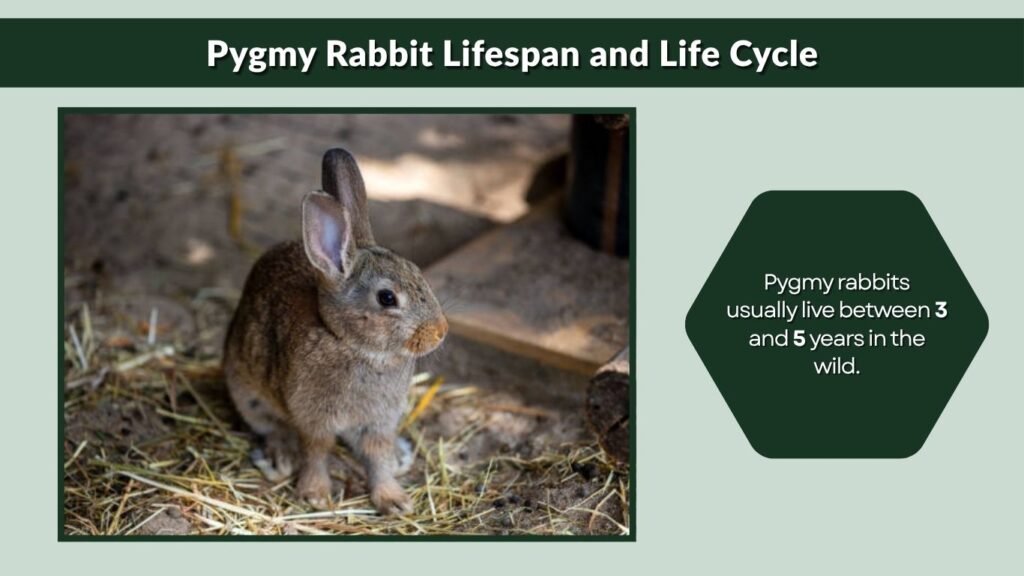
Pygmy rabbits usually live between three and five years in the wild, although many do not survive that long due to predators and environmental pressures. In protected environments or captivity, they may live slightly longer when food and shelter remain stable.
These rabbits reproduce during spring and early summer. Female pygmy rabbits create nesting chambers inside burrows where they raise their young safely underground. Baby rabbits grow quickly and begin exploring outside the burrow after only a few weeks.
Reproduction and Early Growth
Pygmy rabbits have a relatively short breeding season compared to many domestic rabbit breeds. Their reproductive cycle depends heavily on environmental conditions and food availability.
Young rabbits face several survival challenges:
- Harsh weather conditions
- Predator attacks
- Limited food supplies
- Habitat disturbances from wildfires
Despite these threats, healthy habitats can support stable pygmy rabbit populations over time.
Pygmy Rabbits as Pets
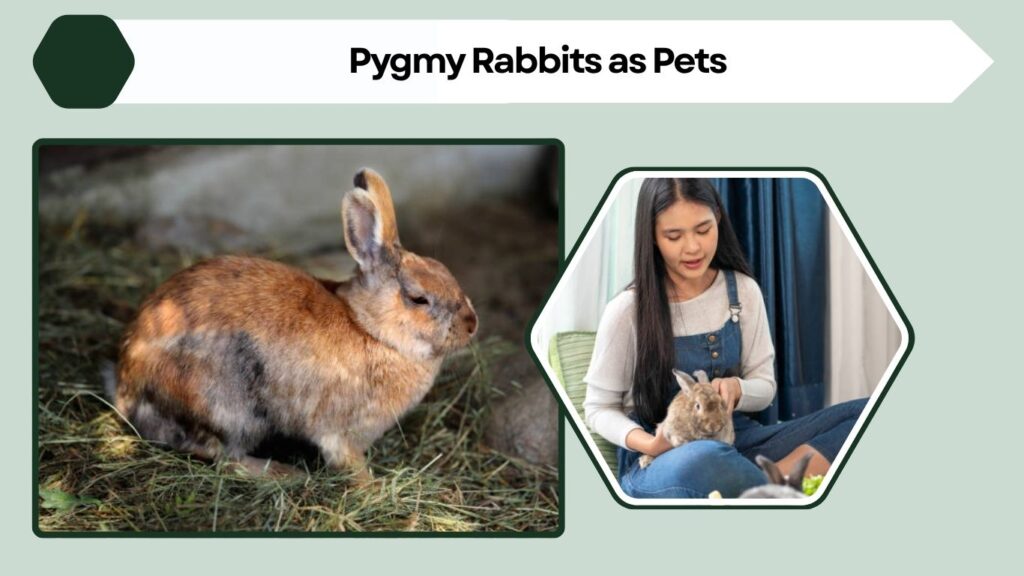
Many people search for pygmy rabbits as pets because of their tiny size and cute appearance. However, true pygmy rabbits are wild animals and are generally not suitable as household pets. In some areas, owning wild pygmy rabbits may also be restricted by wildlife laws and conservation regulations.
Unlike domestic rabbits, pygmy rabbits are extremely shy and sensitive to stress. They require specialized diets, quiet surroundings, and natural habitat conditions that are difficult to recreate indoors.
Important Care Considerations
People interested in small rabbit breeds should understand the challenges associated with pygmy rabbit care.
- Require large and secure enclosures
- Need constant access to hay and fresh vegetation
- Become stressed easily around noise or handling
- May require exotic animal veterinary care
- Often unsuitable for families with children
Because of these difficulties, experts usually recommend adopting domesticated rabbit breeds instead of attempting to keep wild pygmy rabbits as pets.
Interesting Facts About Pygmy Rabbits
Pygmy rabbits have several fascinating traits that make them unique among North American mammals. Their ability to survive in harsh sagebrush environments has attracted attention from wildlife researchers and conservationists for decades.
Some interesting facts include:
- They are the smallest rabbit species in North America
- They dig their own burrows instead of using abandoned dens
- Their short ears help conserve body heat in winter
- Sagebrush forms the majority of their annual diet
- They rely heavily on camouflage for protection
These remarkable adaptations help pygmy rabbits survive in some of the toughest environments in the western United States.
FAQ
Are pygmy rabbits endangered?
Yes, pygmy rabbits are considered a species of conservation concern in several western states. The Columbia Basin pygmy rabbit population became critically endangered because of habitat destruction, wildfires, and predation. Conservation programs continue to help restore populations in protected sagebrush habitats.
What do pygmy rabbits eat?
Pygmy rabbits mainly eat sagebrush throughout the year, especially during winter when other vegetation becomes scarce. In spring and summer, they also consume grasses, flowers, and green plants growing near their burrows in sagebrush ecosystems.
How big is a full-grown pygmy rabbit?
A full-grown pygmy rabbit usually measures between 9 and 11 inches long and weighs around 14 to 18 ounces. They are considered the smallest rabbit species in North America and remain much smaller than cottontail rabbits.
Can pygmy rabbits be kept as pets?
True pygmy rabbits are wild animals and are generally not recommended as pets. They are highly sensitive to stress and require specialized care, natural habitat conditions, and expert veterinary support. Wildlife laws may also restrict ownership in some regions.
Where do pygmy rabbits live?
Pygmy rabbits live in sagebrush habitats across the western United States, including parts of Idaho, Oregon, Utah, Nevada, Montana, and Washington State. They depend heavily on dense sagebrush vegetation for food, shelter, and protection from predators.