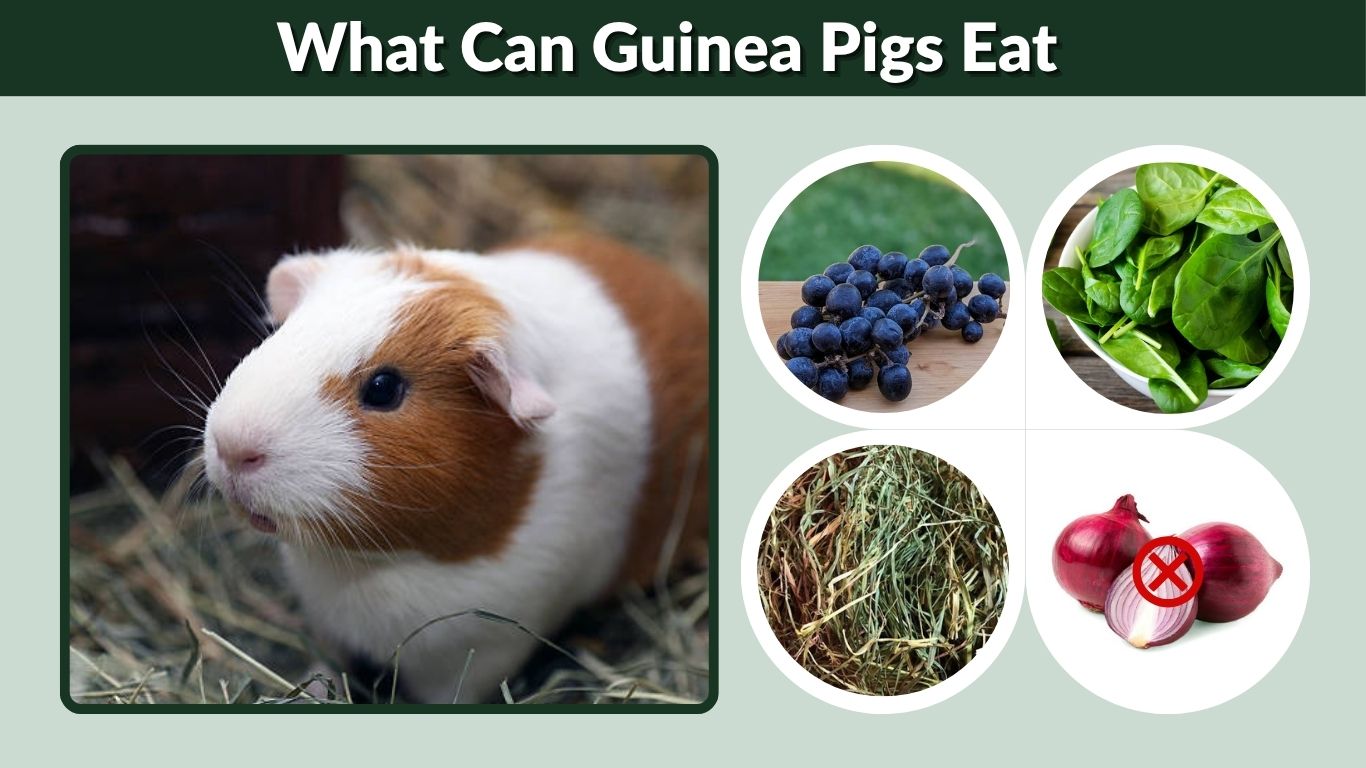
Guinea pigs can eat many fresh vegetables, a few fruits, unlimited hay, and specially made guinea pig pellets. However, not every human food is safe for them. Some foods are healthy in small amounts, while others can cause stomach problems, choking, or poisoning. A good guinea pig diet should be simple, fresh, and balanced, with hay as the main daily food.
What Can Guinea Pigs Eat Daily?
Guinea pigs need a diet that supports their teeth, digestion, and vitamin C needs. Their teeth grow constantly, so they must chew fibrous food every day. They also cannot make vitamin C on their own, so fresh vegetables are very important for their health.
Hay Should Be the Main Food
Hay should make up most of a guinea pig’s daily diet. Timothy hay is one of the best choices for adult guinea pigs. Orchard grass hay and meadow hay can also be used. Hay keeps their digestive system moving and helps prevent overgrown teeth.
A guinea pig should always have fresh hay available. If hay smells moldy, dusty, or damp, do not feed it. Poor-quality hay can cause breathing and stomach issues.
Fresh Vegetables Are Important
Fresh vegetables give guinea pigs vitamins, minerals, and water. Bell peppers are especially useful because they contain vitamin C. Romaine lettuce, cucumber, cilantro, zucchini, and green beans can also be offered in safe portions.
Good daily or regular vegetables include:
- Bell peppers
- Romaine lettuce
- Cucumber
- Cilantro
- Zucchini
- Green beans
- Carrot tops
- Small amounts of celery
- Fresh grass from safe areas
Vegetables should be washed well before feeding. Remove old vegetables from the cage before they spoil.
Guinea Pig Pellets
Guinea pigs can eat plain guinea pig pellets, but pellets should not be the main food. Choose pellets made specifically for guinea pigs, not rabbit food or hamster food. Guinea pig pellets usually contain added vitamin C.
Avoid pellets with colorful pieces, seeds, dried fruit, or sweet treats. These mixes may look fun, but they are often less healthy. A plain, high-quality pellet is better.
Safe Vegetables for Guinea Pigs
Vegetables should be part of the daily diet, but not every vegetable is suitable every day. Some are gentle and useful, while others should be fed only sometimes because they may cause gas or contain high calcium.
Best Vegetables for Regular Feeding
Some vegetables are safer for frequent feeding because they are hydrating, low in sugar, and easy to digest. Bell peppers are one of the best choices because they provide vitamin C without too much sugar.
Safe regular vegetables include:
- Bell peppers
- Romaine lettuce
- Cucumber
- Cilantro
- Zucchini
- Green beans
- Fresh grass
- Dandelion leaves from pesticide-free areas
Introduce new vegetables slowly. If your guinea pig has soft droppings or bloating after eating a food, stop feeding it and try a smaller amount later.
Can Guinea Pigs Eat Celery?
Yes, guinea pigs can eat celery in small pieces. Celery is watery and crunchy, but it has strings that may be hard to chew. Always cut celery into small slices to reduce choking risk.
Celery leaves can also be given in small amounts if they are fresh and clean. Do not feed too much celery because it does not provide enough balanced nutrition by itself.
Can Guinea Pigs Eat Broccoli and Cabbage?
Guinea pigs can eat broccoli and cabbage, but only in small amounts. These vegetables can cause gas and bloating in some guinea pigs. A tiny piece once or twice a week is safer than giving large portions.
If your guinea pig becomes uncomfortable, stops eating, or has a swollen belly after eating gas-producing vegetables, remove that food from the diet.
Can Guinea Pigs Eat Spinach and Kale?
Spinach and kale can be fed sometimes, but they should not be daily foods. They are nutritious but high in calcium. Too much calcium may increase the risk of bladder sludge or urinary problems in some guinea pigs.
Offer small amounts occasionally and rotate with lower-calcium vegetables like bell pepper, cucumber, and romaine lettuce.
Safe Fruits for Guinea Pigs
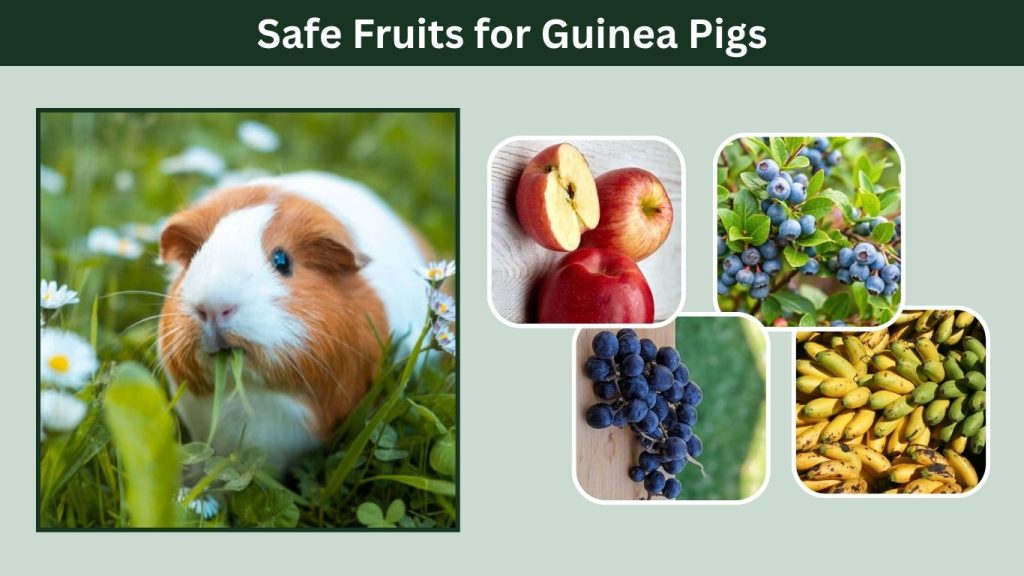
Fruits are not daily foods for guinea pigs. They are sweet and should be treated as occasional snacks. Too much fruit can cause weight gain, soft droppings, and digestive upset.
Can Guinea Pigs Eat Apples?
Yes, guinea pigs can eat apples in small amounts. Remove the seeds and core before feeding because apple seeds are unsafe. The skin is usually fine if the apple is washed well.
A small slice once or twice a week is enough. Apples contain sugar, so they should not replace vegetables or hay.
Can Guinea Pigs Eat Grapes?
Guinea pigs can eat grapes, but only rarely and in very small amounts. Grapes are high in sugar and can upset the stomach if given too often. Cut grapes into small pieces to reduce choking risk.
Because grapes are sweet, they should be a treat, not a regular part of the diet.
Can Guinea Pigs Eat Strawberries and Blueberries?
Yes, guinea pigs can eat strawberries and blueberries in small portions. These fruits are popular treats, but they still contain sugar. A small strawberry slice or a few blueberries occasionally is enough.
Strawberry tops may also be eaten if they are clean and pesticide-free. Always introduce berries slowly.
Can Guinea Pigs Eat Bananas?
Guinea pigs can eat bananas, but it should be very limited. Bananas are soft, sweet, and high in sugar. Too much can cause stomach upset or weight gain.
A tiny piece once in a while is enough. Bananas should never become a daily food.
Fruits and Vegetables Feeding Chart
Fresh foods should be rotated, not overused. This helps prevent too much sugar, calcium, or gas-producing food in the diet. The table below gives a simple feeding guide.
| Food | Safe for Guinea Pigs? | Feeding Advice |
| Bell peppers | Yes | Good regular vegetable |
| Cucumber | Yes | Hydrating, feed in moderate amounts |
| Romaine lettuce | Yes | Safer than iceberg lettuce |
| Apples | Yes | Small slices, remove seeds |
| Grapes | Yes | Rare treat, high sugar |
| Strawberries | Yes | Occasional small treat |
| Bananas | Yes | Very small amount only |
| Broccoli | Yes | Small amount, may cause gas |
| Kale | Yes | Occasionally, high calcium |
| Onion | No | Unsafe and should be avoided |
| Potato | No | Not recommended |
| Avocado | No | Unsafe, avoid completely |
Foods Guinea Pigs Should Not Eat
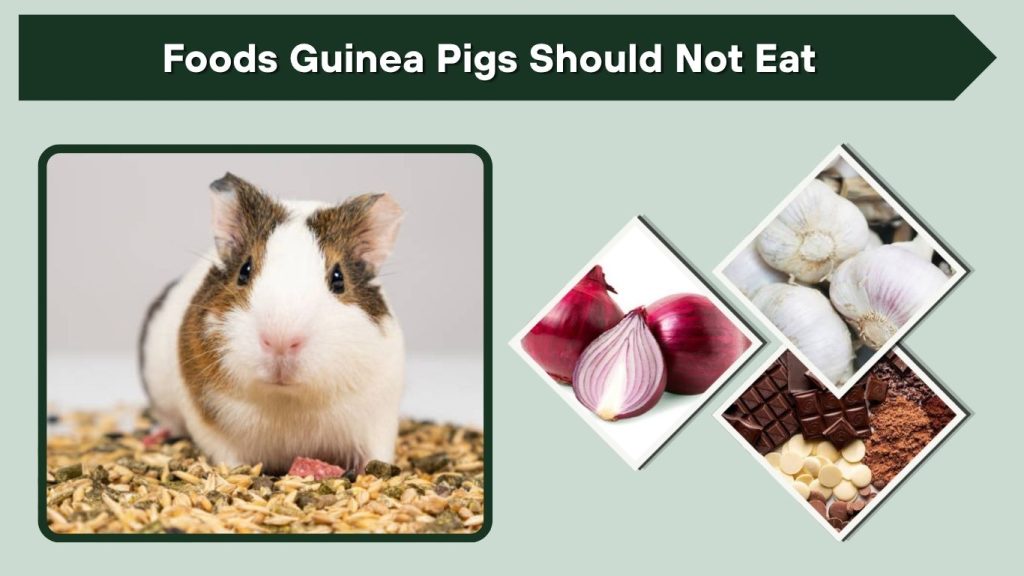
Some foods are dangerous for guinea pigs and should never be offered. Guinea pigs have sensitive digestive systems, and unsafe foods can cause serious health problems quickly.
Toxic or Unsafe Foods
Avoid foods that are poisonous, too fatty, too salty, or hard to digest. Many common kitchen foods are not suitable for guinea pigs.
Do not feed:
- Onion
- Garlic
- Green onions
- Chives
- Avocado
- Chocolate
- Candy
- Bread
- Meat
- Cheese
- Yogurt
- Cooked meals
- Potato
- Rhubarb
- Iceberg lettuce in large amounts
Guinea pigs are herbivores. They should not eat dairy, meat, or processed human snacks.
Can Guinea Pigs Eat Cheese?
No, guinea pigs should not eat cheese. They cannot digest dairy properly. Cheese is too fatty and can upset their stomach. It does not belong in a guinea pig’s diet.
Stick to hay, vegetables, small fruit treats, and guinea pig pellets.
Can Guinea Pigs Eat Potatoes?
Potatoes are not a good food for guinea pigs. Raw potato, potato leaves, and green parts can be unsafe. Cooked potato is also not suitable because guinea pigs should not eat starchy cooked foods.
There are many safer vegetables, such as bell pepper, cucumber, romaine lettuce, and zucchini.
Can Guinea Pigs Eat Onions?
No, guinea pigs should never eat onions. Onion, garlic, chives, and green onions are unsafe. These foods can cause serious health problems and should be kept away from guinea pigs completely.
If a guinea pig eats onion by mistake, contact a vet for advice.
How Much Food Should Guinea Pigs Eat?
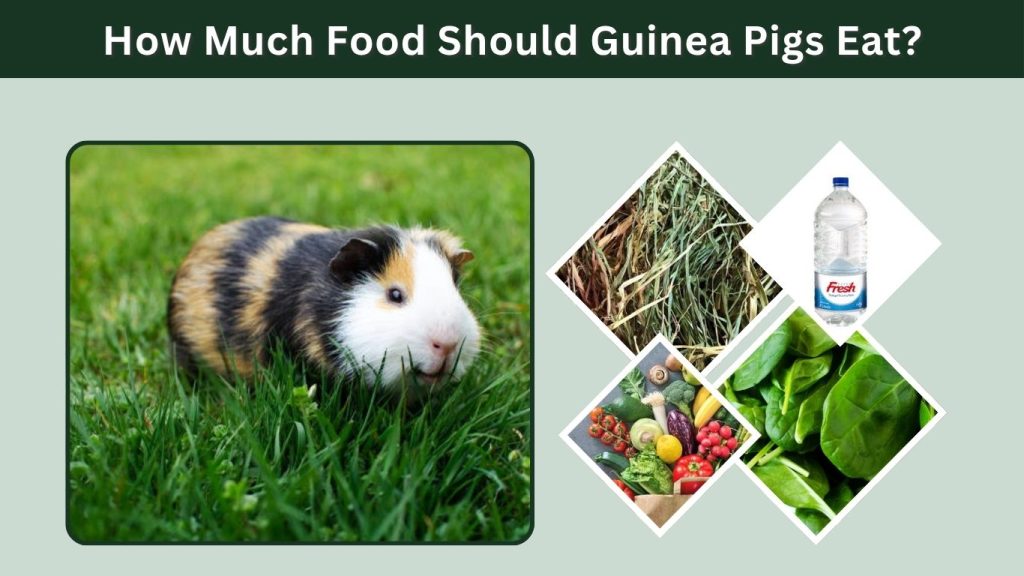
A healthy guinea pig diet should be balanced. Hay should always be available, vegetables should be given daily, pellets should be limited, and fruit should be occasional.
Simple Daily Feeding Plan
A basic daily feeding plan may include unlimited hay, fresh water, a small amount of pellets, and a cup of mixed vegetables. The exact amount can vary depending on age, size, health, and vet advice.
A simple routine:
- Unlimited fresh hay
- Fresh water every day
- Small portion of guinea pig pellets
- About one cup of safe vegetables
- Fruit only as a small treat
- No processed human food
Watch your guinea pig’s weight and droppings. Sudden changes may mean the diet needs adjustment.
How Often Should Guinea Pigs Eat Fruit?
Fruit should be given only occasionally. Once or twice a week is enough for most guinea pigs. Even safe fruits like apples, strawberries, blueberries, grapes, mango, pineapple, and watermelon contain sugar.
Too much fruit can lead to soft stool, weight gain, and picky eating. If a guinea pig starts refusing vegetables and waiting for fruit, reduce sweet treats.
Fresh Water Is Essential
Guinea pigs must always have clean water. A water bottle or heavy bowl can work, but it must be cleaned regularly. Some guinea pigs prefer bowls, while others use bottles better.
Check the water daily. Bottles can clog, and bowls can become dirty with bedding or hay.
Tips for Feeding Guinea Pigs Safely
Feeding guinea pigs is not only about choosing safe foods. Owners also need to prepare food correctly, introduce new items slowly, and avoid sudden diet changes.
Wash and Cut Food Properly
Fresh produce should be washed to remove dirt and possible chemicals. Cut harder foods into small pieces. Remove seeds, pits, stems, or unsafe parts when needed.
For example, remove apple seeds, peach pits, cherry pits, and large hard pieces. Cut celery into small slices because of its strings.
Introduce New Foods Slowly
Guinea pigs have sensitive stomachs. A sudden new food can cause soft droppings or discomfort. Start with a tiny amount and watch your guinea pig for a day.
If there are no problems, you can offer that food again in a small portion. If droppings become soft, stop feeding that item.
Avoid Overfeeding Treats
Many guinea pigs love sweet foods, but treats should stay limited. Fruit, carrots, corn, and sweet vegetables should not dominate the diet.
Better everyday choices are hay, bell peppers, leafy greens, cucumber, and other safe vegetables. Treats should support the diet, not replace it.
FAQs
Can guinea pigs eat grapes every day?
No, guinea pigs should not eat grapes every day. Grapes are high in sugar and should be offered only as a rare treat. Cut them into small pieces before feeding. Too many grapes may cause soft droppings, weight gain, or digestive upset.
Can guinea pigs eat apples with skin?
Yes, guinea pigs can eat apple skin if the apple is washed well. However, remove the seeds and core before feeding. Apple should be given in small slices because it contains sugar. It is better as an occasional treat, not a daily food.
What vegetables can guinea pigs eat daily?
Guinea pigs can regularly eat vegetables such as bell peppers, romaine lettuce, cucumber, cilantro, zucchini, and green beans. Bell peppers are especially helpful because they provide vitamin C. Rotate vegetables and avoid giving too much of one food every day.
Can guinea pigs eat bananas?
Yes, guinea pigs can eat banana, but only in tiny amounts. Banana is soft and sweet, so too much can upset their stomach or cause weight gain. A small piece once in a while is enough. It should never replace hay or vegetables.
What foods are poisonous to guinea pigs?
Unsafe foods include onion, garlic, chives, avocado, chocolate, rhubarb, dairy, meat, and processed snacks. Potatoes are also not recommended. Guinea pigs should mainly eat hay, fresh vegetables, safe fruits in small amounts, clean water, and guinea pig pellets.